Author: Jake Bruton

  • Nintendo Switch: Where it Should Go

    Nintendo Switch: Where it Should Go

    (Opinion) The Nintendo Switch is just a bit shy over 1 year’s old. And while I was late to the party (not obtaining my own copy of the hybrid console until last February), it seems to have had a great lifespan – at least, according to other outlets. And it’s fair enough to assume so. We got Mario Odyssey, Xenoblade Chorincles 2, Fire Emblem Warriors, Breath of the Wild, and more great games. But, wait? Do you notice something there? Most of the Switch’s greatest games released in its first year are either all Nintendo IPs, or published by Nintendo? Seem familiar?

    This is the pattern I’ve noticed on Nintendo consoles ever since I interacted with them as a child. The DS, 3DS, Wii, WiiU, all had some great first-party games on it. And some decent third-parties, but mostly first-parties. And while these titles are always a blast, fans have been crying for more and more third-party support ever since the days of the Wii, and even some consoles beforehand. And while we can blame it on the sales (for example, the awfully performing WiiU), I personally believe we have none other than Nintendo to blame. The entertainment company has always been harsh on third-parties; pretty much denying any and all access to their consoles, at least to triple A games and developers. And it’s that push that leads to poorly-performing console sales on Nintendo’s end.

    Recently, we saw a light of hope with the Nintendo Switch focusing on a more pro-third-party catalogue and a more pro-mature one as well. We’ve seen titles we’d never suspect make it to a Nintendo console, such as Skyrim, L.A. Noire, and even DOOM. It’s honestly amazing to me, but at the same time, it’s not enough. Now, I know this makes me sound like some nit-picky, over-demanding fanboy. That may be the case. However, it’s not enough to me, because the steam we were picking up for more immersive, third-party games on the new Switch has started to blow down.

    And while we can understand – not everyone is eager to port every triple A game to the Switch – there’s another problem present along with it: lack of original, new first-parties. That’s just a big Nintendo-no-no. Sure, we have all the games I previously mentioned, including Pokken, Mario Kart 8, and more. But most of these games are WiiU ports, and if not, there’s not many brand-new Nintendo IPs on the new console. It feels almost as if Nintendo hadn’t even given themselves enough time to have a powerful catalogue to go with.

    So, in a hopes to rally some discord and to get Nintendo thinking, here’s the Nintendo IPs that need to be made for the Switch. And not just ported: new AND original, to separate the console from the WiiU/3DS. Alongside this is discussion of the need of a system software overhaul.

    1) Pokemon Switch
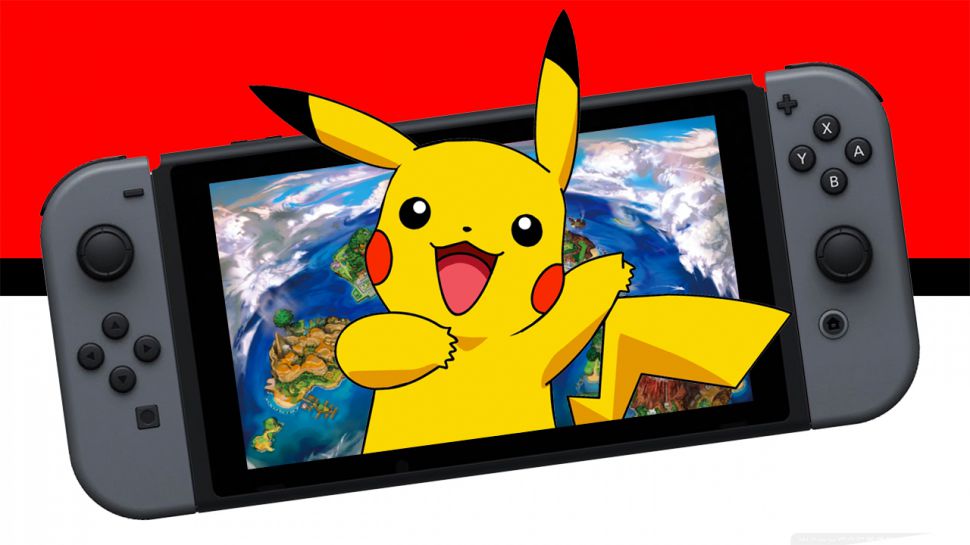
    We’ve already been seeing confirmations of the Pokemon Switch game to be the 8th generation, and this is great news! This most likely points to a guarantee that it will be a new mainline Pokemon game, and not a port or mashup of Sun & Moon.

    2) Animal Crossing
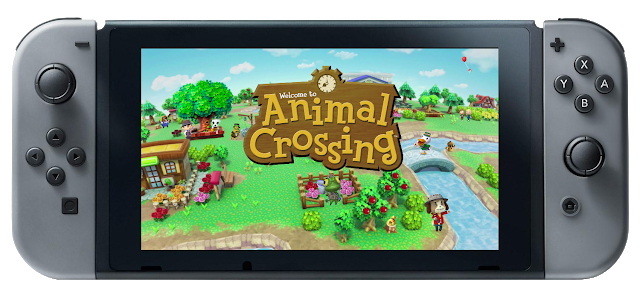
    The last home console Animal Crossing game is going to be ten years old this November. 10 years old. The last fully-fledged Animal Crossing game is going to be 6 this year. Yes, I’m excluding Happy Home Designer and the mobile Pocket Camp. Animal Crossing is obviously a popular Nintendo IP that many people, young and old, love dearly. The Switch being a hybrid console, means we could indeed have a beautiful, large Animal Crossing game going with us anywhere in the world. I don’t want ports, as stated, but sticking with the idea of City Folk wouldn’t be bad either.

    3) Star Fox
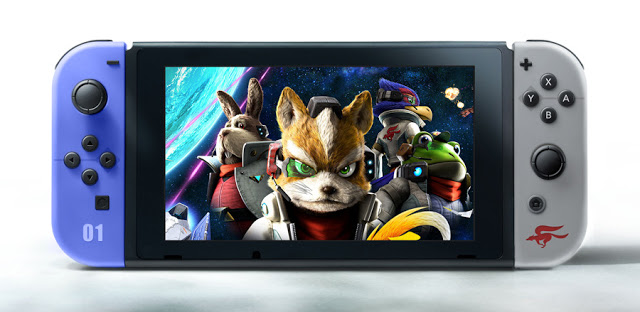
    One of the more underrated IPs of Nintendo is Star Fox. I personally loved the play style of all the Star Fox games I had the chance to play as a kid. The last attempt to boot up Star Fox on the WiiU didn’t go as well as expected, only averaging a 69% metacritic score. The Switch’s booted graphics and mobility, however, are the perfect environment for a Star Fox game to find itself in.

    4) Fire Emblem
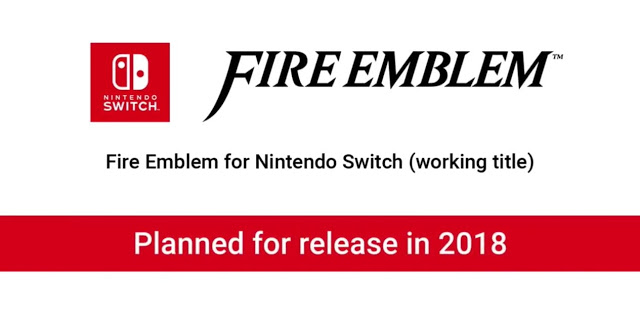
    We’ve had a very basic confirmation that the Switch will indeed have a Fire Emblem game (not referencing Fire Emblem Warriors). However, this statement was made long ago, not too long after the Switch’s birth. Since then, several Nintendo Directs have passed, and no news has been shared about the project. I’m hoping Nintendo will go for a new game, like Fates or Awakening, and avoid another port, or at the very least bring a from-the-ground-up reboot of an older game.

    Alongside these suggestions, of course Nintendo needs to do all they can to make the Switch more inviting to third-party developers. They need to force developers to think “Nintendo-only.” Many great third-party games yet to release for the Switch are also going to release for other platforms, and while this offers a great amount of choice to players, this can very well be bad for business to Nintendo. I’ve noticed this lack of Switch-only third-parties lately, and we all know it’s in fear of failing sales. If Nintendo makes their move now with more first-party releases, and some major system changes (I discuss those down further), they can reignite the hype and buzz the console had upon it’s first announcement. Such a rise in coverage would bolster sales, at least in theory, and make third-parties that aren’t just indies (hopefully) strive to create unique, exclusives for the console.

    I mentioned needing a system overhaul earlier, and whether you agree or not, the system itself seems so…lacking. The 3DS is an amazing performer for Nintendo, just ask anyone. This system also has a unique, customizable and interactive software UI. The Switch? A choice between White or Black backgrounds, with some game tiles and a button to the eShop, Album, Settings and Controllers. While many may respect the simplicity, it just seems to barebones for a Nintendo system.

    First and foremost, the lack of customizing makes it moot. White or Black are our options of Themes, yet there’s no Theme shop available like there is for the 3DS. I can’t make folders for certain apps, I can’t use a web browser, user profiles are lackluster. I personally think the Nintendo Switch’s UI is where it fails the most. It’s so boring and unimaginative that sometimes browsing your console is just, well, unbearable. I strongly believe Nintendo is hard at work on addressing such changes, but we can only hope it comes soon enough before the interest and lack of support fades from this very promising console.

    What are your thoughts? Feel free to debate down in the comments section, or share what games and changes you want to see on the Nintendo Switch.


  • YouTube’s demonetization finally recognized; popular creators mad

    YouTube’s demonetization finally recognized; popular creators mad

    YouTube (the behemoth video website and subsidiary of Google [GOOG]) has been the home for many of the world’s at-home entertainment for years. At its inception, YouTube was a simple video sharing website where people can host their video content on the web. The idea caught on eventually when the first ever viral videos made their way to the young website, and content creators like Smosh began to make creative videos on the website.

    Going from 2005, YouTube became a major hub of videos of all types and it saw a very large audience flocking to its service everyday to enjoy an array of content from an even larger array of uploaders/channels. And it is only natural for a new leader of a market to attract the attention of large companies like Google, who bought the company in 2006 for $1.65 billion in stock. And much like anything Google touches (well, almost everything), YouTube became great. It is great, and has been great since its inception.

    With the what seems somewhat successful YouTube Red, and the plethora of advertisers and high-quality content creators, YouTube has had many successful quips under its name (even though it still doesn’t make any money for Google), but it has just an equal amount of not-so popular choices. Choices like these include: the forced Google+ integration, introduction of the buggy content-ID system, and now: the demonetization mechanic.

    Now, the demonetization feature isn’t new to YouTube: it has been a part of the website since 2012. It is essentially a system that takes the tags and information of uploaded videos applied for monetization, and will remove their monetization (or deliver less of it) if the video results in being “not advertiser friendly.” However, it wasn’t until about last week that popular YouTuber content creators began to take notice of the system: and that was because YouTube finally began to inform creator’s that the system has edited their video’s advertising state.

    You could say the fire of this month’s YouTube drama began with creator Philip DeFranco’s video discussing the demonetization of his videos. From there on, multiple other popular YouTubers made videos regarding the concerns, and many others made videos announcing how this was a form of “censorship.” While the publicity of the system has definitely made many content creator’s upset (and has essentially “screwed” over others in some cases), the question about others stating this as “censorship” is quite a hot topic among the community. What many do not know, however, is this is in fact not a form of censorship, and is just the system applying the guidelines for monetization to videos.

    The outcry from creators and their arguments of “censorship” have triggered a factory line of similar videos discussing how someone needs to make a new site like YouTube where “free speech” still reigns supreme. These concerns were acknowledged by video site Vid.me in a humorous trailer playing off of the entire trend. However, what many have not taken into account is the difficulty of managing a service like YouTube, and the fact that the demonetization stands and is not censorship.

    As aforementioned, this system simply reduces the targeted ads (or removes them altogether) on videos who include tags that are rather brash, racial, harmful, offensive, etc. Tags such as “sex,” or “death” would be ones that fall subject to the demonetization system. And many popular content creators have published several videos that used tags within these categories once or twice. This isn’t a form of censorship, as the videos will remain online but rather it protects ads from being presented to the wrong audience and ensures quality for those engaged in Google’s Adwords system.

    Putting to rest the worries isn’t enough however, as the software for this system is still messed up and many videos that are clean for advertisers will still fall victim: reminiscent of the YouTube Content-ID system. And the fact that it took this long for the company to address the demonetization of a creator’s video truly has no justification on YouTube’s part. At the end of the day, this revelation is much like many in YouTube’s career: where the creators and community discover a flaw, creators are effected, the community is enraged, and then the facts are laid out on the table.

    This essentially points YouTube out as a still young and somewhat broken service. It lacks in properly educating its creators on the finer points of its legal terms, and it fails to correctly communicate with the creators that care for the platform. YouTube should strive to improve how it handles its community, and to improve its automated systems.

    To learn more about YouTube’s demonetization, check out this write by the Internet Creators Guild.


    An original article by Jake Brunton

  • Why Pokemon GO Falls Short

    Why Pokemon GO Falls Short

    Pokemon GO is a augmented reality mobile game that released (without announcement) on July 6th, 2016 (in the U.S.). I was in my friend’s car when I refreshed the Google Play store, and searched ‘pokemon’ to come across its app tile in the results. When I got home, I rushed to that Play Store and downloaded and installed Pokemon GO. I thought I would love this game; I figured it would be the game to get mobile games the attention and traction they needed. I thought wrong.

    Since its release, Pokemon GO and developer Niantic has faced challenge after challenge, bug after bug, complaint after complaint. Many eager North American player’s first few days of the game was greeted with constant server shortages and only able to play every so often for a few minutes. Naturally, these outages came about from the influx of new players trying to access; simple tech stuff, right? Well, the first blow to the game and the first sign of failure arose from this: little to no comment about the servers from the company, and in a game where we were given some PokeBalls, and sent on our way. Eventually (about a week or so later) the servers became stable for the most part; most looked past Niantic’s shy communication with the players and continued to enjoy the game, as did I.

    After the servers were finally stable, me and my Pokemon-avid brother would take out at night to “cath em’ all,” and being the mega fan my brother is of the franchise: he enjoyed nearly every minute. I had fun, sure, but something began to set in the back of my mind. Something we all know very well; something we all dread. It was there and I knew it instantly. This feeling creeping on me was none other than boredom. It wasn’t too much to trouble me at first, but then the game finally reached its peak of social media attention and that’s when I knew this would go downhill for me as a player, and for the mobile game itself.

    Every single day here in Ohio, out in the blistering heat; people I knew (including my brother and his friends) would travel to universities near and far and wander aimlessly for hours to capture the abundance of Pokemon available. I can say during my time of playing, I never felt the need to travel as this game shouldn’t treat the larger cities with more spawns. However, it does and people in small towns like me are left with little to no spawns – at the beginning this was okay with me. I was just simply leveling up and hoping to evolve my Pokemon; playing freely whilst many others were ditching town and spending a good deal of cash on the game.

    So, as I continued to get bored with the capturing mechanics (which felt at the time and at this time still seem quite broken [regarding capture rate]) I decided to simply grind my Pokemon with the most CP so I can take some gyms. This part of the game is nearly impossible. Active players at the time (e.g people on the social media wagon) of course played this game with every single second of their free time that they could, and of course this made capturing and holding gyms within the game very close to impossible. I would capture a gym, just to have it taken within about 20 minutes or more (give or take). It started to make me feel even less motivated to take part in the game.

    Then, the social media ‘hype’ and ‘buzz’ of the game soon turned to distrust and conspiracy as the in-game tracker broke. This tool was essential to the whole concept of catching Pokemon, as you could have an estimate of knowing when you’d be close or far from a Pokemon. Without any patch or word, this stayed a problem. Then we got an update: for “minor text fixes.” This, of course being a ridiculous excuse for an update, developed into a bit of a fond ‘meme’ for many of the games players. These ‘minor text fixes’ did not fix the tracker and did not improve gameplay.

    Then, the relatively-young Niantic began to dig itself a deeper whole. A considerable “first major update” arrived, and with it they removed the tracker completely. This of course caused an uproar with players, but many continued on in hopes of one day “catching em’ all.” I also continued to play this, but definitely not as much as I did the prior month.

    Pokemon GO = sad pikachu

    About a day or so after Niantic’s big tracker-fiasco, the company was purportedly the reason behind the shut downs of many of the online Pokemon GO tracker websites. Many players now felt like the company had been suppressing them, and that there was no way to enjoy the game at all. And I agree. Thought, there is much more to why this mobile game “phenomenon” fall short.

    People only see the negatives as given: removed tracking, lack of communication, shutting down fan-run websites, etc. Of course, these taint Niantic’s name and all that they do. But there was, from the start, and has been another negative of the game that led it to what I consider it’s demise: the player base.

    Many will agree when they say this game belongs into an “over-hyped” and “bandwagon” category of sorts. Many die-hard Pokemon fans hyped it, and many people who never even cared and/or heard of the series played it “because everyone else was.” And this isn’t necessarily bad: all the time. Many people play games because many others are; fun games like Overwatch, CS:GO, and even relative mobile titles like Fruit Ninja and Crossy Road are played by millions due to bandwagon. It’s natural. But in the case of Pokemon GO, it was too much. There’s mobile games that are addictive, and then there’s ones that become addictive strictly because of the need to feel like you have conquered over your peers and other strangers.

    pokemon go competitive

    Thanks to the awful leveling system, I was stuck at level 16 forever, barely making it to 17 before I stopped playing. And I chose to stop playing 1) because of the player base and 2) because of the brokenness of the game. Every other player and their grandma had done nothing with their lives besides this game in every breathing moment that they weren’t working or sleeping. Every gym holder and those contributing Pokemon to protect it were way out of my league – level 20+ players with Dragonites and Venasaurs all over 1,500+ CP (much much stronger than anything I can hatch/find at level 17.) I no longer had a point to try for gyms, and the only other mechanic was broken due to messed-up catching rates (low CP Pokemon would break out of a Great Ball and run, despite however many razz berries were tossed its way).

    And the annoyance brought from the player base also deteriorated the game’s reputation and overall play-ability. Always harsh cracks and disrespect based on what fictional team you were. Players would be threaten, called ‘retarded’, or even have their property destroyed for being on an “enemy team.” (according to a redditor on a /r/pokemongo thread). People who were taking the game and its teams way too seriously; people devoting every second to this game (working out isn’t done with every free hour of your day); people neglecting other things in life simply because they want to brag that their Blastoise is stronger. Mix this awful, confused, and allured audience with a game that is relatively broken, barren, and simply boring, and you get a very great concept that rode upon hype and died surely enough.

    The recent figures for the game have come out: Pokemon GO by Niantic has lost over 15 million active players in just one month. And I think the reasons are reflected here in the editorial. Pokemon GO was a great concept, but a rushed release of a buggy game with an over-involved and addicted audience destroyed all that this mobile game had going for it.

  • SONY announces increase in PS+ Pricing. How will this affect the service?

    SONY announces increase in PS+ Pricing. How will this affect the service?

    Playstation Plus
    credit: arstechnica.com

    Just when many PS+ members already felt let down by the considerable low-quality service that is the PS+ membership, Sony made an update to their latest “free games” blog post and sent emails to respective members regarding a price change to the current PS+ model.

    As of September 22nd, the company will be upping the prices of their 1-year membership cards from $49.99 to $59.99 ($69.99 CAD) and the 3-month cards from $17.99 to $24.99 ($29.99 CAD). The 1-month membership, however, will remain at $9.99/month.  The price raise is justified by the company in the following:

    PlayStation Plus strives to enrich your PlayStation experience through a world-class service built for our fans. This marks the first time that PS Plus membership prices will increase in the U.S. and Canada since the launch of the service in 2010. The new pricing reflects the current market conditions while enabling us to continue providing exceptional value to our members. As a member, you will continue to enjoy the benefits and features that enable shared experiences, such as online multiplayer, free games, and exclusive discounts. You will also continue to get exclusive benefits such as online game save storage and discounts across the PlayStation digital services.

    From a business perspective, the change is somewhat understandable. They’re matching their price for their online service subscription to their competitor XBOX LIVE, and many theorize that this is Sony’s attempt at delivering more AAA and quality titles to their monthly “free games” release. Since the inception of PS+, many of had a problem with their free games that arrived each month; most being unknown and/or low quality indie games from the store whilst the rival XBOX LIVE members received quality games and AAA titles. This surprising move by SONY had led many of its users to hope this is their first step in finally delivering non-stop high quality and AAA titles to their lineup each month; which in turn can entice more gamers to switch from the Xbox over to PS4 and bring back old patrons of PS+.

    How this can affect the company

    On a more personal note, I personally hope that SONY understands their current situation with PS+. They do not own any of the game servers that you pay to play on, and their monthly 2 to 3 (and more depending on which consoles you own) “free” games being indies and/or low quality have disappointed many of the subscribers. Though the change in price is not an insane increase, it’s an increase none the less for a service that has seemingly failed to consistently satisfy its members, and if it does not deliver on the first month of its price change (October will see the first (if any) changes of the price increase) then I feel it is safe to assume many will drop the service, and some devotees leave the entire console all together.

    What are you’re thoughts on SONY’s price change to PS+? Do you believe this is to bring better “free games” and discounts to keep them on-par with XBOX LIVE? Let us know your thoughts below.

  • BlackBerry Priv sales out

    BlackBerry Priv sales out

    BlackBerry (BBRY) is a mobile company that has been failing miserably to keep up with relevance with competitors like Android and iPhone. Several months back, however, BlackBerry took the oath of “if you can’t be em’: join em’” and released the BlackBerry Priv: their first Android powered smartphone with classic BBM apps, and Android 5.0 Lollipop; all while boasting touchscreen and the classic keyboard.

    blackberry priv

    While some folks have had their doubts about the phone, or BlackBerry’s chance to become relevant again in the market have been quite slim, news today from Walmart and Best Buy retailers show that the Android-powered device is garnishing a reputation. The two stores (while not immediately sharing sale figures/comments) have restocked the device onto the shelves on Friday – all this while the stock priced jumped up 7% alonside the news.

    The Priv has become the surprising hit from a company who has had many failures in their lineup; and this could be partly due to its unique design (touchscreen + keyboard) and/or Android 5.0 Operating System. With the stock jump and stock shipment, BlackBerry might be in for a very good future of possibly becoming known in the mobile market again; and hopefully bringing challenge to fellow Android product developers, such as Samsung and LG. However, it could take just one major mistake in the Priv device or a quick lack of interest to cause the company to consider leaving mobile hardware all together.

    Anyone who has been watching closely at what I’ve been trying to do at BlackBerry has surely heard me say that we would not stay in the device business if we were not profitable,” CEO John Chen wrote in a blog post earlier this year. “That said, we are doing everything possible to make our devices profitable.”

    What are your thoughts on the sales of the rather new BlackBerry Priv? Leave your thoughts below.

  • Edge browser extensions accidentally leaked

    Edge browser extensions accidentally leaked

    Microsoft’s Edge browser, which came out alongside their Windows 10 update, is quite the browser. Fast, fluid, responsive; but despite its usefulness, it has falling points by being limited to Windows, and by foremost not having any extension support. The company had announced, in response, that extension support would be provided before the end of the year, only to go on and say they’d delay it until next year.

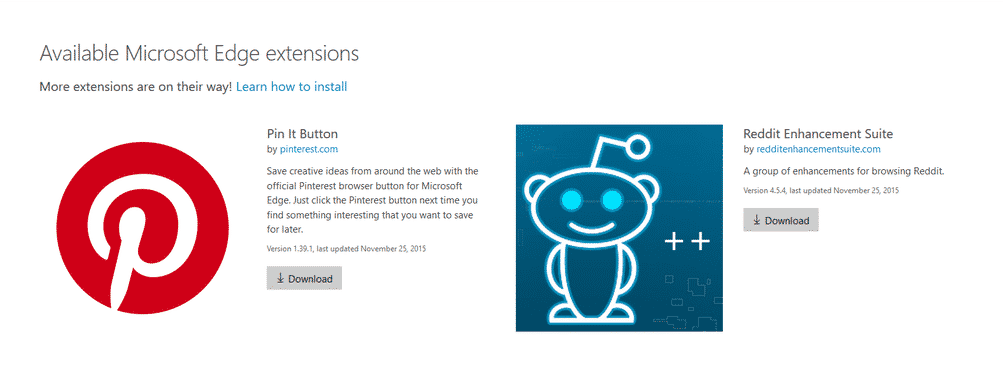
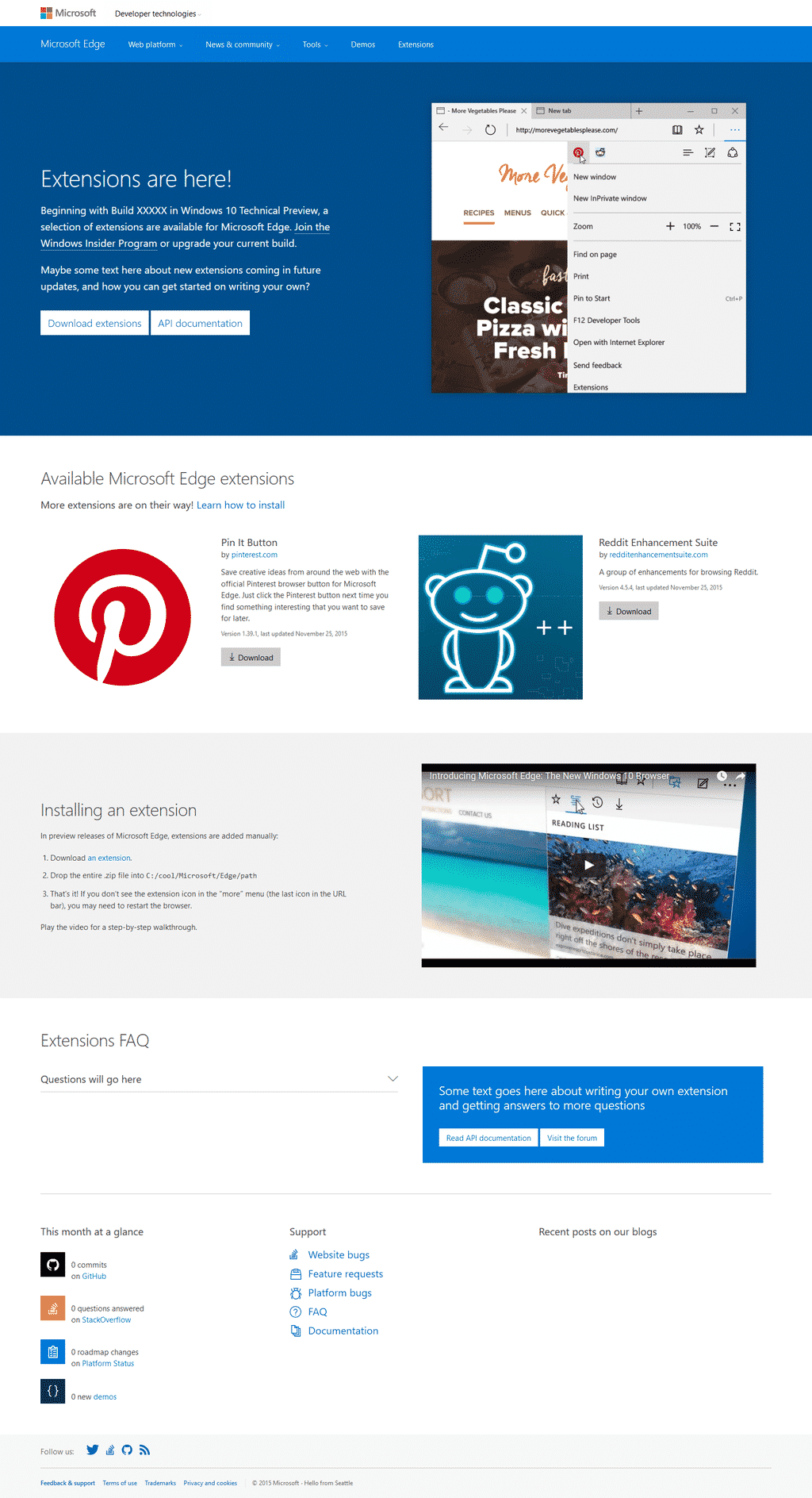
    However, all has seemed to change. Twitter user WalkingCat said Microsoft had accidentally made two extensions for Edge available for a short while. The page to access said extensions now leads to a simple error message.

    edge microsoft extensions
    Credit @WalkingCat

    According to the post and images, the first two extensions were Pinterest’s “Pin it” button, and the Reddit Enhancement Suite. However, nothing has been stated nor confirmed from Microsoft. This, along with the intention of bringing third-party extension support next year makes this evidence rather fuzzy. However, if the former is not true, then it shows a positively wonderful amount of progress for the young Edge browser.

    edge microsoft
    Credit @WalkingCat

  • Verizon Makes a Working Video Calling Phone in Minecraft [VIDEO]

    Verizon Makes a Working Video Calling Phone in Minecraft [VIDEO]

    CaptainSparklez, popular YouTube gamer and “Minecrafter,” uploaded a video to his channel yesterday titled Minecraft: Working Cell Phone w/ Web Browser and Video Calling. In the video, he discusses how Verizon had asked him to showcase a project they’ve been working on in the game ‘Minecraft.’ It was way cooler than anyone had expected.

    The project adds a cell phone, and “service towers” into the game which the user can build and use. The phone can make calls, browse web pages (all rendered with in-game blocks), and the crux of the project: video calling. The phone can actually video call to a device in the real world, and a video exchange can be made between the Minecraft character and the receiver.

    The project by Verizon can be found on its Github page.

  • Oxford’s word of the year for 2015: ?

    Oxford’s word of the year for 2015: ?

    No joke. It was announced on the Oxford Dictionaries’ blog yesterday that 2015’s word of the year is officially a pictograph, or more commonly known as a emoticon. Which emoticon? ?. Yes, the emoticon dubbed “Face with tears of joy” has been announced as the word of the year. According to the official blog post, the emoji was chosen because it was “the ‘word’ that best reflected the ethos, mood, and preoccupations of 2015.”

    Upon such news, one naturally asks “why would this be chosen?” Well, Oxford covered that question in the blog post as well!

    This year Oxford University Press have partnered with leading mobile technology business SwiftKey to explore frequency and usage statistics for some of the most popular emoji across the world, and ? was chosen because it was the most used emoji globally in 2015. SwiftKey identified that ? made up 20% of all the emojis used in the UK in 2015, and 17% of those in the US: a sharp rise from 4% and 9% respectively in 2014. The word emoji has seen a similar surge: although it has been found in English since 1997, usage more than tripled in 2015 over the previous year according to data from the Oxford Dictionaries Corpus.

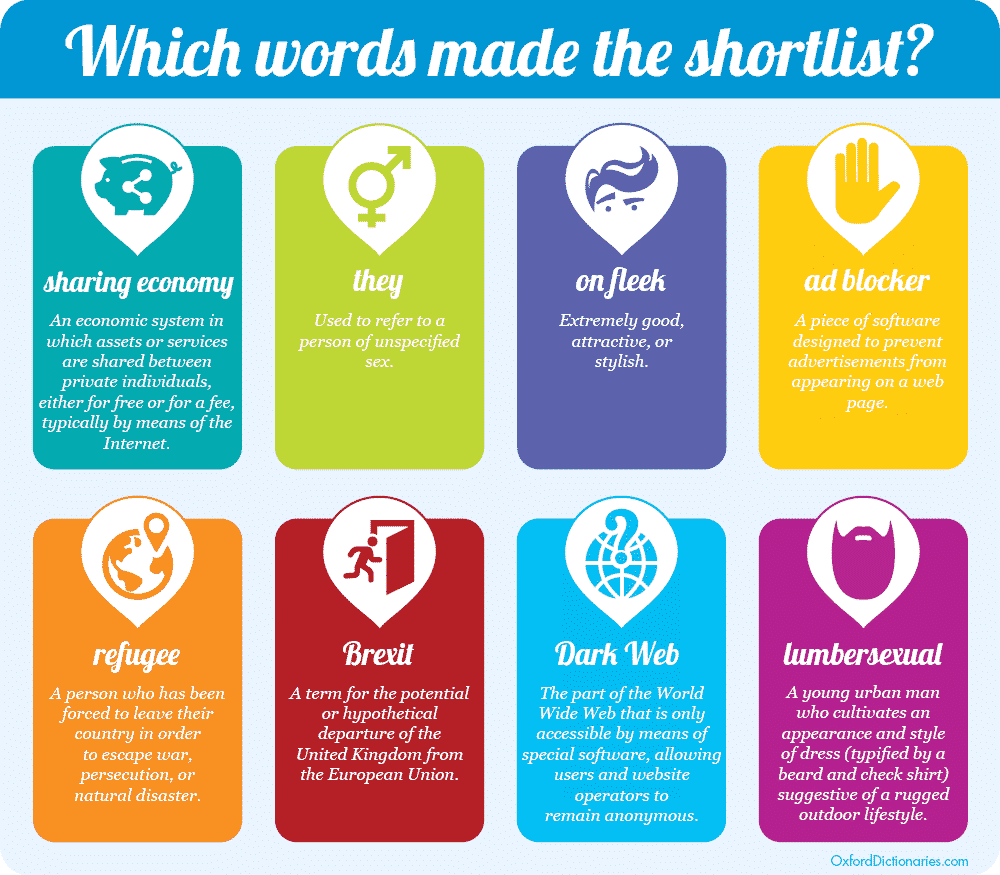
    emoji-frequencySo, with that it is official. Looks like the use of emojis has developed into something greater than just icons to help add contextual message to our texts; seemingly, they’ve become words their self. For those wondering, there was a graphic created with the “runner-up” words that were looked into for the position that ‘Face with Tears of Joy’ took.

    shortlist-WOTY-2015

    What are your thoughts on Oxford’s choice for word of the year? Leave a comment below!

    source: OxfordWords Blog

  • Steam Machines: slower at gaming than Windows PC

    Steam Machines: slower at gaming than Windows PC

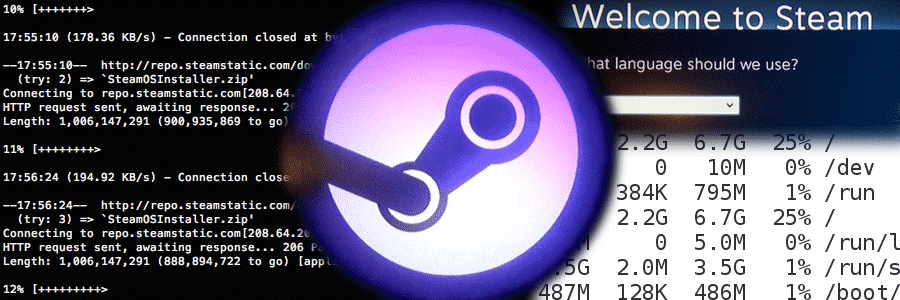
    Ars Technica ran benchmarks on November 13th of the Steam Machine, against Windows 10. The result was pretty much the fresh operating system processing gaming much faster than the machine meant for a couch-convenient PC gaming experience. The two systems are relatively close when it comes to the mechanics for gaming, but the Steam Machine was found to lag way behind the new Microsoft operating system when it came to real gameplay. You could end up losing frames and detail of graphics depending on which game you’re playing on the SteamOS versus Windows 10, according to the tests.

    The tests were run with a playable, modest setup: a dual-core 3GHz Pentium with an old GeForce GTX 660; which could pose a problem when handling more major and demanding games.

    The SteamOS’ foundation is based on Linux, which is an operating system not well fitted with custom video cards/specialized gaming cards unlike Windows and Mac Pro systems. The implementations of the software is simply keeping the hardware from excelling to its true potential, and that could change with a little bit of refinement and fine-tuning from Valve.

    Until that time comes, we’ll stick with sitting at our computer desks for our PC experience.

  • My [condensed] experience with Windows 10 so far…

    My [condensed] experience with Windows 10 so far…

    On November 11th, 2015, “TH 2” was released for Windows 10 users to download and install. Basically, TH 2 (using the abbreviation for the Windows 10 nickname ‘Threshold‘) is the first big update for the still in-development OS. The update came with an abundance of things, for both the personal user, and DEFINITELY for enterprise users. So, given this I figured it would be appropriate to share a condensed rambling of my experience with Windows 10 so far.

    Using their Media Creation Tool, I downloaded and installed the first release version of Windows 10 onto my then Windows 8.1 HP laptop, excited to see all of the new features it boasted. I grabbed it sometime near the ending of July or beginning of August. After the semi-painful several hours it took to download and install, I was ready to become a user! Here I am now in November, and at the moment, I feel…slightly impressed.

    Don’t let my words fool you to think I dislike the operating system – trust me when I say Windows 10 is definitely one of my favorites of the Windows Family! I was also very excited for its free download release and was super excited to setup my personalization, settings, and Start Menu. However, after having plenty of time to be more than acquaintances with the OS (and with the TH 2 update), I’ve began to realize that, at the moment, my personal experience with Windows 10 Home has fallen a bit short of my own expectations.

    Since I like to discuss negatives (well, these or more less “personal opinions” rather than “cons”) and then the positives, I will do just that; and since I’ve had a good deal to experience with the system, I’ll try my best to condense the experience report.

    1 – Start Menu & Taskbar

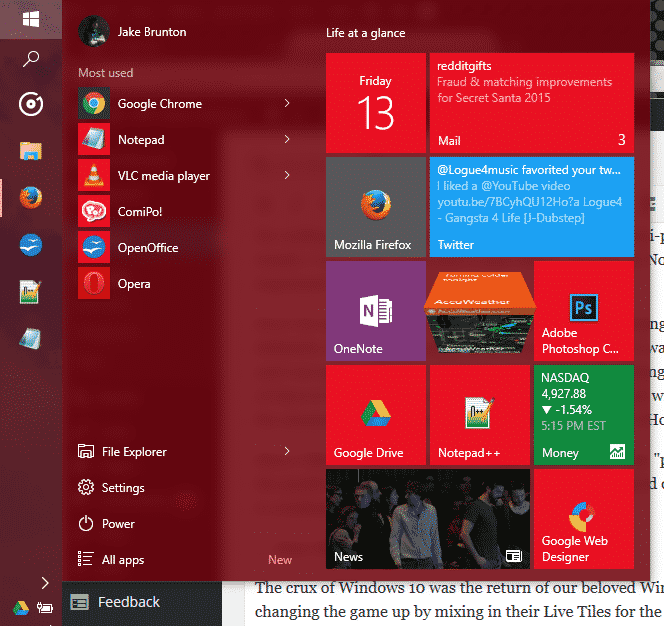
    EWTWIN10_1The crux of Windows 10 was the return of our beloved Windows Start Menu. However, Microsoft was changing the game up by mixing in their Live Tiles for the Windows Store Apps to be placed in up to 3 columns on the right side of menu. It was all great, and worked quite well. Design options are well fitted, and since TH 2, the context menus for changing up your Live Tiles are grand. But on the technical side, I find myself feeling slightly encumbered by the Start Menu.  Simply put, it has its glitches and little bugs, but the one that caught me the most is that amount of time it takes for my machine to open this awesome and modern menu up. About 0.90 seconds approximately. As for the taskbar, it still has that pesky universal problem of sometimes keeping hovered icons focused on even without your mouse hovered over it.

    2 – Windows Store Apps

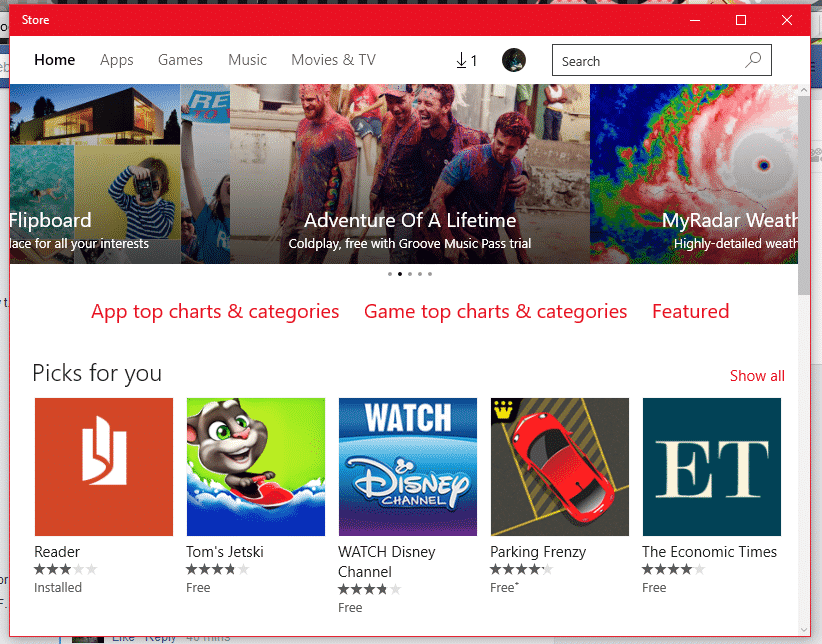
    EWTWIN10_2This is pretty much my other problem with my Windows 10 experience so far. The Windows Store offers a bunch of apps, no doubt; unfortunately only a good handful of them here and there and designed nicely and work with the system and its available APIs and standards. But the recurring problem I have here is one I’ve had since standard Windows 8. A lot of the time, apps from the app store like to either 1)close themselves immediately (and not just close, but end their own program and task(s)) and/or 2)be unresponsive (especially when communicating with servers).

    3 – Windows Search

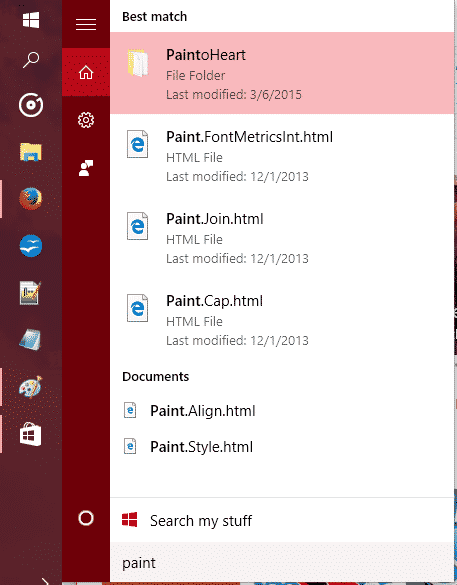
    EWTWIN10_3The new search has Cortana so you can search (and now even Send Text Messages!) with your voice. It’s all great and good. However, Cortana still stands for some good improvements, and the actual search stands for some major improvements.

    So, out of everything, those three points are the ones that have caused the most hindrance on my experience as a whole. There are other little things I come across sometimes that takes some small jabs to that ‘hype’ I had for Windows 10 as a whole, but they’re easy to look over.

    On the flip side, I still love Windows 10 so far, and love the TH 2 update. It is my favorite Windows OS to date, and it DOES have so much goodies with it. The whole Start Menu and Live Tiles, despite their usual buginess, are great altogether! And while I don’t use the feature, Cortana and the voice commands are very convenient for quick search, note taking, emailing, events, and even calling/sending texts. Faster boot times are something that is great, along with improved programs performance, virtual desktops, an activity center, and tablet mode – Windows 10 is definitely a budding operating system.

    The improved performance has helped me boost my productivity, though I will not lie when I say that the discovery of Flow Free and a third-party reddit app has held me accountable to some good procrastination. So, at the moment I recommend upgrading to Windows 10 if you have 8.1/8/7 if you want to try it out while the update is still free. If you end up disliking it, they give you a one-month use on their rollback tool to switch back onto your old OS.


    Make sure to follow EWT Net for more news and blog posts related to Microsoft, and Windows 10!

  • Samsung unveils the Exynos 8 Octa CPU

    Samsung unveils the Exynos 8 Octa CPU

    406238-samsung-exynos-8-octa-8890Today, Samsung announced the Exynos 8 Octa 8890 CPU processor.

    This is the companies second “premium” chip built on 14nm FinFET process technology. It has a custom 64-bit CPU with four custom cores and four ARM Cortex A53 CPU cores. These specs improve the performance of the processor by 30% and cause it to use 10% less electricity.

    Samsung said devices with its chips will allow users “to enjoy and share high-resolution video content on the go with ease.”

    With our custom designed CPU cores and the industry’s most advanced LTE modem, consumers using mobile devices with the Exynos 8 Octa will experience a new level of mobile computing.” – Dr. Kyushik Hong, Vice President of System LSI marketing at Samsung Electronics.

    The tech giant has also added that the new CPU can allow for highly immersive gaming and life-like virtual reality experiences thanks to Mali-T880; ARM’s latest GPU.

    Sasmung had unveiled its first 14nm mobile application processor in February of this year. The company’s expected initiation for the Exynos 8 Octa mass production is set for later into this year.

  • You can no longer mention Tsu.co on Facebook

    You can no longer mention Tsu.co on Facebook

    Tsu.co is a social media website that rewards its members for sharing posts, photos, videos and the like. Users who get others to join via referrals see cash benefits in the like. Naturally, when you have an opportunity to make free money doing what you do everyday, you do it right?

    But, what would be the natural place to get referrals to sign up? Where could you access as many people – strangers and friends alike – to get them to see said link? You go to Facebook. This isn’t some imaginary scenario, as a matter of fact it is real. Tsu.co posts, mostly referral links, were becoming huge during 2014 and early 2015. I couldn’t check my Facebook without seeing a post with someones link in the newsfeed, or having a message from some friends of mine asking me to join with that link.

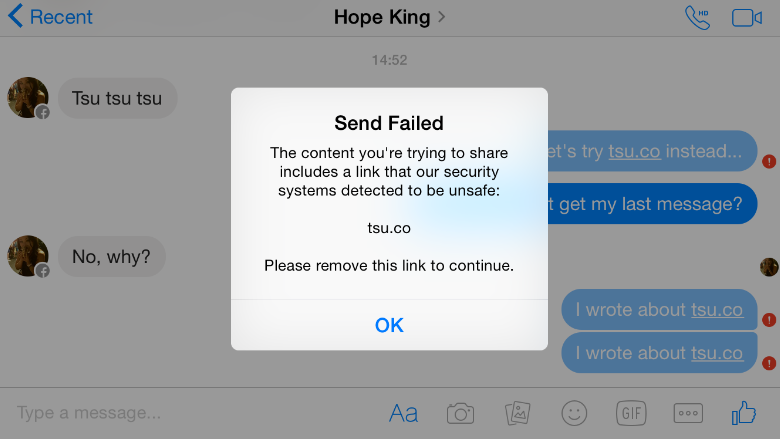
    What was quite annoying to me, seemed to become quite the little bugger to Facebook Inc. As of September 25th, the Tsu.co address has been blocked by Facebook. In fact, it’s even been reported to have been blocked on Instagram, and other Facebook owned applications. Any mention of the address is blocked, and the company even insured the censoring of the site address by removing every single old post on their servers that mentioned the site/URL; effectively killing off millions of photos, videos, and posts in an instant.

    You can still write ‘Tsu,’ but any mentions of Tsu.co will not be submitted and will be removed.

    source: CNN money

    Much like their other site-widely blocked sites, Facebook claims the link is spam and is annoying to the community. In return, Tsu thinks that Facebook is being a bully, who is killing off competition.

    “We’re persona non grata,” said Sebastian Sobczak, who founded Tsu. “You can type in all sorts of seedy websites, and you can get to them. But not us. We don’t exist.”

    Tsu had made an appeal to Facebook when their traffic source fail from an average 2,000 per day to a flat 0. However, their reasoning didn’t work. Facebook, however, says it will unblock Tsu if one thing changes: if Tsu users cannot post to Tsu.co and Facebook.com at the same time.

    “We do not allow developers to incentivize content sharing on our platform because it encourages spammy sharing,” said Melanie Ensign, a Facebook spokesperson.

    Most of Tsu.co users spoken to (who haven’t made even a dime from the service), thought that this block was unfair to the service.

  • Russia offers its support to North Korea amid the Sony Hack

    Russia offers its support to North Korea amid the Sony Hack

    EWT is following the Sony Hacks, North Korea’s internet outages, and all other related topics as they develop. See bottom of article for further reading.


    MOSCOW –  Russia on Thursday offered sympathy to North Korea amid the Sony hacking scandal, saying the movie that sparked the dispute was so scandalous that Pyongyang’s anger was “quite understandable.”

    Washington failed to offer any proof to back its claims of Pyongyang’s involvement in the hacking, Russian Foreign Ministry spokesman Alexander Lukashevich said at a briefing, adding that the U.S. threats of retaliation were “counterproductive.”

    The U.S. has blamed Pyongyang for the recent cyberattack on Sony Pictures, which produced “The Interview,” a comedy depicting the assassination of North Korean leader Kim Jong Un. Pyongyang has denied a role in the hacking, but also praised it as a “righteous deed.”

    Sony initially decided not to release the film because of threats against U.S. cinemas, but released the movie online Wednesday.

    Russia’s ties with the communist North soured after the 1991 Soviet collapse, but have improved under President Vladimir Putin’s watch. Moscow has taken part in international efforts to help mediate the standoff over Pyongyang’s nuclear and missile programs, although its diplomatic efforts have had little visible effect.

    Last week, the Kremlin said that it had invited Kim to Moscow in May to attend festivities marking the 70th anniversary of the victory over Nazi Germany.

    Commenting on the Sony hack scandal, Lukashevich said that “the concept of the movie is so aggressive and scandalous, that the reaction of the North Korean side, and not just it, is quite understandable.”

    He went on to say that Pyongyang had offered to conduct a joint investigation into the incident, adding that the proposal could help ease tensions and reflected a “sincere desire of the North Korean side to study the issue in detail.”

    “We perceive the U.S. threats to take revenge and calls on other nations to condemn the Democratic People’s Republic of Korea as absolutely counterproductive and dangerous, as they only would add tensions to the already difficult situation on the Korean Peninsula and could lead to further escalation of conflict,” Lukashevich said.

    Further Reading:
    North Korea’s Internet is Offline     –     Sony Hack: U.S President Vows Responsibility for FBI Claims

    via Foxnews

  • PlayStation Network, Xbox LIVE offline due to Attacks

    PlayStation Network, Xbox LIVE offline due to Attacks

    The two most popular gaming networks, PSN and Xbox Live, have been offline most of Christmas day due to a DDoS (distributed denial of service) attack. A group named the Lizard Squad has taken credit for the attack. This is the same group that credited themselves for an attack on the PlayStation network and MMO games World of Warcraft and League of Legends back in August.

    Both service status pages for the Xbox and PSN state (at the time of this writ) that they’re offline. This definitely caps off a rough Holiday for Sony, who recently had their Sony Pictures subsidiary get attacked and sourced as one of the biggest tech topics over the past week and a half. During which, a group of hackers named the Guardians of Peace (GOP) threatened a 9/11 style attack on theaters that would show the leaked Sony Pictures movie “The Interview.”

    Sony had decided to pull the film when the U.S. government determined that North Korea had been behind the hack, but recently decided to put the film on services like Google Play and show it in cinemas in the U.S. on Christmas day. The film can be purchased on other services like YouTube and, on Xbox Live.

    We’re aware that some users are having issues logging into PSN – engineers are investigating
    — PlayStation (@PlayStation) December 25, 2014

  • Google Bans User Testimonials in Play Store Apps

    Google Bans User Testimonials in Play Store Apps

    One way of shamelessly making anything you make – especially online – seem like the greatest thing ever is testimonials. Not just in the actual section of a webpage or area dedicated for them, but choosing the best ones to put in the body of text meant to describe your “thing.” Google knows this and seems to think doing so on the Play Store can lead to many of things like unfair advantages, false advertising, etc. So, how do they fix this? By banning the user of testimonials in app descriptions n the Play Store, of course.

    “Please do not include user testimonials in your app description. They tend to be dubious and are frequently utilized to include references to popular search terms and competitor apps in violation of the policies outlined here. Let your users speak for themselves via Play’s comment review system,” reads an update to the “Spam, & Placement in the store” section of Google’s developer guidelines.

    Basically, Google is preventing app developers from inflating their position on the search results and lists of Google Play as to attain a fair advantage for every developer, in addition to other methods one could use such as repetitive use of keywords in an attempt to boost the presence of the app, using completely unrelated keywords to draw unsuspecting people to your application, and many more.

    To help ensure the best experience for Android users, Google Play policies prohibit the publication of spam. Please do not publish unwanted, deceptive, repetitive, or irrelevant content on Google Play. Not only will it lower your app’s rating and cause negative reviews, it can result in your app being suspended or your developer account being terminated,” reads Google’s guidelines.

    Hopefully, this small change to the policy allows more people to get only high quality applications for their device. Believe it or not, there is a lot of scrap-apps (scrapps) on the Google Play store, and most of them are the ones including testimonials in their descriptions.

    Speaking of Play Store apps, did you know about the EWT app? Get all of our post and latest tech news no matter where you’re at! Download it here to your device!

  • Facebook is facing a law suit. Reason? Scanning user’s Messages

    Facebook is facing a law suit. Reason? Scanning user’s Messages

    From the revelation that Facebook scans through its user’s messages to deliver “tailored” ads, a U.S. judge has ruled that they must face a class-action lawsuit. Facebook’s bid to dismiss the lawsuit, filed by users Matthew Campbell and Micheal Hurley back in 2013, was dismissed by U.S. District Judge Phyllis Hamilton in Oakland. According to the details of the suit, until October 2012, when Facebook had said they stopped the practice, the large social networking company was scanning through user’s private messages for website URLs. This information was then used to deliver tailored advertisements to the user. By doing so, Facebook violated the federal and state privacy laws, which they broke by reading their users’ personal and private Facebook messages without their consent.

    Facebook had shown that the Electronic Communications Privacy Act covered the practice to the district court. The social networking giant also stated that it discloses to all users that the company might use the information they receive from the users about them for data analysis.
    However, Judge Hamilton wasn’t satisfied with Facebook’s explanation. She stated that Facebook had not offered a sufficient explanation of how the challenged practice falls within the ordinary court of business. She also added that the disclosure wasn’t specific enough to establish that users expressly consented to the scanning of the content of their messages.
    Facebook’s unwillingness to offer any details regarding its targeted advertising practice prevents the court from being able to determine whether the specific practice challenged in this case should be considered ‘ordinary,’” added Judge Hamilton.

    Facebook is continuing to stay silent on any comments about the case.
    Google is also under the hammer for the same message-scanning practices, though they aren’t facing a class-action suit like Facebook. Many experts in the field believe that the result of both of the lawsuits will have a major impact on how we use technology to communicate in the future.

  • North Korea’s Internet goes Offline

    North Korea’s Internet goes Offline

    DEVELOPING – Just days after the U.S. government accused North Korea of hacking Sony Corp’s computers, outages have occurred to North Korea’s internet, eventually going completely offline. The country has four official networks that connect them to the internet, all of which are ran through China. The connections began experiencing problems yesterday, and as of today it officially went black, according to Doug Madory, director of Internet Analysis at Dyn Research in Hanover, New Hampshire.

    U.S. President Barack Obama said last week that Sony Pictures Entertainment had suffered significant damage and vowed to respond. North Korea warned yesterday that any U.S. punishment over the hacking attack on would lead to a retaliation “thousands of times greater.” North Korea has said it doesn’t know the identity of the hackers — who call themselves “‘Guardians of Peace’’ — claiming responsibility for breaking into Sony’s computer network and divulging internal e-mail messages.

    The situation now is they are totally offline,

    Madory said. “I don’t know that someone is launching a cyber-attack against North Korea, but this isn’t normal for them. Usually they are up solid. It is kind of out of the ordinary. This is not like anything I’ve seen before.

    Because of the attack on the Sony computers, Hollywood secrets were released, data was destroyed, and the company had to cancel the release of “The Interview”, a comedy about the fictional assassination of North Korean leader Kim-Jon Un. The hack also caused thousands of Sony computer’s to be inoperable and caused the company to shut down their network.

    The outage probably isn’t a cut of a fiber-optic cable, which would be shown in an immediate loss of connectivity, and other possible explanations include a software meltdown on North Korea’s Web routers or denial-of-service hacking attacks, Madory said.

    Today, Marie Harf (a spokeswoman for the U.S. State Department) told reporters in Washington that she can’t confirm reports of any cyber-attacks on North Korea and won’t say what steps the U.S. might take in response to the hack on Sony.

    “We are considering a range of options in response,” Harf said at a State Department briefing. “Some will be seen. Some may not be seen.”

    While North Korea has four networks connected to the Internet, the U.S. has more than 152,000 such networks, according to Dyn Research.

    “We have no new information regarding North Korea today,” White House National Security Council spokeswoman Bernadette Meehan wrote in an e-mail today. “If in fact North Korea’s Internet has gone down, we’d refer you to that government for comment.”

    China has started an investigation into a possible North Korean role in the Sony hacking following a request from the U.S. government, a person with direct knowledge of the matter has said. The foreign ministry will cooperate with other Chinese agencies including the Cyberspace Administration to conduct a preliminary investigation, said the person, who asked not to be identified because the probe hasn’t been made public.

    The internet outage was earlier reported on the North Korean Tech blog.

    For Further Reading:
    Sony Hack: President of U.S. Vows responsibility for FBI Claims

    source(s):
    Bloomberg

  • Intel Easy Migration App sends data from your device to a Chromebook

    Intel Easy Migration App sends data from your device to a Chromebook

    Over the past 18 months, Intel has been striking on the Chromebook market as the said market grows as more and more content is placed and trusted to the cloud. The company, that makes many CPU chips and graphics, wants to help customers switching to a Chromebook device to have a much easier time with their switch.

    With their app, conveniently named Intel Easy Migration, users can easily migrate files from their mobile devices or PCs to Intel-powered Chromebooks. The app can move all sorts of files like photos, videos, and audio to even contacts and more. The Intel Easy Migration app let’s the customer move any of said files from their mobile Apple iOS or Google Android device to their Chromebook or even files from their Intel-powered Windows computers.

    According to Intel officials, the customer can use the Quick Migration function to have all of their files sent over to the targeted destination, or manually select the files they want to have migrated. The user can also pause the migration whenever they wish to. The app is available in the Google Play and Apple App Store online stores, or can be downloaded for Microsoft Windows systems. Through the software, users can migrate their local and Hotmail contacts to Google Contacts, and their photos and videos to Google+ Photos. The app will also show how much space on their Google Drive is being used during the migration.

    The new app by Intel comes shortly after the popularity for the Chromebook grew, the trend continuing through 2014. In July, analysts with NPD Group found that during the first half of the year, Chromebook sales in the U.S. commercial channel jumped 250 percent from the same period in 2013 and accounted for 35 percent of the notebook sales in the channel.

    Building on last year’s surprising strength, Chrome’s unit strength ahead of this year’s education buying season shows how it has become a legitimate third platform alongside Windows and Mac OS X and iOS,” Stephen Baker, vice president of industry analysis at NPD, said in a statement at the time.

    Analysts also look at the Chromebook as a key reason – alongside Microsoft cancelling Windows XP support – for the decline of global PC sales this year. Intel has been aggressive in pursuing the Chromebook market as part of its larger efforts to gain inroads in the mobile device space against ARM and its manufacturing partners and to extend the reach of its chip portfolio into as many computing devices as possible. That includes supporting a broad range of operating systems, including Windows, Android and Chrome.

  • Window shop this Holiday season at home with the help of Google Maps

    Window shop this Holiday season at home with the help of Google Maps

      The leisurely window-shopper might be forgiven for feeling rather ambivalent towards Christmas, a time of lavish shop-displays – and of crowds of people getting in the way. Google’s latest online tool solves this problem, by allowing you to tread the streets of world shopping capitals such as London and New York. The tool, Google Maps Business View, allows surfers to avoid the cold weather, heavy bags and huge numbers of people associated with Oxford Street or Fifth Avenue at this time of year. It is similar to Google Street view – where the facades of properties on public highways can be viewed – but the shop-fronts of various flagship stores have been updated to show their festive window displays. It is also possible to take a 360-degree tour of the stores. From the comfort of your own home, you can browse the sparkling display at Liberty, which is awash with gold – and toys – or salivate with wonder at the gingerbread house at Selfridges nearby.

    •  

    Meanwhile, in New York, the department store Saks Fifth Avenue has been turned into a fairy-tale world called Once Upon a Time in NYC, complete with a Cinderella magical carriage. Santa and his Elves are hard at work at Macy’s ‘Miracle on 34th Street’ in Herald Square, and at Bloomingdale’s, the New Year’s Eve party has apparently already kicked off. The Business Map tool also allows users to look inside world famous stores, including Old Navy in San Francisco or Benetton in Moscow. Google users can click the ‘see inside’ marker when they search for shops on the maps app, or when they use the search engine.

    via Telegraph by Tom-Brooks Pollock

  • India’s E-Commerce Giant Flipkart replenishes with a $700 million round

    India’s E-Commerce Giant Flipkart replenishes with a $700 million round

    At the end of July, Flipkart (The largest E-commerce service in India) raised a massive $1 billion, and less than six months later the Indian e-commerce company is ending off the year with another $700 million round.

    The round includes money from existing investors DST Global, GIC, ICONIQ Capital and Tiger Global, and new backers Baillie Gifford, Greenoaks Capital, Steadview Capital, T. Rowe PriceAssociates​ and Qatar Investment Authority.

    Adding that to the $210 million they closed in May, this round makes Flipkart past $2 billion in investor money in 2014, and around $2.7 billion in total.

    Currently, Flipkart has over 14,000 staff and receives of 6 million monthly visits from 26-million plus registered users. It is said that the new funding will be spent on “long-term strategic investments in India” and on developing its technology and custom service platform. Earlier this year, Flipkart acquired the fashion-focused rival Myntra, and it looks like its open to snapping up other services and startups to boost their ever-fierce rivalry with big competitors, such as Amazon India and Snapdeal.

    Several Flipkart packages

    Amazon had finally launched its service in India back in 2013, but in 2014 it really sped up in the process of making itself known through India. In addition to investing $2 billion in its local operations (just a day after Flipkart announced its $1 billion raise), the company snapped up a number of exclusive sales deals including Chinese phone company OnePlus.

    Snapdeal made its own mega round this year when SoftBank led a $627 million round that closed in October. Despite the intense competition and rivals, and the amount of money and the price it costs to stay afloat, companies like Flipkart are using as much of their resources as possible to stay both online and ahead of the competition.

    What are your thoughts on Flipkart’s year-end rounds? Leave a comment below!
    source(s):
    techcrunch