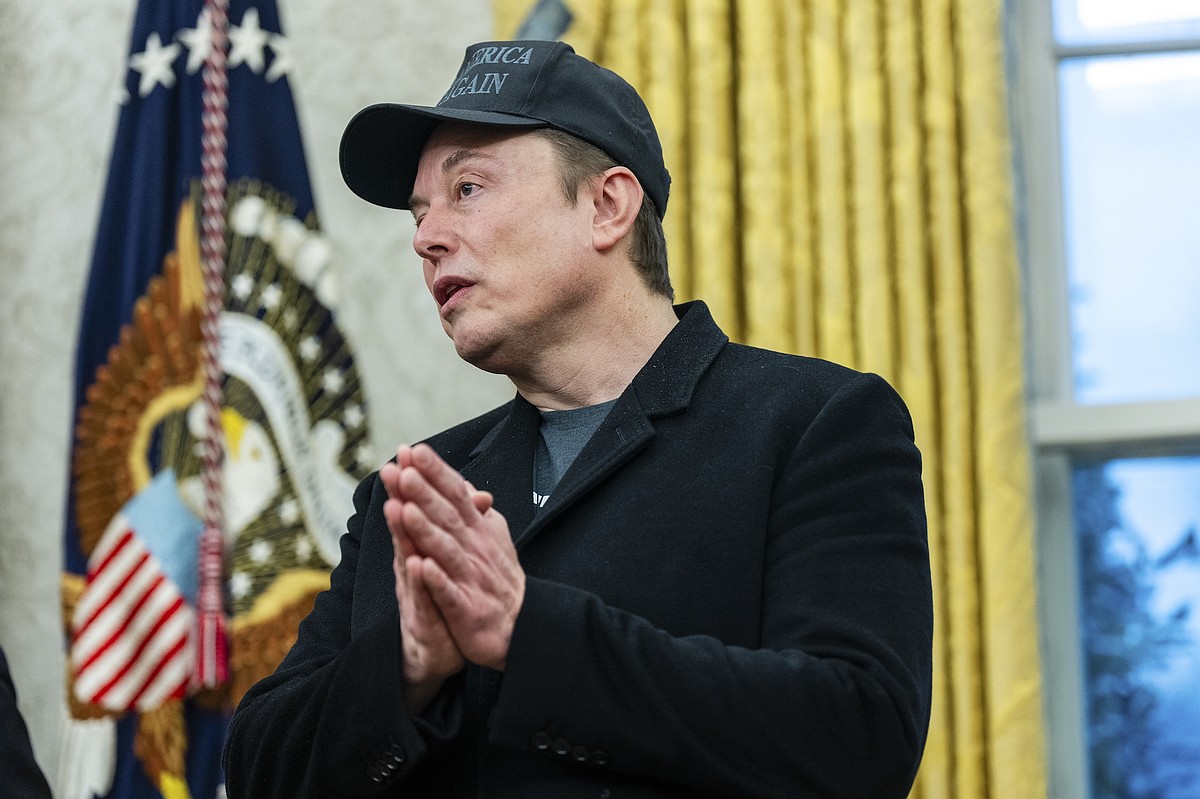
Elon Musk’s Department of Government Efficiency (DOGE) is under scrutiny for seeking access to the Internal Revenue Service (IRS) system containing detailed financial data on millions of Americans. The request, which has not yet been granted, has raised significant privacy concerns among government officials and experts.
According to reports from The Washington Post and other sources, DOGE officials want broad access to IRS systems, including the Integrated Data Retrieval System (IDRS), which allows instant visual access to taxpayer accounts. Access to this system is typically restricted due to the sensitive nature of the data.
How Much Access Is Too Much? The Privacy Debate Intensifies
The potential implications of granting Elon Musk IRS access have alarmed privacy advocates. Elizabeth Laird, a former state privacy officer now with the Center for Democracy and Technology, told ABC News, “People share their most sensitive information with the federal government under the assumption that it will be handled securely and in a way that minimizes risks such as identity theft and personal invasion. This request calls that into serious question.”
Despite concerns, the White House has defended DOGE’s request, stating that combating waste, fraud, and abuse within the system requires direct access to IRS data. White House spokesperson Harrison Fields commented, “DOGE will continue to shine a light on the fraud they uncover. The American people deserve to know what their government has been spending their hard-earned tax dollars on.”
As debates continue over the balance between government efficiency and personal privacy, the decision on whether to grant Elon Musk IRS access remains uncertain. The controversy highlights broader concerns about data security and transparency in government oversight.
In a major development, the Federal Government of Nigeria has officially dropped money laundering charges against Tigran Gambaryan, a Binance executive and former U.S. IRS investigator, after months of international scrutiny and diplomatic pressure.
Gambaryan, who joined Binance in 2021 as part of its compliance and investigations team, was arrested earlier this year in Nigeria as part of the government’s broader efforts to combat cryptocurrency-related financial crimes. His arrest stemmed from accusations that Binance had facilitated illegal money laundering transactions through its platform. Gambaryan’s role at Binance involved ensuring that the company adhered to anti-money laundering (AML) and know-your-customer (KYC) compliance regulations, making the charges against him particularly controversial. His previous career with the U.S. government made him a high-profile figure in this case.
Before joining Binance, Gambaryan spent over a decade working for the IRS Criminal Investigation Division, where he became renowned for his efforts in uncovering major crypto-related crimes, including dark web drug markets like Silk Road and AlphaBay. He was credited with helping track down billions of dollars in stolen cryptocurrency and bringing major criminal networks to justice. Given his distinguished record, many were shocked by his detention.
Reports indicate that Gambaryan was arrested in a raid that targeted Binance’s operations in Nigeria. He was initially accused of conspiring to launder money through cryptocurrency transactions, which were allegedly facilitated by Binance’s platform. Nigerian authorities claimed that the exchange had not done enough to prevent illicit transactions. Gambaryan, however, maintained that his work focused on preventing money laundering, not enabling it.
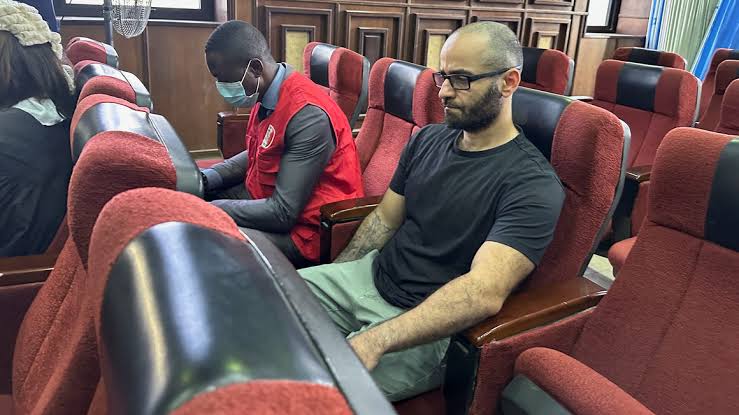
After his arrest, Gambaryan’s health rapidly declined while in custody. Images of him attending court hearings in a wheelchair and, later, using a crutch due to mobility issues sparked concern globally. His detention became a diplomatic issue, with calls from U.S. lawmakers and advocacy groups urging the Nigerian government to release him. A group of 16 U.S. Congress members signed a letter to the White House, urging the U.S. government to treat his case as a hostage situation. State attorneys general also joined the campaign, advocating for his immediate release and pointing to his contributions to global financial crime investigations as reasons for leniency.
The case drew significant international attention, not just because of Gambaryan’s high-profile career, but also due to its implications for the global cryptocurrency industry. Binance has been under scrutiny by regulators worldwide, with many accusing the platform of failing to enforce strict anti-money laundering measures. Gambaryan’s arrest intensified concerns about the risks of working in the cryptocurrency space, where regulatory frameworks are still evolving.
Despite the severity of the charges, Gambaryan’s legal team continued to push for his release, arguing that the charges were baseless and that he was being wrongfully detained. International pressure and diplomatic efforts finally led to the Nigerian government dropping the charges.
Gambaryan’s supporters have hailed the decision as a victory for justice and transparency, though his ordeal has cast a shadow over the relationship between Binance and international regulators. Binance continues to face challenges as it strives to navigate the complex legal landscape surrounding cryptocurrency.
Possible Reinstatement of Naira Featureon Binance P2P
The dismissal of money laundering charges against Binance executive Tigran Gambaryan could have significant implications for Binance’s decision to disable the naira feature on its P2P market. Binance suspended naira transactions following increased scrutiny and regulatory pressures from Nigerian authorities. With the charges now dropped, it may create an opportunity for Binance to re-evaluate its stance on naira transactions in the region.
If Binance feels that the regulatory environment has become more favorable or stable, it might reconsider the suspension and re-enable naira functionality on its P2P platform. This could restore confidence among Nigerian users who rely heavily on P2P trading due to the central bank’s restrictions on crypto-related transactions within the formal banking sector.
The demand for P2P trading in Nigeria remains high, as many citizens use cryptocurrency as a hedge against inflation and currency devaluation. Enabling the naira feature again would facilitate easier access for users and may drive up transaction volumes, benefiting both the exchange and its customers.
However, this potential restoration would also depend on how Nigerian regulators respond post-Gambaryan’s case. The legal environment surrounding cryptocurrencies in Nigeria remains uncertain, and Binance may still face challenges if authorities maintain strict control over crypto activities. Nonetheless, the dismissal of such a high-profile case might encourage Binance to take steps toward resuming full operations, including reactivating naira trading on its P2P platform.
Just over one year ago, Hamas terrorists launched arguably the most brutal attack on Israeli civilians since the Holocaust resulting in death of over 1000 people.
The onslaught of the Israeli military pushed oil prices up by as much as 4% after Yemeni Houthi rebels in solidarity with Hamas began attacking ships in the Red sea.
In the past few weeks, we’ve seen Israel come on the brink of full-blown conflict with Iran after attacks on Iran-backed Hezbollah militants by Israel and assignation of top Iranian military commanders.
Just one week ago, Iran fired over 180 missiles inside Israel in escalation of the ongoing conflict, the Prime Minister of Israel had promised to retaliate and analyst are saying Israel plans to attack Iran’s oil facilities.
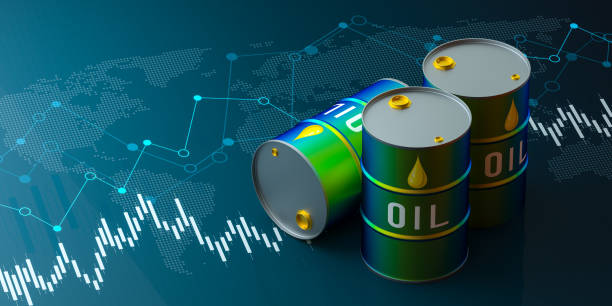
In the wake of this current attack, oil prices have shot up to $80 per barrel and there are projections of nearly reaching $100 if Israel attacks Iran’s oil facilities as predicted. Conflicts in major oil producing regions has always resulted in higher oil prices and going back to the 1970s oil crisis caused by the Yom Kippur war in Israel and the Iranian revolution.
The most recent scenario occurred in 2022 after Russia invaded Ukraine where crude oil prices closed the year at $97 per barrel compared to $69 in the previous year. In fact, the post pandemic recovery of oil prices stems from the Russia-Ukraine war.
For countries like Nigeria whose economy is heavily influenced by the swing in oil prices especially in the post-subsidy era, oil prices could be a double-edge sword.
Crude oil does two things to Nigeria’s government finances- provides revenue for government and foreign exchange for the CBN’s external reserves which is used to back the Naira.
However, in this post-subsidy era we are moving into, swinging crude oil prices could now mean higher petrol prices for Nigeria even when the petrol is produced locally and the raw crude even sold in Naira. Before now, the federal government through the Nigeria National Petroleum Company (NNPC) Limited pays a fraction of petrol cost of petrol to keep it low and fixed. This enabled Nigerians to not just enjoy low PMS prices but keep petrol prices immune from the vagaries of the international oil market.
However, in the past years, the cost of this subsidy has become unbearable for the federal government. Attempts have been made by different administrations in the past to end petrol subsidies but was met with stiff resistance by civil society groups with the greatest being the Occupy Nigeria protest in 2012 after President Jonathan removed petrol subsidy. This pushed the then President to reintroduce the subsidy where it remained until President Tinubu announced the removal on his first speech as President.
What Does Projected Rise In Oil Prices Mean For Petrol Price
In simple terms, Nigerians are going to pay higher PMS prices at the pump if the Iran-Israel conflicts escalates and pushes petrol prices above the current $80 per barrel. This is irrespective of where the crude oil is sourced and where or who refines it either locally or abroad. For example, the NNPC has declared it would supply 17.6 million barrels of crude oil to the Dangote refinery in Naira.
However, it will be dependent on the price of crude oil in the international market. If the price increase, Dangote and other local refineries would have to cough more Naira to settle the NNPC and this cost will be passed on to consumers. This is because crude oil as an international commodity is priced in U.S dollars.
Rising Oil Prices and Exchange Rate
In the face of rising oil prices, it is expected that the Naira strengthens against the dollar but that is dependent on the decisions of the United States Federal Reserve Bank and Central Bank of Nigeria (CBN).
The Naira has witnessed the worst volatility in history this year becoming at one time the best performing currency before a 180 degrees reversal of fortunes to become the worst performing currency. The strengthening of the Naira in March stems from the action of the CBN selling forex to BDCs at rates below the official market rate but there is a problem with such is that it is not sustainable- there is a limit to how much forex the apex bank can burn.
The Naira currently trades in the region of N1,550/$ to N1,660/$ in the official NAFEM window. This represents a depreciation of over 100% compared to the rates before the unification of all segments of the FX market by the CBN.
Rising oil prices could help shore up the country’s foreign reserve which has been seen rising in the past few months. In September 2023, the country’s foreign reserve stood at $33.23 billion- this has increase to $38 billion by the end of September 2024.
The CBN is presented with two choices with potential increase in foreign reserves- either to sell FX to BDCs like it did earlier in the year when the Naira became the best performing currency in the world or to allow the forces of demand and supply determine the value of the Naira as it currently does with the exchange rate reaching N1,600/$.
Hence, the value of the Naira with the potential increase in oil prices would be dependent on the decision of the CBN.
Most Ideal Scenario For Nigeria
From the foregoing, it seems the potential war between Israel and Iran and the ripple effects on crude oil prices means Nigeria would likely face another round of petrol price increase in the event the NNPC continues on its post-subsidy policy.
There is also uncertainty on the decision of the apex bank on either backing the Naira or allowing market forces determine the exchange rate.
Furthermore, Nigeria has been unable to since the beginning of the year to significantly increase oil prices. According to OPEC’s records, Nigeria has not met its crude oil production quota of 1.5 million barrels daily since January, despite calls to ramp up production.
For Nigerians, the best case scenario in the wake of potential increase in oil prices would be for low crude oil prices to keep petrol prices low and high crude oil production to increase forex supply to the CBN’s foreign reserves.
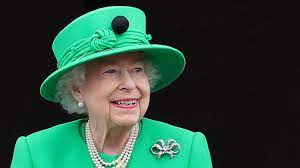
The death of 96 year old British monarch, Queen Elizabeth II has sparked several rumours and debates both on and off the media. While the Queen who was head of United Kingdom for 70 years and 214 days received adulation during her reign for being generous and benevolent, emerging stories suggests she was anything but kind.
Elizabeth II, the eldest daughter to King George VI who died in his sleep became successor to the King. She was thousands of miles away on a holiday trip in Kenya with her husband Prince Philip when she got news of his death. Upon her return, she took over rulership after her coronation at Westminster Abbey in central London on June 2, 1953.
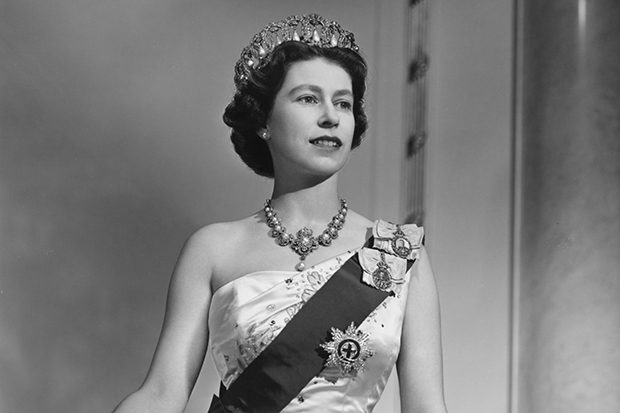
Queen Elizabeth II poses for a portrait at home in Buckingham Palace in December 1958 in London, England. (Photo by Donald McKague/Michael Ochs)
Many tech industry leaders have taken to social media to express their condolences at the Queen’s passing. Among the business leaders who shared their sentiments includes Bill Gates, Jeff Bezos, Bob Iger, Sundar Pichai, etc.
Microsoft cofounder Bill Gates tweeted “I feel honored to have met HM Queen Elizabeth, and I am very sad to hear of her passing.”
There is nothing more noble than to devote your life to the service of others,” Apple’s CEO Tim Cook tweeted.
“The world has lost an extraordinary person, Queen Elizabeth,” Disney CEO Bob Iger also tweeted.
The founder and executive chairman of Amazon, Jeff Bezos equally shared his condolences “I can think of no one who better personified duty,” Bezos said. “My deepest condolences to all the Brits mourning her passing today.”
Jeff Bezos And Professor Uju Anya Spar Over Queen Elizabeth II
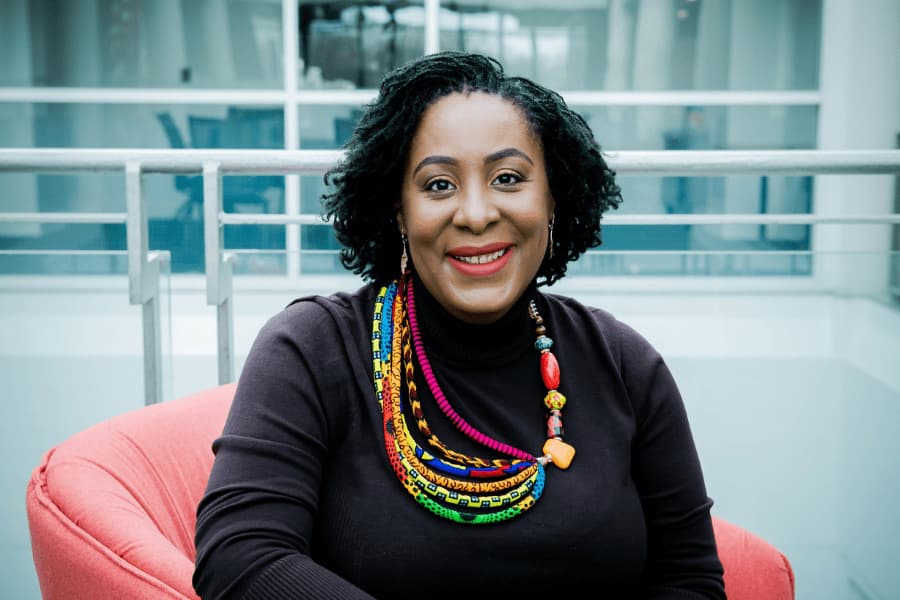
On September 8, 2022, it was a battle of wills on Twitter space when a tweet by Uju Anya sparked an uproar. Nigerian-born professor of Applied Linguistics, anti-racist and feminist, Uju Anya poured gasoline over the Queen’s grave and ignited it.
Uju Anya Credit: Daily Post
In a now deleted tweet which claimed to have “violated the Twitter rules,” Uju Anya expressed antipathy towards the Queen. The self-acclaimed, anti-racist Nigerian professor said “I heard the chief monarch of a thieving raping genocidal empire is finally dying. May her pain be excruciating.”
This controversial tweet has provoked an outrage across Twitter and other social media platforms. It was a savagely cruel thing to say to a dead person, especially one beloved by all. Regardless, Anya maintained her stance with a follow up tweet amid cheers and verbal onslaughts.
“If anyone expects me to express anything but disdain for the monarch who supervised a government that sponsored the genocide that massacred and displaced half my family and the consequences of which those alive today are still trying to overcome, you can keep wishing upon a star,” Uju Anya tweeted.
Reacting to the initial tweet, Bezos tweeted “This is someone supposedly working to make the world better? I don’t think so. Wow,”
The institution where Uju Anya works expressed displeasure toward the offensive message following the stir Uju’s tweet caused. “We do not condone the offensive and objectionable messages posted by Uju Anya today on her personal social media account,”
Carnegie University opposed the tweet but sang that, freedom of expression is one of their unswerving beliefs. “Free expression is core to the mission of higher education, however, the views she shared absolutely do not represent the values of the institution nor the standards of discourse we seek to foster.”
Why Did Uju Anya Make That Tweet About The Queen?
The alleged role of the British empire in supplying the Nigerian government with arms and ammunition during the Nigerian Civil War between 1967 and 1970. Over a million people, mostly from the southeast region were killed during the war.
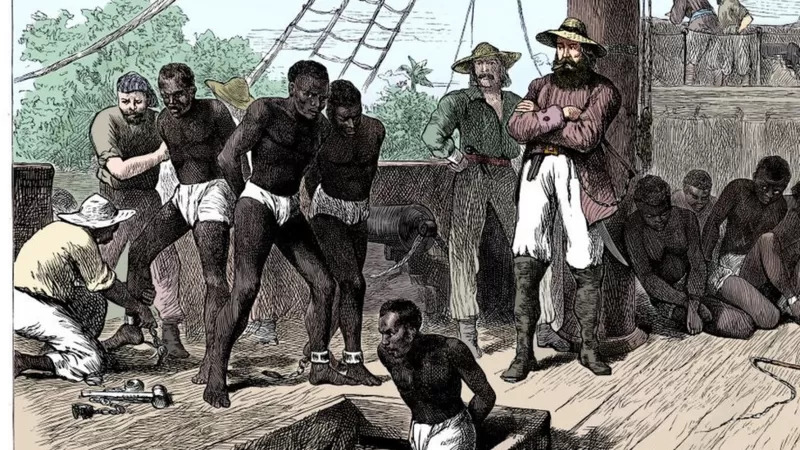
Following Uju’s tweet, several Nigerians have made similar tweets on the negative effects of British colonialism in Nigeria and Africa. The British takeover, slavery, stolen artifacts, rape, hunger, the Igbo landing, etc.
How the Igbo people showed strength and unity in the face of persecution in ancient times Source: BBC Igbo
Yet another subject of resentment towards the Queen is her crown, adorned with the jewels stolen from Britain’s many colonies. Neither Queen Elizabeth II nor any member of the Royal Family ever apologised for the British imperial crimes committed in the past.
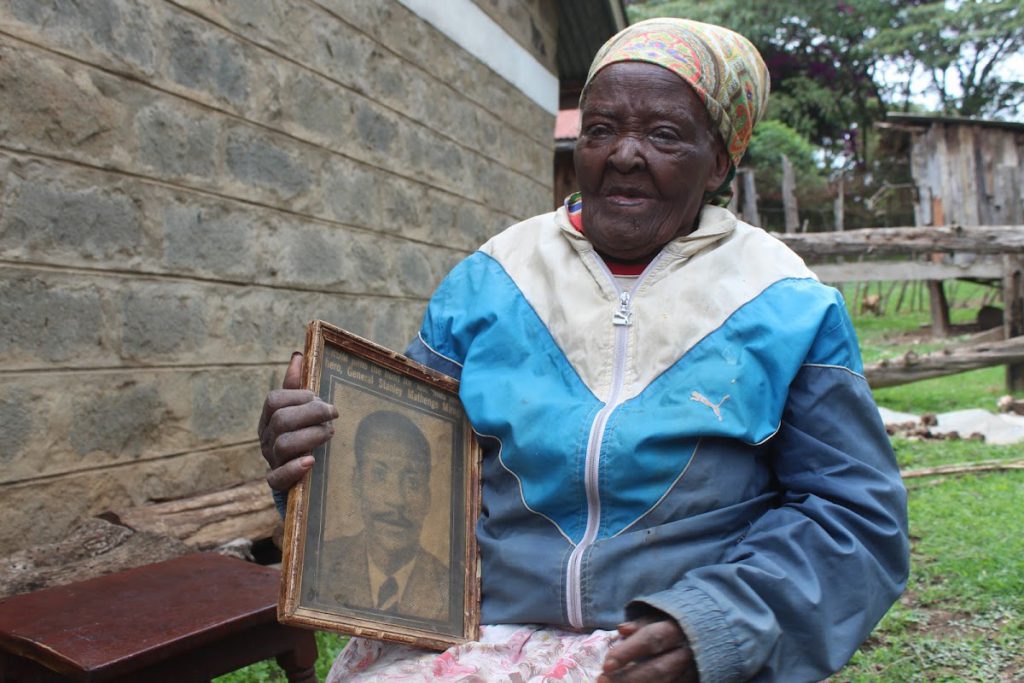
Africans still mourn the loss of what the British colonial masters took from them. Among them is Muthoni Mathenge, a Kenyan woman in her 90s who was tortured with an ax by British soldiers in 1952 for protecting her husband and resisting the British control. Muthoni recounted how she and several others were forced to bury their fellow comrades who were killed by the British.
Muthoni Mathenge with a photo of her husband credit: The Star
It might be hard to dispel these rumours, as so many Africans are reminiscing the subjugation of the British government. It is however important to note that Queen Elizabeth II cannot be held solely accountable for all the barbarousness of Britain over the years.
In many cases, the decisions made by the British government did not come directly from her. However, as the Monarch, everyone’s resentment, rage and hatred was targeted towards her.
The Queen never found it politically beneficial to apologise for the wrongs of the British government, hence, she never did.
Is it ignorance, sarcasm, a mockery, or affront when people ask or make statements like, “are you from Africa? Where is Africa, what country is that?”
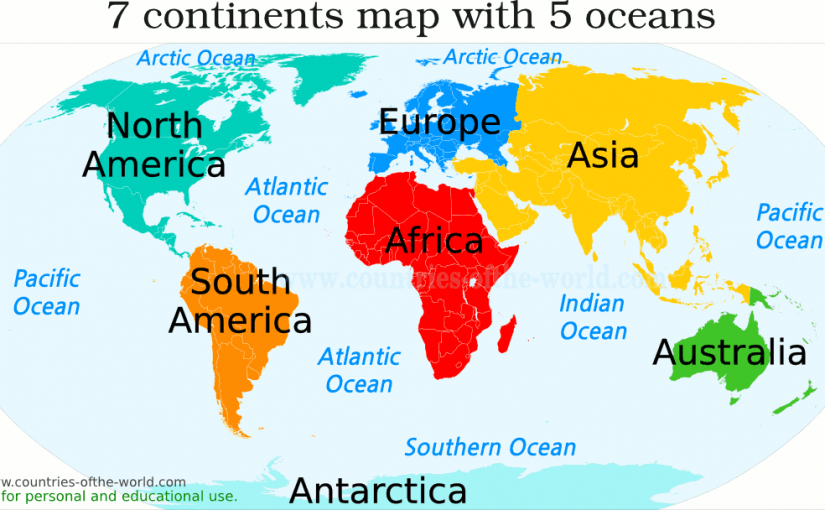
Regardless of the reasons, the knowledge of Africa as a continent is universal which everyone ought to know, or should know. In fact, Africa is too ancient, too beautiful, too blessed, too big to be mistaken as a country. Therefore, it is worth the effort to summarize what this amazing continent, Africa is all about once more as many have done before now.
Number of countries in Africa
Among the 7 continents in world, Africa has the highest number of countries (54 countries) followed by Europe (51 countries), Asia (50 countries), North America (23 countries), Australia (14 countries), South America (12 countries), and Antarctica (0 country).
Africa is the second largest by land area (30,370,000 km2) and also the second largest by population with more than 1.3 billion people.
The continent currently holds about 54 independent countries divided geographically from North, West, East, South and Central/Middle Africa. This division was done by the UN (United Nations) Division Statistics.
Northern African Countries
The countries in the North of Africa are 7 in number. These are Algeria, Egypt, Libya, Morocco, Sudan, Tunisia, and Western Sahara.
Western African Countries
The Western side of Africa has a total number of 17 countries. These are Benin, Burkina Faso, Cape Verde, Cote D’Ivoire, Gambia, Ghana, Guinea, Guinea-Bissau, Liberia, Mali, Mauritania, Niger, Nigeria, Saint Helena, Senegal, Sierra Leone, and Togo.
Eastern African Countries
The Eastern part of Africa has the highest number of Countries which are a total number of 19 countries. These are Burundi, Comoros, Djibouti, Ethiopia, Eritrea, Kenya, Madagascar, Malawi, Mauritius, Mozambique, Reunion, Rwanda, Seychelles, Somalia, Somaliland, Tanzania, Uganda, Zambia, and Zimbabwe.
Southern African Countries
There are only a total number of 5 countries in the Southern part of Africa. These are Botswana, Lesotho, Namibia, South Africa, and Swaziland.
Central/Middle African Countries
These are a group of 9 countries such as Angola, Cameroon, Central African Republic, Chad, Congo Republic, Democratic Republic of Congo, Equatorial Guinea, Gabon, and Sao Tome & Principle.
All the African Countries and their flags
Finally, Africa a continent with such a large population, land area and resources including a large number of independent Countries should never be called or mistaken a country. Africa is a proud continent. Its Pride comes from been able to stand strong in beauty, natural resources and human capital after a long term slavery, colonialism, and all kinds of human cruelty.
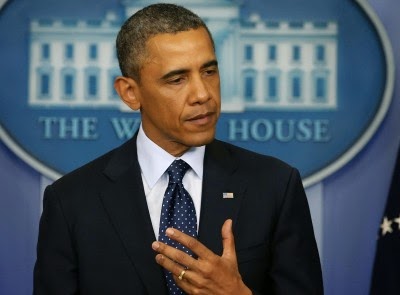
A couple of days ago, North Korea was posed as the fault to the SONY FILMS hack, formally by the FBI. This all followed the major GOP hack on SONY FILMS databases, media, and employees. There is no doubt that the news of and following the SONY FILMS hack is the most breaking and worrisome in both the political and technological industries at the moment. The following article is from BBC News: President Barack Obama has vowed a US response after North Korea’s alleged cyber-attack on Sony Pictures. The US leader also said the studio “made a mistake” in cancelling the Christmas release of The Interview, a satire depicting the assassination of North Korean leader Kim Jong-un. Sony said it still planned to release the film “on a different platform”. On Friday US authorities linked North Korea to the hack, which saw sensitive studio information publicly released. Sony said it cancelled the planned Christmas release of the film after a majority of cinemas refused to show it following anonymous threats. “We will respond,” Mr Obama told reporters on Friday, declining to offer specifics. “We will respond proportionately and in a space, time and manner that we choose.” He added: “We cannot have a society in which some dictator someplace can start imposing censorship in the United States.”
The US leader said it was important to protect both public and private cyber-systems from attack which could have significant economic and social impacts. Mr Obama also noted he believed Sony Pictures was mistaken in failing to go ahead with the release. “Americans cannot change their patterns of behaviour due to the possibility of a terrorist attack,” he said. “That’s not who we are, that’s not what America is about.” Analysis: Dave Lee, BBC technology reporter The FBI say it spotted distinct similarities between the type of malware used in the Sony Pictures attack and code used to attack South Korea last year. Suspicious, yes, but well short of being a smoking gun. When any malware is discovered, it is shared around many experts for analysis – any attacker could simply reversion the code for their own use, like a cover version of a song. But there’s another, better clue: IP addresses – locations, essentially – known to be part of “North Korean infrastructure” formed part of the malware too. This suggests the attack may have been controlled by people who have acted for North Korea in the past. What is the FBI evidence? Sony Pictures chief executive and chairman Michael Lynton later told CNN it had not made an error in pulling the film. He said the president, press and public were mistaken about the withdrawal, saying the decision had only been taken after major chains had refused to screen it. He said: “We have not caved, we have not given in, we have persevered and we have not backed down.” A Sony statement on Friday said that the firm was “actively surveying alternatives to enable us to release the movie on a different platform”. “It is still our hope that anyone who wants to see this movie will get the opportunity to do so,” the statement said. Earlier on Friday, the US Federal Bureau of Investigation officially tied North Korea to the cyber-attack, linking the country to malware used in the incident. Hackers had earlier issued a warning referring to the 11 September 2001 terror attacks, saying “the world will be full of fear” if the film was screened. The duo play journalists enlisted to kill Kim Jong-un The movie features James Franco and Seth Rogen as two journalists who are granted an audience with North Korean leader Kim Jong-un. The CIA then enlists the pair to assassinate him. The film was due to have been released over Christmas. The film’s cancelled release drew criticism in Hollywood, with some calling it an attack on the freedom of expression. Actor George Clooney told the trade website Deadline on Thursday the film should be released online, saying Hollywood shouldn’t be threatened by North Korea. In November, a cyber-attack crippled computers at Sony and led to upcoming films and workers’ personal data being leaked online. The hackers also released salary details and social security numbers for thousands of Sony employees – including celebrities. North Korea says the film hurts the “dignity of its supreme leadership” North Korea earlier this month denied involvement in the hack – but praised the attack itself as a “righteous deed”. An article on North Korea’s state-run KCNA news agency, quoting the country’s top military body, said suggestions that Pyongyang was behind the attack were “wild rumour”. However, it warned the US that “there are a great number of supporters and sympathisers” of North Korea “all over the world” who may have carried out the attack. In the article, Sony Pictures was accused of “abetting a terrorist act” and “hurting the dignity of the supreme leadership” of North Korea by producing the movie. source: BBC news
Germany’s federal prosecutor is considering if there is enough evidence to warrant a formal, criminal investigation into the German government’s alleged involvement in the U.S. National Security Agency (NSA) data collection program, a spokeswoman said Monday.
Privacy and human rights campaigners including the Chaos Computer Club (CCC), the International League for Human Rights (ILMR) and Digitalcourage on Monday filed a criminal complaint against the German federal government and the presidents of the German secret services for their alleged involvement in illegal and prohibited covert intelligence activities, they said in a news release.
The complaint also targeted German Chancellor Angela Merkel, the German Minister of the Interior as well as U.S., British and German secret agents who are all accused of violating the right to privacy and obstruction of justice by cooperating with the NSA and its British counterpart GCHQ to electronically spy on German citizens, they said.
According to the groups, these activities are felonies and violate German criminal law. “With this criminal complaint, we hope to finally initiate investigations by the Federal Prosecutor General against the German government,” they said.
However, for the moment it remains unclear if the group’s effort is going to have the intended effect.
The Federal Prosecutor General of the Federal Court of Justice, located in Karlsruhe, did not yet receive the group’s criminal complaint, a spokeswoman for the federal prosecutor said. But when they do, it wouldn’t be the first, she said, declining to reveal how many complaints related to the NSA affair the federal prosecution had received.
The agency has taken very seriously the media reports about alleged mass monitoring of phone calls and emails from millions of German citizens as well as reports on the alleged spying of the chancellor’s mobile phone, she said.
Therefore, the attorney general has asked the relevant federal authorities to share their knowledge about the operations to achieve a secure factual basis for examining the initial suspicion, she said. But because not all the necessary comments are available it is too early to make a final decision about a formal criminal investigation, she said.
The groups called it “unacceptable that the public offices have not helped in the investigation of these crimes even if the spying is widely visible.” They also asked to hear Snowden as a technical expert and witness, and called on German citizens to file similar criminal complaints with the federal prosecution.
The criminal complaint follows similar complaints filed in France and Belgium, the campaigners said. In August, the French public prosecutor started a preliminary inquiry into allegations that the NSA spied on French citizens with its Prism program.
The planned overhaul of the European Union’s copyright laws has been set back by a month as a public consultation was extended.
The European Commission had asked for feedback by Feb. 5, but following strong lobbying from all sides, has decided to extend that to March 5. The internal market department said that some interested parties had asked for more time to finalize and submit their contributions. The E.U. faces problems with the cross-border provision of services. Not all online services are available to consumers in all member states. In some instances, even if the “same” service is available in all E.U. countries, consumers can’t access the service across borders. “They can only access their ‘national’ service, and if they try to access the ‘same’ service in another member state they are redirected to the one designated for their country of residence,” reads a Commission document.
The consultation comprises 80 technical questions leading some critics to say that it is beyond the understanding of the average citizen.
Question 11 asks if the provision of a hyperlink leading to a work or other subject matter protected under copyright should be subject to the authorization of the rightholder. Question 12 asks if viewing a webpage “where this implies the temporary reproduction of a work protected under copyright on the screen and in the cache memory of the user’s computer should be subject to the authorisation of the rightholder.”
Other questions ask respondents if they have faced restrictions when trying to resell legally-purchased digital files such as MP3s or ebooks.
“It is a well known fact that these types of consultations are often only answered by the ‘usual suspects’, namely advocacy organizations that closely follow the copyright discussions and hence do not feel daunted by the extreme technical nature of the questions,” said Caroline De Cock, coordinator of the Copyright for Creativity Coalition (C4C).
LIBER, an organization that represents the library community, has also created a guide to help people answer the consultation. “Responding to the consultation is critical because its outcomes will affect anyone who works with researchers, or who cares about future library services and access to cultural heritage,” said the organization in a statement.
The consultation has since received thousands of responses. Internal Market Commissioner Michel Barnier said on Twitter on Friday that there had been “strong interest” in the consultation.
He was scheduled to make a presentation on the subject on Wednesday, but that is now thought to be postponed.
Meanwhile the European Parliament is expected to formally adopt Tuesday a new law on collective management for copyright and related rights and multi—territorial licensing of rights in musical works for online uses in the E.U. Although the Commission says this Collective Rights Management Directive is a welcome step in the right direction, it says the consultation is necessary in order to further improve copyright for the Internet Age.


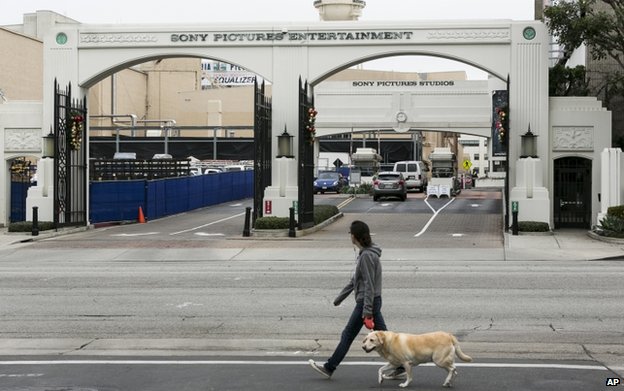
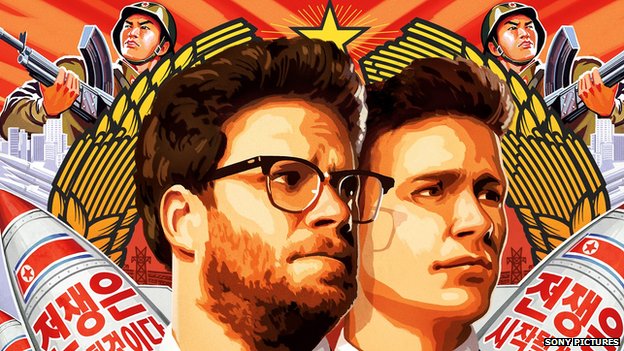 The duo play journalists enlisted to kill Kim Jong-un The movie features James Franco and Seth Rogen as two journalists who are granted an audience with North Korean leader Kim Jong-un. The CIA then enlists the pair to assassinate him. The film was due to have been released over Christmas. The film’s cancelled release drew criticism in Hollywood, with some calling it an attack on the freedom of expression. Actor George Clooney told the trade website
 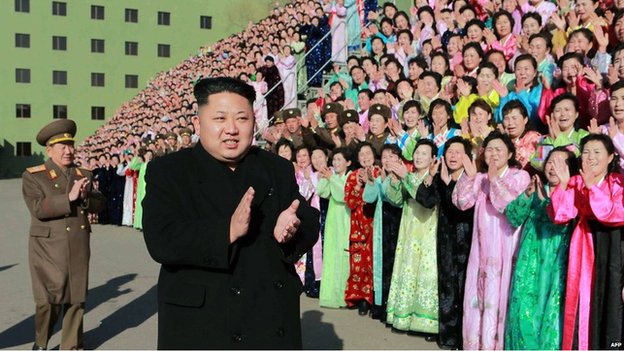 North Korea says the film hurts the “dignity of its supreme leadership” North Korea earlier this month denied involvement in the hack – but praised the attack itself as a “righteous deed”. An article on North Korea’s state-run KCNA news agency, quoting the country’s top military body, said suggestions that Pyongyang was behind the attack were “wild rumour”. However, it warned the US that “there are a great number of supporters and sympathisers” of North Korea “all over the world” who may have carried out the attack. In the article, Sony Pictures was accused of “abetting a terrorist act” and “hurting the dignity of the supreme leadership” of North Korea by producing the movie. source: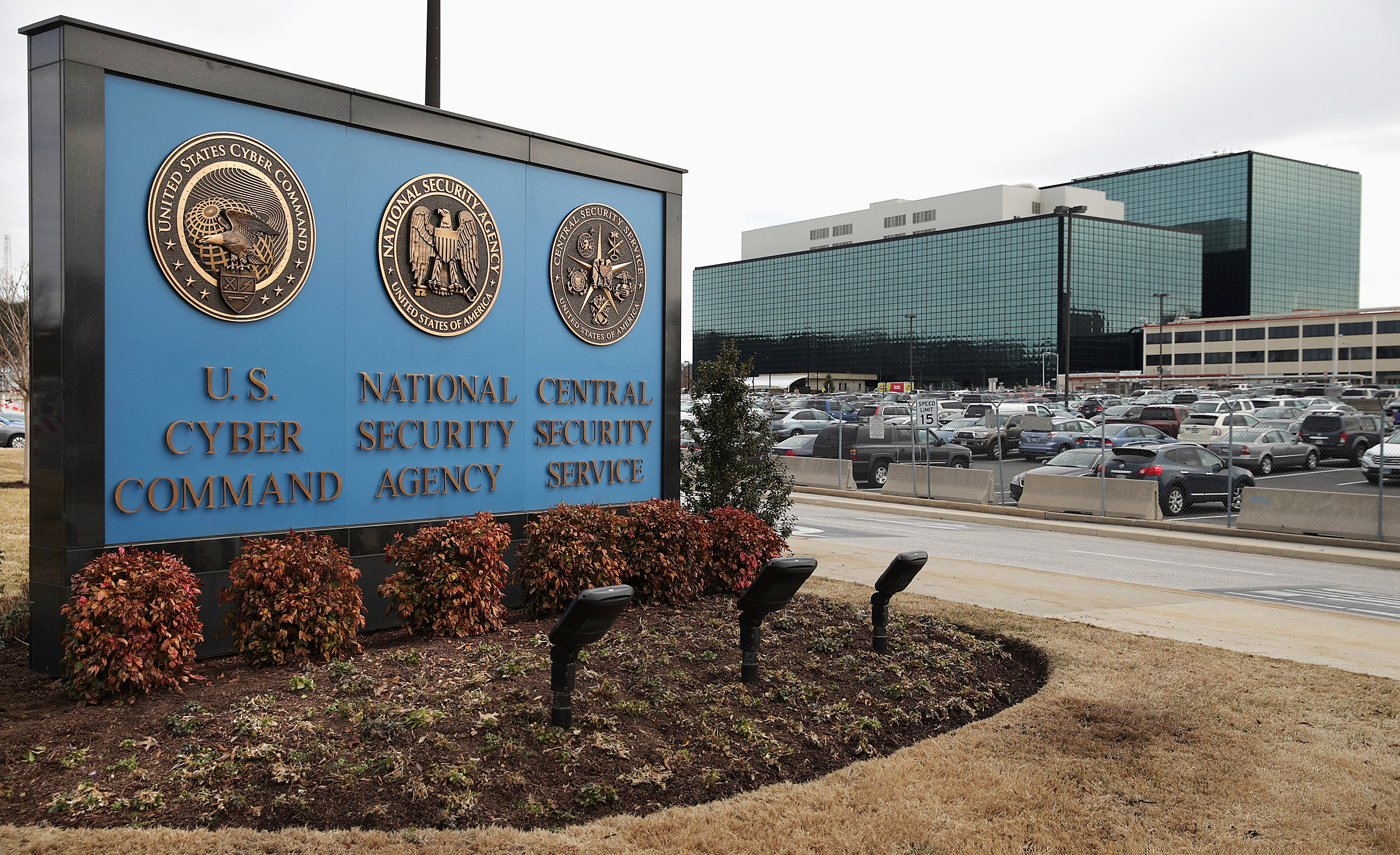
You must be logged in to post a comment.