Tag: corona virus

  • HMPV Outbreak in China: Are We Facing Another COVID-19-like Crisis?

    HMPV Outbreak in China: Are We Facing Another COVID-19-like Crisis?

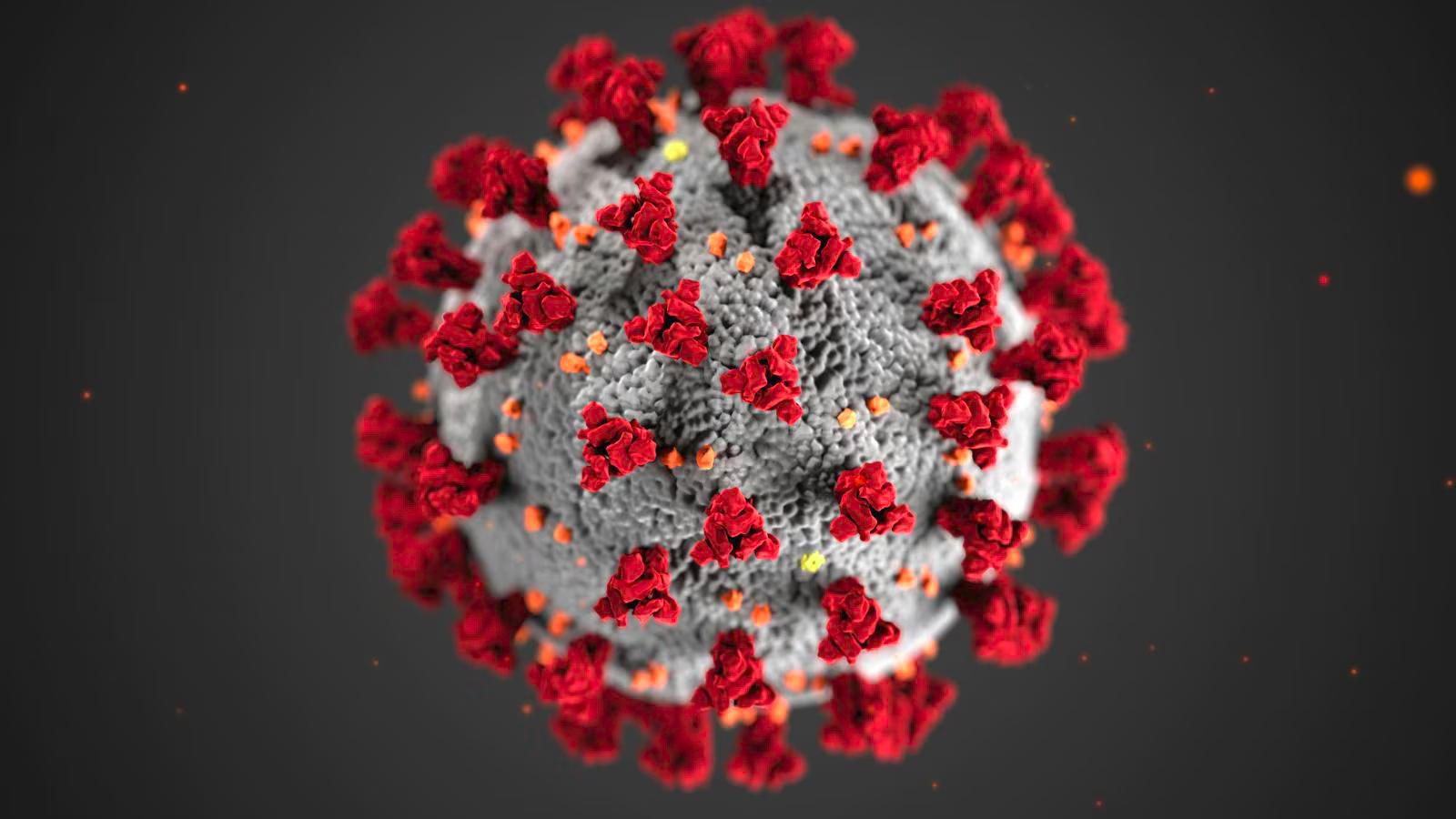
    Five years after the initial Covid-19 pandemic, China is now facing an outbreak of a new respiratory virus: Human Metapneumovirus (HMPV). This emerging pandemic has raised global concerns, prompting countries like India to closely monitor its spread and impact. In Asia, countries like Malaysia are also witnessing a rise in HMPV cases, adding to the urgency of controlling its transmission.

    Rising Concerns Over HMPV Outbreak in China

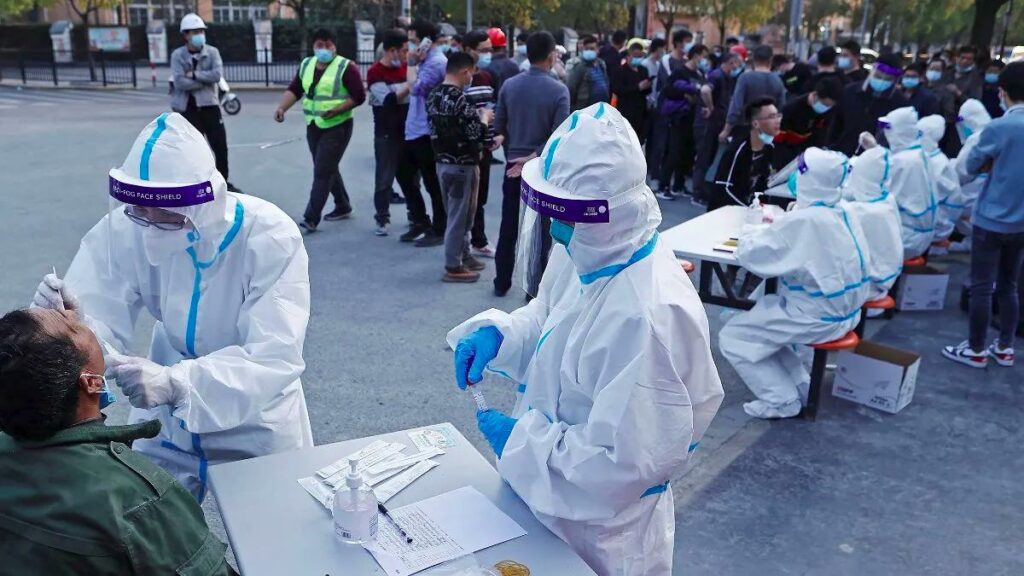
    Recent reports and social media videos depict overwhelmed hospitals, raising fears of multiple concurrent infections, including HMPV, influenza A, Mycoplasma pneumoniae, and even Covid-19. These concerns highlight the ongoing challenges in managing respiratory outbreaks.
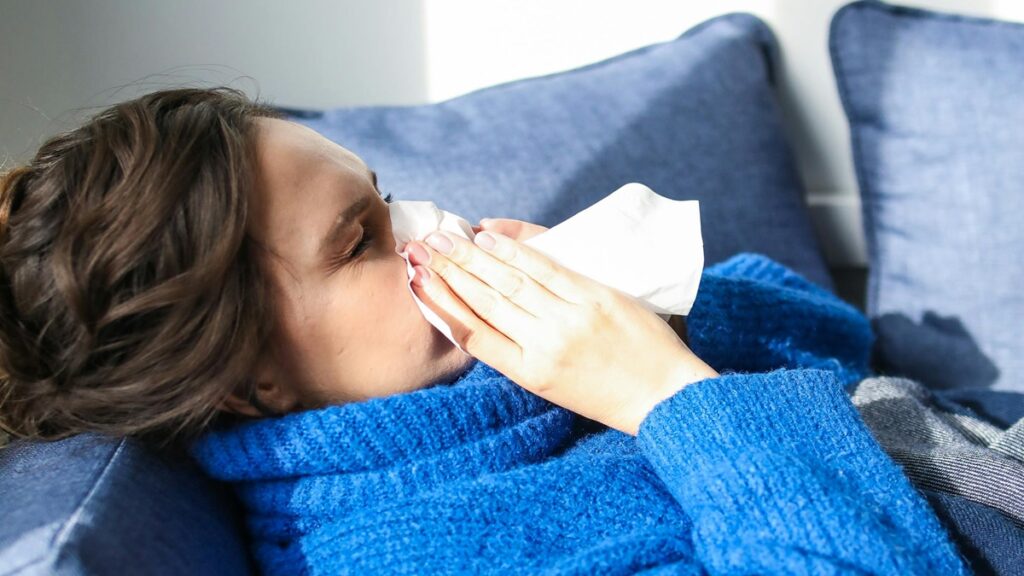
    Symptoms of HMPV

    According to the Centers for Disease Control and Prevention (CDC), common symptoms of HMPV include:

    • Coughing
    • Runny nose
    • Fever
    • Sore throat

    In severe cases, HMPV can lead to conditions like bronchitis, pneumonia, or worsening asthma symptoms.
    How HMPV Spreads

    HMPV spreads primarily through:

    • Coughing and sneezing
    • Close contact (handshakes, touching surfaces, then the face)
    • Contaminated surfaces

    The virus tends to follow a seasonal pattern, typically spreading during late winter and spring in temperate regions.

    Who Is Most At Risk in the HMPV Outbreak in China?

    Certain populations are more vulnerable to HMPV:

    • Young children under 5 years old, especially infants
    • Older adults (ages 65 and above)
    • Individuals with weakened immune systems or chronic respiratory conditions, such as asthma or COPD

    Preventing HMPV Transmission

    While no specific antiviral therapies or vaccines currently exist for HMPV, preventive measures can help reduce its spread:

    1. Regular handwashing with soap and water for at least 20 seconds
    2. Covering the mouth and nose when coughing or sneezing
    3. Wearing face masks and avoiding contact with those showing symptoms
    4. Refraining from touching the eyes, nose, and mouth with unwashed hands

    Global Health Monitoring of HMPV Outbreak in China

    As HMPV continues to spread, global health authorities are working to assess its potential impact and devise strategies to prevent widespread outbreaks. Stay informed through trusted sources and follow public health guidelines to protect yourself and those around you.
  • Robots to be Deployed in Hospitals to help COVID-19 Patients

    Robots to be Deployed in Hospitals to help COVID-19 Patients

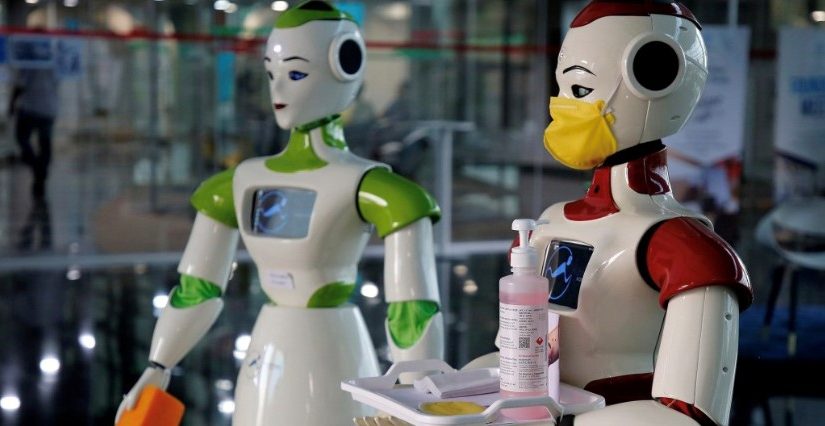
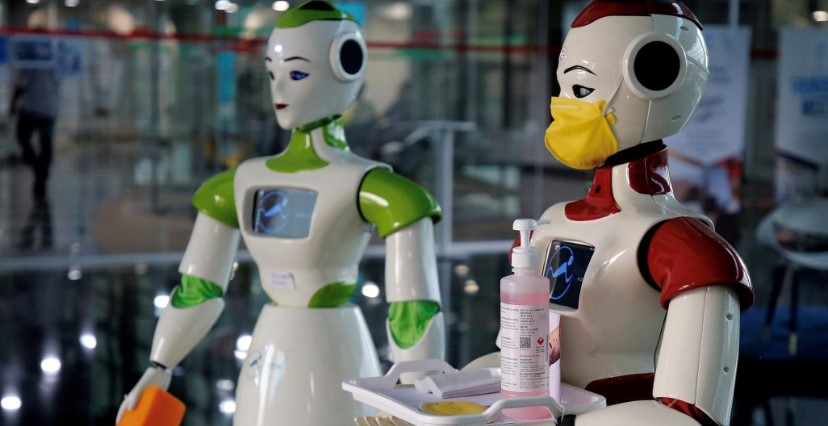
    To fight off the global pandemic and help COVID-19 patients, Kochi-based Asimov Robotics, a company working under the Maker Village of Kerala start-up mission, has unveiled their innovative robots, which are to be deployed in hospitals to provide assistance to the elderly, disabled, and sick people, especially the COVID-19 patients in isolation wards.

    Asimov Robotics claims that “doctors, nurses, and healthcare workers are unable to provide care during disease outbreaks without the risk of getting infected by the quarantined patient. Thus, the aim of the innovation is to prevent the spread of Covid-19 by providing robots to care for the covid-19 patients inside isolation wards.

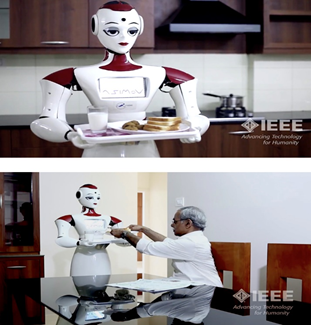
    Sayabot design

    covid-19
    Sayabot

    The Sayabot is a care-giving robot. The robot has a face and gesture recognition as well as an autonomous navigation capability which allows it to simply navigates in indoor areas.

    What makes this particular robot unique is the presence of an NLP (natural language processing), which allows the robot to intelligently converse with humans through voice and text. The robot has dexterous arms and hands that allow the robot to make human-like gestures and interactions.

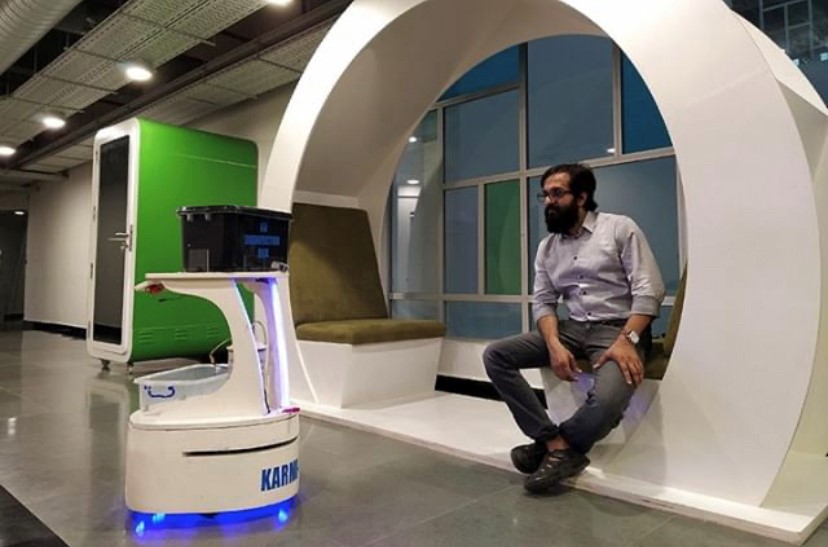
    Unfortunately, the Sayabot design was considered too big to fit in the ICU (Intensive Care Unit), thus hindering healthcare workers during busy hours. Alternatively, a “Karmi-bot” design was created.

    “Karmi-bot” design

    “Karmi-bot”

    This robot design is small, easy to handle, lightweight, has an autonomous remote control, has a detachable container with a self-disinfection facility of used items, self-charging, and can video stream as well as video conference.

    The robot is designed with “a tray that can carry both food and medicines and an automatic disinfectant sprayer for cleaning the floor.” The bot can take food and medicines of about 25 kg for 5 patient beds.

    Asimov Robotics also added that their robotic innovation will not only cover healthcare but “has a wide array of capabilities that make it work in airports, hotels, education and training, or any human environment.”