Tag: covid19

  • President Biden Issues Preemptive Pardons for Fauci, Milley, and January 6 Committee Members

    President Biden Issues Preemptive Pardons for Fauci, Milley, and January 6 Committee Members

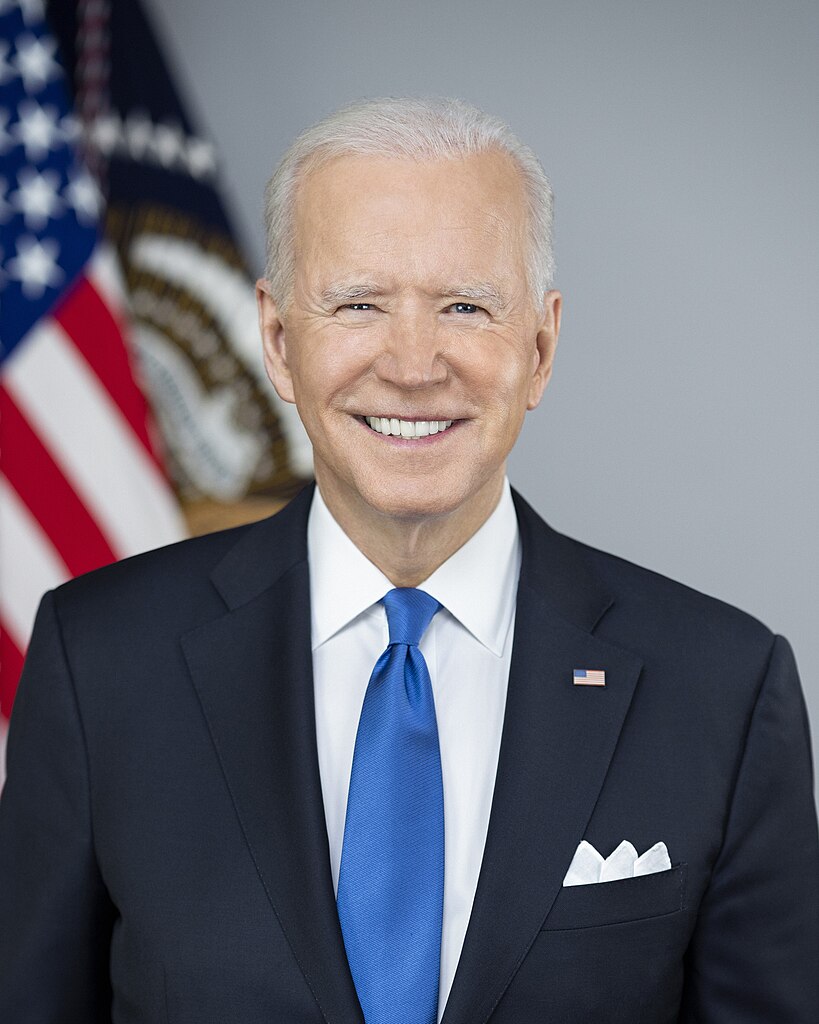
    In an extraordinary move on his final day in office, President Joe Biden issues preemptive pardons to key public figures, including former COVID-19 adviser Dr. Anthony Fauci and retired General Mark Milley. The pardons aim to shield them from what Biden described as potential “politically motivated prosecutions” under the administration of President-elect Donald Trump.

    The pardons were also extended to members, staff, and witnesses involved in the investigation into the January 6, 2021, Capitol riot, an event that remains a flashpoint in U.S. politics.

    “These individuals have served our country with integrity and do not deserve to face baseless legal actions driven by political agendas,” Biden said in a formal statement. He added, “This is an exceptional situation that calls for decisive action to uphold fairness and justice.”

    Fauci and Milley: At the Center of Political Disputes

    Biden issues preemptive pardons

    Dr. Anthony Fauci became a household name during the pandemic, leading the nation’s public health response with frequent media appearances. His recommendations often clashed with Republican leaders, including Trump, and turned him into a divisive figure. Critics from the political right accused Fauci of mishandling the pandemic and even called for his prosecution, a narrative amplified by Trump allies.

    General Mark Milley, who served as chairman of the Joint Chiefs of Staff, faced criticism after reportedly contacting Chinese military officials following the Capitol riot to reassure them of U.S. stability. His actions were revealed in a high-profile book and were condemned by Trump, who accused Milley of treason.

    Biden Issues Preemptive Pardons for January 6 Investigators

    The pardons also cover individuals connected to the bipartisan House committee that investigated the January 6 attack. The committee, which included prominent figures like former Congresswoman Liz Cheney, faced sharp criticism from Trump and his supporters for its inquiry into the riot and the broader efforts to challenge the 2020 election results.

    Biden emphasized that the pardons should not be seen as an indication of guilt or wrongdoing. “This decision is about protecting individuals from undue legal harassment, not about assigning blame or absolving anyone of accountability,” he clarified.

    A Preemptive Strike Against Political Retaliation

    Biden issues preemptive pardons

    The pardons reflect growing concerns over the potential for politically charged prosecutions as Trump prepares to take office again. Biden’s statement highlighted the dangers of using the legal system as a tool for political retaliation, warning that such actions could harm public servants and undermine democratic institutions.

    Trump, who has frequently alleged that legal actions against him are politically driven, has faced numerous criminal charges in recent months, including accusations of attempting to overturn the 2020 election.

    Biden’s decision to issue preemptive pardons underscores the heightened political tensions in the United States. While the move may provide legal protection for individuals at the center of heated partisan debates, it is certain to provoke further scrutiny and debate over the boundaries of presidential power and the role of justice in a deeply divided nation.
  • Robots to be Deployed in Hospitals to help COVID-19 Patients

    Robots to be Deployed in Hospitals to help COVID-19 Patients

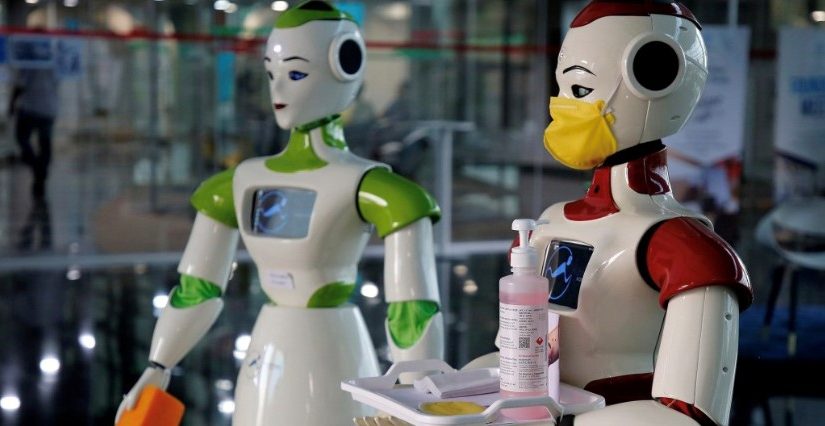
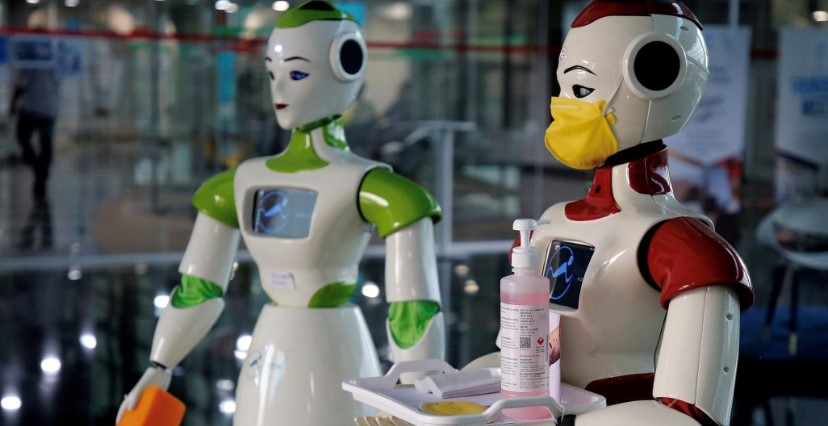
    To fight off the global pandemic and help COVID-19 patients, Kochi-based Asimov Robotics, a company working under the Maker Village of Kerala start-up mission, has unveiled their innovative robots, which are to be deployed in hospitals to provide assistance to the elderly, disabled, and sick people, especially the COVID-19 patients in isolation wards.

    Asimov Robotics claims that “doctors, nurses, and healthcare workers are unable to provide care during disease outbreaks without the risk of getting infected by the quarantined patient. Thus, the aim of the innovation is to prevent the spread of Covid-19 by providing robots to care for the covid-19 patients inside isolation wards.

    Sayabot design

    covid-19
    Sayabot

    The Sayabot is a care-giving robot. The robot has a face and gesture recognition as well as an autonomous navigation capability which allows it to simply navigates in indoor areas.

    What makes this particular robot unique is the presence of an NLP (natural language processing), which allows the robot to intelligently converse with humans through voice and text. The robot has dexterous arms and hands that allow the robot to make human-like gestures and interactions.

    Unfortunately, the Sayabot design was considered too big to fit in the ICU (Intensive Care Unit), thus hindering healthcare workers during busy hours. Alternatively, a “Karmi-bot” design was created.

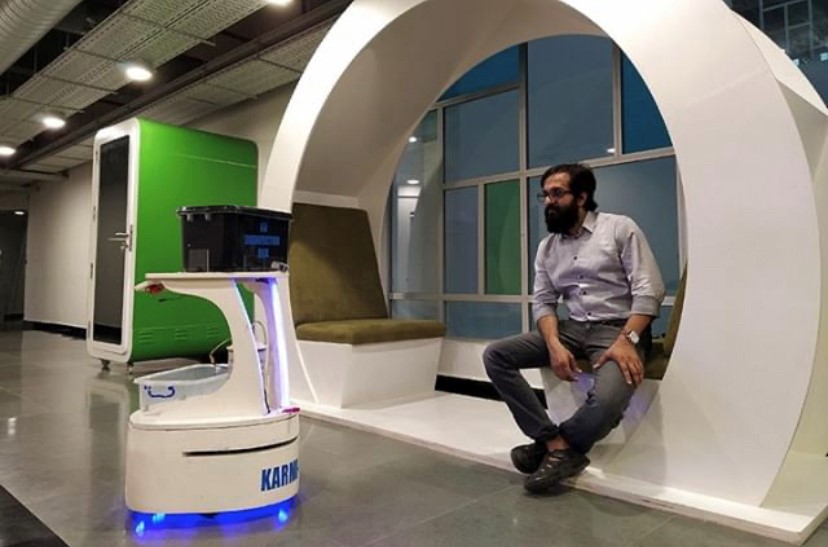
    “Karmi-bot” design

    “Karmi-bot”

    This robot design is small, easy to handle, lightweight, has an autonomous remote control, has a detachable container with a self-disinfection facility of used items, self-charging, and can video stream as well as video conference.

    The robot is designed with “a tray that can carry both food and medicines and an automatic disinfectant sprayer for cleaning the floor.” The bot can take food and medicines of about 25 kg for 5 patient beds.

    Asimov Robotics also added that their robotic innovation will not only cover healthcare but “has a wide array of capabilities that make it work in airports, hotels, education and training, or any human environment.”

  • Life After COVID-19: Aviointeriors Leads with Innovative Seat Design for Economy Fliers

    Life After COVID-19: Aviointeriors Leads with Innovative Seat Design for Economy Fliers

    Concerns about the safety of passengers on flight in the aftermath of the global pandemic (COVID-19) has been on the rise. There is the need for the compulsory use of face masks and it has become essential that passengers need to maintain a distance of approximately six feet or two meters from others.  

    As part of the solution to the safety of passengers, especially the economic fliers, an Italian firm Aviointeriors known to have been producing aircraft cabin interiors and passengers’ seats for over 40 years, has come up with an interesting new seat design that would best ensure a safe distance between passengers. 

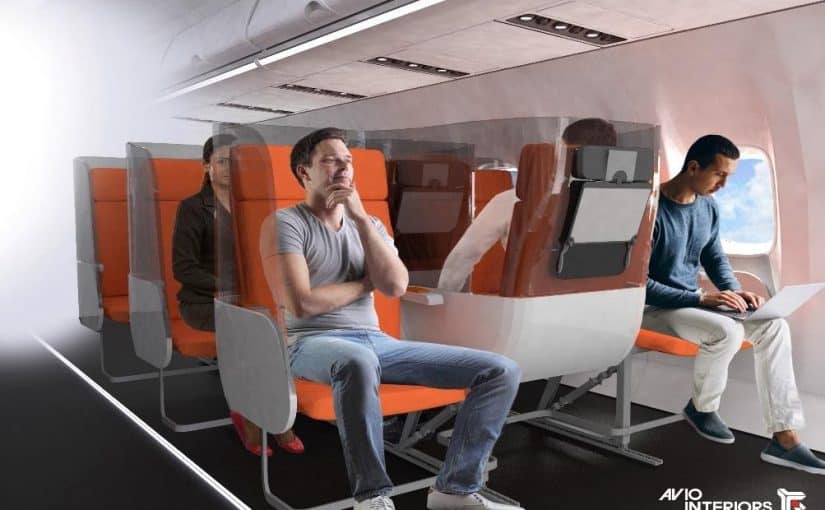
    Janus and Glassafe Seats Design

    The two new seat designs were called the “Janus seat” and the “Glassafe seat”. Plans for the both seat designs were released by Aviointeriors on the 20th of this month (April 2020). 

    source: Aviointeriors 

    The “Janus seats” contain three seats in a row that prevents passengers from directly facing each other in a close proximity. The middle seat is made to face the back while the rest of the seats face the front thus, it was called a “two face Janus”. Each seat has a shield around it believed to have been “made of transparent material” that act to “prevent breath propagation”  

    The “Glassafe seats” has some protective shield that not only separates passengers but “to reduce the probability of contamination by virus or any other.” 

    Aviointeriors told CNN that many airlines have already started showing interest in both the Jenus and the Glassafe seat designs thus, the company is currently going through the engineering design steps. In fact, the company believes and promised to deliver the newly designed seats within 6 months. 

    Although the company has acknowledged the weight nature of the “Glassafe” design but they insist, having such a design is better than flying with an empty middle seat. 

    Satisfied that both designs are suitable for narrow and wide body aircraft, the company went ahead to file patent applications for the both designs.