Tag: health tech

  • Surgical Tech Jobs: Skills, Career Path, Opportunities

    Surgical Tech Jobs: Skills, Career Path, Opportunities

    Surgical technologists, often referred to as surgical techs, scrub techs, or surgical technicians work in the operating room to ensure that surgeries are conducted safely and efficiently. With the demand for skilled healthcare professionals on the rise, surgical tech jobs offer a promising career path for those interested in the medical field. This guide provides an in-depth look at what surgical tech jobs entail, the skills required, and the opportunities available.

    What is a Surgical Tech?

    What is a Surgical Tech? Surgical Tech Jobs: Skills, Career Path, Opportunities

    A surgical technologist is a trained professional who assists in surgical operations under the supervision of surgeons, registered nurses, or other surgical personnel.

    Their primary responsibilities include preparing the operating room, sterilizing equipment, assisting with patient preparation, and maintaining a sterile field throughout the procedure.

    Types of Surgical Tech Jobs

    Surgical technologists can work in various specialized roles depending on their training and interests. Here are the types of surgical tech jobs:

    General Surgical Tech: General surgical techs assist in a variety of procedures and typically earn between $50,000 and $65,000 annually. Their broad skill set makes them versatile across different surgical environments.

    Cardiovascular Surgical Tech: Specializing in heart and vascular surgeries, these techs earn higher salaries due to the complexity of the procedures. Salaries range from $60,000 to $75,000 annually.

    Neurosurgical Tech: These techs, who assist with surgeries of the brain and spine, often earn between $65,000 and $80,000 per year, reflecting the highly specialized nature of their work.

    Orthopedic Surgical Tech: Focused on bone, joint, and muscle surgeries, orthopedic surgical techs typically earn between $55,000 and $70,000 annually.

    Obstetric and Gynecological Surgical Tech: Specializing in childbirth and female reproductive health, these techs generally earn between $50,000 and $65,000 per year.

    Plastic and Reconstructive Surgical Tech: Working in aesthetic and reconstructive procedures, these techs often earn between $60,000 and $75,000 annually, reflecting the specialized skills required for their role.

    Key Responsibilities of Surgical Techs

    Key Responsibilities of Surgical Techs
    • Preparing the Operating Room: Ensuring that all necessary instruments, supplies, and equipment are sterile and ready for the procedure.
    • Assisting with Patient Preparation: Helping to position and drape the patient, as well as preparing and applying sterile dressings.
    • Maintaining Sterility: Ensuring that the sterile field is maintained throughout the surgery to prevent infections.
    • Assisting the Surgical Team: Handing instruments to the surgeon, suturing wounds, and suctioning fluids as needed.
    • Postoperative Care: Assisting with the cleaning and restocking of the operating room, and transporting patients to recovery areas.

    Required Skills and Qualifications

    Required Skills and Qualifications for Surgical Techs

    Becoming a surgical tech typically requires completing a postsecondary education program in surgical technology. These programs are available at community colleges, technical schools, and universities and usually take about 1-2 years to complete. Coursework includes anatomy, medical terminology, and surgical procedures, and most programs include clinical training.

    To excel in surgical tech jobs, individuals need a specific set of skills and qualifications:

    • Technical Proficiency: Knowledge of surgical instruments, sterilization techniques, and operating room procedures.
    • Attention to Detail: Precision is critical in maintaining sterile conditions and ensuring that instruments are used correctly.
    • Communication Skills: Clear communication with the surgical team is essential for a successful operation.
    • Stamina and Dexterity: Surgical techs often stand for long periods and must have good manual dexterity.
    • Certifications: Most employers require certification from recognized bodies such as the National Board of Surgical Technology and Surgical Assisting (NBSTSA).

    Salary for Surgical Techs

    Salary for Surgical Techs Surgical Tech Jobs: Skills, Career Path, Opportunities

    Surgical tech jobs offer competitive salaries that vary based on factors such as location, experience, and specialization. As of 2024, the average annual salary for surgical technologists in the United States is approximately $60,000. However, salaries can range from $45,000 to $80,000 depending on the region and level of experience.

    Factors Influencing Salary

    • Location: Salaries can be higher in metropolitan areas and regions with a higher cost of living. For instance, surgical techs in California and New York earn significantly more than those in rural areas.
    • Experience: Entry-level surgical techs often start with lower salaries, but experienced professionals with several years of practice earn higher.
    • Specialization: Surgical techs who specialize in high-demand areas such as cardiovascular or neurosurgery often earn higher salaries.
    • Certifications: Holding additional certifications and credentials can lead to increased earning potential.

    Career Outlook and Opportunities

    Career Outlook and Opportunities in Surgical Tech Jobs Skills, Career Path, Opportunities

    The career outlook for surgical technologists is highly favorable. According to the U.S. Bureau of Labor Statistics, employment of surgical techs is expected to grow by 5% from 2022 to 2032, faster than the average for all careers. This growth is driven by advancements in surgical procedures.

    Conclusion

    With a growing demand for skilled professionals, competitive salaries, and diverse work environments, surgical tech jobs offer a rewarding career path for those passionate about healthcare and surgery.

    FAQs

    Is Surgical Tech a Good Job?

    Yes, being a surgical tech is a great job. It offers a solid salary, strong job growth (projected 5% increase from 2022-2032), and high job satisfaction.

    How Much Do Surgical Techs Make?

    Surgical techs earn an average salary of around $60,000 annually. Salaries range from $45,000 to $80,000, depending on location, experience, and specialization.

    What Are the Best Jobs for Surgical Techs?

    Cardiovascular, Neurosurgical, Orthopedic, Obstetric and Gynecological, and Plastic and Reconstructive Surgery.

    Where Can Surgical Techs Work?

    Surgical techs can work in various settings, including hospitals, outpatient surgical centers, and clinics.

    What Other Jobs Can a Surgical Tech Do?

    Surgical First Assistant, Scrub Nurse, Surgical Sales Representative, Surgical Tech Educator, Sterile Processing Technician, or Healthcare Administrator.

    How Long Does It Take to Become a Surgical Tech?

    Becoming a surgical tech typically takes 1-2 years, which includes completing a postsecondary education program in surgical technology and obtaining certification.

    What Skills Are Needed to Be a Surgical Tech?

    Technical proficiency with surgical instruments, attention to detail, good communication, manual dexterity, and the ability to maintain stamina during long procedures.


  • Health Tech Companies Restructuring Nigeria’s Healthcare System

    Health Tech Companies Restructuring Nigeria’s Healthcare System

    Technology is contributing significantly to Africa’s growth, strengthening the health, economic, agricultural and educational sectors. Nigeria is not excluded from the list of countries striving to set foot on the global scene. Health tech is a quantum leap in the area of medicine, but the Nigerian healthcare system is ridiculously inadequate to meet medical needs. Which has caused several -privately owned- health tech companies to swoop in and continuously save the day. Yet, a stark technological divide still exists in the country’s healthcare system.

    In no particular order, these are the top health tech companies bridging the gap between health and technology in Nigeria.

    Nigerian Health Tech Companies

    LifeBank

    According to reports, commercialization and personal aversions towards voluntary blood donation truncate blood supply to meet clinical demands. Death tolls rise every year from bleeding complications during childbirth, accidents, anemia and other chronic ailments. The recipients of blood transfusion end up paying heavily to some commercial donors due to the ill-equipped nature of blood banks in most Nigerian government hospitals.

    Temie Giwa-Tubosun Founder and Group CEO of LifeBank
    Temie Giwa-Tubosun Founder and Group CEO of LifeBank Credit: CNN

    LifeBank is a digitized platform based in Lagos that specializes in the distribution of blood, oxygen, and medical consumables. The startup sources and safely transports blood and blood products from authorized blood banks, using a WHO-endorsed cold chain system to hospitals and healthcare facilities. LifeBank marshals the defective framework of federal hospitals by supplying plant-sourced medical oxygen, accessories, supplies, etc, from a host of partners and distributors.

    It was founded in 2016 by Temie Giwa-Tubosun after the complicated delivery of her son. The health tech company has witnessed notable expansion into other countries like Kenya and Ethiopia within five years.

    Healthtracka

    CEOs of top health tech companies in Nigeria
    Ifeoluwa Dare-Johnson Credit: Healthtracka

    Healthtracka is a Nigeria-based health startup that offers at-home diagnostic tests and wellness checkups. The digital platform addresses the feasibility that most healthcare organisations in Nigeria severely lack. Due to the cumbersome processes involved in patient screenings, the need for technological applications in the area of medicine is imperative. Health tech companies such as Healthtracka intervene to simplify a myriad of things and save millions of lives.

    The platform works by allowing its users to purchase their preferred screening packages using the mobile app. Users are then expected to visit any Healthtracka-affiliated laboratory proximal to them or select the home sample collection option. After which users/patients receive digital results within 24 – 48 hours.

    Ifeoluwa Dare-Johnson together with Victor Amusan took the initiative in May 2021 to establish the platform after Ife’s father passed away from stroke resulting from a late diagnosis of diabetes and hypertension. The startup received $1.5 million in seed funding shortly after participating in the Techstars Toronto accelerator program. Healthtracka’s primary focus is to ensure that Nigerians who go about their lives oblivious to pre-existing medical conditions receive appropriate medical attention.

    Ifeoluwa Dare-Johnson CEO of Healthtracka

    Remedial Health

    CEO of top health tech companies in Nigeria
    Samuel Okwuada and Victor Benjamin Credit: Remedial Health

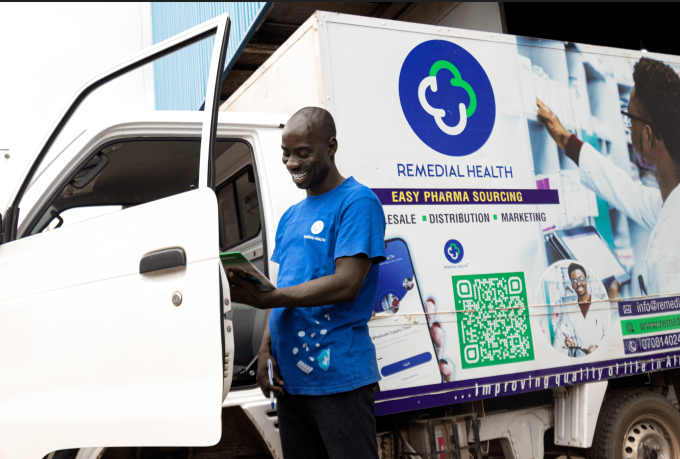
    Remedial Health is a rapidly growing pharmaceutical procurement company which started as a private-label brand before branching out into tech. All attempts by the government to foil the smuggling of falsified and illicit medicines in different parts of the country have been thwarted steadily. As a result, the startup is one of the leading health tech companies in Nigeria offering solutions to counterfeit drug distribution.

    The mass mortality of millions of Nigerians, and cost and treatment failures from the consumption of substandard pharmaceutical products necessitated the establishment of Remedial Health. Samuel Okwuada, a self-taught software developer and qualified pharmacist along with Victor Benjamin, a pharmaceutical sales agent with considerable expertise, founded Remedial Health jointly in 2021.

    Since its inception, the business has expanded to become a national pharmaceutical supply chain. Licensed pharmaceutical products have been obtained by healthcare providers, pharmacies, chemists and other registered drug retail outlets. Remedial Health’s digitized supply of pharmaceutical products also enables the procurement of authentic and affordable medicines via reliable logistics network.

    Health Tech Companies Restructuring Nigeria's Healthcare System
    Photo Credit: Remedial Health

    In September 2022, it secured $4.4 million in seed funding to broaden its reach across Nigeria. As well as for bankrolling businesses, provision of loans to SMEs unfairly prejudiced by financial institutions for creditworthiness and rendering services to their increasing client base of neighborhood pharmacies, Proprietary Patent Medicine Vendors (PPMVs) and hospitals.

    54gene

    top health tech companies in Nigeria
    The 54gene executive leadership team on the company’s 3rd anniversary (L-R) Jude Uzonwanne, Teresia Bost, Delali Attipoe, and Dr. Abasi Ene-Obong

    The African genomics company was founded by Dr. Abasi Ene-Obong who recently relinquished his role as chief executive officer to become a senior adviser. Following a 30% layoff of their workforce in August 2022 until his resignation, Ene-Obong was the co-founder and CEO of 54gene. In 2019, Abasi Ene-Obong, Damilola Oni, Gatumi Aliyu, and Ogochukwu Francis Osifo allied to build a biotechnology industry that will change Africa’s healthcare system.

    The startup seeks to represent the underrepresented population in genomics studies so that precision medicine is equalized. The majority of the genetic materials used in most pharmaceutical research are Caucasians, with only a sprinkling of Africans. Irrespective of the solid genetic diversity inherent in African ancestry. 54gene tackles this imbalance through advanced research infrastructure, highly curated data and genomic medicine for minoritized countries.

    Lifestores Healthcare

    Credit: Lifestores

    Nigeria operates three main levels of the healthcare system, unlike some advanced countries that boast four concrete tiers. The levels are primary, secondary and tertiary healthcare systems. The weak structures of the Nigerian healthcare system and the inability to access quality healthcare from the least tier galvanized Bryan Mezue into action. He joined forces with his co-founder Andrew Garza to commence a health tech platform that’ll offer equal access to essential primary healthcare despite social bias.

    Lifestores Healthcare runs a tech-enabled marketplace named OGApharmacy, as well as an ERP system. OGApharmacy is a digital procurement platform that enables pharmacies and hospitals to merge their choice requirements. The pharmaceutical marketplace then bargains for the lowest possible prices on certified medications, allowing for collective savings. Meanwhile, enterprise resource planning (ERP) allows for Lifestore customers to execute operations effectively.

    Ever since its launch, the startup has served over 100,000 patients monthly, including 700 plus pharmacies and dispensaries. With more than $1 million saved for healthcare providers, 7,000 products sourced from verified suppliers and 10% of pharmacies in Nigeria served.

    Reliance Health

    Nigerians are no strangers to telehealth thanks to the advent of Covid-19 which shook the world’s economy. The aftermath of the pandemic greatly expedited telemedicine, prompting the world to veer towards the inclusion of virtual healthcare technologies in healthcare systems.

    Reliance Health is among the health tech companies in Nigeria restructuring the face of medical care. Founded in 2016 by Femi KutiOpeyemi Olumekun and Matthew Mayaki, the startup operates by cooperating with hospitals and exclusive healthcare facilities to provide healthcare. Through a blend of integrated approach, which consists of telemedicine, affordable health insurance and innovative solutions.

    Reliance Health Image Credit: People of Color in Tech

    The telemedicine programme provided by Reliance Health allows customers to make online consultations and drug deliveries. Mitigating unnecessary consultations that often overcrowd Nigerian health centers. An array of health plans for families and businesses also exists on the Reliance Health insurance platform. The health tech startup is YC-backed along with a league of other investors, hospitals and laboratories.