Tag: HTC

  • VR Headsets to Buy in 2023/How to Discover the Best

    VR Headsets to Buy in 2023/How to Discover the Best

    Over the past few years, VR headsets popularly known as virtual reality headsets have been a hot topic globally. Even though you haven’t been keeping up with the VR trends, you must have heard someone discussing them. It’s easy to understand why. A lot of users derive pleasure from the entertainment and immersive experience VR headsets offer. Others find it a welcome form of escapism from tedious aspects of everyday life.

    This article will explore some of the best VR headsets in the market as well as the prices for expensive and cheap VR headsets.

    How does Virtual Reality Headset work?

    Currently, the use of VR headsets is limitless; every day, new ways of utilizing virtual reality technologies emerge. VR headsets immerse users in a simulated three-dimensional setting, by completely shutting off the real world. Virtual reality glasses usually feature a display screen, audio, sensors, and controllers, that enable users to enjoy life-like content. A VR headset can be used to play video games, meditate, stream sports, attend concerts, do real estate tours, have meetings, etc.

    There are three types of VR headsets; mobile, connected, and standalone VR headsets. Mobile VR headsets operate with smartphones (Android and iPhones to provide immersive virtual reality experiences. Connected or tethered VR headsets as the name implies utilize PCs or consoles to deliver VR content. While the standalone VR headsets come fully equipped and do not use external devices to function.

    To use a virtual reality headset, set up the device and place it on your head. Once the external surrounding is blocked or you can no longer see the world around you. When your field of view (FOV) adjusts to the environment projected on the display screen, use the controllers to interact with the simulated content.

    The Best VR Headsets in 2023

    HTC Vive XR Elite VR Headsets
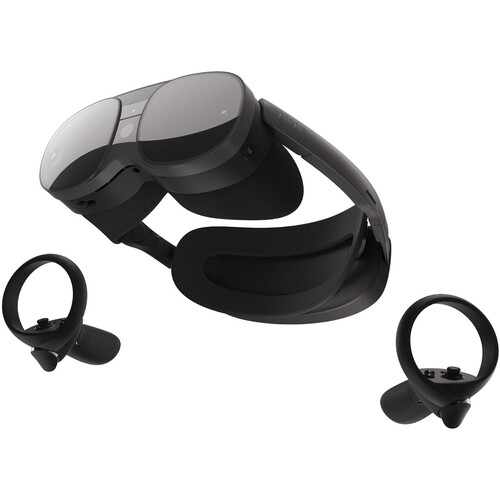
    HTC Vive XR Elite VR Headset
    HTC Vive XR Elite VR Headsets

    The HTC Vive XR Elite is an impressive standalone VR headset that features robust graphics performance with a high resolution of 1920*1920 pixels per eye (3840*1920 pixels combined). And an adequate field of view of up to 110 degrees to deliver a high-quality experience.

    The device equally has dual microphones and embedded speakers for echo cancellation and to provide an excellent audio experience. The Vive XR Elite also comes with inputs that include dual integrated microphones, volume buttons, and a headset button.

    Personalization is essential; the Vive XR Elite has been designed with this in mind. Users can personalize their viewing experience with a slider that moves the lenses to accommodate IPD (inter-pupillary distance). And diopter dials to ensure users have the best experience possible. It also has a refresh rate of 90 Hz, ensuring everything looks smooth and not blurry.

    The Vive XR Elite is powered by a Qualcomm Snapdragon XR2 processor with 128GB/12GB of storage and memory. It also features 4x tracking cameras, a 16 MP RGB camera, a depth sensor, G-sensor, a gyroscope, a proximity sensor, etc. For the battery, the headset is equipped with a 24.32Wh Battery that can last for about 2 hours. One of the best things about this device is that it’s lightweight and capable of running mixed-reality apps. The $1,299 price for this VR headset might be a bit upscale but you cannot put a price on entertainment can you?.

    PlayStation VR2
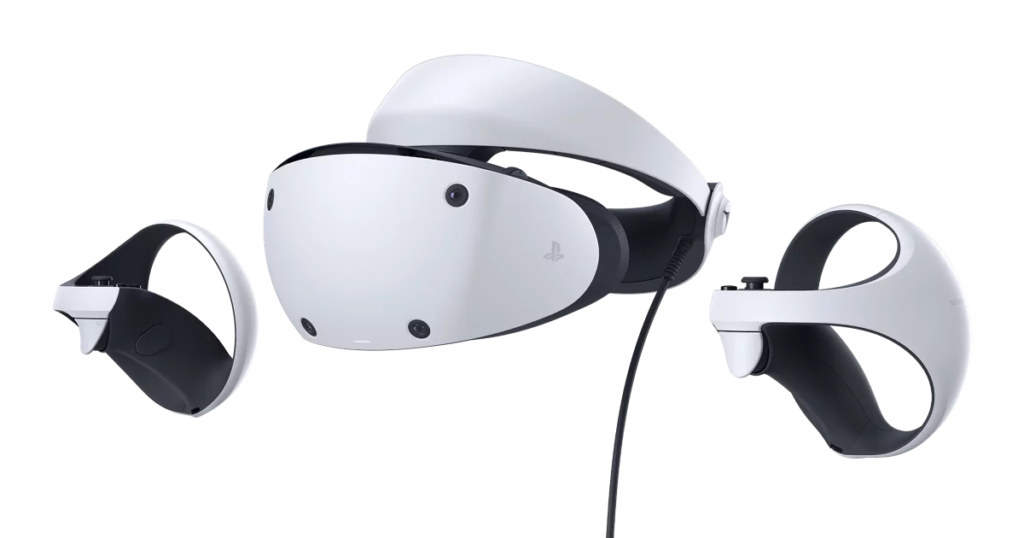
    Sony PSVR 2
    Sony PSVR 2

    Experience next-generation virtual reality with this headset from PlayStation that features incredible 4k HD visuals. The headset comes with a stunning OLED display. A built-in 3D audio technology, 2000 x 2040 per eye resolution, and intelligent eye tracking. Complete with an inbuilt microphone and stereo headphone jack. A 90Hz | 120Hz refresh rate, FOV of about 110 degrees, motion sensors, cameras, and an impressive game library. The lenses within the headset are equally adjustable using an external dial on the headset that either moves them closer or further apart.

    The PlayStation VR2 Sense controllers are designed with unique ergonomic design, finger touch detection, haptic feedback, and adaptive triggers that let users have control of their interaction in virtual worlds. From subtle pulses and vibrations to innovative features that deliver the highest quality immersive experience, the Sony PSVR 2 is one of the best VR headsets to cop this 2023.

    Meta Quest 2
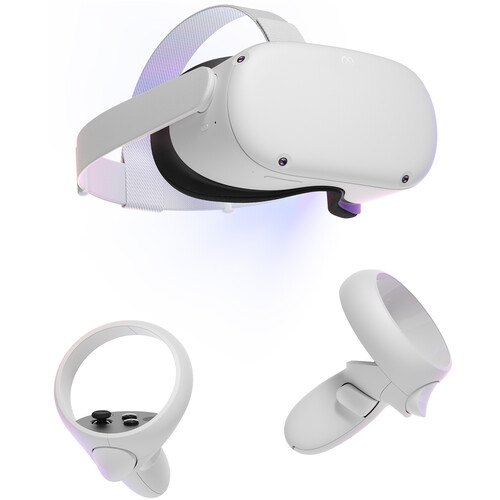
    Meta Quest 2 Advanced All-In-One VR Headsets
    Meta Quest 2 Advanced All-In-One Virtual Reality Headset (256GB)

    The Meta Quest 2 Advanced All-In-One Virtual Reality Headset is one of the best VR headsets in the market. It features fast-switching LCDs with a resolution of 1832*1920 per eye. This premium virtual reality headset from Facebook delivers more than just aesthetics. With high-quality features such as an impressive 90Hz refresh rate, and 6DoF. With 90 degrees field of view that users say isn’t that great. It also features built-in hand tracking and a portable, adjustable design that doesn’t require an external PC or console to operate.

    At $399, the Meta Quest 2 VR headset is every virtual reality addict’s dream. The head strap is lightweight and designed to offer users unmatched comfort. Add the 3D positional audio built directly into the headset, and users can interact with and explore the virtual environment as if it were real. The 3.5 mm audio port allows users to play VR content with or without headphones. 128GB | 256 of storage and a Qualcomm Snapdragon XR2 processor with 6GB RAM combine to make the Meta Quest 2 a masterpiece.

    Valve Index VR Headsets
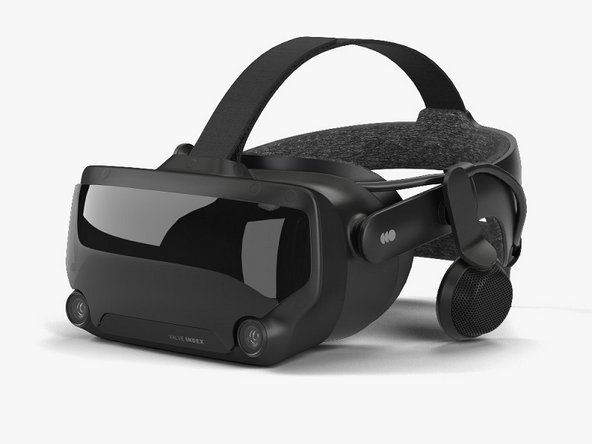
    Valve Index Virtual Reality Headsets
    Valve Index VR Headsets

    Named one of the best VR headsets in the market by critics. The Valve Index is another virtual reality headset to tick off the list. Valve Software is pushing the boundaries of technology. By developing not just a high-end VR tool, but an extremely reliable one. The Valve Index headset is rather bulky but not heavy, with a 1,440* 1,600-pixel resolution, an excellent 144Hz refresh rate, and a huge 130-degree field of view.

    Optimized with innovative off-ear balanced mode radiators to provide an enjoyable audio experience. As well as adjustable IPD, impressive camera, etc the Valve is a killer VR headset. Valve Index’s finger-tracking controllers and two Steam VR base stations come together with the device when you purchase it. The headset is ideal for PC gaming and at $999, the comfort and exceptional features make any dime spent worthwhile. 
  • The HTC M9 as Revealed by Leaked Videos.

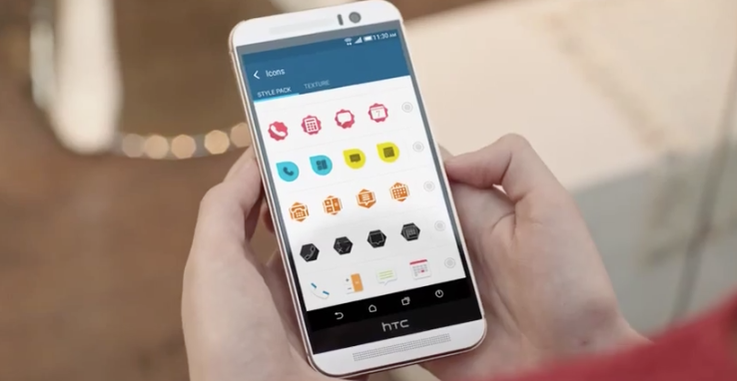
    The HTC M9 as Revealed by Leaked Videos.

    HTC is just a few days away from revealing its new HTC One M9, but the surprise has been spoiled by a trio of leaked videos. Originally shown off by frequent Android leaker account@Upleaks, the videos below show the M9 in detail, including its design, as well as software features contained in the next version of HTC’s Sense UI.

    The first video reveals a thorough overview of the M9, curiously presented in profile view. The phone looks a lot like its predecessor, but has a two-tone metal body. There’s a personalization option that lets you use a source image for theme, and a contextual home screen widget that changes apps based on your location. A new front camera uses UltraPixel tech for optimal low-light shooting, and a rear-facing 20 megapixel delivers more detail and resolution.

    The second video shows off a better look at how the HTC One M9’s software features might fit into a user’s actual day, including a photo capture and theming example with a picture from a store window. HTC clearly wants to highlight personalization options, as well as the new meal recommendations built into BlinkFeed.

    Finally, a more in-depth look at the camera reveals some of the improved capture abilities, in a variety of lighting conditions, as well as new effects and options build into the camera app for after-capture processing and edits. The videos above might get taken down, but we have a gallery of captures from each that should provide a look everything regardless of whether the YouTube clips stay active.

  • Is HTC done with Windows Phone?

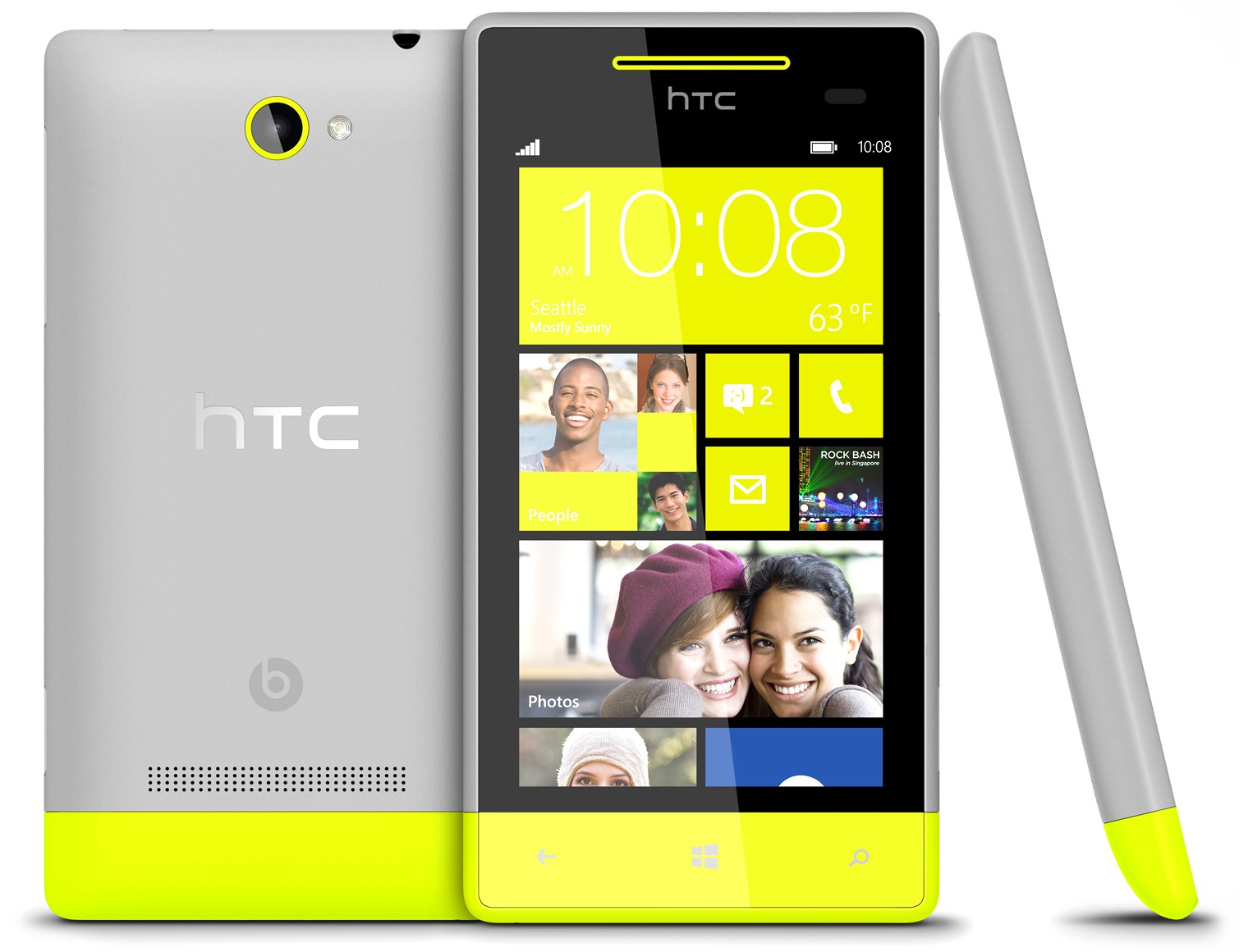
    Is HTC done with Windows Phone?

    IDG NEWS SERVICE – HTC didn’t do much to fan the flames of future Windows Phones on Friday, stating that “nothing concrete” is in the works regarding future products.  

    HTC executives took to the pages of Reddit for an “Ask Me Anything” session that covered the company’s product strategy, with regards to features like its use of the Sense UI versus its Google Play Edition.

    Unfortunately, the company was vague when talking about the future of Windows Phone. User “0157h7” asked, point blank, “Is HTC done with Windows Phone?”

    Leigh Momii, a product manager for HTC, weighed in.

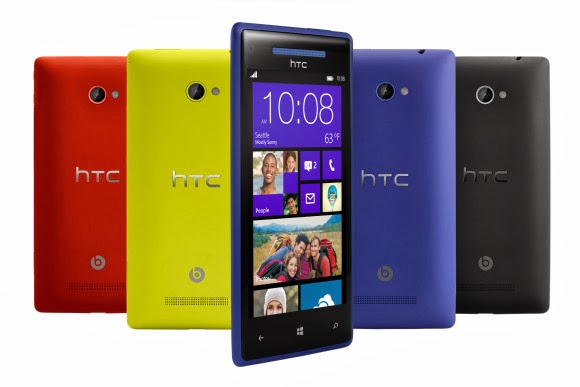
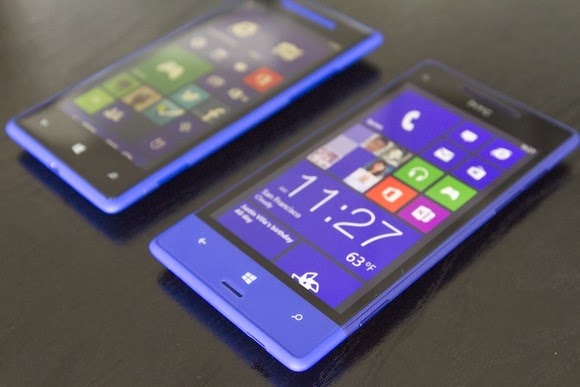
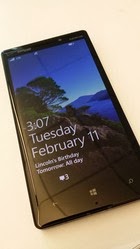
    To say “done with Windows Phone” is a pretty blanket statement. I don’t think a company such as ourselves can ever say that point blank. As strong partners of Microsoft, we’re working with Microsoft on the Blue update on Windows Phone 8X and will continue to take new products into consideration. Nothing concrete right now, but who knows!

    Or, as user “jpspiderman” put it: “So far they’ve said that they haven’t written off Windows Phone completely but that’s all they’ve said — no real commitment.”

    “What he said,” the HTC team replied.

    The future of  Windows Phone may be  from Nokia, not HTC.  

    It wouldn’t be unusual if HTC decided to put its Windows Phone plans on hold, or scuttle them completely. When Microsoft announced the $7.17 billion deal last year, IDC had just reported that Nokia made 81.6 percent of all Windows Phones sold. “Clarity helps make the market for all Windows Phones,” Microsoft said, a bit of doublespeak that implied that acquiring Nokia would actually promote diversity among Windows Phone partners. That in turn prompted several analysts to question the deal and its long-term effects on the Windows Phone ecosystem.

    If nothing else, it appears that HTC 8X users will at least be receiving the Windows Blue update, another name for Windows Phone 8.1. But if you’re looking for new Windows Phone hardware, it seems like you should stay focused on Nokia and phones like its new Lumia Icon, for now.

  • HTC Fends off Apple in UK Patent Lawsuit Involving ‘Slide to Unlock’ Feature

    HTC Fends off Apple in UK Patent Lawsuit Involving ‘Slide to Unlock’ Feature

    A High Court in the U.K. has ruled that HTC did not infringe on Apple’s photo management patent, while stating that three other patents Apple claimed in the lawsuit were invalid, according to HTC.
    The three patents declared invalid, include Apple’s “slide to unlock” feature, which Apple alleged HTC had infringed on in its smartphones and tablets.
    A multi-touch software that Apple had claimed certain HTC devices using Android 2.3 had infringed on was also found not to be patentable, with the Judge declaring it to be computer program.

    ” HTC is pleased with the ruling, which provides further confirmation that Apple’s claims against HTC are without merit,” the company said in a statement. “We remain disappointed that Apple continues to favor competition in the courtroom over competition in the marketplace.”
    Apple could not be immediately reached for comment.
    The ruling, which was issued on Wednesday, gives HTC a victory as the company faces ongoing patent battles with Apple across different countries.
    Both companies are fighting legal battles against each other in the U.S., and have sought for import bans on products allegedly infringing on their patents. Shipments of HTC smartphones to the U.S. were recently delayed, as a result of a ruling by the U.S. International Trade Commission that went in favor of Apple. Apple was denied an emergency ban on HTC phones earlier this week by the U.S. International Trade Commission. ITC said it found that Apple had not demonstrated the propriety of temporary emergency action.

    Important Notice: Tweet this article with the bookmark social media share below to stand a chance to win an ipad or start making money with your twitter account (it works only with your twitter account and the more articles you tweet the more you stand a chance to win an Ipad)

  • HTC Evo 4G LTE

    HTC Evo 4G LTE

    HTC Evo 4G LTE Review: Gorgeous, but No LTE for Now  

    Sprint’s original HTC Evo 4G was the carrier’s very first 4G WiMAX phone. Two years (and a few other Evos) later, we have the HTC Evo 4G LTE ($200 with a new two-year contract from Sprint; price as of 5/10/12). But despite the name, this smartphone is currently just a 3G phone until Sprint builds out its LTE network. Outside of this issue, the Evo 4G LTE is a solid phone. The display, camera, design, and multimedia features make it the best phone currently coming from Sprint. Sprint will have the HTC Evo 4G LTE available on May 18.

    Different Design on HTC Evo 4G LTE


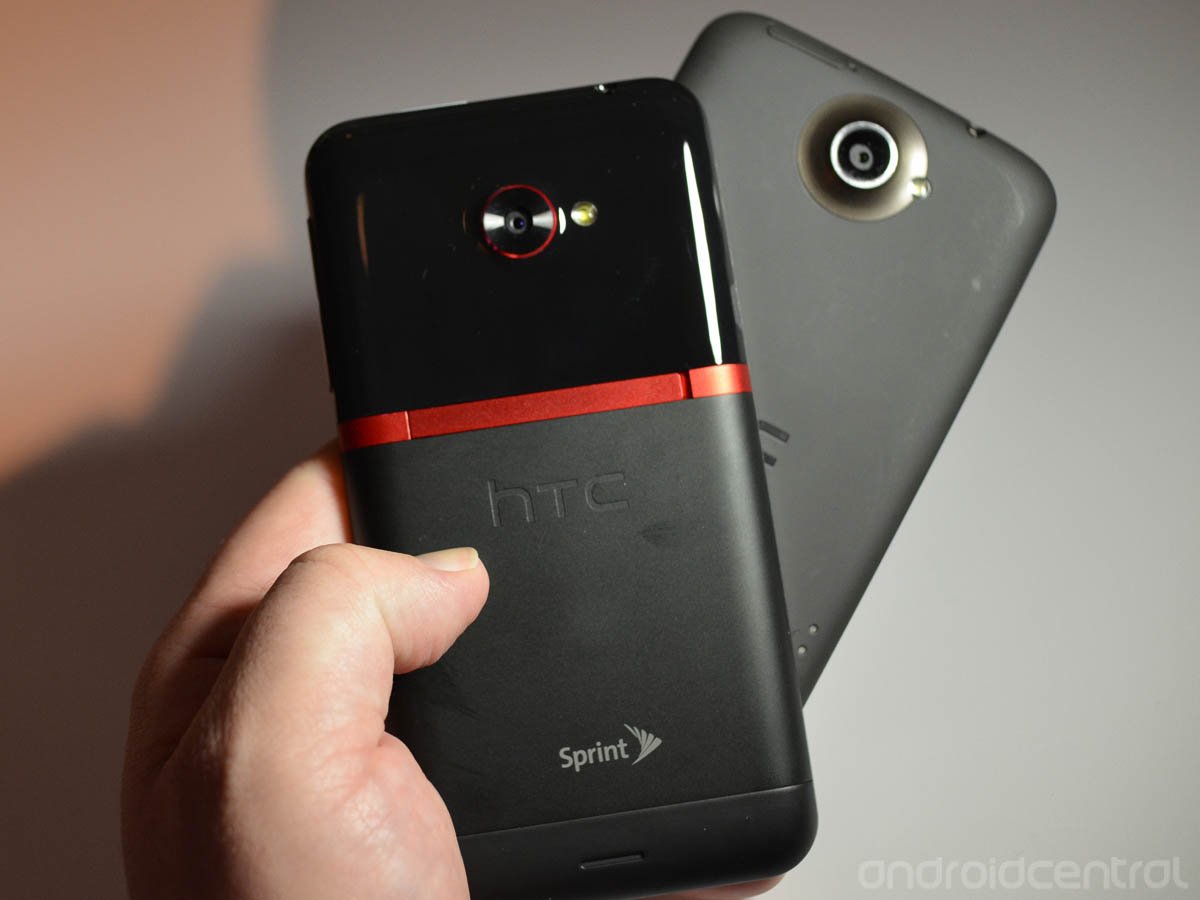
    The Evo’s kickstandThe HTC Evo 4G LTE might share a lot of specs in common with the One X on AT&T, but its design is totally different. With its black body and red accents, you might mistake it for a Verizon phone; it looks an awful lot like the newly announced HTC Droid Incredible 4G LTE. It holds onto the Evo design legacy, however, with a bright red kickstand. You flip the kickstand out and set your Evo on a table for some hands-free video watching. The kickstand is a little difficult to open, however. You’ll need some nails to get it out. The kickstand divides the Evo’s battery cover, which is part glossy black plastic and part matte, soft-touch rubber.

    Measuring 5.3-by-2.7-by-0.35 inches, the Evo is slightly smaller than the One X, which measures 5.3-by-2.8-by-0.4 inches. The Evo is an ounce heavier, at 4.7 ounces, than the One X (4.6 ounces).

    The Evo has a 4.7-inch 1280-by-720 HD pixel display with IPS (In Plane Switching) technology. We loaded the Evo up with a few test photos we use across phones to test display quality. These images include a colorscale test, a grayscale test, and photos of people. In our colorscale test, I could detect some oversaturation as the colors bled into one another (see sample photo). In the portrait photos, skin tones had a ruddy look–another sign of oversaturation. Details appeared sharp, however, as did text.

    Android 4.0 with HTC Evo 4G LTE Sense


    HTC Sense–the manufacturer’s user interface over Android–has garnered a mixed response from consumers and tech journalists alike. And Android 4.0 (Ice Cream Sandwich) has, by far, the best-looking interface of any version of Android. I understand why manufacturers slapped on overlays in the early days of Android: The underlying interfaces were ugly. HTC Sense is undeniably pretty. But its animations and colorful widgets have a tendency to bog down the operating system.

    Perhaps my idea that manufacturers might leave Android 4.0 alone and just add a few customized widgets was just wishful thinking. To HTC’s credit, Sense 4.0 is much subtler than previous versions of the interface. The company has cleared out many unnecessary icons and text that cluttered older versions of Sense. You can still pinch the screen to see all seven of your homescreens, and you get that handy customizable lock screen that we saw with Sense 3.0.

    Still, Android purists might take offense to a few changes. The Recent Apps UI has been tweaked in typical Sense fashion. Rather than displaying your apps or websites as a list with thumbnails, it displays them as pages that flip as you flick through them. The Sense widgets are a bit too busy and garish for my liking, but you can easily remove them.

    HTC Sense also makes some very basic tasks more difficult than they should be. For example, to change the phone’s wallpaper, you have to dig through multiple menus in the Settings. Changing the wallpaper in vanilla Android 4.0 is as simple as holding down on the homescreen.

    The Evo 4G LTE comes with a significant amount of carrier and manufacturer-added software, but that seems to be the norm these days. You can disable some of these so they don’t show up in your apps menu. Annoyingly, you can’t disable either the Sprint Music Plus player or the Sprint Zone.

    Camera


    Sprint and HTC unleashed a bunch of journalists in the city of New Orleans to test out the HTC Evo’s camera in the field. Like the HTC One series of phones, the Evo 4G LTE has HTC’s ImageSense camera software and the HTC ImageChip, which supports a which supports an f2.0 aperture and a handful of different shooting modes, including High Dynamic Range (HDR), Macro, and Panorama. HTC also claims that One cameras have an almost no-lag shutter speed. In my hands-on tests, I found the no-lag claim to be pretty much true. My photos taken in automatic mode looked excellent, with good colors and crisp Indoor Photo Using Automatic Modedetails. Most of the shooting modes worked quite well, too, especially the macro mode (see example photos).
     HDR made my photos look a bit spooky–I prefer the HDR mode on the iPhone 4S’s camera. You can also add Instagram-like filters to your photos, but I don’t think they look very good. A better bet would be to add a third-party app like, well, Instagram or Pixlr, which has even more filters.
     This Evo also has a very cool continuous shooting feature, which lets you take multiple pictures at a time. You can then use the camera app’s Best Photo feature, which will automatically pick the cleanest photos out of the group. You can use continuous shooting with both the onscreen shutter button and the physical key. It is a little sensitive, however. When I was snapping photos from a tour bus in New Orleans, I accidentally took multiple pictures without meaning to.

    The Evo has a dedicated camera shutter button, which is always a plus, as it helps stabilize the phone before you take your photo. Annoyingly, you can’t press the button when the phone is locked to jump directly to the camera app.

    Multimedia

    All HTC One phones have Beats Audio built in. Beats Audio automatically turns on when you play music, but you can opt to turn it off. I could definitely hear a positive change in music quality, especially with rock and metal music, when Beats was running. Bass sounded richer and the vocals fuller. Beats Audio also kicks in when you play a YouTube video.

    Unlike the One phones, the Evo has a microSD slot so you can expand your phone’s memory beyond the built-in 16GB, with photos, video, apps, and so on.

    The phone also comes with HTC Watch, which is the company’s movie-streaming service. If you wish to stream movies off your phone, however, I’d go with Netflix, as it has a larger library than Watch.

    Performance

    Using the FCC-approved Ookla Speedtest.net app, I tested Sprint’s 3G network in two cities: New Orleans and San Francisco. In New Orleans, the HTC Evo achieved an average of 1.4 Mbps for download speeds and 0.52 Mbps for upload speeds. In San Francisco, Sprint’s 3G network was a bit faster, with an average of 1.69 Mbps for downloads and 0.90 Mbps for upload speeds.

    These are okay speeds for 3G, but I’ve been spoiled by 4G. Videos started and stalled over YouTube and Web pages weren’t loading as quickly as I’m used to. Even T-Mobile’s HSPA+ network seems much faster than Sprint’s 3G network. But until Sprint LTE comes to your city, you’re stuck with 3G. Even if you have WiMax in your city, the Evo 4G LTE isn’t compatible with that network.

    I ran both the Quadrant and Vellamo benchmarking apps to see how powerful the Qualcomm S4 1.5GHz dual-core processor is on the HTC EVO 4G LTE. With Vellamo (which was developed by Qualcomm), the Evo had a score of 2392, slightly ahead of the HTC One S, which has the same processor and achieved a score of 2365.

    Under Quadrant, the HTC Evo got a score of 5145, which put it slightly ahead of both the One S and the Galaxy Nexus. I also ran a few graphics-heavy games, like World of Goo and Osmos, and the Evo handled them flawlessly.

    While we haven’t yet completed our formal battery tests, I used the EVO 4G LTE for an afternoon photo outing. After 2 hours and about 50 photos later, I noticed a significant drop in battery life. You might not use the camera as heavily in a short time span as I did for this review, but one of the main selling points of this phone is the camera. I also ran a 26-minute video over YouTube with the battery starting at 76 percent charged. After the video was finished, the Evo had a battery life of 67 percent. We’ll update the Evo’s battery life results once we finish our formal testing.

    We experienced uneven call quality with both the HTC One X and the One S, but the Evo sounded good on both ends of the line. My friends said my voice sounded clear and natural, and they didn’t hear any crackling or static as they did on the One phones.

    The EVO 4G LTE will be the first handset on a U.S. carrier with HD Voice. Sprint’s demo of HD Voice at the EVO 4G LTE’s launch in New York City showed how it significantly decreases background noise.

    This is made possible by the Snapdragon processor, which uses dual-microphone noise suppression and earpiece active noise cancellation. It also relies on Sprint to finish its upgrades to its 3G network so we were unfortunately unable to test this feature. Also, HD Voice will only work if both people on a call are using an HD Voice-supported smartphone on an HD Voice-supported network.

    Bottom Line

    The Evo phones have always been Sprint’s strongest offering, and the Evo 4G LTE is no exception. From its beautiful design to the versatile camera to the fast performance, this is Sprint’s best phone–and one of the best Android phones available. But without LTE, it feels as if it is not quite living up to its potential.

    That Sprint is releasing LTE phones (the Evo, the LG Viper, and the Galaxy Nexus) without an actual 4G LTE network in place is a bit frustrating. While the company has disclosed the initial six cities for launch (Atlanta, Baltimore, Dallas, Houston, Kansas City and San Antonio), it has not said when these networks will turn on. And unless you live in one of those cities, you’ll find it hard to get excited about LTE. Sprint’s 3G network feels painfully slow, too, especially when you compare it to other carriers’ 4G networks. Sprint has announced that it will release 15 more 4G devices, most of them handsets. Unless you are 100 percent committed to the Evo legacy or are dying to upgrade your phone, I’d hold off on buying the Evo until you know that you’ll get LTE or have seen what else is available before locking into a two-year contract.