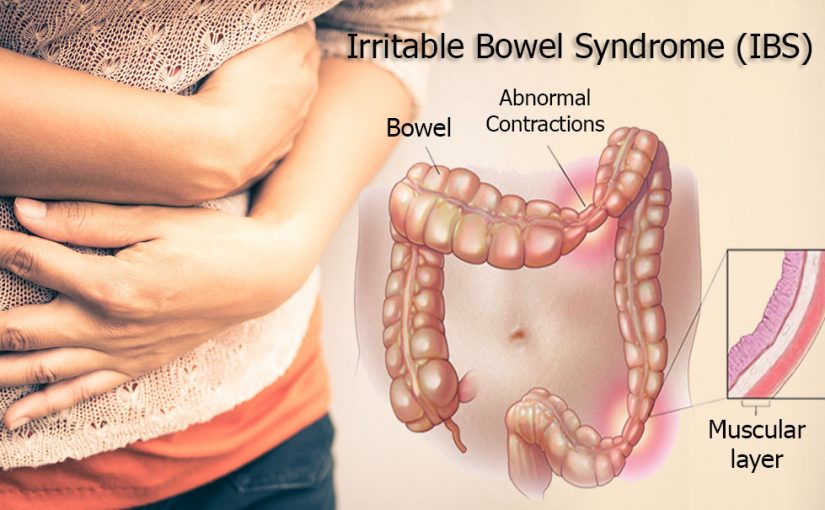
Irritable bowel syndrome (IBS) is a disorder in which abdominal pain is associated with a range of symptoms. Typically, these include intermittent abdominal pain accompanied by diarrhea, constipation, or alternating episodes of both.
IBS is also known as spastic colon, irritable colon, mucous colitis, and spastic colitis. It is a separate condition from inflammatory bowel disease and is not related to other bowel conditions. IBS is a group of intestinal symptoms that typically occur together. The symptoms vary in severity and duration from person to person
IBS Symptoms
The symptoms of IBS typically include:
Abdominal pain and Cramping
The key symptom of irritable bowel syndrome (IBS) is abdominal pain. The IBS pain can be felt anywhere in the abdomen. It may change over time. IBS pain or discomfort is related to the way the bowels move
Bloating and gas
Bloating is one of the symptoms often associated with irritable bowel syndrome (IBS). Bloating is when your belly feels swollen after eating. It is usually caused by excess gas production or disturbances in the movement of the muscles of the digestive system. It is a common symptom in irritable bowel syndrome (IBS)
Constipation
The key symptom of irritable bowel syndrome (IBS) is constipation. This has to do with the following:
- Feeling of being unable to completely empty during a bowel movement, or the sensation of wanting to go but not being able to
- Difficulty or straining at stools
Diarrhea
Diarrhea is one of the symptoms often associated with irritable bowel syndrome (IBS). Diarrhea is characterized by loose, watery stools or a frequent need to have a bowel movement
- Bloating in the abdomen is also common
- Abdominal pain or discomfort
- Sudden urges to have bowel movements
Causes of IBS
For people with IBS, some situations may trigger it
- Certain medications and food (examples, alcohol, chocolate, coffee, dairy products, fructose, carbohydrates)
- Emotional stress
- Eating
- Excessive gas
Things that will help an IBS patient
- Cook homemade meals using fresh ingredients
- keep a diary of what you eat and any symptoms you get try to avoid things that trigger your IBS
- Get plenty of exercise
Things to avoid:
- Avoid lots of fatty, spicy or processed foods
- Avoid lots of alcohol or fizzy drinks
- Do not delay or skip meals
- Do not eat too quickly
You must be logged in to post a comment.