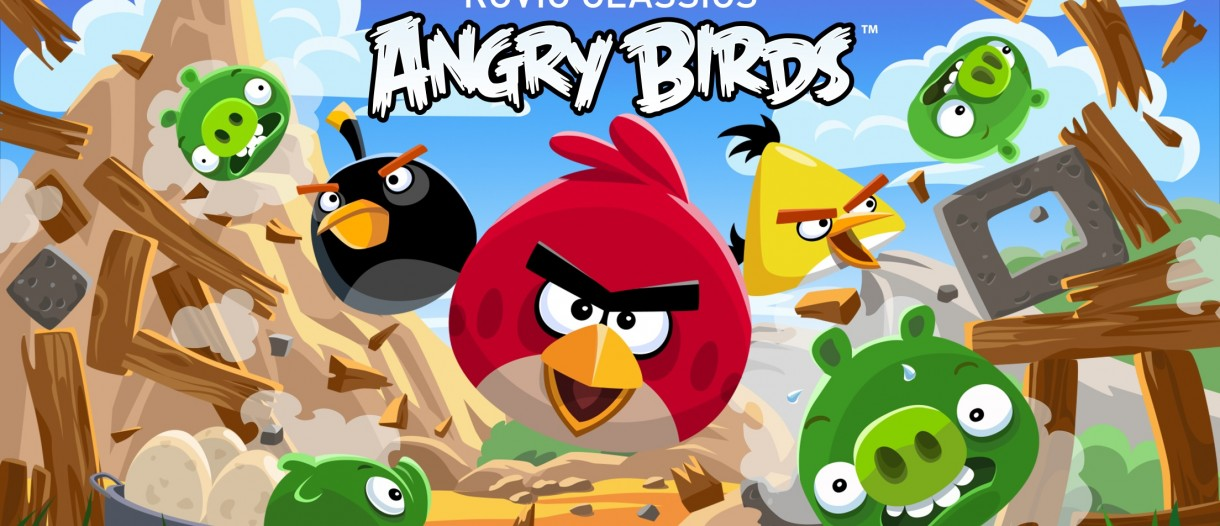
Rovio Entertainment, the popular Finnish video game developer and maker of ‘Angry Birds‘ has agreed to a takeover bid from the famous Japanese video games group Sega. The acquisition is valued at $775 million—in a statement that was released on Monday by both companies.
Ever since its development by Rovio Entertainment in 2009, the addictive bird slingshot game “Angry Birds” has paved the way for numerous merchandise. As well as movies and series adaptations. While the bulk revenue came from the Angry Birds franchise, the company struggled to develop another hit game. And the failure to recreate the same level of success with its subsequent releases resulted in the company laying off one-third of its staff in 2015.
The Future Of Angry Birds Company In The Gaming Industry
The Board Of Directors at Rovio has mutually urged shareholders to accept the offer from Sega. According to Alexandre Pelletier-Normand, the CEO of Rovio, the acquisition was beneficial to the gaming industry. “Red, and Sonic: two globally recognized and iconic characters made by two remarkably complementary companies. With a worldwide reach that spans mobile, PC/console, and beyond. Combining the strengths of Rovio and Sega presents an incredibly exciting future.”
The Sonic The Hedgehog producers are expected to seal the deal in the third quarter of 2023. After the offer publicly commences in the second quarter of the same year. This deal will allow both companies to enhance their presence in different areas of the gaming industry. And Sega promises to achieve this by allowing Rovio to expand beyond mobile gaming to consoles. As well as to other gaming platforms, using Sega’s cross-platform expertise. In addition to the aim of accelerating growth in the global gaming market, the partnership between Sega Corporation and Rovio will also create synergies between its current ventures—Sonic and Angry Birds.
Satomi Haruki, president, and group CEO of Sega Group went further to collude that “Among the rapidly growing global gaming market, the mobile gaming market has especially high potential, and it has been Sega’s long-term goal to accelerate its expansion in this field.” He also stated, “I am confident that, through combination of both companies’ brands, characters, fanbase, as well as corporate culture and functionality, there will be significant synergies created going forward.”
(Opinion) The Nintendo Switch is just a bit shy over 1 year’s old. And while I was late to the party (not obtaining my own copy of the hybrid console until last February), it seems to have had a great lifespan – at least, according to other outlets. And it’s fair enough to assume so. We got Mario Odyssey, Xenoblade Chorincles 2, Fire Emblem Warriors, Breath of the Wild, and more great games. But, wait? Do you notice something there? Most of the Switch’s greatest games released in its first year are either all Nintendo IPs, or published by Nintendo? Seem familiar?
This is the pattern I’ve noticed on Nintendo consoles ever since I interacted with them as a child. The DS, 3DS, Wii, WiiU, all had some great first-party games on it. And some decent third-parties, but mostly first-parties. And while these titles are always a blast, fans have been crying for more and more third-party support ever since the days of the Wii, and even some consoles beforehand. And while we can blame it on the sales (for example, the awfully performing WiiU), I personally believe we have none other than Nintendo to blame. The entertainment company has always been harsh on third-parties; pretty much denying any and all access to their consoles, at least to triple A games and developers. And it’s that push that leads to poorly-performing console sales on Nintendo’s end.
Recently, we saw a light of hope with the Nintendo Switch focusing on a more pro-third-party catalogue and a more pro-mature one as well. We’ve seen titles we’d never suspect make it to a Nintendo console, such as Skyrim, L.A. Noire, and even DOOM. It’s honestly amazing to me, but at the same time, it’s not enough. Now, I know this makes me sound like some nit-picky, over-demanding fanboy. That may be the case. However, it’s not enough to me, because the steam we were picking up for more immersive, third-party games on the new Switch has started to blow down.
And while we can understand – not everyone is eager to port every triple A game to the Switch – there’s another problem present along with it: lack of original, new first-parties. That’s just a big Nintendo-no-no. Sure, we have all the games I previously mentioned, including Pokken, Mario Kart 8, and more. But most of these games are WiiU ports, and if not, there’s not many brand-new Nintendo IPs on the new console. It feels almost as if Nintendo hadn’t even given themselves enough time to have a powerful catalogue to go with.
So, in a hopes to rally some discord and to get Nintendo thinking, here’s the Nintendo IPs that need to be made for the Switch. And not just ported: new AND original, to separate the console from the WiiU/3DS. Alongside this is discussion of the need of a system software overhaul.
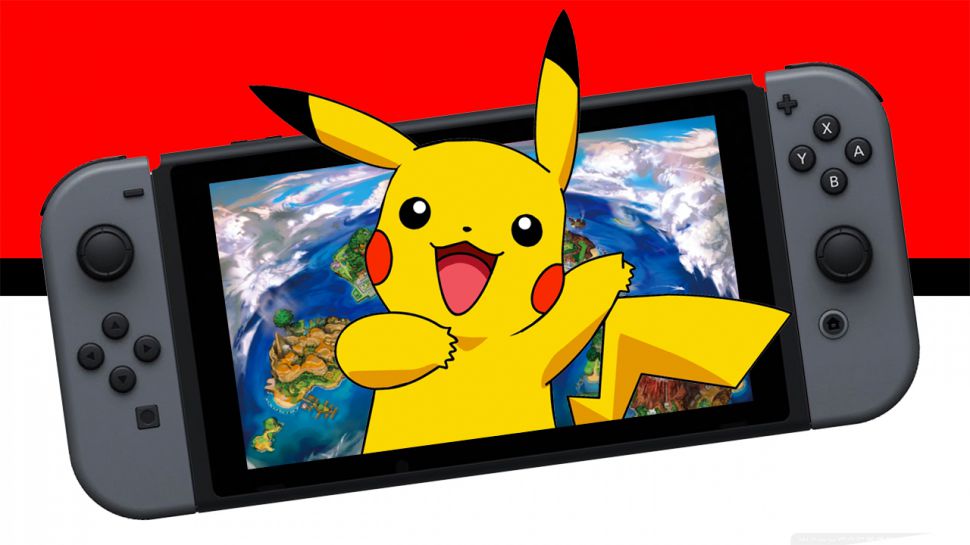
1) Pokemon Switch
We’ve already been seeing confirmations of the Pokemon Switch game to be the 8th generation, and this is great news! This most likely points to a guarantee that it will be a new mainline Pokemon game, and not a port or mashup of Sun & Moon.
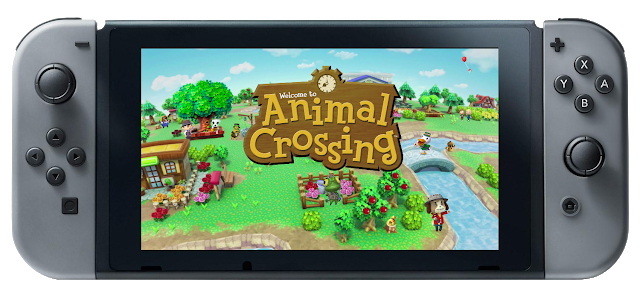
2) Animal Crossing
The last home console Animal Crossing game is going to be ten years old this November. 10 years old. The last fully-fledged Animal Crossing game is going to be 6 this year. Yes, I’m excluding Happy Home Designer and the mobile Pocket Camp. Animal Crossing is obviously a popular Nintendo IP that many people, young and old, love dearly. The Switch being a hybrid console, means we could indeed have a beautiful, large Animal Crossing game going with us anywhere in the world. I don’t want ports, as stated, but sticking with the idea of City Folk wouldn’t be bad either.
3) Star Fox
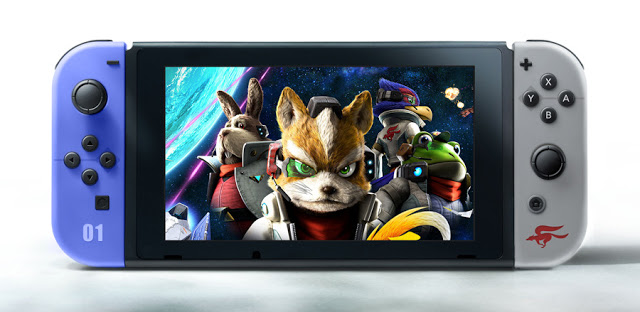
One of the more underrated IPs of Nintendo is Star Fox. I personally loved the play style of all the Star Fox games I had the chance to play as a kid. The last attempt to boot up Star Fox on the WiiU didn’t go as well as expected, only averaging a 69% metacritic score. The Switch’s booted graphics and mobility, however, are the perfect environment for a Star Fox game to find itself in.
4) Fire Emblem
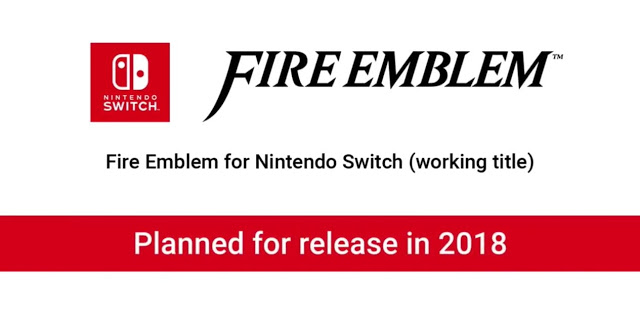
We’ve had a very basic confirmation that the Switch will indeed have a Fire Emblem game (not referencing Fire Emblem Warriors). However, this statement was made long ago, not too long after the Switch’s birth. Since then, several Nintendo Directs have passed, and no news has been shared about the project. I’m hoping Nintendo will go for a new game, like Fates or Awakening, and avoid another port, or at the very least bring a from-the-ground-up reboot of an older game.
Alongside these suggestions, of course Nintendo needs to do all they can to make the Switch more inviting to third-party developers. They need to force developers to think “Nintendo-only.” Many great third-party games yet to release for the Switch are also going to release for other platforms, and while this offers a great amount of choice to players, this can very well be bad for business to Nintendo. I’ve noticed this lack of Switch-only third-parties lately, and we all know it’s in fear of failing sales. If Nintendo makes their move now with more first-party releases, and some major system changes (I discuss those down further), they can reignite the hype and buzz the console had upon it’s first announcement. Such a rise in coverage would bolster sales, at least in theory, and make third-parties that aren’t just indies (hopefully) strive to create unique, exclusives for the console.
I mentioned needing a system overhaul earlier, and whether you agree or not, the system itself seems so…lacking. The 3DS is an amazing performer for Nintendo, just ask anyone. This system also has a unique, customizable and interactive software UI. The Switch? A choice between White or Black backgrounds, with some game tiles and a button to the eShop, Album, Settings and Controllers. While many may respect the simplicity, it just seems to barebones for a Nintendo system.
First and foremost, the lack of customizing makes it moot. White or Black are our options of Themes, yet there’s no Theme shop available like there is for the 3DS. I can’t make folders for certain apps, I can’t use a web browser, user profiles are lackluster. I personally think the Nintendo Switch’s UI is where it fails the most. It’s so boring and unimaginative that sometimes browsing your console is just, well, unbearable. I strongly believe Nintendo is hard at work on addressing such changes, but we can only hope it comes soon enough before the interest and lack of support fades from this very promising console.
What are your thoughts? Feel free to debate down in the comments section, or share what games and changes you want to see on the Nintendo Switch.
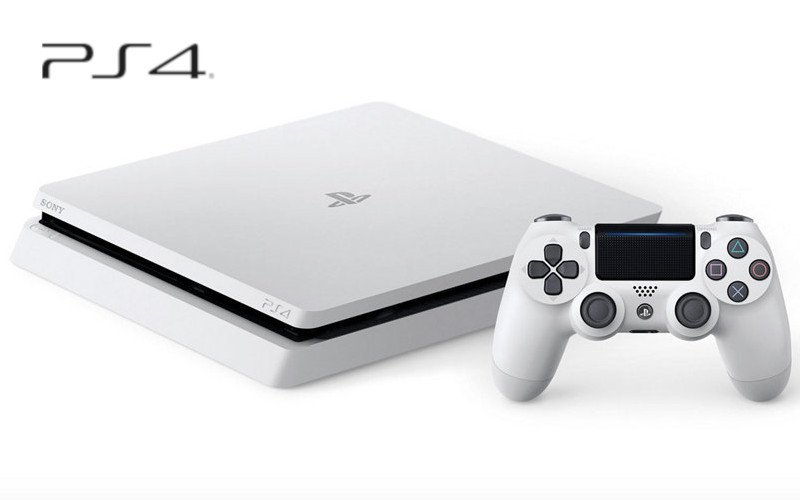
PlayStation 4 update: Back in August, Sony started teasing a new feature they call “Share Play.”. Though we’re still waiting to see just how well it works, the idea itself is wonderful: once enabled, you can let your friends play your games with you (or by themselves, even) from across the vast Interwebs without them owning a copy of the game.
Up until now, Sony was pretty vague about when this feature would launch, noting only that it was coming “this fall.” Thanks to a quiet announcement on Twitter, however, we’ve now got a date: October 28th.
PS4’s next software update, Masamune, will be available on 10/28. Includes Share Play, USB Music player, and more! pic.twitter.com/FjfgcY91Ki — PlayStation (@PlayStation) October 23, 2014
As the tweet above mentions, an update that Sony expects to ship on 10/28 will include Share Play, along with the ability to play music (MP3, MP4, M4A, and, for some crazy reason, 3GP) off of a USB drive while playing a game.
As for the “and more” that leaves that tweet oh-so open ended, the update also brings the long-awaited YouTube app, a better voice command system, and the ability to tweak the background color of your PS4’s homescreen.
While Share Play sounds incredible, there’s a footnote or two that Sony seems to be downplaying a bit that might make it a bit less incredible. For example: sony has previously confirmed that Share Play sessions are limited to 60 minute chunks — so don’t expect to be able to blast through an entire game on a buddy’s remote console without shelling out for your own copy eventually.
On the upside, the feature should work with all PS4 games right out of the gate — so it’s not something that’ll only work on a title-by-title basis.
If you enjoy watching video-game content on YouTube, today is not your day.
PC World reports that the site recently activated its Content ID copyright infringement detection system on affiliates of YouTube’s Multi-Channel Networks (MCNs), and the results are far-reaching. Since YouTube updated its terms in an effort to deter copyright infringement, video games channels have received thousands of copyright claims, particularly concerning video games content.
Video games are (as the name implies) a visual form, so it’s no surprise that video content has grown exponentially in recent years. Both the new Xbox One and PlayStation 4 consoles have integrated support for video output, and the Most-Viewed and Most-Subscribed channel on YouTube belongs to one Felix Kjellberg, a.k.a. PewDiePie, who plays through and discusses video games on his channel.
YouTube has been an important outlet for game videos because of its affiliate program, which allows content creators to earn money based on their channel views. For the most popular YouTube stars, this can amount to a significant amount of cash—potentially up into the tens of thousands of dollars. Until this week.
Copyright claims
YouTube’s decision to implement Content ID included affiliates of MCNs (such as Machinima (one of the largest MCNs devoted to games). Game videos are always in a Fair Use gray area—many provide an unedited look at entire hours of a game, with only voiceover commentary added by the video creator. These efforts are easy targets for copyright claims, and publishers have laid down rules about what can be streamed in the past—rules they’ve rarely enforced.
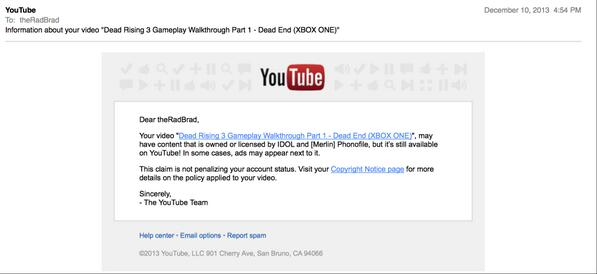
Polygon reports that some channel operators have already lost up to 15% of their libraries to claims. Copyright claims are particularly damaging because they divert revenue from video views to whoever initiated the claim. You’d guess that the likely culprits in this case would be game publishers. Except the game publishers say no.
One recipient’s reaction to YouTube’s action
Capcom, Deep Silver, Ubisoft, and more have gone on record to state that they’ve filed zero copyright claims this week, and Capcom even said it’s fighting over this with YouTube.
Publishers tend to like it when fans make online video content because it’s free marketing—their games get exposure to enormous audiences, with little effort on the publisher’s part.
These claims appear to have originated from far weirder sources, which, in some cases, includes companies that don’t really exist anymore.
Popular games personality TotalBiscuit tweeted, “Apparently THQ is putting out a lot of copyright claims, which is impressive since it no longer exists.” THQ went out of business earlier this year.
Other channels received copyright claims from third-party companies with no discernible relation to the games in question, but YouTube allowed the claims to go through regardless.
YouTube, for its part, defended the new system, reiterating that—despite publisher’s claims to the contrary—copyright infringement policies are set by content owners.
A YouTube spokesman said in an email: “We recently enabled Content ID scanning on channels identified as affiliates of MCNs. This has resulted in new copyright claims for some users, based on policies set by the relevant content owners. As ever, channel owners can easily dispute Content ID claims if they believe those claims are invalid.”
Implications
Whether this spells the end of video-games content on YouTube, or whether the system will automatically course correct after a few days of volatility remains to be seen. If YouTube sticks to this path though, it may leave a door open for a competitor to take over games content.
Judging from the state of Twitter on this subject today (see tweets from theRadBrad and Jim Sterling as examples), some people would welcome a change.



You must be logged in to post a comment.