5G home internet is no longer a luxury—it’s rapidly becoming the backbone of modern living. Whether it’s remote work, online education, or staying connected with family and friends, 5G technology is redefining how we interact with the digital world.
Why 5G Home Internet?
Traditional broadband providers often bundle outdated services like cable TV and struggle to keep up with increasing demands for faster, more reliable internet. Issues like frequent outages, slow speeds, and restrictive contracts frustrate users. Enter 5G home internet, a game-changing solution for seamless connectivity.
What Is 5G Home Internet?
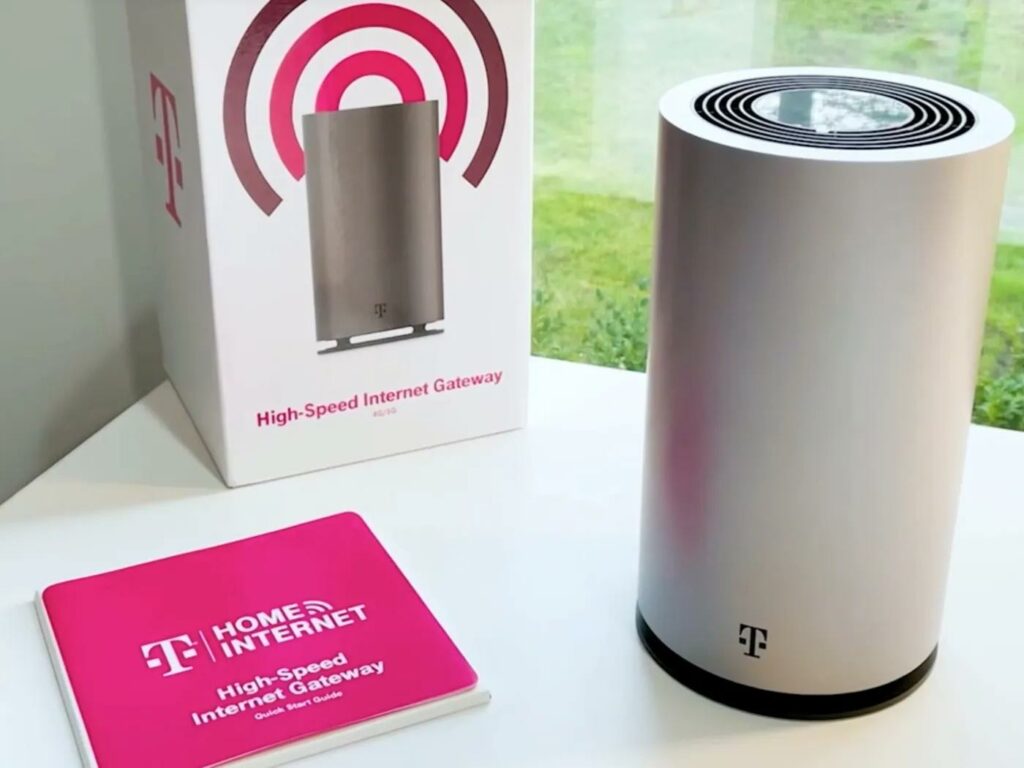
5G home internet uses the latest wireless technology to deliver high-speed internet directly to your home. Pioneering providers like Verizon, T-Mobile, and Starry are making this service more accessible globally, offering speeds comparable to fiber-optic connections.
Top 5G Providers and Their Offers
Verizon: Speeds of 85–1,000 Mbps, starting at $50/month, with unlimited data and free equipment for mobile subscribers.
T-Mobile: Speeds of 72–245 Mbps at $60/month, plus a $200 gift card for switching.
Starry: Speeds of 50–1,000 Mbps, priced at $30–$80/month, with no contracts and free installation.
How Does 5G Home Internet Work?
Setup is simple: a router and SIM card connect to nearby cell towers, eliminating the need for cumbersome wired connections. This makes it a flexible, plug-and-play solution for households.
Benefits of 5G Home Internet
Lightning-Fast Speeds: Experience speeds that rival or exceed traditional broadband.
Easy Setup: No complex wiring; get online with minimal effort.
Affordable Plans: Competitive pricing with unlimited data.
Flexible Contracts: Many providers offer no-contract options.
However, challenges like limited availability and potential signal interference remain. Health concerns about 5G lack scientific backing, but they’ve stirred public debate.
5G vs. Traditional Broadband
While 5G offers advantages like lower latency and greater capacity, its reliability depends on location. Fiber-optic broadband still leads in stability for areas where 5G coverage is limited.
Is 5G Home Internet Right for You?
Evaluate your needs, location, and budget. For urban areas with robust 5G coverage, it’s a compelling alternative to traditional broadband.
Top 5G Providers Worldwide
In the US:
AT&T Internet Air
T-Mobile 5G Home Internet
Verizon
US Cellular Home Internet
Starry Home Internet
In the UK:
EE 4G/5G Mobile Broadband
Three 5G Home Broadband
Vodafone 5G Broadband
National Broadband 5G
The Future of 5G Home Internet
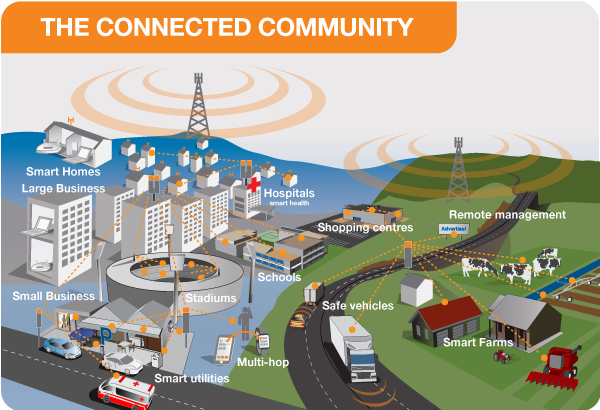
From smart homes and IoT innovations to enhanced online gaming and telemedicine, 5G is set to transform everyday life. Stay ahead of the curve by exploring 5G options tailored to your connectivity needs.
Vodafone and Amazon announced today their plans to extend their 4G/5G networks across Europe and Africa. Through Project Kuiper’s low Earth orbit (LEO) satellite constellation. Kuiper Systems LLC, or Project Kuiper for short is an Amazon subsidiary that was created back in 2019 with the mission of launching an expansive satellite internet network. A network delivers lightning-fast broadband internet access with minimal latency.
This strategic collaboration between the renowned British telco and Washington-based Satellite Internet access company will see the complete participation of both companies in beta testing Project Kuiper’s innovative services, slated to commence in 2024. The objective is clear—leverage Project Kuiper’s high-bandwidth, low-latency satellite network to deliver affordable 4G/5G connectivity to regions that have historically remained disconnected from the internet. Project Kuiper will establish vital connections, linking far-flung cellular antennas to the core telecom networks of Vodafone and Vodacom. Effectively circumventing the time and expense typically associated with deploying fibre-based or fixed wireless links to the core networks.
However, the collaboration Vodafone and Amazon doesn’t stop at expanding network reach. Amazon, the driving force behind Project Kuiper, envisions partnering with Vodafone to roll out high-speed broadband services to unserved and underserved communities on a global scale, not just in Africa. Both corporations are actively pursuing the possibilities of custom enterprise solutions, that meet the connectivity needs of businesses worldwide. These solutions encompass a range of offerings. From strong and reliable backup services for unforeseen events to expanding internet connectivity to rural infrastructure.
Speaking on the Partnership
Chief Executive of Vodafone Group Margherita Della Valle, expressed the overarching mission of the partnership between Vodafone and Amazon. “Vodafone’s work with Project Kuiper will provide mobile connectivity to many of the estimated 40% of the global population without internet access. Supporting remote communities, their schools and businesses, the emergency services, and disaster relief. These connections will be complemented further through our own work on direct-to-smartphone satellite services.”
Meanwhile, Dave Limp, Amazon’s Senior Vice President for Devices and Services, affirmed that the project’s grand vision was to improve access to the internet, especially to those in remote areas. “Amazon is building Project Kuiper to provide fast, affordable broadband to tens of millions of customers in unserved and underserved communities. And our flexible network means we can connect places that have traditionally been difficult to reach.”
He further mentioned that “Teaming with a leading international service provider like Vodafone allows us to make a bigger impact faster in closing the digital divide in Europe and Africa. Together we’ll explore how we can help our customers get the most value from expanded connectivity. Particularly in areas like residential broadband, agriculture, education, healthcare, transportation, and financial services.”
The CEO of Vodacom Group Shameel Joosub, reinforced the commitment to bridging the connectivity gap in Africa. “At Vodacom, our purpose is to connect for a better future. And we work every day to bring more people in Africa online.” “Collaborating with Project Kuiper gives us an exciting new path to scale our efforts. Using Amazon’s satellite constellation to quickly reach more customers across the African continent.”
The implementation of these innovative plans is contingent on the deployment of Amazon’s production satellites. Amazon plans to commence testing two prototype satellites in the coming months, with full-scale production satellite deployment expected in 2024. The timeline is set for beta testing of Project Kuiper services with select customers by the end of 2024.
Vodafone’s Contributions Extends Beyond Internet Connectivity
Vodafone and Amazon to Accelerate 4G/5G Connectivity in Europe and Africa Image Credit: Reuters
Vodafone, through its various initiatives and platforms, is actively engaged in addressing several United Nations Sustainable Development Goals (SDGs). The healthcare sector is on the precipice of transformation through technology. The convergence of digital tools and rapid connectivity promises to revolutionize healthcare access and patient care in remarkable ways. However, several nations still face pressing challenges in delivering good healthcare to the masses. Sub-Saharan Africa, in particular, bears the brunt of this crisis, driven by frail health systems and limited access to emergency care and transportation.
Vodafone and UN Sustainable Development Goals
In more ways than one, Vodafone provides support to healthcare providers across the globe with digital tools and better access to data to deliver better care. Vodafone provided connectivity to emergency hospitals across Europe and in Spain, the company was able to connect 500 wireless IoT alarms to the hospital beds of the largest hospital in Madrid. While in South Africa, their subsidiary Mezzanine, provided a PPE stock visibility solution to 350 hospitals for monitoring over 3,000 facilities across the country.
In response, to the maternity crisis, Vodafone introduced m-mama. An emergency referral service that connects pregnant women with emergency transport in locales where getting conventional ambulances isn’t feasible. This transformative solution is not confined to a single nation. It has single-handedly reduced maternal mortality by as much as 38% in certain regions of Tanzania. Vodafone has extended m-mama’s reach to Lesotho. And is on the brink of launching in Kenya, thanks to a dynamic partnership with USAID. With anticipated launches in other sub-Saharan African nations.
In the pursuit of other Sustainable Development Goals, Vodafone and Safaricom launched M-PESA, the flagship mobile money service in 2007. And also lends its support to addressing the eradication of hunger. With eVuna, a lifeline for small-scale farmers to access credit, and connect to potential buyers. Vodafone also has a Connected Education platform in Africa that empowers both students and teachers with resources.
Are Vodafone and Vodacom the Same?
Established in the year 1985, Vodafone is a prominent British mobile network operator, with a reach that extends far beyond the United Kingdom. The telecommunications giant has a huge presence in many countries across every continent. In terms of access and in areas where digital technology, especially internet connectivity is being utilized there has been quite a tremendous impact.
From its homeland in the United Kingdom to the far reaches of Albania, Australia and Czech Republic, to Germany. And Spain, Greece, Hungary, Iceland, Ireland, Italy, the Netherlands, New Zealand, Portugal, Romania, Turkey, Qatar, and Ukraine. Vodafone remains an integral part of expanding the coverage of mobile technology globally.
On the other hand, Vodacom is a prominent South African mobile operator. While its roots may have originated in South Africa, Vodacom has expanded to several other African nations. Presently, Vodacom actively operates in South Africa, Kenya, Ghana, Egypt, Tanzania, the Democratic Republic of Congo, Zambia, etc.
In 1994, through a collaboration between Telkom and Vodafone, South Africa initiated its mobile telecommunications services with the inception of Vodacom. Although it wasn’t until 2008 that Telkom made the strategic decision to cede its ownership of Vodacom to Vodafone.
5G is the 5th generation technology for broadband mobile phone networks that require 5G-compatible devices to ensure network connection. As wireless technology becomes more commonplace, so also does the increase in the manufacture of smartphones with 5G modems. Some mobile phones will not support 5G, hence, you need to know if your device is congruent with the cutting-edge technology network.
Before acquiring new gadgets, you want to be sure that they are 5G-enabled. So you don’t run the risk of being outpaced in an era of groundbreaking innovations. It is imperative to know also, the phone specifications, performance, and internet or broadband speed within your location. For ease of reference, we’ve earlier reviewed how to use a wifi speed test to determine network coverage in your location.
Here are six 5G-compatible phones from iPhones to the latest Samsung phones and Nokia phones that will guarantee network connection.
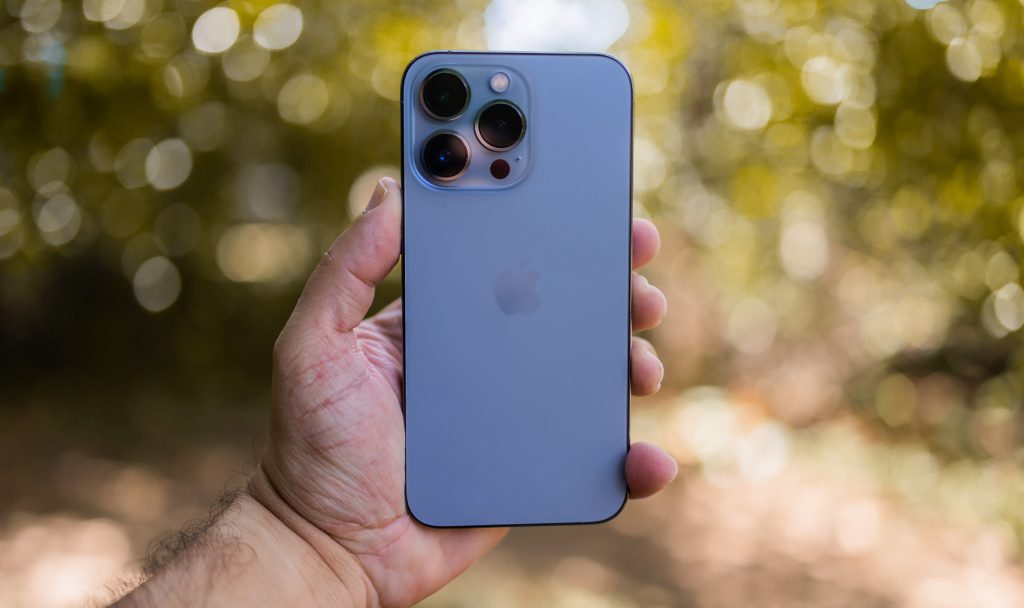
iPhone 13 Pro Max
Source: Caleb Oquendo pexels.com
Overall Best Phone With 5G Network Connection
Apple’s iPhone 13 Pro Max like every phone in the 13 series such as; iPhone 13 Mini, and iPhone 13, supports an assortment of 5G network connections. Ranging from frequencies under sub-6GHz, ultra-wideband to mmWave which provides greater bandwidth. Unlike other iPhone series, the iPhone 13 is the best mobile phone to use if you want to enjoy seamless transmission speed.
iPhone 13 Pro Max Specifications
Released. Sep 24, 2021.
Display. 6.1 inches. 2532 x 1170 pixels. 60Hz Refresh rate.
Camera. 12 MP (Dual camera) 12 MP front.
Hardware. Apple A15 Bionic. 4GB RAM.
Storage. 128GB, not expandable.
Battery. 3227 mAh.
OS. iOS 15.x
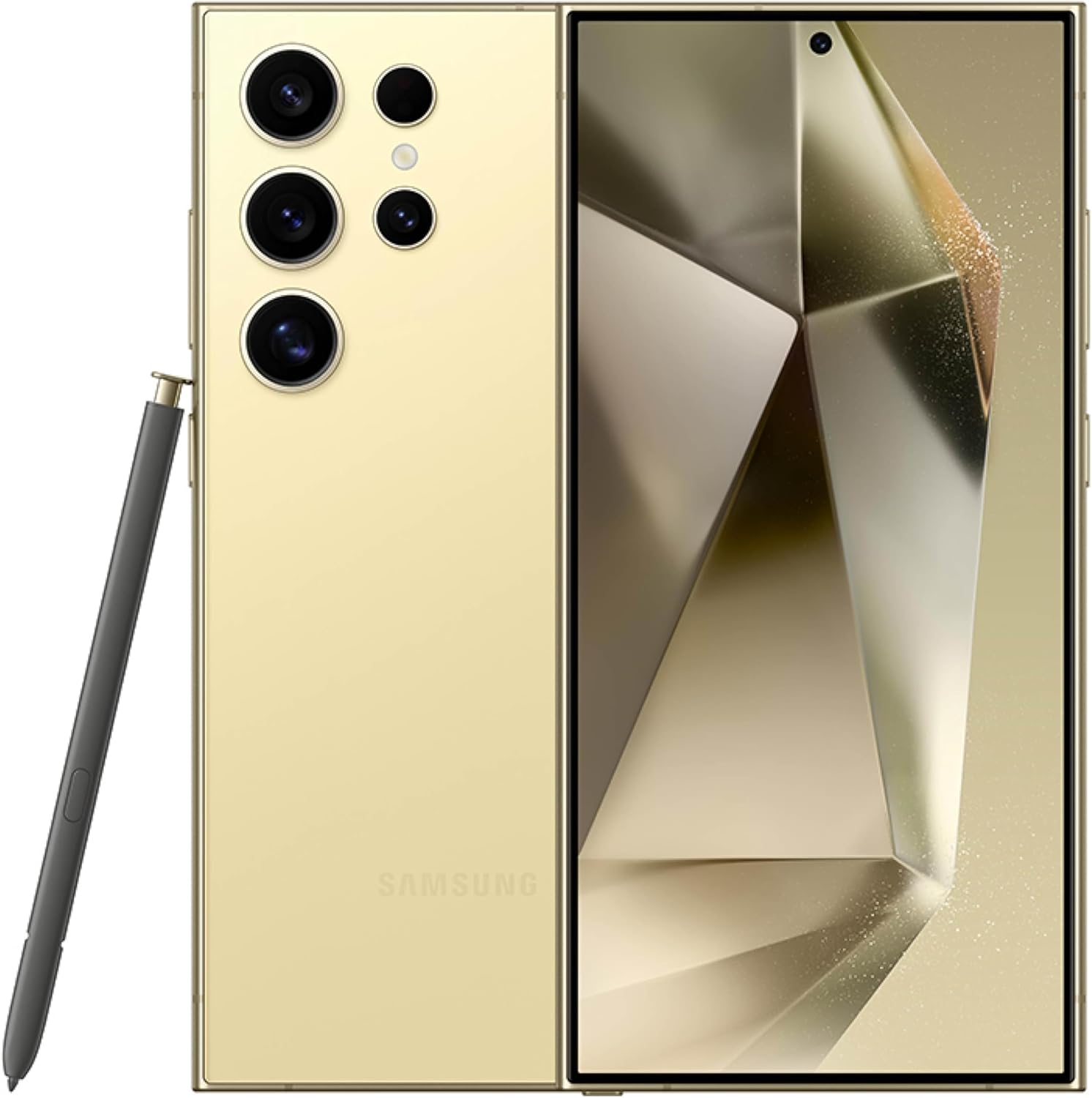
Samsung Galaxy S22 Ultra
Source: Imad Clicks pexels.com
Overall Best Android Phone With 5G Network Connection
Samsung S22 Ultra 5G Specifications
Released February 25, 2022
Display: 6.8 inches Dynamic AMOLED
Dimensions: 77.9 x 163.3 x 8.9 mm
OS· Android 12
Battery: 5000mAh (typical)
Weight: 228 g / 229 g (mmWave) (8.04 oz)
Camera: Photo / Video
Internal: 128GB 8GB RAM, 256GB 12GB RAM
Main Camera: Quad
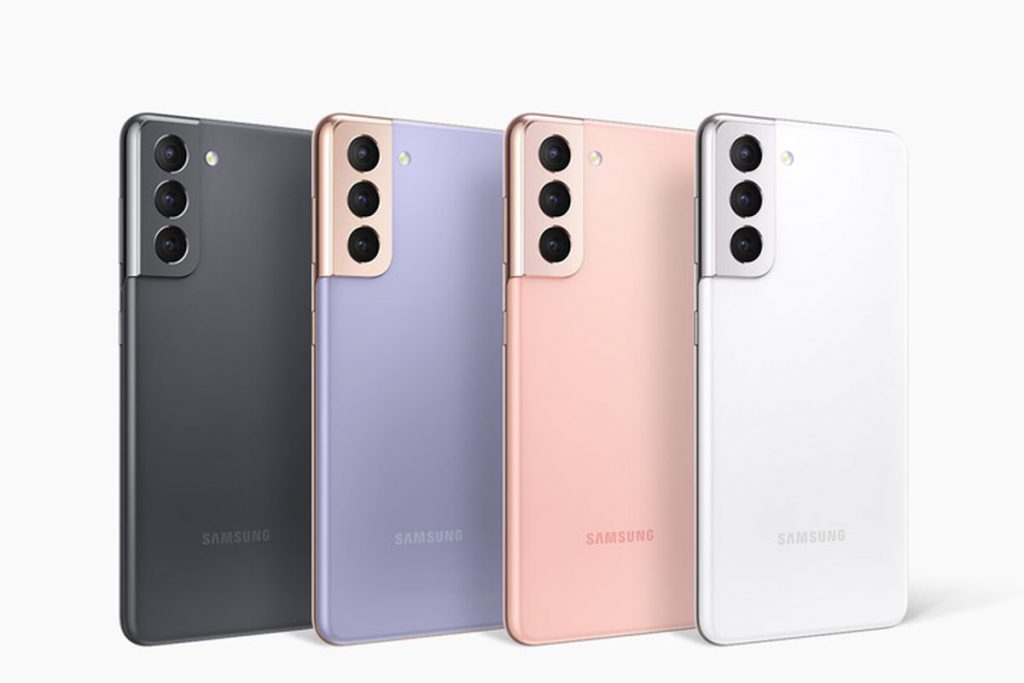
Samsung Galaxy S21
Source: The Verge
Galaxy S21 5G Specifications
Released January 29, 2021
Dimensions: 151.7 x 71.2 x 7.9 mm
Weight:169 g (Sub6), 171 g (mmWave) (5.96 oz)
Display: 6.2 inches Dynamic AMOLED 2X
OS: Android 11, One UI 3.1
Internal: 128GB 8GB RAM, 256GB 8GB RAM
Battery: 4000mAh
Main Camera: Triple
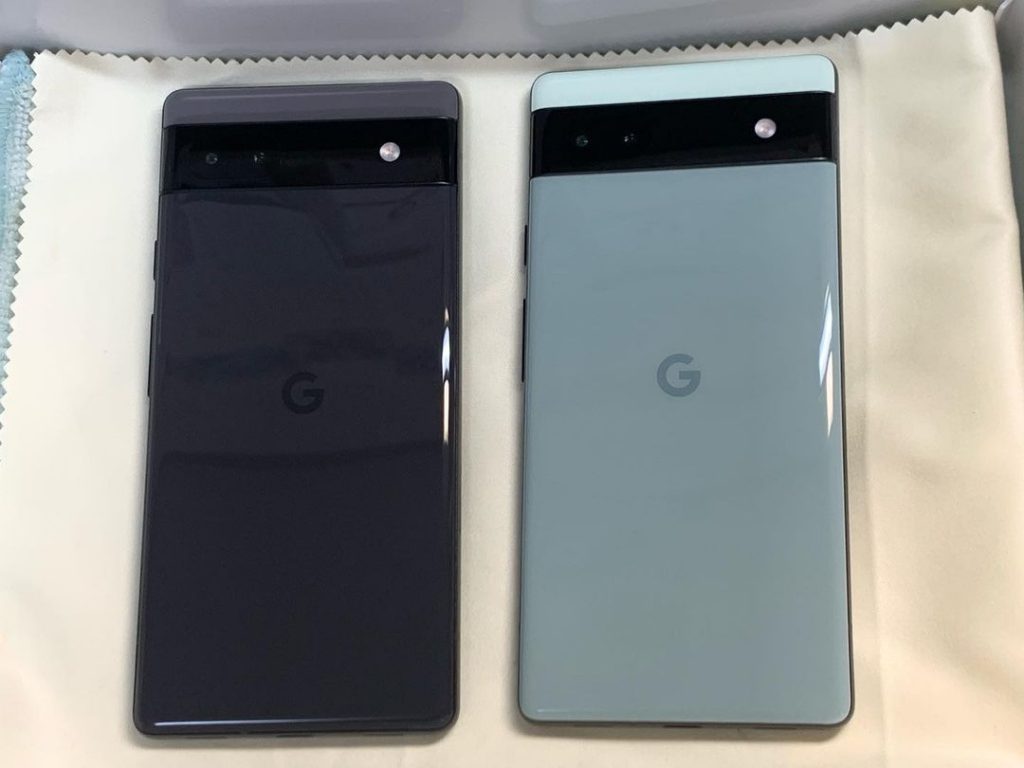
Google Pixel 6a
Google Pixel 6a with glass coating Source: IG @isstoyohashi


You must be logged in to post a comment.