In a bold step to tackle its severe shortage of skilled workers, Germany has unveiled a €120 million initiative aimed at preparing international students for the labor market. The program, announced by the German Academic Exchange Service (DAAD) on Thursday, will fund universities across the country to help integrate foreign talent into Germany’s workforce.
The initiative, named the “Campus Initiative for International Talents,” will run until 2028 and will support 114 projects at 104 universities. The program will provide the necessary funding to enable universities to equip international students with the skills and knowledge needed to thrive in Germany’s dynamic job market.
As noted on DAAD’s website, the funding, which starts in April, will focus on the qualification of international students as future specialists to address the growing demand for skilled labor. DAAD President Joybrato Mukherjee highlighted the critical need for skilled workers, pointing out that the shortage has reached “dramatic proportions.”
“German universities want to be a driving force in attracting international skilled workers. This is also reflected in the high level of participation in the calls for proposals for the ‘Campus Initiative’. From April, we will therefore be funding a total of 114 projects at 104 universities in all federal states in order to better pave the way for international talent from university to the German labor market,” Mukherjee explained.
How the Program Works: FIT and Pro Plus
The program is divided into two key components: the FIT program and the Pro Plus program.
The FIT program is designed to provide comprehensive support to international students throughout their studies. This includes career counseling and opportunities for networking with businesses, allowing students to build valuable connections and better prepare for their transition into the workforce.
The Pro Plus program focuses on graduates who hold foreign degrees. It offers education tailored to the German labor market, alongside essential language and social skill development. This dual approach ensures that both current international students and foreign graduates are equipped with the necessary tools to succeed in the competitive German job market.
Germany’s commitment to attracting and retaining global talent through this €120 million initiative is a promising move that not only strengthens its economy but also solidifies its position as a key destination for international students seeking to build successful careers.
In a strategic move to ensure sustainable operations, the Dangote Petroleum Refinery is constructing eight additional crude oil storage tanks. This expansion is part of the refinery’s comprehensive $20 billion investment to increase its storage capacity and meet growing demand for refined products.
The new tanks, expected to raise the refinery’s storage capacity by 6.29 million barrels (approximately 1 billion litres), are being built in response to the increasing reliance on imported crude oil, driven by irregular local supply deliveries from the Nigerian National Petroleum Company Limited (NNPCL).
With the expansion, Dangote Refinery’s total crude oil storage capacity will grow by 41.67%, reaching a remarkable 3.4 billion litres, further solidifying the refinery’s pivotal role in Nigeria’s oil and gas industry. According to Devakumar Edwin, Vice President overseeing oil and gas operations at Dangote Industries, the decision to import crude from other nations has made it crucial to stockpile larger volumes of crude oil.
“The construction of these additional tanks is vital to maintaining a steady supply of refined products for the Nigerian market, as we strive to reduce the nation’s dependence on imported fuel and ensure an uninterrupted flow of gasoline for local consumption,” Edwin explained. “Four of the eight tanks are nearing completion, and once finished, they will bolster our refinery’s capability to meet the growing demand for petroleum products.”
Currently, the Dangote Refinery houses 20 crude storage tanks, each with a capacity of 120 million litres, amounting to 2.4 billion litres. The refinery’s refined product tanks add a further 2.34 billion litres of capacity, positioning Dangote Refinery as a leading player in the Nigerian oil and gas sector.
How Many Barrels Will Dangote Refinery Produce?
With the expansion, Dangote Refinery’s capacity will increase to 3.4 billion litres, which is equivalent to approximately 21.3 million barrels. This substantial increase in storage and production capacity enables the refinery to meet both local and international demands, positioning it as a key player in the global oil market.
As the refinery continues to ramp up production, it is gaining recognition among Nigerian vehicle owners, who are already benefitting from the increased availability of high-quality, locally refined petrol. This move highlights Dangote Refinery’s commitment to contributing to Nigeria’s economic growth, creating jobs, and ensuring energy security for the future.
This expansion not only signifies progress for Nigeria but also demonstrates Dangote Refinery’s global competitiveness in the ever-evolving energy landscape.
A catastrophic wildfire erupted in Los Angeles on Tuesday evening, tearing through the inland foothills northeast of the city and leaving widespread destruction in its path. Casualties have been reported as the fast-moving flames engulfed homes, vehicles, and vegetation, forcing over 30,000 residents to evacuate in a desperate rush to safety.
The Los Angeles Fire Department Chief, Kristin Crowley, confirmed the devastating toll while hundreds of firefighters battled the blaze from both air and ground. Crews worked tirelessly in steep terrain to carve firebreaks and slow the fire’s relentless advance.
Families Recount Their Journey to Safety in the Los Angeles Wildfire
Witnesses described terrifying moments as embers rained down, turning neighborhoods into fiery infernos. “It looked far away—then suddenly, it was upon us,” Gary, a resident of Sea Ridge, told KTLA. Roads turned into gridlocks with flames on both sides, leaving some evacuees to flee on foot.
Despite the chaos, stories of resilience have emerged. Families helped each other escape, and communities are rallying together to support those displaced. “In times like this, we see the best of humanity,” said Pacific Palisades resident Andrew Hires, who helped neighbors pack their belongings before fleeing the flames.
For those who have made it to safety, what comes next? This is a time to lean on community resources and support systems. Local shelters are offering temporary housing, while aid groups are mobilizing to provide food, water, and clothing.
Have you checked in with loved ones or reached out to friends who may be affected? Even a small act of kindness can make a significant difference in moments like these. Survivors are encouraged to access counseling services to process the trauma and take small, hopeful steps toward rebuilding.
Steps to Protect Yourself Against Wildfires
Wildfires are a harsh reminder of the importance of preparedness and proactive measures. Here’s a step-by-step guide to help communities and individuals protect themselves and minimize risks:
1. Create Fire-Safe Zones Around Your Home
Clear Vegetation: Remove dry leaves, branches, and dead plants near your home to reduce fire fuel.
Plant Fire-Resistant Vegetation: Opt for plants with high moisture content and low resin.
Maintain Defensible Space: Keep at least 30 feet of clear space around your home to act as a buffer.
Store Combustible Materials Safely: Keep firewood and flammable items far from your house.
2. Prepare Your Home for Wildfire Resistance
Install Ember-Resistant Vents: Prevent embers from entering your home through openings.
Install Smart Smoke Alarms: The best smart smoke alarms for modern homes offer real-time notifications and alerts directly to your phone, allowing you to take immediate action no matter where you are. These alarms can detect smoke, fire, and carbon monoxide, giving you an early warning to evacuate or take safety measures.
Upgrade Windows: Use tempered glass windows that are more resistant to heat.
Seal Gaps: Ensure roofs, gutters, and eaves are sealed to avoid ember penetration.
Use Fire-Resistant Materials: Consider metal roofs or fiber-cement siding for extra protection.
3. Develop an Emergency Plan
Identify Safe Exits: Know multiple evacuation routes in case of emergencies.
Pack Emergency Kits: Include essentials like water, non-perishable food, medications, important documents, and flashlights.
Establish a Communication Plan: Ensure all family members know how to stay in touch during emergencies.
Practice Evacuations: Regularly rehearse evacuation plans with your household.
Monitor Weather Conditions: Stay aware of red flag warnings and high-wind advisories.
Listen to Authorities: Follow instructions from emergency services promptly during a wildfire.
5. Collaborate as a Community
Participate in Fire Safety Programs: Join or organize local fire-prevention initiatives.
Support Local Firefighters: Advocate for funding and resources for fire departments.
Create Firebreaks Together: Work with neighbors to clear vegetation and create communal safety zones.
6. Advocate for Government Action
Strengthen Emergency Systems: Push for improved wildfire alert systems and response mechanisms.
Promote Policy Changes: Support legislation that prioritizes wildfire prevention and management.
Invest in Research: Encourage investments in technology and strategies to predict and control wildfires effectively.
By taking these steps, we can collectively reduce the risk of wildfires and ensure that future disasters cause less destruction and loss. Let’s commit to learning from this tragedy and building a safer tomorrow.
We stand with the survivors and all affected by this tragedy, offering our deepest empathy and support as they navigate the road to recovery.
Five years after the initial Covid-19 pandemic, China is now facing an outbreak of a new respiratory virus: Human Metapneumovirus (HMPV). This emerging pandemic has raised global concerns, prompting countries like India to closely monitor its spread and impact. In Asia, countries like Malaysia are also witnessing a rise in HMPV cases, adding to the urgency of controlling its transmission.
Rising Concerns Over HMPV Outbreak in China
Recent reports and social media videos depict overwhelmed hospitals, raising fears of multiple concurrent infections, including HMPV, influenza A, Mycoplasma pneumoniae, and even Covid-19. These concerns highlight the ongoing challenges in managing respiratory outbreaks.
Symptoms of HMPV
According to the Centers for Disease Control and Prevention (CDC), common symptoms of HMPV include:
Coughing
Runny nose
Fever
Sore throat
In severe cases, HMPV can lead to conditions like bronchitis, pneumonia, or worsening asthma symptoms.
How HMPV Spreads
HMPV spreads primarily through:
Coughing and sneezing
Close contact (handshakes, touching surfaces, then the face)
Contaminated surfaces
The virus tends to follow a seasonal pattern, typically spreading during late winter and spring in temperate regions.
Who Is Most At Risk in the HMPV Outbreak in China?
Certain populations are more vulnerable to HMPV:
Young children under 5 years old, especially infants
Individuals with weakened immune systems or chronic respiratory conditions, such as asthma or COPD
Preventing HMPV Transmission
While no specific antiviral therapies or vaccines currently exist for HMPV, preventive measures can help reduce its spread:
Regular handwashing with soap and water for at least 20 seconds
Covering the mouth and nose when coughing or sneezing
Wearing face masks and avoiding contact with those showing symptoms
Refraining from touching the eyes, nose, and mouth with unwashed hands
Global Health Monitoring of HMPV Outbreak in China
As HMPV continues to spread, global health authorities are working to assess its potential impact and devise strategies to prevent widespread outbreaks. Stay informed through trusted sources and follow public health guidelines to protect yourself and those around you.
When considering a career with one of the world’s largest retailers, Walmart job benefits play a key role in making it a top employer. Beyond a competitive paycheck, Walmart offers a robust benefits package that includes comprehensive health plans, career growth opportunities, retirement savings, and exclusive employee discounts. These Walmart job benefits are designed to support the well-being and development of employees at every stage of their career.
Whether you’re looking for a flexible part-time position or aiming for long-term career growth, Walmart provides not just a job, but a pathway to success. Curious to know what makes working at Walmart stand out? Keep reading to explore the full range of benefits that could make this retail giant your next career destination.
Why Work at Walmart?
Walmart has built a reputation for being a reliable and inclusive employer. Whether you’re starting your career, looking for a part-time job, or aiming for management, Walmart has a range of opportunities to match your goals. Beyond competitive salaries, Walmart employees enjoy numerous benefits designed to enhance their quality of life.
What Are the Benefits of Working at Walmart?
Walmart is committed to supporting its associates through competitive pay, health and wellness programs, career development opportunities, and exclusive perks. Here’s an overview:
Top Walmart Job Benefits You Should Know
1. Health and Wellness Benefits
Walmart offers affordable and accessible health plans to support employees and their families.
Wellness Programs: Discounts on gym memberships and access to fitness challenges encourage employees to stay healthy and active.
Medical, Dental, and Vision Coverage: Employees can choose from several plans to suit their needs, covering preventive care, major medical expenses, prescriptions, routine checkups, and more.
Mental Health Support: Associates have access to free counseling, therapy sessions, and stress management resources.
2. Financial Security and Rewards
Walmart’s financial benefits ensure employees are rewarded for their hard work and prepared for the future.
Live Better U Program: Associates can earn college degrees for just $1 a day in fields like business and technology.
401(k) Retirement Plan: Walmart matches employee contributions to help build long-term savings.
Stock Purchase Program: Associates can invest in Walmart stock at discounted rates, sharing in the company’s success.
Bonuses and Incentives: Employees are eligible for performance-based bonuses and annual raises.
3. Work-Life Balance
Balancing personal and professional life is a priority at Walmart.
Paid Time Off (PTO): Employees earn PTO based on the number of hours worked, which can be used for vacations, personal days, or sick leave.
Parental Leave: Walmart provides paid parental leave for childbirth, adoption, or foster care placement.
Flexible Schedules: With a wide range of shifts available, employees can create schedules that fit their lifestyles.
4. Career Development Opportunities
Walmart invests heavily in training and education to ensure its associates can grow within the company.
Specialized Roles: Opportunities in pharmacy, e-commerce, and technology offer pathways to unique and rewarding careers.
Walmart Academy: A training program designed to help employees develop leadership, customer service, and technical skills.
Promotion from Within: Many of Walmart’s managers and executives began in entry-level roles.
5. Exclusive Employee Perks
In addition to core benefits, Walmart provides perks that save employees money and enhance their quality of life.
Partner Discounts: Deals on travel, entertainment, cell phone plans, and more through Walmart’s partner companies.
Walmart Associate Discount: A 10% discount on general merchandise and fresh produce.
Seasonal Discounts: Additional discounts during the holidays.
How to Apply for a Job at Walmart
If these benefits sound appealing, you might be ready to start your Walmart journey. Applying for a job is straightforward:
Visit the Walmart Careers Website: Go to Walmart Careers and search for roles that match your skills and interests.
Submit an Online Application: Fill out your details and upload your resume.
Prepare for an Interview: If shortlisted, you may be invited to a phone or in-person interview.
Get Hired: Once you pass the selection process, you’ll receive an offer to join the Walmart team.
A job at Walmart is more than just a paycheck. With extensive health benefits, financial perks, and opportunities for career growth, Walmart provides a well-rounded employment package that caters to employees’ personal and professional needs. Whether you’re seeking a flexible part-time job or a long-term career, Walmart’s commitment to its workforce makes it a great place to work.
Frequently Asked Questions About Walmart Job Benefits
1. Does Walmart offer health insurance to part-time employees?
Yes, Walmart provides health insurance to both part-time and full-time employees, with multiple plans to choose from.
2. What is the starting pay at Walmart?
Starting pay varies based on the role and location, but Walmart has increased its minimum wage in recent years to ensure competitive compensation.
3. Can I grow my career at Walmart?
Absolutely. Walmart offers numerous training and development programs, making it possible for employees to progress from entry-level positions to management.
4. How does the Walmart discount card work?
The discount card provides a 10% discount on general merchandise and fresh produce, with additional seasonal offers.
In a major development, the Federal Government of Nigeria has officially dropped money laundering charges against Tigran Gambaryan, a Binance executive and former U.S. IRS investigator, after months of international scrutiny and diplomatic pressure.
Gambaryan, who joined Binance in 2021 as part of its compliance and investigations team, was arrested earlier this year in Nigeria as part of the government’s broader efforts to combat cryptocurrency-related financial crimes. His arrest stemmed from accusations that Binance had facilitated illegal money laundering transactions through its platform. Gambaryan’s role at Binance involved ensuring that the company adhered to anti-money laundering (AML) and know-your-customer (KYC) compliance regulations, making the charges against him particularly controversial. His previous career with the U.S. government made him a high-profile figure in this case.
Before joining Binance, Gambaryan spent over a decade working for the IRS Criminal Investigation Division, where he became renowned for his efforts in uncovering major crypto-related crimes, including dark web drug markets like Silk Road and AlphaBay. He was credited with helping track down billions of dollars in stolen cryptocurrency and bringing major criminal networks to justice. Given his distinguished record, many were shocked by his detention.
Reports indicate that Gambaryan was arrested in a raid that targeted Binance’s operations in Nigeria. He was initially accused of conspiring to launder money through cryptocurrency transactions, which were allegedly facilitated by Binance’s platform. Nigerian authorities claimed that the exchange had not done enough to prevent illicit transactions. Gambaryan, however, maintained that his work focused on preventing money laundering, not enabling it.
After his arrest, Gambaryan’s health rapidly declined while in custody. Images of him attending court hearings in a wheelchair and, later, using a crutch due to mobility issues sparked concern globally. His detention became a diplomatic issue, with calls from U.S. lawmakers and advocacy groups urging the Nigerian government to release him. A group of 16 U.S. Congress members signed a letter to the White House, urging the U.S. government to treat his case as a hostage situation. State attorneys general also joined the campaign, advocating for his immediate release and pointing to his contributions to global financial crime investigations as reasons for leniency.
The case drew significant international attention, not just because of Gambaryan’s high-profile career, but also due to its implications for the global cryptocurrency industry. Binance has been under scrutiny by regulators worldwide, with many accusing the platform of failing to enforce strict anti-money laundering measures. Gambaryan’s arrest intensified concerns about the risks of working in the cryptocurrency space, where regulatory frameworks are still evolving.
Despite the severity of the charges, Gambaryan’s legal team continued to push for his release, arguing that the charges were baseless and that he was being wrongfully detained. International pressure and diplomatic efforts finally led to the Nigerian government dropping the charges.
Gambaryan’s supporters have hailed the decision as a victory for justice and transparency, though his ordeal has cast a shadow over the relationship between Binance and international regulators. Binance continues to face challenges as it strives to navigate the complex legal landscape surrounding cryptocurrency.
Possible Reinstatement of Naira Featureon Binance P2P
The dismissal of money laundering charges against Binance executive Tigran Gambaryan could have significant implications for Binance’s decision to disable the naira feature on its P2P market. Binance suspended naira transactions following increased scrutiny and regulatory pressures from Nigerian authorities. With the charges now dropped, it may create an opportunity for Binance to re-evaluate its stance on naira transactions in the region.
If Binance feels that the regulatory environment has become more favorable or stable, it might reconsider the suspension and re-enable naira functionality on its P2P platform. This could restore confidence among Nigerian users who rely heavily on P2P trading due to the central bank’s restrictions on crypto-related transactions within the formal banking sector.
The demand for P2P trading in Nigeria remains high, as many citizens use cryptocurrency as a hedge against inflation and currency devaluation. Enabling the naira feature again would facilitate easier access for users and may drive up transaction volumes, benefiting both the exchange and its customers.
However, this potential restoration would also depend on how Nigerian regulators respond post-Gambaryan’s case. The legal environment surrounding cryptocurrencies in Nigeria remains uncertain, and Binance may still face challenges if authorities maintain strict control over crypto activities. Nonetheless, the dismissal of such a high-profile case might encourage Binance to take steps toward resuming full operations, including reactivating naira trading on its P2P platform.
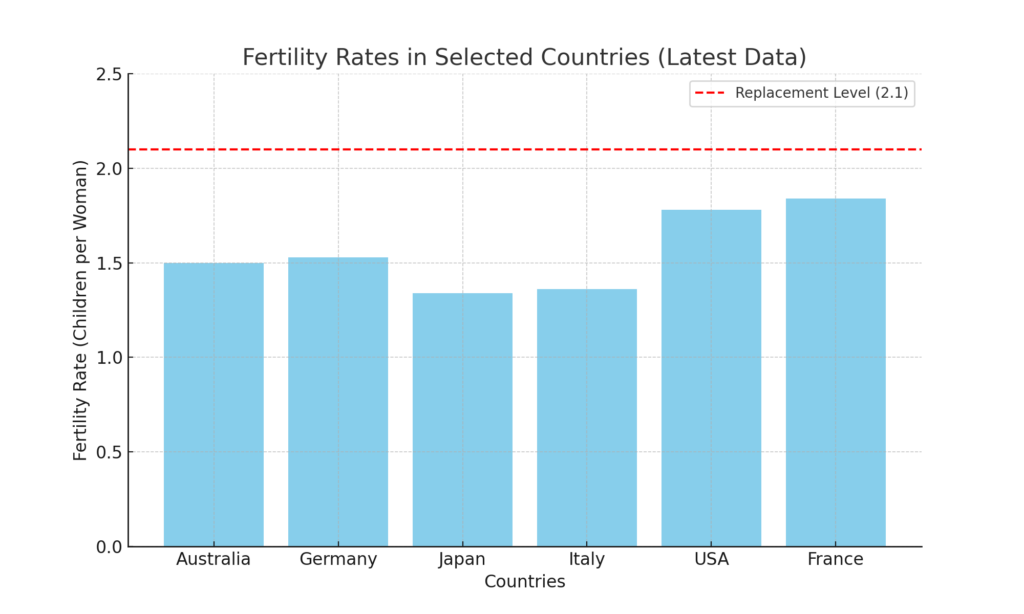
Across the globe, fertility rates are dropping, leading to pressing questions about the future of population growth. In many developed nations, birth rates have dipped below the replacement level of 2.1 children per woman—the rate necessary to sustain a population without migration. This trend has ignited discussions among demographers, economists, and policymakers about whether we are on the brink of a population collapse and the potential consequences it might bring.
Elon Musk, the CEO of Tesla and SpaceX, has been particularly vocal about the implications of declining birth rates. He has raised concerns about the long-term consequences of a shrinking population, warning that it could lead to labor shortages and hinder economic growth. Musk emphasizes that without a stable or growing population, societies may face challenges in sustaining technological advancements and infrastructure, ultimately impacting our quality of life.
Musk’s insights align with broader discussions among experts who argue that declining fertility rates could create a ripple effect across various sectors, from healthcare to housing. A reduced working-age population may strain social security systems, as fewer workers support an increasing number of retirees. This demographic imbalance raises questions about the sustainability of current economic models and the welfare of future generations.
Australia’s Fertility Decline
Australia, with a fertility rate of just 1.5 children per woman, exemplifies the broader pattern seen in developed countries. This figure marks a significant decline from earlier in the 2000s, when fertility rates hovered around 1.8. According to the Australian Bureau of Statistics, this drop, coupled with an aging population, is putting immense pressure on the country’s social services, pension systems, and healthcare infrastructure. Without sustained immigration, Australia’s population could begin to shrink in the coming decades.
The Global Fertility Decline
Australia’s declining birth rate is part of a global demographic shift. Many countries, particularly developed ones, are experiencing historically low fertility rates:
Japan: The fertility rate stands at 1.3 children per woman. Japan’s population is already contracting, with an annual decline of around 500,000 people. Despite various government incentives aimed at encouraging childbearing, such as subsidies and work-life balance policies, Japan faces an uphill battle to reverse the trend. The United Nations predicts further population decreases, which could lead to a shrinking workforce and increased burden on the elderly.
South Korea: With an unprecedented fertility rate of 0.8 children per woman, South Korea holds the lowest rate in the world. This demographic crisis has been exacerbated by economic uncertainty, high housing costs, and a growing disinterest in traditional family structures. Experts warn that, without intervention, South Korea could see its population halved by the end of the century Statistics Korea.
Italy: The fertility rate in Italy is 1.2, placing it among the lowest in Europe. Like Japan, Italy’s population is aging rapidly. With fewer young people entering the workforce, the country’s pension system is under immense strain. A declining workforce combined with increasing numbers of retirees raises concerns about Italy’s economic future Istituto Nazionale di Statistica.
China: Despite decades of strict population control measures, China is now grappling with its own fertility crisis. The current fertility rate is 1.2, and although the government has relaxed the one-child policy to allow families to have up to three children, the rising cost of living has deterred many couples from expanding their families. The National Bureau of Statistics of China has noted that China’s population is expected to decline for the first time in modern history.
Why Are Fertility Rates Falling?
Several key factors are driving the global fertility decline:
Economic Pressures: Rising living costs, particularly in urban areas, have made starting and raising a family prohibitively expensive for many. In countries like South Korea, Japan, and Italy, high housing costs and job insecurity lead young couples to delay or even forgo having children altogether.
Career Prioritization: Women, in particular, are prioritizing higher education and career advancement, often choosing to delay marriage and childbearing. By the time many feel financially stable enough to start a family, fertility rates naturally decline due to age.
Shifting Social Norms: Cultural changes in attitudes toward family size and marriage have also contributed. Many couples today prefer smaller families or opt out of having children entirely. Increased access to contraception has further enabled this shift, as individuals now have greater control over their reproductive choices.
Environmental Concerns: With growing awareness of climate change, some individuals are choosing to have fewer or no children out of concern for the planet’s future. Environmental considerations are becoming a more common factor in reproductive decisions.
Are We on the Verge of a Population Collapse?
As fertility rates continue to fall below replacement levels, the question arises: are we heading toward a global population collapse?
Population collapse is defined as a rapid and significant decrease in population size, which can result in a society with an unsustainable number of elderly people relative to the working-age population. While a shrinking population might alleviate some environmental concerns, it also presents serious economic challenges. Countries with declining birth rates may face reduced productivity, slower economic growth, and a higher dependency ratio—meaning fewer workers to support an increasing number of retirees.
Japan, South Korea, and Italy are already facing the first stages of population collapse. Their shrinking workforces, combined with a growing elderly population, are creating economic challenges that are difficult to overcome. The strain on social services, healthcare systems, and pension funds will only worsen unless birth rates rebound or alternative solutions are found.
The Role of Immigration
Many countries, including Australia, have relied on immigration to bolster their populations in the face of declining birth rates. While immigration can help sustain population levels in the short term, it is not a long-term solution. As more countries experience low fertility rates, the global pool of potential migrants may diminish, leading to competition for skilled workers. Additionally, social and political resistance to high levels of immigration could create tensions in certain regions.
Environmental Implications of Population Decline
While fewer people could mean less strain on natural resources, a shrinking population also has downsides for environmental sustainability. Fewer workers may hinder technological and industrial innovation, which are critical for developing sustainable solutions to global challenges like climate change. Furthermore, as populations age, fewer young people will be available to drive the green economy, potentially slowing progress toward environmental goals.
What Can Be Done?
Governments around the world are exploring various policies to address declining fertility rates. Financial incentives for families, affordable childcare, and flexible parental leave are some measures already being implemented. Countries like France and Sweden, which offer generous family support programs, have seen some success in stabilizing fertility rates at around 1.8 children per woman.
However, experts caution that policy interventions alone may not be enough. Cultural attitudes toward family size, career, and childbearing need to shift in parallel with policy reforms to make meaningful impacts.
The global fertility decline presents both challenges and opportunities. While a smaller population could ease environmental pressure, it poses serious economic risks, including shrinking workforces and the unsustainability of pension systems. Countries already grappling with low birth rates, like Japan and South Korea, offer a glimpse into the potential future for many nations.
The world now faces a demographic crossroads. The decisions made by governments, individuals, and institutions in the coming years will shape the future of global populations. Will the global population stabilize, or is population collapse inevitable?














You must be logged in to post a comment.