Category: Startups

  • Top 10 Most Valuable Startups in Nigeria as Moniepoint Hits $1 Billion Valuation

    Top 10 Most Valuable Startups in Nigeria as Moniepoint Hits $1 Billion Valuation

    The Nigerian startup space has witnessed tremendous growth in the last decade, transitioning from relative obscurity to becoming a force to reckon with, not just in Africa but across the globe.

    The Nigerian government has not failed to notice this growth trajectory and its impact on the Nigerian economy. In 2022, the National Assembly passed the Nigerian Startup Act, which was eventually signed into law by former President Buhari.

    Beyond the passage of the Startup Act, the federal government is also providing the necessary support, despite the harsh business environment, to allow these startups to scale.

    Despite a series of economic challenges in Nigeria since 2014, including two recessions, the COVID-19 pandemic, issues in the foreign exchange market, and others, the tech ecosystem has weathered these storms. In the process, it has birthed up to four (4) unicorns—the latest being Moniepoint. However, some have seen their valuations decline in recent years.

    Nigerian startups received the largest share of the international funding pie for Africa in the years prior to 2023. Of the $2.9 billion raised by startups in Africa in 2023, Nigerian startups secured $410 million, with Kenya taking the biggest slice of the pie, followed by Egypt and South Africa.

    However, in the past five years, from 2019 to 2023, Nigerian startups captured the largest share of funding raised by African startups, accounting for 29% of the total $15 billion in investments.

    The startup ecosystem in Nigeria is dominated by e-commerce, fintech, and edtech startups, leveraging the country’s burgeoning youth population and the large number of unbanked individuals in Nigeria.

    10. Konga and Paystack

    Retail giant Konga and the fintech startup Paystack rank together as the ninth most valuable startups in Nigeria, with a market valuation of $200 million each. Paystack was sold to Stripe in 2020 for a whopping $200 million, which remains its current valuation.

    Konga was founded in 2012 as a Nigerian e-commerce firm that provides direct online retail and also serves as a third-party marketplace. Amid a dire situation in 2017 and severe cost-cutting measures, including significant downsizing, the company was sold to Zinox Technologies in 2018 for an undisclosed amount.

    08. Paga

    This mobile payment platform was established by Tayo Oviosu in 2009 but eventually launched to the public in 2011. It offers a range of services, including money transfers, bill payments, retail payments, data and airtime top-ups, as well as banking services.

    It is reportedly valued at $300 million, with investors including Global Innovation Fund, Goodwell Investments, Unreasonable Capital, and others. Since its founding, it has raised up to $35 million in funding.

    07. Jumia

    Africa’s first startup to achieve unicorn status and list on the New York Stock Exchange now ranks seventh among the most valuable startups in Nigeria. The e-commerce giant has, in recent times, seen its valuation nosedive to $450 million as it struggles to achieve profitability and revenue growth amidst operational challenges.

    So far, the startup has raised up to $750 million in funding since its establishment in 2012.

    06. Kuda

    Dubbed “Africa’s bank for the free” for its near-zero fees and charges, Kuda is the sixth most valuable startup in Nigeria, with a market valuation of $500 million. Founded in 2018, the company has raised around $90 million in funding from investors, with the latest funding round occurring in August 2021, where it raised $55 million led by Valar Ventures, Target Global, and other angel investors.

    05. Moove

    This fintech startup offers financial services specifically to drivers, focusing on helping them acquire vehicles through a revenue-based financing model. The startup is barely four years old, having been established in 2020.

    Since its inception, Moove has raised a total of $447.2 million in funding from up to 33 investors, including SpeedInvest, Left Lane Capital, Tekton Ventures, Class 5 Global, and others. These funding rounds include debt financing and private equity.

    Moove operates in Nigeria, South Africa, and several other African countries. Its latest funding round occurred in February 2024, when it raised $10 million in debt financing from India’s Stride Ventures.

    Following its latest funding raise, Moove’s valuation rose to $750 million, making it one of the most valuable startups in Nigeria.

    04. Moniepoint (formerly TeamApt)

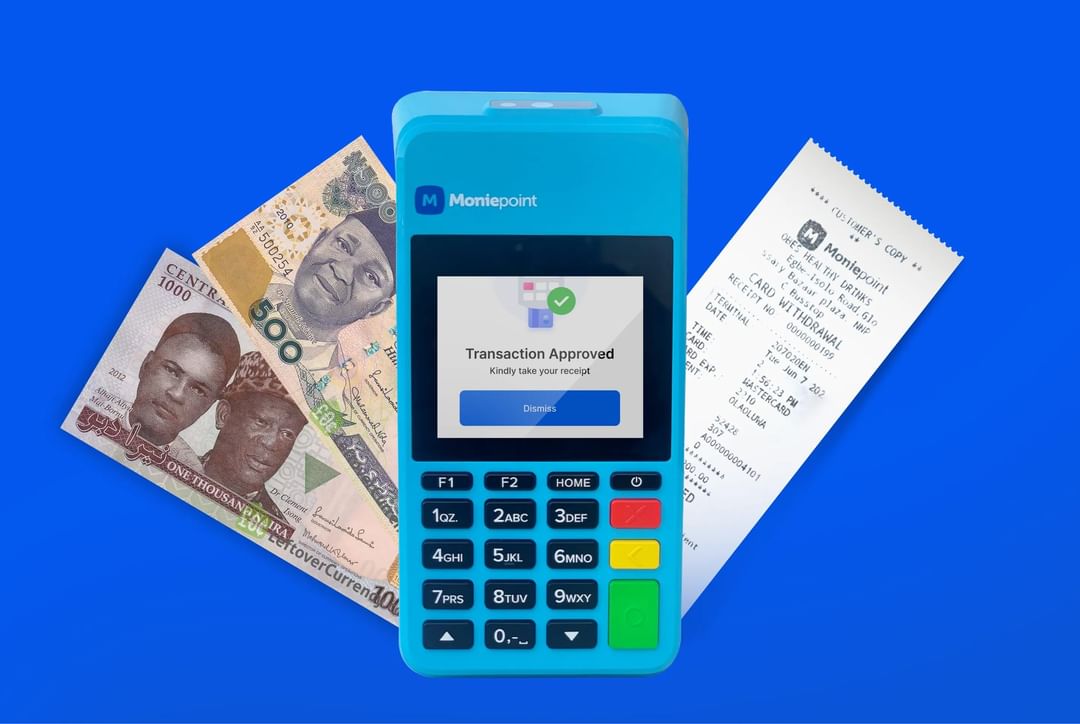
    The latest entrant into the unicorn rank boasts a market valuation of over $1 billion.

    Its recent status came after raising $110 million in its latest Series C funding round, led by Development Partners International’s African Development Partners III (ADP III) fund. Other investors included Google’s Africa Investment Fund, Verod Capital, and Lightrock.

    03. Andela

    The second of Iyin Aboyeji’s unicorns, Andela is the third most valuable startup in Nigeria, with a market valuation of $1.5 billion.

    Andela helps companies build remote teams quickly and cost-effectively and rose to prominence during the pandemic when the demand for remote workers surged.

    Since its establishment in 2014, the company has raised up to $340 million in funding, with the latest being a $200 million Series E funding round in 2021 led by SoftBank Vision Fund 2, Whale Rock, Generation Investment Management, the Chan Zuckerberg Initiative, and Spark Capital.

    02. Opay

    The second most valuable startup in Nigeria transitioned from a mobility firm to a fintech and has recorded tremendous success since the shift.

    The company is valued at a staggering $2.7 billion and has so far received $540 million in funding across several rounds.

    Opay facilitates money transfers and various types of payments. Its prominence peaked during the cash scarcity in Nigeria in early 2023, when demand for online payments soared, and traditional banks’ digital banking infrastructure became overwhelmed.

    01. Flutterwave

    The most valuable startup in Nigeria is a fintech company that helps businesses and banks process seamless and secure payments to clients and customers worldwide.

    The company is currently valued at over $3 billion and has floated plans to list on the New York Stock Exchange (NYSE).

    Its backers include Y Combinator Continuity Fund, Greycroft, Greenvisor Capital, Omidyar Network, and Glynn Capital, which collectively have invested over $445 million in the startup.


  • Sam Bankman-Fried: FTX Crypto Broker  Resigns Following Bankruptcy

    Sam Bankman-Fried: FTX Crypto Broker Resigns Following Bankruptcy

    The second largest cryptocurrency exchange in the world Futures Exchange popularly known as FTX has come to a screeching halt following liquidity crunch. FTX crypto founder Sam Bankman-Fried has also stepped down from his position as Chief Executive Officer.

    Earlier this week, Bankman-Fried reached out to Binance founder Changpeng Zhao to solicit for help to cover the liquidity crunch. Which Sam also made public in a tweet. But Zhao pulled out and everyone wants to know why.

    For the past three years, the multi-billion dollar company FTX has become widely recognized as a reputable cryptocurrency exchange platform for trading digital currencies. Despite not adhering to U.S. regulation, FTX crypto has developed into one of the world’s largest exchanges.

    FTX Crypto Broker Sam Bankman
    FTX former CEO Sam Bankman-Fried

     Binance CEO purchased 20% stake in FTX barely a year after the crypto firm’s inception. Bankman-Fried acquired Zhao’s stake in FTX crypto last year which he compensated in part with FTT, the company’s native cryptocurrency token.

    Why FTX Crypto Crashed

    Upon discovery of a significant quota of FTT tokens in Alameda Research’s possession via information leakage, Binance bowed out of their deal to help FTX. Alameda is a trading firm jointly run by Alameda CEO Caroline Ellison and Sam Bankman-Fried, who were rumored to have been romantically involved.

    As a result of the disclosure, Binance via a tweet on twitter declared their intentions of selling the FTT tokens, a move that launched FTX crypto into cash crisis. As they struggled to process mass withdrawal requests. The FTT tokens fell in value while investors and traders continuously pulled out of FTX. In the span of three days, over $6 billion withdrawals were made.

    Running to Binance for assistance was FTX’s strategy to protect its customers from the impending credit crisis. But the swift detour by Binance from the supposed deal has left FTX in a lurch. In a statement regarding the development, reports of mishandled funds as well as corporate due diligence appear to be the reasons for backing out.

    Sources with in-depth information and knowledge of the matter disclosed that aside selling unregistered securities, lobbying politicians and investors to establish crypto-friendly regulatory rules , divulged that Alameda Research played a crucial role in FTX’s collapse.

    The price of FTT tokens has since plummeted, continuing a downward spiral that rocked the cryptocurrency market. Now, due to the FTX debacle, Bitcoin and Ethereum prices have dropped below $16,000 and $1,100 respectively.

  • Health Tech Companies Restructuring Nigeria’s Healthcare System

    Health Tech Companies Restructuring Nigeria’s Healthcare System

    Technology is contributing significantly to Africa’s growth, strengthening the health, economic, agricultural and educational sectors. Nigeria is not excluded from the list of countries striving to set foot on the global scene. Health tech is a quantum leap in the area of medicine, but the Nigerian healthcare system is ridiculously inadequate to meet medical needs. Which has caused several -privately owned- health tech companies to swoop in and continuously save the day. Yet, a stark technological divide still exists in the country’s healthcare system.

    In no particular order, these are the top health tech companies bridging the gap between health and technology in Nigeria.

    Nigerian Health Tech Companies

    LifeBank

    According to reports, commercialization and personal aversions towards voluntary blood donation truncate blood supply to meet clinical demands. Death tolls rise every year from bleeding complications during childbirth, accidents, anemia and other chronic ailments. The recipients of blood transfusion end up paying heavily to some commercial donors due to the ill-equipped nature of blood banks in most Nigerian government hospitals.

    Temie Giwa-Tubosun Founder and Group CEO of LifeBank
    Temie Giwa-Tubosun Founder and Group CEO of LifeBank Credit: CNN

    LifeBank is a digitized platform based in Lagos that specializes in the distribution of blood, oxygen, and medical consumables. The startup sources and safely transports blood and blood products from authorized blood banks, using a WHO-endorsed cold chain system to hospitals and healthcare facilities. LifeBank marshals the defective framework of federal hospitals by supplying plant-sourced medical oxygen, accessories, supplies, etc, from a host of partners and distributors.

    It was founded in 2016 by Temie Giwa-Tubosun after the complicated delivery of her son. The health tech company has witnessed notable expansion into other countries like Kenya and Ethiopia within five years.

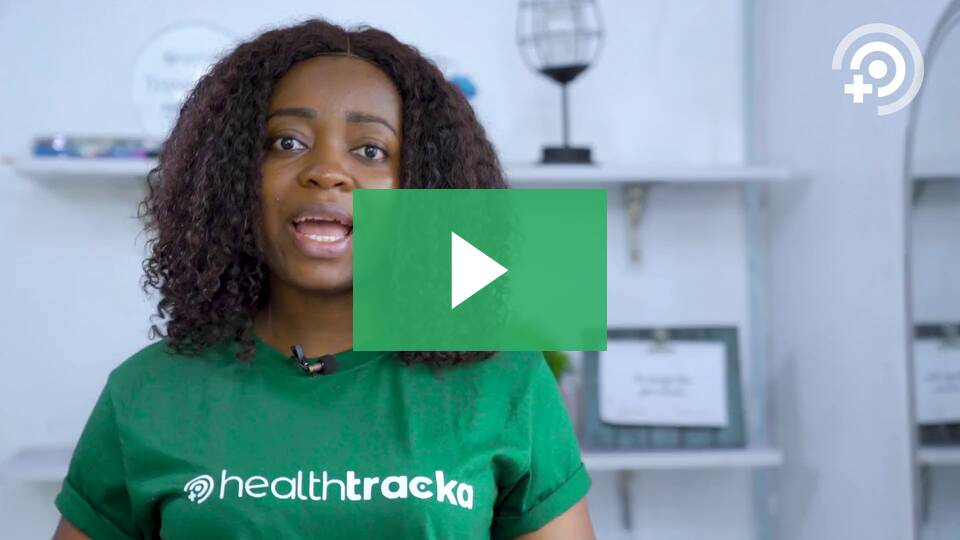
    Healthtracka

    CEOs of top health tech companies in Nigeria
    Ifeoluwa Dare-Johnson Credit: Healthtracka

    Healthtracka is a Nigeria-based health startup that offers at-home diagnostic tests and wellness checkups. The digital platform addresses the feasibility that most healthcare organisations in Nigeria severely lack. Due to the cumbersome processes involved in patient screenings, the need for technological applications in the area of medicine is imperative. Health tech companies such as Healthtracka intervene to simplify a myriad of things and save millions of lives.

    The platform works by allowing its users to purchase their preferred screening packages using the mobile app. Users are then expected to visit any Healthtracka-affiliated laboratory proximal to them or select the home sample collection option. After which users/patients receive digital results within 24 – 48 hours.

    Ifeoluwa Dare-Johnson together with Victor Amusan took the initiative in May 2021 to establish the platform after Ife’s father passed away from stroke resulting from a late diagnosis of diabetes and hypertension. The startup received $1.5 million in seed funding shortly after participating in the Techstars Toronto accelerator program. Healthtracka’s primary focus is to ensure that Nigerians who go about their lives oblivious to pre-existing medical conditions receive appropriate medical attention.

    Ifeoluwa Dare-Johnson CEO of Healthtracka

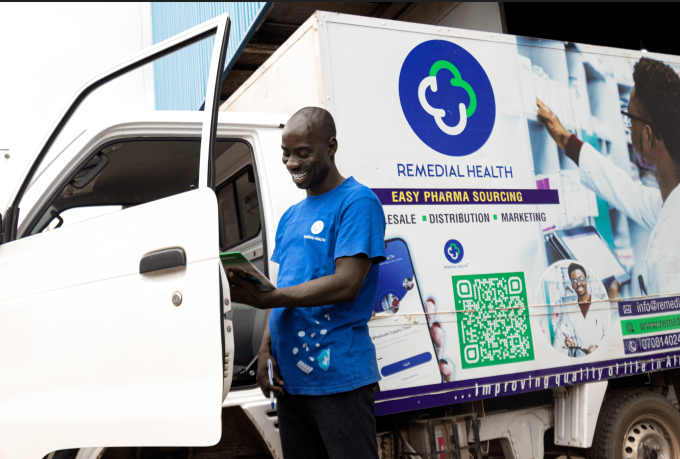
    Remedial Health

    CEO of top health tech companies in Nigeria
    Samuel Okwuada and Victor Benjamin Credit: Remedial Health

    Remedial Health is a rapidly growing pharmaceutical procurement company which started as a private-label brand before branching out into tech. All attempts by the government to foil the smuggling of falsified and illicit medicines in different parts of the country have been thwarted steadily. As a result, the startup is one of the leading health tech companies in Nigeria offering solutions to counterfeit drug distribution.

    The mass mortality of millions of Nigerians, and cost and treatment failures from the consumption of substandard pharmaceutical products necessitated the establishment of Remedial Health. Samuel Okwuada, a self-taught software developer and qualified pharmacist along with Victor Benjamin, a pharmaceutical sales agent with considerable expertise, founded Remedial Health jointly in 2021.

    Since its inception, the business has expanded to become a national pharmaceutical supply chain. Licensed pharmaceutical products have been obtained by healthcare providers, pharmacies, chemists and other registered drug retail outlets. Remedial Health’s digitized supply of pharmaceutical products also enables the procurement of authentic and affordable medicines via reliable logistics network.

    Health Tech Companies Restructuring Nigeria's Healthcare System
    Photo Credit: Remedial Health

    In September 2022, it secured $4.4 million in seed funding to broaden its reach across Nigeria. As well as for bankrolling businesses, provision of loans to SMEs unfairly prejudiced by financial institutions for creditworthiness and rendering services to their increasing client base of neighborhood pharmacies, Proprietary Patent Medicine Vendors (PPMVs) and hospitals.

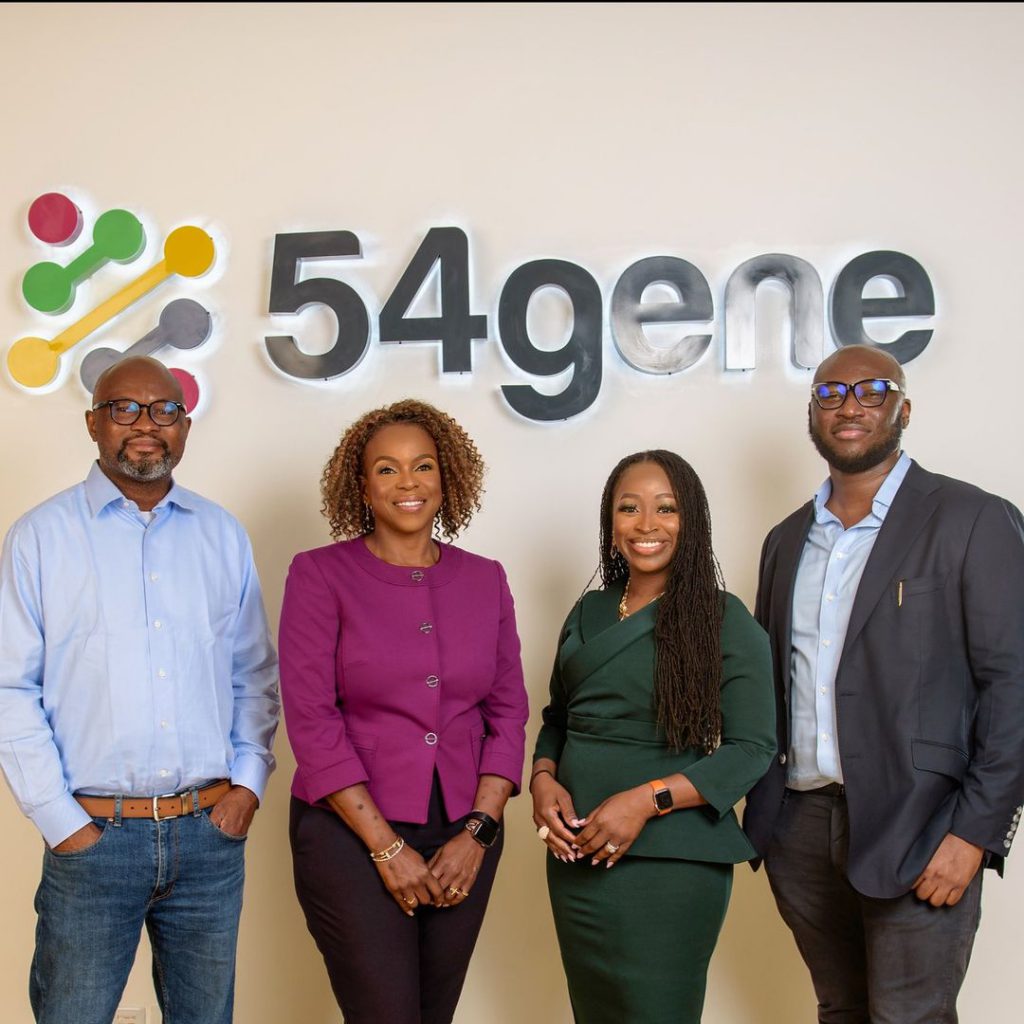
    54gene

    top health tech companies in Nigeria
    The 54gene executive leadership team on the company’s 3rd anniversary (L-R) Jude Uzonwanne, Teresia Bost, Delali Attipoe, and Dr. Abasi Ene-Obong

    The African genomics company was founded by Dr. Abasi Ene-Obong who recently relinquished his role as chief executive officer to become a senior adviser. Following a 30% layoff of their workforce in August 2022 until his resignation, Ene-Obong was the co-founder and CEO of 54gene. In 2019, Abasi Ene-Obong, Damilola Oni, Gatumi Aliyu, and Ogochukwu Francis Osifo allied to build a biotechnology industry that will change Africa’s healthcare system.

    The startup seeks to represent the underrepresented population in genomics studies so that precision medicine is equalized. The majority of the genetic materials used in most pharmaceutical research are Caucasians, with only a sprinkling of Africans. Irrespective of the solid genetic diversity inherent in African ancestry. 54gene tackles this imbalance through advanced research infrastructure, highly curated data and genomic medicine for minoritized countries.

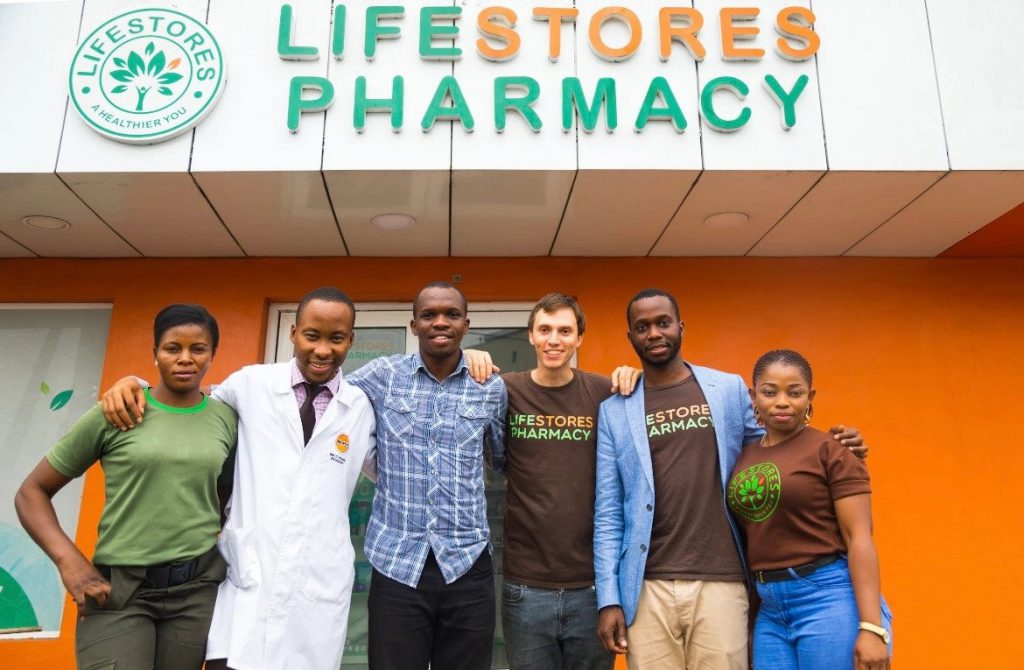
    Lifestores Healthcare

    Credit: Lifestores

    Nigeria operates three main levels of the healthcare system, unlike some advanced countries that boast four concrete tiers. The levels are primary, secondary and tertiary healthcare systems. The weak structures of the Nigerian healthcare system and the inability to access quality healthcare from the least tier galvanized Bryan Mezue into action. He joined forces with his co-founder Andrew Garza to commence a health tech platform that’ll offer equal access to essential primary healthcare despite social bias.

    Lifestores Healthcare runs a tech-enabled marketplace named OGApharmacy, as well as an ERP system. OGApharmacy is a digital procurement platform that enables pharmacies and hospitals to merge their choice requirements. The pharmaceutical marketplace then bargains for the lowest possible prices on certified medications, allowing for collective savings. Meanwhile, enterprise resource planning (ERP) allows for Lifestore customers to execute operations effectively.

    Ever since its launch, the startup has served over 100,000 patients monthly, including 700 plus pharmacies and dispensaries. With more than $1 million saved for healthcare providers, 7,000 products sourced from verified suppliers and 10% of pharmacies in Nigeria served.

    Reliance Health

    Nigerians are no strangers to telehealth thanks to the advent of Covid-19 which shook the world’s economy. The aftermath of the pandemic greatly expedited telemedicine, prompting the world to veer towards the inclusion of virtual healthcare technologies in healthcare systems.

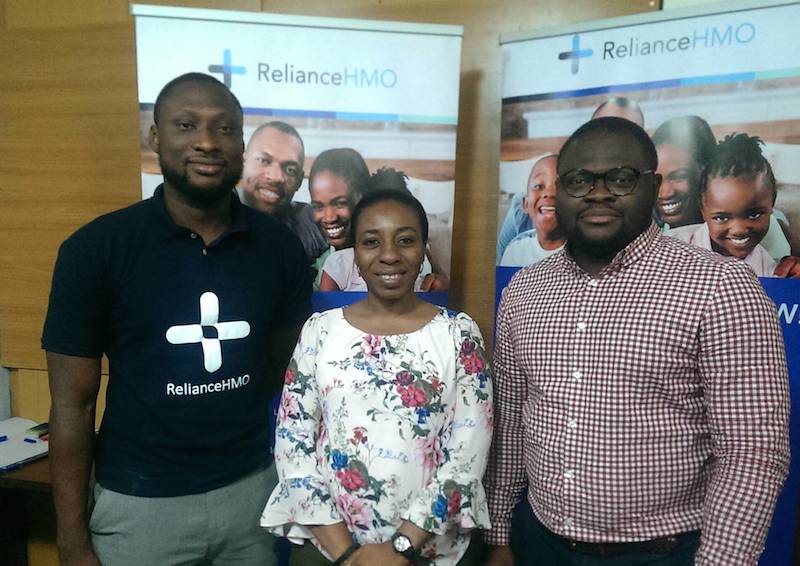
    Reliance Health is among the health tech companies in Nigeria restructuring the face of medical care. Founded in 2016 by Femi KutiOpeyemi Olumekun and Matthew Mayaki, the startup operates by cooperating with hospitals and exclusive healthcare facilities to provide healthcare. Through a blend of integrated approach, which consists of telemedicine, affordable health insurance and innovative solutions.

    Reliance Health Image Credit: People of Color in Tech

    The telemedicine programme provided by Reliance Health allows customers to make online consultations and drug deliveries. Mitigating unnecessary consultations that often overcrowd Nigerian health centers. An array of health plans for families and businesses also exists on the Reliance Health insurance platform. The health tech startup is YC-backed along with a league of other investors, hospitals and laboratories.

  • 15 Costly Dropshipping Mistakes to Avoid When You’re Starting Out

    15 Costly Dropshipping Mistakes to Avoid When You’re Starting Out

    Dropshipping is a massive industry growing stronger and popular every day. But while strong, it’s still not without its pitfalls.

    If you’re an entrepreneur looking to get an idea of what problems are associated with dropshipping, then keep on reading because, in this post, we’ll discuss the 15 costly dropshipping mistakes to avoid when you’re starting.

    So, let’s begin.

    Being Unrealistic

    Listening to dropshipping gurus is going to land you in trouble. Nothing comes easy, and they show you that it does, just to market their products and services.

    When starting a dropshipping business, it’s always best to start slow. Research as much as you can and then make accurate decisions that are in line with your business.

    Having unrealistic expectations from the get-go is going to land you in a state of hopelessness when you realize that you’re not making the sales as promised by the gurus.

    That doesn’t mean that you shouldn’t have a goal. Aim for something real rather than something over the top.

    If you manage to fall short of it, then it won’t be as painful and will be a part of the growing process.

    Not Having a Focus on Product Research

    Product research is vital if you’re thinking about doing drop shipping in the long run.

    You can’t just expect to start dropshipping products online without knowing what they are unless you have an unlimited budget.

    Learn about various industries operating in the dropshipping world, how they are operating, and what you can offer to the customer that they aren’t already getting.

    When you answer these questions, you’ll be better able to have an idea of what products you’ll be selling.

    Moreover, you will be able to map the competition and provide a distinctive dropshipping service.

    Taking Too Much Time in Product Selection

    While product research is essential, there is no need to fuss over it. Oftentimes, we get caught up in our own biases that we tend to forget our own major goal.

    Stay on the product research. If you think the dropshipping product is good, then use it. If your research requires further polishing, then go for that option. The longer a period you take to perform your research, the more you’ll procrastinate. This inadvertently means a longer time to market.

    Drilling Down Your Niche

    Any product you select will be a part of a niche.

    For example, t-shirts, shoes, and jeans come under the niche of apparel products. Now that’s a pretty straightforward example of a niche.

    For other products, you have niches, and sub-niches to drill down on. Now doing that is quite effective. However, there is a limit to how much you can drill down a product niche.

    Ideally, you want to expand your product offerings. Because of the need to diversify, you should never make your business model revolve around a single niche.

    For example, businesses starting to name their entire company on the name of their products. This causes branding problems when the company expands.

    The goal is not to bog yourself down to the niche of the products that you’re selling for your dropshipping store. Keep your branding varied while your product range is expansive.

    Not Having Multiple Suppliers

    Having a single supplier doesn’t work for a business.

    Even if the business has a trustworthy supplier, it’s always best to have a backup plan in the event of things going wrong. Having multiple suppliers helps you keep on top of things.

    In the event one supplier misses out, you can always contact the backup for the supply. While that is a case you should look out for, having multiple suppliers comes in handy when you’re sourcing multiple products.

    This helps you keep your supply lines diversified while working normally.

    There are plenty of locations that you can use to look for suppliers.

    Not Optimizing Your Store

    This isn’t just limited to a Shopify store.

    Any content management system you use needs to be optimized. But what does optimize even mean? It means different things in different circles. Let’s see two different examples of this:

    SEO optimization: essentially, it means optimizing your store for keywords and search engines.

    Website optimization: this implies making changes to the layout, look, feel, and performance of the website regularly.

    Which one should you be doing? Well, both.

    A combination of both sea and technical optimization can keep your site up to date, secure, and well-ranked on search engines since these two optimizations work hand in hand.

    Having A “Build It and They’ll Come” Mindset

    Build it and they will come. That might have been possible when the internet was in its infancy, but not today.

    The modern internet is cutthroat. Without proper marketing and thinking that your product will automatically bring in customers is not intuitive.

    There are billions of stores present on the internet. So, even if your product is the next best thing, it still won’t gain traction unless you make it reach people.

    Having No Holiday Plans

    For any eCommerce store, the holiday seasons are vital. It’s a time of the year when everyone is home and is more willing to purchase products.

    Most businesses, however, do not have an adequate plan for the holidays. This is a loss of opportunity for the business who otherwise, could have made a serious profit during that period.

    To avoid losing money, you need to plan the holiday season ahead of time.

    Planning for such periods helps you avoid the rush of the holiday season. Moreover, it’s a natural moneymaker for e-commerce and dropshipping businesses.

    Not Investing in Automation

    The modern world is full of automation and doing everything manually can lead to exhaustion and overwork.

    Yes, of course, there are things that you would have to do manually, but in the long run, it’s better to have a business process automation software present.

    The ideal scenario with automation is to begin in baby steps and then move on from there to bigger automation projects.

    Losing Heart Too Quickly

    Unless you have a sizable following, who are anticipating the launch of your eCommerce store, it’s going to be a long journey for you.

    By long journey, we mean that it might take you a year or more to get sizable sales. The only thing you need to be is patient and not give up on your efforts.

    With the right strategy and a bit of patience, you can start selling your product even quicker.

    No Marketing Plans

    This follows along with our previous strategy.

    When you don’t plan, you’re bound for disappointment. Because of this, it’s important to have a solid marketing plan that’s adjustable with the times.

    Most businesses, when they’re first starting, don’t care that much for marketing plans. Down the road, however, you’re going to get into more trouble since just winging it doesn’t work well.

    Blackhat Sea

    Making this mistake in any form of business can land you into long-term trouble.

    Yes, while Blackhat strategies might be tempting in the short run, they are very harmful to the credibility of the business in the long.

    So, whether you apply Blackhat to SEO or any other point in your website, you should be prepared for the consequences.

    Influencer Fees

    Influencer marketing is using the top-level people in your industry to advertise your products and services to their already strong customer base.

    Now there are advantages to using influencers but they come at a price. As a new business, if you’re looking for an influencer for your business, you’re going to have to spend some time and money.

    If you don’t want to invest in influencer marketing, then you shouldn’t. Instead, focus on organic solutions like making a well-designed and optimized website.

    Not Having a Return System

    In the world of eCommerce, returns and refunds are an inevitability that you just have to embrace. When you don’t have a system of returns present on your website, you can lose the legitimacy of your business and receive customer complaints.

    To avoid that fully, you need to have a proper system set up which deals with returns. With that, you will be better able to address customer issues with returns and provide a better quality of service.

    In addition to that, you can also have a proper policy for returns so that you can spot any faulty returns.

    Not Reducing the Customer Journey

    A vital aspect in making more sales and conversions for your dropshipping store is to reduce the customer journey.

    The customer is already busy enough, and you need to ensure that once the product is selected, they are checked out as quickly as possible. This leads to quicker sales and more efficient operations that the customer could come back to.

    Conclusion:

    There are many mistakes such as the fifteen we’ve discussed in this post. Hopefully, you learned a lot of lessons from this post.

    With dropshipping, it’s best to take a second guess before you proceed with anything new. Research the concepts of the trade and only then, should you move ahead.

    We hope you enjoyed reading.

  • Why Smart Businesses should embrace uniXclusive Discount Card Partnership Program

    Why Smart Businesses should embrace uniXclusive Discount Card Partnership Program

    Let’s take your attention on the same-sex marriage legalized in the US away a little bit and bring it to a smarter move that can take your business to a new all-time high.

    uniXclusive has introduced a student discount card that allows students to acquire goods and services at a cheaper rate (less than what normal people would pay) from top brands/companies enrolled into partnership with uniXclusive – which is where your business steps in.

    Just in case you are wondering what uniXclusive is in the last 5 seconds? It is a social network tailored towards connecting students in higher institution across Africa and abroad. Students on uniXclusive can connect with other students, chat, share moments, etc., indeed, technology has no limit.

    How does this affect your Business?

    The student discount card is a must-have discount and lifestyle card for students across Africa. Thousands of African students will use the card daily for attractive and exclusive discounts with their favourite brands.

    Top brands/companies partnered with uniXclusive discount card program receive unrivalled brand exposure and access to the student market via various channels, both on and off- line, allowing them to grow their customer base within the 7 million strong students demographic.

    Brand/Companies enrolled into the discount card partnership program stands to gain:

    • Access and exposure to thousands of uniXclusive cardholders.
    • Association with uniXclusive so students know you have their best interests at heart.
    • Exposure to student unions throughout the country.
    • Opportunities to feature in e-correspondence.
    • Opportunities to run flash-sales or competitions to the student market.
    • Data capture opportunities.
    • Exposure across social channels reaching in excess of 15K students.
    • Exposure on uniXclusive.com with a link to your website.

    uniXclusive welcomes partner applications from any national or international brand looking to target the student market through their dynamic and powerful web portal.

    Getting Started

    If you interested in partnering with uniXclusive, you can download the form here. After filling the form, scan and submit it to admin[at]uniXclusive.com

  • How to Start a Bulk SMS Business/Venture in Your Area

    How to Start a Bulk SMS Business/Venture in Your Area

    By: Joseph Onyemakonor  

    Now a days, the need to communicate and distribution information is very high. People are always looking for ways to share information at a cheaper, more convenient, and faster means. Bulk SMS is a way of sharing information to thousands of people at a time using special customized names as sender id. It is also relatively cheap. While most people keep going online to send this messages to organizations for free, some few has started it as a venture. I will further tell you that one can make a considerable amount of money rendering this service.

    Bulk SMS

    Starting a Bulk SMS business is very cheap and requires you to put a little time and money into it. It requires you to have no special skills what so ever, all you need is internet connection (I will suggest A cyber café ). Now lets get started


    Goto www.googlebulksms.com or www.linkosms.com (They sell at very affordable prices), register with them and locate the pricing page. Depending on the quantity you are starting with, the price of each unit can range from N1 – N1.5. Start by buying 2-3000 units which will cost about N2,500. Payment most times is made either through bank deposit or using your local ATM card.

    Its not buying the SMS that matters, it what you do with it. Next thing you need to do is to spread the word, you can do that by posting simply hand bills. You do not need to goto any press to do this, just type on Microsoft word and print it then make multiply photocopies and post it around.

    In most cases, the people that use this service are Churches, Mosques and Schools. Prepare proposal and send to all of them. You proposal should be very interesting and versatile. Tell them they get to send the SMS with Customized Name of their own organization and it is also at a very affordable price too.

    Submit your proposal to as much organizations as possible and you will get more profit from it.

    When charging them from the service, charge from N4 –N10 per sms. You bought at N1 per SMS. When you send to about 500 people from a particular organization, you make up to N4000.

    Start now and write a proposal and send  out. You will make over N10 -50000 once you get start with this little venture