Tag: Best Drones

  • Real Estate Drone Photography Guide for Beginners

    Real Estate Drone Photography Guide for Beginners

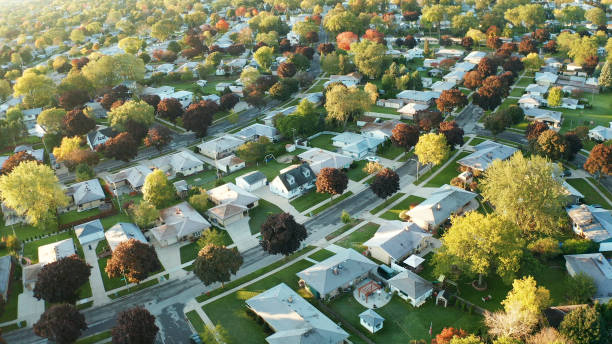
    Capturing stunning aerial images of properties has never been easier. Drones, with their ability to soar high and capture expansive views, have become an essential tool in real estate photography. These unmanned aerial devices combine advanced technology with high-altitude photography, transforming how real estate properties are marketed.

    Why Drones are Good for Real Estate Photography
    Why Drones are Good for Real Estate Photography

    As the demand for drones in real estate photography grows, their affordability has increased, making high-quality aerial shots accessible to more professionals. However, selecting the best drone and mastering its use can be daunting, whether you’re new to drone photography or already have some experience.

    Here are nine essential tips to help you maximise your real estate drone photography journey:

    1. Choose the Right Drone for Real Estate
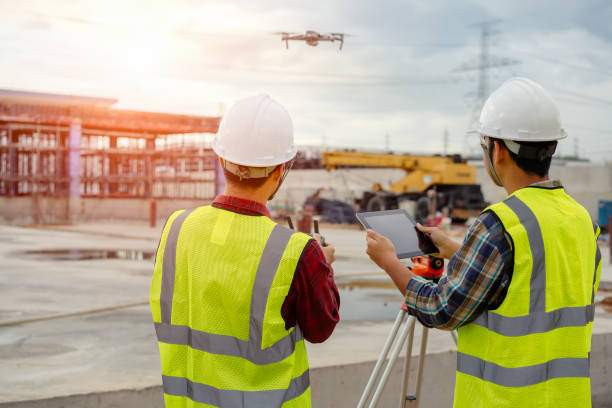
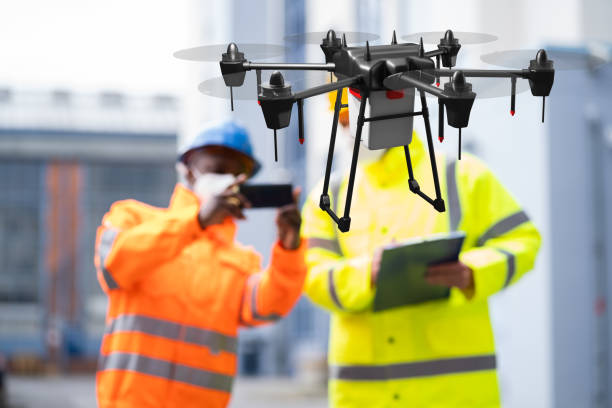
    buying the best Drone for Real Estate  Drone photography

    With a multitude of drones available, selecting the best one for real estate photography requires consideration:

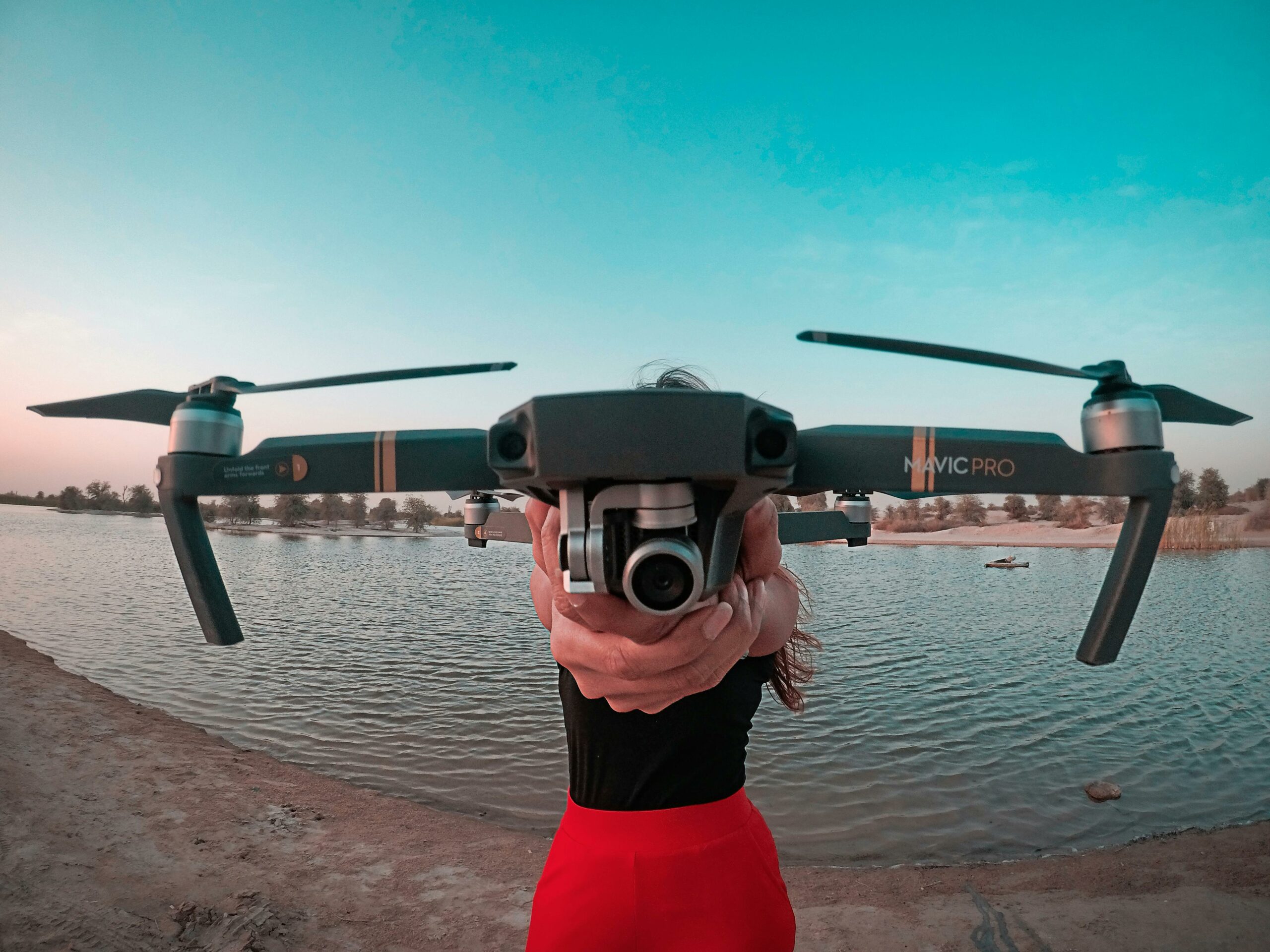
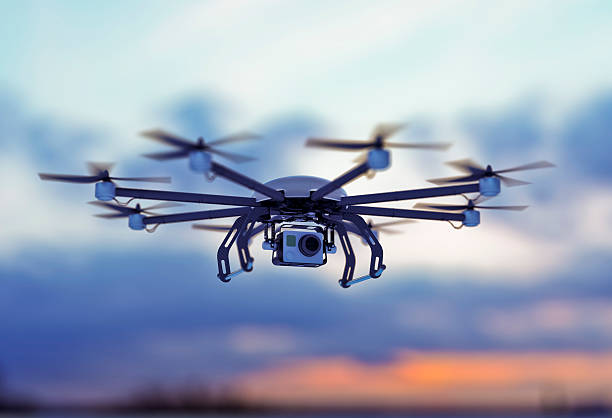
    • Integrated vs. Custom Cameras: Drones with built-in cameras may offer convenience but can have lower resolution. Drones that allow you to attach your own camera, such as a GoPro, might provide superior image quality and flexibility.
    • Skill Level: Beginners should opt for lightweight, durable drones that are easy to handle and affordable. These models generally have fewer features but are perfect for getting started.
    • Drone Capabilities: Determine whether you need a drone for indoor or outdoor use, night-time shooting capabilities, or extended range. Choose a drone that aligns with your specific needs.

    2. Read the Drone’s Instruction Manual

    While it may not be the most exciting task, reading the instruction manual is necessary. It contains important information about your drone’s functions, helping you avoid common pitfalls and allowing you to focus on capturing impressive property shots.

    3. Get Familiar with Drone Features

    Drones come with a variety of features to enhance your real estate photography:

    • Smartphone Feed: This feature allows you to view real-time footage from your drone, helping you frame shots more accurately.
    • Smart Mode: Ideal for beginners, this mode stabilises the drone in challenging conditions, ensuring smoother and more professional-looking footage.
    • Tracking: Use the “follow-me” option to capture dynamic shots of the property or surroundings by keeping the drone focused on a moving subject.
    • Geofence: This feature restricts the drone’s flight area, helping you stay within safe and legal boundaries.

    4. Understand Local Regulations

    Drone regulations vary by location. In the USA, for example, UAVs weighing between 0.55 and 55 lbs require FAA registration. Make sure to research and comply with local laws regarding where you can fly your drone to avoid fines and legal issues.

    5. Prepare a Pre-Flight Checklist

    Before taking off, ensure you’ve covered these checks:

    • Flight Zone: Verify whether you are flying in a private or public area.
    • Weather Conditions: Check that the weather is suitable for flying.
    • Surroundings: Be aware of obstacles and ensure the area is safe for flying.
    • Battery Life: Ensure all batteries are fully charged.
    • Camera Settings: Adjust the drone’s camera settings to suit the property’s lighting and composition.
    • Drone Components: Inspect propellers, motors, and controls for proper function.

    6. Drone Training
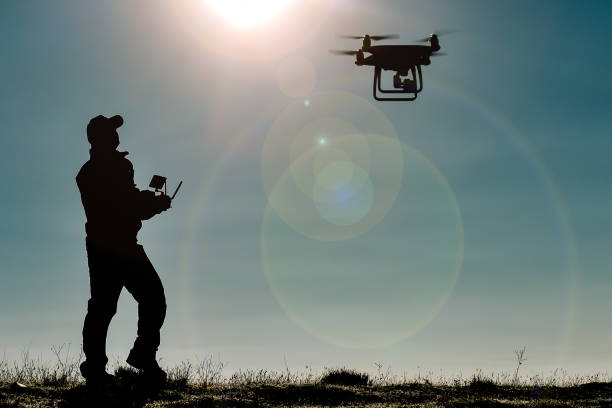
    Drone Training

    To avoid accidents, practice flying your drone in a spacious area. This will help you get accustomed to the controls and reduce the risk of damaging your equipment.

    7. Master Real Estate Photography Techniques

    To capture compelling real estate images, follow these photography principles:

    • Apply Basics: Use techniques like the rule of thirds and leading lines to enhance your shots.
    • Look for Patterns: Seek out interesting patterns and symmetry from above to highlight property features.
    • Keep Compositions Simple: Focus on clean, uncluttered shots that showcase the property effectively.
    • Utilise Light: Shoot during times of day that create attractive lighting and shadows.

    8. Edit Your Photos

    Post-processing is key to achieving professional results. Use editing software like Photoshop or Lightroom to edit your photos, correct colours, and improve composition.

    9. Invest in Drone Accessories

    Consider these accessories to optimise your real estate drone photography:

    • Extra Batteries: Extend your shooting time with additional batteries.
    • Propeller Guards: Protect your drone and avoid accidents with propeller guards.
    • Extra Propellers: Keep spares on hand for quick replacements.
    • Additional SD Cards: Ensure you have ample storage for high-resolution images and videos.

    Also, consider fun accessories such as a mini landing pad for safer landings and LED lights for shooting in low-light conditions.
  • Best Drones for Photography/Videography in 2024

    Best Drones for Photography/Videography in 2024

    As technology continues to soar to new heights, drones have become indispensable tools across various industries and recreational hobbies for young people. We’ve chronicled everything from the best cameras to the top-value phones to purchase in 2024 at affordable prices, but we’re yet to touch base with the best gadgets redefining the future of unmanned aerial activities. This list of the best drones of 2024 for photography and videography consists of drones with advanced features, exceptional performance, etc.

    Read Also: Best Budget Android Phones to Buy in 2024

    Best Drones of 2024 for Photography

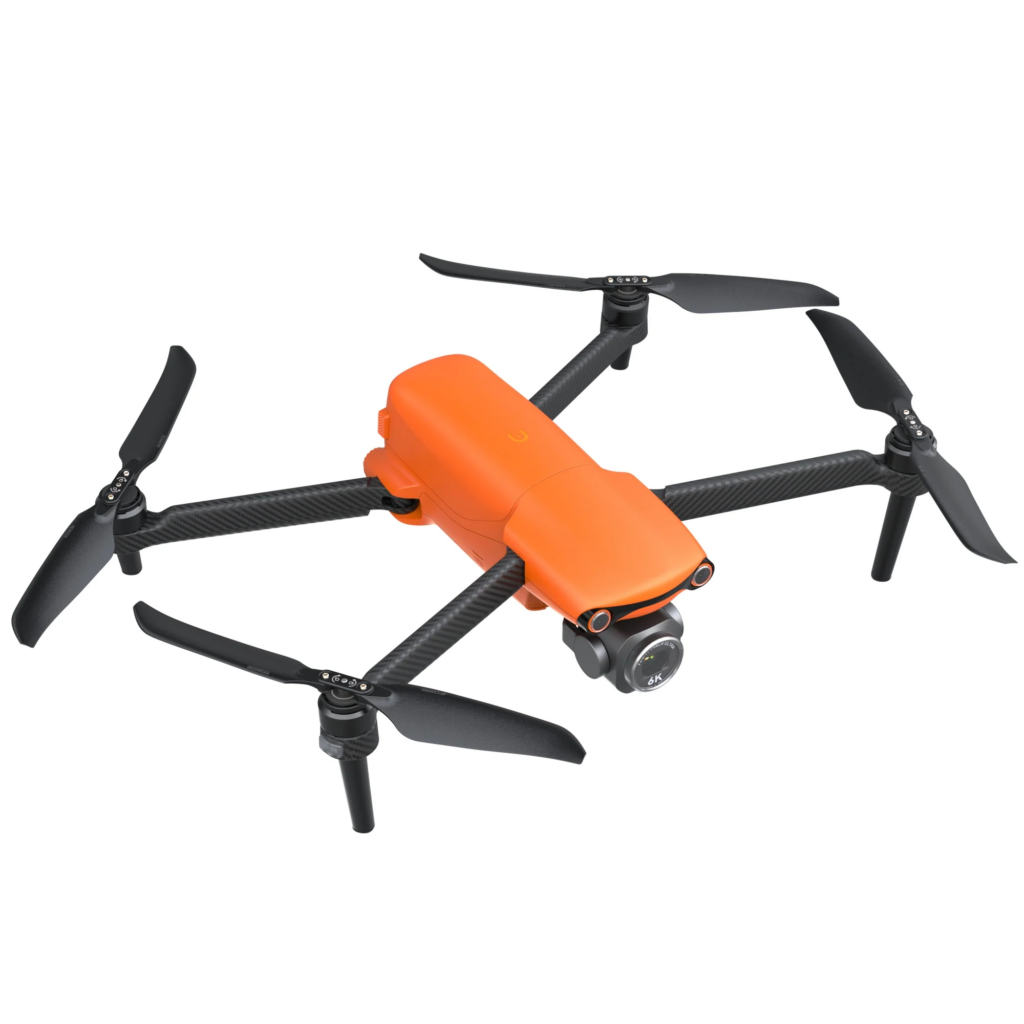
    Autel Robotics Evo Lite+

    If you’re into drone photography or videography but prefer non-DJI drones, the Autel Evo Lite+ could be your go-to. The Autel Evo Lite+ drone is an excellent drone camera with image quality that’s equivalent to DJI Air drones. What’s cool is it comes with a variable aperture lens, so that it is easy to control how much light hits the sensor without needing extra filters. Plus, it can stay airborne for about 40 minutes on a single charge and has sensors to help avoid obstacles.

    Autel Robotics Evo Lite+ best drone for photography

    The Lite+ captures stable footage in both 6K30 and 4K60 resolutions, and it takes sharp 20MP stills. Aside from the built-in obstacle sensors for added safety, there’s a generous 40 minutes of flight time Along with other features like automated camera movements and Hyperlapse, GPS, and automated return-to-home functions.

    But there are some downsides. While its 6K camera is pretty impressive, you can’t tweak the video settings much, and the video profile is limited to 8-bit flat. Also, the remote doesn’t have a screen like previous models, and the drone can’t navigate around obstacles on its own.

    Read Also: Free Graphic Design Software for Content Creation

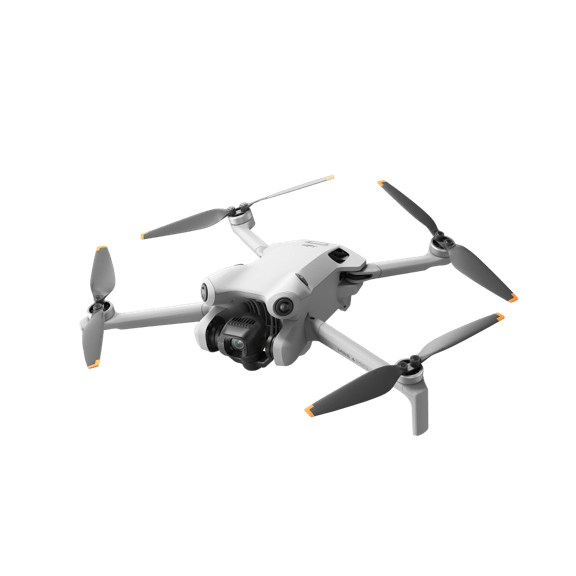
    DJI Mini 4 Pro

    DJI Mini 4 Pro best drone for photography

    The DJI Mini 4 Pro is one of the best drones for photography if you’re searching for ultra-light drones today. Weighing just 249g with a standard battery, this drone offers approximately 34 minutes of flight time and doesn’t require FAA registration. Its feature-rich design includes full 360-degree obstacle avoidance, automated flight modes, and a Quad Bayer camera capable of capturing stunning 4K60 HDR video. The APAS function facilitates autonomous navigation through intricate environments, even at low altitudes, making it a standout feature.

    Read Also: Best Business Podcasts for Scalable Businesses 2024

    Aside from its exceptional performance, the Mini 4 Pro also has a compact, portable design and bypasses registration requirements due to its lightweight build. It offers impressive 4K60 video capabilities in SDR, HDR, or D-Log M, along with support for vertical video and upward camera tilt. Additionally, users have the flexibility of choosing between two remote control options.

    However, it’s worth noting some drawbacks. The absence of an AirSense transponder could be considered a limitation, and opting for the extended battery may exceed the registration weight limit in certain regions.

    Read Also: Meta Quest 3 Complete Beginner’s Guide

    In terms of specifications, the DJI Mini 4 Pro measures 2.4 by 3.5 by 5.7 inches and weighs 8.8 oz. It features four rotors and integrated obstacle detection. The integrated camera, combined with a gimbal, offers a resolution of 4K and boasts 48 megapixels. Media is stored on microSDXC cards, and users can choose between dedicated remote control options, including one with an LCD screen. The live video feed quality reaches up to 1080p resolution. This is honestly one of the best drones for photography any creator today can ask for.

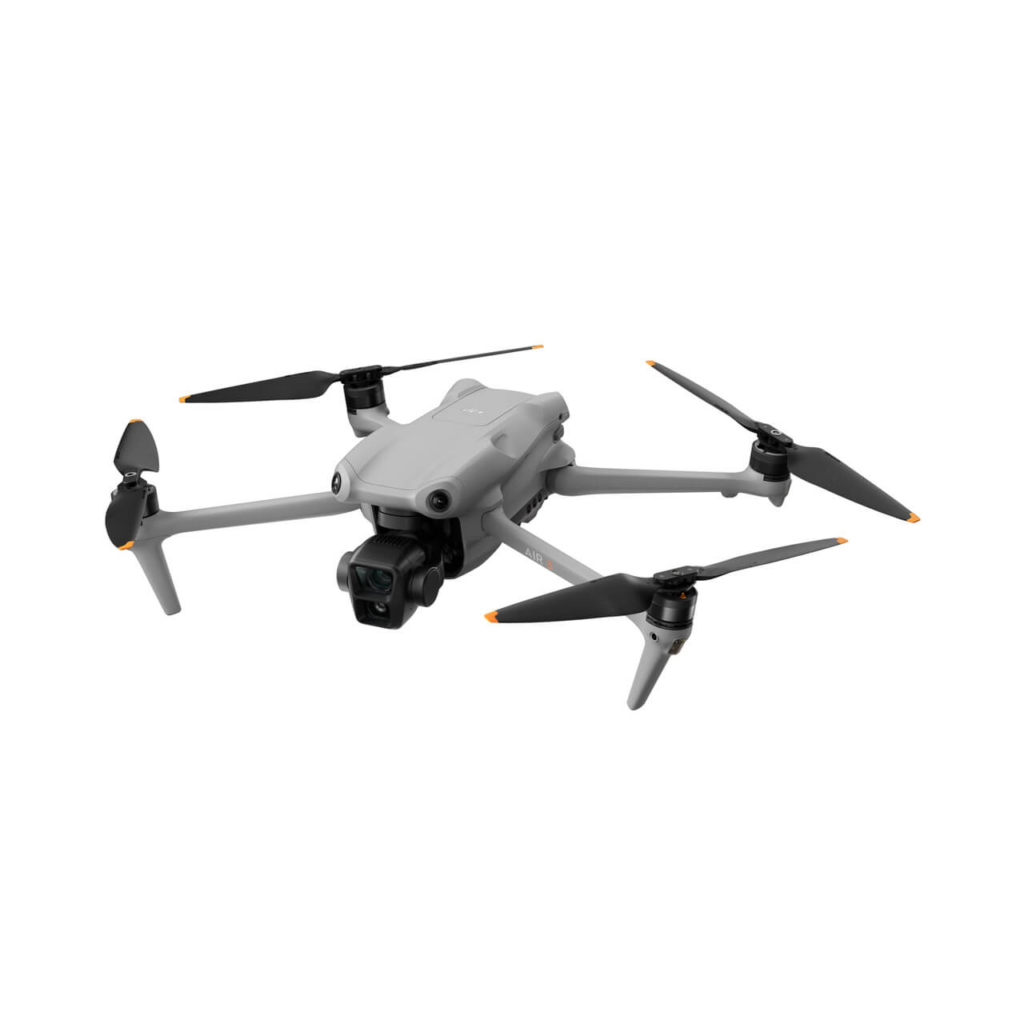
    DJI Air 3

    DJI Air 3

    If you feel limited by the single camera on the DJI Mini 4 Pro but don’t want to splurge on the expensive drones, then the Air 3 is a great choice. The DJI Air 3 drone comes with two lenses—a wide-angle and a mid-telephoto—both mounted on its camera. This gives aerial photographers and videographers a ton of options to get creative with their shots.

    It matches the picture quality of the Mini 4 Pro’s main camera, but the real upgrade here is the second camera. The drone’s advanced obstacle avoidance system keeps it safe during flight, even in tricky situations. Plus, it’s got a long-lasting battery, shoots beautiful 4K video, and takes great photos too.

    What’s good about it? You’ve got those two lenses, wide-angle, and mid-telephoto, which means you can capture stunning footage in various styles and angles. The camera’s stabilized on a gimbal, so your shots are smooth and steady, even if the drone’s moving around.

    Read Also: How to Use LinkedIn for Networking and Marketing

    The obstacle avoidance system is top-notch, making sure your drone doesn’t bump into anything while you’re flying manually or letting it do its own thing. Plus, it comes with cool features like Hyperlapse, slow-motion, and waypoint flight, and the battery lasts a long time.

    However, the lenses have fixed apertures, which might limit your options in certain lighting conditions. Also, you’ll need to register it with the FAA since it’s not super lightweight. And it only has 8GB of internal storage, so you might need to offload your footage more often.

    Read Also: Discover the Best VR Headsets to Buy in 2024

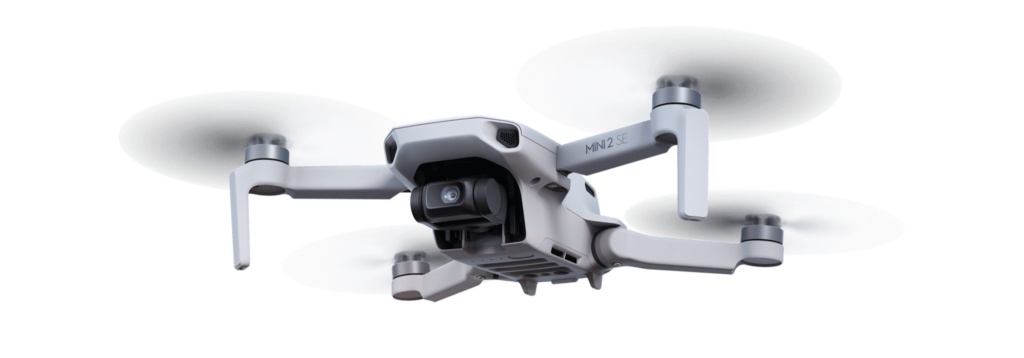
    DJI Mini 2 SE

    DJI Mini 2 SE best drones for photography

    The DJI Mini 2 SE is among the best beginner drones available, particularly for those looking to spend less. Equipped with a stabilized 2.7K video camera capable of capturing 12MP photos, this drone also features GPS and Find My Drone functions(just like the Find My iPhone functions).

    Its lightweight design, with a takeoff weight of 249g, eliminates the need for FAA registration, requiring only an online test. There’s almost 30 minutes of flight time and maintains stable performance within its 400-foot altitude limit while ensuring a reliable connection to the smartphone app.

    Read Also: Redmi Note 13 Series Outperforms the Note 12 series

    This drone is a very good choice for beginners in drone photography or videography. Its capability to record ultra-smooth 2.7K30 footage is great for high-quality aerial shots. The Mini 2 SE is also a compact, palm-sized drone with a lightweight build.

    While it has so many great features, it’s important to acknowledge some limitations. There’s the absence of obstacle detection and Hyperlapse features. Another downside is that the SDR video profile might be restrictive for certain scenes, limiting the dynamic range.

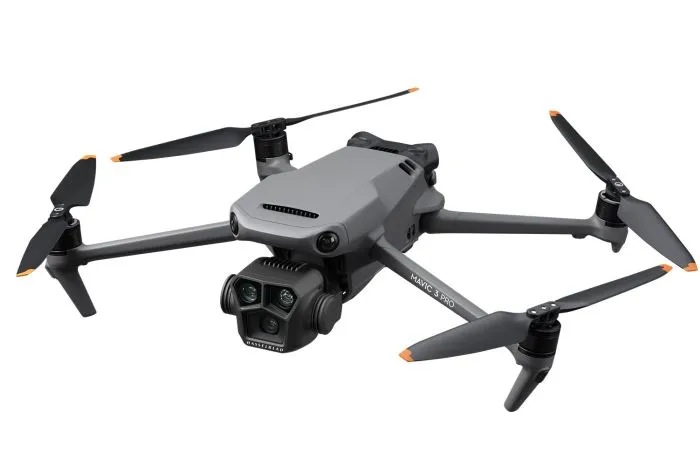
    DJI Mavic 3 Pro

    DJI Mavic 3 Pro

    The DJI Mavic 3 Pro is another drone to purchase for professional-level videos and photos, thanks to its impressive features and performance. With a large Four-Thirds format sensor and Hasselblad color profile, it captures stunning footage and stills straight out of the camera. Equipped with all-around obstacle sensors and integrated GPS, it ensures stable flights, even in challenging environments. Plus, with up to 40 minutes of flying time, you can focus on capturing your shot without worrying about battery life.

    But there are some drawbacks. The base model comes with just 8GB of onboard storage, which might not be sufficient for extensive shooting sessions. Additionally, while the flight time is impressive, it falls short of the promised battery life.