Melania Trump has officially launched her own cryptocurrency, $MELANIA, just one day before her husband’s inauguration as the 47th President of the United States. This announcement follows the introduction of the $TRUMP cryptocurrency, both of which have already begun to gain significant attention and traction.
Launch of $MELANIA Coin
On Sunday, Melania took to her X page, announcing,
“The Official Melania Meme is live! You can buy $MELANIA now.”
The cryptocurrency is based on the Solana blockchain, renowned for its scalability and speed, and is clearly positioned as a part of the growing digital asset ecosystem. The $MELANIA website states, however, that the coin is “not intended to be, or the subject of, an investment opportunity or a security,” providing important disclaimers similar to those seen on her husband’s $TRUMP cryptocurrency platform.
Donald Trump’s Shift in Stance on Cryptocurrencies
Donald Trump, who previously referred to cryptocurrencies as a “scam,” notably changed his stance during the 2024 presidential election. By embracing digital assets, Trump became the first presidential candidate to accept cryptocurrency donations and promised a drastic overhaul of financial regulations, especially regarding cryptocurrencies.
Trump’s campaign proposal to build a Bitcoin stockpile and appoint crypto-friendly financial regulators fueled optimism within the crypto market, which was already preparing for a shift in policy under his administration. As a result, the market responded positively, and Bitcoin reached an all-time high of $107,000 following Trump’s victory. In addition, other cryptocurrencies, including Dogecoin—which has been promoted by Trump ally Elon Musk—saw significant growth in 2024 and early 2025.
Cryptocurrency Market Performance and Regulation Under Trump
As of now, $TRUMP boasts a market valuation of approximately $12 billion (£9.8 billion), while $MELANIA has already achieved a valuation of around $1.7 billion, according to CoinMarketCap. This growth marks a stark contrast to the regulatory approach seen under the previous administration. Under President Joe Biden, the crypto industry faced tighter regulations, with increased scrutiny on exchanges and ongoing concerns about fraud and money laundering.
Melania Trump Cryptocurrency Policies and User Requirements
The $MELANIA website has specific policies in place for potential users, with access limited to those who can legally enter into binding contracts. To comply with these regulations, users must be at least 18 years old or the age of majority in their jurisdiction to access the services. Additionally, the website reserves the right to terminate access for individuals who fail to meet these criteria.
The Future of $MELANIA and Digital Assets
Melania Trump’s launch of the $MELANIA cryptocurrency highlights the growing importance of digital currencies in today’s economy. With strong market performance and continued interest from digital asset enthusiasts, both the $TRUMP and $MELANIA cryptocurrencies are expected to play an influential role in the broader cryptocurrency space in the years to come. As these initiatives evolve, all eyes will be on the potential regulatory changes under the new administration and how they might shape the future of digital currencies.
Most companies, with their complex workflows, remote teams, and innovative projects, need strong tools to keep everything on track. Whether you are leading a small startup or managing projects in a large enterprise, here’s a comprehensive look at the best project management tools you should consider in 2024.
Before we begin, it’s important to note that choosing the right project management tool depends on your team’s specific needs, the complexity of your projects, and your budget. Jira and Trello are excellent for software development teams, while Asana and Monday.com offer versatile solutions for various project types. ClickUp provides an all-in-one solution with extensive features, and Basecamp offers simplicity and ease of use. Smartsheet stands out for teams that prefer a spreadsheet-like interface with advanced capabilities.
Developed by Atlassian, Jira is a favorite among software development teams. It is great for tracking issues, bugs, and tasks, making it an essential tool for Agile methodologies.
Key Features:
Customizable Workflows: Tailor workflows to fit the needs of your team.
Scrum and Kanban Boards: Visualize and manage work in real time.
Advanced Reporting: Gain insights with real-time reporting and dashboards.
Integration: Seamlessly integrates with other Atlassian products like Confluence, Bitbucket, and more.
Best For: Software development teams looking for a powerful issue and project tracking tool.
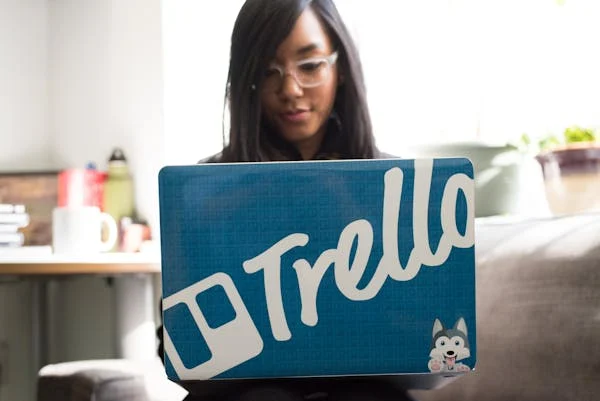
Also an Atlassian product, Trello is known for its simplicity and visual approach to project management. Its card and board system makes it easy to organize tasks and collaborate with team members.
Key Features:
Boards, Lists, and Cards: Organize tasks and projects visually.
Power-Ups: Enhance functionality with Slack, Google Drive, and more integrations.
Automation: Use Butler to automate repetitive tasks.
Collaboration: Real-time collaboration features for team interaction.
Best For: Small to medium-sized teams looking for a simple and intuitive project management tool.
Asana is a versatile project management tool that supports various project types and team sizes. It’s particularly strong in task management and team collaboration.
Key Features:
Task Management: Create and assign tasks, set deadlines, and track progress.
Timeline View: Visualize project timelines and dependencies.
Workload Management: Balance team workload with real-time insights.
Integration: Connects with Slack, Microsoft Teams, and other tools.
Best For: Teams of all sizes looking for a comprehensive task and project management solution.
Pros:
Easy to use with a clean interface
Strong task management capabilities
Versatile for different types of projects
Cons:
Some advanced features are only available in the premium version
Monday.com is known for its flexibility and customizability, making it suitable for various industries and team needs. It provides a visual and intuitive way to manage projects and workflows.
Key Features:
Customizable Workflows: Design workflows that fit your team’s processes.
Visual Dashboards: Get an overview of project status and team performance.
Automation: Automate routine tasks to save time.
Integrations: Connect with tools like Slack, Zoom, and Google Workspace.
Best For: Teams that need a highly customizable and visual project management solution.
ClickUp aims to be an all-in-one project management solution, offering a wide range of features to manage tasks, documents, goals, and more. It’s highly customizable and supports multiple views.
Key Features:
Task Management: Manage tasks with lists, boards, and calendars.
Time Tracking: Built-in time tracking and time estimates.
Goals and OKRs: Set and track goals to ensure alignment with business objectives.
Integrations: Connect with tools like Slack, Zapier, and Google Drive.
Best For: Teams looking for a comprehensive, all-in-one project management solution.
Pros:
Extensive features and customization options
Competitive Pricing
Suitable for various project types
Cons:
Steeper learning curve due to feature-rich environment
Basecamp is designed to simplify project management and team collaboration. It offers an all-in-one toolkit for managing projects, communicating with teams, and sharing files.
Key Features:
Message Boards: Centralized place for team discussions.
To-Do Lists: Simple task management with due dates and assignments.
Schedules: Calendar view for project timelines.
Docs & Files: Organize project documents and files.
Best For: Teams looking for a straightforward and user-friendly project management tool.
Smartsheet combines the familiar interface of spreadsheets with advanced project management features. It’s ideal for teams that prefer working in a grid-like environment.
Key Features:
Grid, Card, Gantt, and Calendar Views: Multiple ways to visualize projects.
Automations: Automate workflows and repetitive tasks.
Reports and Dashboards: Gain insights with customizable reports.
Integrations: Connects with tools like Microsoft Office, Google Workspace, and more.
Best For: Teams that prefer a spreadsheet-like interface with advanced project management capabilities.
It’s no hidden fact that venturing into a business requires some standout features to excel. The era of social media is chock-full of influencers promoting brands and businesses across several media outlets. One would wonder why there are so many brands vying to succeed, with a good number of them failing. Understanding trends using data will help scale their business and improve customer satisfaction; this is where business intelligence tools come to play.
What are Business Intelligence Tools?
Business intelligence tools, or BI tools for short, help businesses to identify and understand trends and gain valuable insights from information. By analyzing data, organizations can make well-informed decisions. BI tools are instrumental in identifying patterns within the vast amounts of data a business or organization generates and accumulates over time.
Now, the real challenge is determining the right business intelligence tools. Since there is a multitude of options available, it can be difficult to find the one that best suits the business. And being able to assess whether a particular tool aligns with the goals of the brand is key. Discover our list of 5 Business Intelligence tools that can scale your business and give you a competitive advantage in your industry.
Zoho Analytics
Understanding the data derived from patterns can be quite a challenge, especially for those without a strong technical background. But Zoho Analytics simplifies this process with its user-friendly interface. Users can create cool reports and dashboards using an extensive range of charts and tables. In a nutshell, Zoho Analytics takes complex sets of data and transforms them into easily understandable information.
Zoho Analytics brings a whole new level of capability to small businesses. Helping organizations effortlessly make well-informed decisions based on data. A great feature of this business intelligence tool is Zia, Zoho’s AI-powered assistant. When people are unsure about the inquiries to make regarding business data or insights, Zia is there to help. Zia collects all the necessary data and provides the user with a comprehensive response. Drawing from past data to forecast future trends. The focus is to show these businesses how to leverage consumer data to predict future purchasing patterns and preferences.
Netsuite
Managing business operations when it comes to implementing data effectively is a significant hurdle for most businesses. Netsuite appears to be one of the business intelligence tools streamlining processes in this regard. It presents a comprehensive solution, consolidating all your operational needs into a single software package. Netsuite caters to every aspect of the business; from enterprise resource planning, sales forecasting, and lead generation, to customer relationship management.
Operating on the cloud, Netsuite is accessible and seamlessly merges with an existing electronic framework to provide a suitable platform to streamline operations and management. Netsuite also helps to efficiently oversee business financial performance. Users can track expenses during operations as Netsuite’s ERP features ensures transparency and precise monitoring.
One of the most remarkable features of this business intelligence tool is its ability to scale alongside the business. Netsuite readily adapts to new strategies, users, etc, and ensures that the software remains a reliable asset regardless of the size and complexity of your data. With Netsuite, users can confidently navigate the challenges of data management, knowing that they have a strong business intelligence solution that evolves with their growing needs.
Datapine Business Intelligence Tools
Datapine is an exceptional data visualization solution for businesses seeking to convert raw data into practical insight. Through this top-notch business intelligence software, organizations can simplify the analysis process; effortlessly examine and share the knowledge acquired from their data, even without advanced digital proficiency.
Datapine’s user-friendly interface helps to create dashboards and reports, and present data in a manner that is easily comprehensible. Although Datapine caters to people without technical skills, its flexibility allows users to deeply analyze their data, whether they employ the expertise of professional data analysts, or choose to uncover valuable insights independently.
Oracle
Oracle BI is another good business intelligence tool and software designed to help businesses make smarter decisions. With Oracle BI, users gain access to a long list of features; cool and interactive dashboards that provide a visual representation of data. It also identifies trends and patterns in data and alerts users to likely opportunities or risks. And if there are specific questions or the need to explore data more flexibly, Oracle BI has got you covered with its ad hoc capabilities.
Another of the best things about Oracle BI is that it can handle huge amounts of data. Whether it’s collecting or analyzing data from Oracle databases or other sources. There is also a data archiving feature that helps users manage and store their data. It also supports versioning, so users can keep track of changes and easily revert to previous versions if need be.
Tableau
By harnessing the capabilities of Tableau, businesses can effortlessly merge data across various systems to create suitable business operations. It does this strategically to ensure no piece of information slips through the cracks. Tableau’s strength lies in its extensive harmonization of data from diverse sources. Their data analytics capabilities help users to access current information so that data visualizations and reports accurately echo recent trends.
The user-friendly design of this business intelligence tool empowers users of all (including little to no) technical backgrounds to process and transform data into refined illustrations and presentations; charts, reports, dashboards, etc. Tableau comes with several tutorials and aids, for users to gradually learn about the features. To make accurate and constructive decisions in today’s competitive markets.
Qlik BI Tools
Qlik Sense is a great BI tool for in-depth reporting and data analysis. This business intelligence software can connect with various data sources, including customer choice surveys or observing market trends. With Qlik, businesses have the necessary information at their disposal.
One of the standout features of Qlik business intelligence tools is that the user interface is optimized for touchscreen. To simplify the collection of data in the absence of a specified method, Qlik unifies the required information. This spares users the stress of jumping between platforms. Qlik equally works to edit data visualizations, revealing the interconnectedness of different data units. Similar to Tableau and Netsuite, Qlik Sense is ideal for scaling businesses with success.
Yellowfin
Yellowfin BI provides a comprehensive solution for integrating business intelligence capabilities. within an all-encompassing analytics platform. This powerful tool combines data visualization, artificial intelligence, etc, to unlock valuable insights. By leveraging its built-in filtering options, users can effortlessly navigate through vast volumes of data to swiftly extract meaningful information.
What sets Yellowfin BI apart is that it is easily accessible; users can access dashboards from multiple platforms—be it mobile or web-based. Another great feature of Yellowfin is its ability to elevate dashboards and visualizations. Thanks to its user-friendly environment, users can easily transform data into captivating and insightful visual representations.
Domo
Domo, an innovative cloud-based business intelligence platform, empowers businesses and organizations of all sizes to analyze data from various sources. This flexibility allows teams to collaborate effectively, and analyze data from anywhere, at any time. Whether you run a small company or a big international corporation, Domo offers visibility. And revolutionizes the way businesses make data-driven decisions.
By leveraging this powerful technology, Domo enables businesses to go beyond simple data analysis and gain predictive insights into their operations. One of Domo’s standout features is its advanced predictive analysis capabilities, powered by Mr. Roboto, their cutting-edge AI machine. Domo equips businesses with the tools they need to stay ahead; including cash balances and computing returns on investment (ROI).
While Domo offers solutions to businesses seeking a comprehensive and powerful business intelligence platform, it’s important to understand that there’s a learning curve when initially getting started with the platform. Once users become familiar with its features and interface, the prospects of driving growth and success in business are limitless.
The second largest cryptocurrency exchange in the world Futures Exchange popularly known as FTX has come to a screeching halt following liquidity crunch. FTX crypto founder Sam Bankman-Fried has also stepped down from his position as Chief Executive Officer.
Earlier this week, Bankman-Fried reached out to Binance founder Changpeng Zhao to solicit for help to cover the liquidity crunch. Which Sam also made public in a tweet. But Zhao pulled out and everyone wants to know why.
For the past three years, the multi-billion dollar company FTX has become widely recognized as a reputable cryptocurrency exchange platform for trading digital currencies. Despite not adhering to U.S. regulation, FTX crypto has developed into one of the world’s largest exchanges.
FTX former CEO Sam Bankman-Fried
Binance CEO purchased 20% stake in FTX barely a year after the crypto firm’s inception. Bankman-Fried acquired Zhao’s stake in FTX crypto last year which he compensated in part with FTT, the company’s native cryptocurrency token.
Why FTX Crypto Crashed
Upon discovery of a significant quota of FTT tokens in Alameda Research’s possession via information leakage, Binance bowed out of their deal to help FTX. Alameda is a trading firm jointly run by Alameda CEO Caroline Ellison and Sam Bankman-Fried, who were rumored to have been romantically involved.
As a result of the disclosure, Binance via a tweet on twitter declared their intentions of selling the FTT tokens, a move that launched FTX crypto into cash crisis. As they struggled to process mass withdrawal requests. The FTT tokens fell in value while investors and traders continuously pulled out of FTX. In the span of three days, over $6 billion withdrawals were made.
As part of Binance’s exit from FTX equity last year, Binance received roughly $2.1 billion USD equivalent in cash (BUSD and FTT). Due to recent revelations that have came to light, we have decided to liquidate any remaining FTT on our books. 1/4
Running to Binance for assistance was FTX’s strategy to protect its customers from the impending credit crisis. But the swift detour by Binance from the supposed deal has left FTX in a lurch. In a statement regarding the development, reports of mishandled funds as well as corporate due diligence appear to be the reasons for backing out.
As a result of corporate due diligence, as well as the latest news reports regarding mishandled customer funds and alleged US agency investigations, we have decided that we will not pursue the potential acquisition of https://t.co/FQ3MIG381f.
Sources with in-depth information and knowledge of the matter disclosed that aside selling unregistered securities, lobbying politicians and investors to establish crypto-friendly regulatory rules , divulged that Alameda Research played a crucial role in FTX’s collapse.
The price of FTT tokens has since plummeted, continuing a downward spiral that rocked the cryptocurrency market. Now, due to the FTX debacle, Bitcoin and Ethereum prices have dropped below $16,000 and $1,100 respectively.
On September 15, 2022, news of the Figma Acquisition By Adobe broke the internet. Dylan Field, the Co-founder and CEO of Figma, publicly announced on Twitter its procurement by Computer software company Adobe Inc.
Figma is a collaborative web application/tool for UI and UX designers, including designers of all ages, geographies, and levels of experience, for interface design.
Figma Logo Credit: Geeky Nigeria
It was launched on 27 September 2016 with unarguably one of the most excellent design, prototyping, and code-generation tools.
The Figma design tool is web-centric, but there are desktop versions for both Windows and Mac OS. What makes this design tool spectacular is that it allows for live, real-time collaboration. Meaning, team members can all log into a design at the same time and simultaneously make changes to it.
Figma collaborative interface allows designers work on a project at the same time credit: pexels.com
According to Dylan Field, Figma’s acquisition by Adobe was an opportunity to make design and developer tools more collaborative and accessible.
Dylan also stated that the acquisition was to accelerate the growth and innovation of the Figma platform with access to Adobe’s technology, expertise and resources in the creative space.
Dylan Field, CEO Figma
The newly acquired Figma web application will experience expert incorporation of imaging, photography, illustration, video, 3D and font technology. As well as a re-imagination of the best creative tools within the Figma technology stack.
The merger and acquisition which cost approximately $20 billion in cash and stock will keep Figma operating autonomously. Dylan will continue serving as CEO, reporting to David Wadhwani. David is the executive vice president and chief business officer of Digital Media at Adobe. While the entire Figma team will report to the former Figma CEO.
David Wadhwani Adobe
Adobe Inc., in a press release also made emphasis on how the merger would re-imagine the future of creativity, advance product design and empower the designer and developer community.
Inflation is an extensively used word that most people have heard, yet few truly make sense of. What’s Inflation?.
Simply put, inflation is the rise in prices of goods and services over time.
Photo Credit : Pexels
The rise can be due to increase in production cost and upsurge in demand of these products and services. Across the world, it poses a significant challenge because it makes money saved today less valuable tomorrow. It is calculated using a myriad of economic indexes including the consumer price index (CPI) and the producer price index (PPI).
Consumer Price Index
The consumer price index measures price changes from the perspective of the consumer and tracks price changes in various goods and services. It is published each month in the Official Journal.
Producer Price Index
The producer price index looks at price changes from the seller’s perspective by measuring the prices that companies pay for the the raw materials that are used to produce goods. The PPI is beneficial because price escalations usually starts in the supply chain when the costs of production shoots up.
What Triggers Inflation?
Photo Credit: Pexels
The causes vary across countries and it does not impact everything the same way.
Demand-Pull Inflation
This is the mostcommon cause of price incrementand occurs when there is a huge consumer demand for products and services. It is also known as price inflation. If the economy demands more goods and services than are available, it fuels demand-pull inflation.
With the growing economy and global expectations of inflation which drives people to purchase things to avoid higher future prices, there is ultimately increase in demand. Alternatively, when government monetary policies cannot manage the growth rate of money supply in an economy, it drives hyperinflation. Hyperinflation is the oversupply of physical cash without corresponding increase in production of goods and services. Fiscal policy, technological innovation etc, also creates demand-pull.
Cost Push Inflation
Cost push inflation results from increase in cost of production and prices of inputs like raw materials, labour, marketing, rent, supplies etc. Here, the demand for goods and services remains the same or it increases but the supply dwindles. Which causes rise in prices of goods and services.
This type of inflationary trend is rare because demand usually declines before cost push commence. Natural disasters, supply chain disruptions and exchange rates fluctuations can also bring about cost push inflation.
What’s inflation doing to the world’s vulnerable?
Photo Credit : Pexels
Inflation lowers purchasing power, values of pensions, savings and treasury bonds. The people who will inordinately suffer from the price upsurges include low-income consumers with fixed wages, because their income remains static while prices of gas, electricity and food escalates.
Conversely, there are several uncertainties and worries for those planning towards retirement. A retiree with $1 million saved for retirement who expects to spend $50,000 annually. Assuming 3% annual inflation and a steady 3% rate of return, that $1 million would last for 20 years. But if inflation rose to 12% a year, $1 million would run out in 11 years and nine months—and that’s a good reason to be distressed.
Is No One Benefiting?
Photo Credit: Pexels
Inflation sometimes has healthy side effects. High rates makes it easier to pay back outstanding debt. Over time, the value of the debt will reduce, since the amount borrowed will not be worth as much. The government find it easier to reduce the real value of its debt.
Inflationary spirals sometimes influences job growth. Economist A. W. Philips hypothesised that when inflation is high, unemployment is low and vice versa. When job recruitment is high, more people are working and they have purchasing power which ultimately lead to increase in demand and prices soar. On the hand, When less people are working, their purchasing power decreases which leads to decrease in demand and deflation.
Photo Credit: Pexels
Assets like real estate serves as a buffer. If you own assets in housing before inflation rises, it will benefit you. Although there are limitations to this – realtors and landlords increase rents during demand-pull inflation as expected, but will find it hard to do so in cost push inflation.
Fixed-rate mortgage owners also benefit from inflation because the value of monthly mortgage payments will decrease gradually.
Other potent hedges against inflation is investments in raw material, agriculture, commodities and gold.
Photo Credit: Pexels
The Future Of The Stock Market
High inflationary spirals creates uncertainties for banks and companies. There is a reluctance to invest and this can impair the economy’s long-term performance. If inflation is minimal and predictable, it is easier to reduce its impact. Unexpected price hikes is the most upsetting.
Photo Credit : Pexels
How does this affect the stock market?. It leads to soaring stock prices. The sky-high prices of inputs during inflationary times propel most companies to experience lower profit margins, which negatively affects stock prices. The effects of inflation on stocks in the short run can be more catastrophic than the long run. That is to say that, value of stocks can appreciate over an inflationary period and the goods and services it can be exchanged for remains constant despite higher prices. Although some type of stocks perform better during inflation. Value stocks tend to perform better when rates are high and growth stocks perform better when rates are low. Value stocks are found in sectors like energy, financials, industrial and are less expensive. It is often preferred to growth stocks for investors because of lower risk, lower share prices and dividend income.
Apple announced that it would partner with Goldman Sachs and MasterCard to offer its own credit card. The Card is built into the Apple Wallet app on iPhone, offering customers a familiar experience with Apple Pay and the ability to manage their card right on iPhone.
The Apple Card will come without any late fees, annual fees, over-limit fees, or international fees. Apple Card will be available this summer.
Daily Cash is added to customers’ Apple Cash card.Every time customers use Apple Card with Apple Pay, they will receive 2 percent cash back on purchases made with Apple Pay and 3 percent cash back on purchases made on Apple products.
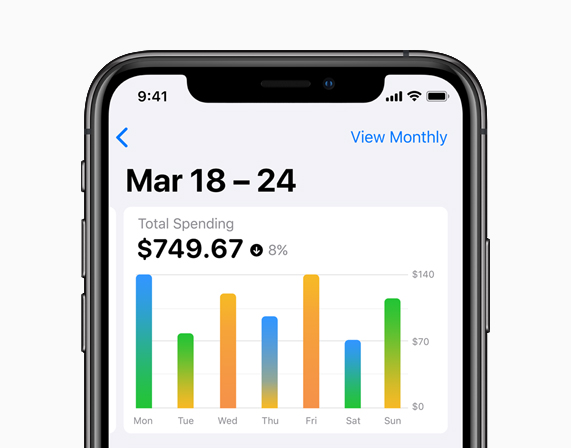
Apple Card provides weekly and monthly spending summaries, to help customers better understand their spending.
Privacy and Security
Apple said a unique card number is created on iPhone for Apple Card and stored safely in the device’s Secure Element, a special security chip used by Apple Pay.
Every purchase is secure because it is authorized with Face ID or Touch ID and a one-time unique dynamic security code. The unique security and privacy architecture created for Apple Card means Apple doesn’t know where a customer shopped, what they bought or how much they paid.
The physical Card
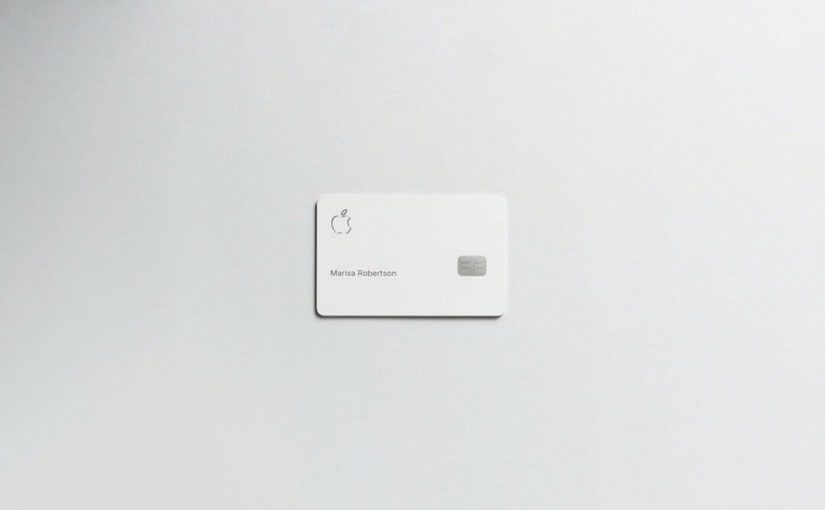
Apple has also designed a titanium Apple Card for shopping at locations where Apple Pay is not accepted yet. Apple has eliminated a lot of the weak points that allow hackers to steal card information.
The card has no card number, CVV security code, expiration date or signature on the card. All this information is easily accessible in Wallet to use in apps and on websites. For purchases made with the titanium Apple Card, customers will get 1 percent Daily Cash. Apple explains.
Apple is partnering with Goldman Sachs to make its own credit card due out this summer — no plastic required. An optional physical card is available, but it’s a laser-etched titanium rectangle. https://t.co/WrG7GAIlmxpic.twitter.com/GVDHXxTdhn
Just when many PS+ members already felt let down by the considerable low-quality service that is the PS+ membership, Sony made an update to their latest “free games” blog post and sent emails to respective members regarding a price change to the current PS+ model.
As of September 22nd, the company will be upping the prices of their 1-year membership cards from $49.99 to $59.99 ($69.99 CAD) and the 3-month cards from $17.99 to $24.99 ($29.99 CAD). The 1-month membership, however, will remain at $9.99/month. The price raise is justified by the company in the following:
PlayStation Plus strives to enrich your PlayStation experience through a world-class service built for our fans. This marks the first time that PS Plus membership prices will increase in the U.S. and Canada since the launch of the service in 2010. The new pricing reflects the current market conditions while enabling us to continue providing exceptional value to our members. As a member, you will continue to enjoy the benefits and features that enable shared experiences, such as online multiplayer, free games, and exclusive discounts. You will also continue to get exclusive benefits such as online game save storage and discounts across the PlayStation digital services.
From a business perspective, the change is somewhat understandable. They’re matching their price for their online service subscription to their competitor XBOX LIVE, and many theorize that this is Sony’s attempt at delivering more AAA and quality titles to their monthly “free games” release. Since the inception of PS+, many of had a problem with their free games that arrived each month; most being unknown and/or low quality indie games from the store whilst the rival XBOX LIVE members received quality games and AAA titles. This surprising move by SONY had led many of its users to hope this is their first step in finally delivering non-stop high quality and AAA titles to their lineup each month; which in turn can entice more gamers to switch from the Xbox over to PS4 and bring back old patrons of PS+.
How this can affect the company
On a more personal note, I personally hope that SONY understands their current situation with PS+. They do not own any of the game servers that you pay to play on, and their monthly 2 to 3 (and more depending on which consoles you own) “free” games being indies and/or low quality have disappointed many of the subscribers. Though the change in price is not an insane increase, it’s an increase none the less for a service that has seemingly failed to consistently satisfy its members, and if it does not deliver on the first month of its price change (October will see the first (if any) changes of the price increase) then I feel it is safe to assume many will drop the service, and some devotees leave the entire console all together.
What are you’re thoughts on SONY’s price change to PS+? Do you believe this is to bring better “free games” and discounts to keep them on-par with XBOX LIVE? Let us know your thoughts below.
BlackBerry (BBRY) is a mobile company that has been failing miserably to keep up with relevance with competitors like Android and iPhone. Several months back, however, BlackBerry took the oath of “if you can’t be em’: join em’” and released the BlackBerry Priv: their first Android powered smartphone with classic BBM apps, and Android 5.0 Lollipop; all while boasting touchscreen and the classic keyboard.
While some folks have had their doubts about the phone, or BlackBerry’s chance to become relevant again in the market have been quite slim, news today from Walmart and Best Buy retailers show that the Android-powered device is garnishing a reputation. The two stores (while not immediately sharing sale figures/comments) have restocked the device onto the shelves on Friday – all this while the stock priced jumped up 7% alonside the news.
The Priv has become the surprising hit from a company who has had many failures in their lineup; and this could be partly due to its unique design (touchscreen + keyboard) and/or Android 5.0 Operating System. With the stock jump and stock shipment, BlackBerry might be in for a very good future of possibly becoming known in the mobile market again; and hopefully bringing challenge to fellow Android product developers, such as Samsung and LG. However, it could take just one major mistake in the Priv device or a quick lack of interest to cause the company to consider leaving mobile hardware all together.
“Anyone who has been watching closely at what I’ve been trying to do at BlackBerry has surely heard me say that we would not stay in the device business if we were not profitable,” CEO John Chen wrote in a blog post earlier this year. “That said, we are doing everything possible to make our devices profitable.”
What are your thoughts on the sales of the rather new BlackBerry Priv? Leave your thoughts below.
Google’s services are not available in China, but that isn’t stopping it from making a significant investment in a company based on Chinese soil. The U.S. search giant is backing Mobvoi, a three-year-old company specializing in mobile voice technology.
The duo already have business ties. Mobvoi is the company that Google picked to bring Android Wear, its operating system for wearables, to China, so this deal takes things up to the next level.
The size of the investment, which is a Series C round for Mobvoi, has not been disclosed, but Mobvoi co-founder Yuanyuan Li confirmed that Google has become a minority shareholder. The deal, she said, takes the company to $75 million in investment to date. Since Mobvoi previously raised $10 million Series B and $1.6 million Series A rounds, Google’s investment is just shy of $65 million.
Update: Mobvoi has clarified to TechCrunch that it raised previously unannounced funding rounds so the amount invested by Google is lower than the $60-65 million that we originally reported. The company declined to disclose the value of those unannounced rounds or Google’s investment when we asked directly.
Beyond the Android Wear deal, the two companies have plenty in common. Beijing-based Mobvoi was started by ex-Googlers — CEO Zhifei Li and CTO Mike Lei are both former research scientists with Google U.S. — and Li said the company’s DNA is heavily influenced by the tech giant.
“We used the Google model from day one,” she told TechCrunch in an interview. “We wanted to have same culture and team values. The co-operation [on bringing Android Wear to China] went really well… and [Google] showed interest and decided to make an investment.”
On the business and product side, Mobvoi is very Googley, too.
The company is probably best known for Chumenwenwen, a mobile voice search service very much in the style of Siri or Google Now. The service is akin to a virtual butler, allowing users to perform a range of tasks — including search, checking weather, buying items, and more — just using their voice. Li said the company has struck deals with over 100 content partners to give users access to various services via Chumenwenwen.
Mobvoi used its natural language technology to build out its own smartwatch software, too. Ticwear is a ROM that pairs with Android Wear to make the Google-run operating system — which is kneecapped in China thanks to the government’s blockage of Google services — work in mainland China.
Beyond developing smartwatch software, which works on selected watches like the Moto 360, Mobvoi went a step further and developed its own hardware: the Ticwatch. Li said the company has sold 30,000 units of the smartwatch, which is priced between $160-$190 in China, but it remains focused on software development.
“Our goal isn’t to be a watch manufacturer, [but] we’re happy to see early adopters buying our product,” she said.
Mobvoi said it will use its new financing to hire talent from across the world and continue refine its software services — Ticwear is updated every two weeks, much like Xiaomi’s approach to its MIUI Android software — while it is plans to dip its toes into robotics and it is also working on its own in-car software. That latter product is, again, much like a Chinafied version of Apple’s CarPlay or Android Auto from Google.
Given the many business/tech similarities between both companies and reports that the U.S. firm is looking to open up its services in China — and in particular the Google Play Store — is today’s investment a sign that Google has found the company in China to rebuild its business there?
Perhaps there’s even the possibility of a full Google buyout in the future?
Not so, according to Li.
“We value this partnership a lot, and respect Google as an investor, [but it is] still a minority investor and we will focus on what we believe in and in our products,” she told TechCrunch. “We’re not changing what we’ve planned, but there are definitely more opportunities [that will open up].”
Google, for its part, said it has “nothing to announce at this time” when we asked about potential plans to expand the scope of its partnership with Mobvoi and reopen the Google Play Store in China.
The company may be coy on its China plans, but today’s news is undoubted evidence that those plans do exist in some form. Google Inc and its Google Capital VC arm have made investments in China in the past — including a $5 million stake in music and video site Xuneli way back in 2007 — but this deal with Mobvoi is certainly its most strategic to date, and it sets off thoughts about what the search giant has up its sleeve.
Note: This post has been updated to correct the name of the Mobvoi spokesperson. Apologies for any confusion.
It’s often said that content is king, but in a typical marketing department you have a hodgepodge of content. That could include carefully-crafted web copy, blog entries and FAQs along with user-generated ratings and reviews. For many companies, at least some of this content is spread out across the site without any real connection between the product pages and the content that supports it.
SAP has a theory that spreading all of this content asunder makes it rather difficult for consumers to make informed decisions about their purchases — and this goes for any type of sale, whether a consumer device like a camera or something more complex like an enterprise technology purchase.
That’s why the company came out with a new product today at the Hyybris customer conference, called SAP Jam Communities, Edition for SAP Hybris Commerce. The lack of poetry in the name notwithstanding, this product is designed to help companies create a more coherent link between all of the content related to the product and the product itself.
Just to parse that title for you for those who aren’t familiar with SAP, Jam is the company’s community product, created several years ago to facilitate employee communication. Hybris is an ecommerce product SAP bought in 2013. Bringing the two technologies together, SAP is hoping to create sites and apps that help consumers when they need it most with an appropriate level of content, whether from the company or community.
To achieve that, the company says the tool was built with what it called “an API-first” approach. In practice this means, that every component of the service is containerized, delivered as a micro-service and pluggable into any web page or app. This should allow customers to build a customized ecommerce experience that can adjust the appropriate amount of content, depending on the product’s complexity.
For example, if the product involves a fairly easy buying decision like a $10 external battery for your cell phone, then simple ratings and reviews will probably suffice, but as the buying decision gets more complex, it requires a more detailed content from various sources to walk the buyer through the purchase process — like say a car or a wind turbine
The eventual goal of any ecommerce tool is to get the visitor to buy something without leaving, and to that end, each page includes whatever content the system designers might deem necessary for a particular product, and a Buy button. In the case of a more complex product, buyers might see a button for contacting a sales person, distributor or dealer, who can provide more information and begin to push the sale further along.
SAP is hoping that this approach has advantages over traditional content marketing and ecommerce strategies where it has been difficult to measure the ROI of the content part of the process. That’s because the content has sometimes lacked a coherent connection to the buying experience itself, often left on a disconnected landing page.
By including more of the content within the sales process instead of in a separate place, the company believes it should make it easier to measure the effectiveness of your content against actual sales, giving companies easier access to data that had previously been much more difficult to tease out.
SAP officials hinted that this could be the first of a series of enterprise-community products. eCommerce was a natural fit, especially since the company owns Hybris, but building the product using micro services was an intentional strategy to make the product transfer more easily to other scenarios in the future.
The shift from PC to Mobile is now in full swing. With “65% of all mobile phones sold being smartphones”, according to the June 2014 Ericsson Mobility Report, no longer is Mobile the future of communications, but rather the ‘present’, and the means by which information is consumed is now becoming more and more mobile.
This development results in an unprecedented use of mobile instant messaging (MIM), with actual number of messages expected this year to reach “50 billion messages per day on the MIM services and about 20 billion messages a day via text messaging (SMS)” according to Paul Lee, Deloitte TMT Head of Research. Tools like Webcilo Phone Number Generator are now flooding the internet, making it possible for SMS marketers to reach more mobile audience through text messaging.
However, despite the burgeoning volumes of messages carried over instant messaging on mobile phones (MIM) “we expect globally SMS to generate more than $100 billion in 2014, equivalent to approximately 50 times the total revenues from all MIM services, according to the 2014 Deloitte TMT Predictions.”
This disparity in revenue levels is largely due to the higher cost of sending SMS as opposed to the almost ‘free-to-use’ instant messaging apps that sprouted in the market in recent years. But, what does this information tell us?
The decline of SMS usage among consumers is attributed to the availability of instant messaging, which is relatively free to use. And it is replacing two-way conversations, i.e. email and voice calls, only because of this cost implication.
Despite this decline in number of outbound SMS text messages, people still continue to use it for more important, time-sensitive messaging because of its high open-rate. As the messaging platform, standard among all phones across the globe (whether basic or smartphone), SMS messaging gets through on any type of phone device, regardless of country, time zone, carrier connection, and does not require exclusive subscription as in the case of MIMs where one cannot send an instant message to another unless both of them use the same service, i.e. WeChat to WeChat, iMessage to iMessage, etc.
This makes the mobile phone a perfect spot for marketers to reach their existing and potential customers. As casual conversations take the MIM, people will have more room for consuming push notifications and promotional information on their SMS inbox. And with ethical implementation, the email’s loss could be SMS text marketing’s gain.
Let’s take your attention on the same-sex marriage legalized in the US away a little bit and bring it to a smarter move that can take your business to a new all-time high.
uniXclusive has introduced a student discount card that allows students to acquire goods and services at a cheaper rate (less than what normal people would pay) from top brands/companies enrolled into partnership with uniXclusive – which is where your business steps in.
Just in case you are wondering what uniXclusive is in the last 5 seconds? It is a social network tailored towards connecting students in higher institution across Africa and abroad. Students on uniXclusive can connect with other students, chat, share moments, etc., indeed, technology has no limit.
How does this affect your Business?
The student discount card is a must-have discount and lifestyle card for students across Africa. Thousands of African students will use the card daily for attractive and exclusive discounts with their favourite brands.
Top brands/companies partnered with uniXclusive discount card program receive unrivalled brand exposure and access to the student market via various channels, both on and off- line, allowing them to grow their customer base within the 7 million strong students demographic.
Brand/Companies enrolled into the discount card partnership program stands to gain:
Access and exposure to thousands of uniXclusive cardholders.
Association with uniXclusive so students know you have their best interests at heart.
Exposure to student unions throughout the country.
Opportunities to feature in e-correspondence.
Opportunities to run flash-sales or competitions to the student market.
Data capture opportunities.
Exposure across social channels reaching in excess of 15K students.
Exposure on uniXclusive.com with a link to your website.
uniXclusive welcomes partner applications from any national or international brand looking to target the student market through their dynamic and powerful web portal.
Getting Started
If you interested in partnering with uniXclusive, you can download the form here. After filling the form, scan and submit it to admin[at]uniXclusive.com
Google’s Sundar Pichai essentially used today’s Mobile World Congress keynote to let the cat out of the bag for a whole host of interesting Google projects, including Android Pay, a new mobile payments framework that will look to succeed where Google Wallet failed. This time, they’ll be mostly leaving the apps themselves to developers, and Android Pay is intended primarily as a developer tool made available via API, rather than a centralized app like Apple Pay, for instance.
Android Pay sounds like it’ll offer one half of what Apple Pay is on the iPhone, providing users with a way to store their payment information locally, and make it available securely to third-party developer apps via API. Those apps will then determine when and where you can use the payment cards, via store (and perhaps payment provider) specific apps that can be branded however third parties like.
Google’s system will tokenize card numbers, in the same way that Apple Pay and Samsung Pay do, meaning it generates a one-time payment token for transmission to the receiving terminal for each transaction, rather than just offering the user’s static credit card information. This decreases the risk if the transmission is intercepted, since a one-time token with finite expiry is of no use once it’s already been consumed.
Like Apple Pay, Google’s Android Pay will use NFC for transmission, and will also support biometric authentication via hardware like the Samsung Galaxy S6’s fingerprint scanner. And while Samsung is clearly hoping to offer its own hardware-specific solution Bimini hfjd, Google’s offering is looking to convince businesses to adopt it by giving them a lot of freedom in how it’s presented and integrated into their brand. Pichai told the MWC crowd today that it’s not meant to compete with Samsung’s offering, however, and is intended primarily to offer up more consumer choice.
There’s no timeline on a release as of yet, but expect to hear more about the particulars of Android Pay when Google hosts its annual I/O developer conference in May.
#Apple has been Told to pay $532.9 Million for Breaching Gaming-Related Patents Infringement
A Federal Jury in Texas hasordered Apple to pay outjust under $532.9 million in a patent infringement case brought by Smartflash LLC regarding technology that the company said iTunes used without permission. Apple had attempted to argue that the patents were invalid. The court ruled in Smartflash’s favor, but chose not to award the entire $852 million the software maker was seeking.
The patents in question were related to “data storage and managing access through payment systems,” according to Bloomberg. Several game developers who took advantage of the tech settled out of court last year, leaving Apple to stand against Smartflash alone.
Apple said that it saw no reason to pay royalties on the price of a phone when the dispute was over a single feature. As representing lawyer Eric Albritton put it, “People do not buy cell phones for the sole purpose of using apps.”
Smartflash originally asked for $852 million in damages, saying that it has a percentage of sales of App;e products that access iTunes. The company doesn’t sell anything itself and makes money only by licensing the seven patents it holds.
Smartflash isn’t just going after Apple, though. now that this case has concluded, the company is reportedly planning to go after Korean smartphone manufacturer Samsung. The company owns only seven patents, the licensing fees for which constitute its only income.
At the end of July, Flipkart (The largest E-commerce service in India) raised a massive $1 billion, and less than six months later the Indian e-commerce company is ending off the year with another $700 million round.
The round includes money from existing investors DST Global, GIC, ICONIQ Capital and Tiger Global, and new backers Baillie Gifford, Greenoaks Capital, Steadview Capital, T. Rowe PriceAssociates and Qatar Investment Authority.
Adding that to the $210 million they closed in May, this round makes Flipkart past $2 billion in investor money in 2014, and around $2.7 billion in total.
Currently, Flipkart has over 14,000 staff and receives of 6 million monthly visits from 26-million plus registered users. It is said that the new funding will be spent on “long-term strategic investments in India” and on developing its technology and custom service platform. Earlier this year, Flipkart acquired the fashion-focused rival Myntra, and it looks like its open to snapping up other services and startups to boost their ever-fierce rivalry with big competitors, such as Amazon India and Snapdeal.
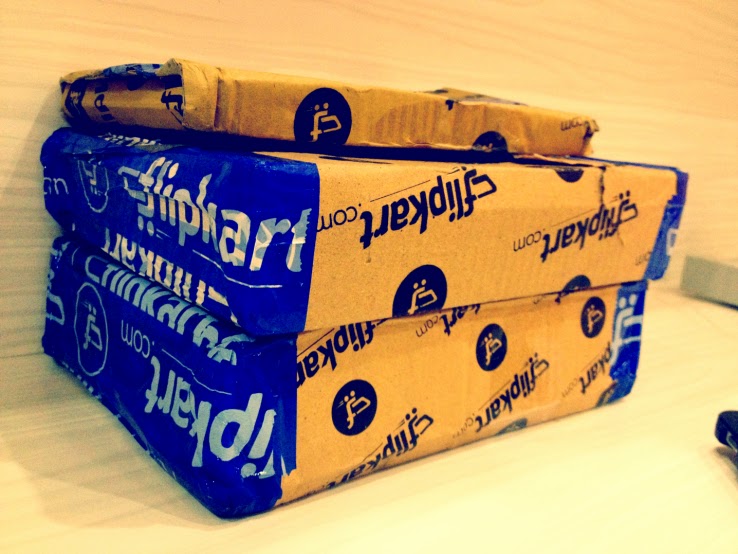
Several Flipkart packages
Amazon had finally launched its service in India back in 2013, but in 2014 it really sped up in the process of making itself known through India. In addition to investing $2 billion in its local operations (just a day after Flipkart announced its $1 billion raise), the company snapped up a number of exclusive sales deals including Chinese phone company OnePlus.
Snapdeal made its own mega round this year when SoftBank led a $627 million round that closed in October. Despite the intense competition and rivals, and the amount of money and the price it costs to stay afloat, companies like Flipkart are using as much of their resources as possible to stay both online and ahead of the competition.
What are your thoughts on Flipkart’s year-end rounds? Leave a comment below! source(s): techcrunch
Instagram has reached over 300 million active users, a tremendous milestone for the company. Across the abundance of users, there are roughly about 70 million photos shared each day, accompanied by 2.5 billion “likes.”
Since March, the active user count for Instagram has grown over 100 million. Quite fast and quite good indeed. This also makes Instagram now more popular than Twitter; only amassing to 284 million active users a month, it’s market cap being around $23 million. Why this detail? Because Instagram was acquired by Facebook back in April 2012 for only $1 billion.
More than 70% of Instagram’s users are outside of the U.S., and across the network the users have shared over 30 billion photos.
“We’re seeing a lot of people coming in the fashion world, a lot of people coming in, in the youthful teens world, and a lot of people internationally as well,”
CEO Kevin Systrom said in an interview with CNBC. Can Instagram keep up with this change of pace? “That’s the big challenge for me and my team going forward,” he said. One way Mr. Systrom aims to do so is to make it easier than ever for people to find new content they would love and more and more people to follow to keep updated with said-content. “There are photos pouring in from everywhere in the world. If you’re interested in really eclectic topics, I guarantee you there are accounts that are related to that. So we need to make sure to connect you with the content that matters most to you.“
There is more to the announcements by Instagram than just the 300 million user marker. To help combat spam on their app, they are rolling out a verification badge to be displayed on the profiles of celebrities, athletes, brands and other user types, to help ensure the majority of users know they’re connecting with the real person behind the account. Instagram also said it was planning to remove all “spammy” accounts from the service to improve the app for everyone.
The removal of spam is required whilst Instagram ramps up in popularity and usage. Mr. Systrom said that Instagram doesn’t aim to compete with tech companies in their advertising platform (which is another major reason for the removal of the spam), but to compete against print and television ads – something you don’t really hear in the comparison of online ad competitors.
“We are selling brand advertising that shifts perceptions, for instance like Chobani,” said Systrom.
“Chobani did a really wonderful yogurt campaign on Instagram to shift perceptions away from the fact that they were just yogurt. And they had a 7 point incremental lift on shifting that perception through a brand advertisement on Instagram. That’s the type of thing you typically see in a magazine or on TV. If you look at those markets, they are very, very large. And I think that’s what we’re going after. So you can see where we’re headed.“
Though Instagram has outnumbered Twitter in active users, they still have a long while to catch up to the company in revenue terms; which was $365 million in the last quarter. “I think it’s hard to compare Twitter and Instagram,” he said. “Twitter has a more mature business. They’re public. We’ve just started monetizing. We have a lot to prove before we’re, you know, worth many billions of dollars,“
When asked if he felt like he wasted billions on the Facebook acquisition, Kevin Systrom denied, saying he doesn’t think of it that way, and that he has Facebook to thank for the intense growth of the company.
Last week the CEO of Apple Tim Cook wrote a public essay for Bloomberg Businessweek, in which he proudly proclaim that he considers “being gay among the greatest gifts God has given me.” The essay has attracted mix reaction from media, customers & fans alike. Hence, EwtNet has taken to the tab once more to analyze how Cook’s real sexuallity will fare among different cultures.
“The world has advanced to the point that (sexuality) is a total nonissue,” said Gerald Storch, a former CEO of Toys R Us. “Ten years ago, CEOs might have kept it closer to the vest because of consumer backlash.”
As much as I would like to sit back here, agree with Gerald Storch and write ‘who cares?’ I know everyone cares. Even those who ‘don’t care’ care so little about it that they take time out to tell us how little they care! It seems that they care a great deal about making sure we understand how little they care. This could be such a noissue in California and few other states in the US but Apple is a globally recognized company in the world. Remember, for all the personal attachment we have to the company’s products, Apple is still a publicly traded company that must answer to shareholders. Sales and profits rule on Wall Street, not a leader’s sexual orientation. And lets face it, in some countries Cook could be facing a 15 years jail term for his public declaration or worst still a death sentence.
“Apple is a business, not a social group,” said Billie Blair, a management consultant who advises several boards of directors. The only way a board would care about a CEO’s sexual orientation if it somehow drove away customers and sales and profits fell, she said.
“Then the board would be forced to look at the issue,” Blair said. “It’s not about the sexuality of the CEO but rather what the CEO’s sexuality does to the business.”
In Cook’s case, absolutely nothing. Apple’s products may continue to fly off the shelf for the foreseeable future in the US. Consumers don’t care about Cook’s sexuality as much as they care about the battery life and design aesthetics of the iPhone 6 and fancy Apple Watch. But doubts still hovers on how far Apple products will fly in other part of the world in light of this event.
Do you really believe people in over 79 countries of world where homosexuality is outlawed doesn’t care about Cook’s sexuality? I don’t think so. I wouldn’t be surprised to see laws against buying apple products in Nigeria and most African countries.
In the United States where Apple products are more dominant, anti-sodomy laws were ruled unconstitutional by the U.S. Supreme Court in 2003, but they are still on the books in 13 states: Alabama, Florida, Idaho, Kansas, Louisiana, Michigan, Mississippi, North Carolina, Oklahoma, South Carolina, Texas, Utah and Virginia. Conservative state legislators refuse to repeal the laws and, in some cases, police still enforce them. Reportedly, in the past few years more than a dozen LGBT people were arrested for violating those laws, but the arrestees were freed because prosecutors won’t seek convictions based on defunct laws.
Acceptance of the LGBT community has come a long way since 2007. Thirty-two states offer legal same-sex marriage; courts have overturned gay marriage bans in another five states. The U.S. Supreme Court also gutted a key provision of the federal Defense of Marriage Act, which denied federal benefits to same-sex couples.
“We are already moving in the right direction,” said Selisse Berry, founder and CEO of the advocacy group Out & Equal. “Hopefully, (Cook’s announcement) will be a tipping point” for corporate America.
Even so, whether today’s executives and employees choose to come out will still largely depend on a person’s individual circumstances and a company’s particular culture.
Cook was brave enough to come clean and as hopes, his decision could make the road a little less treacherous for gays and lesbians in the workplace.
“If hearing that the CEO of Apple is gay can help someone struggling to come to terms with who he or she is, or bring comfort to anyone who feels alone, or inspire people to insist on their equality, then it’s worth the trade-off with my own privacy,” Cook wrote.
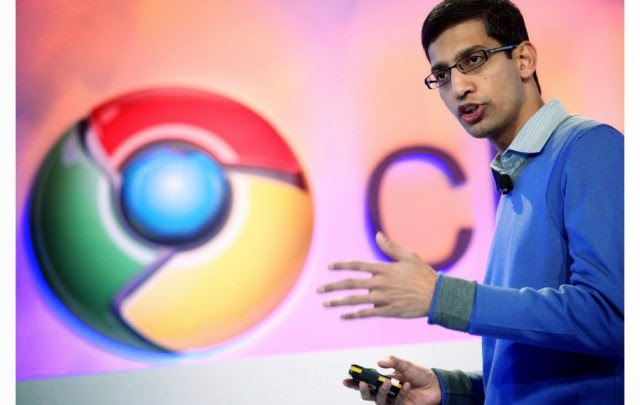
On Friday of last week, Google boss Larry Page sent out a memo to staff that Sundar Pichai – the man responsible for Android, Chrome, and Google Apps, will be taking on the responsibility of even more Google products. These products include Maps, Search, Research, Commerce, Ads, Infrastructure, and Google+.
Page said that the move would help free up more time for him to focus on bigger projects, such as new products and strategies for the corporate, while Pichai puts his concentration on the already-existing business units. Such a move like this makes most believe that a move like this is putting Pichai steps closer to getting the top job of Google, and he will most likely be taken over the seat when Larry Page decides he’s done.
Pichai was born Pichai Sundararajan in the Indian city of Chennai (formerly Madras) in 1972 and earned a Bachelor’s degree in Technology from IIT-Kharagpur in West Bengal, a Master’s degree from Stanford University, and an MBA from the Wharton School of the University of Pennsylvania. After a brief spell at management consultants McKinsey & Company, Pichai held various positions at Applied Materials before joining Google in 2004 as a product manager. He originally focused on Google Apps but later took responsibility for Chrome and Chrome OS, too. After Andy Rubin left the Android team in March of last year to concentrate on Google’s robotics ambitions, Pichai also added the mobile OS to his responsibilities, and has been the public face of the division ever since. – history source from theregister.co.uk.
What do you think of this move by Mr. Page? Comment below with your opinions.









































You must be logged in to post a comment.