Tag: samsung

  • The Best Mobile Gaming Devices of 2025

    The Best Mobile Gaming Devices of 2025

    As individuals with a love for playing games on mobile devices, we often face challenges that usually decrease the love of doing what we love. Mobile gaming has soared in popularity, reshaping the entertainment experience worldwide, especially in Africa where its influence is profound and keeps expanding on a daily. With the industry’s rapid evolution, selecting the right device is important for your casual or competitive activities. 

    This article reviews the top mobile gaming devices of 2025 using criteria like performance, display, and user comfort.

    Handheld Wars 2025: Asus ROG Ally vs. AYN Odin 2

    Asus ROG Ally
    mobile gaming devices

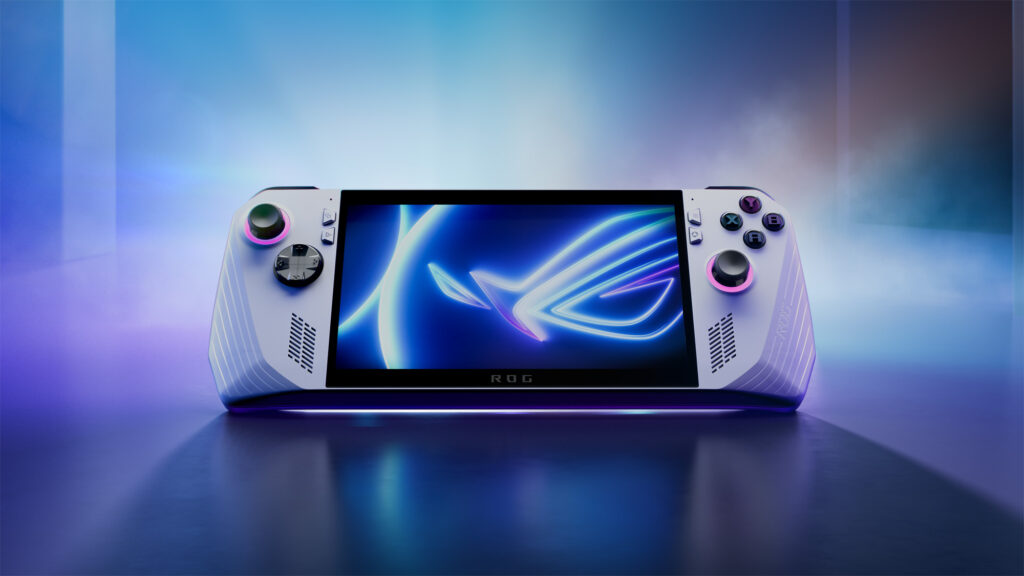
    This is at the pinnacle of gaming devices due to its reliability and power within the mobile space. The Asus ROG Ally stands out with its AMD Ryzen Z1 Extreme chip, offering incredible processing power. Its 7-inch screen is slick and crisp, perfect for gaming enthusiasts who demand top-tier visuals with the ability to play pc game passes and ease of playing games from other stores. The battery life reviewed here, exceeding many competitors, ensures prolonged gaming sessions on PUBG Mobile and Call of Duty Mobile without charging.

    PROSCONS
    Storage(1-TB SSD)Very comfortable for usersCan run most Windows apps or gamesMarginally Expensive (1 Million Naira and above)Low battery lifeThe design might make some Windows apps look strange

    AYN Odin 2

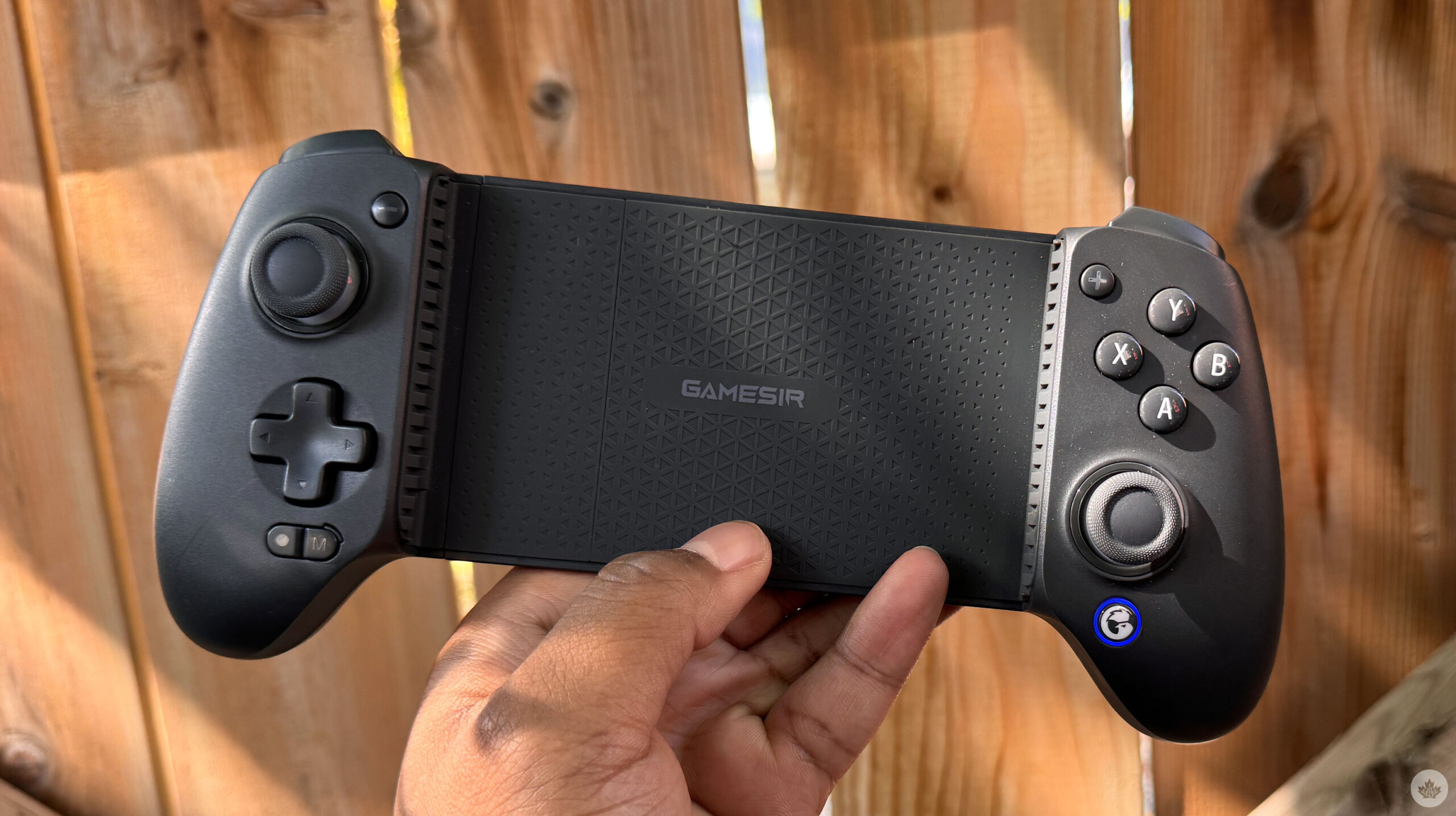
    This device is a prime choice for retro gaming fans. The AYN Odin 2 delivers exceptional performance and stands out with its targeted features for classic game lovers, ensuring a smooth and nostalgic gaming experience.

    PROSCONS
    Strong battery life and storage(1Terrabite)PWD (Snapdragon 8 Gen 2 Chipset)The design is compact and ergonomicLess expensive (Below 1 Million Naira)128GB/256GB/512GB

    Mobile Wars: iPhone 15 Pro vs. Samsung Galaxy

    iPhone
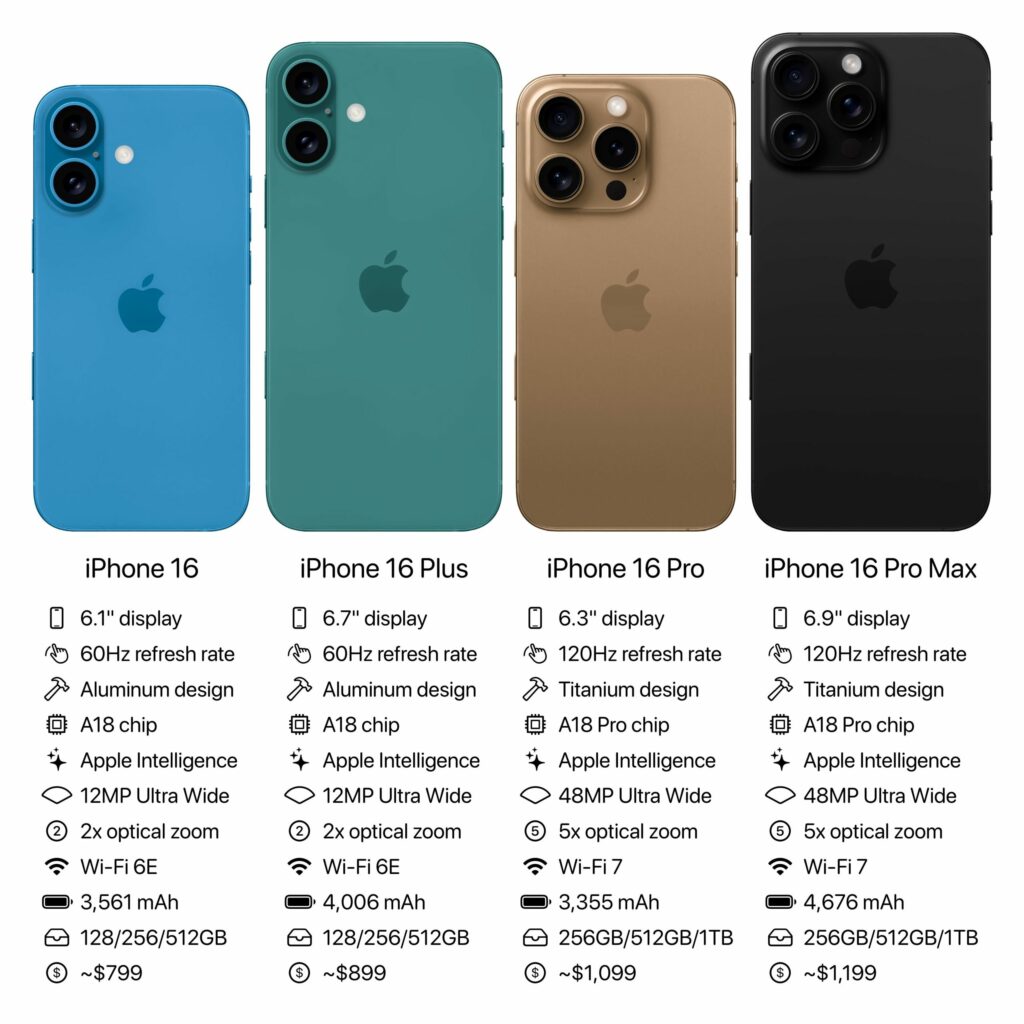
    Apple’s iPhone series continues evolving within the mobile space with the 15 Pro and 16 Pro. Both models offer seamless gaming experiences, however, the 16 Pro actualises more gaming experience through enhanced graphics and faster processors. Their compatibility with the latest mobile games adds to their unparalleled versatility and appeal. You may want to visit here to get more information on their gaming compatibility.

    PROSCONS
    PWD (A17/18 Pro Chipset)Storage(256GB-1TB)Mildly comfortable for usersThe camera is decent (48MP)Expensive (1.5 Million Naira and above)Decent battery life (3,582 mPh)3D Graphics is decent (4144 pts) compared to its rival

    Samsung Galaxy S24 Ultra

    Samsung’s resurgence in mobile gaming is palpable. The Galaxy series combines impressive gaming capabilities with high-resolution displays, catering to avid gamers. Samsung’s focus on improving graphic deliveries and user experience sets it apart in a competitive market.

    PROSCONS
    PROSPWD (Snapdragon 8 Gen 3 Chipset)3D Graphics is higher (4444 pts) compared to its rivalDecent battery life(5,000 mPh)Storage(256GB- 1TB)Very Expensive (2 Million Naira and above)Too big and quite heavy

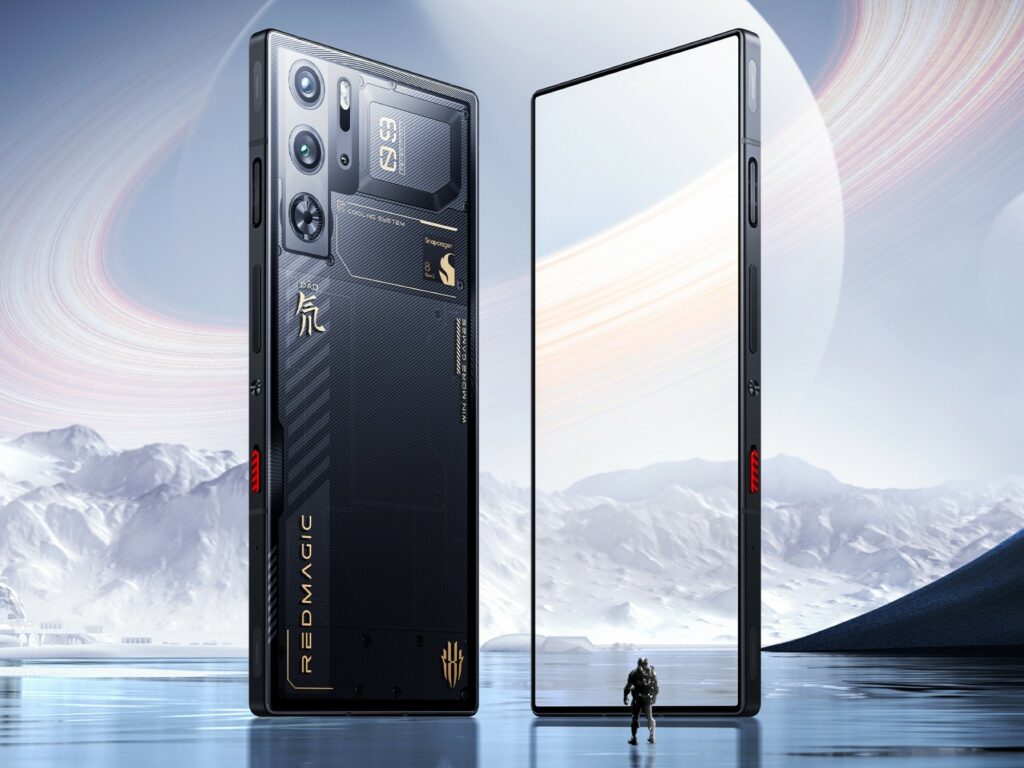
    Nubia Redmagic 9S Pro

    The Nubia RedMagic 9s Pro captures gamers’ attention with its combination of portability and display quality. It is the perfect mobile phone specifically made just for gaming, known for exclusive game titles like Call of Duty, Need for Speed, Wuthering Waves or Simpsons (as an idle game). 

    Also, it is a phone that boasts a screen that’s not just for play but for a visual feast. Its compact design, as explained here makes it an ideal companion for gamers on the move. However, the RedMagic 10 Pro and RedMagic 10 Pro+ are now available for pre-order in China as sales begin on the 18th of November 2024.

    PROSCONS
    Battery life (6500 mAh)Storage(256GB-1Terrabite)PWD (Snapdragon 8 LV Chipset)3D Graphics is higher (5381 pts) compared to SamsungThe camera is decent (50MP)Marginally expensive(Above 1 Million Naira)

    Key Features to Consider When Choosing a Mobile Gaming Device

    • Performance and Speed: Processing speed and RAM are critical in ensuring a remarkable gaming experience. Devices with advanced chips like the Snapdragon 8 will aid sufficient RAM to handle high-intensity games and graphics seamlessly, utmostly reducing lag.
    • Display Quality: An immersive gaming experience often relies on display quality. High screen resolution and adequate size are essential for clear graphics and engaging play. A graphical display above 4k will help aid a gaming mood without being in a gaming atmosphere. Devices with superior display capabilities ensure that visuals are rich and detailed.
    • Battery Life: Battery efficiency is a significant thing to look out for especially when looking for a gaming machine. It can make or break the gaming experience, especially during long commutes, esports tournaments or trips. Devices with advanced battery technology like the Redmagic might offer more extended playtime without frequent interruptions for charging.
    • Game Library and Compatibility: Access to a broad game library enhances the overall experience. Devices that support a wide range of storage spaces close to 1TB will always allow gamers to explore various genres and keep the excitement alive.
    • Ergonomics and Design: There is an old saying: “Comfort is key during prolonged gaming sessions.” Ergonomically designed devices like Odin 2 will help reduce hand strains and enhance the gaming experience. This only proves the significance of design as a crucial consideration when choosing gaming equipment or devices.

    Future Trends in Mobile Gaming Devices

    Integration of Cloud Gaming

    Cloud gaming is set to transform mobile gaming with free-to-play gaming services dominating the industry. Services like Xbox Cloud Gaming and NVIDIA GeForce Now allow you to stream high-quality games directly from your device, which in a way helps lower the demand for powerful hardware and also expand gaming options.

    Augmented Reality (AR) Capabilities

    The integration of AR technology into mobile gaming provides an innovative way to interact with games. This technology overlays digital content on the real world, offering new perspectives and immersive experiences.

    Enhanced Connectivity Features

    With 5G and Wi-Fi 6, mobile gaming is more interconnected than ever. These features ensure stable, high-speed connections, crucial for online multiplayer games and real-time interactions.

    Choosing the right mobile gaming device involves balancing performance, display quality, and user comfort. The devices mentioned represent the pinnacle of mobile gaming in 2024, each providing unique qualities that cater to different aspects for maximum satisfaction. However, these devices might not be budget-friendly for the average gamer, you may want to visit here for a much cheaper budget device as a gamer. 

    Finally, on a personal note, if you have the financial strength for any of the above, you might want to consider the Nubia Redmagic 9S Pro for your next gaming investment to match your passion. Additionally, if you’re an esports startup or a business owner aiming to enter the gaming market in Nigeria and need assistance with market analysis and data collection, you can find more information here.

  • Samsung Galaxy Watch 7 Series: July Unpacked Event

    Samsung Galaxy Watch 7 Series: July Unpacked Event

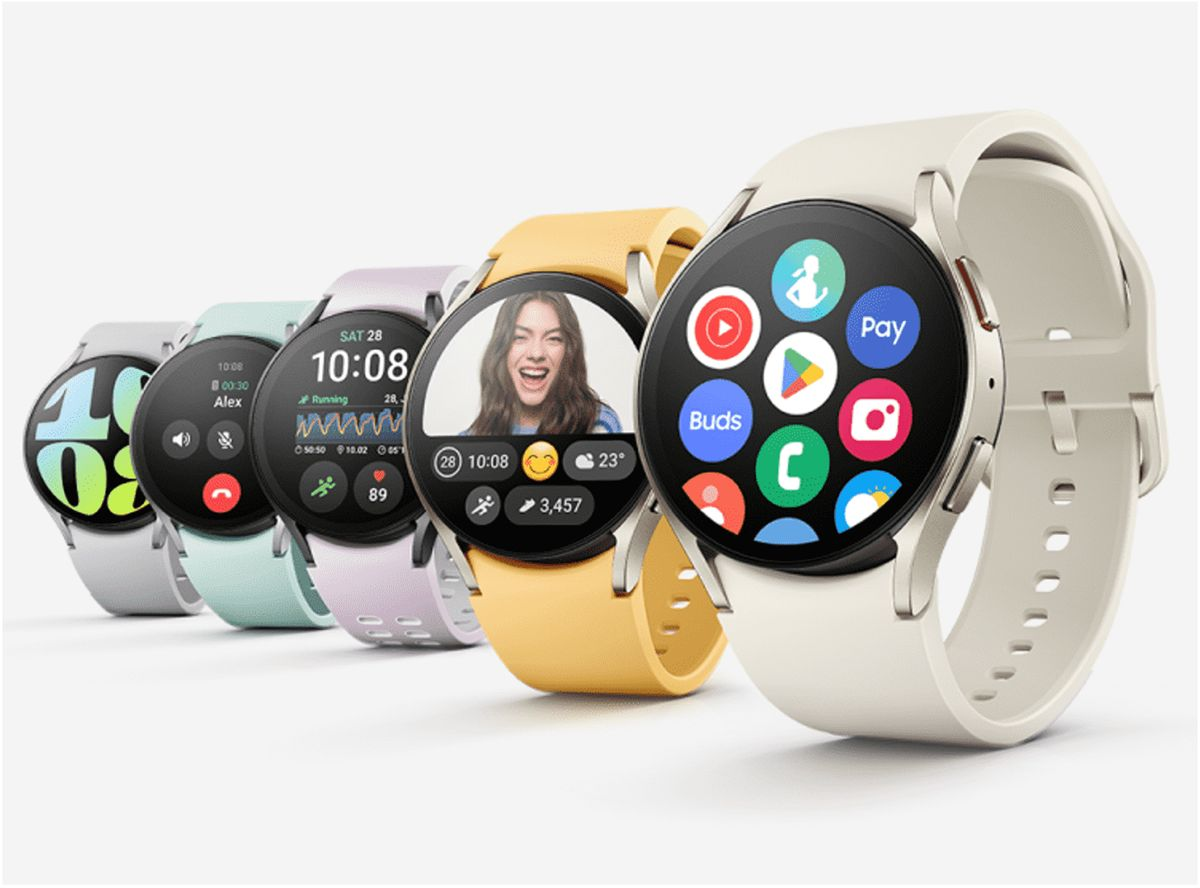
    Samsung’s next-gen smartwatches identified by model numbers SM-L300, SM-L305, SM-L310, and SM-L315, have been spotted on the FCC certification. The latest Galaxy Watch 7 series will be revealed at the next Samsung Unpacked event scheduled to be held on July 10, 2024.

    We got wind of some of the features, including Wi-Fi and LTE connectivity, and different models; Galaxy Watch 7, Galaxy Watch 7 Classic/Pro, and Galaxy Watch 7 FE. Samsung is also expected to showcase the Galaxy Z Fold 6 and Galaxy Z Flip 6.

    Samsung, Apple, and Google have been the leading competitors in the wearables and smartwatch market for years now. The Samsung Galaxy Watch 6 is one of the best smartwatches for Android users, especially those with Samsung phones. It features a rotating bezel, health and fitness tracking, durable sapphire glass, potentially longer battery life, LTE connectivity, and a more competitive price than the Apple Watch Series 9.

    Although the Galaxy Watch 6 and Watch 6 Classic are ideal for Android users, the Apple Watch Series 9 continues to set the standard for smartwatches. It runs on the efficient S9 chip, with improved battery life and on-device Siri processing for quick and private responses. Features include Double Tap, which lets you control the watch by tapping two fingers together, an FDA-cleared electrocardiogram sensor, and SpO2 measurement, although this last feature is no longer available on US models sold after January 18, 2024, due to the Apple Watch blood-oxygen monitoring patent dispute.

    Google’s Pixel Watch 2 which is another good smartwatch for Android users now includes auto-start workout detection, fall detection, SpO2 measurements, and a modernized Fitbit app. It also introduces Safety Check and Body Response features for stress detection and management. Although it’s great for health and fitness tracking, the battery life lasts only about a day.

  • Best Fitness Trackers to Monitor Your Fitness Journey

    Best Fitness Trackers to Monitor Your Fitness Journey

    In today’s wearable scape dominated by smartwatches like the Apple Watch, and Samsung Galaxy Watch, fitness trackers remain a reliable option. Particularly for those seeking a trusted device to accurately track fitness metrics without the distractions of constant notifications. Or fitness trackers with more configurable features. We extensively reviewed some of the best fitness trackers and handpicked the ideal options for most people.

    While smartwatches have their advantages, fitness bands are better alternatives in a number of ways. Smartwatches may offer exceptional performances, including on-watch apps, alerts, and advanced fitness features. But fitness trackers excel in their primary purpose of tracking physical activity during workouts or exercises. With their compact size, longer battery life, and affordability, fitness trackers remain a good choice for those who prioritize accurate fitness monitoring without the distractions of a smartwatch.

    Best Fitness Trackers to Buy in 2023

    Fitness trackers have greatly advanced in functionalities over the last few decades. Gaining momentum from mere predictions of inventors like Leonardo da Vinci about devices capable of step tracking to advanced health monitoring in present times. Today, wearable technology has gone over and beyond with the invention of sleek smartwatches for not only tracking steps, but skin temperature, heart rate, calories, and sleep patterns, the options are vast. In 2023, the market is teeming with the best fitness trackers with even cooler tweaks and we’re about to share them all.

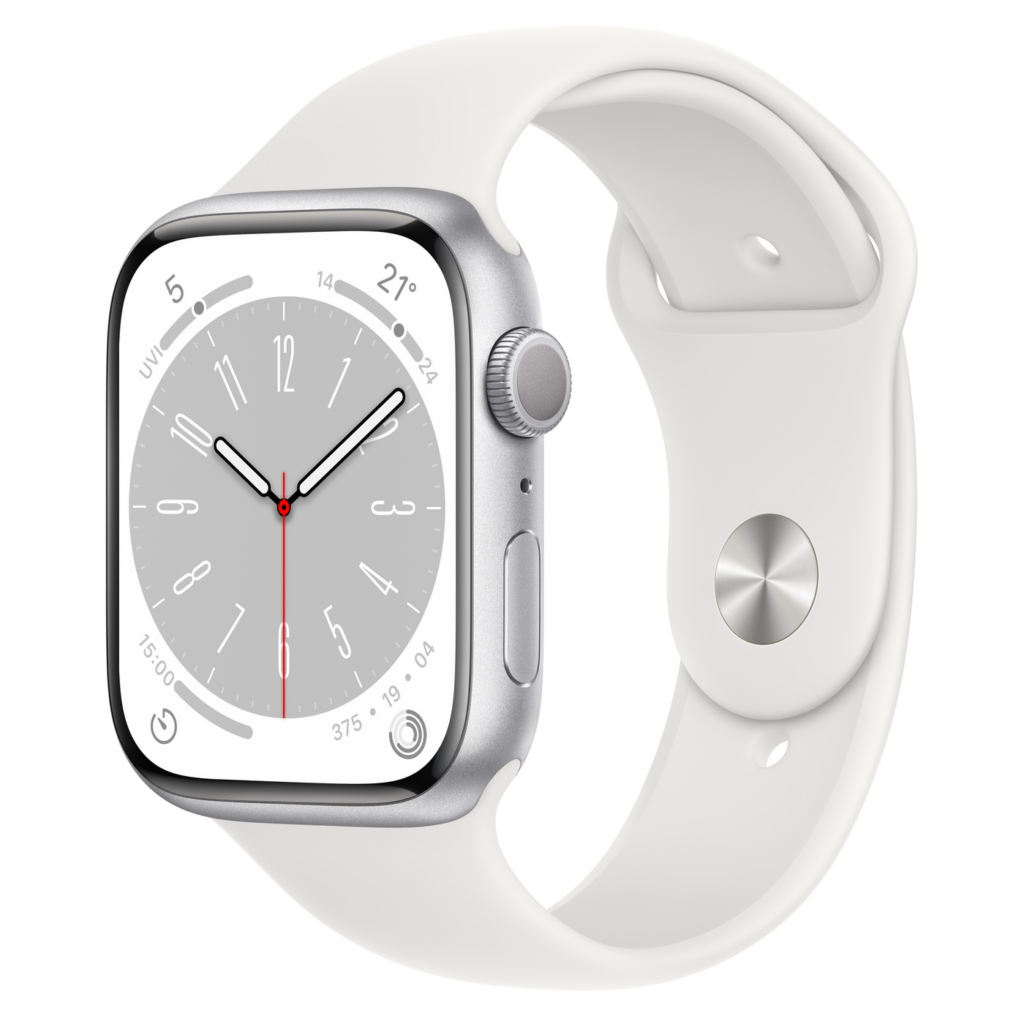
    Apple Watch Series 8

    Apple Watch Series 8

    The Apple Watch Series 8 is the latest offering from Apple, boasting impressive features like watchOS 9 and unique additions such as Crash Detection and temperature sensors for menstrual cycle tracking. It comes with a design that closely resembles its predecessor, the Apple Watch 7, with its curvier chassis and thinner display bezels. The larger screen offers enhanced features like Always-On Display, new watchOS 9 faces, and a QWERTY keyboard for messaging. While these features may not be new to Apple Watch Series 7 users, those upgrading from older models will appreciate the redesigned look and increased usable screen space.

    Apple has introduced a skin temperature sensor in the Series 8, which is beneficial for sleep tracking and cycle tracking. The sensor helps monitor deviations in overnight temperature for sleep analysis and can predict ovulation windows based on wrist temperature for users trying to conceive. Additionally, it can provide validation for those with conditions affecting their menstrual cycles. The data is secure and can be shared selectively, such as with a doctor assisting with fertility treatment.

    Crash detection is a notable safety feature in the Apple Watch Series 8, made possible by upgraded motion sensors. The watch can detect crashes with improved accuracy and automatically call emergency services and notify emergency contacts.

    Another significant upgrade is the low power mode, borrowed from the iPhone, which allows users to disable power-draining features while keeping the watch functional. With low power mode enabled, the battery life of the Apple Watch Series 8 can extend up to 36 hours.

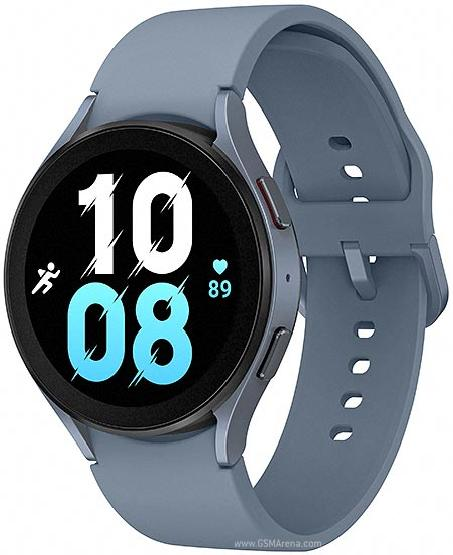
    Samsung Galaxy Watch 5

    Samsung Galaxy Watch 5

    Designed for Samsung phone users, the Samsung Galaxy Watch 5 is a feature-packed smartwatch for fitness tracking. Compared to its predecessor the Galaxy Watch 4, Samsung Galaxy Watch 5 offers a refined design. It offers improved wearable health features, including advanced sleep tracking and body composition analysis. Notable new features include a temperature analysis sensor and comprehensive fitness tracking capabilities. The watch runs on Wear OS powered by Samsung, offering seamless integration with other Samsung devices.

    Unlike the Galaxy Watch 4 lineup, the Galaxy Watch 5 does not feature a rotating bezel, which may disappoint some fans. However, the reshaped curvature on the bottom of the watch enhances watch-to-skin contact for improved accuracy on data collected from the biometric sensor. The watch remains water-resistant and boasts a display made of sapphire crystal glass, for increased scratch resistance. The Galaxy Watch 5 comes in four colors and offers interchangeable bands for personalization.

    Although battery life could be better, it is an improvement over its predecessor.

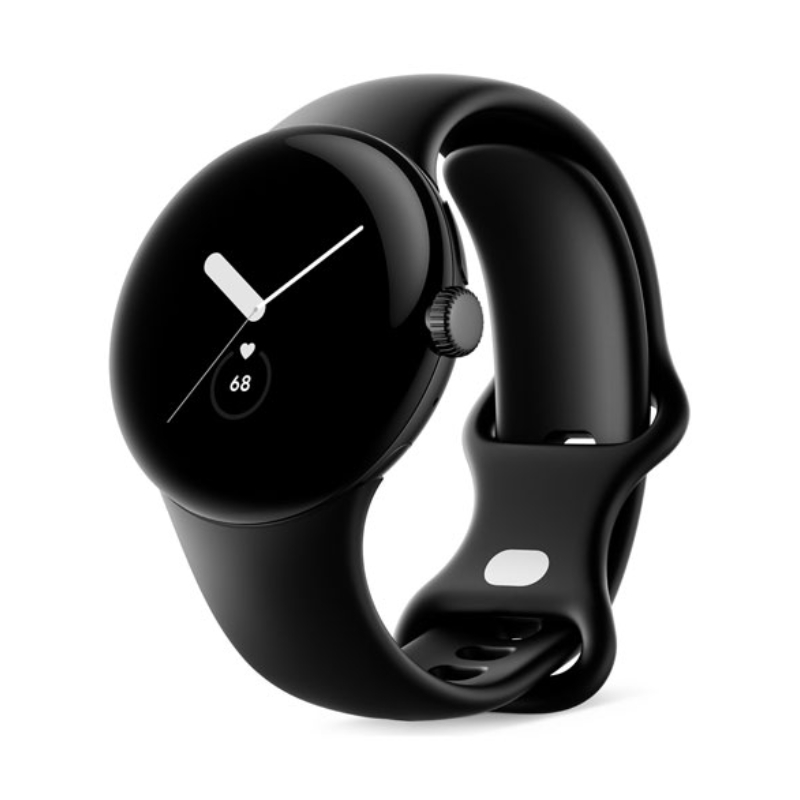
    Google Pixel Watch

    Google Pixel Watch best fitness trackers

    The Google Pixel Watch boasts a simple and minimalistic design, available in a single size of 41mm. While some may desire a larger alternative, the watch fits well. Its face features a rounded design with a 3D glass dome, which somewhat distracts from the thick bezel but leaves a significant portion of the display unused.

    The watch predominantly uses a dark mode interface and watch faces with black backgrounds to conceal the bezel. The Pixel Watch comes in matte black, silver, and gold, with interchangeable straps that require a learning curve to replace. The Watch marks Google’s debut in the smartwatch market and is one of the best fitness trackers with a native Fitbit integration. Aside from its stunning domed display and native Fitbit integration, it delivers excellent health-tracking capabilities. Offering users over 40 workout styles, heart rate monitoring, ECGs, and GPS tracking. Fitbit Premium unlocks advanced features such as a Daily Readiness Score and detailed sleep tracking analysis. The Pixel Watch integrates with Google services through Wear OS, providing access to various daily programs and services.

    Fitbit Charge 5

    Fitbit Charge 5

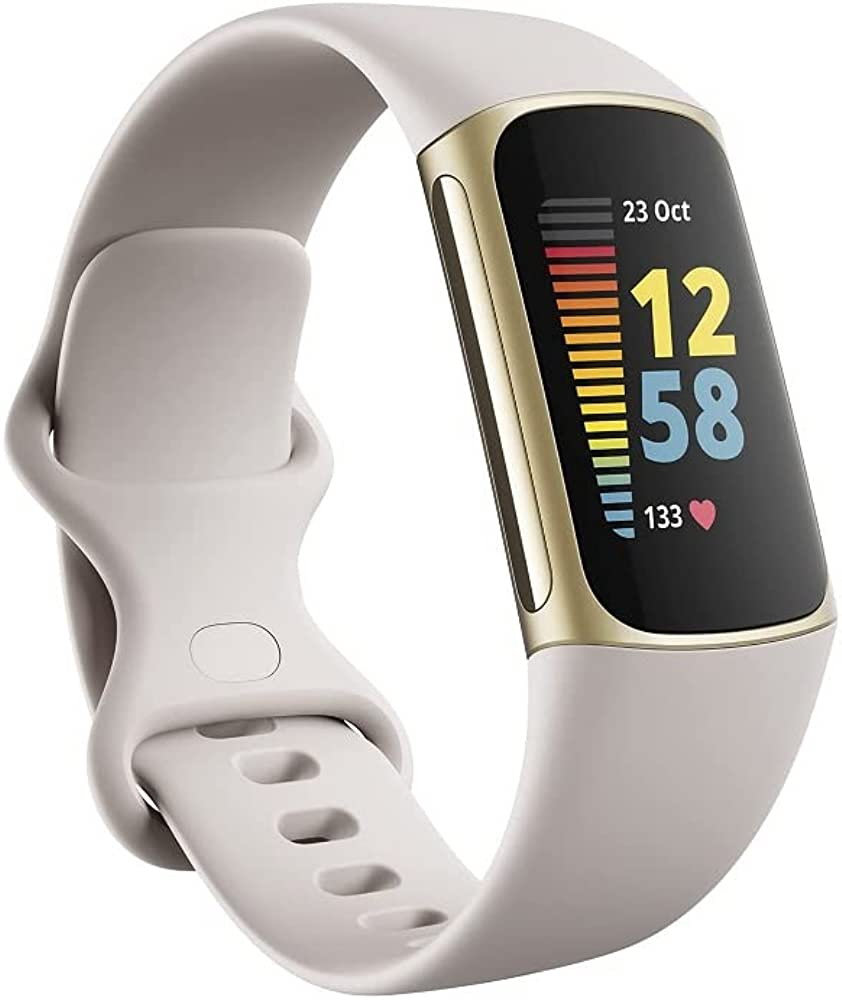
    The Fitbit Charge 5 emerges as the top choice among fitness trackers, offering a comprehensive set of features. With its built-in GPS that delivers fast and accurate tracking, the Charge 5 excels as a versatile fitness tracker and stands out from smartwatches. Its full-color AMOLED display and slim design make it more stylish than its predecessor, the Charge 4. The device boasts stress-tracking capabilities and future updates will introduce ECG measurements and Daily Readiness Scores. Fitbit Pay support and all-day and all-night battery life further enhance its appeal.

    Amazfit GTR 4

    Amazfit GTR 4 best fitness trackers

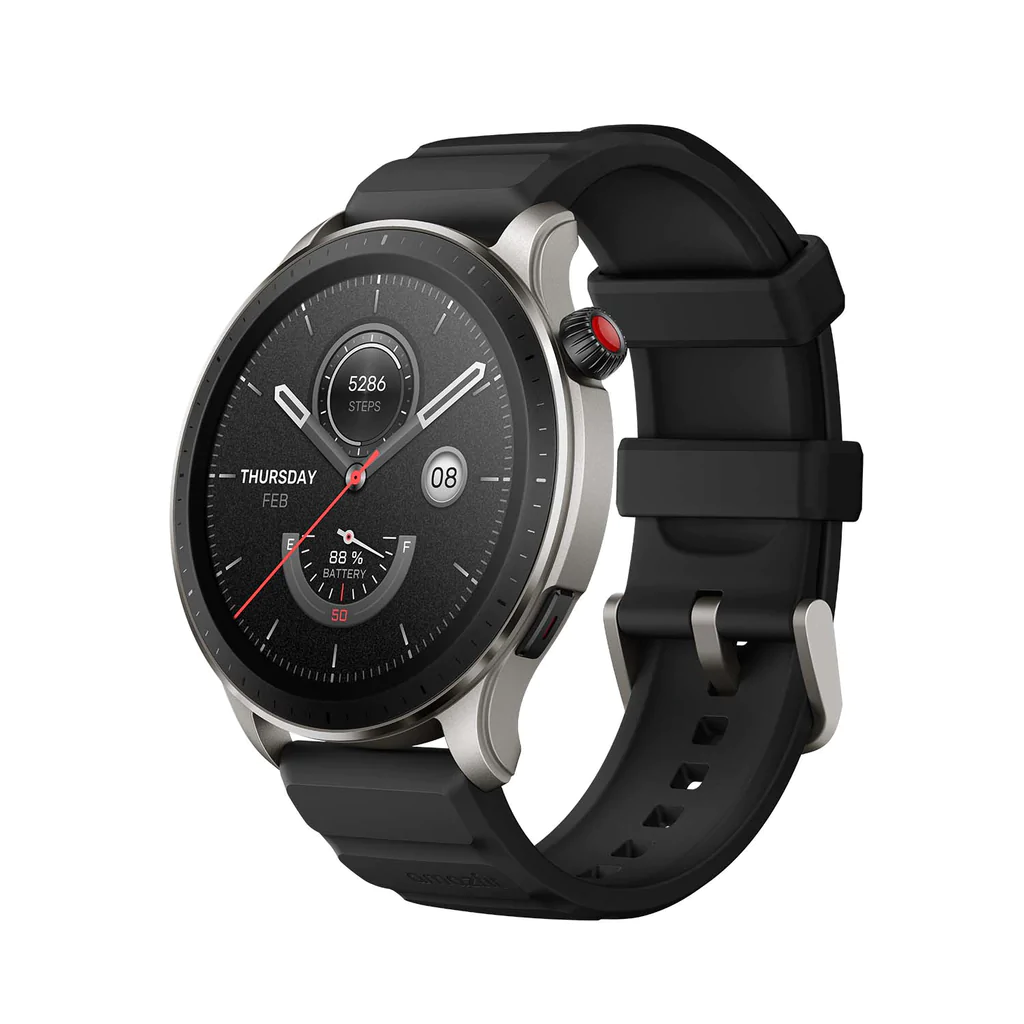
    The Amazfit GTR 4 is a great alternative to popular smartwatch brands like Apple and Samsung. Despite some limitations in in-app support and notification interaction, it offers a fantastic design, long battery life, and reliable activity tracking.

    The GTR 4 features a premium look and feel with a beautiful AMOLED display and always-on functionality. Its hardware is impressive, with a lightweight body and durable build. However, the included rubber band may cause discomfort and requires frequent cleaning.

    Running on Zepp OS, the GTR 4 has a simple and functional interface. While lacking extensive app support, it offers useful features and connects seamlessly with both Android and iOS devices. Notably, it supports Alexa and Bluetooth calling.

    The watch is excellent for tracking activities and health metrics such as heart rate, sleep, stress levels, and blood oxygen levels. It comes with a 475mAh battery, delivering approximately ten days of usage on a single charge. The absence of daily charging makes it convenient and comparable to higher-end models.

    Considering its affordability, attractive design, and essential smartwatch functionalities, the Amazfit GTR 4 is among the best fitness trackers for budget-conscious buyers.

    Garmin vívosmart 5

    Garmin vívosmart 5

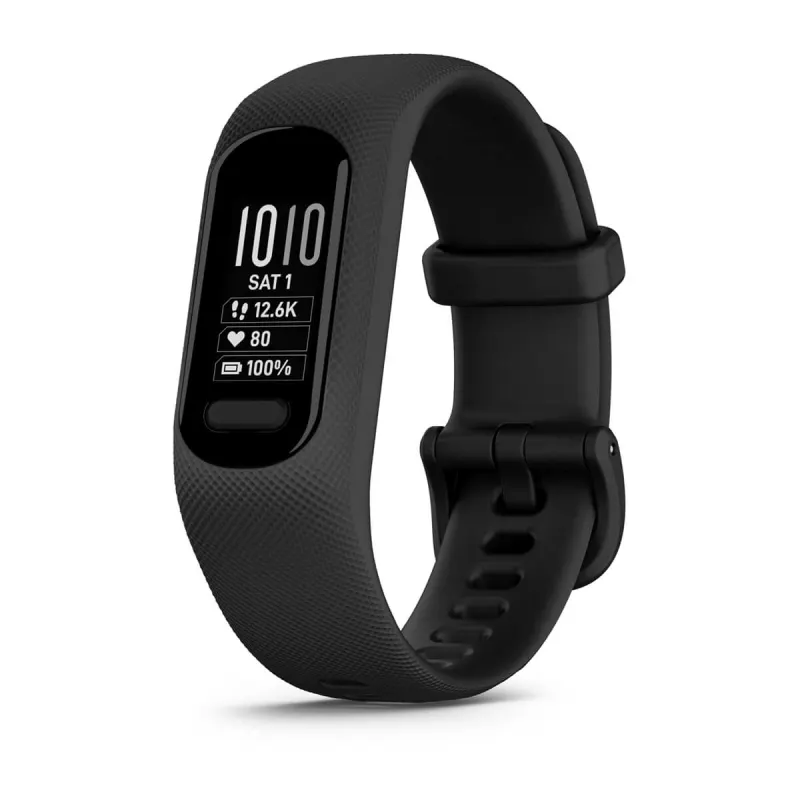
    A sleek and modest alternative to dozens of other smartwatches, the Garmin vívosmart 5 showcases Garmin’s expertise in fitness tracking. Garmin has made significant but subtle design improvements to the Vivosmart 5, focusing on usability. The addition of a physical button enhances navigation and activity control, addressing the previous touchscreen issues. The monochrome OLED display is 66% larger than its predecessor, making it easier to read messages and allowing scrolling text to avoid message truncation. The screen shows at least three stats simultaneously.

    However, the Vivosmart 5’s display remains somewhat challenging to view, especially while in motion. Compared to other fitness trackers like the Fitbit Charge 5 and Amazfit GTR 4, its black-and-white screen feels outdated. It may not be as beginner-friendly as top Fitbits, requiring some time to understand its functions, but familiarity improves with usage.

    The Vivosmart 5 comes in two sizes and offers interchangeable bands, a convenient option using Garmin’s official bands for now. Third-party alternatives may become available. Battery life is around seven days without all-day blood oxygen monitoring, reducing to approximately three days when enabled. However, given that blood oxygen monitoring is most useful for sleep tracking, it can be selectively activated during sleep only.

    Fitbit Inspire 3

    Fitbit Inspire 3 best fitness trackers

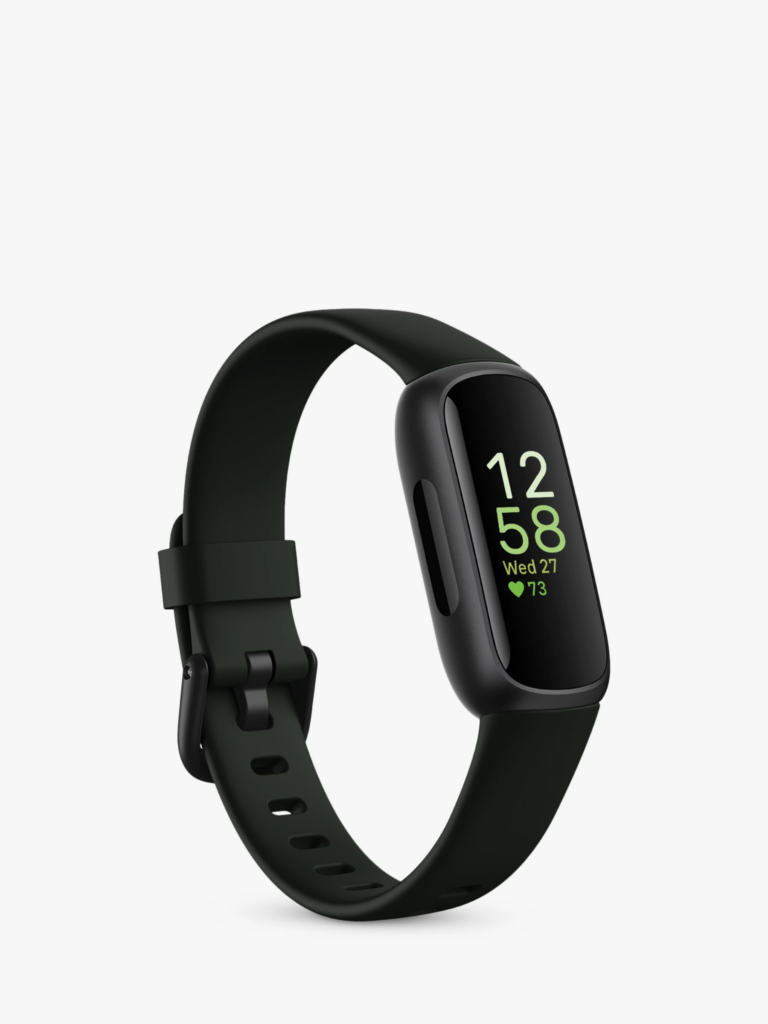
    The Fitbit Inspire 3 closely resembles its predecessor in terms of design, featuring a compact size and rounded edges. It is lightweight and comfortable to wear, almost unnoticeable throughout the day. Notably, the Inspire 3 stands out with its bright and clear AMOLED display, giving it a premium feel without a higher price tag.

    The tracker incorporates two haptic buttons for easy navigation, although the small screen may not be ideal for extensive message viewing. It is more suited for those seeking overall health insights without the complexities of a full-fledged smartwatch.

    Fitness tracking capabilities include heart rate, steps, calories, Active Zone Minutes, stress, SpO2, and sleep monitoring, all at an affordable price. While the small screen makes it challenging to view live feedback during activities, attaching the tracker to clothing can be a practical workaround. The heart rate accuracy is comparable to more expensive alternatives.

    Additional features include reminders, weekly exercise goals, water intake tracking, weight changes, and menstrual cycle tracking. Fitbit excels in sleep tracking, accurately monitoring sleep duration and quality. However, advanced sleep insights and scores are locked behind a premium subscription. The Fitbit Inspire 3 boasts up to 10 days of battery life, providing ample usage without frequent recharging.

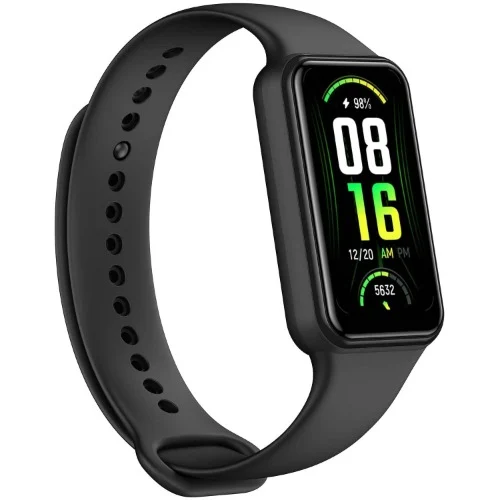
    Amazfit Band 7

    Amazfit Band 7 best fitness trackers

    The Amazfit Band 7 has undergone a significant upgrade with improved features such as a more vibrant OLED display, longer battery life of up to 28 days, etc.

    The case, constructed from polycarbonate is lightweight and available in black or beige. And it is customizable with wristbands in green, blue, pink, or orange colors. Health and fitness tracking capabilities include step counting, heart rate monitoring, stress level assessment, blood oxygen saturation measurement, and sleep tracking.

    The watch can be set up and customized using the Zepp app, which allows users to personalize vibrations, watch faces, and configure notifications. It also supports third-party app integration and features Amazon Alexa as a voice assistant. In addition to providing lightweight comfort, the Amazfit Band 7 is also dust and water-resistant. One of the best fitness trackers in 2023.

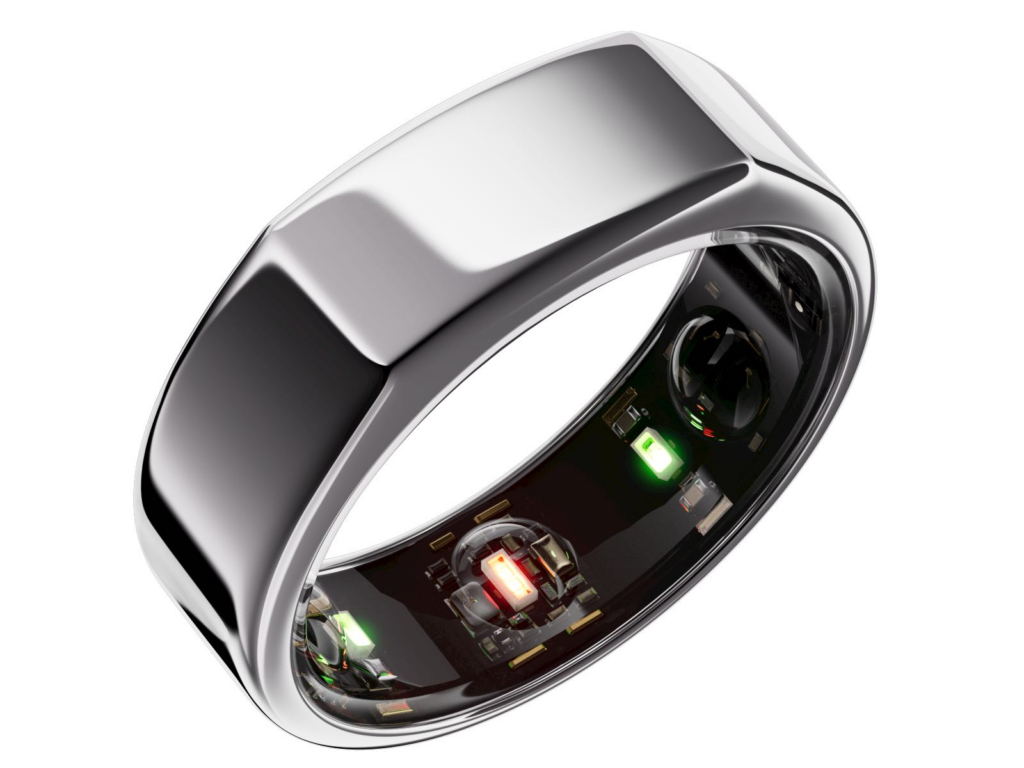
    Oura Ring Gen 3

    best fitness tracker 2023 - Oura Ring Gen 3

    Meanwhile, those seeking a discreet and minimalist option will find the Oura Ring Gen 3 an appealing preference as a fitness tracker. The Oura Ring Generation 3 is a discreet piece of jewelry that seamlessly blends with other silver rings, concealing its advanced features until closer inspection. With its titanium loop, one can easily reveal the underside sensors, which include heart rate, respiratory rate, and body temperature sensors housed within three inner ridges. The ring is designed to be worn on the index finger with the slightly-flattened edge facing up for accurate readings.

    In terms of activity tracking, the Oura Ring Generation 3 is not intended to display metrics during workouts. Instead, it can track calorie burn, steps, walking equivalency, and hourly movement through the Oura app. It assesses workout intensity based on heart rate and elevated activity minutes, incorporating data from Apple Health or Google Fit. The app also allows retroactive exercise logging and can estimate completed workouts.

    For sleep monitoring, the Oura Ring provides valuable insights such as total time spent lying down, hours of sleep, resting heart rate, sleep efficiency, and a daily sleep score.

    The Oura Ring offers an advanced and accurate sleep-tracking experience compared to devices like the Apple Watch. It even provides a Rest Mode feature that can automatically activate if irregular body temperature is detected. The battery life of the Oura Ring Generation 3 is estimated to last up to a week.

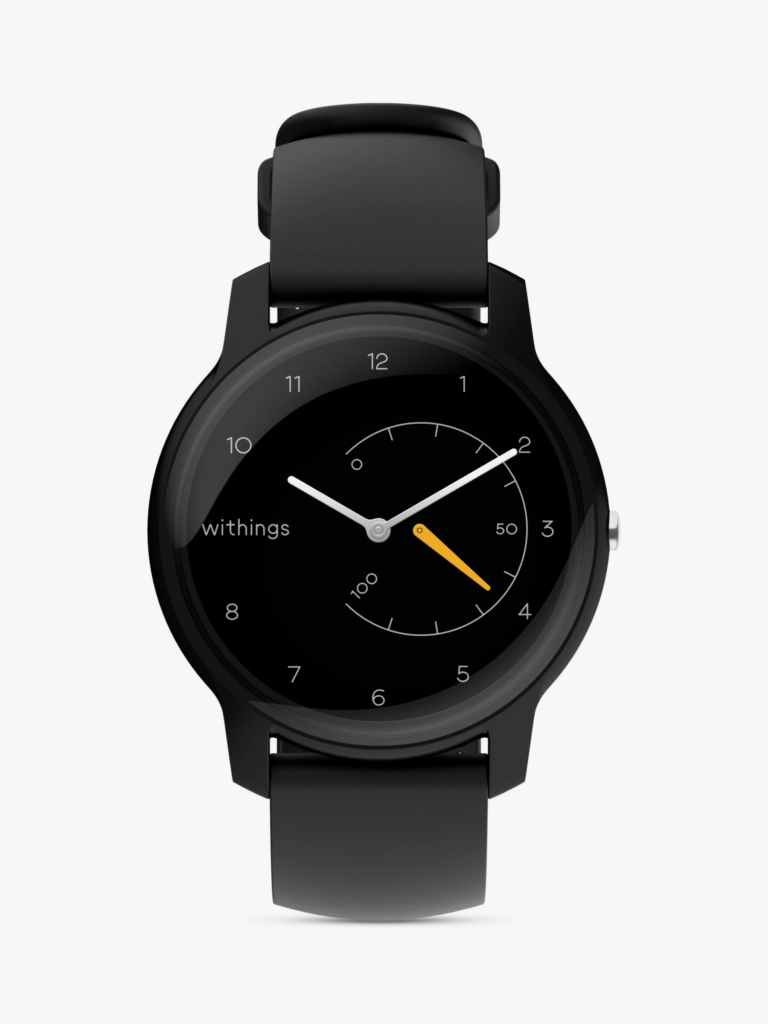
    Withings Move

    Withings Move best fitness trackers

    For those in need of a fitness tracker with a more standard yet fashionable design, the Withings Move is an ideal choice. The analog watch incorporates style with basic fitness tracking features such as step, calorie, distance, and sleep monitoring. It also includes other features such as connected GPS, auto-recognition for over 30 workouts, and water resistance. The Withings Move boasts an impressive battery life of up to 18 months, thanks to its button-cell battery. This eliminates the need to frequently juice it up.

  • Samsung unveils the Exynos 8 Octa CPU

    Samsung unveils the Exynos 8 Octa CPU

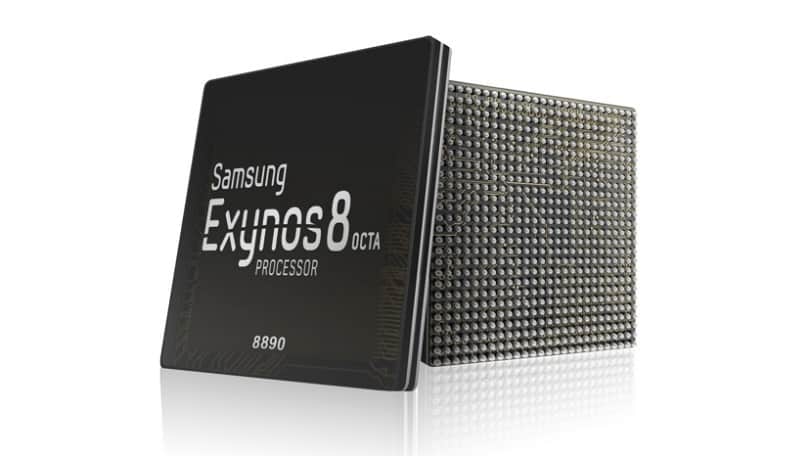
    406238-samsung-exynos-8-octa-8890Today, Samsung announced the Exynos 8 Octa 8890 CPU processor.

    This is the companies second “premium” chip built on 14nm FinFET process technology. It has a custom 64-bit CPU with four custom cores and four ARM Cortex A53 CPU cores. These specs improve the performance of the processor by 30% and cause it to use 10% less electricity.

    Samsung said devices with its chips will allow users “to enjoy and share high-resolution video content on the go with ease.”

    With our custom designed CPU cores and the industry’s most advanced LTE modem, consumers using mobile devices with the Exynos 8 Octa will experience a new level of mobile computing.” – Dr. Kyushik Hong, Vice President of System LSI marketing at Samsung Electronics.

    The tech giant has also added that the new CPU can allow for highly immersive gaming and life-like virtual reality experiences thanks to Mali-T880; ARM’s latest GPU.

    Sasmung had unveiled its first 14nm mobile application processor in February of this year. The company’s expected initiation for the Exynos 8 Octa mass production is set for later into this year.

  • Turn on Smart Life with the latest Samsung Galaxy S6 – Samsung Galaxy S6 Specs

    Turn on Smart Life with the latest Samsung Galaxy S6 – Samsung Galaxy S6 Specs

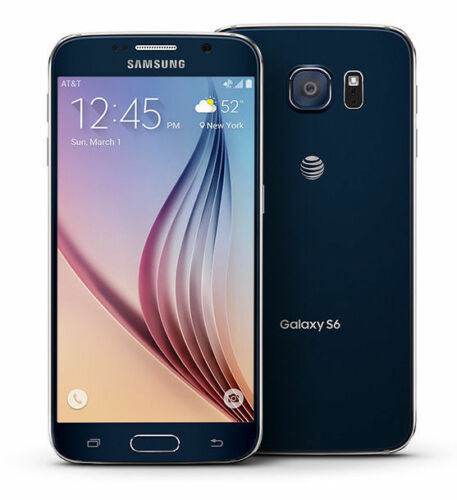
    From the front, the S6 looks a lot like the Note Edge — though this time both sides of the screen feature Samsung’s unique curve. And that dark gray metal backside looks pretty nice and is a huge step above anything that Samsung’s produced to this point. Goodbye, fake leather. We can’t say we’ll miss you. Expect to see an end to all these teases when Samsung officially unveils the Galaxy S6 on March 1st. T-Mobile’s website says there’ll be much more to share on that date.

    Preliminary Specifications

    NETWORK
    Technology: GSM / HSPA / LTE

    LAUNCH
    Announced: Exp. announcement 2015, March 1

    Status
    Exp. release 2015, Q1

    BODY
    Dimensions: 143.3 x 70.8 x 6.9 mm (5.64 x 2.79 x 0.27 in)
    SIM: Nano-SIM
    – Fingerprint sensor (PayPal certified)
    – Samsung Pay (Visa, MasterCard, AMEX certified)
    – IP67 certified – dust and water resistant
    – Water resistant up to 1 meter and 30 minutes

    DISPLAY
    Type: Super AMOLED capacitive touchscreen, 16M colors
    Size: 5.0 inches (~67.9% screen-to-body ratio)
    Resolution: 1440 x 2560 pixels (~587 ppi pixel density)
    Multitouch: Yes
    Protection: Corning Gorilla Glass 4
    – TouchWiz UI

    PLATFORM
    OS: Android OS, v5.0 (Lollipop)
    Chipset: Exynos 7420
    CPU: Quad-core 1.3 GHz Cortex-A53 & Quad-core 1.9 GHz Cortex-A57
    GPU: Mali-T760

    MEMORY
    Card slot: microSD, up to 128 GB
    Internal: 32 GB, 3 GB RAM

    CAMERA
    Primary: 20 MP, 4992 х 3744 pixels, optical image stabilization, phase detection autofocus, LED flash
    Features: Geo-tagging, touch focus, face detection, HDR, panorama
    Video: 2160p@30fps, 1080p@60fps, 720p@120fps, HDR, dual-video rec.
    Secondary: 5 MP, 1080p@30fps, dual video call

    SOUND

    Alert types: Vibration; MP3, WAV ringtones
    Loudspeaker: Yes
    3.5mm jack: Yes

    COMMS

    WLAN: Wi-Fi 802.11 a/b/g/n/ac, dual-band, Wi-Fi Direct, hotspot
    Bluetooth: v4.0, A2DP, LE, apt-X
    GPS: Yes, with A-GPS, GLONASS, Beidou
    NFC: Yes
    Infrared port: Yes
    Radio: No
    USB: microUSB v3.0 (MHL 3 TV-out), USB Host

    FEATURES

    Sensors: Accelerometer, gyro, proximity, compass, barometer, gesture, heart rate
    Messaging: SMS(threaded view), MMS, Email, Push Mail, IM
    Browser: HTML5
    Java: Yes, via Java MIDP emulator
    – Wireless charging (Qi-enabled) – market dependent
    – ANT+ support
    – S-Voice natural language commands and dictation
    – Smart stay, Smart pause, Smart scroll
    – Air gestures
    – Dropbox (50 GB cloud storage)
    – Active noise cancellation with dedicated mic
    – MP4/DivX/XviD/WMV/H.264 player
    – MP3/WAV/WMA/eAAC+/FLAC player
    – Photo/video editor
    – Document viewer

    BATTERY
    Li-Ion battery: Stand-by
    Talk time

    MISC
    Colors: Charcoal Black, Copper Gold, Electric Blue, Shimmery White

  • Samsung Galaxy Note Pro Review and Spec

    Samsung Galaxy Note Pro Review and Spec

    PROS Large, vivid screen Excellent battery life and performance Office and videoconferencing apps are built inCONS No wired display connection Flip cover doubles as a flimsy stand Avoid using it for pictures Exceptionally high price

    AT A GLANCE

    Spending $750 for an Android tablet seems exorbitant. But the Samsung Galaxy Note Pro offers a larger screen, excellent battery life, and access to the Android and Samsung app stores. When one considers the wealth of inexpensive Android tablets available, the idea of paying $750 for a 12-inch Android tablet seems inconceivable. But if now isn’t the time for consumers to start thinking of large Android tablets as legitimate Windows laptop replacements, that day isn’t far off.
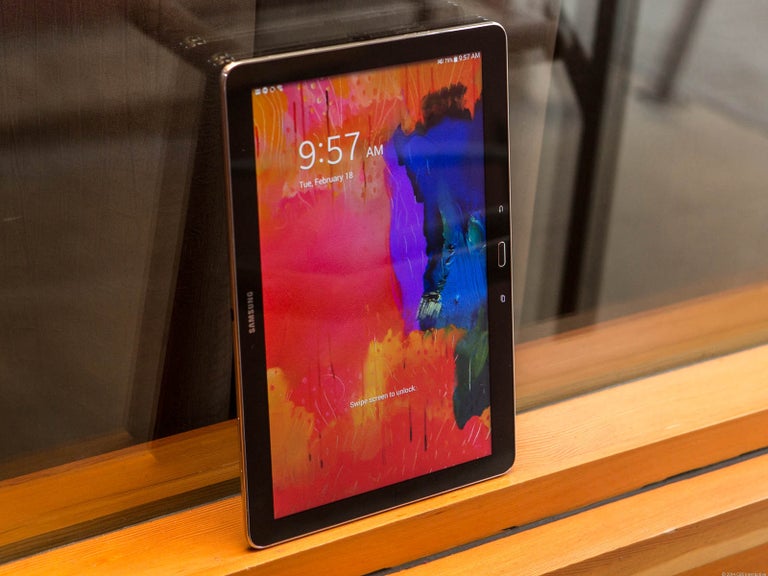
    That’s right: a Windows laptop replacement. That’s the only way to consider the Samsung Galaxy Note Pro, a massive tablet that, like the Microsoft Surface, works best on a desk. Samsung’s 12.2-inch Galaxy Note Pro (7.95 mm thick, 1.65 pounds) is virtually identical to the Galaxy Tab Pro, save for the addition of an S-Pen stylus.

    This is not a competitor to smaller tablets like the Nexus 7. Indeed, if last year’s Galaxy Note 3 smartphone doubles as a reporter’s notebook, then the new Galaxy Note Pro is something akin to an electronic legal pad. And with a surprisingly complete selection of productivity apps in both Google Play and Samsung’s own app store, this massive Android tablet can help you get real work done.

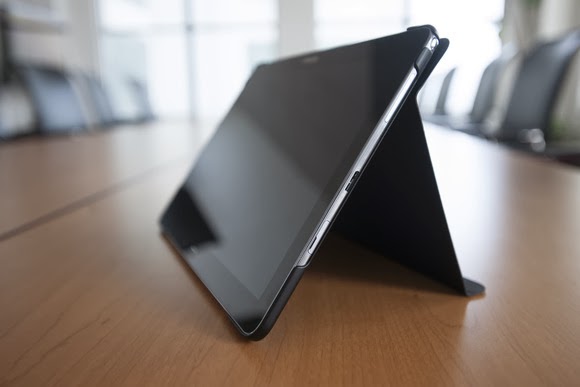
    The Galaxy Note Pro lacks an integrated keyboard, and the cover, which does double duty as a stand, is a little flimsy.

    The Note Pro is available for either $750 for a 32GB model, or $850 for 64GB of onboard storage. So far, Samsung has yet to announce the price for a model with an integrated LTE WLAN chip. According to Samsung, the Wi-Fi version of the Note Pro houses a 1.9GHz quad-core ARM Cortex A15 chip, powering Android 4.4 (KitKat). Our performance tests produced a Sunspider score of 0.97 seconds (which hits the upper echelons of the tablet market), and a PeaceKeeper score of 815. For the sake of comparison, the iPad 3 managed 516 in PeaceKeeper, and the Dell XPS 10 hit 324 (higher scores are better).

    The Samsung ‘Surface’

    It’s not much of a stretch to consider the Note Pro as Samsung’s response to Microsoft’s Surface 2 Pro, which starts at $899 for 64GB of onboard storage. Both the Note Pro and the Surface Pro 2 ship with foldable keyboard covers; the Note Pro’s can be configured so that it wakes up and unlocks the tablet when flipped back. But while the Note Pro’s cover actually doubles as a stand, it’s not immediately obvious that it does so.

    The Note Pro also lacks an integrated keyboard, such as the Surface’s Type and Touch Covers. In fact, to use it as a laptop replacement, you’ll need to buy a Bluetooth keyboard and possibly a mouse. That completely eliminates its use as a “lap top” computer.
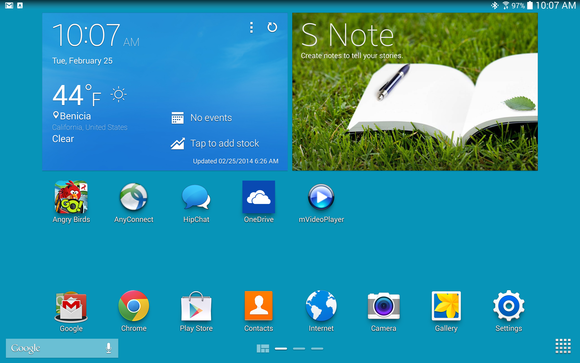
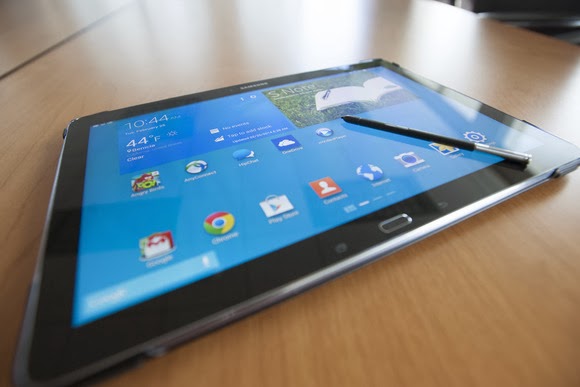
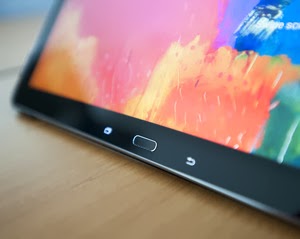
    Physically, the Note Pro looks like a Note 3, flipped on its edge. The tablet is designed to be held in landscape mode, with the physical home button mounted between the back and applications buttons. Near the top sits the 2-megapixel front-facing camera, with an 8-megapixel camera at the back. (Unfortunately, the cover lacks a rear camera cutout, so when thumbing the camera button, you’ll have to awkwardly hold up the cover.) Volume and power switches sit on the top, while an all-important microSD card slot sits on the side.

    An underrated productivity tool

    Like the Note 3, the Note Pro uses the new USB 3.0 connector, collecting juice through a high-output charging plug. Charging the Note Pro takes about three to four hours, but battery life is excellent: You’ll see two, possibly even three days or so of casual use from its integrated 9,500 mAh battery, and our looping video test ran down the battery in 8 hours, 37 minutes. That’s on par with the Dell XPS 10 tablet.

    Unfortunately, you won’t be able to use the Note Pro on long flights. The tablet, its stand and a Bluetooth keyboard will take up too much room on a seat-back tray. But you can still use the tablet for mid-flight video playback in your hands. The 12.2-inch display boasts a 2560×1600 resolution and 247 ppi pixel density, and you can even hook up an external monitor care of an optional external HDMI dongle for $39.99.

    One of the problems with Samsung’s latest devices, beginning with the Galaxy S4 smartphone, is their overwhelming number of largely extraneous features, such as the “smart pause” feature that supposedly pauses video playback when you look away. You’ll see a number of these still hidden deep within the Note Pro’s settings menus—but thankfully turned off.

    Feel free to mix and match entertainment and work apps—the Note Pro can handle both.

    The default home screen contains a giant reminder widget for S Note, so that you don’t forget the S Pen. Equally useless New York Times and Twitter widgets can be tossed out. And, fortunately, a collection of news and entertainment apps, such as WatchON and a version of Samsung’s Flipboard-like My Magazine app, are confined on the peripheral screens.

    You can use the pen to draw your own windows,
    as I did, using the S Pen.

    As with the Note phones, pulling out the S Pen triggers several options, including an Action Memo; the ability to save content into a Scrapbook; and my favorite, the Pen Window. The Pen Window lets you run a second app inside a window, providing Android with a desktop-like multitasking environment. You simply draw a box, and when it’s done, select the app you want to fill the space.

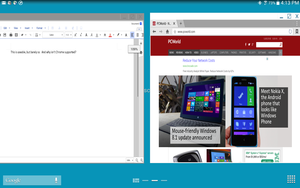
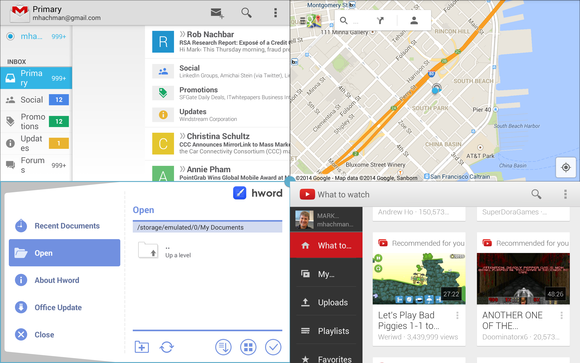
    Samsung, however, now has a better option: Multi Window mode, which Samsung has made available on only the largest Galaxy Tab and Note tablets. To trigger Multi Window mode, you swipe in from the right-hand side, via a list of supported apps. (YouTube is supported, for example, but Angry Birds is not. And, inexplicably, Chrome is not supported by Pen Window mode, but it is under the Multi Window view.) Dragging one app to the main screen fills it. Dragging a second “snaps” the screen into two halves—and so on, up to a total of four screens. On a smaller tablet, this is a gimmick, but on a larger tablet like the Note Pro, it’s surprisingly useful.

    Multi Window can show four apps at once, or you can snap two. This is amazingly useful.

    A viable office suite

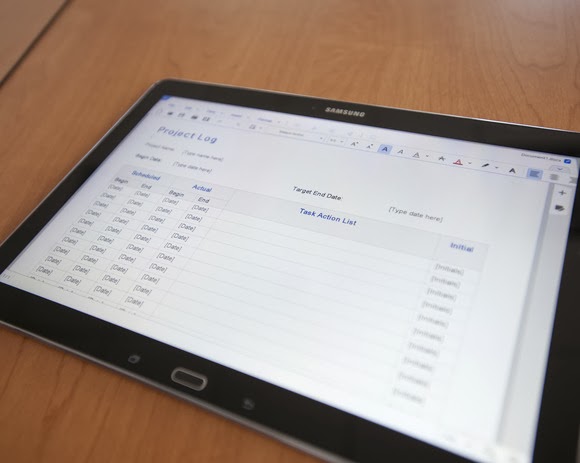
    More impressive are the numerous productivity apps that are either available via the Note Pro itself or via Samsung’s own app store. Apps such as Cisco’s WebEx, a Samsung Remote PC app (an alternative to Microsoft’s own Android app, Microsoft Remote Desktop), and the Hancom Viewer are all included. On Google Play, Hancom’s Hanword, a word processor, cost over $17 at press time, but on the Note Pro, it’s free, as are similar apps to view and edit PowerPoint and Excel documents.

    The Hancom apps ship in both “viewer” and editable versions, and the Note Pro tends to open files in the “viewer” version first without an option to choose the editing app, which is annoying. Google’s own Quickoffice is also installed. Aside from some possible font compatibility issues, the Hancom apps seemed to work surprisingly well.

    Keep in mind one thing: With the Note Pro, these productivity apps are free. If you purchase a Surface Pro 2, you’ll also need to pay for a subscription to Office 365 or a standalone copy of Office 2013. That pushes the long-term cost up.

    Hancom’s app suite makes the Note Pro a viable productivity tablet.

    Samsung inexplicably omitted the VPN app that it included on the Note 3, meaning that you’ll need to search out an Android version, such as Cisco’s Easy Connect, on the Play Store. In all, though, I found Android versions of virtually every productivity app I wanted from either the Samsung or Google Play, giving me a PC-like experience on an Android tablet.

    This is the bottom line. Windows PCs and Macs represent the power-user extremes of the computing experience, owning everything from Adobe Photoshop to the latest first-person shooters. But tablets are for centrist users: Android tablets and iPads dominate casual gaming, and more and more light-productivity apps are being written for those platforms.

    The sum of its parts—a large screen, excellent fantastic battery life, multi-app windows, and equivalent PC software—not only make the Note Pro a viable choice for a tablet enthusiast, but a jumping-off point for an adventuresome road warrior to leave the Windows world entirely. If only Samsung could knock another $150 or so off the price.

  • Samsung Introduces 4GB RAM for Smartphones and Tablets

    Samsung Introduces 4GB RAM for Smartphones and Tablets

    A report on PC World has reviewed that Samsung Electronics has announced a new chip that will make it possible for the company and others to build smartphones and tablets with up to 4GB of RAM.

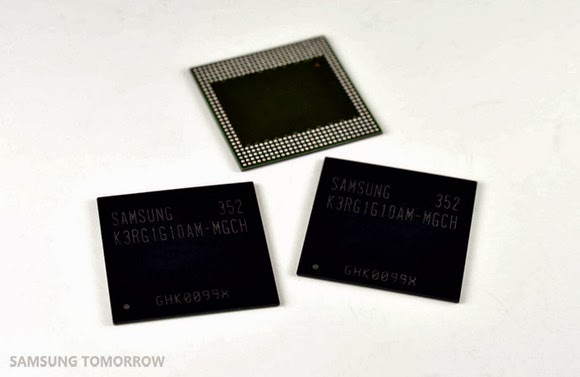
    Samsung has developed the industry’s first 8 Gigabit LPDDR4 (low power double data rate) mobile DRAM. By combining four of them, a high-end smartphone or tablet can get 4GB of RAM, Samsung said on Monday.


    Today many expensive smartphones have 2GB of RAM, while Samsung’s own Galaxy Note 3 has 3GB. The memory increase and performance improvement offered by Samsung’s chip will result in faster, more responsive applications and will open the door for more advanced features as well as higher resolution displays, according to the company. The product also consumes less power than current memory chipsets, it said.

    The chip will start shipping next year and it will be used by large screen smartphones, tablets and ultra-slim notebooks, according to Samsung. Some of the devices will also have 4K or UHD screens, the company said without offering any product details.

    Other expected smartphone trends for next year are faster LTE network connections and faster processors.
    Qualcomm recently announced the Snapdragon 805 processor, which runs four cores at up to 2.5GHz and is expected to be available in commercial devices in the first half of 2014. Samsung is expected to show what its next-generation high-end mobile devices will be powered by at the International CES trade show in Las Vegas next week. Last week, the company posted a message on Twitter asking if followers were ready to unlock Exynos, which is what Samsung calls its mobile processors, on Jan. 7.

  • Apple & Microsoft-Backed Rockstar Consortium Battles Google and Samsung Over 7 Nortel Patents

    Apple & Microsoft-Backed Rockstar Consortium Battles Google and Samsung Over 7 Nortel Patents

    Well, at the moment, it does look like a ‘never ending’ war between this two parties. “The Rockstar consortium is an organization backed by Apple, Microsoft, BlackBerry, Ericsson and Sony. It purchased patents off of the defunct telecommunications company Nortel in 2011, in a bidding war with Google.

    Now, the consortium has filed suit against Google, ASUSTek, HTC, Huawei, LG, Pantech and ZTE over those patents. The suit was filed in a U.S. District Court of Eastern Texas today.

    “Google placed an initial bid of $900,000,000 for the patents-in-suit and the rest of the Nortel portfolio. Google subsequently increased its bid multiple times, ultimately bidding as high as $4.4 billion,” the filing states. “That price was insufficient to win the auction, as a group led by the current shareholders of Rockstar purchased the portfolio for $4.5 billion. Despite losing in its attempt to acquire the patents-in-suit at auction, Google has infringed and continues to infringe the patents-in-suit.”

    Google famously bid some not-so-random numbers before the end, including ‘pi’. The suit also involves a licensee of the ‘Associative Search Engine’ 6,098,065 patent, NetStar, Inc.

    The other patents are US 7,236,969, 7,469,245, 7,672,970, 7,895,178, 7,895,183 and 7,933,883. They’re mostly fairly dry stuff related to database searches, relevance in advertising presentation and data sorting, but exactly the kind of stuff that makes Google’s special sauce work. We can’t speak to the strength of the patents, but they certainly appear to be relevant.” said techcrunch on their website, “Google lost out in a heated bidding war against Rockstar and went on to acquire Motorola, a move that many attributed to a patent grab, but that was also about hardware in a lot of ways.

    Notably, HTC has a cross-licensing agreement with Apple on some patents, but apparently not these. News of the suit was first reported by Reuters today.”

  • Samsung ridiculous plan to convert you to its mobile app theology

    Samsung ridiculous plan to convert you to its mobile app theology

    Tech Hive – Don’t be alarmed. Samsung’s leadership is launching a religious movement, but its goal isn’t to change everything you believe about good, evil or the meaning of life. It simply wants control of all your mobile platform needs.

    It’s an ambitious plan, and Samsung needs true believers—an army of street soldiers who can evangelize the mission, and indoctrinate new converts. The company began assembling the ranks when it introduced Samsung Apps, its own Android app store, with the release of the Galaxy S4 Smartphone earlier this year. And to further increase its headcount, the company held its first annual Samsung Developers Conference this week in San Francisco to entice startups and indie developers to build apps specifically for Samsung devices.

    The goal wasn’t just to evangelize and showcase what the company has accomplished with its partnerships, but also to demonstrate that Samsung is serious about building its own full-fledged app ecosystem—a marketplace it wants you to visit before you drop into Google Play.

    The world has gone app store crazy, and Samsung would be damned if it has to play second fiddle to anyone. And it really doesn’t have to, since it already has a solid hardware foundation built on every imaginable phone and tablet screen size from the 4.3-inch Galaxy S4 Mini to the 6.3-inch Galaxy Mega to the 10.1-inch Galaxy Note 10.1. At this point, Samsung really only needs to increase its flock of developers.

    Hence the recruiting drive at the Samsung Developers Conference. It’s the one true path to mobile salvation.

    Enticing devs with carrots

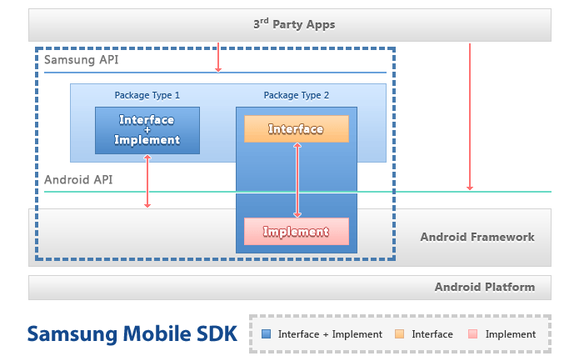
    Samsung launched its Mobile SDK to get developers to make apps specifically for its mobile devices.

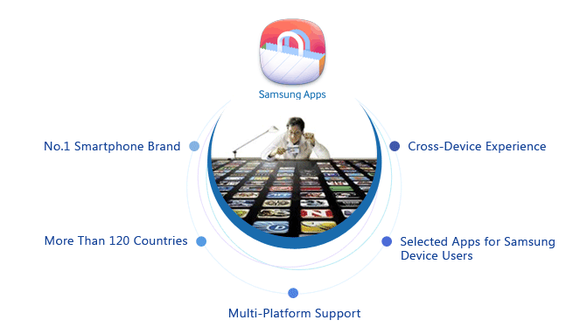
    In its conference keynote, Samsung hit developers with two compelling arguments in support of native app development: The company has tremendous reach around the world, including footholds in China, Southeast Asia, Japan, and Australia, and it’s also the number one Smartphone maker in most of those markets.

    The message resonated with Matt Nutt, VP of Business Development and Operations of Cie Games, an independent mobile game company that was featured as a part of an introductory video during the keynote. “They do have many devices, but they’re doing a lot to reduce the fragmentation of devices in terms of share on the Android marketplace,” Nutt told TechHive. “[We can’t ignore] any opportunities to leverage the marketing prowess of somebody like Samsung.”

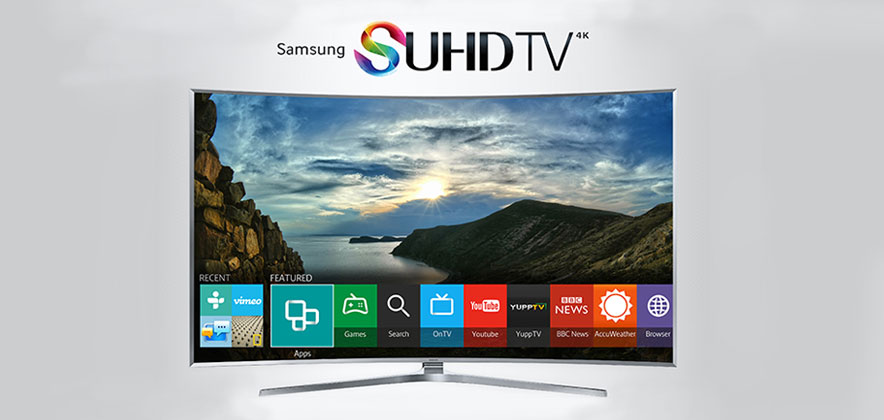
    But before you can get developers to populate your app store, you have to give them something to work with. So during its keynote, Samsung introduced five new APIs. These include a multi-screen gaming API that puts mobile games on TV screens; a Smart TV SDK that helps share mobile device content with Samsung TVs; and an SDK that supports more S-Pen controls, better handwriting recognition, and an improved multi-window feature.

    If developers take advantage of the SDKs, it means you’ll find more features and apps for your Samsung devices—along with more incentive for you, the consumer, to stick with Samsung hardware. And it’s all a blueprint for ecosystem propagation, where software boosts hardware sales, and hardware sales give life to more software downloads. Connect all the dots, and it begins to seem amazing that Samsung is only holding its first developer’s conference in 2013.

    A leg up on Google with the little things

    To help show would-be converts all the benefits of playing on Team Samsung, the company has been busy making native apps of its own. And some of them are ahead of native Android features, at least in terms of introducing new tricks to the mobile game.

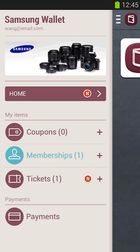
    Samsung Wallet has all the
    functionality that Google Wallet doesn’t.

    Take Samsung’s ChatON messaging applications, which let users chat with one another across all mobile and desktop platforms, send group messages, and chat in other languages with an auto-translate function. While Google has added features like SMS messaging to its Hangouts app, Android is still behind in features when compared to iOS’s iMessage, and Hangouts is only usable between the web and Android devices.

    Google Wallet must also play catch-up to match Samsung’s Wallet 2.0, which borrows much of its aesthetic and functionality from Apple’s Passbook. Samsung’s mobile payments app was released earlier this year on the Google Play store with features like the ability to store loyalty and gift cards (which Google just recently took out of its Wallet app). Samsung’s wallet app also enables geo-fencing for coupons to pop up when you’re near a store. Samsung’s app is also available to users overseas, while Google’s services are still limited to the United States, and only from specific carriers, like Sprint and US Cellular (which aren’t a part of the Isis mobile payment alliance formed by AT&T, Verizon, and T-Mobile).

    While Samsung’s in-house app development team may not match Google’s in size, it can still get developers with great ideas to work on features that Google doesn’t offer. Case in point: Samsung has partnered with Rabbit, an online video platform that lets you not only video chat with friends, but also watch video with them on external services like Hulu—all in real-time from your computer and (in due time) mobile devices. The upshot is that Rabbit will be featured front-and-center on Samsung hardware, and its neat features might make you consider it over Google’s own video-chat services on Android. Rabbit also trumps Google Hangouts in group conversations by allowing up to 20 people to chat in a room.

    And from ecosystem success flows… money

    Samsung to devs: Stick with us and we’ll get your app far.

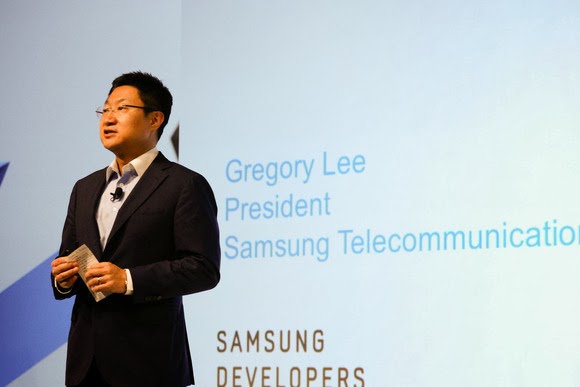
    At the beginning of his Monday keynote, Gregory Lee, President of Samsung Telecommunications of America, was excited. “We never expected a big crowd,” he told the audience. “We expected a small one.”

    According to Nicholas Reichenbach, co-founder and president of Rabbit, there’s a reason for the positive turnout. “Samsung’s marketshare had a lot to do with the attendance,” he said in a phone call. “Whatever Samsung is doing is very attractive to developers.”

    And what can be more “attractive” to an up-and-coming app developers than sales revenue? As Smartphone users, we often scoff at the apps that device manufacturers load on our phones. And we often bristle when we’re asked to visit yet another app marketplace, when we already have Google Play. But Reichenbach says one of the key attractions of Samsung Apps is that developers are seeing better monetization through Samsung’s mobile products.

    ”It’s always been difficult to monetize [on the Android] platform,” he says, “but with Samsung devices, we’re starting to see the monetization equal to other platforms.” And since Samsung’s high unit sales means it has more marketshare, app developers have more chances to make more money. “It’s starting to grow—potentially even greater than other platforms that are leading the market,” Reichenbach says.

    How much disruption makes sense?

    With more than 1,300 attendees at this week’s conference, it’s obvious there are at least a few developers who are interested in building for Samsung’s ecosystem. Indeed, Samsung can offer small, independent developers something that Google can’t right now: Prominent positioning in an app store that’s a lot less crowded than Google Play. So one can see why so many lost souls are interested in joining the Samsung effort.

    But where Samsung could really have a winning hand is not in courting small, independent developers, but in striking exclusive deals with big-name app powerhouses. It’s already teamed up with triple-A app developers like Twitter and Flipboard, and similar deals could compel you to buy the next Galaxy phone instead of a handset from HTC.

    Samsung is clearly forging full-steam ahead in its effort to become more than a device manufacturer, but it needs to figure out how to do so without continually disrupting the current Android marketplace. It may be helping to reduce friction within its own device family, but by branching off into its own ecosystem, it will just make fragmentation worse for Android as a whole.

    But maybe that’s the point. You can only have one religion—and Samsung wants to be yours.

  • Samsung Smart TV hack highlights risk of ‘The Internet of Everything’

    Samsung Smart TV hack highlights risk of ‘The Internet of Everything’

     A smart TV is only as smart as the person controlling it. So if the person in control is a hacker, the owner could have a problem. Researchers at security consultancy ReVuln say some smart TVs are vulnerable to hacking.
    It is another example of what experts say is the ever-expanding attack surface of devices that traditionally never faced the Internet, but are now “smart.”
    The researchers at the Malta-based company said they found a vulnerability in a number of smart TVs made by Samsung Electronics that gave them root access to the TV and any attached USB drives.
    They posted a video titled “The TV is Watching You,” which appears on a number of security vendor websites, including Kasperky Lab’s Threatpost. While there is no voiceover, the video shows the researchers accessing the TV settings and channel lists, SecureStorage accounts, widgets and their configurations, the history of USB movies, the ID, firmware, whole partitions and any attached USB drives.

    They were also able to retrieve the drive image, mount it locally and check for information like usernames, passwords, financial documents, or any other type of material on USB drives.
    Luigi Auriemma of ReVuln told the IDG News Service that hackers could even use the integrated webcam and microphone to watch the victim. And he said the vulnerability is not confined to the single model that ReVuln tested.

    What is affected

    “The vulnerability affects multiple models and generations of the devices produced by this vendor, so not just a specific model as tested in our lab at ReVuln,” the report said.
    Samsung did not respond to a request for comment, but ReVuln emailed a statement saying there is no firmware update yet, “as the details regarding this vulnerability have not been shared with the vendor.”
    The statement added that ReVuln has only tested Samsung, but said: “We think that other brands of TV may be affected by similar issues.”
    James Arlen, senior security consultant with Leviathan Security Group and a hacking expert, said the TV is just one example of the “Internet of Things” and other non-computer resources in homes that amount to “a huge new attack surface.”
    “I recently counted the number of IP addresses in my house and came up with all kinds of new things that require Internet access – not just the computers, game systems, tablets and music players, but also the bathroom scale, the thermostat and more,” he said. “Televisions are one of many, but also the most likely to have lots of interconnection possibilities.”
    He said the problem is not new, noting that, “printers got smarter and became a threat,” and that the number of smart devices continues to expand.
    Dan Frye, general manager of services at MAD Security, agrees. “A common way to get into enterprise networks is through printers attached to the corporate network. A TV on the corporate net is really the same thing,” he said. “In essence, you’ve got a computer inside some device, whether it be a printer, a TV, a toaster, the Coke machine, etc., and that computer is just as vulnerable to attacks as a normal computer would be.”
    “Any new piece of technology that connects to the Internet is a probable attack surface,” said Matt Johansen, WhiteHat Security threat research manager. “Look at the recent research by Barnaby Jack about insulin pumps and pacemakers.”
    “Who would have thought these devices would ever be susceptible to hackers?” Johansen said. “But if a hacker gets their hands on any device long enough, they’ll figure out a way to break it. It was hotel door locks, slot machines in the past and it will be the smart toasters and refrigerators in the future.”
    Gary McGraw, CTO of Cigital, said most people don’t think of their TV or other household devices as computers, but they are. “Your TV is just a computer with a monitor,” he said. “And it knows a lot about you—what you’ve watched, whether you were home at the time.”
    There is some disagreement over how much of a priority security is for devices that have only recently begun to face the Internet. “Focus on delivering the product to market means that the ‘Ship It’ award is more important than ‘Is it Hackable?’” Arlen said.
    Frye agrees that security standards for such devices are “immature.” But he said vulnerabilities are found “everywhere, all the time, in products that certainly take security into account. Microsoft, Google, and Apple are all great examples.”
    McGraw said while the vulnerability discovered by ReVuln is real, he doesn’t think Samsung is necessarily lax on security. “They make the most popular Android phone out there,” he said. “So they are in the [security] wars.”
    To deal with the ongoing threats, both consumers and enterprises need to “control your exit path,” Arlen said. “Most consumers are unaware of what traffic passes in or out of their primary systems, so they’re going to be even more unaware of the traffic to and from devices that are ‘furniture’ rather than computers.”
    “More manufacturers across lots of industries need to employ or engage with the “hacker-ish” community to solve the problems prior to the shipping of the product,” he added.
    Frye said that once products are released, manufacturers need to treat them like computers, and “have a way for people to report vulnerabilities and a way for patches to be deployed out to their consumers.”

    Samsung’s bug bounty

    Samsung has begun treating smart devices like computers. “Samsung has actually taken a step in a great direction with a TV bug bounty program for researchers to submit bugs to receive a reward ($1,000), which has been useful for the likes of Google, Facebook, Mozilla, and even PayPal,” Johansen said.
    However, every computing device is potentially vulnerable, and with “The Internet of Everything” there will be more of them all the time. “This problem will only get worse as we integrate more things into our home networks,” Frye said. “It’s the TV now, but smart devices, smart meters for our power, the toaster, thermostat—they’re all at risk in the same way.”

  • Funny! Samsung-Apple Rivalry Spreads to Retail Stores

    Funny! Samsung-Apple Rivalry Spreads to Retail Stores


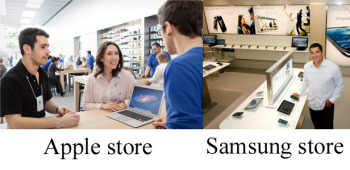
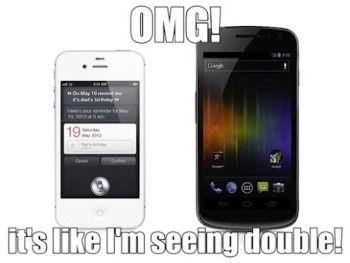
    Apple and Samsung have been locked in unceasing patent battles over their offerings, and now some people are accusing Samsung of even ripping off the design of Apple’s retail stores. But Apple doesn’t own the corner on using an open floor design and it certainly didn’t invent the idea of minimalism. And any retail store that sells phones and gadgets is going to have tables for playing with them. Microsoft stores do. Samsung recently opened its first North American retail store in Burnaby’s Metropolis at Metrotown, Vancouver, British Columbia and it can’t be denied that it does resemble an Apple Store with its open floor space, demo tables, and blue-shirted staff. But is Samsung intentionally copying Apple Store design?

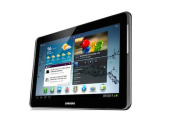
    Image compilation from Apple/Vancouver, B.C. SunImage from BetaNews.com Apple uses wood tables and Samsung has gone with white. Big deal? Not really. From what I’m seeing, Samsung’s store looks similar to countless exhibits you’d see at CES. As for the blue shirts that both Apple Store and Samsung Store employees wear, it’s worth remembering that Samsung’s company color is blue. This is hardly the first time Apple and Samsung have tangled. The former managed to get the latter’s Galaxy Nexus smartphone and Galaxy Tab 10.1 pulled from store shelves recently. A graphic from BetaNews’ Joe Wilcox is a great summation of the attitude many people have regarding Apple’s incessant insistence that other companies, Samsung in particular, are ripping it off. What’s your impression? Does it look to you as if Samsung intentionally cloned the Apple Store in its new retail location?  
  • Samsung, Embrace Your ‘Uncool’ Galaxy Tablets

    Samsung, Embrace Your ‘Uncool’ Galaxy Tablets

    Samsung, Embrace Your 'Uncool' Galaxy Tablets

    In the world of high-tech, gadgets getting tagged as “uncool” can be a death sentence for a product. That’s why Samsung’s win over Apple in a UK court on Monday is being viewed as a defeat by some people.
    Apple maintained in the case that Samsung’s Galaxy tablets infringed on the iPad design. Judge Colin Bliss ruled against Apple, but he handed Apple some fodder. He found that Samsung’s tablets “do not have the same understated and extreme simplicity which is possessed by the Apple design. They are not as cool.”

    Galaxy tablets uncool? No cut could be crueler. But it need not be. With the right spin, Samsung could turn Bliss’ slight into a positive marketing campaign.
    With some slick product shots that scream cool, Samsung could use tag lines like “It’s Cool to Be Uncool” or “Uncool Is the New Cool” or “How Cool Is Uncool?” or simply “Uncool” to sublimely reverse the judge’s verdict where it counts: in the minds of tablet shoppers.
    Samsung has used courtroom victories to highlight its tablets before. After defeating Apple in the Australian courts, it launched a campaign declaring that its Galaxy Tab was “The Tablet Apple Tried to Stop.”

    samsung gallaxy tab

    It has also shown that it’s capable of spinning Apple’s cool image against the American company. In its “Next Big Thing” campaign launched at the end of last year, Samsung mocked Apple diehards who lineup outside Apple stores for hours to be among the first to get a new product from the company.
    So Bliss’ “uncool” opinion of Samsung’s tablets isn’t the death sentence some commentators make it out to be. In fact, it could be the kernel of a successful marketing campaign for the Korean company. All Samsung has to do is embrace the uncool.

  • Samsung Galaxy S III: Everything You Need to Know

    Samsung Galaxy S III: Everything You Need to Know

    Samsung Galaxy S III

    Here’s the scoop on what Samsung didn’t discuss at the launch party of the next hot Android phone.

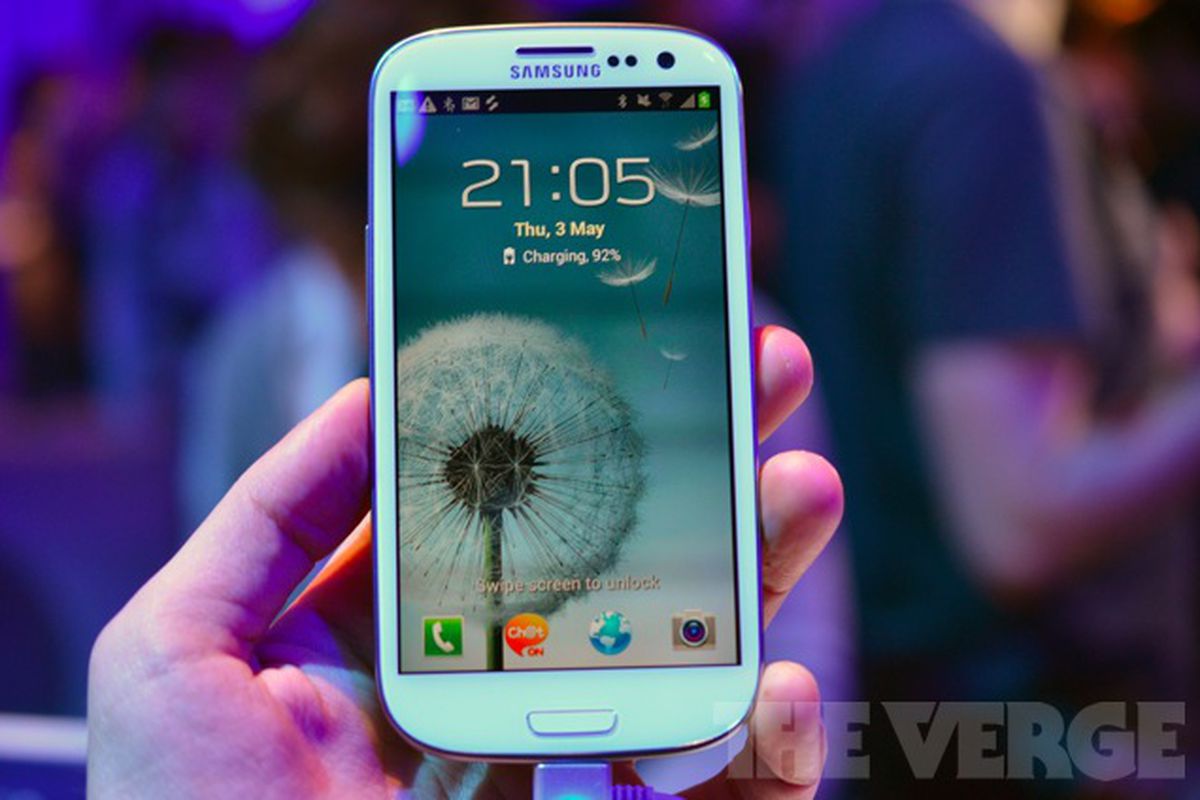
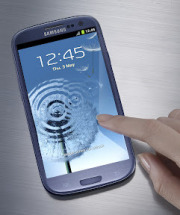
      Samsung Galaxy S IIIAfter all of the rumors and speculation, the Samsung Galaxy S III is finally here but you probably have a few questions about this new Android phone.
    Samsung is the master of flash and flare at its press conferences, but we’re here to help you get to the nitty gritty of why you should care about this phone. The Galaxy S III will go on sale in Europe on May 23. No official word yet on a U.S. launch, but it could come this summer.

    Can the S III Really Follow Your Every Move?

    The Samsung S III really wants to be your new best friend–your new psychic best friend. According to Samsung’s somewhat creepy commercial (shown below), the S III “follows your every move.” Scared yet?
    http://www.youtube.com/embed/_JkkkdH6zTQ
    In reality, the Samsung S III can do things like predict when you want the screen awake by using the front-facing camera to monitor your eyes. If you’re watching a movie on your phone and happen to fall asleep, the phone’s display will turn off.
    The S III also has a feature called S Voice, which is a customized voice-recognition system. Hmm, sound familiar? Like Apple’s Siri, S Voice can recognize a variety of commands. For example, you can say “snooze” when your alarm goes off and buy yourself a little more sleeping time. You can also say “direct call” and ring somebody while you’re in the middle of a text. You can also control the volume of your music, organize your calendar, and launch the camera via voice commands.
    However, there’s no word, so far, on whether S Voice works with third-party applications. S Voice works with eight different languages, including British English and American English. A few of my friends from across the pond have complained about Siri’s difficulty in understanding them so I guess this is good news there.

    Is It Quad-Core Powered?

    Samsung confirmed before today’s announcement that the Galaxy S III phones will be powered by the company’s own quad-core 1.4GHz Exynos 4 Quad processor. Oddly, however, the processor specs were not in the press materials we received today. I have a suspicion that the Samsung quad-core processor is not compatible with U.S. LTE networks. If true, we might see a different processor on the S III phones in the United States. Samsung would not comment on what sort of processor the U.S. versions will have when I asked.
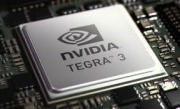
    NVdia Tegra 3HTC pulled a similar trick with the One X. The global version runs on an NVidia Tegra 3 processor, while the U.S. phone uses a dual-core Qualcomm Snapdragon S4 processor. NVidia’s quad-core processor was not yet compatible with AT&T’s LTE network at the time of the One X’s manufacture. In our benchmarks, however, the U.S. version of the One X did quite well despite having fewer cores.
    When Will the S III Come to the United States?

    According to our sources at Samsung, the 4G (HSPA+/LTE) versions of the S III will come to North America this summer. Samsung said it will optimize the phones for the LTE and HSPA+ networks. Timing, pricing, or carrier partners have not yet been announced.

    What is the Deal with the New Sharing Apps?

    Samsung made a big deal about the ease of sharing from the S III, but from what I can tell, it looks like you can only share from your S III to another. Samsung has enhanced Android Beam, which allows large files to be transferred between phones quickly. Now called S Beam, you can share music, photos, and up to 1GB of video from your S III to your buddy’s S III.
    To help you understand, here’s how Android Beam works on the Galaxy Nexus.
    Samsung also enhanced its DLNA service for sharing content from your phone to your TV. AllShare Cast lets you wirelessly connect your Galaxy S III to your TV, tablet, or PC and share files over WiFi. However, you’ll have to buy the separate All Cast Hub accessory in order to use this feature (see the Accessories question below)

    What is an HD Super AMOLED display?

    The 3.4-inch-thick S III has a 4.8-inch HD Super AMOLED display with a 1280-pixel by 720-pixel resolution. This is the same display technology we saw on the Galaxy Nexus. The Galaxy S II had Super AMOLED Plus, which is actually based on a PenTile pixel structure in which pixels share subpixels.
    The Galaxy S II phones, on the other hand, have full RGB displays in which the pixels have their own subpixels. This means that HD Super AMOLED displays have lower overall subpixel density, which could translate to reduced sharpness and degraded color accuracy.
    When we compared the Galaxy Nexus to the Galaxy S II, however, we didn’t notice a huge difference in display quality. The only quality different we detected was color accuracy, especially with whites (they appeared to have a yellowish tint). I have yet to see the Galaxy SIII up close and personal, so I’m not sure if it suffers from this same issue
    One cool thing is that despite the Galaxy S III having a larger display than its predecessor (4.8 inches versus 4.3/4.5 inches), it isn’t much bigger. There’s very little bezel around the phone as the display takes full advantage of the hardware real estate.

    Will Battery Life Really Improve?

    Battery life is the bane of every tech user. Samsung claims that it won’t be an issue with the S III as it has a larger 2100mAh battery. For comparison, the Galaxy S II has a 1560mAh battery, while the Galaxy Nexus has a 1750mAh battery. The granddaddy of phones with long battery life, the Droid Razr Maxx, has a 3300mAH battery.
    I fear that Samsung’s all-seeing front-facing camera might put a strain on the battery life, however. Also, phone manufacturers still haven’t worked out all the kinks with battery conservation on LTE networks. Battery life will depend on what sort of processor Samsung is packing into its S III phones for the United States and, as we’ve learned, this is still very much up in the air.

    Is the Camera Any Good?

    The Samsung Galaxy phones have always performed quite well in our PCWorld Test Center camera subjective tests. While I haven’t personally gotten my hands on the Galaxy S III’s 8-megapixel camera, I can tell you a little bit about its new features.
    According to Samsung, the Galaxy S III will have zero shutter lag. The company also claims that the camera will start in “less than one second.” The S III will also have a burst-shot mode, a feature we saw on HTC’s One phones.
    The S III camera also will have a feature called “Best Photo,” which will automatically select your best photos out of a series of eight photos taken in succession. But do you really want your phone to be your photo assistant?

    What About Accessories?

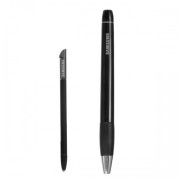
    Samsung Galaxy Note S PenSamsung Galaxy Note S PenSamsung announced a slew of accessories, including a C Pen stylus (which seems pretty similar to the S Pen on the Galaxy Note), an AllShare Cast Hub for wireless streaming, a docking station for your desk, a wireless charger, a car kit, and an HDMI adapter.
    Samsung also announced the S Pebble “music companion” MP3 player. Why does this accessory look so familiar? Oh yes, in 2009, I reviewed the Samsung Pebble MP3 player which looks strikingly similar to the S Pebble.

    Is the Galaxy Nexus Outdated Now?

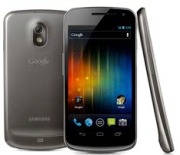
    Samsung Galaxy NexusSamsung Galaxy NexusNo, relax. It might not have as many cores as the S III, and the display might be a little smaller, but don’t feel bad if you just walked out of the store with a brand new Galaxy Nexus. Your Galaxy Nexus is still an excellent, current phone and offers something the Galaxy S III does not: A pure, untouched Android experience.
    Have more questions? Sound off in the comments and I’ll try my best to answer them for you.