Category: Finance

  • Ten Countries Account for 70% of IMF’s Total Outstanding Debt

    Ten Countries Account for 70% of IMF’s Total Outstanding Debt

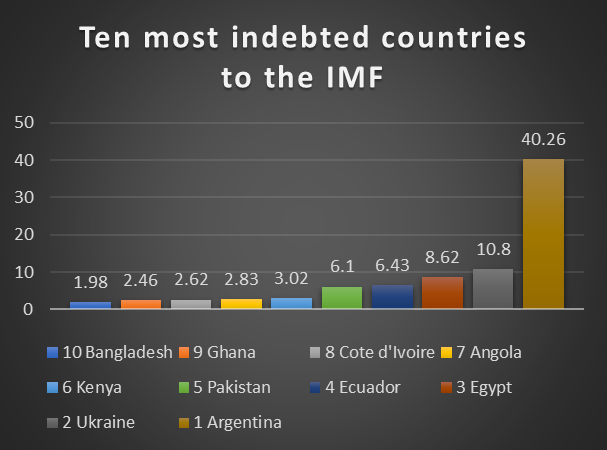
    A review of the International Monetary Fund (IMF) recent debt profile reveals that 70% of the total of $117.6 billion in outstanding debt obligation is owed by the top ten countries. The report reveals that 91 countries have outstanding debt obligations to the IMF as of 8th May, 2025. 

    According to the report, the cumulative outstanding debt obligation of the top ten most indebted countries to the Fund totalled $82.44 billion. 

    The majority of countries featured were from low and emerging-market, mostly domiciled in Africa, South America, the Caribbean, and Asia. Less than 10 countries owing outstanding balances to the IMF were from Europe, and no G20 country had any balance with the Fund. 

    Of the top ten countries most indebted to the International Monetary Fund (IMF), five are from Africa, two from South America, two from Asia, and one from Europe, war-torn Ukraine.
    Source: IMF

    10. Bangladesh ($1.98 billion)

    In 2024, Bangladesh reached a staff-level agreement with the IMF where the fund agreed to provide $645 million comprising Standard Drawing Rights (SDR 325.2 million (about US$426 million) under the External Credit Facility (ECF) and External Fund Facility (EFF) and SDR 166.7 million (about US$219 million) under the Resilient and Sustainability Facility (RSF).

    Since 2020, the IMF has reached an agreement on support facilities totaling $4 billion but has only drawn around $355 million. In May 2020, the country reached a Rapid Financing Instrument (RCF) of $355.5 million. 

    Fast forward to January 2023, it agreed to three facilities with the IMF: an Extended Credit Facility (ECF) of $822 million, an Extended Credit Fund (ECF) of $1.6 billion, and a Resilience and Sustainability Facility (RSF) of $1 billion. All three facilities are yet to be drawn and are expected to expire by July 2026. 

    09. Ghana ($2.46 billion)

    This West African country has outstanding debt balances with the IMF totaling $2.46 billion. Since defaulting on its debt obligation in 2022, Ghana has borrowed up to $1.17 billion from the IMF under the Extended Credit Facility (ECF) initiative. 

    However, the country’s economy has been in turmoil since the COVID-19 pandemic, with inflation reaching over 50% in 2022. In April 2020, the country agreed $738 million which it has drawn but not repaid. 

    The oldest unpaid IMF credit facility to Ghana dates back to 2015- an Extended Credit Facility (ECF) of $664.2 million, of which $393.5 million remains as an outstanding balance. 

    08. Côte d’Ivoire ($2.62 billion)

    This country has outstanding balances with the IMF for credit facilities dating back to a decade ago in 2011. The country has drawn portions of its last three credit facilities from the IMF, which include: an $867.2 million ECF of 2023, a $1.73 billion ECF, and $975.6 million RSF of March 2024. All three are billed to expire by 23rd September, 2026. 

    07. Angola ($2.83 billion)

    This oil-dependent economy has outstanding balances with the IMF to the tune of $2.83 billion, which was a $3.2 billion Extended Fund Facility (EFF) approved in December 2018 and set to expire in December 2021. 

    Beyond the high outstanding debt to the IMF, the country continues to be weighed down by extreme poverty, a high debt-to-GDP ratio, low life expectancy, high infant mortality, and epidemic corruption levels.

    The situation appears gloomy for Angola in the coming years as the number of people living in the country is expected to climb to 16.3 million people. 

    06. Kenya ($3.02 billion)

    The country’s total outstanding obligation to the IMF came under four credit facility programs: Rapid Credit Facility, Extended Fund Facility, Extended Credit Facility, and Resilience and Sustainability. 

    It has an outstanding balance of $542.8 million under the (RCF), and $1.51 billion under the EFF—the loan initially totaled $1.8 billion. 

    The country’s economy has been resilient despite the harsh operating environment in the past years, especially debt. Efforts by the Ruto-led government to raise revenue in line with recommendations of the Fund were met with the most brutal protests in the region to date. 

    05. Pakistan ($6.10 billion)

    This country has received over $10 billion in credit facilities from the IMF since 2019. The latest of these facilities was the Extended Fund Facility of $5.32 billion, agreed in September 2024 and set to expire in 2027. Others include a $2.25 billion iStandby Agreement, which has been fully drawn by Pakistan, and EFF of $4.98 billion, of which $3.03 billion has been drawn. 

    Last week, the IMF’s Board completed its first review of the 37-month EFF and noted that the government’s effort under the EFF has delivered economic stability in terms of surplus, inflation reduction, and increase in the country’s gross external reserve. 

    The IMF Board, in its review of the country’s performance, further approved a request to access the $1.4 billion Resilience and Sustainability Facility (RSF), which aims to strengthen resilience to natural disasters and federal and provincial responses to natural disasters, among others. 

    04. Ecuador ($6.43 billion)

    Aside from Argentina, Ecuador is the only South American country on the list. The latest of the IMF’s facilities comes amidst a significant fiscal deficit in the country, financial and fiscal instability, coupled with illiquidity problems. 

    In May 2024, the Board of the Fund approved a 48-month Extended Fund Facility (EFF) for Ecuador of $4 billion, of which $1 billion was immediately disbursed. This follows a September 2020 EFF of $4.61 billion, which has been completely drawn. Another Rapid Financing Instrument of $461.7 million was approved by the Fund in May of 2020, which was geared to help the country meet immediate balance of payment obligations in light of the shocks necessitated by the COVID-19 pandemic. 

    03. Egypt ($8.62 billion)

    The economy of Egypt faced severe challenges in 2023 and 2024, necessitating the IMF to approve significant EFF. Among these challenges are disruption of trade through the Suez Canal owing to violence orchestrated by Yemeni Houthis in the Red Sea, significant refugee inflow from the war in Sudan and Gaza. Egypt’s economy faced significant economic shocks and pressures in 2023 and 2024 owing to insecurity, which disrupted trade volume in the Suez Canal and tourism, a vital source of forex for Egypt.

    Beyond that, reforms in the foreign exchange market executed by the administration of President Sisi further encouraged support financing from the IMF. The Fund noted that these reforms are already bearing fruit for the country’s fiscal position. 

    02. Ukraine ($10.8 billion)

    This country’s presence on the list should not surprise anybody, as the reason is obvious. In the last three years, Ukraine has engaged in a war with Russia, which has defied every move to resolve it. 

    Since Russia’s invasion of Ukraine in February 2022, the country has agreed to up to $12.6 billion in Rapid Finance Instrument and Extended Fund Facility with the IMF. However, the Fund has only been able to disburse around $9.6 billion. 

    01. Argentina ($40.26 billion)

    Argentina topped the list of most indebted countries to the IMF due to the stabilization policies of the President Javier Milei administration, which inherited an economy on the brink of a balance of payments crisis.

    In the past few years, no country has received more monetary support from the IMF than Argentina. Argentina’s economy prior to President Milei had already crashed—inflation reached 211%, but has declined, significant budget deficits, and a rapidly declining foreign exchange reserve meant that only an economic surgery could see the country through. 

    Last month, the IMF reached a staff-level agreement with Argentina, which could see the country receive up to $20 billion in credit facilities-—a further boost if eventually approved by the board. This is aside from the country’s $40 billion outstanding payment. 
  • How Green Fintech Solutions Promote Environmental Sustainability

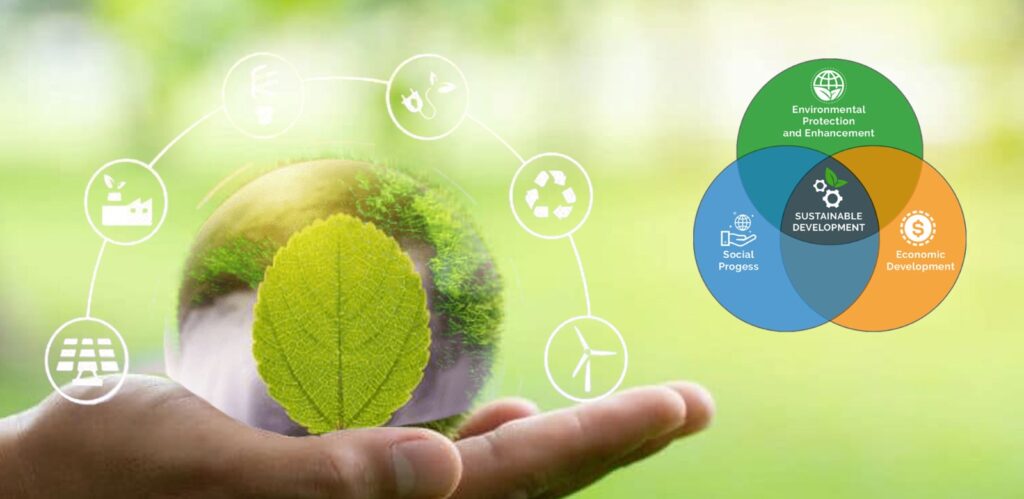
    How Green Fintech Solutions Promote Environmental Sustainability

    If money really made the world go round, then perhaps it’s time to question whether that rotation is powered by solar energy. After all, we’re facing an environmental issue that even the richest among us can’t buy their way out of. 

    With the rate of problems brought about by climate change, it’s no longer enough for financial institutions to sit on their green laurels. 

    In this regard, let’s talk about green fintech, a booming industry that blends finance and technology to build solutions that address disturbing environmental matters, including the statistics that speak volumes. 

    In fiscal year 2024, the World Bank Group allocated $42.6 billion to climate finance, a 10% increase from the previous year. Meanwhile, the global green fintech market is projected to grow at a compound annual growth rate (CAGR) of 22.4% between 2024 and 2029

    With total green project funding expected to rise from $495 billion in 2023 to $700 billion by 2029, the marriage of finance and sustainability is definitely ready to bolster industries worldwide.

    A Greener Approach to Finance

    Green fintech companies are leveraging innovative tools to create resilient environmental solutions. These include:

    • Carbon Tracking: Companies like Ecolytiq in Germany are providing carbon tracking technology that helps financial institutions monitor and reduce emissions. Adoption of such tools will surely enhance environmental sustainability.
    • Digital Payments: The transition towards cashless transactions, driven by platforms like Paystack and Flutterwave, is greatly reducing paper waste, with a projected 4% drop in cash usage per year.
    • Green Loans: Financial giants like African Development Bank (AfDB), HSBC, Lloyds, and Barclays are developing loan products that incentivize sustainability. These green loans are expected to double from $150 billion in 2023 to $300 billion by 2029.
    • Blockchain Technology: In Nigeria and beyond, blockchain is being used for everything from document verification to supply chain management, promoting transparency and efficiency.

    Venture Capital for Climate Action

    European venture capital firm Satgana tells us how funding can drive climate innovation. With a €30 million fund targeting startups tackling climate change in Africa and Europe, Satgana has already invested in promising initiatives:

    • Orbio Earth: This German startup uses satellites to monitor and reduce methane emissions.
    • Mazi Mobility: Based in Kenya, it’s building a network of electric motorbikes and battery-swapping stations in East Africa.
    • Yeasty: A French company using beer yeast to create sustainable protein alternatives.

    Satgana’s investments focus on food, agriculture, energy, mobility, and more, emphasizing circular economies and climate resilience. In Africa, where 7 of the 10 most climate-vulnerable countries are located, such initiatives are important.

    How Green Fintech Solutions Promote Environmental Sustainability

    Sustainable Startups: A Dual Mandate

    Startups like Moove, Uber, Moniepoint, Veridaq, ekko, Sugi, Tomorrow, and TreeCard are blending technology with environmental goals:

    • Moove is a Lagos-based company that has facilitated the integration of electric vehicles into ride-hailing services, reducing urban emissions through the adoption of eco-friendly vehicles in urban areas.
    • Moniepoint also raised $110 million in Series C funding, expanding financial inclusion while supporting green fintech initiatives in Africa.
    • Veridaq is leveraging blockchain for document verification and supply chain management to enhance transparency while promoting sustainable procedures.
    • ekko provides digital banking solutions that allow users to track their carbon footprint while supporting sustainability projects.
    • Sugi provides carbon impact data for investment decisions, ensuring transparency and responsibility in financial markets.
    • Tomorrow funds climate initiatives like biogas plants in Vietnam and clean water projects in Uganda.
    • TreeCard contributes 80% of its profits to reforestation, ascertaining that small actions can have a massive impact.

    Africa’s Green Growth

    With abundant solar, wind, and geothermal resources, Africa is capable of stimulating the global green transition. Yet, the continent is challenged with systemic risks from climate change, including floods, droughts, and food insecurity. 

    Investments in climate resilience—such as vertical farming, early warning systems, and microgrids—are urgently needed.

    Though producing less than 3% of global greenhouse gases, Africa still has issues of climate disasters. In 2021 alone, 2.6 million people in sub-Saharan Africa were displaced due to environmental factors, with that number projected to reach 700 million by 2030.

    The Role of Green Fintech in Promoting Sustainability

    Green fintech integrates sustainability into innovative financial solutions, and this approach creates opportunities for businesses and individuals to contribute to a better and greener environment. 

    • Digital Banking: Digital banking has reduced the need for physical branches and paper-based processes. In transitioning to virtual platforms, financial institutions have minimized their carbon footprint, cutting down emissions associated with traditional infrastructure.
    • Sustainable Investment Platforms: Fintech platforms now empower individuals and organizations to channel investments into environmentally friendly projects and companies. Simplifying access to sustainable investment opportunities has ensured that more capital is directed toward initiatives that prioritize the planet.
    • Blockchain and Transparency: Blockchain technology is also greatly promoting sustainable initiatives. Its uniqueness of providing traceability and transparency in supply chains ensures that products are ethically sourced and produced. This innovation reduces fraud and increases accountability, thereby enhancing trust and supporting reliable business operations.

    Challenges and Opportunities

    While green fintech has good prospects, it cannot single-handedly achieve net-zero emissions. Collaboration among governments, corporations, and startups is highly essential. 

    Funding gaps are wide; however, the increasing leverage of environmental, social, and governance (ESG) factors in finance brings good expectations for a greener environment.

    Green fintech solutions go beyond technological advancements, and addressing climate change, promoting sustainable practices, and supporting innovative startups will ensure these solutions bring a more resilient, equitable, and sustainable environment. As the world turns, let’s hope it’s turning green.

  • World Bank Projection of Top Ten Fastest Growing Countries in Africa in 2025

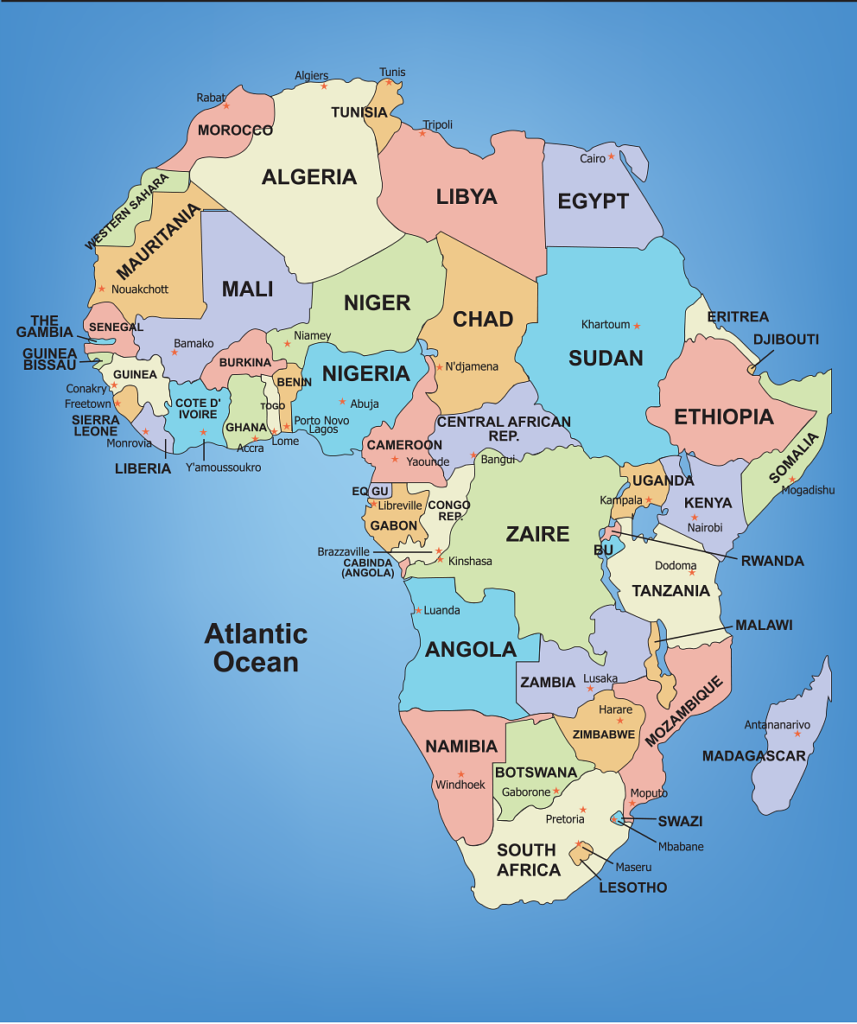
    World Bank Projection of Top Ten Fastest Growing Countries in Africa in 2025

    African economies in the past few years have been blighted by geopolitical, climatic and macroeconomic shocks resulting in a tepid post pandemic recovery curtailing growth of the fastest growing countries in the region.

    These shocks resulting in supply chain disruptions have led to high food and energy prices and worsened standards of living across the continent.

    Elevated food and energy inflation exacerbated by currency weaknesses in many countries has pushed more people into hunger and worsened the humanitarian situation in Africa most especially in West and Central Africa where an estimated 55 million people are expected to go hungry in 2024. 

    However, the tide of inflation seems to be turning in 2024 compared to 2023 where average inflation in the continent stood at 17% according to the African Development Bank (AfDB). The World Bank projects that 70% of African countries are set to register lower inflation figures in 2024 compared to the past year. Although, 13 countries including Nigeria, Ethiopia and others have rising inflation. 

    Also, exchange rate pressures have propelled Central Banks of many countries in Africa to embark on a hawkish monetary policy stance. This was due to tighter financial conditions, a strong U.S. dollar, and foreign exchange market reforms. The Nigerian Naira led the pack of worst performing currencies in Africa in 2024 so far losing almost 50% of its value followed by the Ethiopian Birr and the Kenyan shilling losing 30% and 21% respectively. 

    There has been a mixed reaction to the twin threats of inflation and currency weakness in Africa- while some Central Banks have joined the global wave of easing interest rates, others have taken a more cautious approach- and continue to tighten MPR as inflation remains stubborn.

    fastest growing countries in Africa

    Despite these macroeconomic malaises, Africa remains the second fastest growing continent in the world- only trailing Asia. In 2023, growth in Sub-Saharan Africa stood at 2.4% and rose to 3% in 2024. The World Bank projects growth to reach 4% in 2025 and 2026. Growth in the region was largely impacted by the collapse of the Sudanese economy over the raging civil war in the country which when excluded will put the regions GDP growth at 3.5% in 2024.

    In the East and Southern Africa region economic growth is expected to rise to 3.9% in 2025- 2.2% in 2024. However, South Africa and Angola seems to be dragging the regions down as the region is projected to grow by 5.3% excluding these two countries.

    Rwanda, Kenya, Tanzania and Uganda contributed significantly to making East Africa the best performing region in the continent.

    West and Central Africa’s biggest economy poses a lag to the region’s growth which is projected at 4.2% in 2025 mainly propelled by fast growth in Niger, Benin and Cote d’Ivoire. However, excluding Nigeria’s the region will is forecast to grow by 5.1% in 2025-2026.

    The World Bank in its Africa Pulse for 2024 and Middle East and North Africa (MENA) update projected growth of African countries in 2025. This article looks at the top ten fastest growing countries by GDP in Africa in 2025. 

    10. Zambia

    This Southern African country is projected to grow at 6.1% in 2025- a sharp spike considering the country’s 2.0% growth in 2024. Risk to the outlook stems from significantly high inflation projected to decelerate to 12.1% in 2025 from 15% this year.

    The country’s currency- the Zambian Kwacha is one of the worst performing currencies in the continent losing over 30% of its value in 2024 so far after the Central Bank notified the public of moving to a market driven exchange rate system.

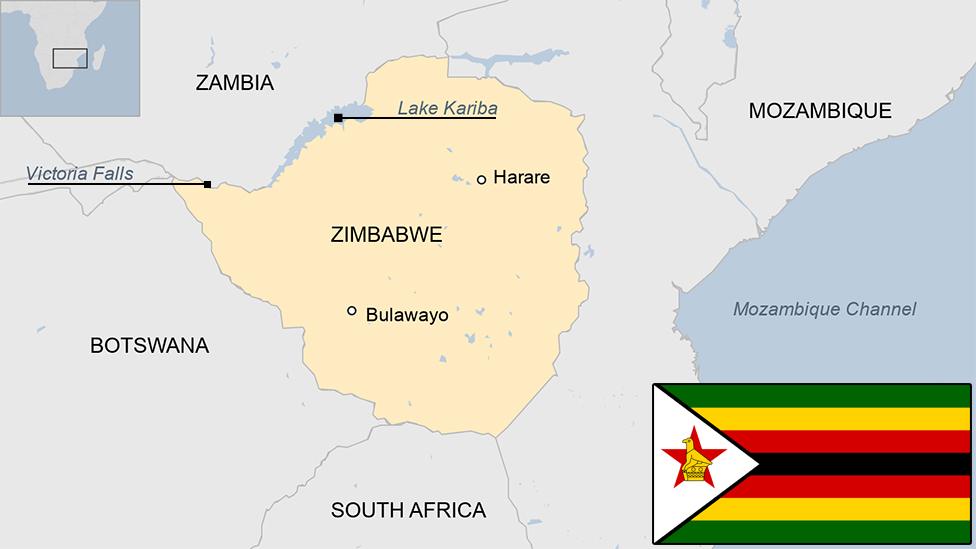
    09. Zimbabwe

    Fastest Growing Countries

    This country’s economy is projected by the World Bank to grow at 6.2% in 2025- an increase from the projection of 2.0% in 2024. The country’s inflation is projected to accelerate to 8.4% in the coming year from 6.0% in 2024. In the past few years, inflation in this country reached over 200% on the back of severe depreciation of its local currency- the Zimbabwean dollar.

    Risk to the outlook include the effect of climate change induced El Nino which affects production of key staple such as maize. Also, the country has also seen natural disasters such as flooding like its other Southern African counterpart in 2024 so far.

    08. Uganda

    The World Bank provided the same economic growth projection for both Zimbabwe and Uganda at 6.2% in 2025. The country’s GDP growth projection for 2025 represents a 0.2 percentage points increase compared to its projection for 2024. GDP growth in Uganda is one of the highest across the East Africa region.

    The country in the past 18 months has seen inflation fall to stable levels resulting in monetary policy authorities to begin the easing cycle with a 25 basis points cut in MPR. In 2023, inflation in the country stood at 8.8%- this dropped to 3.2% in 2024 and consumer prices in the coming year is projected to remain stable at 4.6%.

    07. Republic of Benin

    This West African nation is forecast to see 6.4% GDP growth in 2025 which has helped in no small measure to boost economic expansion in the West African region.

    In the past five years, the country has posted GDP growth above 5% whilst maintaining inflation under 3% dating back to 2020.

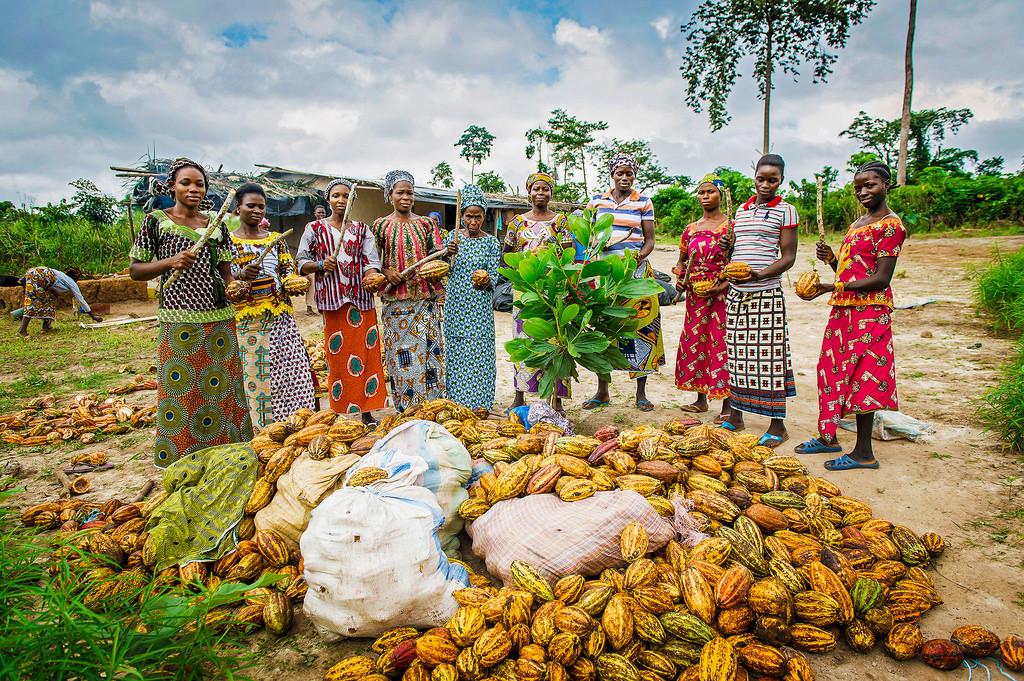
    06. Cote D’Ivoire

    Fastest Growing Countries

    The World Bank projects growth in this West African country to reach 6.4% in 2025- one of the strongest performers in the West African region. This growth is underpinned by strong private consumption and capita deepening as well as exploitation of recent oil discoveries in the country.

    In the past four years, the country has seen GDP growth above 6% and barring the pandemic in 2020, growth has average 7.5% dating as far as 2010.

    Inflation in the country is projected to decline by 0.6 percentage points to 3% next year from 3.6% in 2024.

    05. Ethiopia

    with GDP growth at 6.5% in 2024 according to the World Bank projection, Ethiopia is the fifth fastest growing economy in Africa. The country has been a consistent performer in the region recording over 6% growth in the last five years including during the pandemic in 2020.

    The major risk to the currency outlook is severe currency weakness- the Ethiopian Birr is among the worst performing currencies in the continent losing 30% of its value as of August 2024 and would likely have a pass-through effect on inflation.

    Also, natural disasters such as droughts and floods have negatively impacted agricultural output in the past few years with crop failure in some years hovering around 50% to 90%.

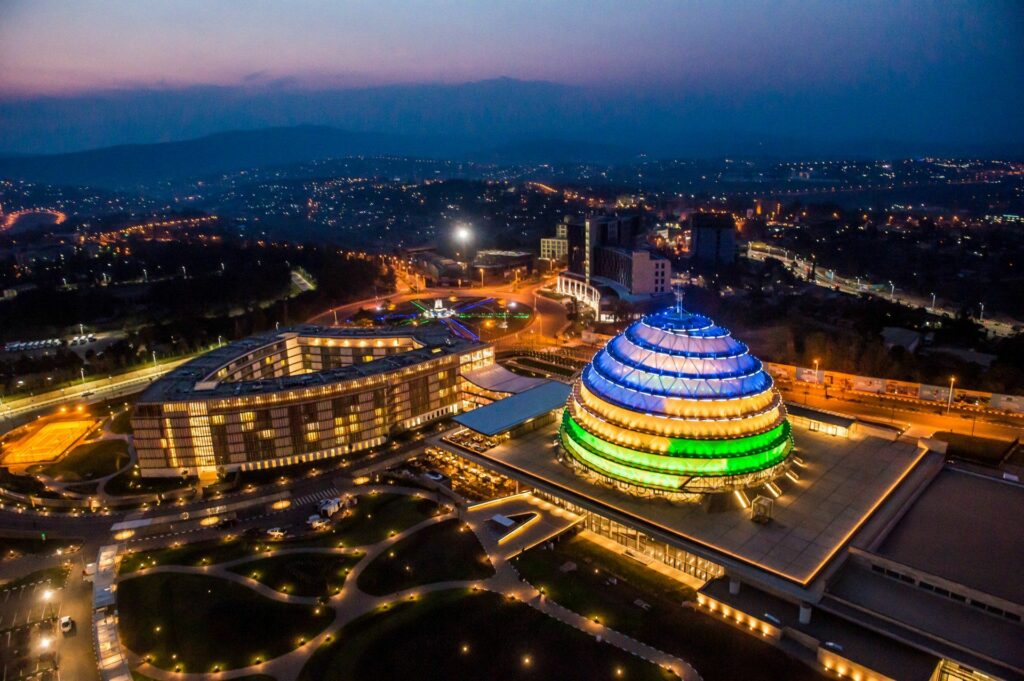
    04. Rwanda

    this country sits joint third with Mauritania as the third fastest growing economy in the Africa with the World Bank projecting its GDP to grow by 7.8% in 2024.

    The GDP growth projection for 2025 is an improvement from 7.6% recorded in 2024. Inflation in the country for 2025 is projected to decelerate to 5.0% in 2025 from the projected 6.8% this year.

    03. Mauritania

    the World Bank puts the country’s economic growth for 2025 at 7.8%- making her the joint third fastest growing economy on the continent. The projection represents an increase of 1.3 percentage points from the 2024 forecast of 6.5%.

    Inflation in the country is forecast to decline to 2% from 2.7% in 2024.

    02. Niger

    despite a coup and severing of its membership of the ECOWAS in the year, Nigeria is on track to become the second fastest growing economy in the continent in 2025 with the World Bank putting GDP growth at 8.5% in 2025.

    This is an improvement from the 5.7% projected GDP growth in 2024 which has strengthened economic activities in the West African region.

    01.Libya

    the fastest growing economy in Africa in 2025 according to the World Bank is conflict and unstable Libya projected to grow at 10.7% in 2025. The impressive GDD growth projection is underpinned by recovery from the contraction of 10.1% in 2024.

    The outlook for Libya is a downgrade compared to the Bretton Wood institute projection earlier in the year.

    The outlook for Libya is marred by conflict and political instability which has severely affected oil production in the country. Further distabilisation in the Middle East with the toppling of the Assad led Syrian regime and uncertainties in the conflict between Israel and Hamas could potentially upend the potential recovery. 

  • Dangote Refinery Adds Eight New Tanks for Imported Crude Oil

    Dangote Refinery Adds Eight New Tanks for Imported Crude Oil

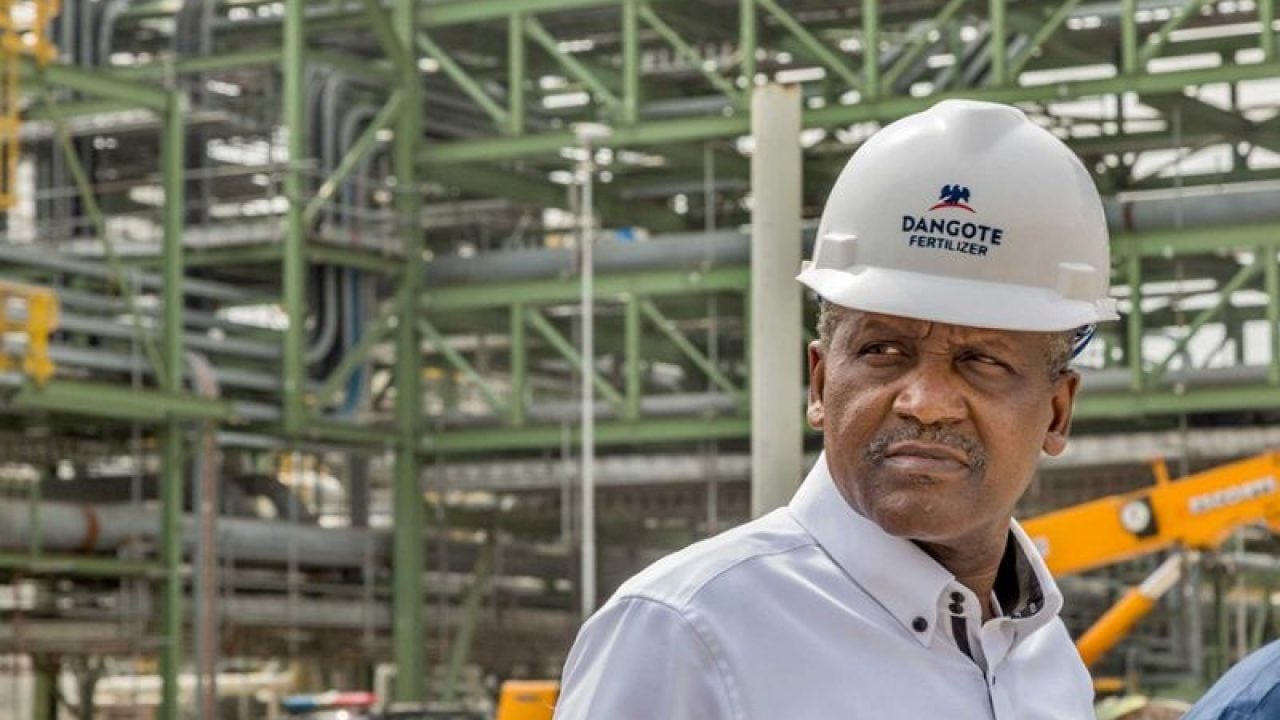
    In a strategic move to ensure sustainable operations, the Dangote Petroleum Refinery is constructing eight additional crude oil storage tanks. This expansion is part of the refinery’s comprehensive $20 billion investment to increase its storage capacity and meet growing demand for refined products.

    The new tanks, expected to raise the refinery’s storage capacity by 6.29 million barrels (approximately 1 billion litres), are being built in response to the increasing reliance on imported crude oil, driven by irregular local supply deliveries from the Nigerian National Petroleum Company Limited (NNPCL).

    With the expansion, Dangote Refinery’s total crude oil storage capacity will grow by 41.67%, reaching a remarkable 3.4 billion litres, further solidifying the refinery’s pivotal role in Nigeria’s oil and gas industry. According to Devakumar Edwin, Vice President overseeing oil and gas operations at Dangote Industries, the decision to import crude from other nations has made it crucial to stockpile larger volumes of crude oil.

    “The construction of these additional tanks is vital to maintaining a steady supply of refined products for the Nigerian market, as we strive to reduce the nation’s dependence on imported fuel and ensure an uninterrupted flow of gasoline for local consumption,” Edwin explained. “Four of the eight tanks are nearing completion, and once finished, they will bolster our refinery’s capability to meet the growing demand for petroleum products.”

    Currently, the Dangote Refinery houses 20 crude storage tanks, each with a capacity of 120 million litres, amounting to 2.4 billion litres. The refinery’s refined product tanks add a further 2.34 billion litres of capacity, positioning Dangote Refinery as a leading player in the Nigerian oil and gas sector.

    How Many Barrels Will Dangote Refinery Produce?

    With the expansion, Dangote Refinery’s capacity will increase to 3.4 billion litres, which is equivalent to approximately 21.3 million barrels. This substantial increase in storage and production capacity enables the refinery to meet both local and international demands, positioning it as a key player in the global oil market.

    As the refinery continues to ramp up production, it is gaining recognition among Nigerian vehicle owners, who are already benefitting from the increased availability of high-quality, locally refined petrol. This move highlights Dangote Refinery’s commitment to contributing to Nigeria’s economic growth, creating jobs, and ensuring energy security for the future.

    This expansion not only signifies progress for Nigeria but also demonstrates Dangote Refinery’s global competitiveness in the ever-evolving energy landscape.

  • Nigerian Government Drops Money Laundering Charges Against US Binance Executive

    Nigerian Government Drops Money Laundering Charges Against US Binance Executive

    In a major development, the Federal Government of Nigeria has officially dropped money laundering charges against Tigran Gambaryan, a Binance executive and former U.S. IRS investigator, after months of international scrutiny and diplomatic pressure.

    Gambaryan, who joined Binance in 2021 as part of its compliance and investigations team, was arrested earlier this year in Nigeria as part of the government’s broader efforts to combat cryptocurrency-related financial crimes. His arrest stemmed from accusations that Binance had facilitated illegal money laundering transactions through its platform. Gambaryan’s role at Binance involved ensuring that the company adhered to anti-money laundering (AML) and know-your-customer (KYC) compliance regulations, making the charges against him particularly controversial. His previous career with the U.S. government made him a high-profile figure in this case.

    Before joining Binance, Gambaryan spent over a decade working for the IRS Criminal Investigation Division, where he became renowned for his efforts in uncovering major crypto-related crimes, including dark web drug markets like Silk Road and AlphaBay. He was credited with helping track down billions of dollars in stolen cryptocurrency and bringing major criminal networks to justice. Given his distinguished record, many were shocked by his detention.

    Reports indicate that Gambaryan was arrested in a raid that targeted Binance’s operations in Nigeria. He was initially accused of conspiring to launder money through cryptocurrency transactions, which were allegedly facilitated by Binance’s platform. Nigerian authorities claimed that the exchange had not done enough to prevent illicit transactions. Gambaryan, however, maintained that his work focused on preventing money laundering, not enabling it.

    After his arrest, Gambaryan’s health rapidly declined while in custody. Images of him attending court hearings in a wheelchair and, later, using a crutch due to mobility issues sparked concern globally. His detention became a diplomatic issue, with calls from U.S. lawmakers and advocacy groups urging the Nigerian government to release him. A group of 16 U.S. Congress members signed a letter to the White House, urging the U.S. government to treat his case as a hostage situation. State attorneys general also joined the campaign, advocating for his immediate release and pointing to his contributions to global financial crime investigations as reasons for leniency.

    The case drew significant international attention, not just because of Gambaryan’s high-profile career, but also due to its implications for the global cryptocurrency industry. Binance has been under scrutiny by regulators worldwide, with many accusing the platform of failing to enforce strict anti-money laundering measures. Gambaryan’s arrest intensified concerns about the risks of working in the cryptocurrency space, where regulatory frameworks are still evolving.

    Despite the severity of the charges, Gambaryan’s legal team continued to push for his release, arguing that the charges were baseless and that he was being wrongfully detained. International pressure and diplomatic efforts finally led to the Nigerian government dropping the charges.

    Gambaryan’s supporters have hailed the decision as a victory for justice and transparency, though his ordeal has cast a shadow over the relationship between Binance and international regulators. Binance continues to face challenges as it strives to navigate the complex legal landscape surrounding cryptocurrency.

    Possible Reinstatement of Naira Feature on Binance P2P

    The dismissal of money laundering charges against Binance executive Tigran Gambaryan could have significant implications for Binance’s decision to disable the naira feature on its P2P market. Binance suspended naira transactions following increased scrutiny and regulatory pressures from Nigerian authorities. With the charges now dropped, it may create an opportunity for Binance to re-evaluate its stance on naira transactions in the region.

    If Binance feels that the regulatory environment has become more favorable or stable, it might reconsider the suspension and re-enable naira functionality on its P2P platform. This could restore confidence among Nigerian users who rely heavily on P2P trading due to the central bank’s restrictions on crypto-related transactions within the formal banking sector.

    The demand for P2P trading in Nigeria remains high, as many citizens use cryptocurrency as a hedge against inflation and currency devaluation. Enabling the naira feature again would facilitate easier access for users and may drive up transaction volumes, benefiting both the exchange and its customers.

    However, this potential restoration would also depend on how Nigerian regulators respond post-Gambaryan’s case. The legal environment surrounding cryptocurrencies in Nigeria remains uncertain, and Binance may still face challenges if authorities maintain strict control over crypto activities. Nonetheless, the dismissal of such a high-profile case might encourage Binance to take steps toward resuming full operations, including reactivating naira trading on its P2P platform.

  • Potential Israel-Iran Conflict and Its Impact on Nigeria’s Exchange Rates and Petrol Prices

    Potential Israel-Iran Conflict and Its Impact on Nigeria’s Exchange Rates and Petrol Prices

    Just over one year ago, Hamas terrorists launched arguably the most brutal attack on Israeli civilians since the Holocaust resulting in death of over 1000 people.

    In the past year, the Israel Defence Force (IDF) has been involved in a brutal conflict with Hamas in Gaza which has spilled over to Lebanon where Hezbollah has a significant presence.

    The onslaught of the Israeli military pushed oil prices up by as much as 4% after Yemeni Houthi rebels in solidarity with Hamas began attacking ships in the Red sea.

    In the past few weeks, we’ve seen Israel come on the brink of full-blown conflict with Iran after attacks on Iran-backed Hezbollah militants by Israel and assignation of top Iranian military commanders.

    Just one week ago, Iran fired over 180 missiles inside Israel in escalation of the ongoing conflict, the Prime Minister of Israel had promised to retaliate and analyst are saying Israel plans to attack Iran’s oil facilities.

    In the wake of this current attack, oil prices have shot up to $80 per barrel and there are projections of nearly reaching $100 if Israel attacks Iran’s oil facilities as predicted. Conflicts in major oil producing regions has always resulted in higher oil prices and going back to the 1970s oil crisis caused by the Yom Kippur war in Israel and the Iranian revolution.

    The most recent scenario occurred in 2022 after Russia invaded Ukraine where crude oil prices closed the year at $97 per barrel compared to $69 in the previous year. In fact, the post pandemic recovery of oil prices stems from the Russia-Ukraine war.

    For countries like Nigeria whose economy is heavily influenced by the swing in oil prices especially in the post-subsidy era, oil prices could be a double-edge sword.

    Crude oil does two things to Nigeria’s government finances- provides revenue for government and foreign exchange for the CBN’s external reserves which is used to back the Naira.

    However, in this post-subsidy era we are moving into, swinging crude oil prices could now mean higher petrol prices for Nigeria even when the petrol is produced locally and the raw crude even sold in Naira. Before now, the federal government through the Nigeria National Petroleum Company (NNPC) Limited pays a fraction of petrol cost of petrol to keep it low and fixed. This enabled Nigerians to not just enjoy low PMS prices but keep petrol prices immune from the vagaries of the international oil market.

    However, in the past years, the cost of this subsidy has become unbearable for the federal government. Attempts have been made by different administrations in the past to end petrol subsidies but was met with stiff resistance by civil society groups with the greatest being the Occupy Nigeria protest in 2012 after President Jonathan removed petrol subsidy. This pushed the then President to reintroduce the subsidy where it remained until President Tinubu announced the removal on his first speech as President.

    What Does Projected Rise In Oil Prices Mean For Petrol Price

    In simple terms, Nigerians are going to pay higher PMS prices at the pump if the Iran-Israel conflicts escalates and pushes petrol prices above the current $80 per barrel. This is irrespective of where the crude oil is sourced and where or who refines it either locally or abroad. For example, the NNPC has declared it would supply 17.6 million barrels of crude oil to the Dangote refinery in Naira.

    However, it will be dependent on the price of crude oil in the international market. If the price increase, Dangote and other local refineries would have to cough more Naira to settle the NNPC and this cost will be passed on to consumers. This is because crude oil as an international commodity is priced in U.S dollars.

    Rising Oil Prices and Exchange Rate

    In the face of rising oil prices, it is expected that the Naira strengthens against the dollar but that is dependent on the decisions of the United States Federal Reserve Bank and Central Bank of Nigeria (CBN).

    The Naira has witnessed the worst volatility in history this year becoming at one time the best performing currency before a 180 degrees reversal of fortunes to become the worst performing currency. The strengthening of the Naira in March stems from the action of the CBN selling forex to BDCs at rates below the official market rate but there is a problem with such is that it is not sustainable- there is a limit to how much forex the apex bank can burn.

    The Naira currently trades in the region of N1,550/$ to N1,660/$ in the official NAFEM window. This represents a depreciation of over 100% compared to the rates before the unification of all segments of the FX market by the CBN.

    Rising oil prices could help shore up the country’s foreign reserve which has been seen rising in the past few months. In September 2023, the country’s foreign reserve stood at $33.23 billion- this has increase to $38 billion by the end of September 2024.

    The CBN is presented with two choices with potential increase in foreign reserves- either to sell FX to BDCs like it did earlier in the year when the Naira became the best performing currency in the world or to allow the forces of demand and supply determine the value of the Naira as it currently does with the exchange rate reaching N1,600/$.

    Hence, the value of the Naira with the potential increase in oil prices would be dependent on the decision of the CBN.

    Most Ideal Scenario For Nigeria

    From the foregoing, it seems the potential war between Israel and Iran and the ripple effects on crude oil prices means Nigeria would likely face another round of petrol price increase in the event the NNPC continues on its post-subsidy policy.

    There is also uncertainty on the decision of the apex bank on either backing the Naira or allowing market forces determine the exchange rate.

    Furthermore, Nigeria has been unable to since the beginning of the year to significantly increase oil prices. According to OPEC’s records, Nigeria has not met its crude oil production quota of 1.5 million barrels daily since January, despite calls to ramp up production.

    For Nigerians, the best case scenario in the wake of potential increase in oil prices would be for low crude oil prices to keep petrol prices low and high crude oil production to increase forex supply to the CBN’s foreign reserves. 

  • Effect of Wage Garnishment on Finances

    Effect of Wage Garnishment on Finances

    When you owe a debt, wage garnishment is what allows a court to order your employer to withhold part of your paycheck. It can affect your budget and credit score, but there are ways to handle it. The amount garnished is based on your disposable income. Depending on the type of debt, you may have some options to avoid wage garnishment or reduce its impact.

    What is Wage Garnishment? 

    A wage garnishment is an official notice or a court order that directs an employer to withhold the earnings of an employee to fulfill certain financial obligations or debts, such as child support, student loans, tax levy, etc. It is a legal procedure in which a law enforcement agency requires your employer to withhold a certain amount of your earnings to settle a financial obligation. This is done by deducting money from your paychecks.

    Common Situations for Wage Garnishment

    The following are some of the most common situations in which the garnishment of wages is ordered:

    1. Debt
    2. Taxes
    3. Credit Score
    4. Insurance

    Debts

    When a debt becomes seriously overdue, the creditor may opt to involve a third-party debt collection agency. This agency can handle various types of debt, ranging from installment loans and credit card balances to child support and outstanding income taxes. Debt collection is done in various ways; including sending late notices and charging you interest on missed payments. It is typically one of the final steps in the debt collection process, and there are measures to prevent it from reaching that stage.

    The debt collectors are not permitted to garnish your wages immediately upon taking on your credit account. They can only initiate wage garnishment after they have taken legal action by suing you for non-payment. They do this by getting a court order to garnish your wages or salary until you pay what you owe. Wage garnishment is the most aggressive method of debt collection, and it can impact your finances.

    Following this, the collector will make repeated attempts to contact you, reminding you of the total debt owed. They may apply late fees, raise interest rates, and engage in persistent phone calls to get your attention. If the debt remains unpaid, these companies may proceed with a lawsuit against you. Only if the court judgment favors the creditor can the collector move forward with wage garnishment. Even then, most federal laws establish limitations on wage garnishment to ensure that the rights of the borrower are safeguarded.

    The amount of your paycheck that can be garnished is based on “disposable income,” which is left over from your regular salary after legally required deductions are taken. Voluntary wage assignment deductions, health or life insurance, and purchases of savings bonds are not included and cannot be garnished.

    Taxes

    Wage garnishment takes a significant chunk of your paycheck each pay period. And since wages are taxable, it affects your tax bill as well. It can make it even more difficult to pay your tax debts.

    Your disposable earnings—the money left over after legally mandated deductions from each paycheck. This is what determines how much of your income is subject to garnishment. Federal, state, and local taxes, as well as employee contributions to Medicare and Social Security, are included in these deductions.

    It’s possible to challenge a court ruling that orders a garnishment by filing an exemption claim with the court. In order to prove that the levy is causing undue hardship or that the tax debt was assessed incorrectly, you must present thorough financial documentation. By agreeing to an offer in compromise, which enables you to pay less for your tax debt than is owed, you can also bargain with the IRS to stop or lessen a levy.

    Credit Score

    Wage garnishment happens when a creditor obtains a court order that allows them to withhold a portion of disposable income from your paycheck. The creditor could be a private loan originator, your employer, or the government (for unpaid taxes, debts, and court-ordered child or spousal support). Usually, you’re given several opportunities to work out a repayment plan with a creditor before wage garnishment is enacted. If those attempts fail, filing an objection can stop the process.

    Fortunately, garnishment information doesn’t show up directly on your credit report. However, credit agencies are free to add any information related to your garnishment that they find in public records. As a result, lenders may see this information and decline to lend you money or approve credit cards.

    The best way to avoid wage garnishment is to stay on top of your debt payments and seek financial advice. If you are in a situation where wage garnishment is imminent, try to work with collection agents to set up a payment plan and pay down the debt. If it doesn’t work, filing for bankruptcy is one last resort that can help you repair your credit. But remember, it can also hurt your credit even further, so this should only be considered if it’s necessary and you’ve exhausted all other options.

    Insurance

    Creditors have the legal right to garnish wages or bank accounts for debt repayment. According to federal and state laws, there are restrictions on the amount of your income that can be withheld. It does not matter if you make money or help others. Wage garnishment generally does not apply to Social Security benefits.
    When you owe money for student loans, child support, or back taxes, for example, a creditor may file a lawsuit against you and obtain a judgment against you before garnishing your wages. After that, the creditor will ask the court to set aside a specific portion of your paycheck, and this withholding will go on until the debt is settled, along with any interest and court costs.

    Your finances and credit score may be impacted by wage garnishment, and the harm may not go away even if the debt is settled. For that reason, it’s important to prevent debt from reaching default. And to as well take proactive steps to improve your credit report and score, such as by paying bills on time and reducing outstanding debt balances.

  • BMO e-Transfer Limit: What It Is, How It Works

    BMO e-Transfer Limit: What It Is, How It Works

    BMO e-Transfer is one of the generally accepted methods of payment in Canada. This post will shed light on what BMO e-Transfer limit is and how it works. Before then, let’s look at what e-Transfer is.

    Interac e-transfer or simply e-Transfer is the flagship of Interac Corporation’s banking network, meant to eliminate all the hassle involved in sending and receiving money. Ever since its launch, Interac has been a fundamental part of Canada’s advanced banking system.

    It enables Canadians to conveniently perform regular monetary operations; paying of bills, rent, shopping, as well as invoicing and bulk payments for businesses.

    It is incredibly swift, secure and makes for a completely seamless online transaction. Over 250 financial institutions in Canada partner with this service, cementing its position as an extensively utilized interbank network. The Bank of Montreal (BMO) is one of Interac’s top acquiring banks. Other top banks participating in Interac e-transfer service include:

    • The Bank of Nova Scotia
    • The Canadian Imperial Bank of Commerce
    • The Royal Bank of Canada
    • TD Bank Group

    How Does e-Transfer Work For BMO?

    BMO e-transfer limit, what is it?

    BMO e-transfer also called BMO Interac e-transfer or BMO email money transfer is considered one of the most reliable means of sending funds within Canada. Although the term e-transfer loosely refers to email transfer, it’s nowhere near it.

    Funds transferred via BMO Interac doesn’t go through an email, they instead follow an encrypted, high-level security protocol to reach the receiver. It’s essentially the recipients that receive email notifications of the transfer, which would be deposited in their Canadian bank account once they answer a security question.

    To e-transfer with BMO, first, you need to be a Bank of Montreal client. The transaction is initiated when the client equally has access to BMO online banking. Once the sender logs into their BMO online account, they will then navigate to Interac e-transfer and update their settings. There are reviewable options available such as adding the contacts of your choice which is inclusive of auto deposits.

    Following the account set up, the customer proceeds to transfer after selecting the send money option. Upon confirmation of the amount to be transferred and the particular account you’re transferring it from, a security question is required before the money is sent out. This security question is sent to the recipient through an email depending on the contact mode you selected.

    Once the recipient receives the email, they need to unlock it by answering the question you created before they can access the funds.

    In lieu of an option to create a security question, customers can equally opt to include the recipients in auto deposits. Auto deposits require the sender to disable security blockade from the recipient’s end in the settings. The funds move uninterrupted by an email question into the receiver’s account.

    BMO e-Transfer Fee

    Transaction fee for BMO e-transfer span from $1.00 for personal accounts to $1.50 for business account. A $5 cancellation fee is imposed on the customer in the eventuality that e-Transfers sent and cancelled are done after 12 a.m of the said day.

    BMO e-Transfer Limit

    BMO e-Transfer Limit: What It Is, How It Works

    As one of the largest banks spearheading email money transfer, BMO allows users to make numerous transactions but there are major transfer limitations. Interac e-transfer limits vary among financial institutions participating in the service.

    Why do BMO e-Transfer limit exist?. This tiny hitch is put in place for security reasons. BMO e-Transfer limitis imposed on users to limit their daily, weekly or monthly transactions. While this might present itself as an obvious discomfort, its vital to curb fraudulent interceptions and cybersecurity.

    For The Bank of Montreal, the Interac e-Transfer has been limited to $2,500.00 or $3,000.00 per day, $10,000.00 per week and $20,000.00 for 30 days.

    BMO Business Account e-Transfer

    The bank of Montreal also facilitates the electronic transfers of money not only for individuals, but for businesses as well. BMO business account allows customers to pay bulk bills, vendors, employees, etc with convenience. There are perks of utilizing a BMO business bank account such as no monthly fees and hardly any limits on e-Transfers.

    There are several BMO business account plan alternatives to choose from. They include:

    • eBusiness Plan
    • Business Start
    • Business Builder 1
    • Business Builder 2
    • Business Builder 3
    • Business Builder 4

    BMO Interac e-Transfer Not Working? Here’s Why

    While BMO e-Transfer payment method has significantly improved the way Canadians carry out financial operations online, most times there are slight complications. These issues can be easily fixed granted the parties involved know the root cause.

    In most cases, there are BMO e-Transfer pending error messages and this is just like every normal online transaction. Once they are considered “accepted,”e-Transfer transactions of more than $300 usually take up to 30 minutes before they are processed. This results in the transaction appearing as pending. Once the sender notices this error message, the best option is to cancel the accepted funds request.

    Declining or rejecting an email money transfer will reverse the money back to the sender. Alternatively, if the receiver chooses to ignore the BMO e-Transfer notification email, there’s an automatic reversal of the money after a period of 30 days.

    Prevent e-Transfer Scams And Security Breach

    Regardless of the advanced security systems of email money transfers, phishing scammers still find ways to infiltrate security measures. Hence, precautionary measures need to be taken into account  to safeguard both the sender and receiver.

    The usual security procedures entails ignoring BMO email transfers from unknown persons or businesses. Also to ensure that the sender is aware of the email instructions received by the recipient. Other security threats abound when the answers to the security questions an e-Transfer sender created is predictable. Bank and email details should equally be kept private.

    Email Money Transfer To Someone Outside Canada

    Sending of funds via Bank of Montreal email money transfer is only to specific recipients. Especially those within the confines of the country.

    While BMO Interac e-Transfer to people in international countries is not feasible, there are tons of other payment methods such as wire transfers.

    Is BMO e-Transfer Good?

    Just like every other partner bank utilizing the Interac service, BMO ensures secure and efficient money transfers by both individual users and businesses.

    Bank of Montreal security systems are fortified to mitigate fraudulent activities while streamlining payment solutions.

  • Sam Bankman-Fried: FTX Crypto Broker  Resigns Following Bankruptcy

    Sam Bankman-Fried: FTX Crypto Broker Resigns Following Bankruptcy

    The second largest cryptocurrency exchange in the world Futures Exchange popularly known as FTX has come to a screeching halt following liquidity crunch. FTX crypto founder Sam Bankman-Fried has also stepped down from his position as Chief Executive Officer.

    Earlier this week, Bankman-Fried reached out to Binance founder Changpeng Zhao to solicit for help to cover the liquidity crunch. Which Sam also made public in a tweet. But Zhao pulled out and everyone wants to know why.

    For the past three years, the multi-billion dollar company FTX has become widely recognized as a reputable cryptocurrency exchange platform for trading digital currencies. Despite not adhering to U.S. regulation, FTX crypto has developed into one of the world’s largest exchanges.

    FTX Crypto Broker Sam Bankman
    FTX former CEO Sam Bankman-Fried

     Binance CEO purchased 20% stake in FTX barely a year after the crypto firm’s inception. Bankman-Fried acquired Zhao’s stake in FTX crypto last year which he compensated in part with FTT, the company’s native cryptocurrency token.

    Why FTX Crypto Crashed

    Upon discovery of a significant quota of FTT tokens in Alameda Research’s possession via information leakage, Binance bowed out of their deal to help FTX. Alameda is a trading firm jointly run by Alameda CEO Caroline Ellison and Sam Bankman-Fried, who were rumored to have been romantically involved.

    As a result of the disclosure, Binance via a tweet on twitter declared their intentions of selling the FTT tokens, a move that launched FTX crypto into cash crisis. As they struggled to process mass withdrawal requests. The FTT tokens fell in value while investors and traders continuously pulled out of FTX. In the span of three days, over $6 billion withdrawals were made.

    Running to Binance for assistance was FTX’s strategy to protect its customers from the impending credit crisis. But the swift detour by Binance from the supposed deal has left FTX in a lurch. In a statement regarding the development, reports of mishandled funds as well as corporate due diligence appear to be the reasons for backing out.

    Sources with in-depth information and knowledge of the matter disclosed that aside selling unregistered securities, lobbying politicians and investors to establish crypto-friendly regulatory rules , divulged that Alameda Research played a crucial role in FTX’s collapse.

    The price of FTT tokens has since plummeted, continuing a downward spiral that rocked the cryptocurrency market. Now, due to the FTX debacle, Bitcoin and Ethereum prices have dropped below $16,000 and $1,100 respectively.

  • World’s Richest Men Updated list

    World’s Richest Men Updated list

    To acquire the ‘wealthiest person on earth’ title or enter the ‘World’s Richest Men’ list demands more than just a homogeneous portfolio. Billionaires are stinking rich individuals, with assets ranging from cash and cash equivalents, real estate, as well as business and personal properties.

    You’re never going to amass such wealth being a white collar worker. Even if you work a hundred jobs, you might wither off before you enjoy said wealth. These rich as Croesus entities sink their money in the unpredictable oceans of stocks, bonds, and other types of stable investments. They take impossibly high and calculated risks.

    Who Publishes The World’s Richest Men List?

    World's Richest Men
    Photo Credit: Pexels

    The Real-Time Billionaires List otherwise known as World’s Billionaires List is the ranking of the world’s wealthiest billionaires based on their recorded net worth. It is curated and published annually every March by American business magazine Forbes. The inaugural edition of the list was released in March 1987.

    The net total worth of each person on the list is approximated and specified in US dollars. This is based on their documented assets and accounting for debt and other determinants. These lists only show the top 10 wealthiest billionaires for each year. Although, excluded from these lists are Royalties and Dictators who amass wealth from their status.

    It’s Not Just Men On The Billionaires List

    To most people, the richest individuals alive are men and contrary to this otherwise spurious impression, women are snugly nestling at the top of Forbes’ elite ladder. There were 328 women on the world’s billionaires list as of 17 March 2021 and 327 as at 2022. Below are some of the top three richest women in the world.

    Françoise Bettencourt Meyers

    Francoise betterncourt on world's richestt men
    Photo Credit: The Business Standard

    The billionaire heiress, Françoise is the richest woman in the world, with an estimated net worth of $74.6B as of August 2022. Born and raised catholic, she’s the granddaughter of L’Oréal founder, Eugène Schueller. Her mother Liliane Bettencourt died in 2017 and Françoise inherited her wealth despite all the scandals, tragedies and controversies. The French businesswoman is married to Jean-Pierre Meyers, the grandson of a rabbi murdered at Auschwitz and they have two kids. Françoise is also a writer, philantrophist, pianist and has written various commentaries on the bible.

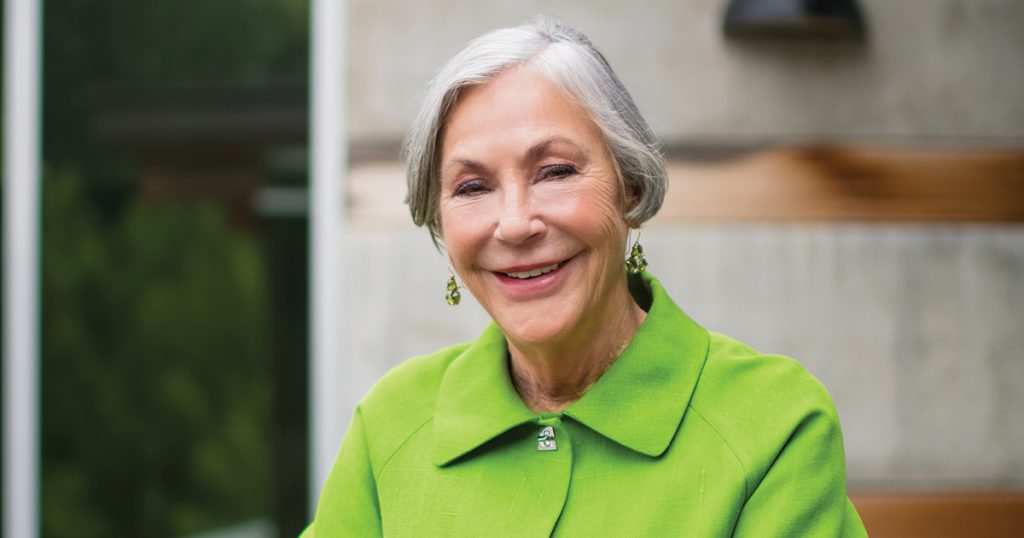
    Alice Walton

    Alice Walton on world's richest men
    Photo Credit: Ironside Photography

    Second on the list is Alice Walton. An American heiress and the only daughter of Walmart founder and magnate, Sam Walton. She’s ranking 19th on the Forbes Real Time list with a whooping net worth of $61.7B as of August 2022, making her the 20th-richest person, and the second richest woman in the world. The 72 year old billionaire’s interest in art led her to develop the Crystal Bridges Museum Of American Art. In 2019, she lost the top spot on the list to L’Oréal heiress, Francoise Bettencourt Meyers. Also, in September 2016, she owned over US$11 billion in Walmart shares and Walton has donated millions of her shares to arts and other charitable causes.

    Julia Koch

    Julia Koch on world's richest men
    Photo Credit: Pulse NG

    Julia Margaret Flesher Koch is the third richest woman in the world. She inherited 42% stake in Koch industries when her husband David Koch died in August 2019 at age 79. Julia Koch’s family came from a farming background in Iowa. She worked her way up from her parent’s clothing store, as a model, fashion designer’s assistant to becoming one of the wealthiest women on earth. As at August 2022, her net worth is $57.9B and she ranks 21 on forbes real time billionaires list.

    Here are the list of the world’s richest men according to Forbes real time billionaires list 2022

    Profile Of The World’s Richest Men 2022

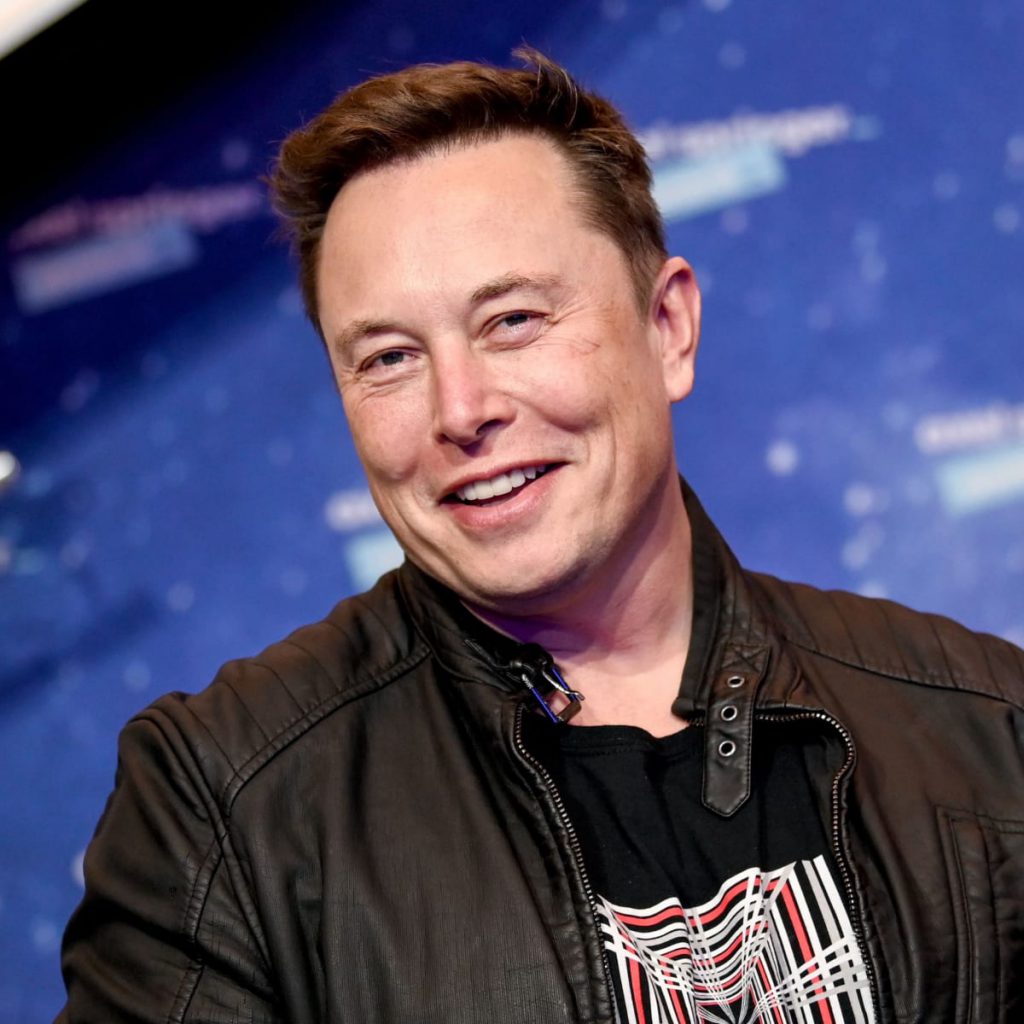
    Elon Musk

    Elon Musk on world's richest men
    Photo Credit: Bio

    Business mogul Elon Musk is the richest man in the world, with a staggering net worth of $272B as of August 2022. The industrialist surpassed Jeff Bezos, the founder of Amazon, who was in the number one position in 2021. He co-founded six companies including electric car maker Tesla, rocket producer SpaceX and tunnelling startup Boring Company. SpaceX, founded in 2002, is worth $127 billion while the Boring Company, which aims to defeat traffic, is worth $5.675 billion. Twitter’s board agreed to sell the company to Musk for $44 billion in April 2022, after he disclosed a 9.1% stake and threatened a hostile takeover.

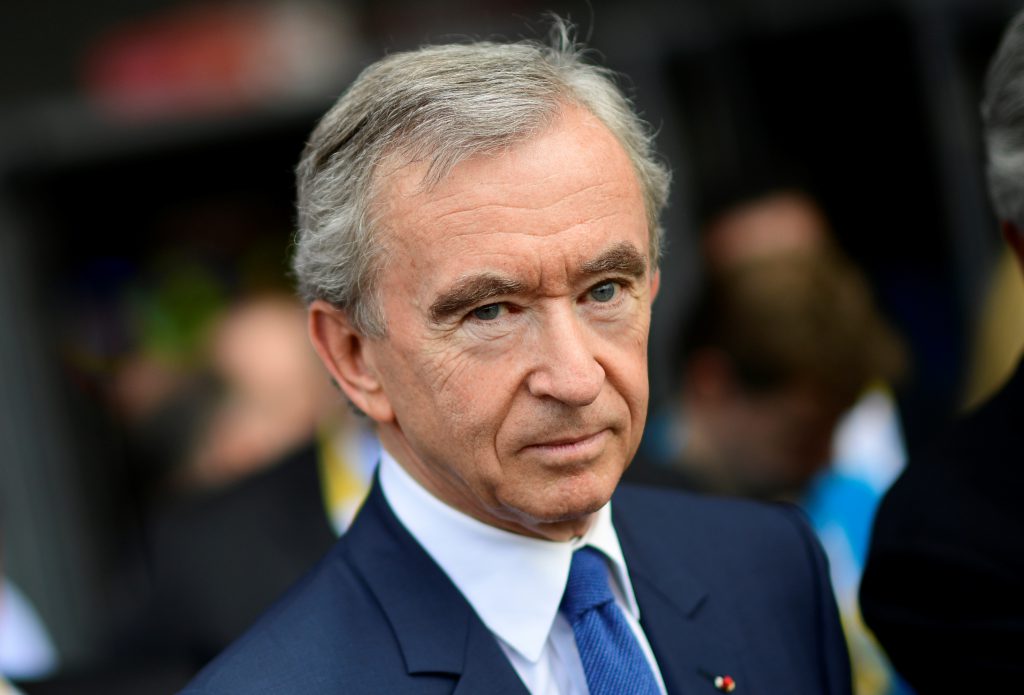
    Bernard Arnault family

    World's Richest Men Bernard Arnault
    Photo Credit: Reuters

    Next on the world’s richest men list is Bernard Jean Étienne Arnault with a net worth of $171.4B. The French business magnate, investor, and art collector is the co-founder and CEO of LVMH, Louis Vuitton and Sephora. Recently, he acquired Tifanny & Co for $15.8 billion and these are just a few of his multitudinous investments.

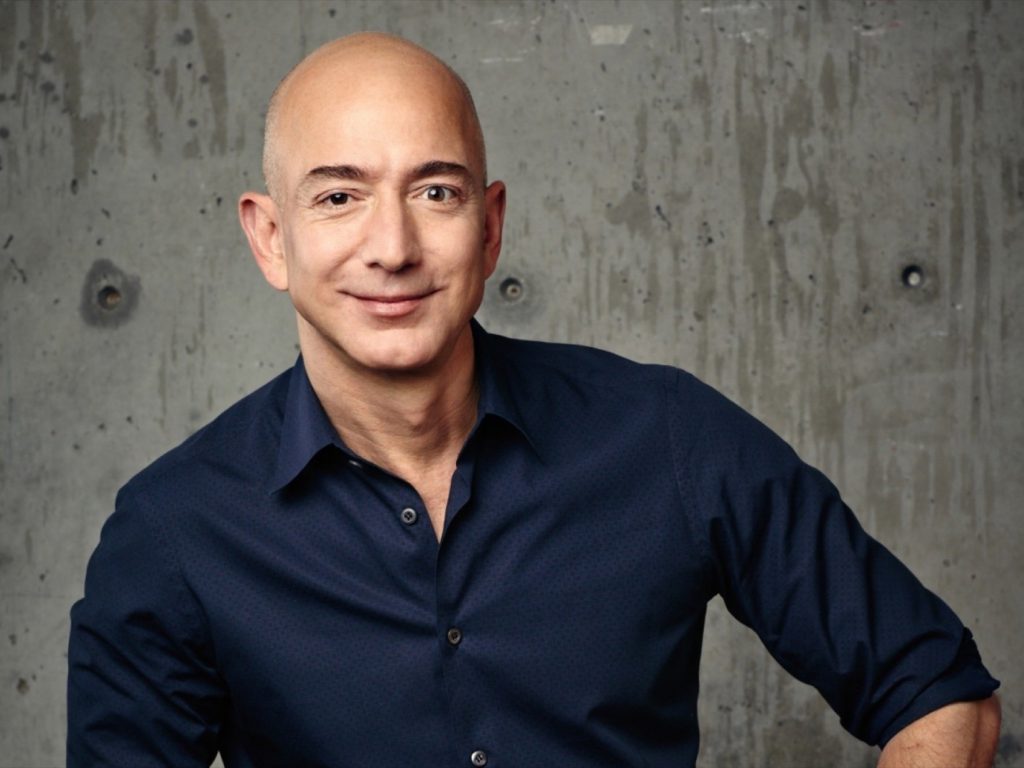
    Jeff Bezzos

    Jeff bezos on world's richest men list
    Photo Credit: The Ladders

    Right out of his garage, business tycoon Jeffrey Preston Bezos built his empire. He is the founder, executive chairman and former president and CEO of Amazon which he almost named “Cadabra”, thankfully he didn’t. He is the third on the world’s richest men list.

    Jeff Bezos equally has a net worth of $167.1B as of august 2022,. Meanwhile in August 2020, Bezos became the first person in contemporary history to accumulate a fortune of over $200 billion. Also in 2018, he was the wealthiest person in the world in 2018 when his net worth doubled, jumping from $81.5 billion in October 2017 to $160 billion the following October, thanks to Amazon’s soaring stock price. The Amazon bigwig stepped down in 2021 from his position as CEO to become Executive Chairman of the Amazon Board. His rationale for this action was to focus Day 1 Fund, Bezos Earth Fund, Blue Origin, The Washington Post, among his other interests.

    Gautam Adani & family

    Gautam Adani
    Photo Credit: Trade Brains

    The 4th richest man in the world is Indian billionaire industrialist Gautam Shantilal Adani worth around $135.9B. He is the richest man in India and all of Asia. Gautam Adani is the CEO of Adani Group which deals on ports development, real estate as well as power generation and transmission. The infrastructure tycoon has plans of becoming the world’s largest producer of green energy and has also said he will invest up to $70 billion on renewable energy projects.

    Bill Gates 

    World's Richest Men Bill Gates
    Photo Credit: Cgiar

    William Henry Gates III is an American business mogul, software developer, investor, author, philanthropist and co-founder of Microsoft. He wrote his first software program at 13 and when he was 19, started Microsoft with his now late childhood friend Paul Allen. From 1995 to 2017, he held the Forbes title of the richest person in the world every year. In 2017, Amazon founder Jeff Bezos outranked Gates to become the wealthiest in 2017. He later resigned as the Chairman of Microsoft to focus on his philanthropic endeavours on climate change, global health, and education. He was married to Melinda gates until the duo parted in 2021 amid a myriad of unhealthy reasons.

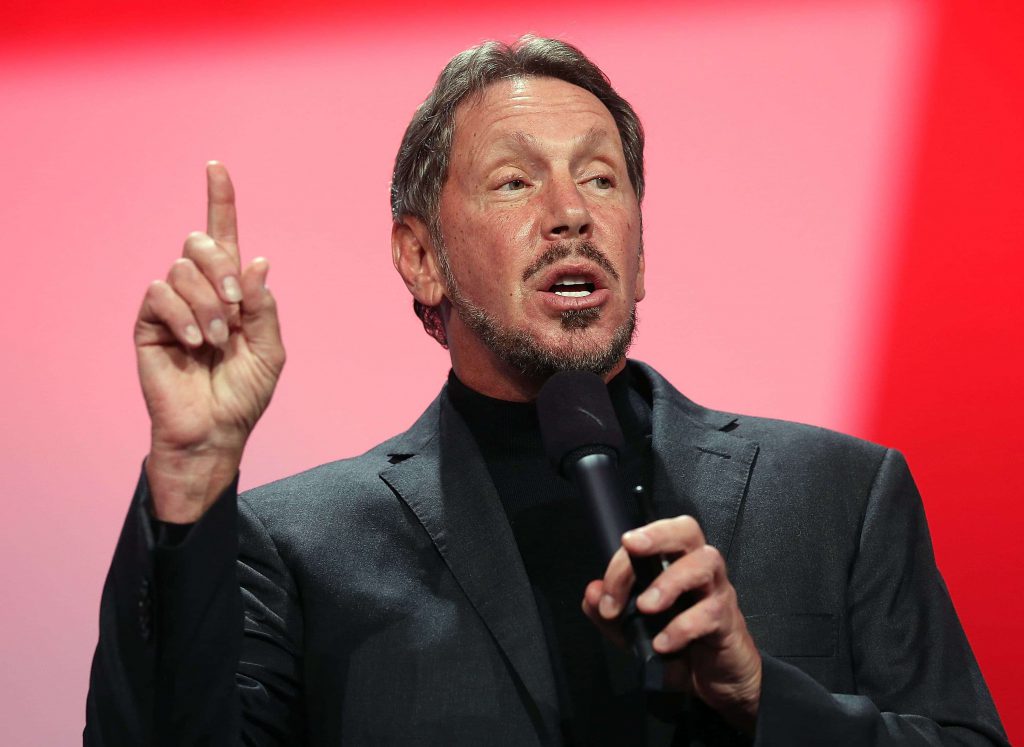
    Larry Ellison

     Larry Ellison on world's richest men list
    Photo Credit: CNBC

    Lawrence Joseph Ellison is the co-founder, chief technology officer and former CEO of American colossal software company, Oracle. The college dropout started out by building databases for the CIA and also expanded to purchasing and owning stakes in NetSuite, Tesla, Astex Pharmaceuticals among others. After 37 years reins on the technology company, Ellison assumed the position of CTO and executive chairman. His current net worth is $109.9B and he’s the 6th world’s richest men list. In addition, Ellison has donated several million dollars to charitable causes. He has been married and divorced four times with four kids but is currently in a relationship.

    Warren Buffet

    world's richest men Warren Buffett
    Photo Credit: CBNC

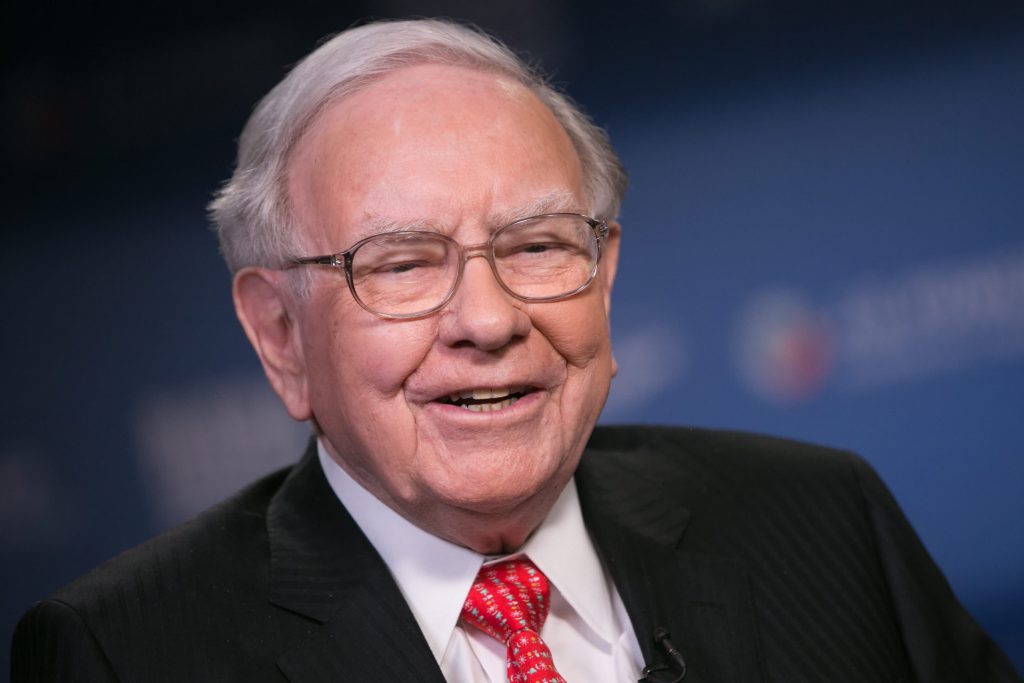
    We cannot curate a list of successful people in the world without including the eminent Warren Edward Buffett. He is an investor and the current CEO of Berkshire Hathaway, a holding company for a multitude of businesses in insurance, freight retail transportation, energy generation and distribution, manufacturing etc. Warren is currently the seventh on the world’s richest men list with a net worth of $106.6B. He is popularly known as the ‘Oracle of Omaha’ and aims to donate 99% of his wealth to philanthropic causes.

    Larry Page

    Lawrence Page on world's richest men list
    Photo Credit: AF24 News

    American computer scientist Lawrence Edward Page is the eight richest man in the world. He is worth over $103.5B . The alpha geek co-founded Google with Sergey Brin and was the CEO from 1997 until 2001. Page subsequently moved to google’s parent company Alphabet and was the CEO before stepping down in 2019. Page has invested in Tesla and several other investments including renewable energy technology.

    Sergey Brin

    Sergey Brin world's richest men list
    Photo Credit: Bio

    Ninth on the list is Sergey Mikhailovich Brin. An American business tycoon, computer scientist, and internet entrepreneur. He was born to Russian Jewish parents and his father is a retired mathematics professor at the University of Maryland. Sergey co-founded Google with Larry Page in 1998 after the two met at Stanford University while studying for advanced degrees in computer science. In 2015 he became the CEO of Alphabet, Google’s parent company and later gave up his role as president in 2019 but still remains a shareholder and board member. Sergey has been married and divorced twice with three children. His estimated net worth as at August is $100.4B.

    Mukesh Ambani

     Mukesh Ambani on world's richest men list
    Photo Credit: Siasat

    Mukesh Dhirubhai Ambani is our tenth wealthiest man in the world with a current net worth of $96.2B. He is the founder and chairman of Reliance Industries, a business his later father who was a textile trader back in the 70s started. After obtaining a degree in Chemical Engineering, he enrolled for an MBA at Standford University but withdrew in 1980 to help his father start Reliance. Mukesh launched reliance’s Jio, a 4G phone and broadband service in 2016 and today, investors in Jio include Google and Facebook.

  • What’s Inflation – Upshot Of It On Future Of Stock Market

    What’s Inflation – Upshot Of It On Future Of Stock Market

    Inflation is an extensively used word that most people have heard, yet few truly make sense of. What’s Inflation?.

    Simply put, inflation is the rise in prices of goods and services over time.

    what's inflation
    Photo Credit : Pexels

    The rise can be due to increase in production cost and upsurge in demand of these products and services. Across the world, it poses a significant challenge because it makes money saved today less valuable tomorrow. It is calculated using a myriad of economic indexes including the consumer price index (CPI) and the producer price index (PPI).

    Consumer Price Index

    The consumer price index measures price changes from the perspective of the consumer and tracks price changes in various goods and services. It is published each month in the Official Journal.

    Producer Price Index

    The producer price index looks at price changes from the seller’s perspective by measuring the prices that companies pay for the the raw materials that are used to produce goods. The PPI is beneficial because price escalations usually starts in the supply chain when the costs of production shoots up.

    What Triggers Inflation?

    What's inflation
    Photo Credit: Pexels

    The causes vary across countries and it does not impact everything the same way.

    Demand-Pull Inflation

    This is the most common cause of price increment and occurs when there is a huge consumer demand for products and services. It is also known as price inflation. If the economy demands more goods and services than are available, it fuels demand-pull inflation.

    With the growing economy and global expectations of inflation which drives people to purchase things to avoid higher future prices, there is ultimately increase in demand. Alternatively, when government monetary policies cannot manage the growth rate of money supply in an economy, it drives hyperinflation. Hyperinflation is the oversupply of physical cash without corresponding increase in production of goods and services. Fiscal policy, technological innovation etc, also creates demand-pull.

    Cost Push Inflation

    Cost push inflation results from increase in cost of production and prices of inputs like raw materials, labour, marketing, rent, supplies etc. Here, the demand for goods and services remains the same or it increases but the supply dwindles. Which causes rise in prices of goods and services.

    This type of inflationary trend is rare because demand usually declines before cost push commence. Natural disasters, supply chain disruptions and exchange rates fluctuations can also bring about cost push inflation.

    What’s inflation doing to the world’s vulnerable?

    What's Inflation
    Photo Credit : Pexels

    Inflation lowers purchasing power, values of pensions, savings and treasury bonds. The people who will inordinately suffer from the price upsurges include low-income consumers with fixed wages, because their income remains static while prices of gas, electricity and food escalates.

    Conversely, there are several uncertainties and worries for those planning towards retirement. A retiree with $1 million saved for retirement who expects to spend $50,000 annually. Assuming 3% annual inflation and a steady 3% rate of return, that $1 million would last for 20 years. But if inflation rose to 12% a year, $1 million would run out in 11 years and nine months—and that’s a good reason to be distressed.
    Is No One Benefiting?

    what's inflation
    Photo Credit: Pexels

    Inflation sometimes has healthy side effects. High rates makes it easier to pay back outstanding debt. Over time, the value of the debt will reduce, since the amount borrowed will not be worth as much. The government find it easier to reduce the real value of its debt.

    Inflationary spirals sometimes influences job growth. Economist A. W. Philips hypothesised that when inflation is high, unemployment is low and vice versa. When job recruitment is high, more people are working and they have purchasing power which ultimately lead to increase in demand and prices soar. On the hand, When less people are working, their purchasing power decreases which leads to decrease in demand and deflation.

    what's inflation
    Photo Credit: Pexels

    Assets like real estate serves as a buffer. If you own assets in housing before inflation rises, it will benefit you. Although there are limitations to this – realtors and landlords increase rents during demand-pull inflation as expected, but will find it hard to do so in cost push inflation.

    Fixed-rate mortgage owners also benefit from inflation because the value of monthly mortgage payments will decrease gradually.

    Other potent hedges against inflation is investments in raw material, agriculture, commodities and gold.

    what's inflation
    Photo Credit: Pexels

    The Future Of The Stock Market

    High inflationary spirals creates uncertainties for banks and companies. There is a reluctance to invest and this can impair the economy’s long-term performance. If inflation is minimal and predictable, it is easier to reduce its impact. Unexpected price hikes is the most upsetting.

    What's Inflation
    Photo Credit : Pexels

    How does this affect the stock market?. It leads to soaring stock prices. The sky-high prices of inputs during inflationary times propel most companies to experience lower profit margins, which negatively affects stock prices. The effects of inflation on stocks in the short run can be more catastrophic than the long run. That is to say that, value of stocks can appreciate over an inflationary period and the goods and services it can be exchanged for remains constant despite higher prices. Although some type of stocks perform better during inflation. Value stocks tend to perform better when rates are high and growth stocks perform better when rates are low. Value stocks are found in sectors like energy, financials, industrial and are less expensive. It is often preferred to growth stocks for investors because of lower risk, lower share prices and dividend income.

  • Apple Launch a Credit Card with no Fees

    Apple Launch a Credit Card with no Fees

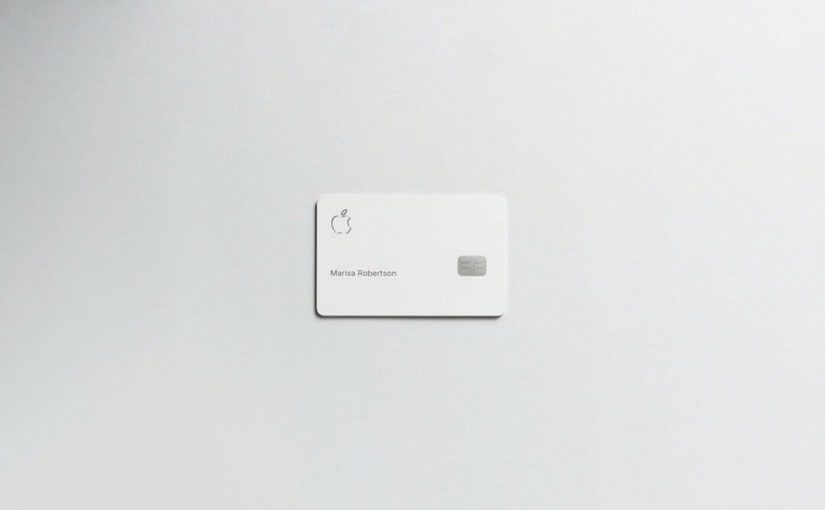
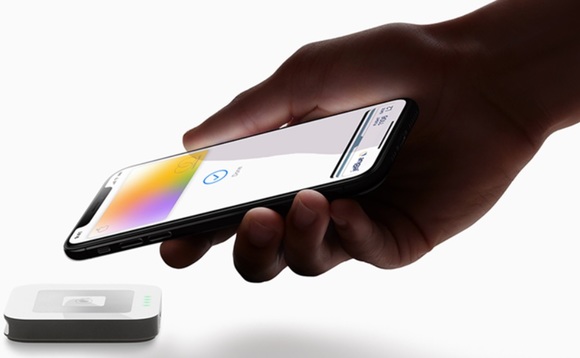
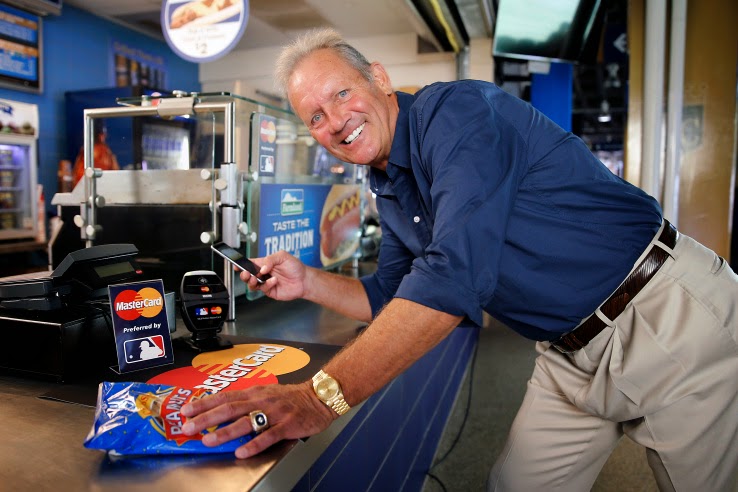
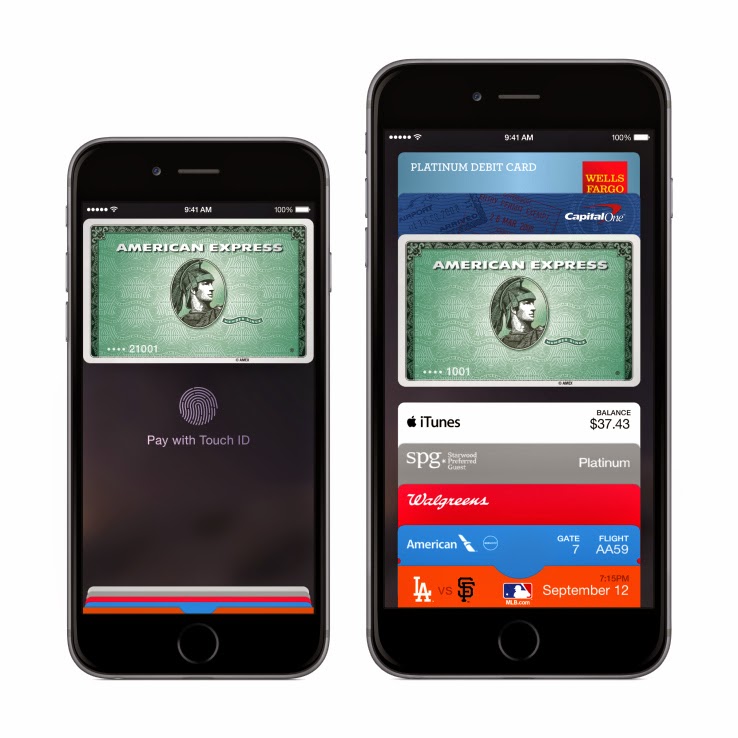
    Apple announced that it would partner with Goldman Sachs and MasterCard to offer its own credit card. The Card is built into the Apple Wallet app on iPhone, offering customers a familiar experience with Apple Pay and the ability to manage their card right on iPhone.

    The Apple Card will come without any late fees, annual fees, over-limit fees, or international fees. Apple Card will be available this summer.

    Daily Cash is added to customers’ Apple Cash card.Every time customers use Apple Card with Apple Pay, they will receive 2 percent cash back on purchases made with Apple Pay and 3 percent cash back on purchases made on Apple products.

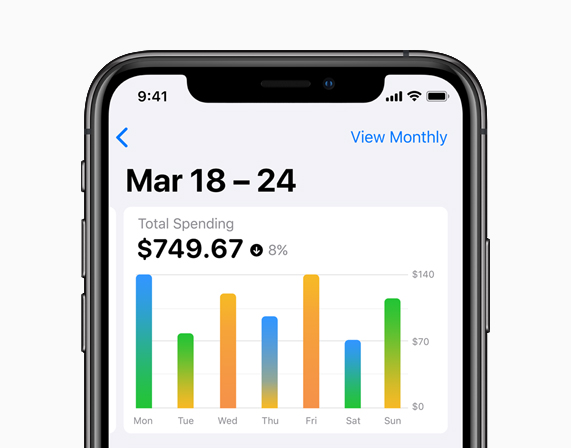
    Apple Card provides weekly and monthly spending summaries, to help customers better understand their spending.

    Privacy and Security

    Apple said a unique card number is created on iPhone for Apple Card and stored safely in the device’s Secure Element, a special security chip used by Apple Pay.

    Every purchase is secure because it is authorized with Face ID or Touch ID and a one-time unique dynamic security code. The unique security and privacy architecture created for Apple Card means Apple doesn’t know where a customer shopped, what they bought or how much they paid.

    The physical Card

    Apple has also designed a titanium Apple Card for shopping at locations where Apple Pay is not accepted yet. Apple has eliminated a lot of the weak points that allow hackers to steal card information.

    The card has no card number, CVV security code, expiration date or signature on the card. All this information is easily accessible in Wallet to use in apps and on websites. For purchases made with the titanium Apple Card, customers will get 1 percent Daily Cash. Apple explains.

  • PayPal will Fully Accept Nigeria only when their US Allies has Ignored them

    PayPal will Fully Accept Nigeria only when their US Allies has Ignored them

    After waiting for a little over a decade, PayPal arrived Nigeria in 2014 – arrived Nigeria with a half-baked service. A service that does little than market foreign products to Nigerians and prevent Nigerians from marketing theirs.

    From the first day they stepped into the Nigerian Market, the intent was quite clear. To make maximum profit from the Africa’s second largest economy and deliver nothing in return. Yes, I said that, the service PayPal provides to Nigerians is completely one dimensional and only profit foreign companies and businesses abroad.

    PayPal would fully accept Nigerians only when their US allies has found a more reliable means to do business. Nigeria has always been the dumping ground of failed US investments. It will come of no surprise if PayPal turn to Nigerians – desperate to do business with them – only after their popularity among US companies has declined. See why we think so.

    Do Nigerians Really Need PayPal?

    In case you are new to the current system, Nigerians can only pay money with their PayPal account but cannot receive money with their accounts. Some Nigerians has led various campaigns, asking that they should be able to receive money through their accounts like in many other countries where PayPal exist. But this campaign don’t usually make it past as many social media platforms.

    Nigerians need PayPal both on the individual scale and the corporate scale. There are so many companies looking to integrate a reliable, convenient and globally accepted payment gateway to their online store. PayPal is one of the few payment gateways meeting such criteria. Some individuals, especially freelancers has found themselves in a position where having a PayPal account is the only thing standing between them and a life-transforming job.

    Just recently, one Kofi Rukky called out PayPal on change.org. She asked that they should allow Nigerians receive money through their PayPal accounts. The petition like every other campaign, fell on deaf ears even after gaining the attention of over 1200 Nigerians.

    Like so many other Nigerians, we have often pondered on the reason why PayPal isn’t fully functional in Nigeria. Reasons why Nigerians cannot receive money through their accounts? In our twitter handle, Geek NG and 3rd Planet Techies responded to our question on why PayPal doesn’t send money to Nigerians. They suggested that “Nigeria is still considered a high risk country, the possibility of getting a full PayPal service is pretty slim”.

    Is Nigeria Really that Bad?

    Nigeria as a country has long being associated with fraud. How can we ever forget the “Nigerian Prince”? The advance fee fraud has also earned popularity across the globe.

    How far away is the 1960s from today?

    Does time really change yesterday? PayPal doesn’t think so.

    Miss Kofi Rukky is just one example of a Nigerian who is relying on the internet to earn legitimate income for themselves. As at March 31, 2017 there are 93,591,174 people accessing the internet from Nigeria. 8th position in the world’s overall ranking of internet users. According to Internet World Stats, this population amounts to 2.5% of the overall internet internet users in the world (3,731,973,423). It is likely to grow at the rate 46,695.6% in the coming year.

    This population of internet users are composed of Bloggers, Programmers, Internet Marketer, Developers, Designers and various other professionals. Professionals who has come to the ‘free web space’ seeking a legitimate way to earn income. It is also important to note that this population has its fair share of cyber criminals and 419 internet frauds.

    But is it fair to punish an entire population seeking to make clean income because of a crime committed by a few individuals? I’m sure Byron Howard and Rich Moore of Zootopia will disagree.

    Sift Science Disagrees Too

    Out of curiosity, I was forced to conduct a research on economic cyber-crime. And it was alarming to know that even the USA has more e-commerce fraud than Nigeria. Really, Nigeria is not even in the top 10. Sift Science has developed a comprehensive analysis on e-commerce fraud activity from practically everywhere in the world. Nigeria, contrary to the general assumption, lies 7 places away from the top 10 countries involved in e-commerce fraud.

    The research showed that people in the smaller countries (in terms of population) like Latvia, Egypt, Mexico, Ukraine, etc are found to participate more in e-commerce fraud than Nigerians. Even bigger economic countries like Russia and the USA has earned its place in e-commerce crime above Nigeria.

    Most US Companies are Losing Trust in PayPal

    Knowledge has increased. US companies are becoming more aware of the loopholes associated with PayPal. Really, if their system is as secure as they claim, why the need to alienate a certain individuals? That is a debate for another day.

    Minimizing cost and maximizing profit is the basic objective of every business. Over the years, PayPal hasn’t helped most businesses in the US towards achieving this basic business objective. Customers who do not have a PayPal account and wishes to buy products has to go through the rigorous process of creating a PayPal account. This in return makes companies/businesses lose potential revenues and clients.

    It has also being argued that PayPal puts customers at a risk of identity theft as they demands too much personal information, makes misleading claims, tricks people into signing up and creating an account they don’t want and extorts more personal data from those who signed up. With too much privacy questions raised recently, it wouldn’t be surprising to see people considering a life after PayPal. And with Bitcoin gaining more international recognition, it is only a matter of time before more serious businesses start jumping ship.

    Why PayPal needs Nigeria?

    Nigeria’s economy is the second largest in Africa ( after South Africa) and her banking system is one of the best in Africa. Nigeria is the most populous nation in Africa and the 7th most populous in the world. PayPal would get to realize that there are lot of business people in the country. People who are willing to use their accounts for legitimate businesses in Nigeria.

    Also, operating in Nigeria opens a unique opportunity for them in Africa. As the arguable giant of Africa, the success of most businesses in Africa depends on how successful it is in Nigeria. Several companies has denied services to Nigeria on the basis that there is no payment gateway for Nigerians.

    PayPal full arrival to Nigeria will mean more companies extending their services to Nigeria. More revenues generated for both parties and more happy Nigerians. Everybody wins! But PayPal won’t see this until their US allies turn their back on them.

  • YouTube’s demonetization finally recognized; popular creators mad

    YouTube’s demonetization finally recognized; popular creators mad

    YouTube (the behemoth video website and subsidiary of Google [GOOG]) has been the home for many of the world’s at-home entertainment for years. At its inception, YouTube was a simple video sharing website where people can host their video content on the web. The idea caught on eventually when the first ever viral videos made their way to the young website, and content creators like Smosh began to make creative videos on the website.

    Going from 2005, YouTube became a major hub of videos of all types and it saw a very large audience flocking to its service everyday to enjoy an array of content from an even larger array of uploaders/channels. And it is only natural for a new leader of a market to attract the attention of large companies like Google, who bought the company in 2006 for $1.65 billion in stock. And much like anything Google touches (well, almost everything), YouTube became great. It is great, and has been great since its inception.
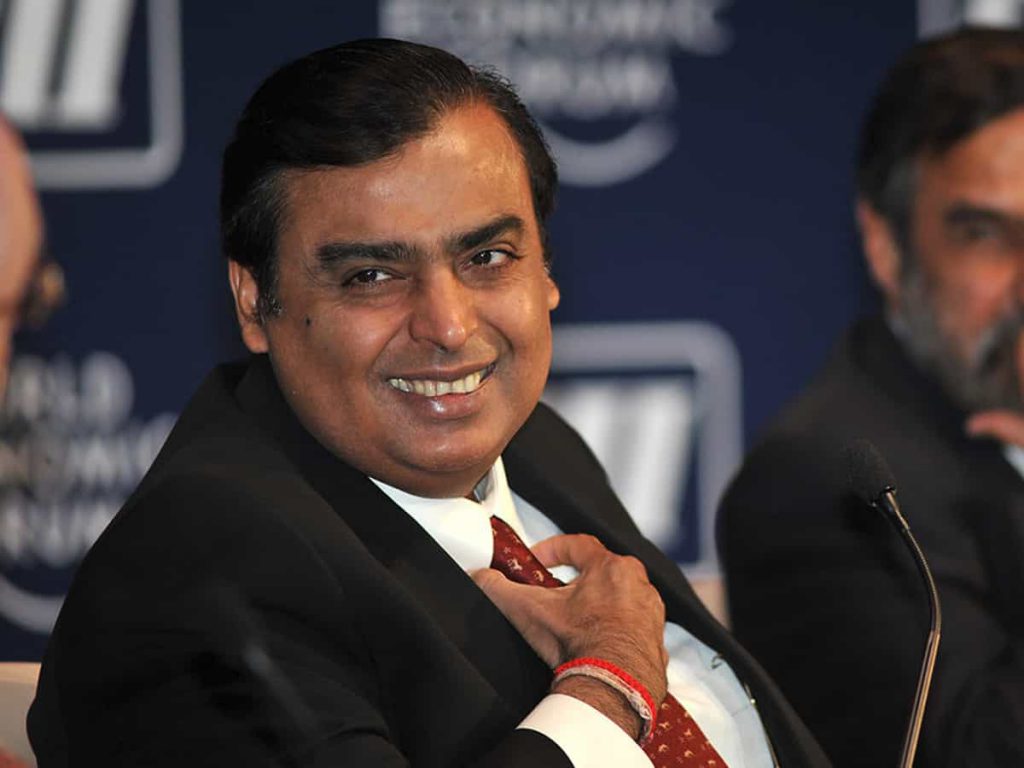
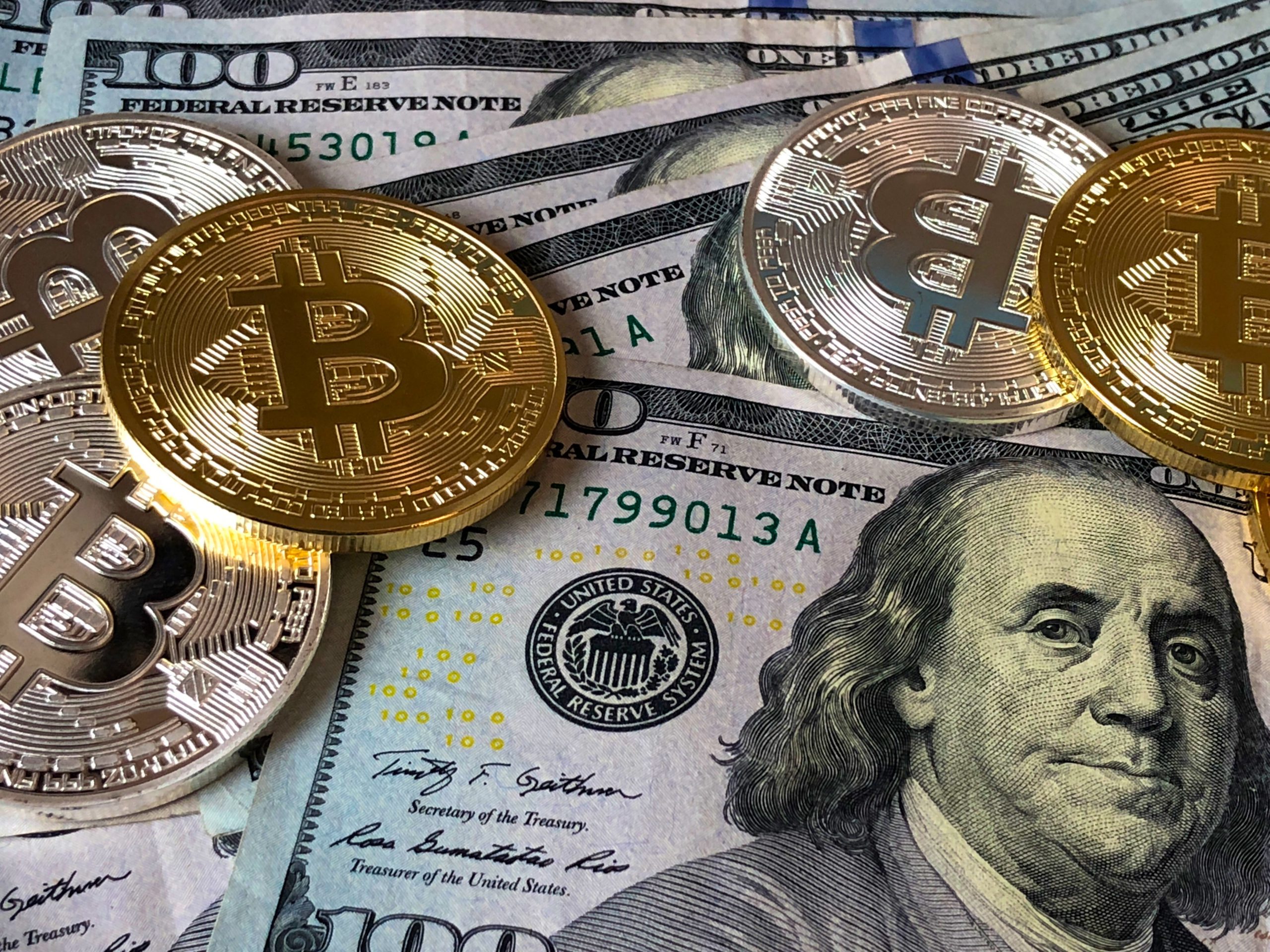
    With the what seems somewhat successful YouTube Red, and the plethora of advertisers and high-quality content creators, YouTube has had many successful quips under its name (even though it still doesn’t make any money for Google), but it has just an equal amount of not-so popular choices. Choices like these include: the forced Google+ integration, introduction of the buggy content-ID system, and now: the demonetization mechanic.

    Now, the demonetization feature isn’t new to YouTube: it has been a part of the website since 2012. It is essentially a system that takes the tags and information of uploaded videos applied for monetization, and will remove their monetization (or deliver less of it) if the video results in being “not advertiser friendly.” However, it wasn’t until about last week that popular YouTuber content creators began to take notice of the system: and that was because YouTube finally began to inform creator’s that the system has edited their video’s advertising state.

    You could say the fire of this month’s YouTube drama began with creator Philip DeFranco’s video discussing the demonetization of his videos. From there on, multiple other popular YouTubers made videos regarding the concerns, and many others made videos announcing how this was a form of “censorship.” While the publicity of the system has definitely made many content creator’s upset (and has essentially “screwed” over others in some cases), the question about others stating this as “censorship” is quite a hot topic among the community. What many do not know, however, is this is in fact not a form of censorship, and is just the system applying the guidelines for monetization to videos.

    The outcry from creators and their arguments of “censorship” have triggered a factory line of similar videos discussing how someone needs to make a new site like YouTube where “free speech” still reigns supreme. These concerns were acknowledged by video site Vid.me in a humorous trailer playing off of the entire trend. However, what many have not taken into account is the difficulty of managing a service like YouTube, and the fact that the demonetization stands and is not censorship.

    As aforementioned, this system simply reduces the targeted ads (or removes them altogether) on videos who include tags that are rather brash, racial, harmful, offensive, etc. Tags such as “sex,” or “death” would be ones that fall subject to the demonetization system. And many popular content creators have published several videos that used tags within these categories once or twice. This isn’t a form of censorship, as the videos will remain online but rather it protects ads from being presented to the wrong audience and ensures quality for those engaged in Google’s Adwords system.

    Putting to rest the worries isn’t enough however, as the software for this system is still messed up and many videos that are clean for advertisers will still fall victim: reminiscent of the YouTube Content-ID system. And the fact that it took this long for the company to address the demonetization of a creator’s video truly has no justification on YouTube’s part. At the end of the day, this revelation is much like many in YouTube’s career: where the creators and community discover a flaw, creators are effected, the community is enraged, and then the facts are laid out on the table.

    This essentially points YouTube out as a still young and somewhat broken service. It lacks in properly educating its creators on the finer points of its legal terms, and it fails to correctly communicate with the creators that care for the platform. YouTube should strive to improve how it handles its community, and to improve its automated systems.

    To learn more about YouTube’s demonetization, check out this write by the Internet Creators Guild.


    An original article by Jake Brunton

  • Getting Started With Apple Pay? See How it Works

    Getting Started With Apple Pay? See How it Works

    Apple Pay is now available for anyone to use, provided they’ve got all the prerequisites, both for physical stores and for online transactions.

    But you can’t just walk up to your local brick-and-mortar store and wave your iPhone and walk out with whatever you want – that would be theft. Instead, you’ll need the following to be in place to have a happy Apple Pay experience.

    1. Hardware: iPhone 6 or 6 Plus for retail; iPad Air 2 or mini 3, or iPhone 6 or 6 Plus for in-app transactions
    2. Software: iOS 8.1 (which just because available earlier today)
    3. Touch ID set up on your device with at least one stored fingerprint
    4. A credit or debit card from one of Apple’s launch payment partners
    5. An iCloud account

    After you’ve got all that in place, you can opt to either use the cards you’ve already got on file in iTunes to pay, or add a new one. Adding a new one is as easy as snapping a pic of your plastic, and then manually entering the security code around back. You can also manually enter all the information, if you’d rather not use the camera. If the card is compatible, it will verify and make it available for purchases. If it isn’t, call your bank and ask them to get with the program.

    If you’re using a card already on file, you’ll just need to enter the security code found on the back to authorize its use, and then agree to the Apple Pay terms of service. Once that’s complete, you’re ready to roll.

    Apple Pay in stores should be available at participating launch retailers, which include Aéropostale, American Eagle Outfitters, Babies”R”Us, BJ’s Wholesale Club, Bloomingdale’s, Champs Sports, Chevron and Texaco retail stores including ExtraMile, Disney Store, Duane Reade, Footaction, Foot Locker, House of Hoops by Foot Locker, Kids Foot Locker, Lady Foot Locker, Macy’s, McDonald’s, Nike, Office Depot, Panera Bread, Petco, RadioShack, RUN by Foot Locker, SIX:02, Sports Authority, SUBWAY, Toys”R”Us, Unleashed by Petco, Walgreens, Wegmans and Whole Foods Market.

    Online, apps are already rolling out that also support Apple Pay, so check your updates column, or stay tuned to the “Featured” page, where Apple will be surfacing many of them. You can authenticate the purchases using your fingerprint, so long as you’ve registered it with Touch ID, or using your passcode if that doesn’t work for some reason. Apple Pay is secure thanks to the system it uses to store and transmit payment information, which doesn’t actually share any credit card details over NFC with the merchant, and it works with your existing cards, including rewards programs, etc.

    We’ll have a first-hand account of how Apple Pay works in the real world shortly, but early reports from Twitter seem to indicate things are working smoothly with the newly launched

    Originally posted on TechCrunch

  • Quickteller – Buy Airtime, Pay Bills and Transfer Funds Easily Online with your ATM Card

    Quickteller – Buy Airtime, Pay Bills and Transfer Funds Easily Online with your ATM Card

    A lot has been said about Nigerian cashless economy since the turn of last year. While the government seems to delay the implementation of this service, Quickteller has given us a taste of what it means to go cashless.

    Quickteller is a company based in Nigeria that allows Nigerians to buy airtime and pay bills online using their ATM card. The website has been around for some time but came to the interest of EwtNet only a few months ago, after the company added MasterCard NG to their list of payment means.

    Also read: How to create a US bank account in Nigeria

    What Quickteller can do for you?

    While a lot of Nigerians are already acquainted to buying airtime through ATM centers, you can ignore the long queue and and follow the shortcut: Quickteller allows you to easily top up your airtime balance online through your account dashboard. Currently supported mobile carriers include:
    • MTN Top-up (Prepaid)
    • Glo Top-up (Prepaid)
    • Airtel Top-up (Postpaid & Prepaid)
    • DexterSim Top-up (Prepaid)
    • Etisalat Top-up (Prepaid)
    • Visafone (Direct Top-up)
    • Starcomms (Direct Top-up)
    • Smile Communication Nigeria (Direct Top-up)
    The service also allows you to pay bills such as Government tax, School fees, TV renewal fees, Donations, Tithes, etc.

    Also Read: Say Yes! to Airtel Ultimate Opera Mini Browsing

    Apart from topping up and paying bills, Nigerians can as well transfer funds or receive funds to their back account directly from Quickteller.

    The service saves you a tremendous amount of time, easy to use, mobile friendly and does not apply additional charges to paying bills and buying airtime.

    The Down Side

    In all ways but one, Quickteller has proven to be flawless in delivering efficient and quality service to Nigerian residents. To help you remember your card details, you can add your mobile phone number to your account. However, as Salvador Dalí rightly placed it, “Have no fear of perfection – you’ll never reach it.” Quickteller has confirmed that it’s no candidate to bridge that saying as the company show it’s own lapses.
    Time and time again, Nigerian shopping malls seems to go clueless when it comes to payment processing. Quickkteller, is once again a victim of this circumstances: The payment processor is currently limited to the use of MasterCard and Verve ATM cards. This implies that users whose ATM card parade the VISA logo has no place in Quickteller. You should also be aware that your international MasterCard will not be accepted. However, it is my beleive that this service will be improved sooner rather than later.
  • How to Create a U.S and Other Foreign Bank Accounts and Get a Debit Card any

    How to Create a U.S and Other Foreign Bank Accounts and Get a Debit Card any

    If you are residing within Australia, Nigeria, India, Russia or anywhere else around the world, wanting to own a U.S bank account or localized accounts in EURO, CHY, GBP and JPY. The Payoneer service is a secure and convenient service that allows you to send and receive funds globally.

    This is nothing like PayPal or the likes. These are fully functional bank accounts in your name. You can withdraw your funds from an ATM or make payments online with your Payoneer debit card.

    Payoneer debit card
    Payoneer debit card

    As a resident of Nigeria (or any other country) you can own a U.S Checking Account that provides you with a US collection account that can be used to receive payments from US companies directly to your Payoneer account.

    These payments can be withdrawn using your Payoneer debit card or used to make other payments online.

    Payoneer Global Payment Service

    Furthermore, Payoneer allows account holders to own, receive and make payments in other localised currencies using the Global Payment Service.

    There are two types of receiving accounts:

    Local receiving accounts – let you get paid by local bank transfer from companies in different countries as if you had a local bank account in that country. Receiving local accounts include:

    • USD Receiving Account (United States)
    • EUR Receiving Account (Europe)
    • GBP Receiving Account (United Kingdom)
    • CHY Receiving Account (People’s Republic of China)
    • JPY Receiving Account (Japan)

    Wire (SWIFT) receiving accounts – let you get paid by wire transfer worldwide. You can use wire (SWIFT) receiving accounts to receive payments from companies located in countries where local receiving accounts aren’t supported.

    Payoneer Debit Card

    Payoneer allows you to receive ACH / Direct Deposit transfers from cooperate organizations such as eBay, Fiverr, Amazon, Upwork, etc. The debit card makes it easy and convenient to perform various transactions online such as purchasing or paying for services online and can be used in any ATM globally that accepts MasterCard.

    You can request for a separate debit card for all your currencies. Depending on your location, your debit card is shipped between 2-5 weeks.

    Setting Up your Payoneer Account

    Creating a Payoneer account is easy. You can start by simply creating an account on the Payoneer website. But the easiest method to get your account approved and verified is going through a third party.

    Co-operations such as Amazon, SeoClerks and Fiverr allows you to receive funds through your Payoneer account. Hence, providing you with a unique link to setup of your Payoneer account. In this tutorial, I will be walking you through on how to setup your U.S bank account and get your Payoneer card using Infolinks.

    Requirements

    • A Valid Email Address – Create a Gmail
    • A Website/Blog – Create a Free Blog
    • Infolinks Publisher Account – Create it!
    • A scanned copy of a government-issued ID (any of Driving licence, Passport, National ID or Voter’s Card will be fine)

    Setting Up your Infolinks Publisher’s Account

    Infolinks is a media advertisement partner that allows you to share advertisement revenue by implementing the infolinks publisher code on your website or blog.   If you don’t already own one, proceed to Gmail to create a free email account. Then visit Blogger.com to start a free blog powered by Google.

      When all is set, proceed to Infolinks Publisher’s account setup, and enter your website/blog (e.g. website.blogspot.com) address in the specified input box. FIll the remaining info and complete the setup by implementing the Infolinks code on your website/blog (See how to add custom widget on Blogger to add your Infolinks code on the Blogger platform).

    Request your Payoneer Debit Card

    I believe you have already setup your email address and created an Infolinks publisher’s account. Now, proceed to your Infolinks payment setting:

    • Enter your contact details and click next
    • Select Payoneer pre-paid debit card as your payment method
    • Immediately beneath this area, you will find a notification box prompting you that no Payoneer account is associated with your infolinks account. Kindly, follow the Creat account link and fill the form at the Payoneer website. This process will require your email address and a government issued ID. If you do not have any of driving licence, national id or passport you can select National ID and use your voters’s card later.
    Get paid using Payoneer on Infolinks

    Note: Ensure that your billing address is valid and correct. To be on the safer side, visit the nearest post office to get details of your mailing address.

    • At this point a confirmation message will be sent to your email. Sit back and wait for 2-5 business days for your Payoneer account to be reviewed and approved.

    Once your account is approved you will receive a congratulation email!

    Activate Payoneer Debit Card

    Your Payoneer Debit card will arrive your mailing address within 2-5 weeks. Once you receive it, you can proceed to your Payoneer account to view your status and activate your card.

    Setting Up your U.S Bank Account

    A free U.S checking account will be created for you the moment your debit card request is approved. This account is used to receive payments from US companies directly to your Payoneer account.

    Check your email inbox for an email from [email protected] containing the following message:

    Dear FirstName,

    Welcome to the Payoneer US Payment Service.

    This service provides you with a US collection account that can be used to receive payments from US companies directly to your Payoneer account!

    Your US Payment Service information:
    BANK NAME: Bank Of America
    ACCOUNT TYPE: CHECKING
    ACCOUNT #: ***-***-***-***-***-***
    ABA # (Bank Routing Number): ####-#####
    Please Note: Your US Payment Service has not yet been verified. In order to ensure that payments you receive are funded to your account without delay, you’ll need to verify your service by completing the following steps:

    Click here to complete the US Payment Service Questionnaire
    Click here to submit a copy of your government-issued photo ID

    Kindly, follow the links provided in the email to submit your US Payment Questionnaire and a scanned copy of your government-issued photo ID respectively.

    Wait for a message similar to this one:

    Congratulations! Your U.S Bank Account is ready to be used. You can use this account to receive funds from various U.S co-operation including Paypal and Amazon.

    Need Help?

    If you want us to help you setup your U.S Checking Account or request for a Payoneer debit card. Contact us here.

  • Liberty Reserve Gone?  Top 3 Option for Online Payment Gateways!

    Liberty Reserve Gone? Top 3 Option for Online Payment Gateways!

    The shutting down of libertyreserve by the US government is probably the saddest news any internet marketer would want to hear. Now the question surrounding the whole affaire is why were they shut down? and is there an alternative? I can not give you answer to the first question but the later is what we are going to consider here.

    When payment gateway is mentioned, the first thing that comes in mind is paypal but is paypal really enough?
    In most countries like Nigeria, Lebanon, Ghana etc paypal is completely out of bounds (registration is not available to users from such countries). What is the payment option for a user from such countries? Lets take a look at the the top 3.

    Top 3 Option for Online Payment Gateways

    Perhaps, the US government is sounding a warning bell to all global payment exchange network, so it is important you consider your options wisely.
    Why Liberty Reserve was shut down
     On the 24th of may 2013 Arthur Budovsky Belanchuk was arrested is Spain under charges of financial crimes during worldwide investigation. He is the founder and owner of Liberty Reserve, one of the most popular electronic currencies online

    Security expert Bryan Krebs said Liberty Reserve’s features such as using only a name, date of birth and an email address as a means of identification  had made it a popular among cybercriminals who wanted to move funds and make payments anonymously.

    If you wanted to launder money, you would open an account with Liberty Reserve, providing them with a name, which could be fake, and an e-mail address. The key to the scheme was that you couldn’t then deposit money directly into the account. Instead, you had to work through middlemen, who were called “exchangers.” These were typically unlicensed moneymen in countries like Malaysia, Nigeria, and Vietnam, who bought Liberty Reserves in bulk from Liberty Reserve. You would pay them dollars (or whatever currency) for a certain sum of Liberty Reserves, which they would then deposit into your account. And when you wanted to withdraw money, the process worked in reverse, perhaps with an exchanger in a different country. (Liberty Reserve itself took a one-per-cent fee on transactions, while the exchangers typically charged five per cent or more.) The point of doing it this way was that the Liberty Reserve bank would have no identifying data for you (no record of how or from where you sent the money), since the deposits and withdrawals were all done through the exchangers.
    This arrangement made money laundering easier, which seems to have been the main function of the network.

    Although, many will ague that they have used liberty reserve for only legal transaction but the LR currency is not legal as it does not have any limit of currency that can be produced, Budovsky can choose to produce 1Million LR for himself if he so wish.

    What are the alternatives?

    1. Payza

     Payza, previously known as Alert Pay has improved over the years and gradually placed himself as the direct alternative to paypal. Unlike Liberty Reserve, Payza plays the middle man between your bank and your internet transaction. You fund your account via your credit card and also withdraw your money back to your back account. This is pretty convinient as it allows users to transfer money from one user to the other and uses a very tight verification system..

    2. Payoneer

    Payoneer provides their users with a credit card that can be used globally, It is pretty much like your bank account, the verification requires you to provide a government issued identification such a driving licence, passport or national id. You can also send and receive payments from various local eWallets such as WebMoney, Payza etc from any part of the world.

    3. Perfect Money

    Perfect money like Liberty Reserve uses a currency exchange system, if you are addicted to the Liberty Reserve system of transaction then Perfect Money is just the ideal option for you. Best online sellers and buyers of perfectmoney, paypal, and other ecurrencies which you can trust are
    myecurrencyexchange.com, wm-center.com, alerexchanger.com and you mention…

    Above: Preet Bharara, United States Attorney for the Southern District of New York, describes charges against Liberty Reserve, The New Yorker.

  • Why Did Criminals Trust Liberty Reserve?

    Why Did Criminals Trust Liberty Reserve?

    Liberty-Reserve.jpg
    Liberty Reserve, the alternative-payment network and digital currency that federal prosecutors shut down a couple of days ago, was not, as it described itself, the Internet’s “largest payment processor and money transfer system.” (PayPal, obviously, is much bigger.) But Liberty Reserve was, by all accounts, the Internet’s largest payment processor for illicit and criminal transactions. The Justice Department says that since the founding of Liberty Reserve, in 2006, it has handled more than fifty-five million transactions totalling more than six billion dollars, and as of last year it had more than a million users. In effect, Liberty Reserve provided a key piece of the infrastructure for criminal activity on the Web. What makes it so interesting is that it was only able to do so by getting hundreds of thousands of criminals to trust it.
    Descriptions in reports of the legal action against Liberty Reserve have made its day-to-day business sound enormously confusing. So let’s walk through how it worked. Liberty Reserve functioned like a bank that only took deposits in its own currency (also called the Liberty Reserve). If you wanted to launder money, you would open an account with Liberty Reserve, providing them with a name, which could be fake, and an e-mail address. The key to the scheme was that you couldn’t then deposit money directly into the account. Instead, you had to work through middlemen, who were called “exchangers.” These were typically unlicensed moneymen in countries like Malaysia, Nigeria, and Vietnam, who bought Liberty Reserves in bulk from Liberty Reserve. You would pay them dollars (or whatever currency) for a certain sum of Liberty Reserves, which they would then deposit into your account. And when you wanted to withdraw money, the process worked in reverse, perhaps with an exchanger in a different country. (Liberty Reserve itself took a one-per-cent fee on transactions, while the exchangers typically charged five per cent or more.) The point of doing it this way was that the Liberty Reserve bank would have no identifying data for you (no record of how or from where you sent the money), since the deposits and withdrawals were all done through the exchangers.
    This arrangement made money laundering easier, which seems to have been the main function of the network. But Liberty Reserves were also used as a digital currency, in the sense that that there were “merchants” who would accept L.R.s as a form of payment for goods and services. (Liberty Reserve actually designed a shopping-cart interface for their Web sites.) These merchants were, at least according to the government, “overwhelmingly criminal in nature,” engaging in transactions in which both the buyer and the seller had an interest in anonymity. They included traffickers in stolen credit-card and social-security numbers, drug dealers, and hackers. If you wanted to pay for someone to hack a company’s data, you could just transfer L.R.s from your bank account to theirs. What Liberty Reserve offered criminals, in other words, was something that had, relatively speaking, the anonymity of cash (since all that identified you was an e-mail address) in the virtual world.

    What’s fascinating about all this is that, at least for a while, it worked—drug dealers were willing to trade real drugs and hackers were willing to do real work in exchange for Liberty Reserves. That suggests they were confident that the currency wouldn’t become worthless, and that when they wanted to trade their Liberty Reserves for dollars (or euros), they’d be able to do so with reasonable ease and at a reasonable price. This is a little surprising. It makes sense to accept dollars for your work, because you can be certain you’ll be able to use them to buy stuff tomorrow—the fact that they’re the legal currency of the U.S. is a good guarantee of that. But Liberty Reserves were backed by nothing at all. They were historically pegged to the U.S. dollar—one L.R. equaled one dollar—but there were no legally binding rules that guaranteed that exchange rate (the whole point of the system was that it was outside the law), which means that Liberty Reserve could, in theory, have raised or lowered the rate at will. More important, there were no restrictions that would have prevented Arthur Budovsky (who founded Liberty Reserve) from simply printing as much currency as he wanted and using it to buy illicit goods. (This makes it different from Bitcoin, which has been algorithmically engineered to permanently limit the number of bitcoins in existence.) Had Budovsky done this, it would have radically devalued the wealth that everyone else had in Liberty Reserves. Yet, even knowing that, hundreds of thousands of people, many of whom broke the law for a living, put their faith in the system.
    The reason they were willing to do so, presumably, was that the long-term value of Liberty Reserve as a business depended on it not screwing over its customers. Like good disciples of Adam Smith, Liberty Reserve’s users relied not on Budovsky’s benevolence but, rather, on his pursuit of his own self-interest. This was a good gamble for a while, but there was an important catch: because Budovsky couldn’t protect Liberty Reserve from the U.S. government, all of those L.R.s are now essentially worthless. Still, Liberty Reserve’s success (short-lived as it was) is a kind of testament, however perverse, to the fact that markets can flourish even when there is no government to supervise them, and no legal way to enforce the rules. When self-interest is well-harnessed, apparently, you get honor even among thieves.
    Above: Preet Bharara, United States Attorney for the Southern District of New York, describes charges against Liberty Reserve. Photograph by Mike Segar/Reuters.
    Credit: http://www.newyorker.com/online/blogs/newsdesk/2013/05/why-did-criminals-trust-liberty-reserve.html

  • Earn Real Money Online with Google Adsense

    Earn Real Money Online with Google Adsense

    Adsense is considered as one of the most powerful tool in a website publisher’s arsenal. It enables a person to monetize their sites easily. If used properly, it can generate a very large and healthy income for them.

    However if you are not using them rightly and just maximizing the income you squeeze from it, you are actually leaving a lot of money on the table. Something all people hate doing.

    Start Earning with Google Adsense

    How you can start earning money with Adsense can be done easily and quickly. You will be amazed at the results you will be getting in such a short period of time. Start by writing some quality content articles which are also keyword incorporated. There are a lot of people given the gift of being good with words. Writing comes easy for them. Why not make it work in such a way that you will be earning some extra cash in the process.

    New Google AdSense Interface (Year: 2016)

    There are actually three steps to put into mind before you begin writing your ads and having an effective Adsense.

    1. Keyword search

      Find some popular subjects, keywords or phrase. Select the ones which you think has more people clicking through. This is actually a keyword selector and suggestion tool that some sites are offering to those who are just their Adsense business.

    2. Writing articles

      Start writing original content with keywords from the topics that you have achieved in your search. Take note that search engines are taking pride in the quality of their articles and what you will be writing should keep up with their demands.

    3. Quality content site

      Build a quality content site incorporated with Adsense ads that is targeting the subject and keywords of your articles and websites. This is where all that you’ve done initially will go to and this is also where they will prove their worth to you.

    The proper positioning of your ads should be done with care. Try to position your ads where surfers are most likely to click on them. According to research, the one place that surfers look first when they visit a certain site is the top left. The reason behind this is not known. Maybe it is because some of the most useful search engine results are at the top of all other rankings. So visitors tend to look in that same place when browsing through other sites.

    Techniques to Maximize your Adsense Earning

    Some of those who are just starting at this business may think they are doing pretty well already and thinking that their clickthrough rates and CPM figures are quite healthy. However, there are more techniques and styles to generate more clicks to double your earnings. By knowing these techniques and working them to your advantage, you will realize that you will be getting three times more than other people who have been previously doing what they are doing.

    Finally, Adsense has some excellent tracking statistics that allows webmasters and publishers to track their results across a number of site on a site by site, page by page, or any other basis you wanted.

    You should be aware of this capability and make the most of it because it is one powerful tool that will help you find out which ads are performing best. This way, you can fine tune your Adsense ads and focus more on the ones being visited the most rather than those who are being ignored.

    Another thing you should know. Banners and skyscrapers are dead. Ask the experts. So better forget about banners and skyscrapers. Surfers universally ignore these kinds of ad formats. The reason behind this is that they are recognized as an advert and advert are rarely of any interest that’s why people ignore them.

    To really start making money with Adsense, you should have a definite focus on what you wanted to achieve and how you will go about achieving them. As with any other kind of business ventures, time is needed coupled with patience.

    Do not just ignore your site and your Adsense once you have finished accomplishing them. Spare some time, even an hour, making adjustments to the Adsense ads on your sites to quickly trigger your Adsense income. Give it a try and you would not regret having gotten into Adsense in the first place.