Neptune Pine Is an Android Phone in Watch Form. Have you ever thought of wearing your mobile phone around your wrist? The video below will wow you. https://www.youtube.com/embed/KOJ45k2KOgY?feature=player_embedded
The above video was originally posted by Mashable.
Search results for: “smartwatch”
-
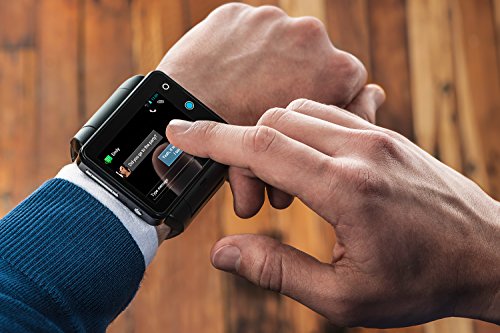
Video Review: Neptune Pine Android Smartwatch
-
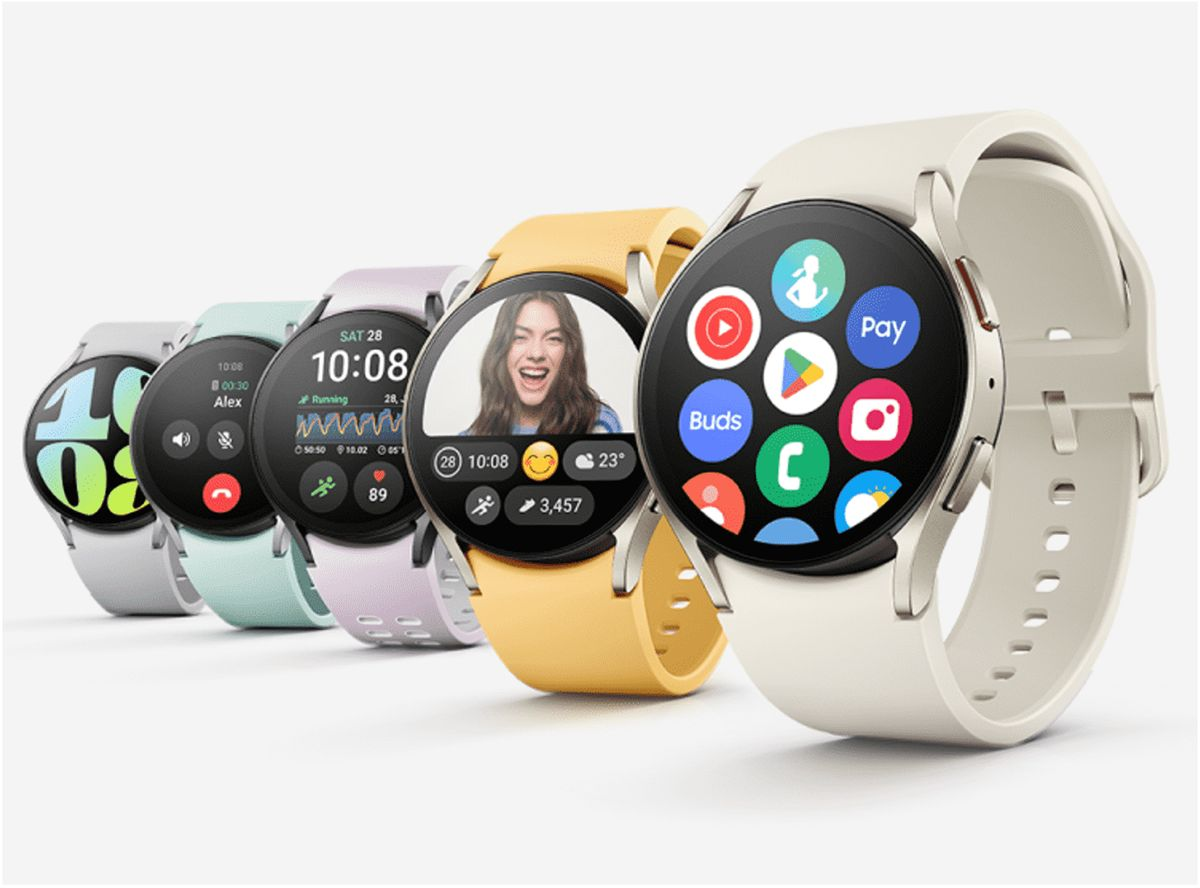
Samsung Galaxy Watch 7 Series: July Unpacked Event
Samsung’s next-gen smartwatches identified by model numbers SM-L300, SM-L305, SM-L310, and SM-L315, have been spotted on the FCC certification. The latest Galaxy Watch 7 series will be revealed at the next Samsung Unpacked event scheduled to be held on July 10, 2024.
We got wind of some of the features, including Wi-Fi and LTE connectivity, and different models; Galaxy Watch 7, Galaxy Watch 7 Classic/Pro, and Galaxy Watch 7 FE. Samsung is also expected to showcase the Galaxy Z Fold 6 and Galaxy Z Flip 6.
Samsung, Apple, and Google have been the leading competitors in the wearables and smartwatch market for years now. The Samsung Galaxy Watch 6 is one of the best smartwatches for Android users, especially those with Samsung phones. It features a rotating bezel, health and fitness tracking, durable sapphire glass, potentially longer battery life, LTE connectivity, and a more competitive price than the Apple Watch Series 9.
Although the Galaxy Watch 6 and Watch 6 Classic are ideal for Android users, the Apple Watch Series 9 continues to set the standard for smartwatches. It runs on the efficient S9 chip, with improved battery life and on-device Siri processing for quick and private responses. Features include Double Tap, which lets you control the watch by tapping two fingers together, an FDA-cleared electrocardiogram sensor, and SpO2 measurement, although this last feature is no longer available on US models sold after January 18, 2024, due to the Apple Watch blood-oxygen monitoring patent dispute.
Google’s Pixel Watch 2 which is another good smartwatch for Android users now includes auto-start workout detection, fall detection, SpO2 measurements, and a modernized Fitbit app. It also introduces Safety Check and Body Response features for stress detection and management. Although it’s great for health and fitness tracking, the battery life lasts only about a day.
-
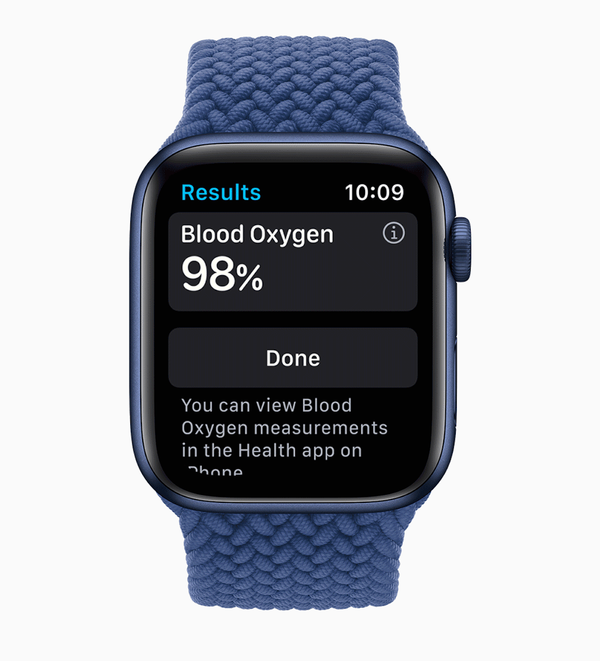
Apple Watch Blood Oxygen Monitoring Feature Removed Following Patent Dispute
Due to a patent dispute with Masimo, Apple plans to omit the Apple watch blood oxygen monitoring feature from its latest smartwatch models, the Series 9 and Ultra 2. This is in response to a potential ban on the devices in the United States, pending the outcome of an appeal.
The disclosure came on Monday from Masimo Corp., a company entangled in a patent dispute with Apple concerning the technology behind Apple watch blood oxygen measurement. Masimo revealed that the U.S. Customs and Border Protection approved this plan on January 12, asserting that Apple’s redesign falls outside the scope of the import ban imposed by the U.S. International Trade Commission. This decision suggests that Apple’s adjustment will enable it to maintain the availability of its watches in the market.
The dispute originated from an ITC ruling in October, declaring that Apple’s devices violated Masimo’s patents related to Apple Watch blood oxygen measurement. Consequently, Apple halted the sales of its smartwatches just before Christmas, but an interim stay allowed the company to resume sales late last month.
To address the issue, Apple developed a software workaround to resolve the dispute and presented the solution to the customs agency last week. The watches, according to Apple, unequivocally do not contain the disputed technology known as pulse oximetry, as confirmed by Masimo.
This is contingent on the outcome of Apple’s appeal to a federal court for a longer stay. The company anticipates a ruling from the U.S. Court of Appeals for the Federal Circuit as early as Tuesday, with the possibility of the appeal period lasting a year or more.
During this interim period, the Apple Watch blood oxygen feature remains available on newly sold Apple Watch units. However, if the appeal fails, the removal of this feature would be a consequential move to avert the reimposition of the ban, which could have taken effect as soon as this month.
Masimo commended Apple’s claim that the redesigned watch does not contain pulse oximetry, emphasizing the importance of large companies respecting intellectual property rights. Removing the technology from the Apple Watch could impact customer demand, but it seems Apple is prepared for this scenario, having shipped modified Series 9 and Ultra 2 watches to U.S. retail locations, pending corporate approval.
Simultaneously, a federal appeals court is expected to address Apple’s motion for a continued stay on the ban. The ITC has urged the court to reject arguments opposing the enforcement of the ban, characterizing them as “weak and unconvincing.”
-
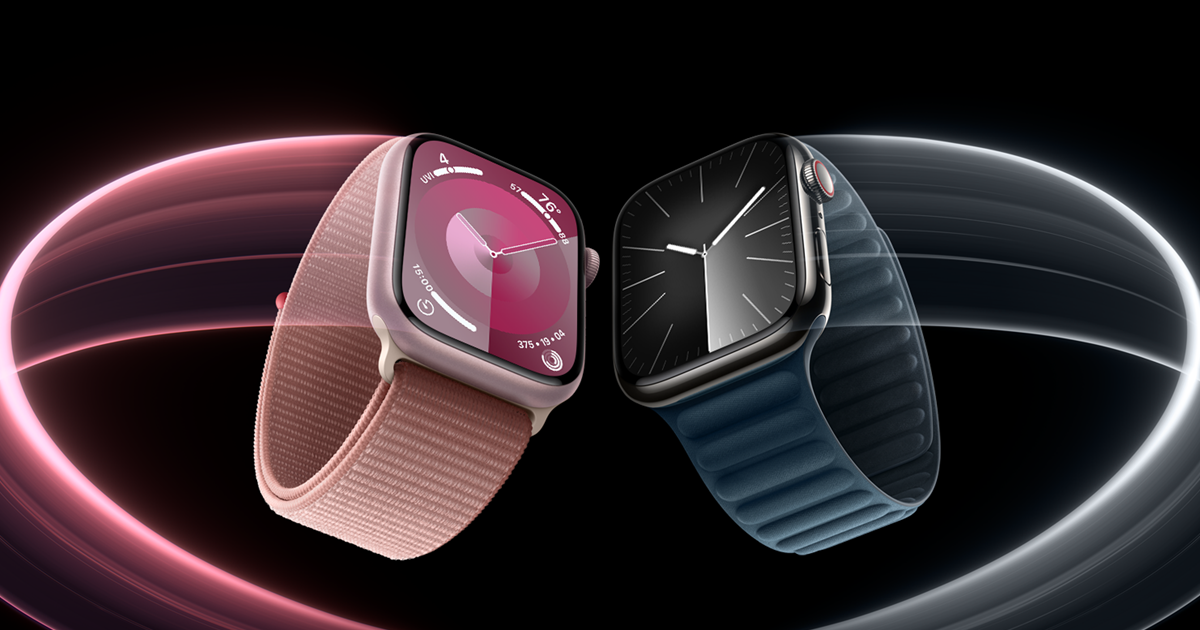
Apple Watch Series 9 Sales Paused Amidst Patent Dispute
Apple has officially announced the suspension of sales for the Apple Watch Series 9 due to an ongoing patent disagreement with Masimo, a California-based med-tech company. The International Trade Commission (ITC) ruled in October regarding the dispute, specifically related to the blood sensor monitor featured in Apple’s flagship smartwatch.
The sales halt will occur online on December 21 at 3 P.M., with retail locations discontinuing sales on December 24, just before the holiday season. This date also marks the final day for the pickup and delivery of online orders.
In response to the situation, Apple released a statement explaining that a Presidential Review Period is underway regarding the ITC’s order on a technical intellectual property dispute concerning the Blood Oxygen feature in Apple Watch devices. Although the review period extends until December 25, Apple is proactively taking measures to comply with a potential ruling. This includes temporarily halting sales of the Apple Watch Series 9 and Apple Watch Ultra 2 on Apple.com starting December 21, and in Apple retail locations after December 24.
Despite disagreeing strongly with the ITC’s order, Apple is actively exploring legal and technical options to ensure the availability of the Apple Watch to its customers. If the ruling is upheld, Apple commits to taking all necessary steps to promptly return the Apple Watch Series 9 and Apple Watch Ultra 2 to U.S. customers.
Additionally, Apple plans to appeal the ruling, asserting that it believes the ITC’s decision is erroneous. The company initiated legal action against Masimo in October of the previous year, alleging patent infringement. Apple accused Masimo of attempting to use the ITC to hinder the availability of a potentially life-saving product to millions of U.S. consumers while promoting its watch that allegedly imitates Apple’s.
The core of the dispute revolves around pulse oximetry, a technology utilizing an optical sensor to detect blood flow. Masimo’s original complaint, dating back to June 2021, primarily focused on technology introduced with the Apple Watch Series 6. Masimo recently obtained FDA clearance for its wrist-worn product for both prescription and over-the-counter use.
-

Best Fitness Trackers to Monitor Your Fitness Journey
In today’s wearable scape dominated by smartwatches like the Apple Watch, and Samsung Galaxy Watch, fitness trackers remain a reliable option. Particularly for those seeking a trusted device to accurately track fitness metrics without the distractions of constant notifications. Or fitness trackers with more configurable features. We extensively reviewed some of the best fitness trackers and handpicked the ideal options for most people.
While smartwatches have their advantages, fitness bands are better alternatives in a number of ways. Smartwatches may offer exceptional performances, including on-watch apps, alerts, and advanced fitness features. But fitness trackers excel in their primary purpose of tracking physical activity during workouts or exercises. With their compact size, longer battery life, and affordability, fitness trackers remain a good choice for those who prioritize accurate fitness monitoring without the distractions of a smartwatch.
Best Fitness Trackers to Buy in 2023
Fitness trackers have greatly advanced in functionalities over the last few decades. Gaining momentum from mere predictions of inventors like Leonardo da Vinci about devices capable of step tracking to advanced health monitoring in present times. Today, wearable technology has gone over and beyond with the invention of sleek smartwatches for not only tracking steps, but skin temperature, heart rate, calories, and sleep patterns, the options are vast. In 2023, the market is teeming with the best fitness trackers with even cooler tweaks and we’re about to share them all.
Apple Watch Series 8
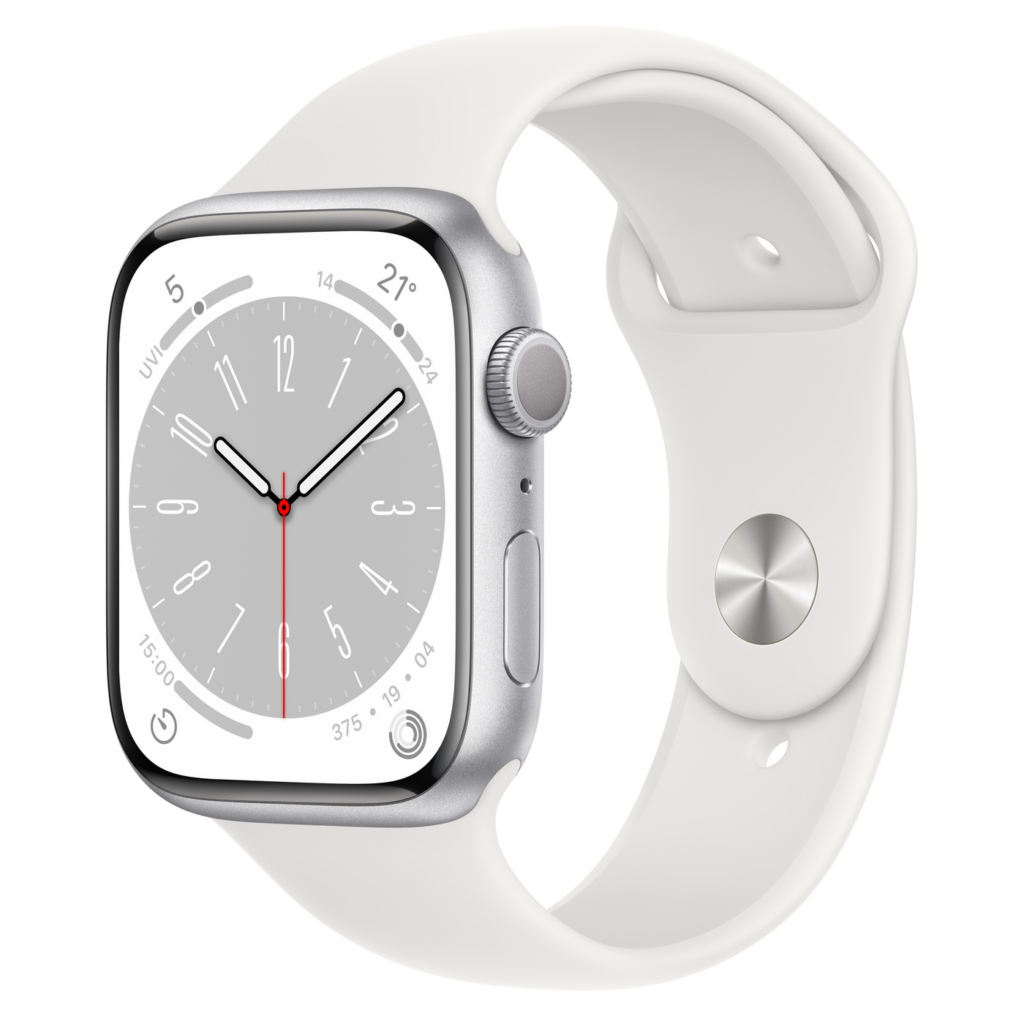
The Apple Watch Series 8 is the latest offering from Apple, boasting impressive features like watchOS 9 and unique additions such as Crash Detection and temperature sensors for menstrual cycle tracking. It comes with a design that closely resembles its predecessor, the Apple Watch 7, with its curvier chassis and thinner display bezels. The larger screen offers enhanced features like Always-On Display, new watchOS 9 faces, and a QWERTY keyboard for messaging. While these features may not be new to Apple Watch Series 7 users, those upgrading from older models will appreciate the redesigned look and increased usable screen space.
Apple has introduced a skin temperature sensor in the Series 8, which is beneficial for sleep tracking and cycle tracking. The sensor helps monitor deviations in overnight temperature for sleep analysis and can predict ovulation windows based on wrist temperature for users trying to conceive. Additionally, it can provide validation for those with conditions affecting their menstrual cycles. The data is secure and can be shared selectively, such as with a doctor assisting with fertility treatment.
Crash detection is a notable safety feature in the Apple Watch Series 8, made possible by upgraded motion sensors. The watch can detect crashes with improved accuracy and automatically call emergency services and notify emergency contacts.
Another significant upgrade is the low power mode, borrowed from the iPhone, which allows users to disable power-draining features while keeping the watch functional. With low power mode enabled, the battery life of the Apple Watch Series 8 can extend up to 36 hours.
Samsung Galaxy Watch 5
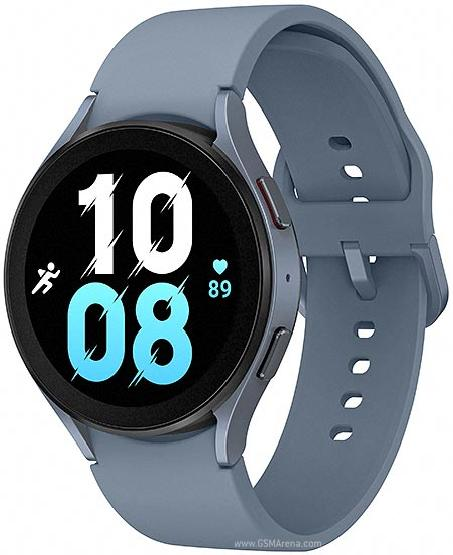
Designed for Samsung phone users, the Samsung Galaxy Watch 5 is a feature-packed smartwatch for fitness tracking. Compared to its predecessor the Galaxy Watch 4, Samsung Galaxy Watch 5 offers a refined design. It offers improved wearable health features, including advanced sleep tracking and body composition analysis. Notable new features include a temperature analysis sensor and comprehensive fitness tracking capabilities. The watch runs on Wear OS powered by Samsung, offering seamless integration with other Samsung devices.
Unlike the Galaxy Watch 4 lineup, the Galaxy Watch 5 does not feature a rotating bezel, which may disappoint some fans. However, the reshaped curvature on the bottom of the watch enhances watch-to-skin contact for improved accuracy on data collected from the biometric sensor. The watch remains water-resistant and boasts a display made of sapphire crystal glass, for increased scratch resistance. The Galaxy Watch 5 comes in four colors and offers interchangeable bands for personalization.
Although battery life could be better, it is an improvement over its predecessor.
Google Pixel Watch
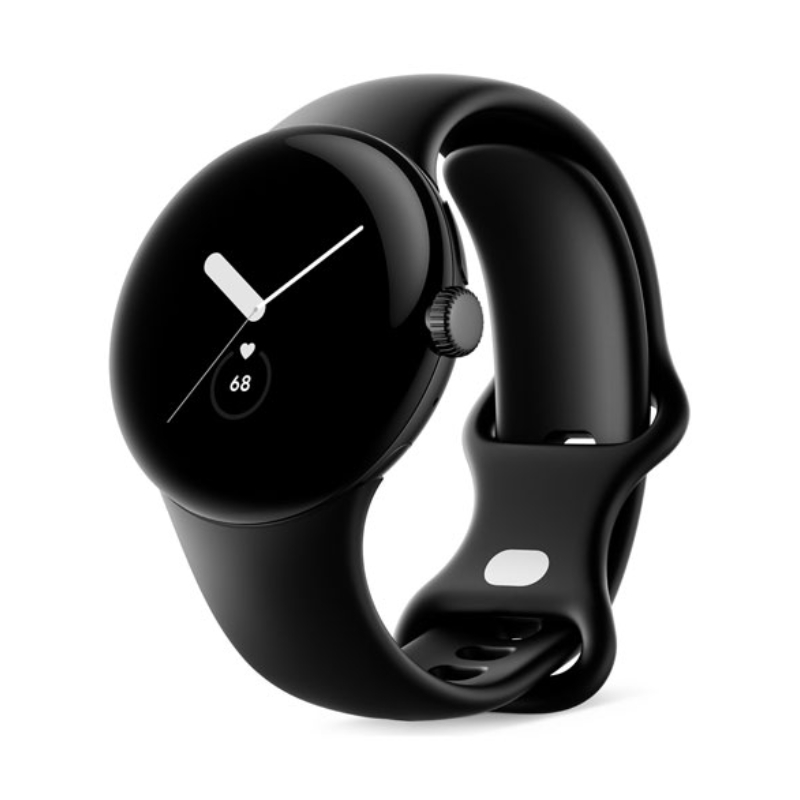
The Google Pixel Watch boasts a simple and minimalistic design, available in a single size of 41mm. While some may desire a larger alternative, the watch fits well. Its face features a rounded design with a 3D glass dome, which somewhat distracts from the thick bezel but leaves a significant portion of the display unused.
The watch predominantly uses a dark mode interface and watch faces with black backgrounds to conceal the bezel. The Pixel Watch comes in matte black, silver, and gold, with interchangeable straps that require a learning curve to replace. The Watch marks Google’s debut in the smartwatch market and is one of the best fitness trackers with a native Fitbit integration. Aside from its stunning domed display and native Fitbit integration, it delivers excellent health-tracking capabilities. Offering users over 40 workout styles, heart rate monitoring, ECGs, and GPS tracking. Fitbit Premium unlocks advanced features such as a Daily Readiness Score and detailed sleep tracking analysis. The Pixel Watch integrates with Google services through Wear OS, providing access to various daily programs and services.
Fitbit Charge 5
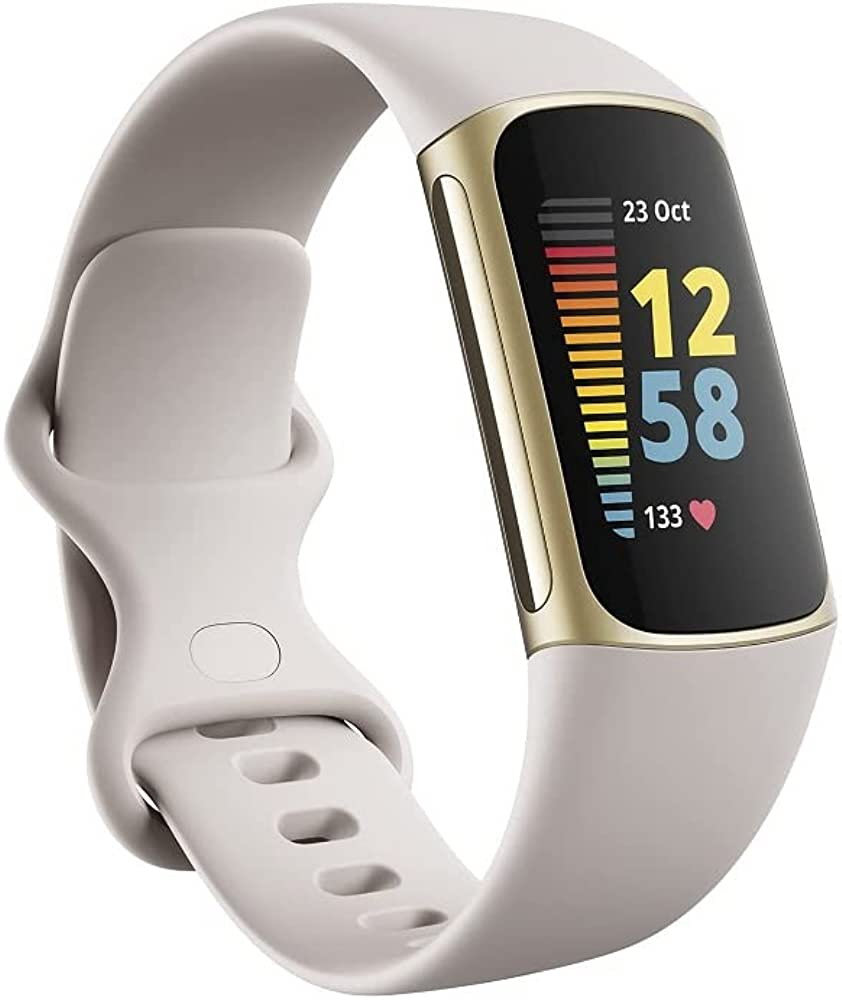
The Fitbit Charge 5 emerges as the top choice among fitness trackers, offering a comprehensive set of features. With its built-in GPS that delivers fast and accurate tracking, the Charge 5 excels as a versatile fitness tracker and stands out from smartwatches. Its full-color AMOLED display and slim design make it more stylish than its predecessor, the Charge 4. The device boasts stress-tracking capabilities and future updates will introduce ECG measurements and Daily Readiness Scores. Fitbit Pay support and all-day and all-night battery life further enhance its appeal.
Amazfit GTR 4
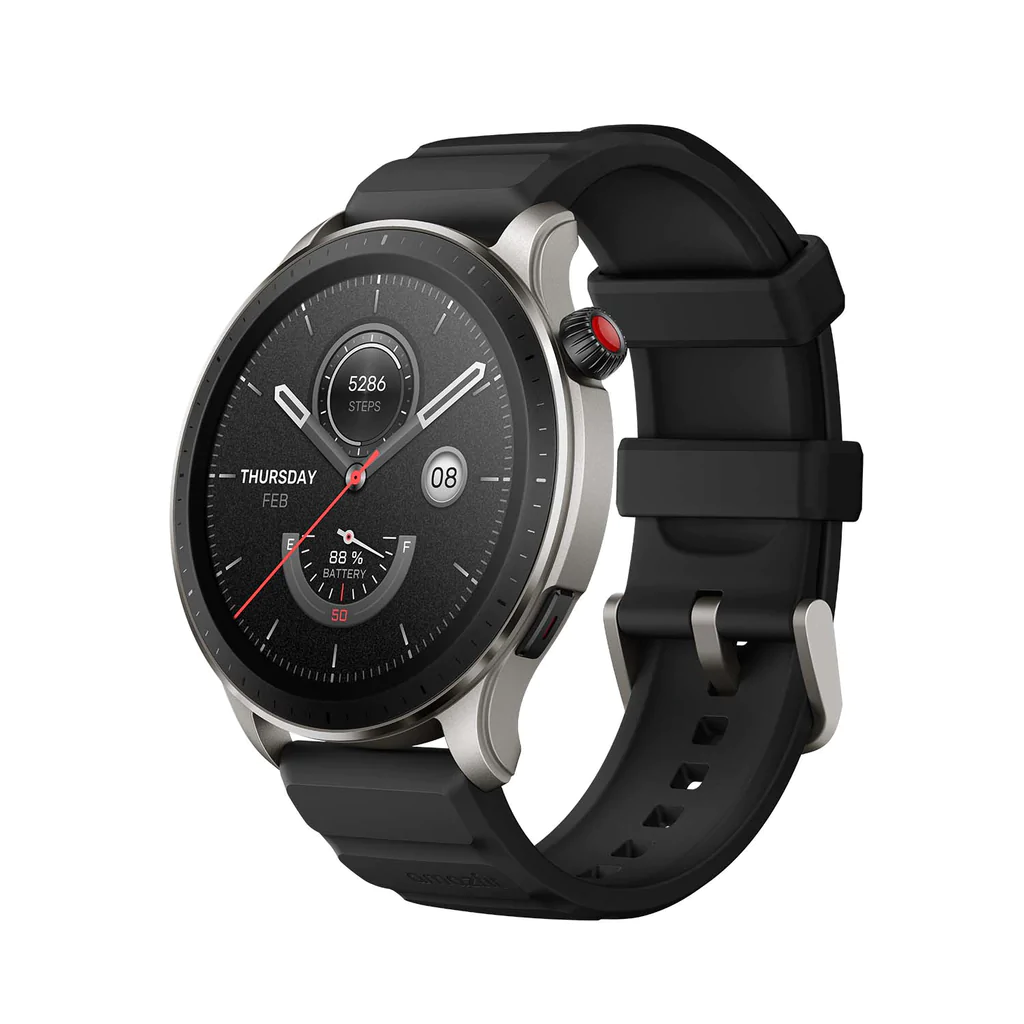
The Amazfit GTR 4 is a great alternative to popular smartwatch brands like Apple and Samsung. Despite some limitations in in-app support and notification interaction, it offers a fantastic design, long battery life, and reliable activity tracking.
The GTR 4 features a premium look and feel with a beautiful AMOLED display and always-on functionality. Its hardware is impressive, with a lightweight body and durable build. However, the included rubber band may cause discomfort and requires frequent cleaning.
Running on Zepp OS, the GTR 4 has a simple and functional interface. While lacking extensive app support, it offers useful features and connects seamlessly with both Android and iOS devices. Notably, it supports Alexa and Bluetooth calling.
The watch is excellent for tracking activities and health metrics such as heart rate, sleep, stress levels, and blood oxygen levels. It comes with a 475mAh battery, delivering approximately ten days of usage on a single charge. The absence of daily charging makes it convenient and comparable to higher-end models.
Considering its affordability, attractive design, and essential smartwatch functionalities, the Amazfit GTR 4 is among the best fitness trackers for budget-conscious buyers.
Garmin vívosmart 5
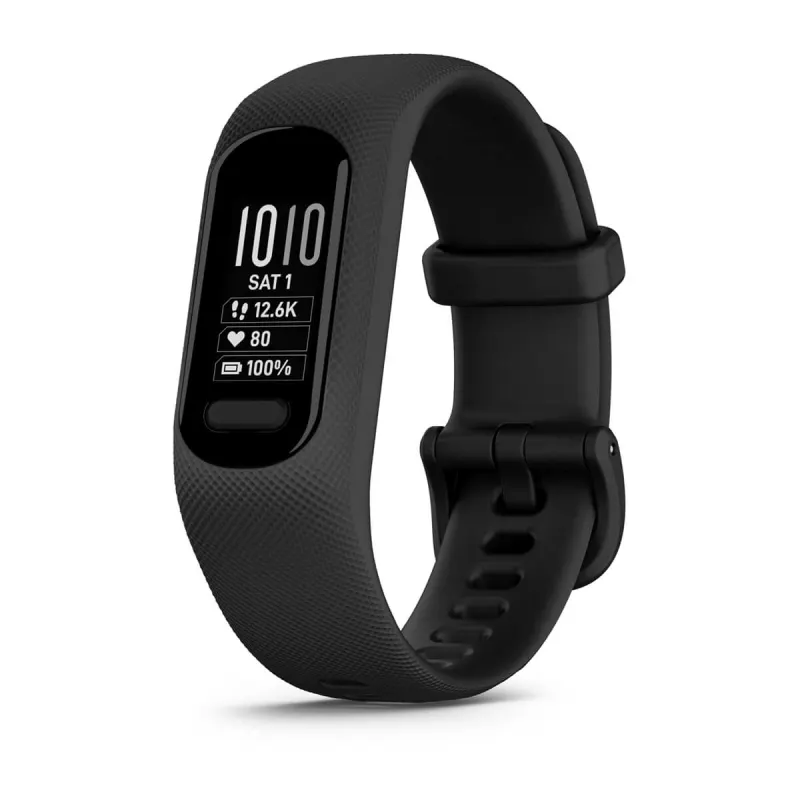
A sleek and modest alternative to dozens of other smartwatches, the Garmin vívosmart 5 showcases Garmin’s expertise in fitness tracking. Garmin has made significant but subtle design improvements to the Vivosmart 5, focusing on usability. The addition of a physical button enhances navigation and activity control, addressing the previous touchscreen issues. The monochrome OLED display is 66% larger than its predecessor, making it easier to read messages and allowing scrolling text to avoid message truncation. The screen shows at least three stats simultaneously.
However, the Vivosmart 5’s display remains somewhat challenging to view, especially while in motion. Compared to other fitness trackers like the Fitbit Charge 5 and Amazfit GTR 4, its black-and-white screen feels outdated. It may not be as beginner-friendly as top Fitbits, requiring some time to understand its functions, but familiarity improves with usage.
The Vivosmart 5 comes in two sizes and offers interchangeable bands, a convenient option using Garmin’s official bands for now. Third-party alternatives may become available. Battery life is around seven days without all-day blood oxygen monitoring, reducing to approximately three days when enabled. However, given that blood oxygen monitoring is most useful for sleep tracking, it can be selectively activated during sleep only.
Fitbit Inspire 3
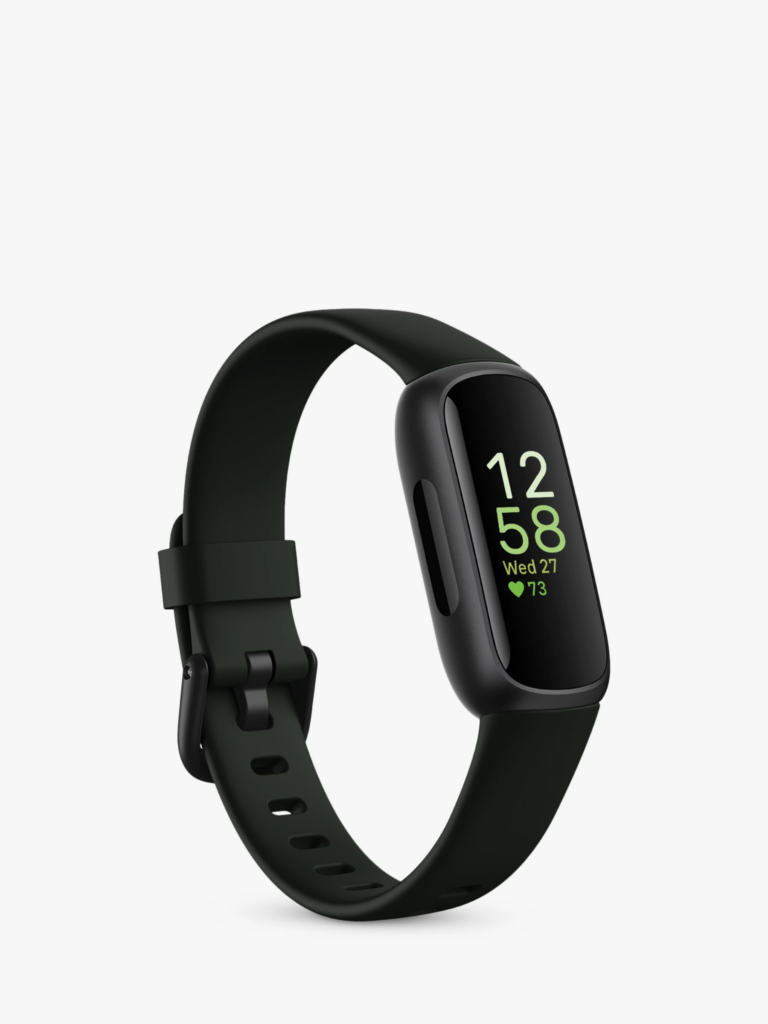
The Fitbit Inspire 3 closely resembles its predecessor in terms of design, featuring a compact size and rounded edges. It is lightweight and comfortable to wear, almost unnoticeable throughout the day. Notably, the Inspire 3 stands out with its bright and clear AMOLED display, giving it a premium feel without a higher price tag.
The tracker incorporates two haptic buttons for easy navigation, although the small screen may not be ideal for extensive message viewing. It is more suited for those seeking overall health insights without the complexities of a full-fledged smartwatch.
Fitness tracking capabilities include heart rate, steps, calories, Active Zone Minutes, stress, SpO2, and sleep monitoring, all at an affordable price. While the small screen makes it challenging to view live feedback during activities, attaching the tracker to clothing can be a practical workaround. The heart rate accuracy is comparable to more expensive alternatives.
Additional features include reminders, weekly exercise goals, water intake tracking, weight changes, and menstrual cycle tracking. Fitbit excels in sleep tracking, accurately monitoring sleep duration and quality. However, advanced sleep insights and scores are locked behind a premium subscription. The Fitbit Inspire 3 boasts up to 10 days of battery life, providing ample usage without frequent recharging.
Amazfit Band 7
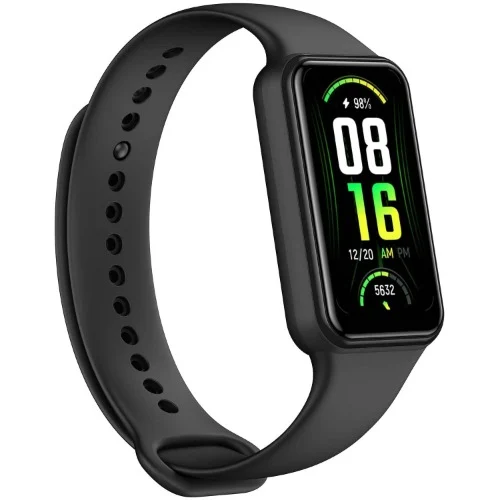
The Amazfit Band 7 has undergone a significant upgrade with improved features such as a more vibrant OLED display, longer battery life of up to 28 days, etc.
The case, constructed from polycarbonate is lightweight and available in black or beige. And it is customizable with wristbands in green, blue, pink, or orange colors. Health and fitness tracking capabilities include step counting, heart rate monitoring, stress level assessment, blood oxygen saturation measurement, and sleep tracking.
The watch can be set up and customized using the Zepp app, which allows users to personalize vibrations, watch faces, and configure notifications. It also supports third-party app integration and features Amazon Alexa as a voice assistant. In addition to providing lightweight comfort, the Amazfit Band 7 is also dust and water-resistant. One of the best fitness trackers in 2023.
Oura Ring Gen 3
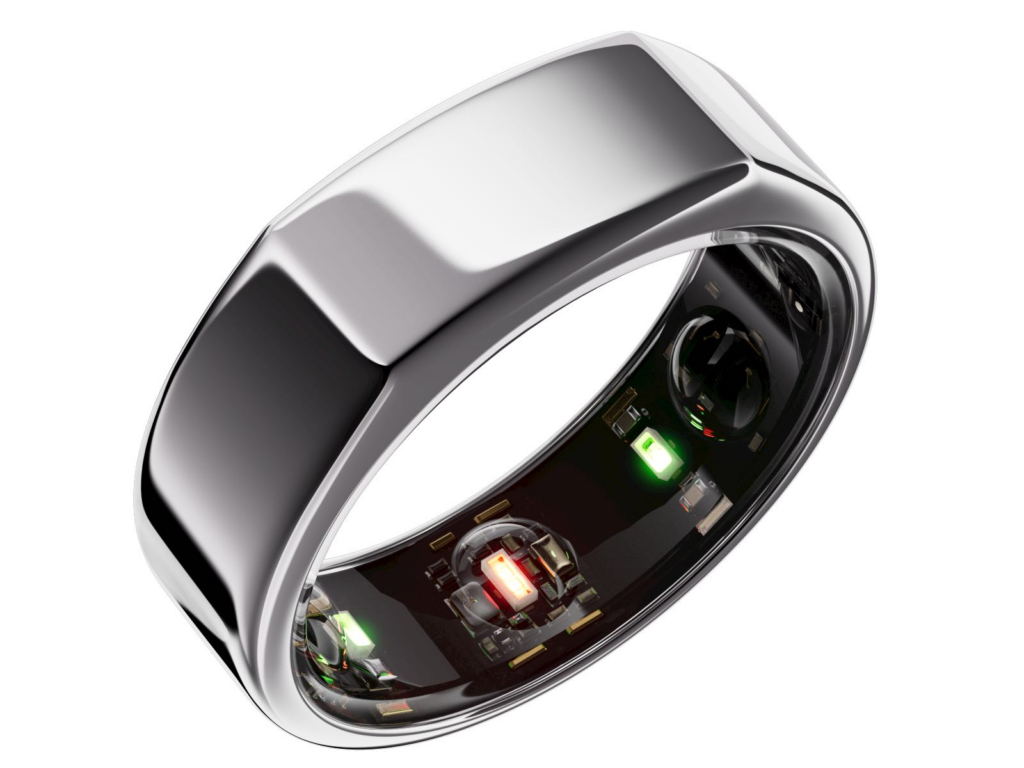
Meanwhile, those seeking a discreet and minimalist option will find the Oura Ring Gen 3 an appealing preference as a fitness tracker. The Oura Ring Generation 3 is a discreet piece of jewelry that seamlessly blends with other silver rings, concealing its advanced features until closer inspection. With its titanium loop, one can easily reveal the underside sensors, which include heart rate, respiratory rate, and body temperature sensors housed within three inner ridges. The ring is designed to be worn on the index finger with the slightly-flattened edge facing up for accurate readings.
In terms of activity tracking, the Oura Ring Generation 3 is not intended to display metrics during workouts. Instead, it can track calorie burn, steps, walking equivalency, and hourly movement through the Oura app. It assesses workout intensity based on heart rate and elevated activity minutes, incorporating data from Apple Health or Google Fit. The app also allows retroactive exercise logging and can estimate completed workouts.
For sleep monitoring, the Oura Ring provides valuable insights such as total time spent lying down, hours of sleep, resting heart rate, sleep efficiency, and a daily sleep score.
The Oura Ring offers an advanced and accurate sleep-tracking experience compared to devices like the Apple Watch. It even provides a Rest Mode feature that can automatically activate if irregular body temperature is detected. The battery life of the Oura Ring Generation 3 is estimated to last up to a week.
Withings Move
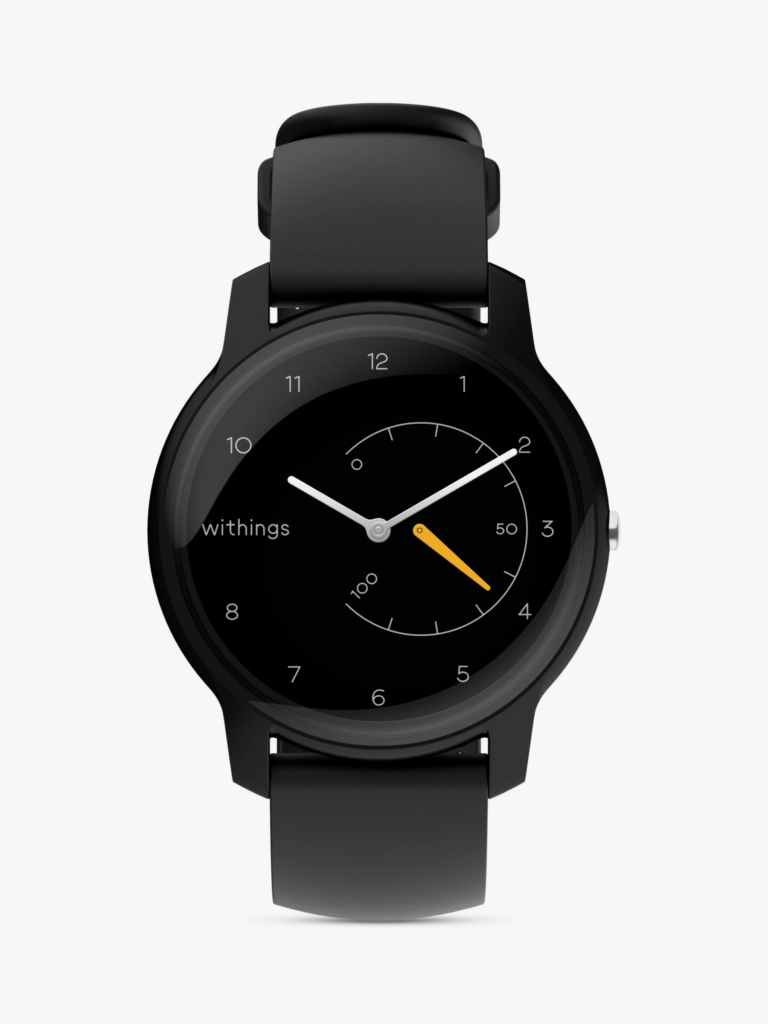
For those in need of a fitness tracker with a more standard yet fashionable design, the Withings Move is an ideal choice. The analog watch incorporates style with basic fitness tracking features such as step, calorie, distance, and sleep monitoring. It also includes other features such as connected GPS, auto-recognition for over 30 workouts, and water resistance. The Withings Move boasts an impressive battery life of up to 18 months, thanks to its button-cell battery. This eliminates the need to frequently juice it up.
-
Google Invests In Mobvoi, Its Android Wear Partner In China
Google’s services are not available in China, but that isn’t stopping it from making a significant investment in a company based on Chinese soil. The U.S. search giant is backing Mobvoi, a three-year-old company specializing in mobile voice technology.
The duo already have business ties. Mobvoi is the company that Google picked to bring Android Wear, its operating system for wearables, to China, so this deal takes things up to the next level.
The size of the investment, which is a Series C round for Mobvoi, has not been disclosed, but Mobvoi co-founder Yuanyuan Li confirmed that Google has become a minority shareholder. The deal, she said, takes the company to $75 million in investment to date.
Since Mobvoi previously raised $10 million Series B and $1.6 million Series A rounds, Google’s investment is just shy of $65 million.
Update: Mobvoi has clarified to TechCrunch that it raised previously unannounced funding rounds so the amount invested by Google is lower than the $60-65 million that we originally reported. The company declined to disclose the value of those unannounced rounds or Google’s investment when we asked directly.Beyond the Android Wear deal, the two companies have plenty in common. Beijing-based Mobvoi was started by ex-Googlers — CEO Zhifei Li and CTO Mike Lei are both former research scientists with Google U.S. — and Li said the company’s DNA is heavily influenced by the tech giant.
“We used the Google model from day one,” she told TechCrunch in an interview. “We wanted to have same culture and team values. The co-operation [on bringing Android Wear to China] went really well… and [Google] showed interest and decided to make an investment.”
On the business and product side, Mobvoi is very Googley, too.
The company is probably best known for Chumenwenwen, a mobile voice search service very much in the style of Siri or Google Now. The service is akin to a virtual butler, allowing users to perform a range of tasks — including search, checking weather, buying items, and more — just using their voice. Li said the company has struck deals with over 100 content partners to give users access to various services via Chumenwenwen.
Mobvoi used its natural language technology to build out its own smartwatch software, too. Ticwear is a ROM that pairs with Android Wear to make the Google-run operating system — which is kneecapped in China thanks to the government’s blockage of Google services — work in mainland China.
Beyond developing smartwatch software, which works on selected watches like the Moto 360, Mobvoi went a step further and developed its own hardware: the Ticwatch. Li said the company has sold 30,000 units of the smartwatch, which is priced between $160-$190 in China, but it remains focused on software development.
“Our goal isn’t to be a watch manufacturer, [but] we’re happy to see early adopters buying our product,” she said.
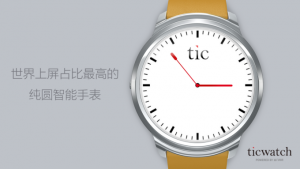
Mobvoi said it will use its new financing to hire talent from across the world and continue refine its software services — Ticwear is updated every two weeks, much like Xiaomi’s approach to its MIUI Android software — while it is plans to dip its toes into robotics and it is also working on its own in-car software. That latter product is, again, much like a Chinafied version of Apple’s CarPlay or Android Auto from Google.
Given the many business/tech similarities between both companies and reports that the U.S. firm is looking to open up its services in China — and in particular the Google Play Store — is today’s investment a sign that Google has found the company in China to rebuild its business there?
Perhaps there’s even the possibility of a full Google buyout in the future?
Not so, according to Li.
“We value this partnership a lot, and respect Google as an investor, [but it is] still a minority investor and we will focus on what we believe in and in our products,” she told TechCrunch. “We’re not changing what we’ve planned, but there are definitely more opportunities [that will open up].”
Google, for its part, said it has “nothing to announce at this time” when we asked about potential plans to expand the scope of its partnership with Mobvoi and reopen the Google Play Store in China.
The company may be coy on its China plans, but today’s news is undoubted evidence that those plans do exist in some form. Google Inc and its Google Capital VC arm have made investments in China in the past — including a $5 million stake in music and video site Xuneli way back in 2007 — but this deal with Mobvoi is certainly its most strategic to date, and it sets off thoughts about what the search giant has up its sleeve.
Note: This post has been updated to correct the name of the Mobvoi spokesperson. Apologies for any confusion.
-
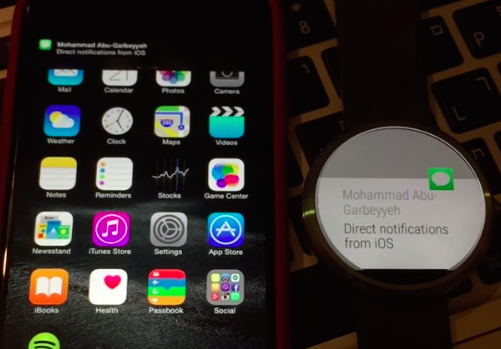
Video: An iPhone Working With An Android Wear Watch, No Jailbreak Required
Have an iPhone, but want to use an Android Wear watch? Too bad! Google and Apple are focusing their smartwatch efforts on their own platforms for now, with all signs pointing to them avoiding cross-platform friendliness for as long as possible.
Fortunately, the world has talented modders who can make things right. Here’s a video of the world’s first iPhone-to-Android-Wear connection, no jailbreak required.
MohammadAG, the prolific developer behind many an Android mod, has managed to get notifications to send from iOS to a Moto 360.
The crazy part? Though MohammadAG’s iPhone is jailbroken (note the bouncing message icon on his phone — that’s a jailbreak trick), no jailbreaking is required to make this work.
Instead, MohammadAG says the mod relies on the same ANCS protocol that the Pebble watch uses, which has been built into the iPhone since the release of iOS 7. A custom APK runs on the watch, listening for notifications. This solution limits iOS-to-Android-Wear compatibility to just basic notification support — but it’s a start, right?
Alas, MohammadAG has yet to release the watch app to the public, so this is a one-off thing for now.
-
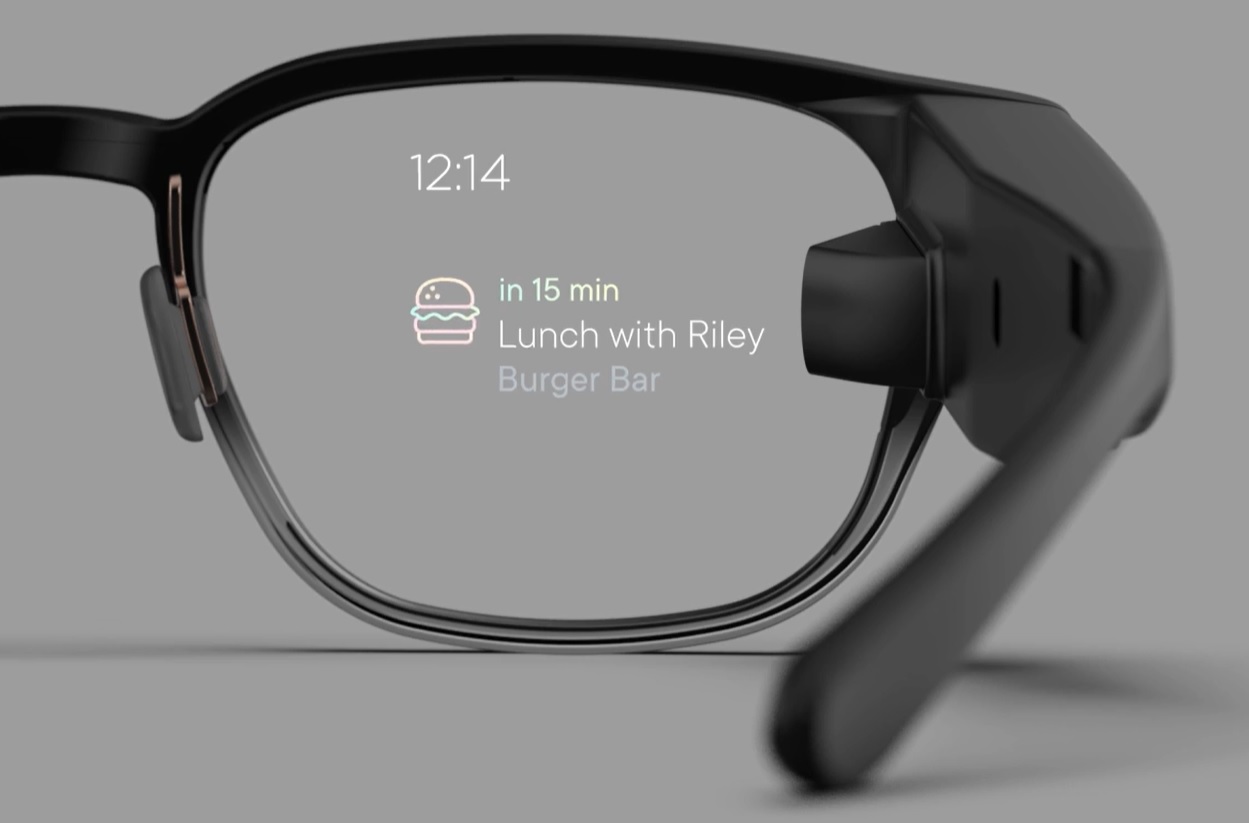
Google Glass Explorer’s Edition Now Available in the Play Store
While all the focus of late has been on the Moto 360 and other Android Wear smartwatches, Google is giving some attention to its other wearable: Glass.

You can now buy the Explorer edition from the Play Store, though the price is the same as when it was an invite-only product: $1,500. As a “perk” Google is throwing in a pair of shades or frames free when making the purchase.
Glass comes in five different colors and ships from the warehouse in one to two business days.
You will need the MyGlass companion app from the Play Store on an Android device running Ice Cream Sandwich (Android 4.0) or higher. There is also a version of the app for iOS.
-
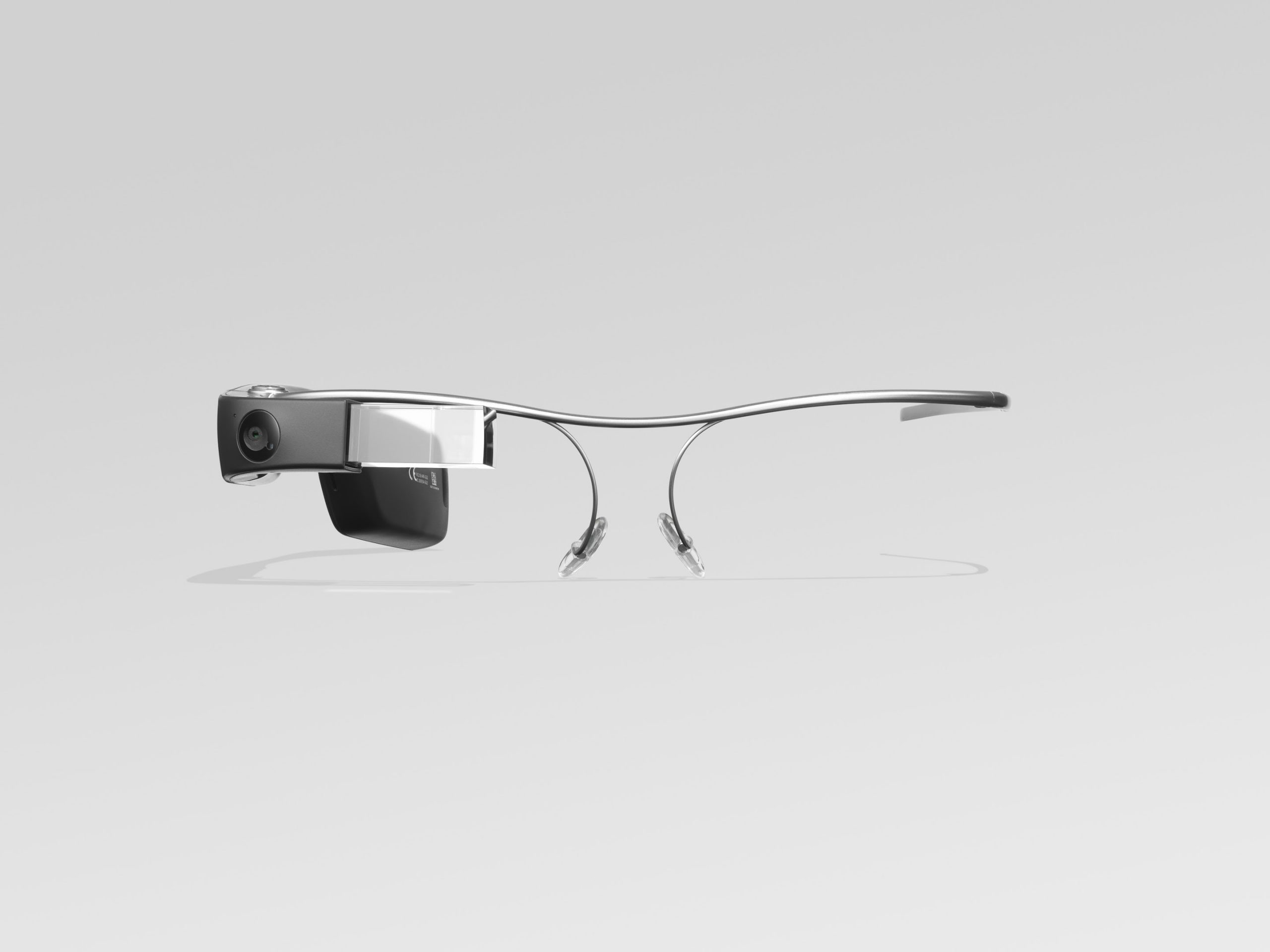
Google Glass takes test flights with Virgin Altantic
IDG NEWS SERVICE – Virgin Atlantic revealed last week that it is testing the use of Google Glass devices among its staff to see how the technology could be used to improve the experience of the airline’s highest-paying passengers.

The Google Glass spectacles include a small screen that can be used to deliver apps, directions, social media streams, and webpages just above the right eye. The wearable computer also allows wearers to take a picture, record a video, and read messages.
Over the next six weeks, concierge staff working in Virgin Atlantic’s Upper Class Wing at London Heathrow’s Terminal 3 will aim to use Google Glass to check-in customers and provide them with flight information, weather and local events at their destination and translate any foreign language information.
In order to make this possible, Virgin Atlantic has integrated Google Glass with a purpose-built dispatch app built by SITA and the Virgin Atlantic passenger service system.
The dispatch app manages all task allocation and concierge availability. It also pushes individual passenger information directly to the assigned concierge’s smart glasses just as the passenger arrives at the Upper Class Wing.
Virgin Atlantic said Google Glass also has the potential to tell staff their passengers’ dietary and refreshment preferences.
The airline is also testing the use of Sony’s SmartWatch 2 over the same six-week time period.
“The fact that air travel has become so accessible has led to some of the sheen being lost for many passengers,” said Dave Bulmad, Virgin Atlantic IT director. “By being the first in the industry to test how Google Glass and other wearable technology can improve customer experience we are…putting innovation at the heart of the flying experience.
Google Glass and other wearables are being tested by an increasing number of businesses, including the New York Police Department, which said last week that it was investigating whether the technology could be used to help enforce the law.
-
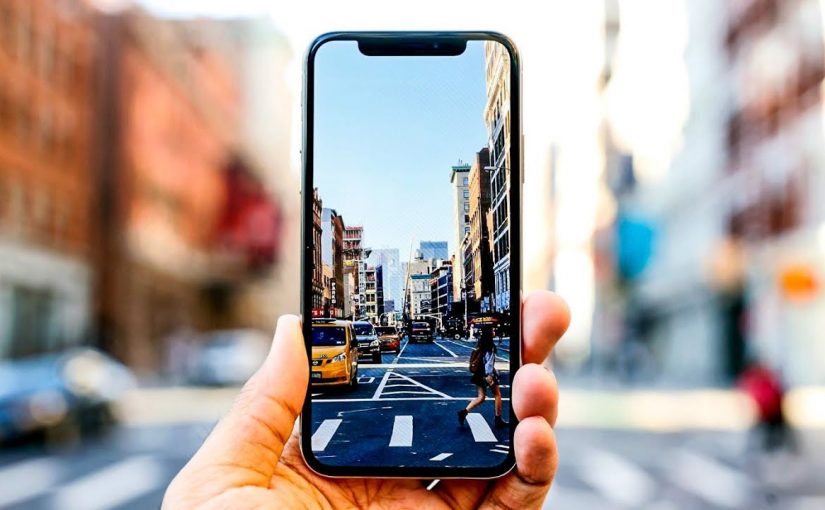
Smartphones Infographic: How smart has it made you?
Half a century ago people are quite content with wearing analogue watches, playing cards and penning down notes. Post offices and analogue cameras, was doing great as well. Today people pay $335 to put a computer around their wrist. Board and ‘card’ games has long been replaced by more advance console video games, penning down and sending mails are now done on smartphones and even more strangely, people, now wear computers in place of glasses.
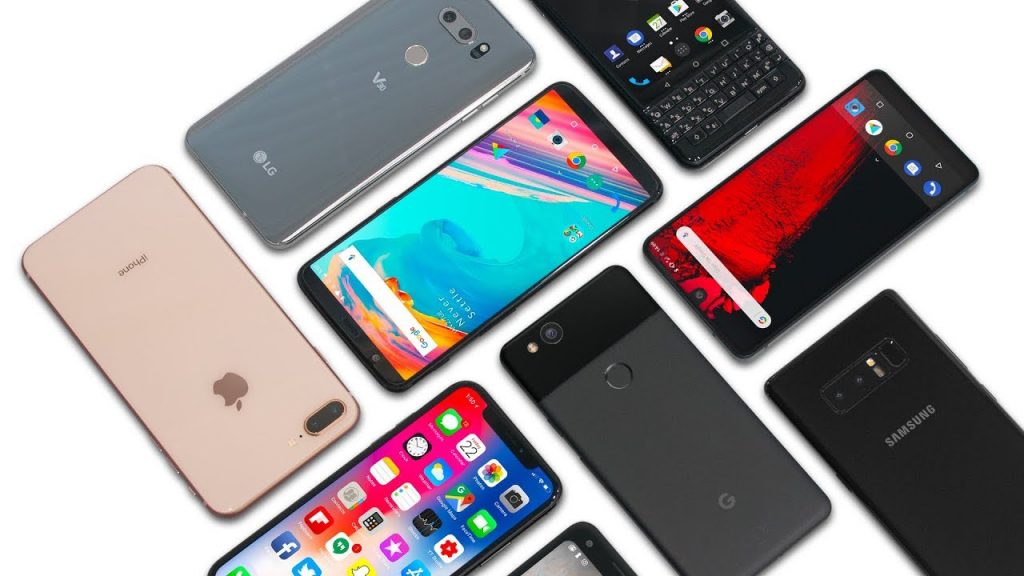
Smartphones now comes in all shapes and sizes. The modern generation is very reliant on technology and computing to perform daily activities. This is to be expected as there is a sense of urgency associated with our present dispensation. However, smartphones usage is not dominated by business, finance, health or other categories you might expect. The leading category is the gaming category. Every now and then, someone has their face buried in their smartphone, no doubt, playing some of the most terrifying Android horror games in darkness. Indeed, smart devices are made, so we can become dull.
Smartphones And Mobile App Usage – Infographic
Smart phones has come to stay, the use of applications are evolving, companies can choose to adapt or suffer the fate of Nimbuzz. Just how far can mobile computing go? The answer will depend on what you make of it.
[Further Reading: 6 Must Have Android Apps for Science Students]
What really makes these devices functional and so useful is the fact that several apps can be downloaded on them. These mobile apps are available through different app stores depending on the operating system of your mobile computer.
Some examples of these apps stores are Apple store, Google Play Store, Windows marketplace etc. Below is an infographics by Xcubelabs that will show us, how people use their smartphone on daily basis.
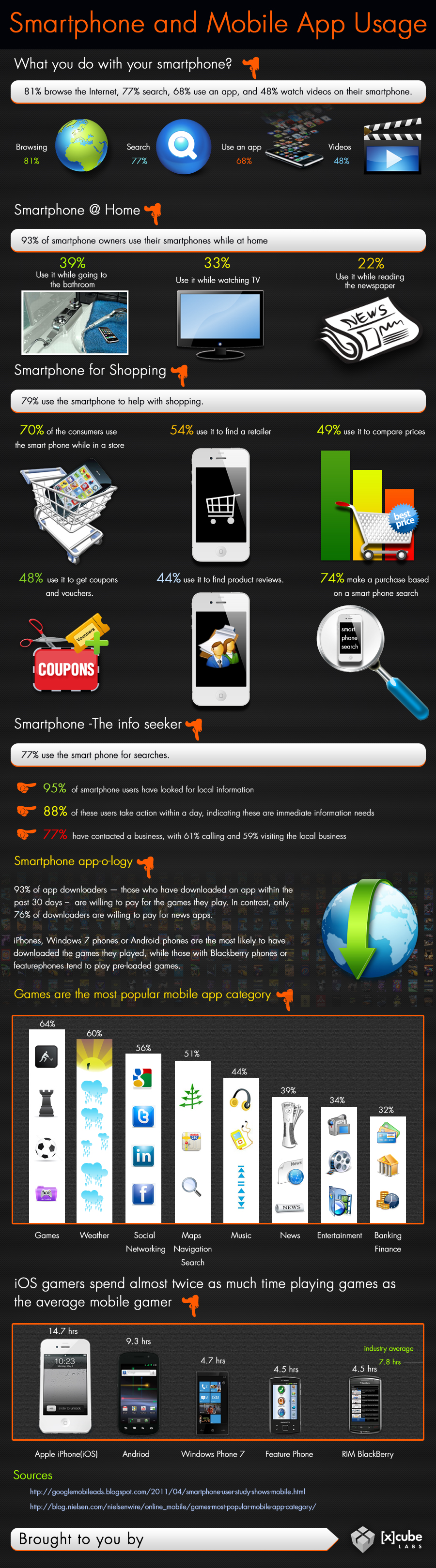
Smartphone And Mobile App Usage Infographic [Image credit: Xcubeslabs ] Embed this Infographic on your site
<a href="https://ewtnet.com/technology/infographics-smart-phone" title="Smartphone And Mobile App Usage - Infographic"<img src="https://ewtnet.com/wp-content/uploads/2019/02/smartphone-and-Mobile-app-usage.jpg" alt="Smartphone And Mobile App Usage Infographic" title="Smartphone And Mobile App Usage - Infographic" width="100%" height="auto" /></a><br /><a href="https://ewtnet.com/technology/infographics-smart-phone">Smartphone And Mobile App Usage - Infographic</a><br>
Smartphones play a lot of roles in your day-to-day life affair. I think most people simply prefer to relax to play a couple of games at the end of a hectic day. So going back to my initial question; I think smartphones has indeed made us smarter.
Feel free to argue, though. The comment section is open to everyone.

You must be logged in to post a comment.