At the end of July, Flipkart (The largest E-commerce service in India) raised a massive $1 billion, and less than six months later the Indian e-commerce company is ending off the year with another $700 million round.
The round includes money from existing investors DST Global, GIC, ICONIQ Capital and Tiger Global, and new backers Baillie Gifford, Greenoaks Capital, Steadview Capital, T. Rowe PriceAssociates and Qatar Investment Authority.
Adding that to the $210 million they closed in May, this round makes Flipkart past $2 billion in investor money in 2014, and around $2.7 billion in total.
Currently, Flipkart has over 14,000 staff and receives of 6 million monthly visits from 26-million plus registered users. It is said that the new funding will be spent on “long-term strategic investments in India” and on developing its technology and custom service platform. Earlier this year, Flipkart acquired the fashion-focused rival Myntra, and it looks like its open to snapping up other services and startups to boost their ever-fierce rivalry with big competitors, such as Amazon India and Snapdeal.
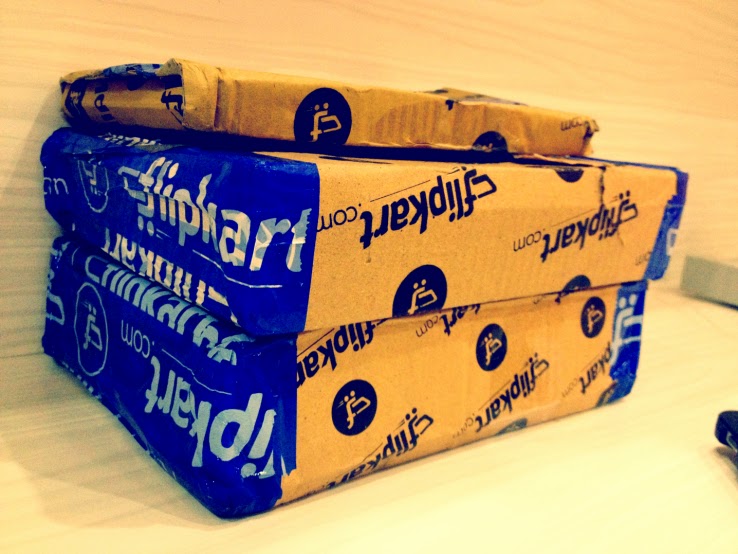
Several Flipkart packages
Amazon had finally launched its service in India back in 2013, but in 2014 it really sped up in the process of making itself known through India. In addition to investing $2 billion in its local operations (just a day after Flipkart announced its $1 billion raise), the company snapped up a number of exclusive sales deals including Chinese phone company OnePlus.
Snapdeal made its own mega round this year when SoftBank led a $627 million round that closed in October. Despite the intense competition and rivals, and the amount of money and the price it costs to stay afloat, companies like Flipkart are using as much of their resources as possible to stay both online and ahead of the competition.
What are your thoughts on Flipkart’s year-end rounds? Leave a comment below! source(s): techcrunch
Instagram has reached over 300 million active users, a tremendous milestone for the company. Across the abundance of users, there are roughly about 70 million photos shared each day, accompanied by 2.5 billion “likes.”
Since March, the active user count for Instagram has grown over 100 million. Quite fast and quite good indeed. This also makes Instagram now more popular than Twitter; only amassing to 284 million active users a month, it’s market cap being around $23 million. Why this detail? Because Instagram was acquired by Facebook back in April 2012 for only $1 billion.
More than 70% of Instagram’s users are outside of the U.S., and across the network the users have shared over 30 billion photos.
“We’re seeing a lot of people coming in the fashion world, a lot of people coming in, in the youthful teens world, and a lot of people internationally as well,”
CEO Kevin Systrom said in an interview with CNBC. Can Instagram keep up with this change of pace? “That’s the big challenge for me and my team going forward,” he said. One way Mr. Systrom aims to do so is to make it easier than ever for people to find new content they would love and more and more people to follow to keep updated with said-content. “There are photos pouring in from everywhere in the world. If you’re interested in really eclectic topics, I guarantee you there are accounts that are related to that. So we need to make sure to connect you with the content that matters most to you.“
There is more to the announcements by Instagram than just the 300 million user marker. To help combat spam on their app, they are rolling out a verification badge to be displayed on the profiles of celebrities, athletes, brands and other user types, to help ensure the majority of users know they’re connecting with the real person behind the account. Instagram also said it was planning to remove all “spammy” accounts from the service to improve the app for everyone.
The removal of spam is required whilst Instagram ramps up in popularity and usage. Mr. Systrom said that Instagram doesn’t aim to compete with tech companies in their advertising platform (which is another major reason for the removal of the spam), but to compete against print and television ads – something you don’t really hear in the comparison of online ad competitors.
“We are selling brand advertising that shifts perceptions, for instance like Chobani,” said Systrom.
“Chobani did a really wonderful yogurt campaign on Instagram to shift perceptions away from the fact that they were just yogurt. And they had a 7 point incremental lift on shifting that perception through a brand advertisement on Instagram. That’s the type of thing you typically see in a magazine or on TV. If you look at those markets, they are very, very large. And I think that’s what we’re going after. So you can see where we’re headed.“
Though Instagram has outnumbered Twitter in active users, they still have a long while to catch up to the company in revenue terms; which was $365 million in the last quarter. “I think it’s hard to compare Twitter and Instagram,” he said. “Twitter has a more mature business. They’re public. We’ve just started monetizing. We have a lot to prove before we’re, you know, worth many billions of dollars,“
When asked if he felt like he wasted billions on the Facebook acquisition, Kevin Systrom denied, saying he doesn’t think of it that way, and that he has Facebook to thank for the intense growth of the company.
This evening at a Wall Street Journal technology conference, Apple CEO Tim Cook said that in its first 72 hours, Apple Pay activated 1 million cards.
That figure indicates that Apple Pay is picking up traction outside of the technology, early-adopter set. Apple Pay competes with rival offerings from Google, among others, alongside traditional payment methods. Paying for goods with your smartphone, still nascent in the Western market, could grow quickly: Given smartphone penetration in the United States and other developed nations where this sort of transaction system remains new, Apple has the potential to quickly scale its new product.
The possible revenue for Apple is not trivial. The company picks up 0.15 percent of transactions, or 15 cents per $100 dollars in payments. That isn’t much on a per-transaction basis, but it could quickly add up for the company worth more than $600 billion. If its smartphone userbase adopts its Pay technology, the product could bring in fresh top line for Apple, a company looking for a new hit.
Of course, 1 million cards is a fraction of the total number of saved credit cards that Apple has via its iTunes and long-standing app businesses, implying that it could enjoy continued quick growth. How large its payment volume will grow in the meatspace remains to be seen.
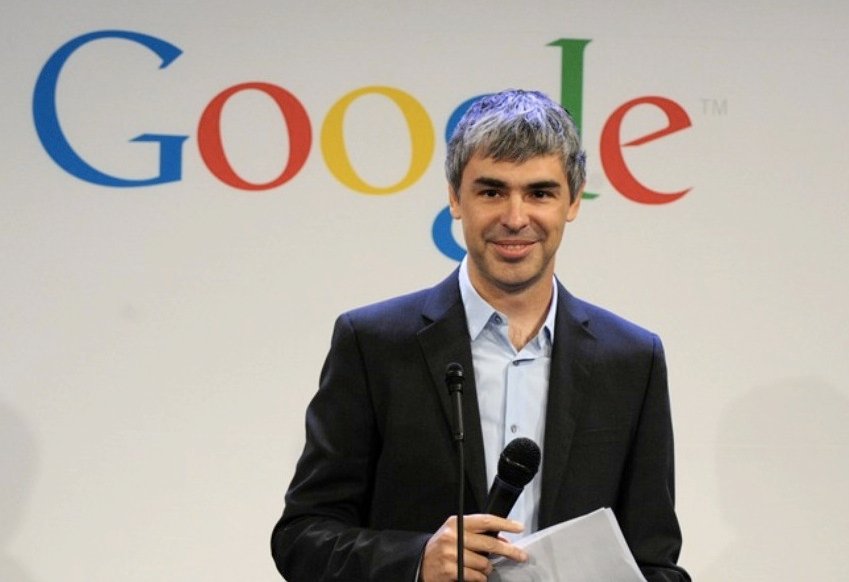
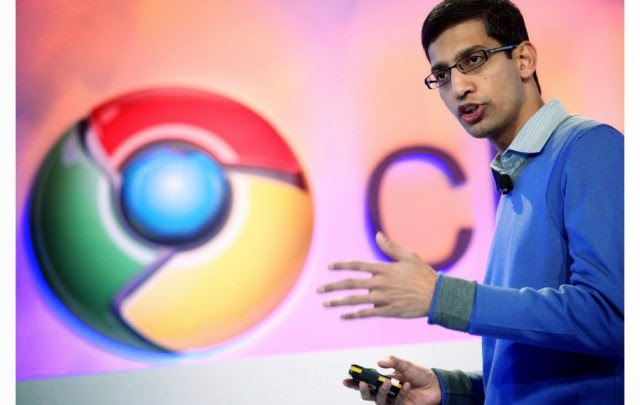
On Friday of last week, Google boss Larry Page sent out a memo to staff that Sundar Pichai – the man responsible for Android, Chrome, and Google Apps, will be taking on the responsibility of even more Google products. These products include Maps, Search, Research, Commerce, Ads, Infrastructure, and Google+.
Page said that the move would help free up more time for him to focus on bigger projects, such as new products and strategies for the corporate, while Pichai puts his concentration on the already-existing business units. Such a move like this makes most believe that a move like this is putting Pichai steps closer to getting the top job of Google, and he will most likely be taken over the seat when Larry Page decides he’s done.
Pichai was born Pichai Sundararajan in the Indian city of Chennai (formerly Madras) in 1972 and earned a Bachelor’s degree in Technology from IIT-Kharagpur in West Bengal, a Master’s degree from Stanford University, and an MBA from the Wharton School of the University of Pennsylvania. After a brief spell at management consultants McKinsey & Company, Pichai held various positions at Applied Materials before joining Google in 2004 as a product manager. He originally focused on Google Apps but later took responsibility for Chrome and Chrome OS, too. After Andy Rubin left the Android team in March of last year to concentrate on Google’s robotics ambitions, Pichai also added the mobile OS to his responsibilities, and has been the public face of the division ever since. – history source from theregister.co.uk.
What do you think of this move by Mr. Page? Comment below with your opinions.
In case you didn’t know, here’s the crazy thing about Amazon: it isn’t really known for turning a profit. Just think about that for a second. The company that wants to sell you everything, get it to you by any means necessary and serves as the backbone for a considerable chunk of the internet doesn’t usually make money at the end of the day. And even with that financial truth entered into the record, people — from Wall Street types to armchair prognosticators — cheer whenever Amazon avoids losing as much money in a quarter as they expect it to. Today is not one of those days.
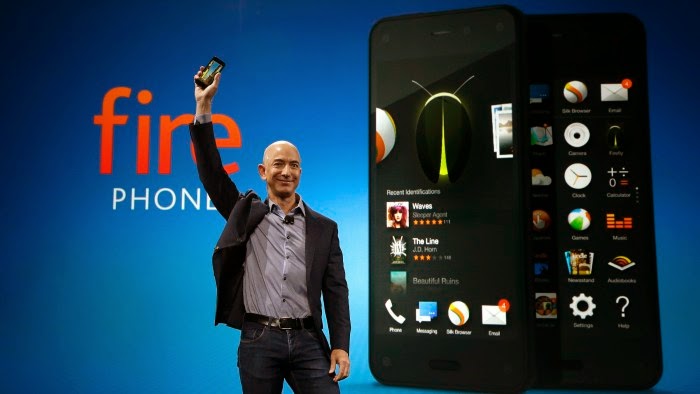
Amazon’s Q3 results dropped not too long ago, and it packs some big numbers. While the Everything Store raked in $20.58 billion in revenue (which is more than what most small countries make in a year) it just wasn’t enough to please those pesky shareholders — the company’s stock price is down over 10 percent in after-hours trading. Amazon’s business model is the epitome of spending money to make money, except what operating profits they do post are pretty meager and big losses like today’s (think $437 million) aren’t rare. In fairness, this quarter has been a really busy one for the folks in Seattle. After all, Amazon snapped up Twitch for a billion dollars, expanded its same-day delivery service in six cities across the United States, and launched a phone that no one actually seems to want (if you’re reading, Bezos, we’d still like hard sales numbers for that thing). The question is, how much longer can Amazon afford to spend and spend and acquire and expand and develop before shareholders — the people who back the company with their own money — decide that Amazon’s not going where they want it to?
Update: So our wishes for firm Fire Phone sales numbers haven’t been answered, but we’ve now got a better idea of how it’s doing thanks to the company’s CFO. During the company’s earnings conference call, Amazon’s Tom Szkutak said it took a $170 million hit “primarily related to Fire phone inventory valuation and supplier commitment costs.” Yikes.
Roughly 1000 transactions were made with Apple. Some Bank of America customers have been double-charged for purchases made with Apple Pay, the payment system Apple launched on Monday.
Roughly 1,000 transactions made with Apple Pay were logged twice in customer accounts, said Tara Burke, a spokeswoman with Bank of America, which is one of the largest U.S. banks and was an Apple Pay launch partner.
“We apologize for the inconvenience and are correcting the problem,” said Burke.
The duplicate transactions should be removed by the end of Wednesday.
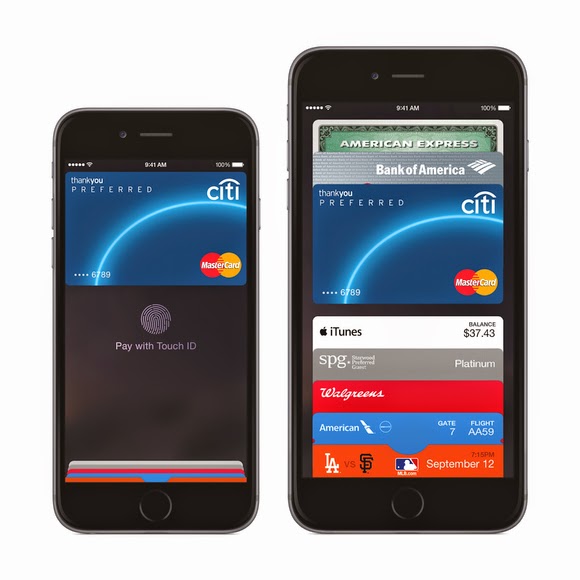
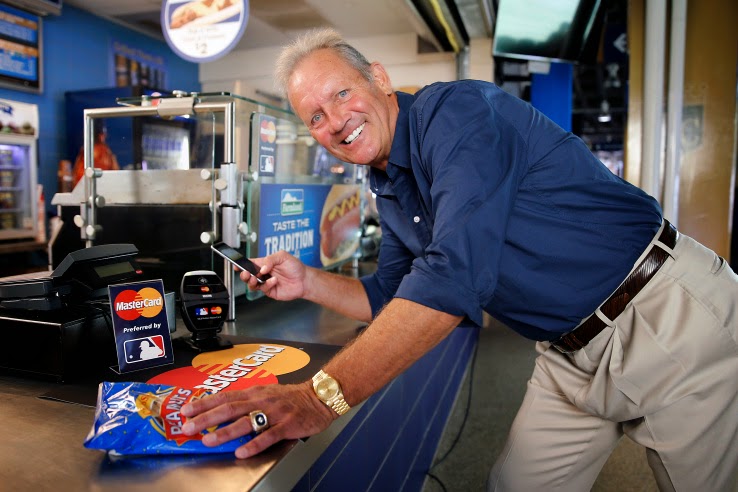
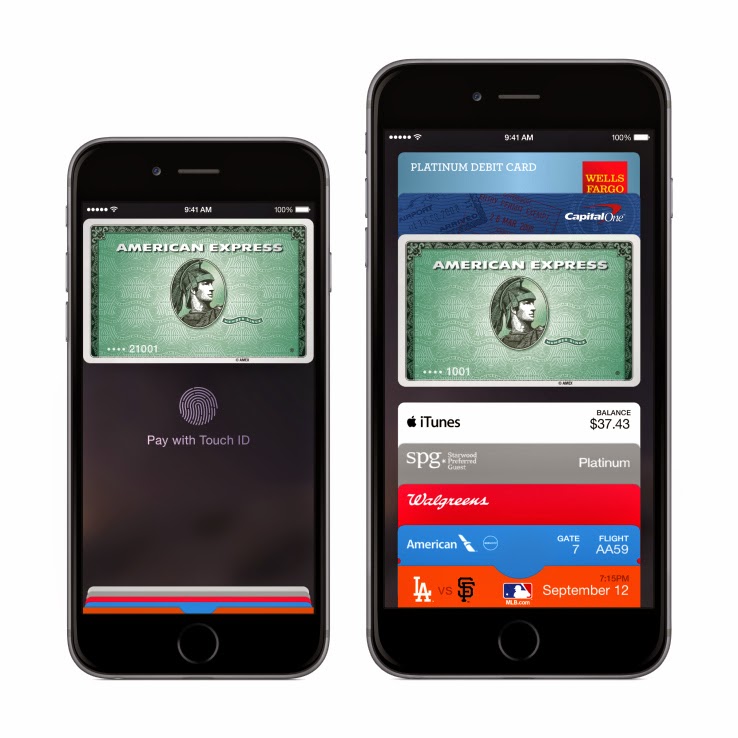
Apple Pay utilizes a secure chip inside Apple’s new iPhone 6 that enables the phone to emulate an NFC (near field communications) payment card. When the Apple Pay app is loaded with a customer’s credit or debit card, payments can be made at NFC terminals by bringing the phone close to the terminal.
Roughly 1000 Transactions. The system is being positioned as easier and more secure than current payment cards because the card number is not passed to the retailer’s terminal. Instead, a substitute number called a token is offered to the merchant, which sends it on to the card issuer for approval.
The token can only be used once, so if it’s stolen it should prove useless to cyberattackers. It’s tied to the actual card number deeper in the financial services network, further away from the retailer terminals that have been the target of so much hacking recently.
Apple Pay is compatible with existing NFC payment terminals, which can be found in around 200,000 shops and taxis across the U.S.
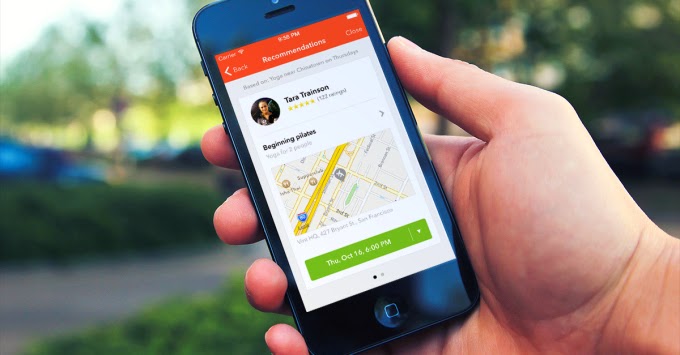
Two months after bringing its fitness marketplace to San Francisco, Vint is introducing a new way for users to set up 1-on-1 or group workout sessions with trainers in the form of a $120 monthly subscription that lets you arrange as many meetups as you’d like.
The subscription service, known as Vint Unlimited, encompasses all of the workouts available on Vint today. That means you could go meet a trainer who specializes in pumping iron on Monday at a location that lets you hit all your major muscle groups and meet a CrossFit instructor in the park on Tuesday or Wednesday. Vint Unlimited won’t come online until November 1 (and that will only be in, though users who sign up now can get a week free to try it out.
On a phone call, Vint CEO Louise Eriksson told TechCrunch that the idea behind the new subscription is to eliminate the friction involved in fitness — committing to a contract at the gym, making time to go, and sticking with a routine. While I certainly believe that workout schedules and gym membership are daunting and a turn-off to many who would like to get in better shape, I’d say the biggest “friction” when it comes to fitness is shear human laziness. Vint isn’t going to convince many people who aren’t willing to get up and go for a walk or jog and maybe do some bodyweight exercises to commit to spending $120 per month to get training that still involves meeting someone and putting themselves through intense exercise.
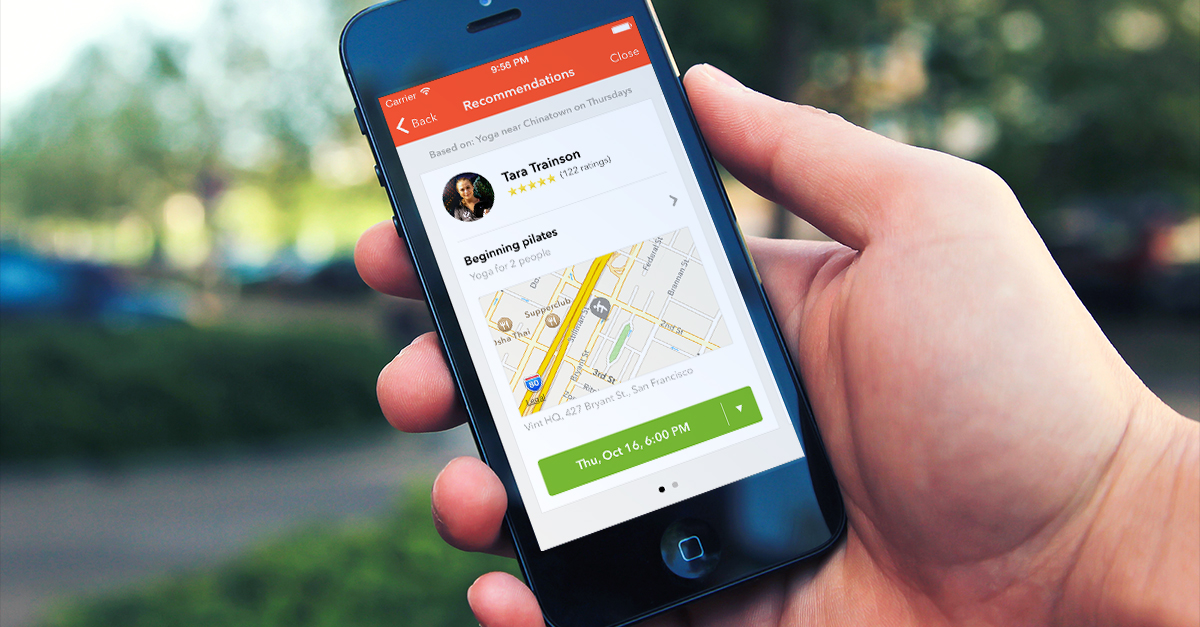
But for those who already pay a monthly fee, Vint Unlimited seems like a pretty great deal. Doing the same routine every week kind of stinks—tthat’s why I tend to give up on my fitness plans every few months, at least. Being able to switch between tennis, boxing, and ballroom dancing (I am not brave enough to pick up pole dancing just yet) keeps things fresh. And with the new Recommendations feature, Vint lets you say what times are best for your workout on a given week and the kinds of routines you’d be willing to try and then suggests a couple of trainers you might like — or, you can use the new Social Feed to take up the same routines as your friends using the app. There’s bound to be some overlap anyway, given the fact that there are only 60 or so trainers in San Francisco at the moment, so you might as well work out with friends when you find someone you all like.
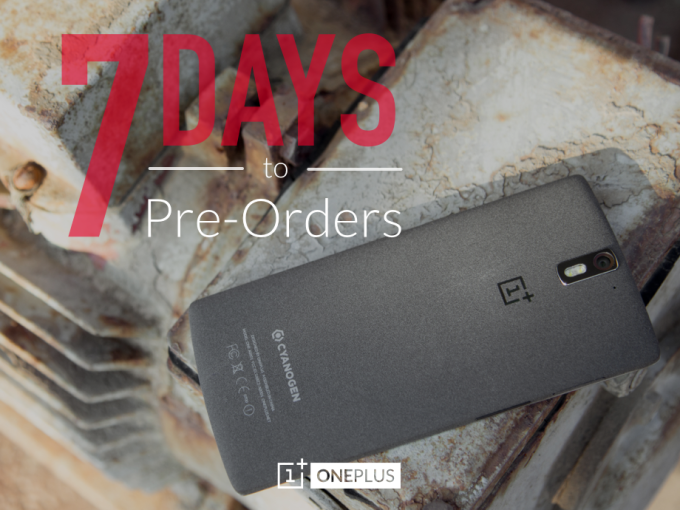
If you’ve been in the market for OnePlus One, the hugely impressive $299 Android smartphone that is available by invite only — thus far — then your luck is in. The startup has announced that it will make its first smartphone available to all members of the public, but for a one hour window only.
The impressive device will be available to buy for an hour on October 27, starting from 15:00 GMT — that’s 08:00 PST, or 11:00 EST. The company is allowing would-be customers to pre-order their phone from today, so there’s no need to stand still until then. Those who pre-order now but manage to grab an invite before October 27 can skip the queue and order their device right away, so there’s no danger of being stuck waiting. OnePlus says the new public sale window will not replace its invitation system altogether, but — having suffered delays in the past — this step is evidence of greater confidence in its ability to reach larger numbers of people with its devices.
The company has been preparing itself for its sale hour, and it revealed that it sent out 50,000 invites during the first half of this month. “This was our way of testing our servers to make sure we are well-prepared for dealing with a large volume of orders,” OnePlus said.
That’s a hugely important point given the issues that other smartphone upstarts have run into from selling large numbers of devices over a short space of time online. Demand for Xiaomi’s devices crashed Flipkart’s website in India back in July, although the Chinese company has generally experienced few issues with its web-only sales model.
Either way, OnePlus’s one hour window is a far better move than its last major strategy, in which it caused controversy for a sexist contest to sell The One.
Apple Pay is now available for anyone to use, provided they’ve got all the prerequisites, both for physical stores and for online transactions.
But you can’t just walk up to your local brick-and-mortar store and wave your iPhone and walk out with whatever you want – that would be theft. Instead, you’ll need the following to be in place to have a happy Apple Pay experience.
Hardware: iPhone 6 or 6 Plus for retail; iPad Air 2 or mini 3, or iPhone 6 or 6 Plus for in-app transactions
Touch ID set up on your device with at least one stored fingerprint
A credit or debit card from one of Apple’s launch payment partners
An iCloud account
After you’ve got all that in place, you can opt to either use the cards you’ve already got on file in iTunes to pay, or add a new one. Adding a new one is as easy as snapping a pic of your plastic, and then manually entering the security code around back. You can also manually enter all the information, if you’d rather not use the camera. If the card is compatible, it will verify and make it available for purchases. If it isn’t, call your bank and ask them to get with the program.
If you’re using a card already on file, you’ll just need to enter the security code found on the back to authorize its use, and then agree to the Apple Pay terms of service. Once that’s complete, you’re ready to roll.
Apple Pay in stores should be available at participating launch retailers, which include Aéropostale, American Eagle Outfitters, Babies”R”Us, BJ’s Wholesale Club, Bloomingdale’s, Champs Sports, Chevron and Texaco retail stores including ExtraMile, Disney Store, Duane Reade, Footaction, Foot Locker, House of Hoops by Foot Locker, Kids Foot Locker, Lady Foot Locker, Macy’s, McDonald’s, Nike, Office Depot, Panera Bread, Petco, RadioShack, RUN by Foot Locker, SIX:02, Sports Authority, SUBWAY, Toys”R”Us, Unleashed by Petco, Walgreens, Wegmans and Whole Foods Market.
Online, apps are already rolling out that also support Apple Pay, so check your updates column, or stay tuned to the “Featured” page, where Apple will be surfacing many of them. You can authenticate the purchases using your fingerprint, so long as you’ve registered it with Touch ID, or using your passcode if that doesn’t work for some reason. Apple Pay is secure thanks to the system it uses to store and transmit payment information, which doesn’t actually share any credit card details over NFC with the merchant, and it works with your existing cards, including rewards programs, etc.
We’ll have a first-hand account of how Apple Pay works in the real world shortly, but early reports from Twitter seem to indicate things are working smoothly with the newly launched
When Mark Zuckerberg recruited Ex-PayPal president David Marcus to head the affairs of Facebook Messenger three years ago, few understood the motive behind this move, but now it is crystal clear for everyone to see: Facebook is set to allow its users to send and receive money via its standalone Messenger.
Mark recently hinted on the integration of a payments service into Facebook standalone messenger. Stressing that “The payments piece will be a part of what will help drive the overall success and help people share with each other and interact with businesses.” However, he urged Wall Street not to get too foamy at the mouth because it may be awhile since “there’s so much groundwork for us to do.”
He urged analysts and investors to revise their estimates of Facebook’s revenue if they expected this to come quickly. “To the extent that your models or anything reflect that we might be doing that, I strongly encourage you to adjust that, because we’re not going to. We’re going to take the time to do this in the way that is going to be right over multiple years” Zuckerberg concluded.
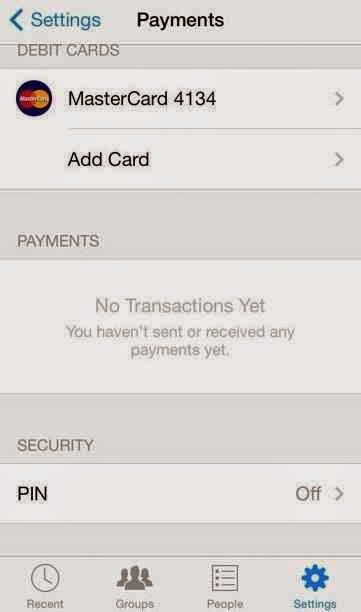
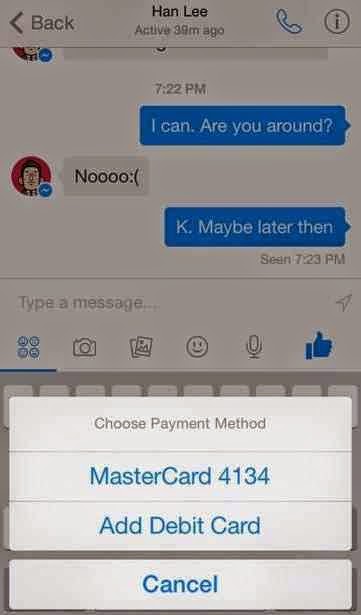
According to screenshots and video taken using iOS app exploration developer tool Cycript by Stanford computer science student Andrew Aude, all Facebook has to do is simply turn on the feature and users will be able to send money in a message similar to how they can send a photo. Users can add a debit card in Messenger, or use one they already have on file with Facebook. An in-app pincode also exists for added security around payments.
The presence of payments code in Messenger was first discovered by security researcherJonathan Zdziarski last month. Earlier today, Techcrunch writer Josh Constine reveals his conversation with a young computer scientist [Andrew Aude].
Aude tells me he used Cycrypt to dig into the Messenger for iOS code on his jailbroken iPhone and turn on the payments feature to nab the screenshots and video. I contacted the company to inquire about Messenger payments. Facebook declined to comment.
Aude played around the with feature and its code. He tells me you simply hit a button to initiate a payment, enter the amount you want to send, and send it. Facebook keeps the transaction private and doesn’t publish anything about it to the News Feed.
EwtNet believes that Facebook has the potential to dominate both messaging and payments service globally if the Messenger Payments becomes a success.
Facebook does plan to monetize Messenger through payments, but it’s going to take its time to do it right. Regarding Messenger, CEO Mark Zuckerberg said on today’s Q2 earningscall that “over time there will be some overlap between that and payments”. He stressed that “The payments piece will be a part of what will help drive the overall success and help people share with each other and interact with businesses.”
We shouldn’t expect this to happen too soon, though. Zuckerberg explained that “there’s so much groundwork for us to do.” He continued, “we could take the cheap and easy approach and put ads in and do payments and make money in the short-term, but we’re not going to do that.”
He urged analysts and investors to revise their estimates of Facebook’s revenue if they expected this to come quickly. “To the extent that your models or anything reflect that we might be doing that, I strongly encourage you to adjust that, because we’re not going to. We’re going to take the time to do this in the way that is going to be right over multiple years” Zuckerberg concluded.
Messenger hit 200 million active users in Q1 2014, and people now send 12 billion messages per day on Facebook. The question on the earnings call about how it would make money from the product was prompted by Facebook’s hire of PayPal president David Marcus to run its messaging unit.
If Facebook allowed peer-to-peer payments or payments to businesses via Messenger, it could earn serious revenue by taking a cut. Facebook’s international footprint could allow it to disrupt the greedy remittance industry, which often charges migrant workers exorbitant fees to send money home. Facebook could engender good will and save families money while still turning a tidy profit by undercutting traditional remittance players like Western Union, MoneyGram, Remit2India, and more.
Along with a strong performance in Q2 in terms of user growth and revenue, this news as has pushed Facebook’s share price to an all-time high of $75 in after-hours trading.
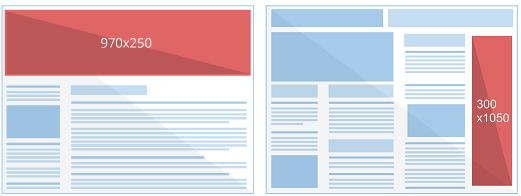
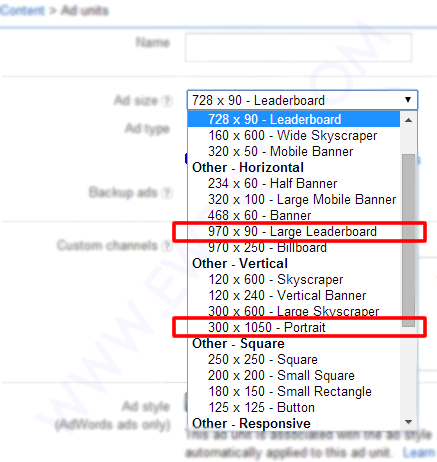
From simple text links to rich media ads, Google has continued it’s bid to optimize revenue for it’s publishers and subsequently gain more advertisers. According to a blog post in Adsense official blog, Google has rolled out two brand new ad sizes – 970 x 250 Billboard and the 300 x 1050 Portrait – that will help you reach more advertisers while also enhancing user experience and engagement on your site.
According to Adsense Product Specialist Alexey Petrov, the new ad sizes was as a result of publishers and advertisers demand for a larger ad unit.
We’ve heard from both publishers and advertisers that new, larger ad formats provide a great canvas for rich creatives and perform well on many sites. Today, we’re pleased to share two new ad sizes – 970 x 250 Billboard and the 300 x 1050 Portrait – that will help you reach more advertisers while also enhancing user experience and engagement on your site.
What’s up with the new ad sizes?
The new ad size will follow the way of it’s predecessors – supporting text only and text/display ads.
The ad is pretty much at the beta stage; you are likely to see fewer banners at that size. However, As with most of Adsense ad sizes, both of these ad units can accommodate standard text ads in addition to image ads. Additionally, they can show similar-sized image ads when doing so will maximize the performance of your ad unit. In this case, a 300 x 250 ad would serve in the 970 x 250 ad unit and a 160 x 600 would serve in the 300 x 1050 ad unit.
While trying the new ad sizes you will also discover that you can only make use of a maximum of one large banner per page, of course, I don’t see anyone complaining about this, considering the the size of each banner.
Feel free to play around with this new ad sizes and share your experience with us.
Facebook doesn’t show ads in Messenger or WhatsApp. Instead, payments could be the key to earning money on chat, especially in the developing world where ad rates are low. If that’s the strategy, Facebook just got the perfect executive to lead the charge. It’s poached PayPal’s president David Marcus to run its Messenger unit.
Facebook hinted that Marcus would be looking outside of ads for how Messenger could bring in revenue, writing in its announcement of the hire that “David is a widely respected leader in the technology industry with a track record of building great products and finding creative ways to turn them into great businesses.” For now, eBay CEO John Donahoe will be the interim PayPal president.
Marcus joined PayPal three years ago when it acquired his mobile payments company Zong for $240 million in cash. Zong let users buy things online through carrier-billed mobile payments.
In a Facebook post announcing his move, Marcus wrote: “While I was in the middle of my thought process about what was next for me, Mark Zuckerberg and I got together. Mark shared a compelling vision about Mobile Messaging. At first, I didn’t know whether another big company gig was a good thing for me, but Mark’s enthusiasm, and the unparalleled reach and consumer engagement of the Facebook platform ultimately won me over. So… yes. I’m excited to go to Facebook to lead Messaging Products.”
Facebook has previously said that it wants its standalone apps to hit at least 100 million users before it starts monetizing them. Messenger now has 200 million users and recent acquisition WhatsApp has 500 million, so they’re both definitely eligible. Both have been focusing on growth and boxing out the competition in the heated messaging space. But since monetization plans can take a while to get mapped out and then revved up, it’s smart for Facebook to start thinking about this now.
Facebook has already made some forays into the payments space. The Financial Times reported in April that Facebook had applied for an e-money license in Ireland that let it handle peer-to-peer money transfers in Europe.
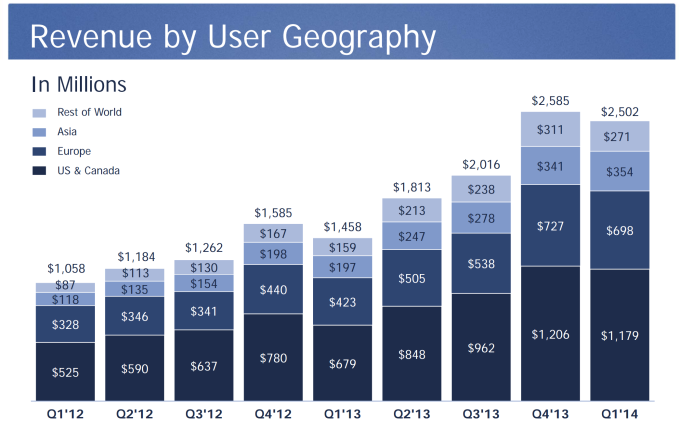
Using Marcus’ expertise could one day help Facebook earn significant revenue from developing nations and the parts of the world it’s trying to connect to the web through Internet.org. In these markets, buying power is smaller in absolute terms because of lower currency values, cost of living, and more modest incomes of citizens. This makes it tough to earn serious revenue from ads. Facebook makes just 11 percent of its revenue from all countries outside of the U.S., Canada, Europe, and Asia combined.
But one thing people do spend money on in the developing world is fees for payments and remittance. Mobile payments for digital and physical goods are starting to become popular in developing nations. Meanwhile, many migrants send money they earn back to family members in their home countries, but are forced to endure extortionate fees. Facebook could use the ubiquity of its mobile apps, including Messenger and WhatsApp, to disrupt the current players in mobile payments and remittance, earning those fees for itself.
Facebook and WhatsApp already know people’s social graphs so they can chat. Layering payments on top could be relatively simple. It could look a little like a combination of Messenger and Venmo, a slick peer-to-peer payments app that PayPal acquired along with its buy of parent company Braintree. The same way you select to send a photo with a message now, you could eventually add a money transfer.
In the developed world, this might help friends settle up for group dinners or shared taxi rides. But in developing countries, remittance through Facebook could become popular if it costs less and were easier than existing solutions. I’d imagine Zuckerberg’s vision for mobile messaging that he shared with Marcus goes something like “Messaging connects people directly and privately. Along with text and media, another big thing people send one another this way is money. By expanding Messenger to encompass payments, Facebook can bring families, friends, and colleagues closer by eliminating the barriers to sending and receiving cash.”
A lot has been said about Nigerian cashless economy since the turn of last year. While the government seems to delay the implementation of this service, Quickteller has given us a taste of what it means to go cashless.
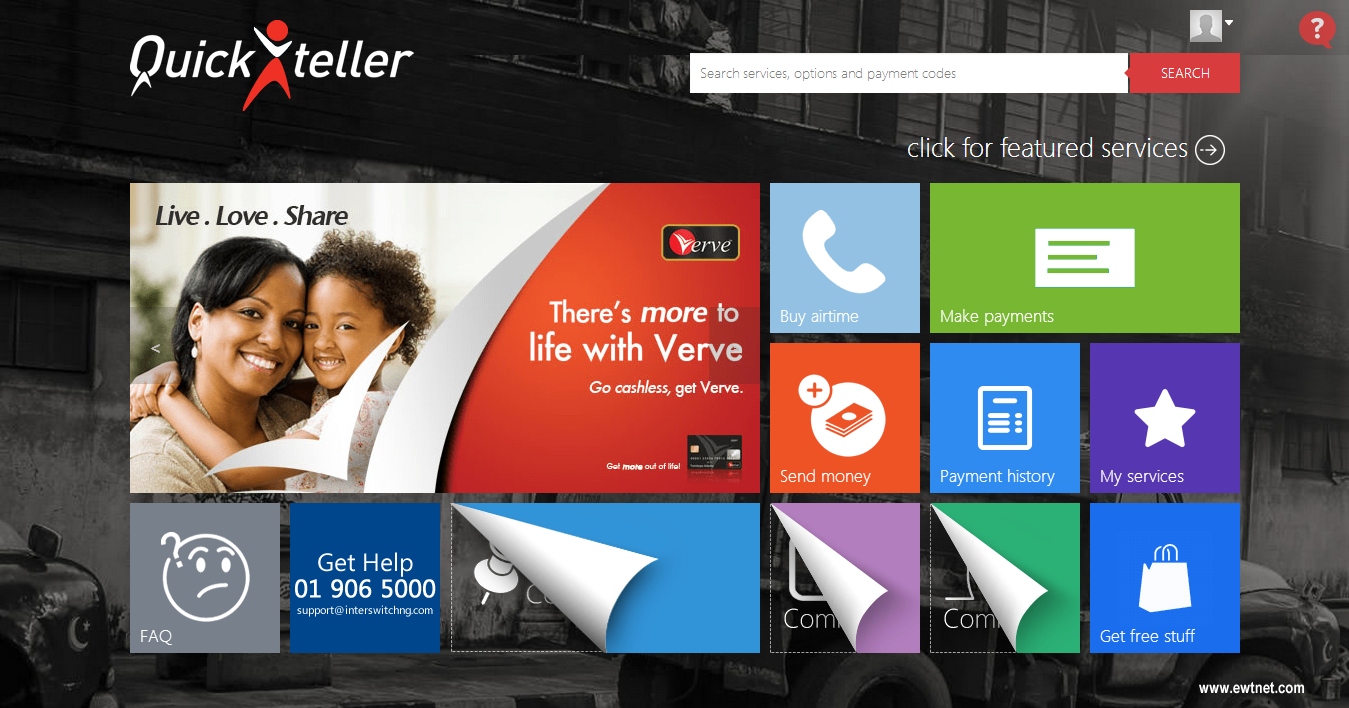
Quickteller is a company based in Nigeria that allows Nigerians to buy airtime and pay bills online using their ATM card. The website has been around for some time but came to the interest of EwtNet only a few months ago, after the company added MasterCard NG to their list of payment means. Also read: How to create a US bank account in Nigeria
What Quickteller can do for you?
While a lot of Nigerians are already acquainted to buying airtime through ATM centers, you can ignore the long queue and and follow the shortcut: Quickteller allows you to easily top up your airtime balance online through your account dashboard. Currently supported mobile carriers include:
MTN Top-up (Prepaid)
Glo Top-up (Prepaid)
Airtel Top-up (Postpaid & Prepaid)
DexterSim Top-up (Prepaid)
Etisalat Top-up (Prepaid)
Visafone (Direct Top-up)
Starcomms (Direct Top-up)
Smile Communication Nigeria (Direct Top-up)
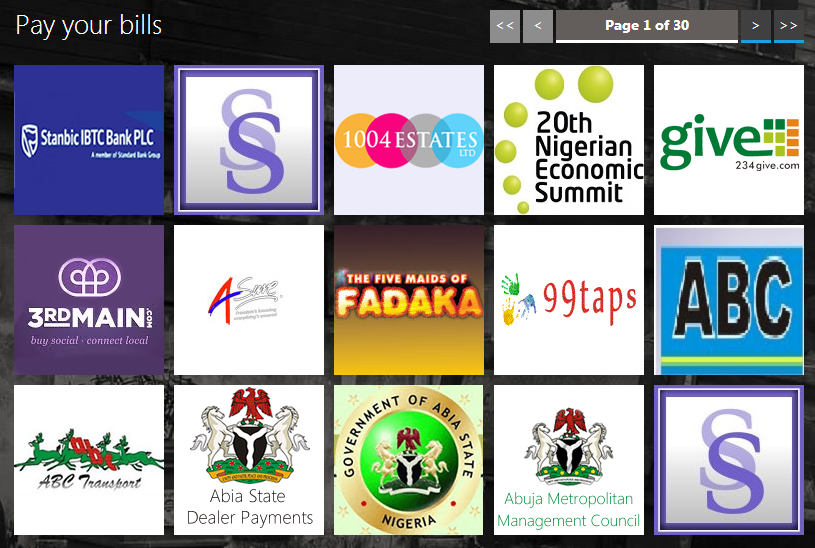
The service also allows you to pay bills such as Government tax, School fees, TV renewal fees, Donations, Tithes, etc.
Apart from topping up and paying bills, Nigerians can as well transfer funds or receive funds to their back account directly from Quickteller.
The service saves you a tremendous amount of time, easy to use, mobile friendly and does not apply additional charges to paying bills and buying airtime.
The Down Side
In all ways but one, Quickteller has proven to be flawless in delivering efficient and quality service to Nigerian residents. To help you remember your card details, you can add your mobile phone number to your account. However, as Salvador Dalí rightly placed it, “Have no fear of perfection – you’ll never reach it.” Quickteller has confirmed that it’s no candidate to bridge that saying as the company show it’s own lapses.
Time and time again, Nigerian shopping malls seems to go clueless when it comes to payment processing. Quickkteller, is once again a victim of this circumstances: The payment processor is currently limited to the use of MasterCard and Verve ATM cards. This implies that users whose ATM card parade the VISA logo has no place in Quickteller. You should also be aware that your international MasterCard will not be accepted. However, it is my beleive that this service will be improved sooner rather than later.
According to a report on Techcrunch, job outsourcing marketplace Freelancer.com has put down a portion of the money it raised from its IPO last fall on buying Warrior Forum, a marketplace and forum for digital marketing professionals.
Freelancer.com filed for an IPO last October, with the aim of raising ~$14.2 million — noting at the time that it intended to use the IPO funds for organic growth and also acquisition opportunities. It confirmed today it’s spent $3.2 million to buy the 732,000+ member strong marketing community site, Warrior Forum, where marketing professionals swap intel on topics including SEO, mobile marketing, social media, ad networks and more. More than 7.2 million postings have been made to the forum since it was founded, back in 1997.
Freelancer.com said Warrior Forum will be run as an independent site, post-acquisition, with its new parent contributing resources and a dedicated team to help fuel further development of the community site.
Freelancer.com, which was founded back in 2009, has acquired several companies over the years — including tech freelance jobs site vWorker/RentACoder and IT marketplace Scriptlance, both in 2012. More recently (this March) it picked up Polish freelance marketplace, Zlecenia.przez.net.
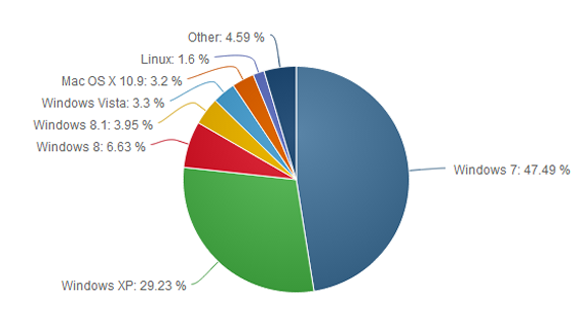
Microsoft is almost ready to put Windows XP out to pasture, but the popular operating system refuses to die. The latest worldwide numbers from Net Applications show Windows XP market share actually grew by 0.25 percentage points in January, compared to the month previous.
This is the first time Windows XP has gained in market share based on Net Applications’ freely available data, which reaches back to 2009.
We’ve dropped a line to Net Applications to see if the company has any explanation about why Windows XP might have bounced back in January, and we’ll update this story accordingly.
With the deadline for Windows XP’s end of life looming in April, it’s tempting to see the old system’s apparent resurgence as an embarrassment for Microsoft as Windows 8 stumbles in the market place. But could there be another, less sinister reason for the bounce?
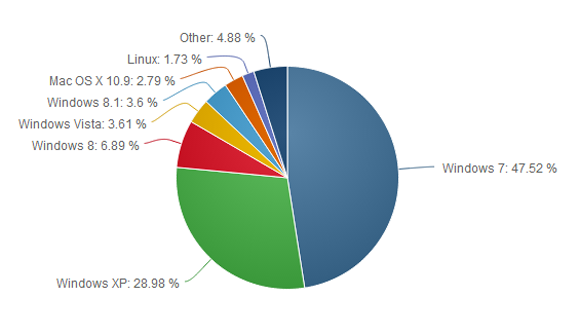
In December 2013, the browser usage numbers from Net Applications showed Windows XP with a 28.98 market share. But check out the next pie chart…
The surge may not be real
First, if you look at the top of Net Applications’ report for January 2014 it says, “This report contains preview data that has NOT been reviewed by Quality Assurance.” So there’s that.Also, StatCounter, a a competing metrics service, registered a 0.64 percent decline for Windows XP during the same time. So who should we believe?
Perhaps neither. There are problems with how Net Applications and StatCounter measure market share. Both companies rely on browser hits to determine OS popularity, so the companies are really counting the number of Windows XP, Vista, 7, 8, and 8.1 computers that go online during a given month.
That method may be generally accurate since today’s PCs (including Windows XP machines) are essentially web browsing machines. But when you’re looking at modest gains for a particular flavor of Windows, relying on browser data may not be perfectly trustworthy.
One month later, Windows XP shows a modest surge, possibly explained by people digging out old machines from closets to work on them before the XPocalypse.
But what if it’s true?
Assuming Net Applications is spot on, it’s also easy to see why a bunch of Windows XP machines might suddenly go online. As I wrote above, Windows XP’s end of life is just around the corner on April 8. When that happens, Microsoft will cease delivering security patches for the system.
So enterprises and small businesses may be yanking old Windows XP machines out of closets, warehouses, and backrooms as they take stock of company hardware and any data stored on antiquated computers.
Factor in curious home users wondering if they can upgrade their machine to Windows 8 or install a Linux variant on their aging hardware, and it’s easy to see where the modest uptick came from.
That’s all speculation mind you, but it makes a certain amount of sense.
The XP problem
Nevertheless, it’s undeniable that Windows XP still has a massive install base, second only to Windows 7. It’s likely there will still be a huge user base for Windows XP later in 2014, and tech companies are preparing to support the system in a limited fashion after April.
To help out Windows XP users who refuse to quit, Google will support Chrome for Windows XP until April 2015. And Microsoft says Windows XP’s anti-malware engine will continue to get updates until July 14, 2015. But security software can only detect malware attacks, and won’t permanently fix any critical flaws after April 8—and there will be flaws in Windows XP, bet on it.
If you do plan on sticking with the aging OS, we’ve just published a primer on what you should do to remain as safe as possible with Windows XP. But if you’re able to quit the system, you should do so very soon.
Some consolidation in the world of mobile commerce. Monitise, a UK-based company that works with the likes of Visa to build and roll out mobile payment solutions, has acquired mobile commerce technology provider Pozitron for $100 million in an all-share deal. This is about inorganic expansion: Pozitron is based in Istanbul, Turkey and is most active in its home market and the Middle East, two regions where Monitise has been less strong.
Other acquisitions at Monitise to push geographic expansion have included Clairmail in 2012 for $173 million to expand into the U.S. market. It’s not the only one: in 2011, Visa acquired Fundamo for $110 million to expand into Africa and other developing world markets.
“This acquisition of Pozitron further reinforces our leading position as a global technology enabler at the heart of the Mobile Money ecosystem,” Monitise Group Chief Executive Alastair Lukies said in a statement. “It comes at a time when we are seeing increasing demand for interoperable Mobile Money services as payments become more digital by the day, not only in Turkey, Europe and the Middle East but also around the world.”
Mobile payments is still a relatively nascent part of the world of commerce. In the U.S., although there were some $4.6 trillion in transactions made in 2013, only around $150 billion were made via mobile devices, according to the Electronic Transactions Association. The thinking here is to tap into the already-strong market ($150b being nothing to sniff at) while positioning for a time when mobile will hold a much larger share.
Pozitron says that it works with some 30 enterprises in telecoms, retail and pharmaceuticals with Turkish Airlines, eBay, ING, BNP Paribas, GlaxoSmithKline and Hepsiburada.com (“Turkey’s equivalent to Amazon”) among its customers, along with a number of large, regional banks. For its part, Monitise says some 24 million consumers use solutions based on its technology, which lets them ‘bank anywhere’, ‘pay anyone’ and ‘buy anything’. Some $50 billion in transactions pass through its systems every year.
Pozitron, founded in 2000, is not your typical startup in Silicon Valley fashion: it had no venture backing (“no VCs” in the words of Monitise’s spokesperson) and is being acquired as a “profitable, debt free” company, but with only $3.8 million in cash. One of its biggest shareholders was it co-founder and CEO, Fatih İşbecer, who now becomes CEO, Middle East & Africa at Monitise. All 130 employees are coming over along with the deal.
It’s a very good news story for the startup scene in Turkey all the same. With the country seen as the doorway to doing business across the Islamic world, VCs like Earlybird are now jumping in with two feet: the Berlin-based investor recently closed a $130 million fund to back startups in Turkey and Central and Eastern Europe.
The details of the deal lay out that the $100 million will only be payable after three years: Monitise will pay £24 million initially based on Monitise’s closing share price of 66.5p on Friday 31 January, 2014, and will then give a three-year earn-out of up to £36 million based on achieving “aggressive” performance targets.
If you are residing within Australia, Nigeria, India, Russia or anywhere else around the world, wanting to own a U.S bank account or localized accounts in EURO, CHY, GBP and JPY. The Payoneer service is a secure and convenient service that allows you to send and receive funds globally.
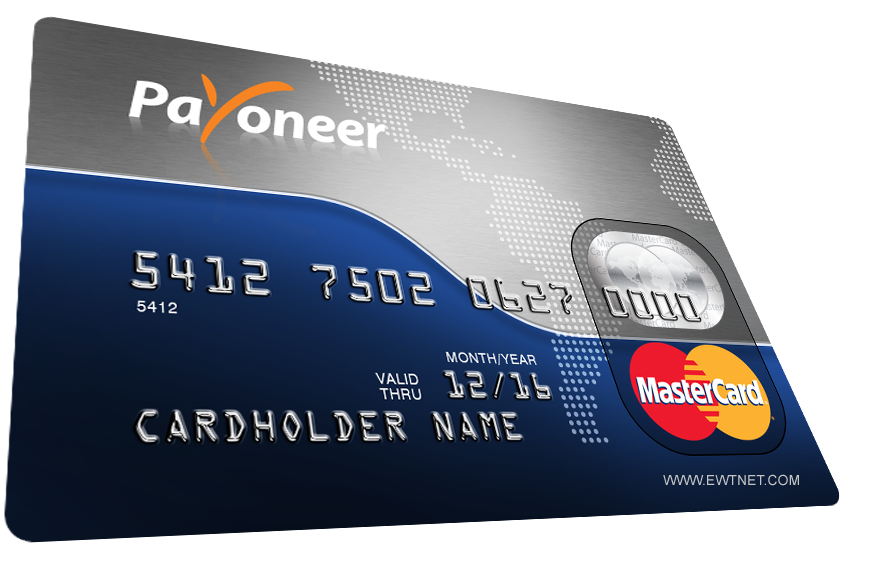
This is nothing like PayPal or the likes. These are fully functional bank accounts in your name. You can withdraw your funds from an ATM or make payments online with your Payoneer debit card.
Payoneer debit card
As a resident of Nigeria (or any other country) you can own a U.S Checking Account that provides you with a US collection account that can be used to receive payments from US companies directly to your Payoneer account.
These payments can be withdrawn using your Payoneer debit card or used to make other payments online.
Payoneer Global Payment Service
Furthermore, Payoneer allows account holders to own, receive and make payments in other localised currencies using the Global Payment Service.
There are two types of receiving accounts:
Local receiving accounts – let you get paid by local bank transfer from companies in different countries as if you had a local bank account in that country. Receiving local accounts include:
USD Receiving Account (United States)
EUR Receiving Account (Europe)
GBP Receiving Account (United Kingdom)
CHY Receiving Account (People’s Republic of China)
JPY Receiving Account (Japan)
Wire (SWIFT) receiving accounts – let you get paid by wire transfer worldwide. You can use wire (SWIFT) receiving accounts to receive payments from companies located in countries where local receiving accounts aren’t supported.
Payoneer Debit Card
Payoneer allows you to receive ACH / Direct Deposit transfers from cooperate organizations such as eBay, Fiverr, Amazon, Upwork, etc. The debit card makes it easy and convenient to perform various transactions online such as purchasing or paying for services online and can be used in any ATM globally that accepts MasterCard.
You can request for a separate debit card for all your currencies. Depending on your location, your debit card is shipped between 2-5 weeks.
Setting Up your Payoneer Account
Creating a Payoneer account is easy. You can start by simply creating an account on the Payoneer website. But the easiest method to get your account approved and verified is going through a third party.
Co-operations such as Amazon, SeoClerks and Fiverr allows you to receive funds through your Payoneer account. Hence, providing you with a unique link to setup of your Payoneer account. In this tutorial, I will be walking you through on how to setup your U.S bank account and get your Payoneer card using Infolinks.
A scanned copy of a government-issued ID (any of Driving licence, Passport, National ID or Voter’s Card will be fine)
Setting Up your Infolinks Publisher’s Account
Infolinks is a media advertisement partner that allows you to share advertisement revenue by implementing the infolinks publisher code on your website or blog. If you don’t already own one, proceed to Gmail to create a free email account. Then visit Blogger.com to start a free blog powered by Google.
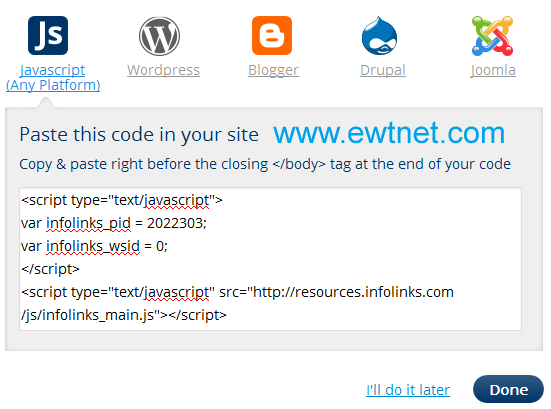
When all is set, proceed to Infolinks Publisher’s account setup, and enter your website/blog (e.g. website.blogspot.com) address in the specified input box. FIll the remaining info and complete the setup by implementing the Infolinks code on your website/blog (See how to add custom widget on Blogger to add your Infolinks code on the Blogger platform).
Request your Payoneer Debit Card
I believe you have already setup your email address and created an Infolinks publisher’s account. Now, proceed to your Infolinks payment setting:
Enter your contact details and click next
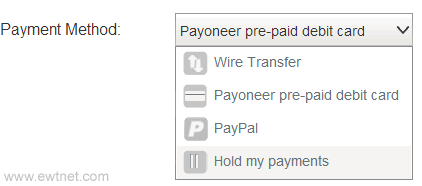
Select Payoneer pre-paid debit card as your payment method
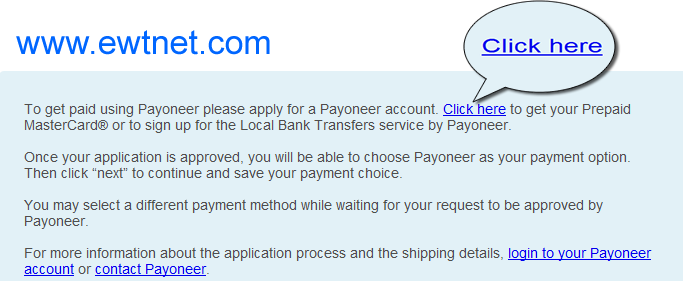
Immediately beneath this area, you will find a notification box prompting you that no Payoneer account is associated with your infolinks account. Kindly, follow the Creat account link and fill the form at the Payoneer website. This process will require your email address and a government issued ID. If you do not have any of driving licence, national id or passport you can select National ID and use your voters’s card later.
Note: Ensure that your billing address is valid and correct. To be on the safer side, visit the nearest post office to get details of your mailing address.
At this point a confirmation message will be sent to your email. Sit back and wait for 2-5 business days for your Payoneer account to be reviewed and approved.
Once your account is approved you will receive a congratulation email!
Your Payoneer Debit card will arrive your mailing address within 2-5 weeks. Once you receive it, you can proceed to your Payoneer account to view your status and activate your card.
Setting Up your U.S Bank Account
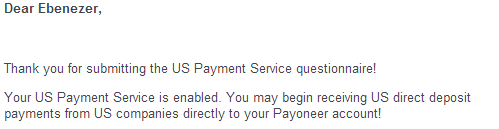
A free U.S checking account will be created for you the moment your debit card request is approved. This account is used to receive payments from US companies directly to your Payoneer account.
Check your email inbox for an email from [email protected] containing the following message:
Dear FirstName,
Welcome to the Payoneer US Payment Service.
This service provides you with a US collection account that can be used to receive payments from US companies directly to your Payoneer account!
Your US Payment Service information: BANK NAME: Bank Of America ACCOUNT TYPE: CHECKING ACCOUNT #: ***-***-***-***-***-*** ABA # (Bank Routing Number): ####-##### Please Note: Your US Payment Service has not yet been verified. In order to ensure that payments you receive are funded to your account without delay, you’ll need to verify your service by completing the following steps:
Click here to complete the US Payment Service Questionnaire Click here to submit a copy of your government-issued photo ID
Kindly, follow the links provided in the email to submit your US Payment Questionnaire and a scanned copy of your government-issued photo ID respectively.
Wait for a message similar to this one:
Congratulations! Your U.S Bank Account is ready to be used. You can use this account to receive funds from various U.S co-operation including Paypal and Amazon.
Need Help?
If you want us to help you setup your U.S Checking Account or request for a Payoneer debit card. Contact us here.
Zynga plans to buy U.K.-based game developer NaturalMotion for about $527 million while cutting 15 percent of its own workforce.
The San Francisco-based Internet game company said it is buying NaturalMotion for hit games including CSR Racing and Clumsy Ninja. It will pay $391 million in cash, plus about 39.8 million shares, according to a regulatory filing Thursday.
Zynga’s shares closed Thursday at $3.56, making the shares worth about $142 million.
Zynga will also cut 314 employees to help reduce costs and focus its work, CEO Don Mattrick wrote in a blog post. The company “wanted to create strong, dedicated teams that could succeed at the right size in relation to 2014 and beyond,” he wrote.
Zynga, founded in 2007, made its name with the casual Internet games Farmville and Words With Friends and went public in 2011. But last July, Zynga said it had lost almost half its daily game players and would get “back to basics.” Mattrick replaced founder Mark Pincus as CEO, though Pincus remains chairman. A layoff announced last June affected 520 employees.
Also on Thursday, Zynga reported revenue of $176 million for the fourth quarter of last year, down from $311 million in the same quarter a year earlier. That resulted in a loss of about $25 million, or $0.03 per share. The company narrowed its loss from nearly $37 million a year earlier.
Privately held NaturalMotion is based in Oxford, England, and has offices in London and San Francisco.