Are the latest Nvidiagraphics cards some of their best yet?
Realistic visuals in video games evoke this feeling of immersion and generally enhance the experience for gamers. Any random person will wonder “How do these incredible visuals in video games come about?.” Well, behind the scenes, there’s this remarkable piece of technology called graphics cards that goes to work to deliver those extraordinary visuals. Graphics cards better known as video cards or GPUs (Graphics Processing Units) are gaming hardware components. They’re responsible for rendering lifelike illustrations, generating clean animations, and facilitating real-time simulations.
2 Types Of Graphics Cards
Integrated graphics cards are built into the central processor or CPU of a computer, and shares memory with the CPU. They’re usually cost-effective and suitable for basic tasks. While dedicated graphics cards are detached or standalone graphics cards. They are more expensive, and powerful, and come with their own memory. These types of GPUs perform more graphic-intensive tasks and deliver better performance in gaming. For gaming laptops, a dedicated graphics card is the ideal GPU.
If there were no GPUs in gaming, the visual quality of our favorite video games would be poor. Along with reduced frame rates, slower loading time, and the absence of special effects that unite to make video games immersive. Without the relentless efforts of gaming companies and game developers to leverage modern technology in advancing gaming, these areas would probably have been blindspots.
Game developers are able to create richly detailed worlds, and astounding visual effects that immerse players in mixed realities by taking advantage of the incredible capabilities of graphics cards. With an ever-growing community of passionate gamers all over the world seeking new advancements in game technology; important tweaks to some of the hardware components in the market like graphics cards help improve user experiences.
The Latest Nvidia Graphics Card Release Date
One of the latest Nvidia graphics cards every game geek is currently anticipating its release is the Nvidia GeForce RTX 4060 Ti. It’s already promising to be one of the best graphics cards in the market this year. And for very good reasons. At an affordable price, it already has some very impressive specs and features. As well as performance that appeals to gamers who want a high-performance GPU without breaking the bank.
The Nvidia GeForce RTX 4060 Ti is available in two versions: one with an 8GB and another with 16GB of GDDR6 VRAM. Although the 16GB version is yet to be released, the details for both cards, however, have been made public. We’ll take a look at a complete review of the latest Nvidia graphics cards; Nvidia GeForce RTX 4060 Ti graphics card models. Including price, features, and performance.
The 8GB version of the Nvidia GeForce RTX 4060 Ti is due for release on July 24th, 2023, with a price tag of $399. While the 16GB version is set to be released in same July 2023, but with no specific date disclosed, and will be priced at just $499.
According to fans of Nvidia products, the price tags that Nvidia placed on both versions of the RTX 4060 seem fair and are quite affordable compared to other GPUs from Nvidia. Or even graphics cards from other brands in the market.
One of the key features of the Nvidia GeForce RTX 4060 Ti is its new AD106 GPU, which is smaller than that of its predecessor, the AD104 die. The AD106 GPU has 36 streaming multiprocessors (SMs), 4,608 CUDA cores, and 36 RT cores for ray tracing.
The memory configuration of the Nvidia GeForce RTX 4060 Ti is also impressive. The 8GB version features a clock speed of 2250MHz with a 128-bit memory bus. Which gives an entire 288 GB/s bandwidth. While this may seem lower than some of its predecessors, Nvidia has compensated for the tighter memory by equipping the RTX 4060 Ti with a 32MB L2 cache. This is great because significantly reduces the chance of cache misses and alleviates the load on the memory interface.
Rasterization and Ray Tracing Performance
In terms of raw performance, the RTX 4060 outshines its predecessor, the RTX 3060 Ti, by a significant margin. On average, it delivers an excellent performance boost across various benchmarks, which extends to staggering ray tracing performance. The RTX 3060 Ti and AMD’s RX 7900 XT fall short in comparison. The RTX 4060 offers 25% better performance in rasterization. And double the performance in ray tracing, albeit at a lower price point. While the RTX 4090’s performance is unmatched, it does come with its caveats.
Still, on gaming performance, the RTX 4060 Ti also delivers nice frame rates. Particularly for games like Assassin’s Creed Valhalla, Metro Exodus, and Doom Eternal, at both 1080p and 1440p resolutions respectively. Safe to say it easily outperforms its predecessor, the RTX 2060. And offers more remarkable improvements than the RTX 3060 Ti in most cases.
However, the 8GB VRAM may be a limiting factor for demanding games, especially when ray tracing is enabled. As well as that one disabled TPC (texture processing cluster) which leaves room for advanced AD106 GPU in the future. Drawbacks like these will most likely result in the card struggling to maintain an enjoyable gaming experience for users. But to overcome this limitation, Nvidia plans to release a 16GB version of the RTX 4060 Ti.
Buying Guide for The Best Graphics Cards
A buying guide will help prospective buyers make well-informed decisions when choosing the latest Nvidia graphics cards for gaming. Here are some important things you should know first before purchasing the Nvidia GeForce RTX 4060 Ti.
Graphics card memory amount is very important. At least 6GB to 8GB is recommended for gaming at 1080p and more for higher resolutions. Pay attention to key specifications like clock speed and CUDA cores, memory speed, and bandwidth. As well as efficient cooling features to prevent overheating. These factors directly impact the card’s performance and its ability to handle demanding gaming tasks.
Power connectors are also essential, and most cards require supplemental PCIe connectors. Ensure the card has the necessary ports for your monitors. Also ensure it fits in your case, checking length, height, and thickness. Ray tracing and DLSS are also worthy of consideration. The best ray tracing and DLSS are supported by Nvidia’s RTX series GPUs.
In today’s wearable scape dominated by smartwatches like the Apple Watch, and Samsung Galaxy Watch, fitness trackers remain a reliable option. Particularly for those seeking a trusted device to accurately track fitness metrics without the distractions of constant notifications. Or fitness trackers with more configurable features. We extensively reviewed some of the best fitness trackers and handpicked the ideal options for most people.
While smartwatches have their advantages, fitness bands are better alternatives in a number of ways. Smartwatches may offer exceptional performances, including on-watch apps, alerts, and advanced fitness features. But fitness trackers excel in their primary purpose of tracking physical activity during workouts or exercises. With their compact size, longer battery life, and affordability, fitness trackers remain a good choice for those who prioritize accurate fitness monitoring without the distractions of a smartwatch.
Best Fitness Trackers to Buy in 2023
Fitness trackers have greatly advanced in functionalities over the last few decades. Gaining momentum from mere predictions of inventors like Leonardo da Vinci about devices capable of step tracking to advanced health monitoring in present times. Today, wearable technology has gone over and beyond with the invention of sleek smartwatches for not only tracking steps, but skin temperature, heart rate, calories, and sleep patterns, the options are vast. In 2023, the market is teeming with the best fitness trackers with even cooler tweaks and we’re about to share them all.
Apple Watch Series 8
The Apple Watch Series 8 is the latest offering from Apple, boasting impressive features like watchOS 9 and unique additions such as Crash Detection and temperature sensors for menstrual cycle tracking. It comes with a design that closely resembles its predecessor, the Apple Watch 7, with its curvier chassis and thinner display bezels. The larger screen offers enhanced features like Always-On Display, new watchOS 9 faces, and a QWERTY keyboard for messaging. While these features may not be new to Apple Watch Series 7 users, those upgrading from older models will appreciate the redesigned look and increased usable screen space.
Apple has introduced a skin temperature sensor in the Series 8, which is beneficial for sleep tracking and cycle tracking. The sensor helps monitor deviations in overnight temperature for sleep analysis and can predict ovulation windows based on wrist temperature for users trying to conceive. Additionally, it can provide validation for those with conditions affecting their menstrual cycles. The data is secure and can be shared selectively, such as with a doctor assisting with fertility treatment.
Crash detection is a notable safety feature in the Apple Watch Series 8, made possible by upgraded motion sensors. The watch can detect crashes with improved accuracy and automatically call emergency services and notify emergency contacts.
Another significant upgrade is the low power mode, borrowed from the iPhone, which allows users to disable power-draining features while keeping the watch functional. With low power mode enabled, the battery life of the Apple Watch Series 8 can extend up to 36 hours.
Samsung Galaxy Watch 5
Designed for Samsung phone users, the Samsung Galaxy Watch 5 is a feature-packed smartwatch for fitness tracking. Compared to its predecessor the Galaxy Watch 4, Samsung Galaxy Watch 5 offers a refined design. It offers improved wearable health features, including advanced sleep tracking and body composition analysis. Notable new features include a temperature analysis sensor and comprehensive fitness tracking capabilities. The watch runs on Wear OS powered by Samsung, offering seamless integration with other Samsung devices.
Unlike the Galaxy Watch 4 lineup, the Galaxy Watch 5 does not feature a rotating bezel, which may disappoint some fans. However, the reshaped curvature on the bottom of the watch enhances watch-to-skin contact for improved accuracy on data collected from the biometric sensor. The watch remains water-resistant and boasts a display made of sapphire crystal glass, for increased scratch resistance. The Galaxy Watch 5 comes in four colors and offers interchangeable bands for personalization.
Although battery life could be better, it is an improvement over its predecessor.
Google Pixel Watch
The Google Pixel Watch boasts a simple and minimalistic design, available in a single size of 41mm. While some may desire a larger alternative, the watch fits well. Its face features a rounded design with a 3D glass dome, which somewhat distracts from the thick bezel but leaves a significant portion of the display unused.
The watch predominantly uses a dark mode interface and watch faces with black backgrounds to conceal the bezel. The Pixel Watch comes in matte black, silver, and gold, with interchangeable straps that require a learning curve to replace. The Watch marks Google’s debut in the smartwatch market and is one of the best fitness trackers with a native Fitbit integration. Aside from its stunning domed display and native Fitbit integration, it delivers excellent health-tracking capabilities. Offering users over 40 workout styles, heart rate monitoring, ECGs, and GPS tracking. Fitbit Premium unlocks advanced features such as a Daily Readiness Score and detailed sleep tracking analysis. The Pixel Watch integrates with Google services through Wear OS, providing access to various daily programs and services.
Fitbit Charge 5
The Fitbit Charge 5 emerges as the top choice among fitness trackers, offering a comprehensive set of features. With its built-in GPS that delivers fast and accurate tracking, the Charge 5 excels as a versatile fitness tracker and stands out from smartwatches. Its full-color AMOLED display and slim design make it more stylish than its predecessor, the Charge 4. The device boasts stress-tracking capabilities and future updates will introduce ECG measurements and Daily Readiness Scores. Fitbit Pay support and all-day and all-night battery life further enhance its appeal.
Amazfit GTR 4
The Amazfit GTR 4 is a great alternative to popular smartwatch brands like Apple and Samsung. Despite some limitations in in-app support and notification interaction, it offers a fantastic design, long battery life, and reliable activity tracking.
The GTR 4 features a premium look and feel with a beautiful AMOLED display and always-on functionality. Its hardware is impressive, with a lightweight body and durable build. However, the included rubber band may cause discomfort and requires frequent cleaning.
Running on Zepp OS, the GTR 4 has a simple and functional interface. While lacking extensive app support, it offers useful features and connects seamlessly with both Android and iOS devices. Notably, it supports Alexa and Bluetooth calling.
The watch is excellent for tracking activities and health metrics such as heart rate, sleep, stress levels, and blood oxygen levels. It comes with a 475mAh battery, delivering approximately ten days of usage on a single charge. The absence of daily charging makes it convenient and comparable to higher-end models.
Considering its affordability, attractive design, and essential smartwatch functionalities, the Amazfit GTR 4 is among the best fitness trackers for budget-conscious buyers.
Garmin vívosmart 5
A sleek and modest alternative to dozens of other smartwatches, the Garmin vívosmart 5 showcases Garmin’s expertise in fitness tracking. Garmin has made significant but subtle design improvements to the Vivosmart 5, focusing on usability. The addition of a physical button enhances navigation and activity control, addressing the previous touchscreen issues. The monochrome OLED display is 66% larger than its predecessor, making it easier to read messages and allowing scrolling text to avoid message truncation. The screen shows at least three stats simultaneously.
However, the Vivosmart 5’s display remains somewhat challenging to view, especially while in motion. Compared to other fitness trackers like the Fitbit Charge 5 and Amazfit GTR 4, its black-and-white screen feels outdated. It may not be as beginner-friendly as top Fitbits, requiring some time to understand its functions, but familiarity improves with usage.
The Vivosmart 5 comes in two sizes and offers interchangeable bands, a convenient option using Garmin’s official bands for now. Third-party alternatives may become available. Battery life is around seven days without all-day blood oxygen monitoring, reducing to approximately three days when enabled. However, given that blood oxygen monitoring is most useful for sleep tracking, it can be selectively activated during sleep only.
Fitbit Inspire 3
The Fitbit Inspire 3 closely resembles its predecessor in terms of design, featuring a compact size and rounded edges. It is lightweight and comfortable to wear, almost unnoticeable throughout the day. Notably, the Inspire 3 stands out with its bright and clear AMOLED display, giving it a premium feel without a higher price tag.
The tracker incorporates two haptic buttons for easy navigation, although the small screen may not be ideal for extensive message viewing. It is more suited for those seeking overall health insights without the complexities of a full-fledged smartwatch.
Fitness tracking capabilities include heart rate, steps, calories, Active Zone Minutes, stress, SpO2, and sleep monitoring, all at an affordable price. While the small screen makes it challenging to view live feedback during activities, attaching the tracker to clothing can be a practical workaround. The heart rate accuracy is comparable to more expensive alternatives.
Additional features include reminders, weekly exercise goals, water intake tracking, weight changes, and menstrual cycle tracking. Fitbit excels in sleep tracking, accurately monitoring sleep duration and quality. However, advanced sleep insights and scores are locked behind a premium subscription. The Fitbit Inspire 3 boasts up to 10 days of battery life, providing ample usage without frequent recharging.
Amazfit Band 7
The Amazfit Band 7 has undergone a significant upgrade with improved features such as a more vibrant OLED display, longer battery life of up to 28 days, etc.
The case, constructed from polycarbonate is lightweight and available in black or beige. And it is customizable with wristbands in green, blue, pink, or orange colors. Health and fitness tracking capabilities include step counting, heart rate monitoring, stress level assessment, blood oxygen saturation measurement, and sleep tracking.
The watch can be set up and customized using the Zepp app, which allows users to personalize vibrations, watch faces, and configure notifications. It also supports third-party app integration and features Amazon Alexa as a voice assistant. In addition to providing lightweight comfort, the Amazfit Band 7 is also dust and water-resistant. One of the best fitness trackers in 2023.
Oura Ring Gen 3
Meanwhile, those seeking a discreet and minimalist option will find the Oura Ring Gen 3 an appealing preference as a fitness tracker. The Oura Ring Generation 3 is a discreet piece of jewelry that seamlessly blends with other silver rings, concealing its advanced features until closer inspection. With its titanium loop, one can easily reveal the underside sensors, which include heart rate, respiratory rate, and body temperature sensors housed within three inner ridges. The ring is designed to be worn on the index finger with the slightly-flattened edge facing up for accurate readings.
In terms of activity tracking, the Oura Ring Generation 3 is not intended to display metrics during workouts. Instead, it can track calorie burn, steps, walking equivalency, and hourly movement through the Oura app. It assesses workout intensity based on heart rate and elevated activity minutes, incorporating data from Apple Health or Google Fit. The app also allows retroactive exercise logging and can estimate completed workouts.
For sleep monitoring, the Oura Ring provides valuable insights such as total time spent lying down, hours of sleep, resting heart rate, sleep efficiency, and a daily sleep score.
The Oura Ring offers an advanced and accurate sleep-tracking experience compared to devices like the Apple Watch. It even provides a Rest Mode feature that can automatically activate if irregular body temperature is detected. The battery life of the Oura Ring Generation 3 is estimated to last up to a week.
Withings Move
For those in need of a fitness tracker with a more standard yet fashionable design, the Withings Move is an ideal choice. The analog watch incorporates style with basic fitness tracking features such as step, calorie, distance, and sleep monitoring. It also includes other features such as connected GPS, auto-recognition for over 30 workouts, and water resistance. The Withings Move boasts an impressive battery life of up to 18 months, thanks to its button-cell battery. This eliminates the need to frequently juice it up.
At some point in our lives, we’ve all tried to navigate a business, career, or personal life without a specific direction. It might be pretty challenging, especially when you’ve not narrowed it down to what works best for you. We do not offer business or career coaching, but we can give you valuable suggestions on how to find your niche and own it.
Before we begin, we’ll provide you with more understanding of what a niche is. Lately, the word ‘niche’ gets thrown around casually. This can be attributed to brands, organizations, and SMEs who have now realized how important the concept of niche is. In this context, a niche is in no way related to the ecological subsets of a habitat.
Take for instance you run a bakery that bakes only vanilla cupcakes. Or an online store that caters only to short, fat, black women, or even an eatery that makes food for only people with shellfish allergies. these are examples of niched businesses. If you run a bakery that mass produces bread, croissants, cupcakes, cookies, etc, it may be a bit difficult to compete with existing bakeries doing the same thing.
Those who sell products or provide services will find that it’s incredibly hard to meet the demands of large, unspecified customer groups. They’ll however discover that it’s easier to dominate the market when there’s a target audience. This way, the products or services provided addresses a specific customer base, and at the same time, the owner gains control over the market. This is basically what finding a niche is about.
Identifying the environment that best suits your needs or meets your set goals can be a very complicated process. Either you spend the early stages of your business or career struggling to maneuver the overcrowded markets or labor to find specific audiences. Whatever the case may be, you’re among the thousands of people getting off to a shaky start in their businesses or careers. And there’s absolutely nothing wrong with that.
How to Find Your Niche Market
A niche market is part of a market that focuses on addressing the needs of a particular demographic or audience. with so many businesses in existence, there’s bound to be competition. A lot of people get intimidated due to the overpopulation of the markets and may find it hard to thrive. Some don’t even have enough resources to compete in such extensive markets.
Newbies lack a basic understanding of consumer behavior. The tools, methods, and numerous marketing strategies to apply to increase sales and give consumers what they want. They equally have difficulty adapting to the changing market or identifying market trends. This means if they’re not armed with the right information, there’s the likelihood of a rough beginning. Which can eventually be smoothed out, depending on the point where they get help.
Here’s how to find your niche in business.
Discover the market segment that interests you.
Identify your target customers and their needs.
Research the market competition.
Draft a business plan.
Market your products and services.
Discover The Market Segment Of Interest
Before you venture into any business at all, the first thing to do is ask yourself if the business interests you. Most people lack clarity on what appeals to them. Hence they run headlong into mass markets. Not having a well-defined idea of what your interests are can potentially sabotage what you’re trying to build. Although you may still be able to build a successful business in the long run, it’s easier to start with what feels comfortable to you.
Identifying Target Customers & Their Needs
When you’ve discovered a niche, identifying a specific customer base becomes an easy ride. The undifferentiated market is too broad; with a wide variety of consumer goods from popular brands. It’s hard for new brands and businesses to excel quickly if they follow the mass market.
Find the overlooked subsets of the general market that is profitable and meets a particular need. After that, research the needs of the potential customers. Try to find out what their expectations are, and what factors influence their purchase decisions.
Research The Market Competition
Study your competitors before you start your business. Try to also know what sets them apart, research their weakness, and target audiences. If you’re starting, you might not have the expertise to effectively pursue the particular segment of the market that interests you. These competitors existed before you, they know the market trends like the back of their hands, and how to go about satisfying their customers. Yet one thing is sure, if you know what they know, you can beat them at their own game.
If you know what they know, you can beat them at their own game.
B.E
Draft A Business Plan
A good business plan clearly defines the products and services you’re offering the target audience. As well as who these audiences are, the strategies you’ll implement to meet their demands, the price of your products, and the profitability of the business. Overall a business plan is just a blueprint for running your business or brand. Delivering your business plan in a systematic and organized manner improves clarity, so create a slideshow properly and ensure that your idea is well presented.
Market Your Products And Services
After identifying the area of business that interests you, and researching target customers and competitors, the next thing is to market the goods. To do this, there are tools and strategies you need to apply. Since you already know the particular demographic you’re catering to, the focus should be on marketing specifically to those audiences.
Where can you find them?. How will you reach them? What can attract them?. These are questions a niched business owner should ask before putting their products and services out there. A well-outlined marketing plan and niche strategy will not only bring a loyal customer base, but it’ll aid the smooth sailing of your business. And equally, create a steady income stream for you.
Now that you’ve received some helpful tips on how to find your niche in business, watch out for the next post on choosing a career niche.
You’re probably about to receive prepaid cards or vouchers as a gift and you’re wondering which gift card has the highest rate in Nigeria. Don’t fret, we’ve got you covered in this article.
What Are Gift Cards?
In simple terms, a gift card is a redeemable voucher card that people use to make payments at specific retail stores. Form a mental picture of this, someone gifts you an MTN recharge card (airtime), because they couldn’t decide which plan to get you. Now, you head to an MTN store to redeem it to your choice airtime or you can sell it at any store that retails MTN cards. That’s just basically what gift cards are. Examples of gift cards include:
Gaming gift cards like Xbox, PlayStation, and Steam.
Service gift cards like salons, spas, and gym memberships.
Retail or chain store gift cards like Amazon, Target, Walmart, Macy’s, Nordstrom, etc.
e-gift cards like Best buy, Etsy, etc.
Entertainment gift cards like Netflix
Restaurant gift cards like Starbucks, McDonald’s, etc.
There are other examples of gift cards out there, but these are the popular ones. Note that gift cards can be either physical cards or electronic cards(e-gift cards). Before we delve into which gift card has the highest rate, we’ll peek at some uses and examples of gift cards available in Nigeria.
What Is A Gift Card Used For?
Originally a convenient way of gift-giving, gift cards have various other uses. Most people are unable to decide what kind of gifts to purchase for friends and those they care about. Or maybe these friends reside in faraway locations. So, they just gift them gift cards which are loaded with certain dollar amounts, equivalent to the gifts they were indecisive about. The recipient uses the gift card to make purchases at stores where the cards are accepted.
Here are some other uses of gift cards:
Organizations give gift cards to customers, employees, etc as rewards or incentives.
People use gift cards to make online purchases at gift card retail websites or e-commerce platforms.
When it comes to budget spending, gift cards are a very convenient way of ensuring you don’t overspend on personal items.
Most organizations use gift cards as a fundraising tool.
Some hotels and airlines offer their customers gift cards for room or flight reservations.
Many people also use gift cards to purchase tickets or items at movie theaters, theme parks, and various other entertainment venues.
Another use of gift cards is the payment for services such as salons, spas, and gyms.
Examples Of Gift Cards Available In Nigeria
Can you send gift cards to people in another country?. Yes, you can send gift cards to both people in the same country and international countries. However, it’s important to note that some gift cards are limited to a specific region or country. And are redeemable only at specific retail companies.
In no particular order, here are some of the popular gift cards in Nigeria available for sale:
Steam Gift Card
Walmart Gift Card
Apple iTunes Gift Card
Sephora Gift Card
Google Play Gift Card
Nordstrom Gift Card
Razer Gold Gift Card
Macy’s Gift Card
Foot Locker Gift Card
American Express Gift Card (AMEX)
Which Gift Card Has The Highest Rate?
It’s quite hard to say which gift card has the highest rate in Nigeria. Considering that the prices and availability of some of the gift cards might vary. Nonetheless, we have curated all-time gift cards with the highest rates in Nigeria.
Steam Gift Card
Steam is one of the largest digital distribution platforms for PC gaming, originally launched in 2003 as a game developer, Steam has grown to incorporate several other features and functionalities. The Steam Gift Card is a digital gift card that users can make use of to purchase games, software, and other items on the Steam platform. As well as to gift friends.
It’s one of the most acknowledged gift cards with the best rates, due to its cash significance. The physical Steam gift cards are preferable over the digital ones because of their value. Physical Steam cards are available in $20, $30, $50, and $100 denominations. While the digital Steam cards range from $5, $10, $25, $50, to $100. They can be redeemed at various trading platforms in Nigeria.
Apple iTunes Gift Card
An Apple iTunes Gift Card is a digital gift card for purchasing music, movies, TV shows, apps, and other streamable content on the iTunes Store. Apple gift cards are different from Apple iTunes gift cards. You can use them on the App Store or iBooks Store. They’re purchased from the Apple website. People who receive Apple iTunes gift cards as gifts can redeem the funds from the gift card or exchange them at trading platforms.
Walmart Visa Gift Card
Another gift card with the best rates in Nigeria is the Walmart visa gift card. Walmart is a popular retail company that operates a chain of stores in the US. Their gift cards are of very high value due to their cash worth. Walmart gift cards and visa cards are either bought from Walmart stores or on the website, but you can’t make use of the gift cards internationally. Only the Walmart visa cards.
There are lots of items one can purchase with this card. Including groceries, electronics, clothing, home goods, games, books, pets, automotive, and other supplies. The denominations range from $100 to $500.
Sephora Gift Card
Users can shop for the Sephora gift card from Sephora stores or on the Sephora website. The card is for making purchases of products like makeup, skincare, haircare, fragrance, etc. It can also pay for services such as makeovers, skincare consultations, hair sessions, etc. They’re redeemable, you can equally exchange them at various trading platforms. Denominations range from $100 – $500.
Google Play Gift Card
Google Play gift cards are among the digital gift cards with the best rates in Nigeria. People use them to purchase digital content like apps, books, music, movies, and other subscriptions. With denominations that range from $10-$500.
Macy’s Gift Card
Macy’s is an American retail corporation and their gift vouchers are one of the best gift cards with the highest rate. Their denominations range from $10 to $1,000 and are mostly for making purchases such as clothing, shoes, jewelry, handbags, beauty, home goods, and furniture.
Foot Locker Gift Card
Popular athletic wear and accessories store Foot Locker is another widely recognized gift card with very good rates in Nigeria. People purchase the cards from Foot Locker stores or the Foot Locker website and giftees redeem the cards to buy items like athletic footwear, clothing, gear, etc.
Razer Gold Gift Card
The Razer Gold virtual credit service has one of the best gift cards for purchasing digital products, games, game-related products, etc. Some of the available denominations are $10, $20, $50, $100, $200, $500, and $1000.
American Express Gift Card (AMEX)
Wherever AMEX which is short for American Express is accepted, users or gift card recipients are allowed to make purchases with them. People use AMEX gift cards to shop for items and pay for services such as restaurants, travel, gas, etc.
Alternative Gift Cards Available Internationally
PayPal gift cards for making online purchases or sending money internationally.
Amazon gift cards for shopping on Amazon’s website or apps.
Netflix gift cards for paying for Netflix subscriptions.
Steam gift cards for purchasing games on the Steam platform.
Xbox gift cards for purchasing games, DLC, and subscriptions on Xbox.
PlayStation gift card for games, DLCs(downloadable content), and subscriptions on PlayStation
BMO e-Transfer is one of the generally accepted methods of payment in Canada. This post will shed light on what BMO e-Transfer limit is and how it works. Before then, let’s look at what e-Transfer is.
Interac e-transfer or simply e-Transfer is the flagship of Interac Corporation’s banking network, meant to eliminate all the hassle involved in sending and receiving money. Ever since its launch, Interac has been a fundamental part of Canada’s advanced banking system.
It enables Canadians to conveniently perform regular monetary operations; paying of bills, rent, shopping, as well as invoicing and bulk payments for businesses.
It is incredibly swift, secure and makes for a completely seamless online transaction. Over 250 financial institutions in Canada partner with this service, cementing its position as an extensively utilized interbank network. The Bank of Montreal (BMO) is one of Interac’s top acquiring banks. Other top banks participating in Interac e-transfer service include:
The Bank of Nova Scotia
The Canadian Imperial Bank of Commerce
The Royal Bank of Canada
TD Bank Group
How Does e-Transfer Work For BMO?
BMO e-transfer also called BMO Interac e-transfer or BMO email money transfer is considered one of the most reliable means of sending funds within Canada. Although the term e-transfer loosely refers to email transfer, it’s nowhere near it.
Funds transferred via BMO Interac doesn’t go through an email, they instead follow an encrypted, high-level security protocol to reach the receiver. It’s essentially the recipients that receive email notifications of the transfer, which would be deposited in their Canadian bank account once they answer a security question.
To e-transfer with BMO, first, you need to be a Bank of Montreal client. The transaction is initiated when the client equally has access to BMO online banking. Once the sender logs into their BMO online account, they will then navigate to Interac e-transfer and update their settings. There are reviewable options available such as adding the contacts of your choice which is inclusive of auto deposits.
Following the account set up, the customer proceeds to transfer after selecting the send money option. Upon confirmation of the amount to be transferred and the particular account you’re transferring it from, a security question is required before the money is sent out. This security question is sent to the recipient through an email depending on the contact mode you selected.
Once the recipient receives the email, they need to unlock it by answering the question you created before they can access the funds.
In lieu of an option to create a security question, customers can equally opt to include the recipients in auto deposits. Auto deposits require the sender to disable security blockade from the recipient’s end in the settings. The funds move uninterrupted by an email question into the receiver’s account.
BMO e-Transfer Fee
Transaction fee for BMO e-transfer span from $1.00 for personal accounts to $1.50 for business account. A $5 cancellation fee is imposed on the customer in the eventuality that e-Transfers sent and cancelled are done after 12 a.m of the said day.
BMO e-Transfer Limit
As one of the largest banks spearheading email money transfer, BMO allows users to make numerous transactions but there are major transfer limitations. Interac e-transfer limits vary among financial institutions participating in the service.
Why do BMO e-Transfer limit exist?. This tiny hitch is put in place for security reasons. BMO e-Transfer limitis imposed on users to limit their daily, weekly or monthly transactions. While this might present itself as an obvious discomfort, its vital to curb fraudulent interceptions and cybersecurity.
For The Bank of Montreal, the Interac e-Transfer has been limited to $2,500.00 or $3,000.00 per day, $10,000.00 per week and $20,000.00 for 30 days.
BMO Business Account e-Transfer
The bank of Montreal also facilitates the electronic transfers of money not only for individuals, but for businesses as well. BMO business account allows customers to pay bulk bills, vendors, employees, etc with convenience. There are perks of utilizing a BMO business bank account such as no monthly fees and hardly any limits on e-Transfers.
There are several BMO business account plan alternatives to choose from. They include:
eBusiness Plan
Business Start
Business Builder 1
Business Builder 2
Business Builder 3
Business Builder 4
BMO Interac e-Transfer Not Working? Here’s Why
While BMO e-Transfer payment method has significantly improved the way Canadians carry out financial operations online, most times there are slight complications. These issues can be easily fixed granted the parties involved know the root cause.
In most cases, there are BMO e-Transfer pending error messages and this is just like every normal online transaction. Once they are considered “accepted,”e-Transfer transactions of more than $300 usually take up to 30 minutes before they are processed. This results in the transaction appearing as pending. Once the sender notices this error message, the best option is to cancel the accepted funds request.
Declining or rejecting an email money transfer will reverse the money back to the sender. Alternatively, if the receiver chooses to ignore the BMO e-Transfer notification email, there’s an automatic reversal of the money after a period of 30 days.
Prevent e-Transfer Scams And Security Breach
Regardless of the advanced security systems of email money transfers, phishing scammers still find ways to infiltrate security measures. Hence, precautionary measures need to be taken into account to safeguard both the sender and receiver.
The usual security procedures entails ignoring BMO email transfers from unknown persons or businesses. Also to ensure that the sender is aware of the email instructions received by the recipient. Other security threats abound when the answers to the security questions an e-Transfer sender created is predictable. Bank and email details should equally be kept private.
Email Money Transfer To Someone Outside Canada
Sending of funds via Bank of Montreal email money transfer is only to specific recipients. Especially those within the confines of the country.
While BMO Interac e-Transfer to people in international countries is not feasible, there are tons of other payment methods such as wire transfers.
Is BMO e-Transfer Good?
Just like every other partner bank utilizing the Interac service, BMO ensures secure and efficient money transfers by both individual users and businesses.
Bank of Montreal security systems are fortified to mitigate fraudulent activities while streamlining payment solutions.
The second largest cryptocurrency exchange in the world Futures Exchange popularly known as FTX has come to a screeching halt following liquidity crunch. FTX crypto founder Sam Bankman-Fried has also stepped down from his position as Chief Executive Officer.
Earlier this week, Bankman-Fried reached out to Binance founder Changpeng Zhao to solicit for help to cover the liquidity crunch. Which Sam also made public in a tweet. But Zhao pulled out and everyone wants to know why.
For the past three years, the multi-billion dollar company FTX has become widely recognized as a reputable cryptocurrency exchange platform for trading digital currencies. Despite not adhering to U.S. regulation, FTX crypto has developed into one of the world’s largest exchanges.
FTX former CEO Sam Bankman-Fried
Binance CEO purchased 20% stake in FTX barely a year after the crypto firm’s inception. Bankman-Fried acquired Zhao’s stake in FTX crypto last year which he compensated in part with FTT, the company’s native cryptocurrency token.
Why FTX Crypto Crashed
Upon discovery of a significant quota of FTT tokens in Alameda Research’s possession via information leakage, Binance bowed out of their deal to help FTX. Alameda is a trading firm jointly run by Alameda CEO Caroline Ellison and Sam Bankman-Fried, who were rumored to have been romantically involved.
As a result of the disclosure, Binance via a tweet on twitter declared their intentions of selling the FTT tokens, a move that launched FTX crypto into cash crisis. As they struggled to process mass withdrawal requests. The FTT tokens fell in value while investors and traders continuously pulled out of FTX. In the span of three days, over $6 billion withdrawals were made.
As part of Binance’s exit from FTX equity last year, Binance received roughly $2.1 billion USD equivalent in cash (BUSD and FTT). Due to recent revelations that have came to light, we have decided to liquidate any remaining FTT on our books. 1/4
Running to Binance for assistance was FTX’s strategy to protect its customers from the impending credit crisis. But the swift detour by Binance from the supposed deal has left FTX in a lurch. In a statement regarding the development, reports of mishandled funds as well as corporate due diligence appear to be the reasons for backing out.
As a result of corporate due diligence, as well as the latest news reports regarding mishandled customer funds and alleged US agency investigations, we have decided that we will not pursue the potential acquisition of https://t.co/FQ3MIG381f.
Sources with in-depth information and knowledge of the matter disclosed that aside selling unregistered securities, lobbying politicians and investors to establish crypto-friendly regulatory rules , divulged that Alameda Research played a crucial role in FTX’s collapse.
The price of FTT tokens has since plummeted, continuing a downward spiral that rocked the cryptocurrency market. Now, due to the FTX debacle, Bitcoin and Ethereum prices have dropped below $16,000 and $1,100 respectively.
Technology is contributing significantly to Africa’s growth, strengthening the health, economic, agricultural and educational sectors. Nigeria is not excluded from the list of countries striving to set foot on the global scene. Health tech is a quantum leap in the area of medicine, but the Nigerian healthcare system is ridiculously inadequate to meet medical needs. Which has caused several -privately owned- health tech companies to swoop in and continuously save the day. Yet, a stark technological divide still exists in the country’s healthcare system.
In no particular order, these are the top health tech companies bridging the gap between health and technology in Nigeria.
Nigerian Health Tech Companies
LifeBank
According to reports, commercialization and personal aversions towards voluntary blood donation truncate blood supply to meet clinical demands. Death tolls rise every year from bleeding complications during childbirth, accidents, anemia and other chronic ailments. The recipients of blood transfusion end up paying heavily to some commercial donors due to the ill-equipped nature of blood banks in most Nigerian government hospitals.
Temie Giwa-Tubosun Founder and Group CEO of LifeBank Credit: CNN
LifeBank is a digitized platform based in Lagos that specializes in the distribution of blood, oxygen, and medical consumables. The startup sources and safely transports blood and blood products from authorized blood banks, using a WHO-endorsed cold chain system to hospitals and healthcare facilities. LifeBank marshals the defective framework of federal hospitals by supplying plant-sourced medical oxygen, accessories, supplies, etc, from a host of partners and distributors.
It was founded in 2016 by Temie Giwa-Tubosun after the complicated delivery of her son. The health tech company has witnessed notable expansion into other countries like Kenya and Ethiopia within five years.
Healthtracka
Ifeoluwa Dare-Johnson Credit: Healthtracka
Healthtracka is a Nigeria-based health startup that offers at-home diagnostic tests and wellness checkups. The digital platform addresses the feasibility that most healthcare organisations in Nigeria severely lack. Due to the cumbersome processes involved in patient screenings, the need for technological applications in the area of medicine is imperative. Health tech companies such as Healthtracka intervene to simplify a myriad of things and save millions of lives.
The platform works by allowing its users to purchase their preferred screening packages using the mobile app. Users are then expected to visit any Healthtracka-affiliated laboratory proximal to them or select the home sample collection option. After which users/patients receive digital results within 24 – 48 hours.
Ifeoluwa Dare-Johnson together with Victor Amusan took the initiative in May 2021 to establish the platform after Ife’s father passed away from stroke resulting from a late diagnosis of diabetes and hypertension. The startup received $1.5 million in seed funding shortly after participating in the Techstars Toronto accelerator program. Healthtracka’s primary focus is to ensure that Nigerians who go about their lives oblivious to pre-existing medical conditions receive appropriate medical attention.
Ifeoluwa Dare-Johnson CEO of Healthtracka
Remedial Health
Samuel Okwuada and Victor Benjamin Credit: Remedial Health
Remedial Health is a rapidly growing pharmaceutical procurement company which started as a private-label brand before branching out into tech. All attempts by the government to foil the smuggling of falsified and illicit medicines in different parts of the country have been thwarted steadily. As a result, the startup is one of the leading health tech companies in Nigeria offering solutions to counterfeit drug distribution.
The mass mortality of millions of Nigerians, and cost and treatment failures from the consumption of substandard pharmaceutical products necessitated the establishment of Remedial Health. Samuel Okwuada, a self-taught software developer and qualified pharmacist along with Victor Benjamin, a pharmaceutical sales agent with considerable expertise, founded Remedial Health jointly in 2021.
Since its inception, the business has expanded to become a national pharmaceutical supply chain. Licensed pharmaceutical products have been obtained by healthcare providers, pharmacies, chemists and other registered drug retail outlets. Remedial Health’s digitized supply of pharmaceutical products also enables the procurement of authentic and affordable medicines via reliable logistics network.
Photo Credit: Remedial Health
In September 2022, it secured $4.4 million in seed funding to broaden its reach across Nigeria. As well as for bankrolling businesses, provision of loans to SMEs unfairly prejudiced by financial institutions for creditworthiness and rendering services to their increasing client base of neighborhood pharmacies, Proprietary Patent Medicine Vendors (PPMVs) and hospitals.
54gene
The 54gene executive leadership team on the company’s 3rd anniversary (L-R) Jude Uzonwanne, Teresia Bost, Delali Attipoe, and Dr. Abasi Ene-Obong
The African genomics company was founded by Dr. Abasi Ene-Obong who recently relinquished his role as chief executive officer to become a senior adviser. Following a 30% layoff of their workforce in August 2022 until his resignation, Ene-Obong was the co-founder and CEO of 54gene. In 2019, Abasi Ene-Obong, Damilola Oni, Gatumi Aliyu, and Ogochukwu Francis Osifo allied to build a biotechnology industry that will change Africa’s healthcare system.
The startup seeks to represent the underrepresented population in genomics studies so that precision medicine is equalized. The majority of the genetic materials used in most pharmaceutical research are Caucasians, with only a sprinkling of Africans. Irrespective of the solid genetic diversity inherent in African ancestry. 54gene tackles this imbalance through advanced research infrastructure, highly curated data and genomic medicine for minoritized countries.
Lifestores Healthcare
Credit: Lifestores
Nigeria operates three main levels of the healthcare system, unlike some advanced countries that boast four concrete tiers. The levels are primary, secondary and tertiary healthcare systems. The weak structures of the Nigerian healthcare system and the inability to access quality healthcare from the least tier galvanized Bryan Mezue into action. He joined forces with his co-founder Andrew Garza to commence a health tech platform that’ll offer equal access to essential primary healthcare despite social bias.
Lifestores Healthcare runs a tech-enabled marketplace named OGApharmacy, as well as an ERP system. OGApharmacy is a digital procurement platform that enables pharmacies and hospitals to merge their choice requirements. The pharmaceutical marketplace then bargains for the lowest possible prices on certified medications, allowing for collective savings. Meanwhile, enterprise resource planning (ERP) allows for Lifestore customers to execute operations effectively.
Ever since its launch, the startup has served over 100,000 patients monthly, including 700 plus pharmacies and dispensaries. With more than $1 million saved for healthcare providers, 7,000 products sourced from verified suppliers and 10% of pharmacies in Nigeria served.
Reliance Health
Nigerians are no strangers to telehealth thanks to the advent of Covid-19 which shook the world’s economy. The aftermath of the pandemic greatly expedited telemedicine, prompting the world to veer towards the inclusion of virtual healthcare technologies in healthcare systems.
Reliance Health is among the health tech companies in Nigeria restructuring the face of medical care. Founded in 2016 by Femi Kuti, Opeyemi Olumekun and Matthew Mayaki, the startup operates by cooperating with hospitals and exclusive healthcare facilities to provide healthcare. Through a blend of integrated approach, which consists of telemedicine, affordable health insurance and innovative solutions.
Reliance Health Image Credit: People of Color in Tech
The telemedicine programme provided by Reliance Health allows customers to make online consultations and drug deliveries. Mitigating unnecessary consultations that often overcrowd Nigerian health centers. An array of health plans for families and businesses also exists on the Reliance Health insurance platform. The health tech startup is YC-backed along with a league of other investors, hospitals and laboratories.
On September 15, 2022, news of the Figma Acquisition By Adobe broke the internet. Dylan Field, the Co-founder and CEO of Figma, publicly announced on Twitter its procurement by Computer software company Adobe Inc.
Figma is a collaborative web application/tool for UI and UX designers, including designers of all ages, geographies, and levels of experience, for interface design.
Figma Logo Credit: Geeky Nigeria
It was launched on 27 September 2016 with unarguably one of the most excellent design, prototyping, and code-generation tools.
The Figma design tool is web-centric, but there are desktop versions for both Windows and Mac OS. What makes this design tool spectacular is that it allows for live, real-time collaboration. Meaning, team members can all log into a design at the same time and simultaneously make changes to it.
Figma collaborative interface allows designers work on a project at the same time credit: pexels.com
According to Dylan Field, Figma’s acquisition by Adobe was an opportunity to make design and developer tools more collaborative and accessible.
Dylan also stated that the acquisition was to accelerate the growth and innovation of the Figma platform with access to Adobe’s technology, expertise and resources in the creative space.
Dylan Field, CEO Figma
The newly acquired Figma web application will experience expert incorporation of imaging, photography, illustration, video, 3D and font technology. As well as a re-imagination of the best creative tools within the Figma technology stack.
The merger and acquisition which cost approximately $20 billion in cash and stock will keep Figma operating autonomously. Dylan will continue serving as CEO, reporting to David Wadhwani. David is the executive vice president and chief business officer of Digital Media at Adobe. While the entire Figma team will report to the former Figma CEO.
David Wadhwani Adobe
Adobe Inc., in a press release also made emphasis on how the merger would re-imagine the future of creativity, advance product design and empower the designer and developer community.
To acquire the ‘wealthiest person on earth’ title or enter the ‘World’s Richest Men’ list demands more than just a homogeneous portfolio. Billionaires are stinking rich individuals, with assets ranging from cash and cash equivalents, real estate, as well as business and personal properties.
You’re never going to amass such wealth being a white collar worker. Even if you work a hundred jobs, you might wither off before you enjoy said wealth. These rich as Croesus entities sink their money in the unpredictable oceans of stocks, bonds, and other types of stable investments. They take impossibly high and calculated risks.
Who Publishes The World’s Richest Men List?
Photo Credit: Pexels
The Real-Time Billionaires List otherwise known as World’s Billionaires List is the ranking of the world’s wealthiest billionaires based on their recorded net worth. It is curated and published annually every March by American business magazine Forbes. The inaugural edition of the list was released in March 1987.
The net total worth of each person on the list is approximated and specified in US dollars. This is based on their documented assets and accounting for debt and other determinants. These lists only show the top 10 wealthiest billionaires for each year. Although, excluded from these lists are Royalties and Dictators who amass wealth from their status.
It’s Not Just Men On The Billionaires List
To most people, the richest individuals alive are men and contrary to this otherwise spurious impression, women are snugly nestling at the top of Forbes’ elite ladder. There were 328 women on the world’s billionaires list as of 17 March 2021 and 327 as at 2022. Below are some of the top three richest women in the world.
Françoise Bettencourt Meyers
Photo Credit: The Business Standard
The billionaire heiress, Françoise is the richest woman in the world, with an estimated net worth of $74.6B as of August 2022. Born and raised catholic, she’s the granddaughter of L’Oréal founder, Eugène Schueller. Her mother Liliane Bettencourt died in 2017 and Françoise inherited her wealth despite all the scandals, tragedies and controversies. The French businesswoman is married to Jean-Pierre Meyers, the grandson of a rabbi murdered at Auschwitz and they have two kids. Françoise is also a writer, philantrophist, pianist and has written various commentaries on the bible.
Alice Walton
Photo Credit: Ironside Photography
Second on the list is Alice Walton. An American heiress and the only daughter of Walmart founder and magnate, Sam Walton. She’s ranking 19th on the Forbes Real Time list with a whooping net worth of $61.7B as of August 2022, making her the 20th-richest person, and the second richest woman in the world. The 72 year old billionaire’s interest in art led her to develop the Crystal Bridges Museum Of American Art. In 2019, she lost the top spot on the list to L’Oréal heiress, Francoise Bettencourt Meyers. Also, in September 2016, she owned over US$11 billion in Walmart shares and Walton has donated millions of her shares to arts and other charitable causes.
Julia Koch
Photo Credit: Pulse NG
Julia Margaret Flesher Koch is the third richest woman in the world. She inherited 42% stake in Koch industries when her husband David Koch died in August 2019 at age 79. Julia Koch’s family came from a farming background in Iowa. She worked her way up from her parent’s clothing store, as a model, fashion designer’s assistant to becoming one of the wealthiest women on earth. As at August 2022, her net worth is $57.9B and she ranks 21 on forbes real time billionaires list.
Here are the list of the world’s richest men according to Forbes real time billionaires list 2022
Profile Of The World’s Richest Men 2022
Elon Musk
Photo Credit: Bio
Business mogul Elon Musk is the richest man in the world, with a staggering net worth of $272B as of August 2022. The industrialist surpassed Jeff Bezos, the founder of Amazon, who was in the number one position in 2021. He co-founded six companies including electric car maker Tesla, rocket producer SpaceX and tunnelling startup Boring Company. SpaceX, founded in 2002, is worth $127 billion while the Boring Company, which aims to defeat traffic, is worth $5.675 billion. Twitter’s board agreed to sell the company to Musk for $44 billion in April 2022, after he disclosed a 9.1% stake and threatened a hostile takeover.
Bernard Arnault family
Photo Credit: Reuters
Next on the world’s richest men list is Bernard Jean Étienne Arnault with a net worth of $171.4B. The French business magnate, investor, and art collector is the co-founder and CEO of LVMH, Louis Vuitton and Sephora. Recently, he acquired Tifanny & Co for $15.8 billion and these are just a few of his multitudinous investments.
Jeff Bezzos
Photo Credit: The Ladders
Right out of his garage, business tycoon Jeffrey Preston Bezos built his empire. He is the founder, executive chairman and former president and CEO of Amazon which he almost named “Cadabra”, thankfully he didn’t. He is the third on the world’s richest men list.
Jeff Bezos equally has a net worth of $167.1B as of august 2022,. Meanwhile in August 2020, Bezos became the first person in contemporary history to accumulate a fortune of over $200 billion. Also in 2018, he was the wealthiest person in the world in 2018 when his net worth doubled, jumping from $81.5 billion in October 2017 to $160 billion the following October, thanks to Amazon’s soaring stock price. The Amazon bigwig stepped down in 2021 from his position as CEO to become Executive Chairman of the Amazon Board. His rationale for this action was to focus Day 1 Fund, Bezos Earth Fund, Blue Origin, The Washington Post, among his other interests.
Gautam Adani & family
Photo Credit: Trade Brains
The 4th richest man in the world is Indian billionaire industrialist GautamShantilal Adani worth around $135.9B. He is the richest man in India and all of Asia. Gautam Adani is the CEO of Adani Group which deals on ports development, real estate as well as power generation and transmission. The infrastructure tycoon has plans of becoming the world’s largest producer of green energy and has also said he will invest up to $70 billion on renewable energy projects.
Bill Gates
Photo Credit: Cgiar
William Henry Gates III is an American business mogul, software developer, investor, author, philanthropist and co-founder of Microsoft. He wrote his first software program at 13 and when he was 19, started Microsoft with his now late childhood friend Paul Allen. From 1995 to 2017, he held the Forbes title of the richest person in the world every year. In 2017, Amazon founder Jeff Bezos outranked Gates to become the wealthiest in 2017. He later resigned as the Chairman of Microsoft to focus on his philanthropic endeavours on climate change, global health, and education. He was married to Melinda gates until the duo parted in 2021 amid a myriad of unhealthy reasons.
Larry Ellison
Photo Credit: CNBC
Lawrence Joseph Ellison is the co-founder, chief technology officer and former CEO of American colossal software company, Oracle. The college dropout started out by building databases for the CIA and also expanded to purchasing and owning stakes in NetSuite, Tesla, Astex Pharmaceuticals among others. After 37 years reins on the technology company, Ellison assumed the position of CTO and executive chairman. His current net worth is $109.9B and he’s the 6th world’s richest men list. In addition, Ellison has donated several million dollars to charitable causes. He has been married and divorced four times with four kids but is currently in a relationship.
Warren Buffet
Photo Credit: CBNC
We cannot curate a list of successful people in the world without including the eminent Warren Edward Buffett. He is an investor and the current CEO of Berkshire Hathaway, a holding company for a multitude of businesses in insurance, freight retail transportation, energy generation and distribution, manufacturing etc. Warren is currently the seventh on the world’s richest men list with a net worth of $106.6B. He is popularly known as the ‘Oracle of Omaha’ and aims to donate 99% of his wealth to philanthropic causes.
Larry Page
Photo Credit: AF24 News
American computer scientist Lawrence Edward Page is the eight richest man in the world. He is worth over $103.5B . The alpha geek co-founded Google with Sergey Brin and was the CEO from 1997 until 2001. Page subsequently moved to google’s parent company Alphabet and was the CEO before stepping down in 2019. Page has invested in Tesla and several other investments including renewable energy technology.
Sergey Brin
Photo Credit: Bio
Ninth on the list is Sergey Mikhailovich Brin. An American business tycoon, computer scientist, and internet entrepreneur. He was born to Russian Jewish parents and his father is a retired mathematics professor at the University of Maryland. Sergey co-founded Google with Larry Page in 1998 after the two met at Stanford University while studying for advanced degrees in computer science. In 2015 he became the CEO of Alphabet, Google’s parent company and later gave up his role as president in 2019 but still remains a shareholder and board member. Sergey has been married and divorced twice with three children. His estimated net worth as at August is $100.4B.
Mukesh Ambani
Photo Credit: Siasat
Mukesh Dhirubhai Ambani is our tenth wealthiest man in the world with a current net worth of $96.2B. He is the founder and chairman of Reliance Industries, a business his later father who was a textile trader back in the 70s started. After obtaining a degree in Chemical Engineering, he enrolled for an MBA at Standford University but withdrew in 1980 to help his father start Reliance. Mukesh launched reliance’s Jio, a 4G phone and broadband service in 2016 and today, investors in Jio include Google and Facebook.
Inflation is an extensively used word that most people have heard, yet few truly make sense of. What’s Inflation?.
Simply put, inflation is the rise in prices of goods and services over time.
Photo Credit : Pexels
The rise can be due to increase in production cost and upsurge in demand of these products and services. Across the world, it poses a significant challenge because it makes money saved today less valuable tomorrow. It is calculated using a myriad of economic indexes including the consumer price index (CPI) and the producer price index (PPI).
Consumer Price Index
The consumer price index measures price changes from the perspective of the consumer and tracks price changes in various goods and services. It is published each month in the Official Journal.
Producer Price Index
The producer price index looks at price changes from the seller’s perspective by measuring the prices that companies pay for the the raw materials that are used to produce goods. The PPI is beneficial because price escalations usually starts in the supply chain when the costs of production shoots up.
What Triggers Inflation?
Photo Credit: Pexels
The causes vary across countries and it does not impact everything the same way.
Demand-Pull Inflation
This is the mostcommon cause of price incrementand occurs when there is a huge consumer demand for products and services. It is also known as price inflation. If the economy demands more goods and services than are available, it fuels demand-pull inflation.
With the growing economy and global expectations of inflation which drives people to purchase things to avoid higher future prices, there is ultimately increase in demand. Alternatively, when government monetary policies cannot manage the growth rate of money supply in an economy, it drives hyperinflation. Hyperinflation is the oversupply of physical cash without corresponding increase in production of goods and services. Fiscal policy, technological innovation etc, also creates demand-pull.
Cost Push Inflation
Cost push inflation results from increase in cost of production and prices of inputs like raw materials, labour, marketing, rent, supplies etc. Here, the demand for goods and services remains the same or it increases but the supply dwindles. Which causes rise in prices of goods and services.
This type of inflationary trend is rare because demand usually declines before cost push commence. Natural disasters, supply chain disruptions and exchange rates fluctuations can also bring about cost push inflation.
What’s inflation doing to the world’s vulnerable?
Photo Credit : Pexels
Inflation lowers purchasing power, values of pensions, savings and treasury bonds. The people who will inordinately suffer from the price upsurges include low-income consumers with fixed wages, because their income remains static while prices of gas, electricity and food escalates.
Conversely, there are several uncertainties and worries for those planning towards retirement. A retiree with $1 million saved for retirement who expects to spend $50,000 annually. Assuming 3% annual inflation and a steady 3% rate of return, that $1 million would last for 20 years. But if inflation rose to 12% a year, $1 million would run out in 11 years and nine months—and that’s a good reason to be distressed.
Is No One Benefiting?
Photo Credit: Pexels
Inflation sometimes has healthy side effects. High rates makes it easier to pay back outstanding debt. Over time, the value of the debt will reduce, since the amount borrowed will not be worth as much. The government find it easier to reduce the real value of its debt.
Inflationary spirals sometimes influences job growth. Economist A. W. Philips hypothesised that when inflation is high, unemployment is low and vice versa. When job recruitment is high, more people are working and they have purchasing power which ultimately lead to increase in demand and prices soar. On the hand, When less people are working, their purchasing power decreases which leads to decrease in demand and deflation.
Photo Credit: Pexels
Assets like real estate serves as a buffer. If you own assets in housing before inflation rises, it will benefit you. Although there are limitations to this – realtors and landlords increase rents during demand-pull inflation as expected, but will find it hard to do so in cost push inflation.
Fixed-rate mortgage owners also benefit from inflation because the value of monthly mortgage payments will decrease gradually.
Other potent hedges against inflation is investments in raw material, agriculture, commodities and gold.
Photo Credit: Pexels
The Future Of The Stock Market
High inflationary spirals creates uncertainties for banks and companies. There is a reluctance to invest and this can impair the economy’s long-term performance. If inflation is minimal and predictable, it is easier to reduce its impact. Unexpected price hikes is the most upsetting.
Photo Credit : Pexels
How does this affect the stock market?. It leads to soaring stock prices. The sky-high prices of inputs during inflationary times propel most companies to experience lower profit margins, which negatively affects stock prices. The effects of inflation on stocks in the short run can be more catastrophic than the long run. That is to say that, value of stocks can appreciate over an inflationary period and the goods and services it can be exchanged for remains constant despite higher prices. Although some type of stocks perform better during inflation. Value stocks tend to perform better when rates are high and growth stocks perform better when rates are low. Value stocks are found in sectors like energy, financials, industrial and are less expensive. It is often preferred to growth stocks for investors because of lower risk, lower share prices and dividend income.
Dropshipping is a massive industry growing stronger and popular every day. But while strong, it’s still not without its pitfalls.
If you’re an entrepreneur looking to get an idea of what problems are associated with dropshipping, then keep on reading because, in this post, we’ll discuss the 15 costly dropshipping mistakes to avoid when you’re starting.
So, let’s begin.
Being Unrealistic
Listening to dropshipping gurus is going to land you in trouble. Nothing comes easy, and they show you that it does, just to market their products and services.
When starting a dropshipping business, it’s always best to start slow. Research as much as you can and then make accurate decisions that are in line with your business.
Having unrealistic expectations from the get-go is going to land you in a state of hopelessness when you realize that you’re not making the sales as promised by the gurus.
That doesn’t mean that you shouldn’t have a goal. Aim for something real rather than something over the top.
If you manage to fall short of it, then it won’t be as painful and will be a part of the growing process.
Not Having a Focus on Product Research
Product research is vital if you’re thinking about doing drop shipping in the long run.
You can’t just expect to start dropshipping products online without knowing what they are unless you have an unlimited budget.
Learn about various industries operating in the dropshipping world, how they are operating, and what you can offer to the customer that they aren’t already getting.
When you answer these questions, you’ll be better able to have an idea of what products you’ll be selling.
Moreover, you will be able to map the competition and provide a distinctive dropshipping service.
Taking Too Much Time in Product Selection
While product research is essential, there is no need to fuss over it. Oftentimes, we get caught up in our own biases that we tend to forget our own major goal.
Stay on the product research. If you think the dropshipping product is good, then use it. If your research requires further polishing, then go for that option. The longer a period you take to perform your research, the more you’ll procrastinate. This inadvertently means a longer time to market.
Drilling Down Your Niche
Any product you select will be a part of a niche.
For example, t-shirts, shoes, and jeans come under the niche of apparel products. Now that’s a pretty straightforward example of a niche.
For other products, you have niches, and sub-niches to drill down on. Now doing that is quite effective. However, there is a limit to how much you can drill down a product niche.
Ideally, you want to expand your product offerings. Because of the need to diversify, you should never make your business model revolve around a single niche.
For example, businesses starting to name their entire company on the name of their products. This causes branding problems when the company expands.
The goal is not to bog yourself down to the niche of the products that you’re selling for your dropshipping store. Keep your branding varied while your product range is expansive.
Not Having Multiple Suppliers
Having a single supplier doesn’t work for a business.
Even if the business has a trustworthy supplier, it’s always best to have a backup plan in the event of things going wrong. Having multiple suppliers helps you keep on top of things.
In the event one supplier misses out, you can always contact the backup for the supply. While that is a case you should look out for, having multiple suppliers comes in handy when you’re sourcing multiple products.
This helps you keep your supply lines diversified while working normally.
There are plenty of locations that you can use to look for suppliers.
Not Optimizing Your Store
This isn’t just limited to a Shopify store.
Any content management system you use needs to be optimized. But what does optimize even mean? It means different things in different circles. Let’s see two different examples of this:
SEO optimization: essentially, it means optimizing your store for keywords and search engines.
Website optimization: this implies making changes to the layout, look, feel, and performance of the website regularly.
Which one should you be doing? Well, both.
A combination of both sea and technical optimization can keep your site up to date, secure, and well-ranked on search engines since these two optimizations work hand in hand.
Having A “Build It and They’ll Come” Mindset
Build it and they will come. That might have been possible when the internet was in its infancy, but not today.
The modern internet is cutthroat. Without proper marketing and thinking that your product will automatically bring in customers is not intuitive.
There are billions of stores present on the internet. So, even if your product is the next best thing, it still won’t gain traction unless you make it reach people.
Having No Holiday Plans
For any eCommerce store, the holiday seasons are vital. It’s a time of the year when everyone is home and is more willing to purchase products.
Most businesses, however, do not have an adequate plan for the holidays. This is a loss of opportunity for the business who otherwise, could have made a serious profit during that period.
To avoid losing money, you need to plan the holiday season ahead of time.
Planning for such periods helps you avoid the rush of the holiday season. Moreover, it’s a natural moneymaker for e-commerce and dropshipping businesses.
Not Investing in Automation
The modern world is full of automation and doing everything manually can lead to exhaustion and overwork.
Yes, of course, there are things that you would have to do manually, but in the long run, it’s better to have a business process automation software present.
The ideal scenario with automation is to begin in baby steps and then move on from there to bigger automation projects.
Losing Heart Too Quickly
Unless you have a sizable following, who are anticipating the launch of your eCommerce store, it’s going to be a long journey for you.
By long journey, we mean that it might take you a year or more to get sizable sales. The only thing you need to be is patient and not give up on your efforts.
With the right strategy and a bit of patience, you can start selling your product even quicker.
No Marketing Plans
This follows along with our previous strategy.
When you don’t plan, you’re bound for disappointment. Because of this, it’s important to have a solid marketing plan that’s adjustable with the times.
Most businesses, when they’re first starting, don’t care that much for marketing plans. Down the road, however, you’re going to get into more trouble since just winging it doesn’t work well.
Blackhat Sea
Making this mistake in any form of business can land you into long-term trouble.
Yes, while Blackhat strategies might be tempting in the short run, they are very harmful to the credibility of the business in the long.
So, whether you apply Blackhat to SEO or any other point in your website, you should be prepared for the consequences.
Influencer Fees
Influencer marketing is using the top-level people in your industry to advertise your products and services to their already strong customer base.
Now there are advantages to using influencers but they come at a price. As a new business, if you’re looking for an influencer for your business, you’re going to have to spend some time and money.
If you don’t want to invest in influencer marketing, then you shouldn’t. Instead, focus on organic solutions like making a well-designed and optimized website.
Not Having a Return System
In the world of eCommerce, returns and refunds are an inevitability that you just have to embrace. When you don’t have a system of returns present on your website, you can lose the legitimacy of your business and receive customer complaints.
To avoid that fully, you need to have a proper system set up which deals with returns. With that, you will be better able to address customer issues with returns and provide a better quality of service.
In addition to that, you can also have a proper policy for returns so that you can spot any faulty returns.
Not Reducing the Customer Journey
A vital aspect in making more sales and conversions for your dropshipping store is to reduce the customer journey.
The customer is already busy enough, and you need to ensure that once the product is selected, they are checked out as quickly as possible. This leads to quicker sales and more efficient operations that the customer could come back to.
Conclusion:
There are many mistakes such as the fifteen we’ve discussed in this post. Hopefully, you learned a lot of lessons from this post.
With dropshipping, it’s best to take a second guess before you proceed with anything new. Research the concepts of the trade and only then, should you move ahead.
Apple announced that it would partner with Goldman Sachs and MasterCard to offer its own credit card. The Card is built into the Apple Wallet app on iPhone, offering customers a familiar experience with Apple Pay and the ability to manage their card right on iPhone.
The Apple Card will come without any late fees, annual fees, over-limit fees, or international fees. Apple Card will be available this summer.
Daily Cash is added to customers’ Apple Cash card.Every time customers use Apple Card with Apple Pay, they will receive 2 percent cash back on purchases made with Apple Pay and 3 percent cash back on purchases made on Apple products.
Apple Card provides weekly and monthly spending summaries, to help customers better understand their spending.
Privacy and Security
Apple said a unique card number is created on iPhone for Apple Card and stored safely in the device’s Secure Element, a special security chip used by Apple Pay.
Every purchase is secure because it is authorized with Face ID or Touch ID and a one-time unique dynamic security code. The unique security and privacy architecture created for Apple Card means Apple doesn’t know where a customer shopped, what they bought or how much they paid.
The physical Card
Apple has also designed a titanium Apple Card for shopping at locations where Apple Pay is not accepted yet. Apple has eliminated a lot of the weak points that allow hackers to steal card information.
The card has no card number, CVV security code, expiration date or signature on the card. All this information is easily accessible in Wallet to use in apps and on websites. For purchases made with the titanium Apple Card, customers will get 1 percent Daily Cash. Apple explains.
Apple is partnering with Goldman Sachs to make its own credit card due out this summer — no plastic required. An optional physical card is available, but it’s a laser-etched titanium rectangle. https://t.co/WrG7GAIlmxpic.twitter.com/GVDHXxTdhn
After waiting for a little over a decade, PayPal arrived Nigeria in 2014 – arrived Nigeria with a half-baked service. A service that does little than market foreign products to Nigerians and prevent Nigerians from marketing theirs.
From the first day they stepped into the Nigerian Market, the intent was quite clear. To make maximum profit from the Africa’s second largest economy and deliver nothing in return. Yes, I said that, the service PayPal provides to Nigerians is completely one dimensional and only profit foreign companies and businesses abroad.
PayPal would fully accept Nigerians only when their US allies has found a more reliable means to do business. Nigeria has always been the dumping ground of failed US investments. It will come of no surprise if PayPal turn to Nigerians – desperate to do business with them – only after their popularity among US companies has declined. See why we think so.
Do Nigerians Really Need PayPal?
In case you are new to the current system, Nigerians can only pay money with their PayPal account but cannot receive money with their accounts. Some Nigerians has led various campaigns, asking that they should be able to receive money through their accounts like in many other countries where PayPal exist. But this campaign don’t usually make it past as many social media platforms.
Nigerians need PayPal both on the individual scale and the corporate scale. There are so many companies looking to integrate a reliable, convenient and globally accepted payment gateway to their online store. PayPal is one of the few payment gateways meeting such criteria. Some individuals, especially freelancers has found themselves in a position where having a PayPal account is the only thing standing between them and a life-transforming job.
Just recently, one Kofi Rukky called out PayPal on change.org. She asked that they should allow Nigerians receive money through their PayPal accounts. The petition like every other campaign, fell on deaf ears even after gaining the attention of over 1200 Nigerians.
Like so many other Nigerians, we have often pondered on the reason why PayPal isn’t fully functional in Nigeria. Reasons why Nigerians cannot receive money through their accounts? In our twitter handle, Geek NG and 3rd Planet Techies responded to our question on why PayPal doesn’t send money to Nigerians. They suggested that “Nigeria is still considered a high risk country, the possibility of getting a full PayPal service is pretty slim”.
Is Nigeria Really that Bad?
Nigeria as a country has long being associated with fraud. How can we ever forget the “Nigerian Prince”? The advance fee fraud has also earned popularity across the globe.
How far away is the 1960s from today?
Does time really change yesterday? PayPal doesn’t think so.
Miss Kofi Rukky is just one example of a Nigerian who is relying on the internet to earn legitimate income for themselves. As at March 31, 2017 there are 93,591,174 people accessing the internet from Nigeria. 8th position in the world’s overall ranking of internet users. According to Internet World Stats, this population amounts to 2.5% of the overall internet internet users in the world (3,731,973,423). It is likely to grow at the rate 46,695.6% in the coming year.
This population of internet users are composed of Bloggers, Programmers, Internet Marketer, Developers, Designers and various other professionals. Professionals who has come to the ‘free web space’ seeking a legitimate way to earn income. It is also important to note that this population has its fair share of cyber criminals and 419 internet frauds.
But is it fair to punish an entire population seeking to make clean income because of a crime committed by a few individuals? I’m sure Byron Howard and Rich Moore of Zootopia will disagree.
Sift Science Disagrees Too
Out of curiosity, I was forced to conduct a research on economic cyber-crime. And it was alarming to know that even the USA has more e-commerce fraud than Nigeria. Really, Nigeria is not even in the top 10. Sift Science has developed a comprehensive analysis on e-commerce fraud activity from practically everywhere in the world. Nigeria, contrary to the general assumption, lies 7 places away from the top 10 countries involved in e-commerce fraud.
The research showed that people in the smaller countries (in terms of population) like Latvia, Egypt, Mexico, Ukraine, etc are found to participate more in e-commerce fraud than Nigerians. Even bigger economic countries like Russia and the USA has earned its place in e-commerce crime above Nigeria.
Most US Companies are Losing Trust in PayPal
Knowledge has increased. US companies are becoming more aware of the loopholes associated with PayPal. Really, if their system is as secure as they claim, why the need to alienate a certain individuals? That is a debate for another day.
Minimizing cost and maximizing profit is the basic objective of every business. Over the years, PayPal hasn’t helped most businesses in the US towards achieving this basic business objective. Customers who do not have a PayPal account and wishes to buy products has to go through the rigorous process of creating a PayPal account. This in return makes companies/businesses lose potential revenues and clients.
It has also being argued that PayPal puts customers at a risk of identity theft as they demands too much personal information, makes misleading claims, tricks people into signing up and creating an account they don’t want and extorts more personal data from those who signed up. With too much privacy questions raised recently, it wouldn’t be surprising to see people considering a life after PayPal. And with Bitcoin gaining more international recognition, it is only a matter of time before more serious businesses start jumping ship.
Why PayPal needs Nigeria?
Nigeria’s economy is the second largest in Africa ( after South Africa) and her banking system is one of the best in Africa. Nigeria is the most populous nation in Africa and the 7th most populous in the world. PayPal would get to realize that there are lot of business people in the country. People who are willing to use their accounts for legitimate businesses in Nigeria.
Also, operating in Nigeria opens a unique opportunity for them in Africa. As the arguable giant of Africa, the success of most businesses in Africa depends on how successful it is in Nigeria. Several companies has denied services to Nigeria on the basis that there is no payment gateway for Nigerians.
PayPal full arrival to Nigeria will mean more companies extending their services to Nigeria. More revenues generated for both parties and more happy Nigerians. Everybody wins! But PayPal won’t see this until their US allies turn their back on them.
YouTube (the behemoth video website and subsidiary of Google [GOOG]) has been the home for many of the world’s at-home entertainment for years. At its inception, YouTube was a simple video sharing website where people can host their video content on the web. The idea caught on eventually when the first ever viral videos made their way to the young website, and content creators like Smosh began to make creative videos on the website.
Going from 2005, YouTube became a major hub of videos of all types and it saw a very large audience flocking to its service everyday to enjoy an array of content from an even larger array of uploaders/channels. And it is only natural for a new leader of a market to attract the attention of large companies like Google, who bought the company in 2006 for $1.65 billion in stock. And much like anything Google touches (well, almost everything), YouTube became great. It is great, and has been great since its inception.
With the what seems somewhat successful YouTube Red, and the plethora of advertisers and high-quality content creators, YouTube has had many successful quips under its name (even though it still doesn’t make any money for Google), but it has just an equal amount of not-so popular choices. Choices like these include: the forced Google+ integration, introduction of the buggy content-ID system, and now: the demonetization mechanic.
Now, the demonetization feature isn’t new to YouTube: it has been a part of the website since 2012. It is essentially a system that takes the tags and information of uploaded videos applied for monetization, and will remove their monetization (or deliver less of it) if the video results in being “not advertiser friendly.” However, it wasn’t until about last week that popular YouTuber content creators began to take notice of the system: and that was because YouTube finally began to inform creator’s that the system has edited their video’s advertising state.
You could say the fire of this month’s YouTube drama began with creator Philip DeFranco’s video discussing the demonetization of his videos. From there on, multiple other popular YouTubers made videos regarding the concerns, and many others made videos announcing how this was a form of “censorship.” While the publicity of the system has definitely made many content creator’s upset (and has essentially “screwed” over others in some cases), the question about others stating this as “censorship” is quite a hot topic among the community. What many do not know, however, is this is in fact not a form of censorship, and is just the system applying the guidelines for monetization to videos.
The outcry from creators and their arguments of “censorship” have triggered a factory line of similar videos discussing how someone needs to make a new site like YouTube where “free speech” still reigns supreme. These concerns were acknowledged by video site Vid.me in a humorous trailer playing off of the entire trend. However, what many have not taken into account is the difficulty of managing a service like YouTube, and the fact that the demonetization stands and is not censorship.
As aforementioned, this system simply reduces the targeted ads (or removes them altogether) on videos who include tags that are rather brash, racial, harmful, offensive, etc. Tags such as “sex,” or “death” would be ones that fall subject to the demonetization system. And many popular content creators have published several videos that used tags within these categories once or twice. This isn’t a form of censorship, as the videos will remain online but rather it protects ads from being presented to the wrong audience and ensures quality for those engaged in Google’s Adwords system.
Putting to rest the worries isn’t enough however, as the software for this system is still messed up and many videos that are clean for advertisers will still fall victim: reminiscent of the YouTube Content-ID system. And the fact that it took this long for the company to address the demonetization of a creator’s video truly has no justification on YouTube’s part. At the end of the day, this revelation is much like many in YouTube’s career: where the creators and community discover a flaw, creators are effected, the community is enraged, and then the facts are laid out on the table.
This essentially points YouTube out as a still young and somewhat broken service. It lacks in properly educating its creators on the finer points of its legal terms, and it fails to correctly communicate with the creators that care for the platform. YouTube should strive to improve how it handles its community, and to improve its automated systems.
To learn more about YouTube’s demonetization, check out this write by the Internet Creators Guild.
BlackBerry (BBRY) is a mobile company that has been failing miserably to keep up with relevance with competitors like Android and iPhone. Several months back, however, BlackBerry took the oath of “if you can’t be em’: join em’” and released the BlackBerry Priv: their first Android powered smartphone with classic BBM apps, and Android 5.0 Lollipop; all while boasting touchscreen and the classic keyboard.
While some folks have had their doubts about the phone, or BlackBerry’s chance to become relevant again in the market have been quite slim, news today from Walmart and Best Buy retailers show that the Android-powered device is garnishing a reputation. The two stores (while not immediately sharing sale figures/comments) have restocked the device onto the shelves on Friday – all this while the stock priced jumped up 7% alonside the news.
The Priv has become the surprising hit from a company who has had many failures in their lineup; and this could be partly due to its unique design (touchscreen + keyboard) and/or Android 5.0 Operating System. With the stock jump and stock shipment, BlackBerry might be in for a very good future of possibly becoming known in the mobile market again; and hopefully bringing challenge to fellow Android product developers, such as Samsung and LG. However, it could take just one major mistake in the Priv device or a quick lack of interest to cause the company to consider leaving mobile hardware all together.
“Anyone who has been watching closely at what I’ve been trying to do at BlackBerry has surely heard me say that we would not stay in the device business if we were not profitable,” CEO John Chen wrote in a blog post earlier this year. “That said, we are doing everything possible to make our devices profitable.”
What are your thoughts on the sales of the rather new BlackBerry Priv? Leave your thoughts below.
Google’s services are not available in China, but that isn’t stopping it from making a significant investment in a company based on Chinese soil. The U.S. search giant is backing Mobvoi, a three-year-old company specializing in mobile voice technology.
The duo already have business ties. Mobvoi is the company that Google picked to bring Android Wear, its operating system for wearables, to China, so this deal takes things up to the next level.
The size of the investment, which is a Series C round for Mobvoi, has not been disclosed, but Mobvoi co-founder Yuanyuan Li confirmed that Google has become a minority shareholder. The deal, she said, takes the company to $75 million in investment to date. Since Mobvoi previously raised $10 million Series B and $1.6 million Series A rounds, Google’s investment is just shy of $65 million.
Update: Mobvoi has clarified to TechCrunch that it raised previously unannounced funding rounds so the amount invested by Google is lower than the $60-65 million that we originally reported. The company declined to disclose the value of those unannounced rounds or Google’s investment when we asked directly.
Beyond the Android Wear deal, the two companies have plenty in common. Beijing-based Mobvoi was started by ex-Googlers — CEO Zhifei Li and CTO Mike Lei are both former research scientists with Google U.S. — and Li said the company’s DNA is heavily influenced by the tech giant.
“We used the Google model from day one,” she told TechCrunch in an interview. “We wanted to have same culture and team values. The co-operation [on bringing Android Wear to China] went really well… and [Google] showed interest and decided to make an investment.”
On the business and product side, Mobvoi is very Googley, too.
The company is probably best known for Chumenwenwen, a mobile voice search service very much in the style of Siri or Google Now. The service is akin to a virtual butler, allowing users to perform a range of tasks — including search, checking weather, buying items, and more — just using their voice. Li said the company has struck deals with over 100 content partners to give users access to various services via Chumenwenwen.
Mobvoi used its natural language technology to build out its own smartwatch software, too. Ticwear is a ROM that pairs with Android Wear to make the Google-run operating system — which is kneecapped in China thanks to the government’s blockage of Google services — work in mainland China.
Beyond developing smartwatch software, which works on selected watches like the Moto 360, Mobvoi went a step further and developed its own hardware: the Ticwatch. Li said the company has sold 30,000 units of the smartwatch, which is priced between $160-$190 in China, but it remains focused on software development.
“Our goal isn’t to be a watch manufacturer, [but] we’re happy to see early adopters buying our product,” she said.
Mobvoi said it will use its new financing to hire talent from across the world and continue refine its software services — Ticwear is updated every two weeks, much like Xiaomi’s approach to its MIUI Android software — while it is plans to dip its toes into robotics and it is also working on its own in-car software. That latter product is, again, much like a Chinafied version of Apple’s CarPlay or Android Auto from Google.
Given the many business/tech similarities between both companies and reports that the U.S. firm is looking to open up its services in China — and in particular the Google Play Store — is today’s investment a sign that Google has found the company in China to rebuild its business there?
Perhaps there’s even the possibility of a full Google buyout in the future?
Not so, according to Li.
“We value this partnership a lot, and respect Google as an investor, [but it is] still a minority investor and we will focus on what we believe in and in our products,” she told TechCrunch. “We’re not changing what we’ve planned, but there are definitely more opportunities [that will open up].”
Google, for its part, said it has “nothing to announce at this time” when we asked about potential plans to expand the scope of its partnership with Mobvoi and reopen the Google Play Store in China.
The company may be coy on its China plans, but today’s news is undoubted evidence that those plans do exist in some form. Google Inc and its Google Capital VC arm have made investments in China in the past — including a $5 million stake in music and video site Xuneli way back in 2007 — but this deal with Mobvoi is certainly its most strategic to date, and it sets off thoughts about what the search giant has up its sleeve.
Note: This post has been updated to correct the name of the Mobvoi spokesperson. Apologies for any confusion.
It’s often said that content is king, but in a typical marketing department you have a hodgepodge of content. That could include carefully-crafted web copy, blog entries and FAQs along with user-generated ratings and reviews. For many companies, at least some of this content is spread out across the site without any real connection between the product pages and the content that supports it.
SAP has a theory that spreading all of this content asunder makes it rather difficult for consumers to make informed decisions about their purchases — and this goes for any type of sale, whether a consumer device like a camera or something more complex like an enterprise technology purchase.
That’s why the company came out with a new product today at the Hyybris customer conference, called SAP Jam Communities, Edition for SAP Hybris Commerce. The lack of poetry in the name notwithstanding, this product is designed to help companies create a more coherent link between all of the content related to the product and the product itself.
Just to parse that title for you for those who aren’t familiar with SAP, Jam is the company’s community product, created several years ago to facilitate employee communication. Hybris is an ecommerce product SAP bought in 2013. Bringing the two technologies together, SAP is hoping to create sites and apps that help consumers when they need it most with an appropriate level of content, whether from the company or community.
To achieve that, the company says the tool was built with what it called “an API-first” approach. In practice this means, that every component of the service is containerized, delivered as a micro-service and pluggable into any web page or app. This should allow customers to build a customized ecommerce experience that can adjust the appropriate amount of content, depending on the product’s complexity.
For example, if the product involves a fairly easy buying decision like a $10 external battery for your cell phone, then simple ratings and reviews will probably suffice, but as the buying decision gets more complex, it requires a more detailed content from various sources to walk the buyer through the purchase process — like say a car or a wind turbine
The eventual goal of any ecommerce tool is to get the visitor to buy something without leaving, and to that end, each page includes whatever content the system designers might deem necessary for a particular product, and a Buy button. In the case of a more complex product, buyers might see a button for contacting a sales person, distributor or dealer, who can provide more information and begin to push the sale further along.
SAP is hoping that this approach has advantages over traditional content marketing and ecommerce strategies where it has been difficult to measure the ROI of the content part of the process. That’s because the content has sometimes lacked a coherent connection to the buying experience itself, often left on a disconnected landing page.
By including more of the content within the sales process instead of in a separate place, the company believes it should make it easier to measure the effectiveness of your content against actual sales, giving companies easier access to data that had previously been much more difficult to tease out.
SAP officials hinted that this could be the first of a series of enterprise-community products. eCommerce was a natural fit, especially since the company owns Hybris, but building the product using micro services was an intentional strategy to make the product transfer more easily to other scenarios in the future.
The shift from PC to Mobile is now in full swing. With “65% of all mobile phones sold being smartphones”, according to the June 2014 Ericsson Mobility Report, no longer is Mobile the future of communications, but rather the ‘present’, and the means by which information is consumed is now becoming more and more mobile.
This development results in an unprecedented use of mobile instant messaging (MIM), with actual number of messages expected this year to reach “50 billion messages per day on the MIM services and about 20 billion messages a day via text messaging (SMS)” according to Paul Lee, Deloitte TMT Head of Research. Tools like Webcilo Phone Number Generator are now flooding the internet, making it possible for SMS marketers to reach more mobile audience through text messaging.
However, despite the burgeoning volumes of messages carried over instant messaging on mobile phones (MIM) “we expect globally SMS to generate more than $100 billion in 2014, equivalent to approximately 50 times the total revenues from all MIM services, according to the 2014 Deloitte TMT Predictions.”
This disparity in revenue levels is largely due to the higher cost of sending SMS as opposed to the almost ‘free-to-use’ instant messaging apps that sprouted in the market in recent years. But, what does this information tell us?
The decline of SMS usage among consumers is attributed to the availability of instant messaging, which is relatively free to use. And it is replacing two-way conversations, i.e. email and voice calls, only because of this cost implication.
Despite this decline in number of outbound SMS text messages, people still continue to use it for more important, time-sensitive messaging because of its high open-rate. As the messaging platform, standard among all phones across the globe (whether basic or smartphone), SMS messaging gets through on any type of phone device, regardless of country, time zone, carrier connection, and does not require exclusive subscription as in the case of MIMs where one cannot send an instant message to another unless both of them use the same service, i.e. WeChat to WeChat, iMessage to iMessage, etc.
This makes the mobile phone a perfect spot for marketers to reach their existing and potential customers. As casual conversations take the MIM, people will have more room for consuming push notifications and promotional information on their SMS inbox. And with ethical implementation, the email’s loss could be SMS text marketing’s gain.
Let’s take your attention on the same-sex marriage legalized in the US away a little bit and bring it to a smarter move that can take your business to a new all-time high.
uniXclusive has introduced a student discount card that allows students to acquire goods and services at a cheaper rate (less than what normal people would pay) from top brands/companies enrolled into partnership with uniXclusive – which is where your business steps in.
Just in case you are wondering what uniXclusive is in the last 5 seconds? It is a social network tailored towards connecting students in higher institution across Africa and abroad. Students on uniXclusive can connect with other students, chat, share moments, etc., indeed, technology has no limit.
How does this affect your Business?
The student discount card is a must-have discount and lifestyle card for students across Africa. Thousands of African students will use the card daily for attractive and exclusive discounts with their favourite brands.
Top brands/companies partnered with uniXclusive discount card program receive unrivalled brand exposure and access to the student market via various channels, both on and off- line, allowing them to grow their customer base within the 7 million strong students demographic.
Brand/Companies enrolled into the discount card partnership program stands to gain:
Access and exposure to thousands of uniXclusive cardholders.
Association with uniXclusive so students know you have their best interests at heart.
Exposure to student unions throughout the country.
Opportunities to feature in e-correspondence.
Opportunities to run flash-sales or competitions to the student market.
Data capture opportunities.
Exposure across social channels reaching in excess of 15K students.
Exposure on uniXclusive.com with a link to your website.
uniXclusive welcomes partner applications from any national or international brand looking to target the student market through their dynamic and powerful web portal.
Getting Started
If you interested in partnering with uniXclusive, you can download the form here. After filling the form, scan and submit it to admin[at]uniXclusive.com
#Apple has been Told to pay $532.9 Million for Breaching Gaming-Related Patents Infringement
A Federal Jury in Texas hasordered Apple to pay outjust under $532.9 million in a patent infringement case brought by Smartflash LLC regarding technology that the company said iTunes used without permission. Apple had attempted to argue that the patents were invalid. The court ruled in Smartflash’s favor, but chose not to award the entire $852 million the software maker was seeking.
The patents in question were related to “data storage and managing access through payment systems,” according to Bloomberg. Several game developers who took advantage of the tech settled out of court last year, leaving Apple to stand against Smartflash alone.
Apple said that it saw no reason to pay royalties on the price of a phone when the dispute was over a single feature. As representing lawyer Eric Albritton put it, “People do not buy cell phones for the sole purpose of using apps.”
Smartflash originally asked for $852 million in damages, saying that it has a percentage of sales of App;e products that access iTunes. The company doesn’t sell anything itself and makes money only by licensing the seven patents it holds.
Smartflash isn’t just going after Apple, though. now that this case has concluded, the company is reportedly planning to go after Korean smartphone manufacturer Samsung. The company owns only seven patents, the licensing fees for which constitute its only income.
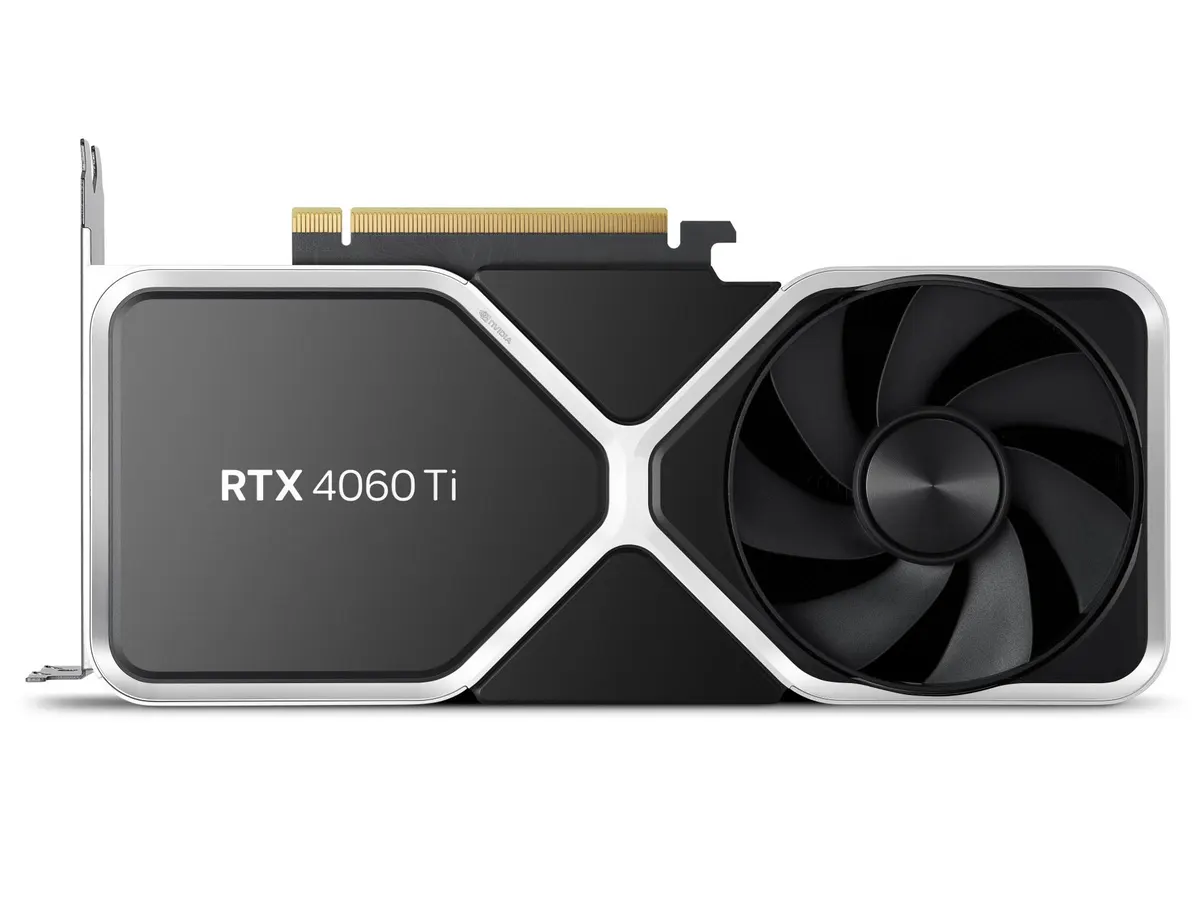
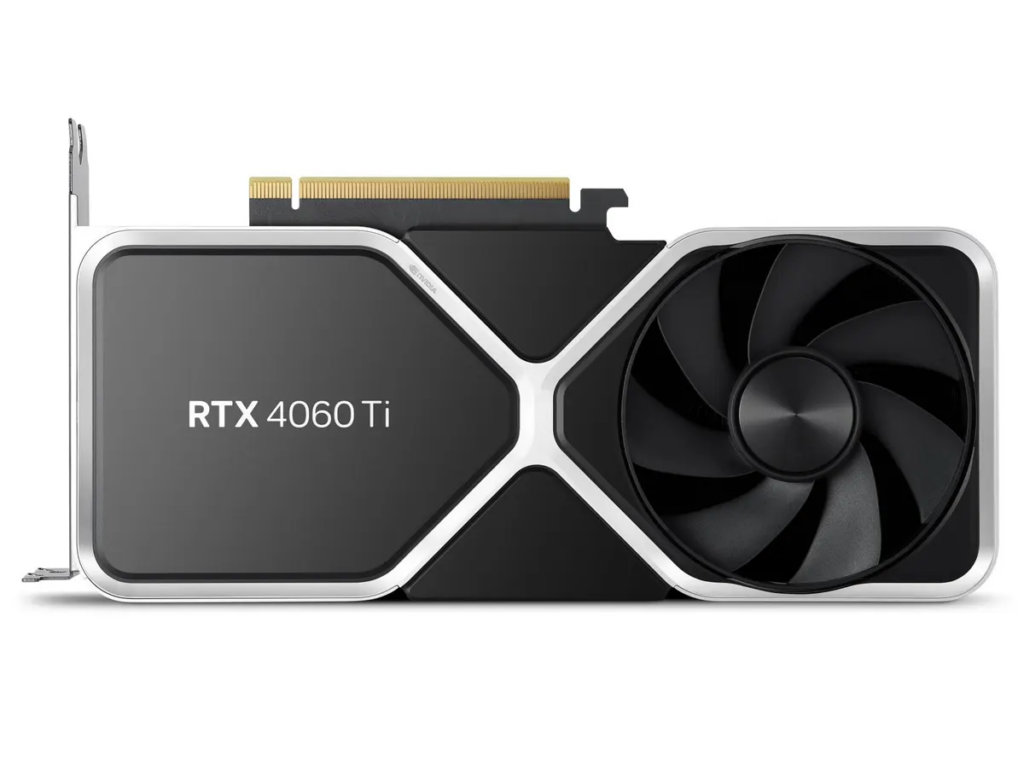

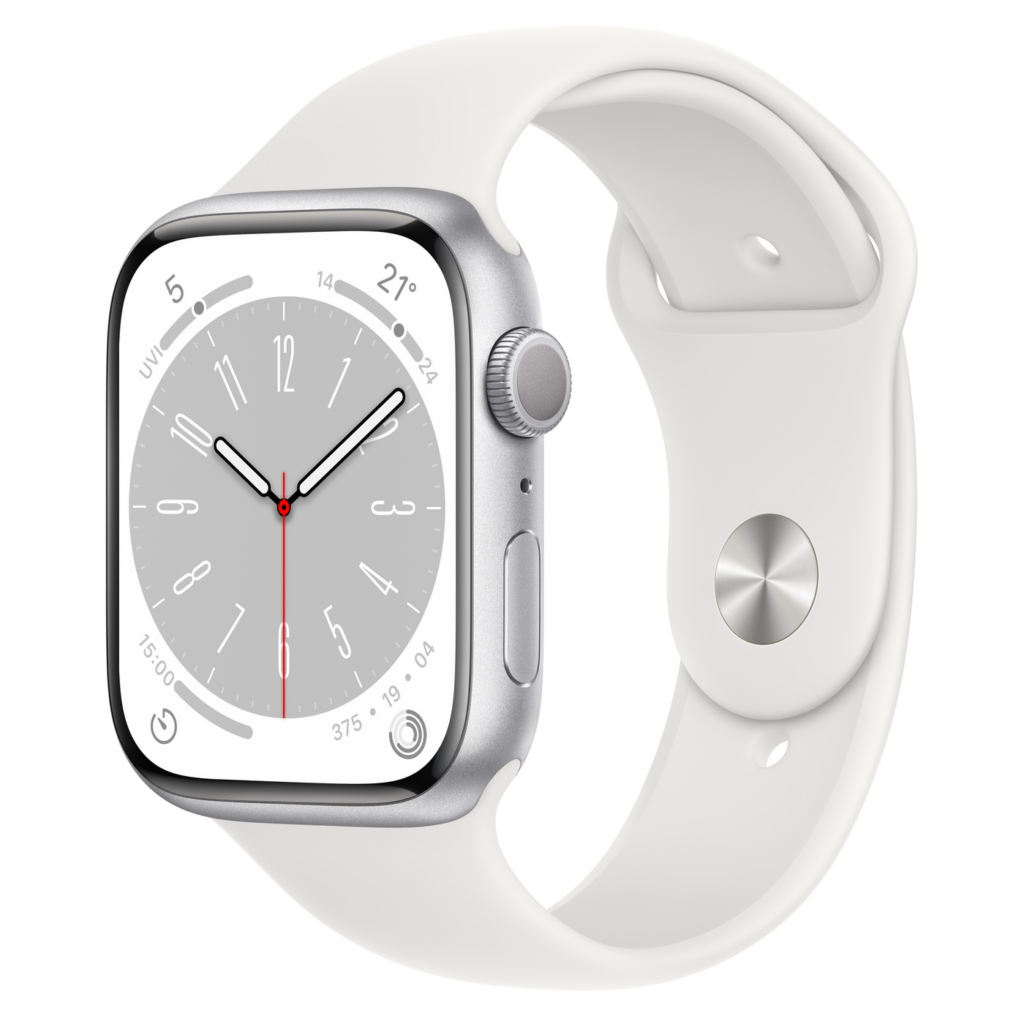
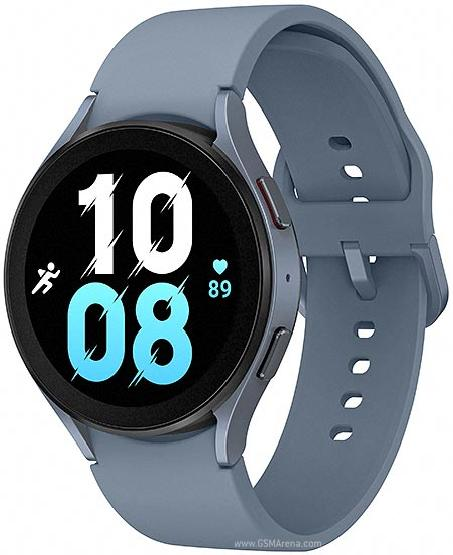
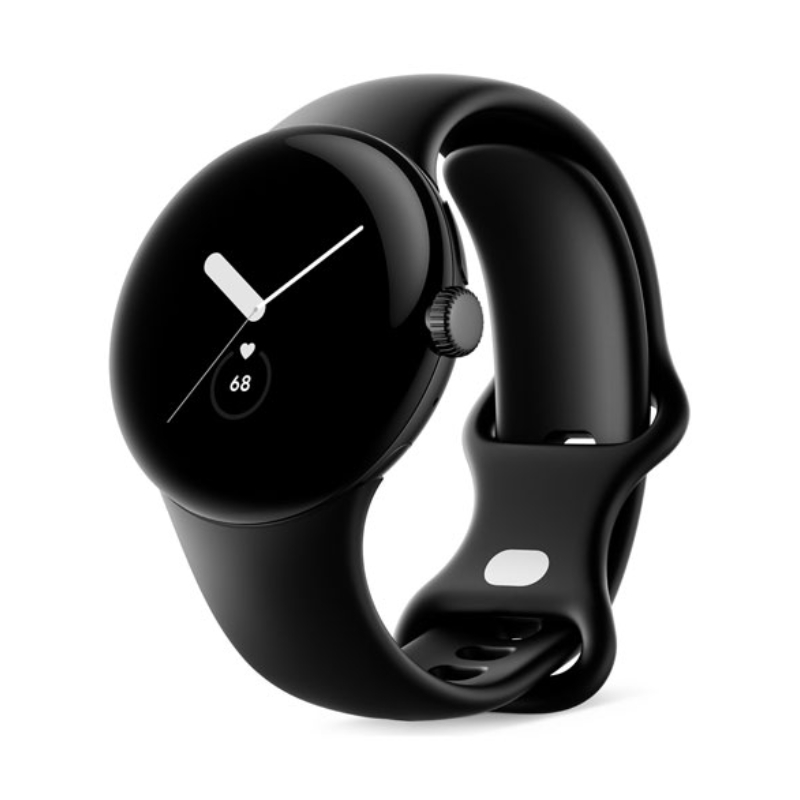
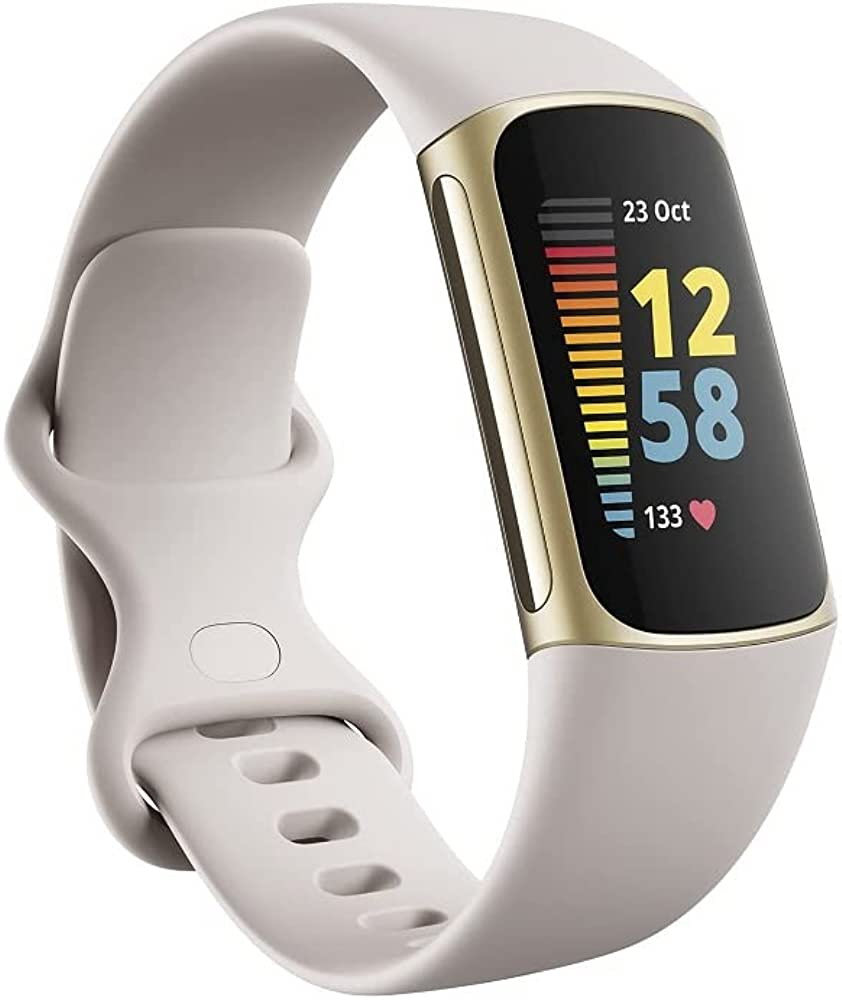
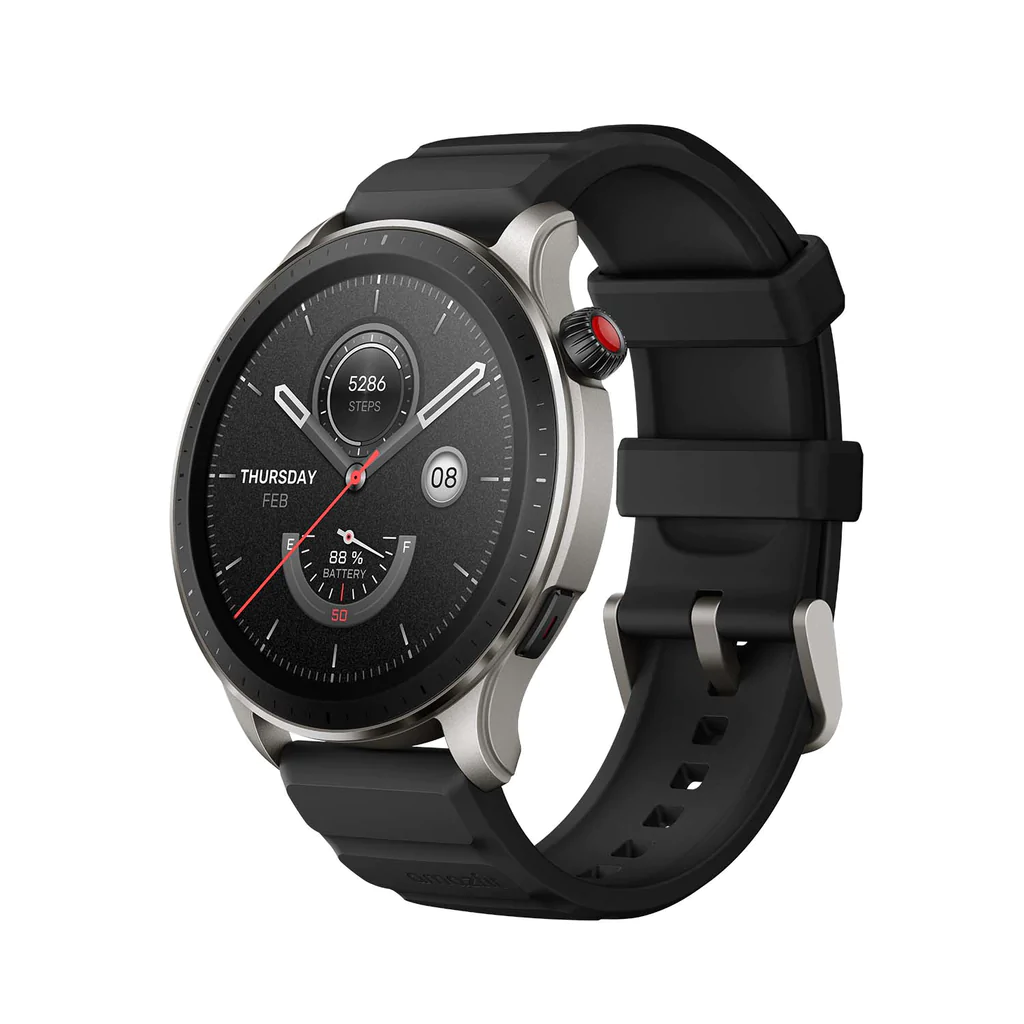
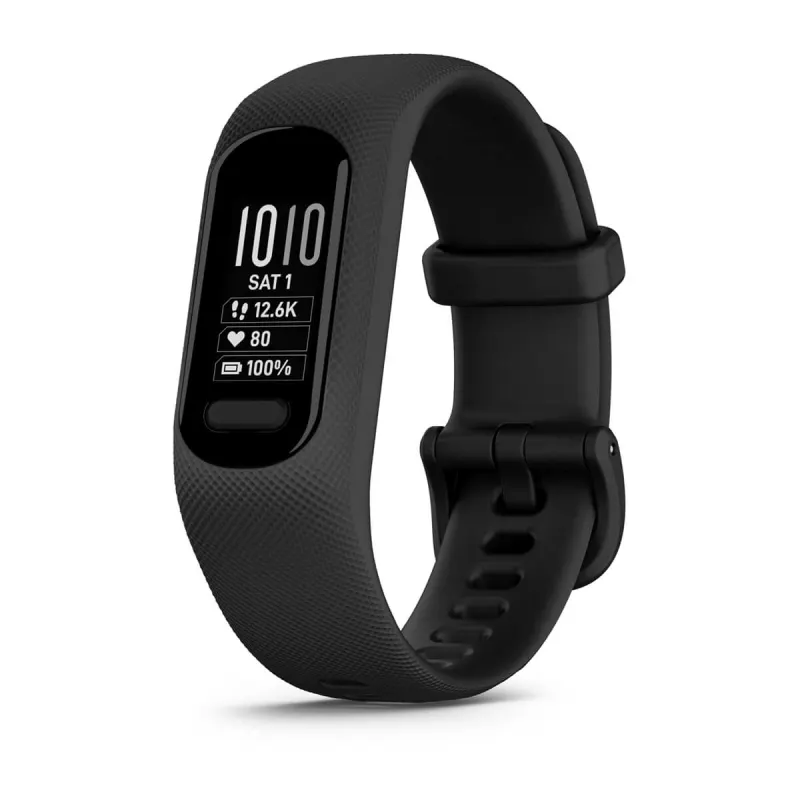
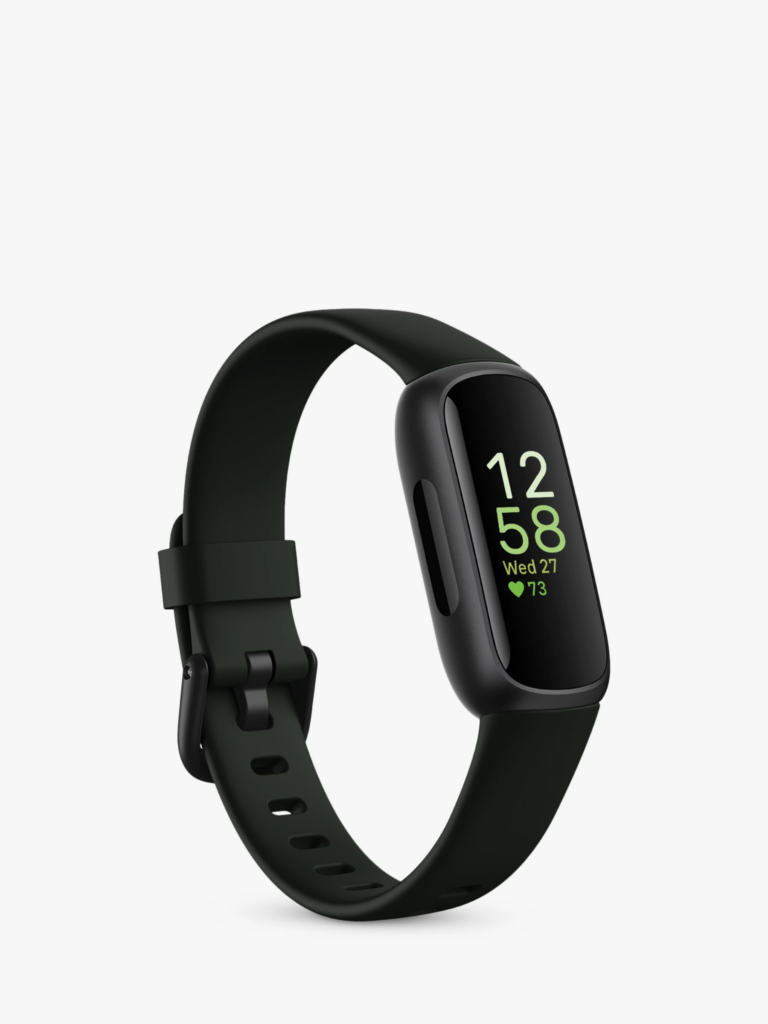
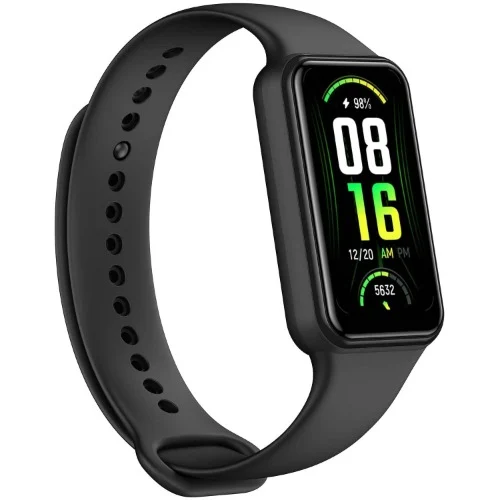
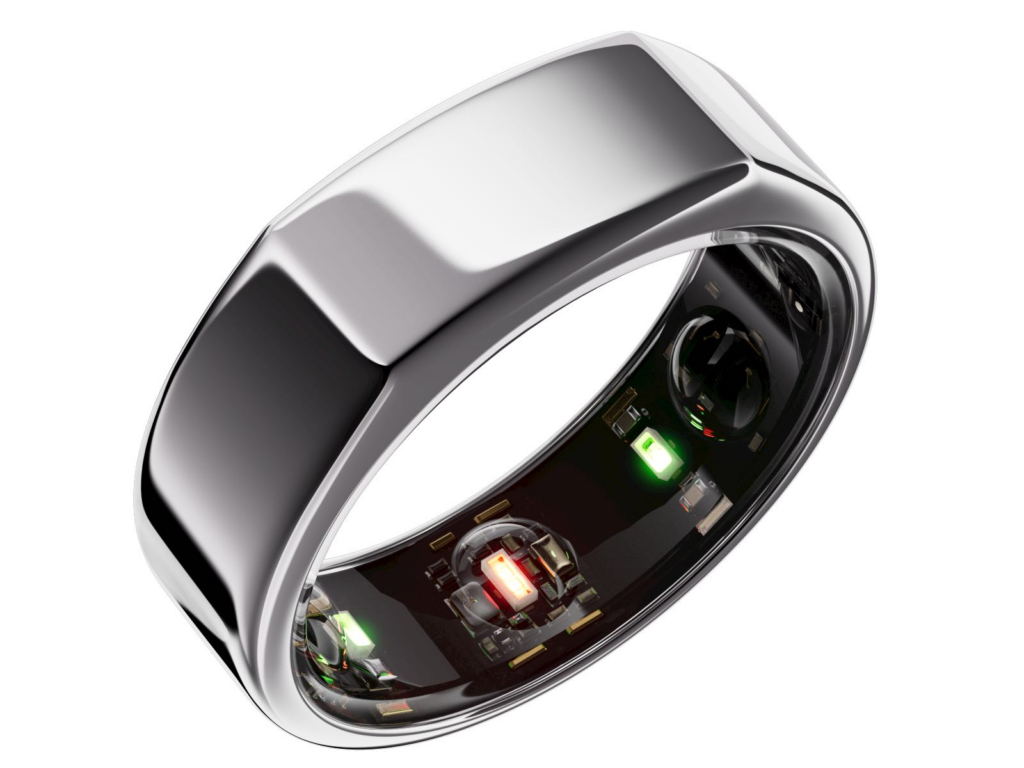
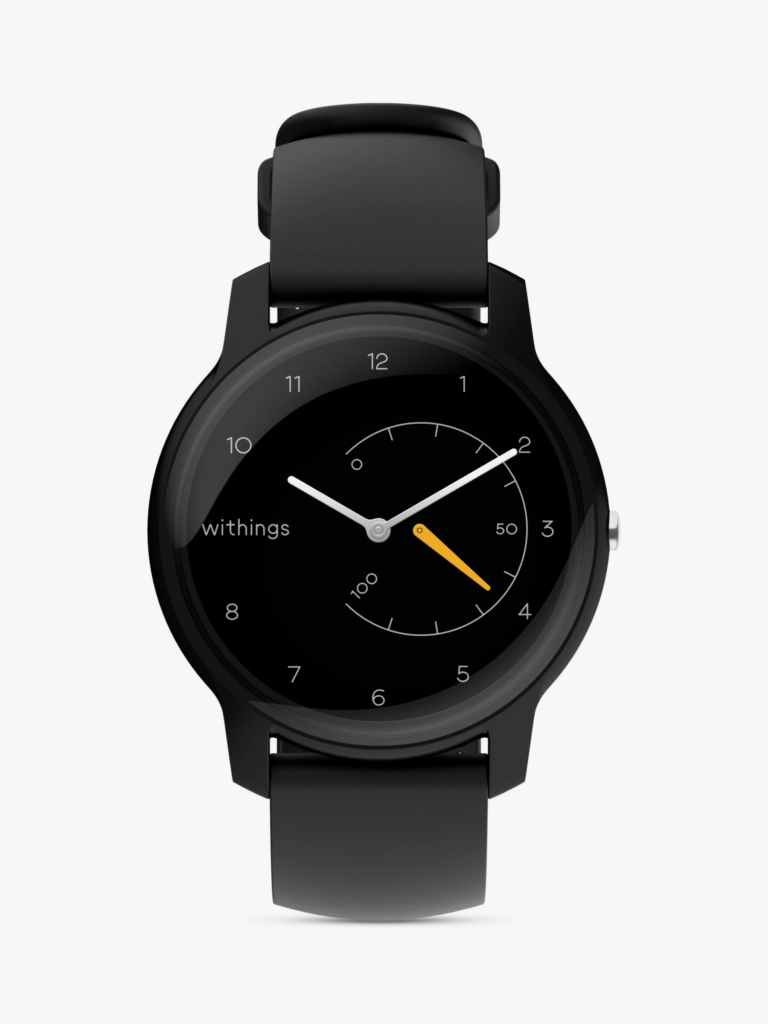


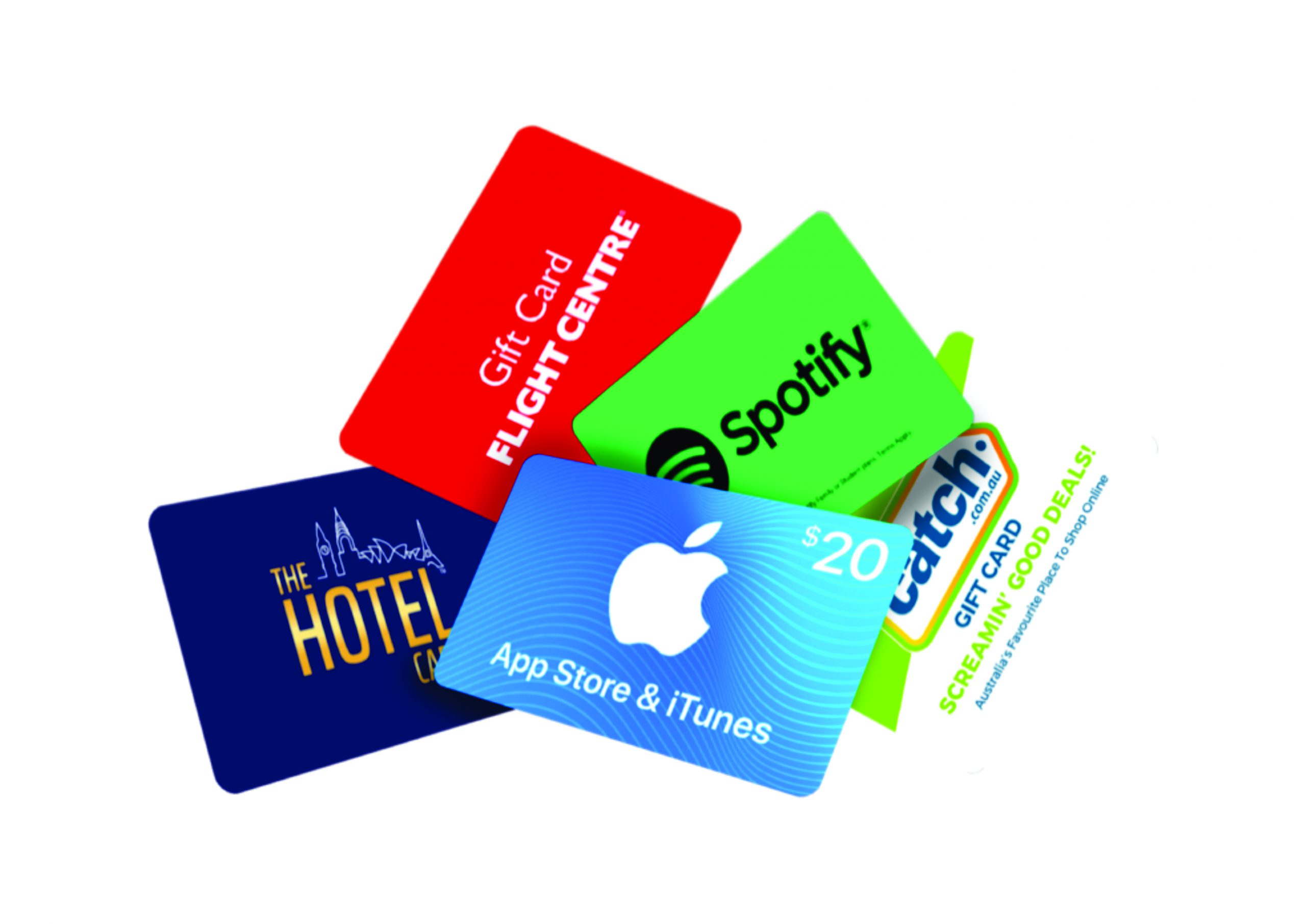
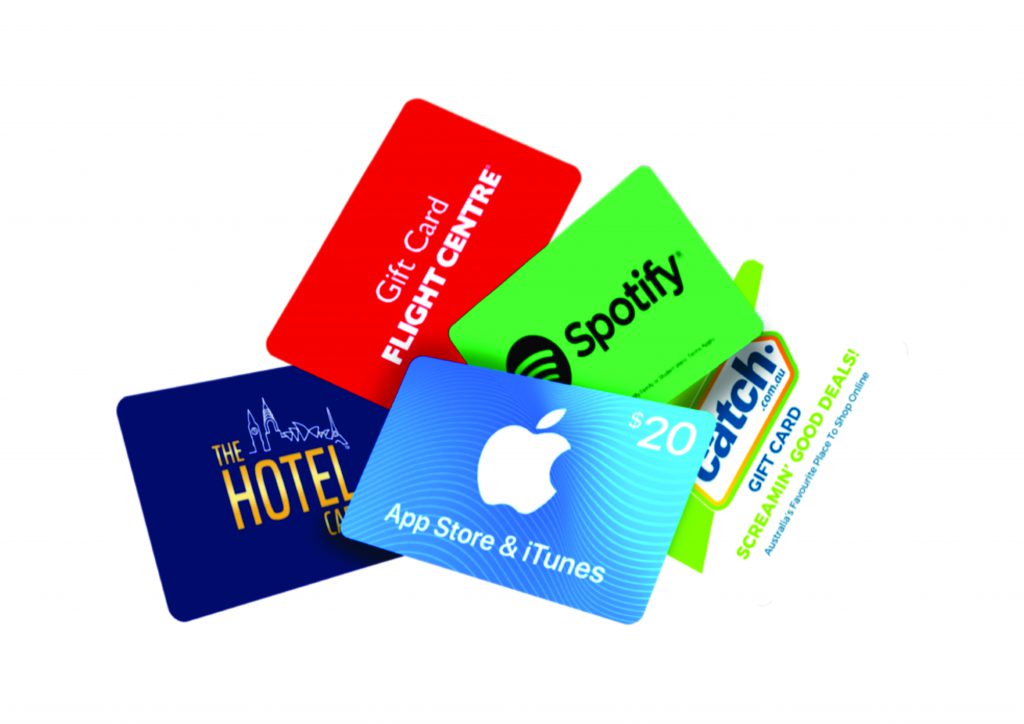
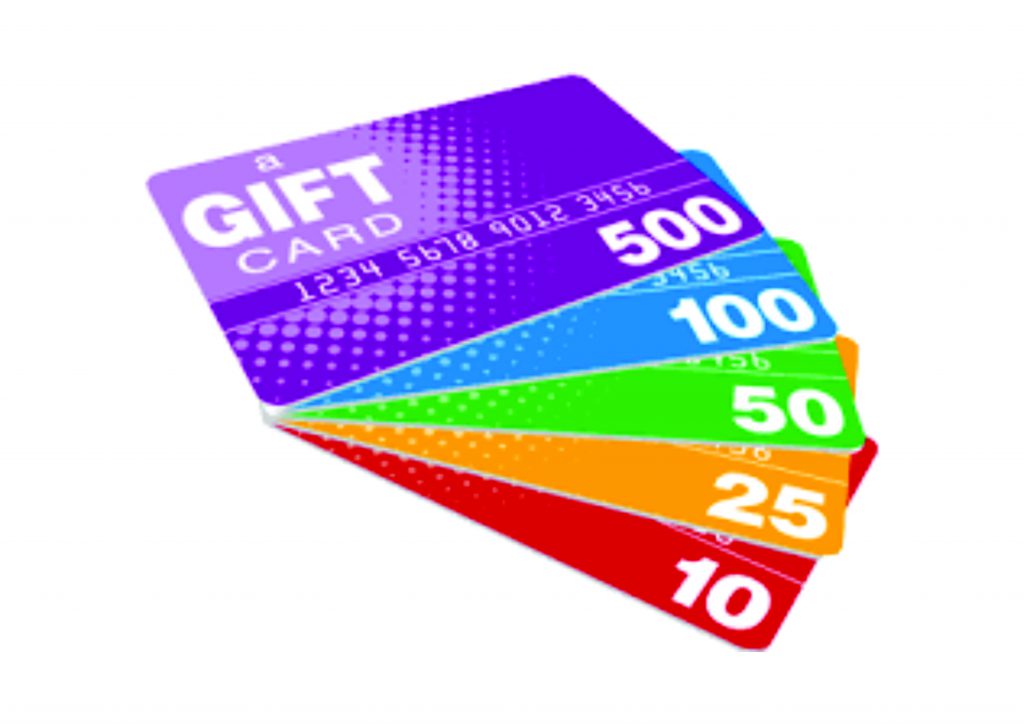








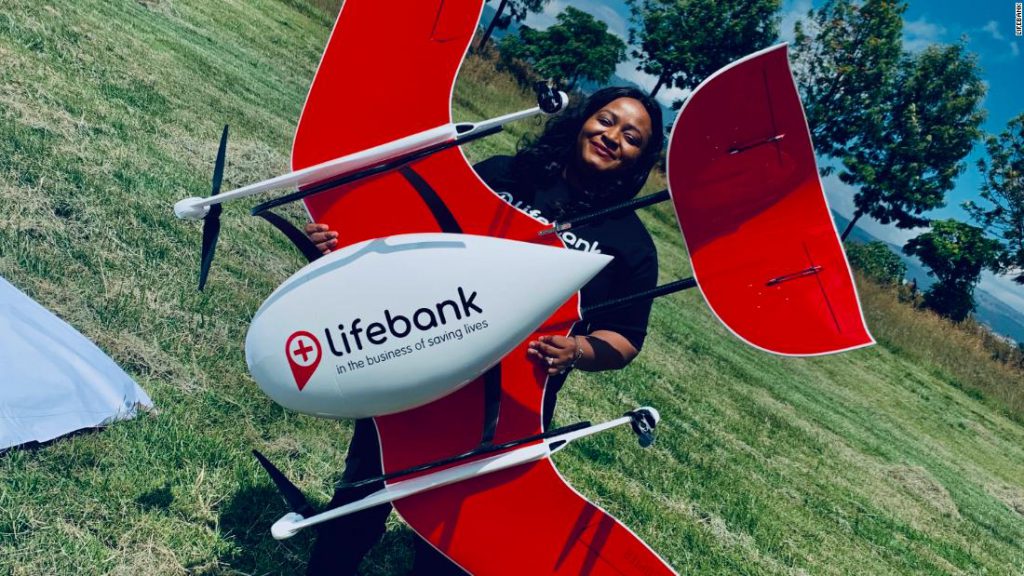


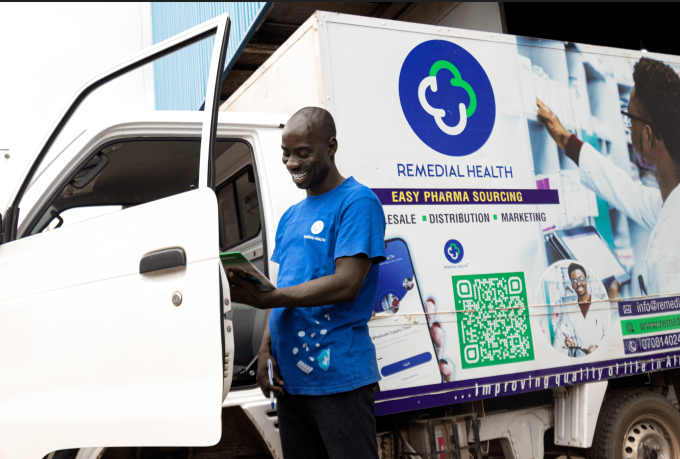
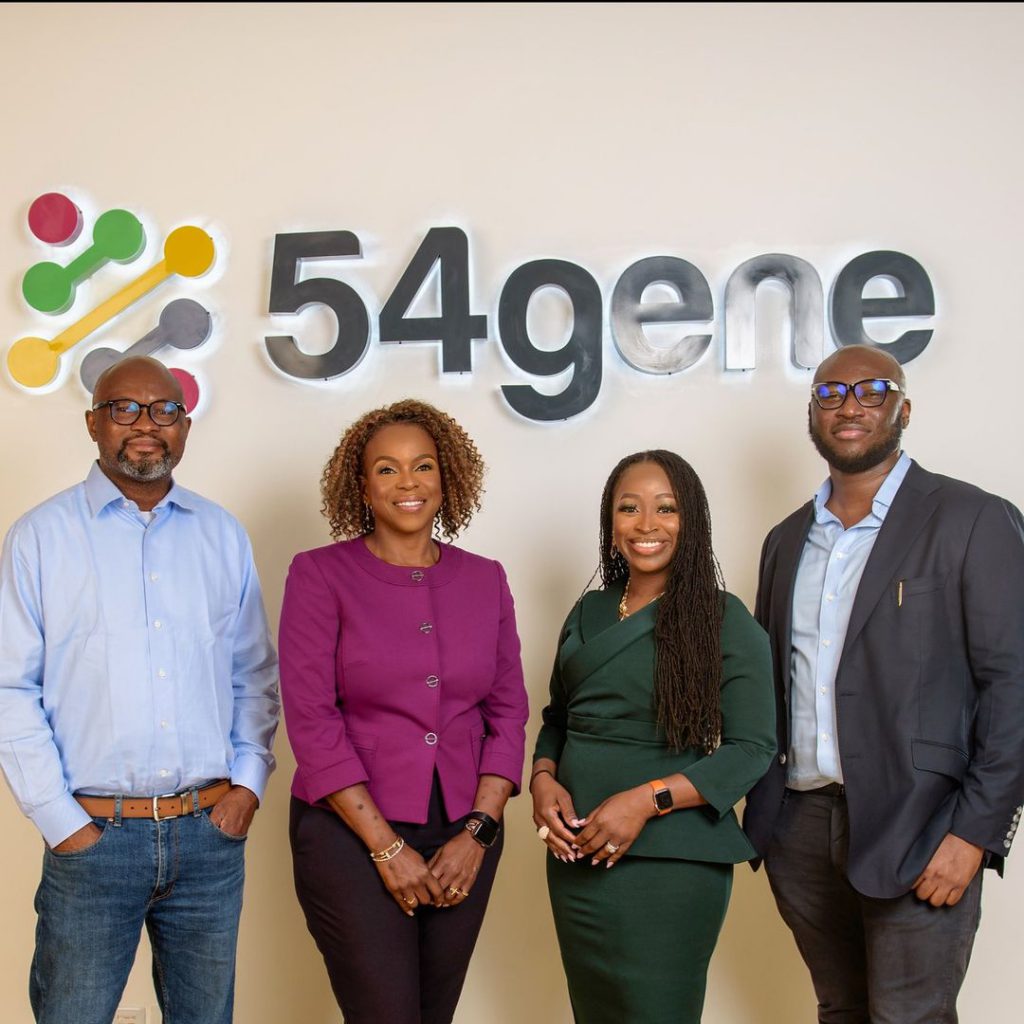
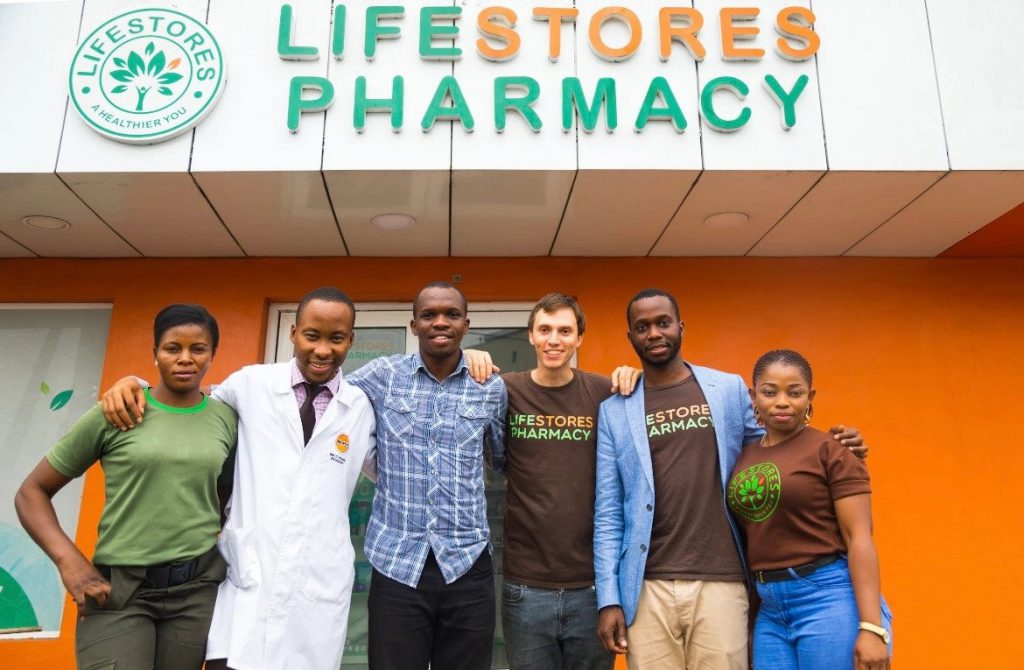
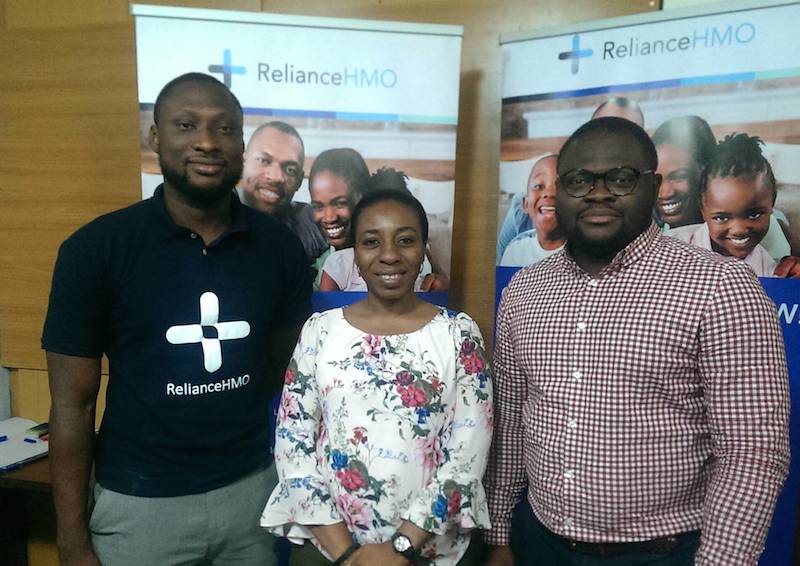











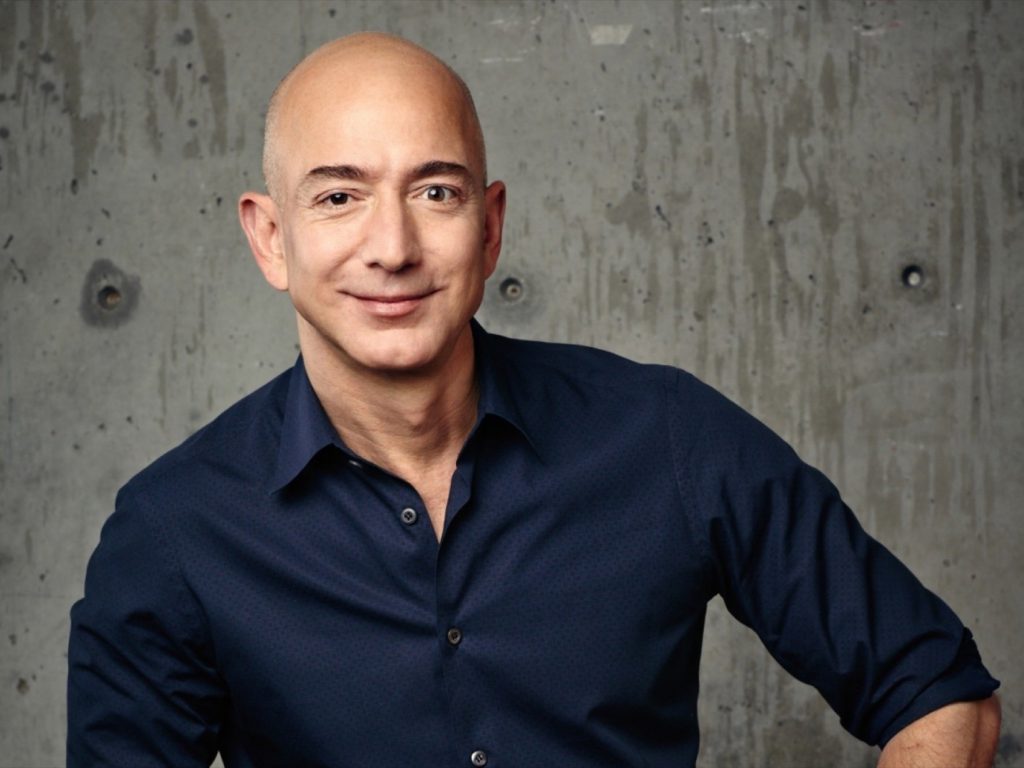
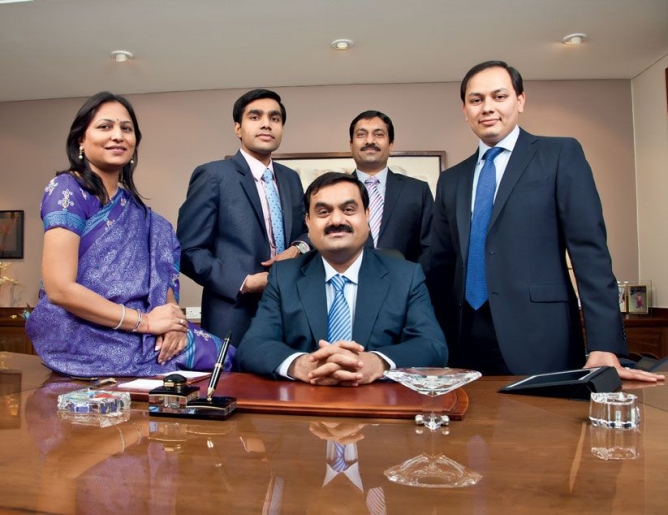



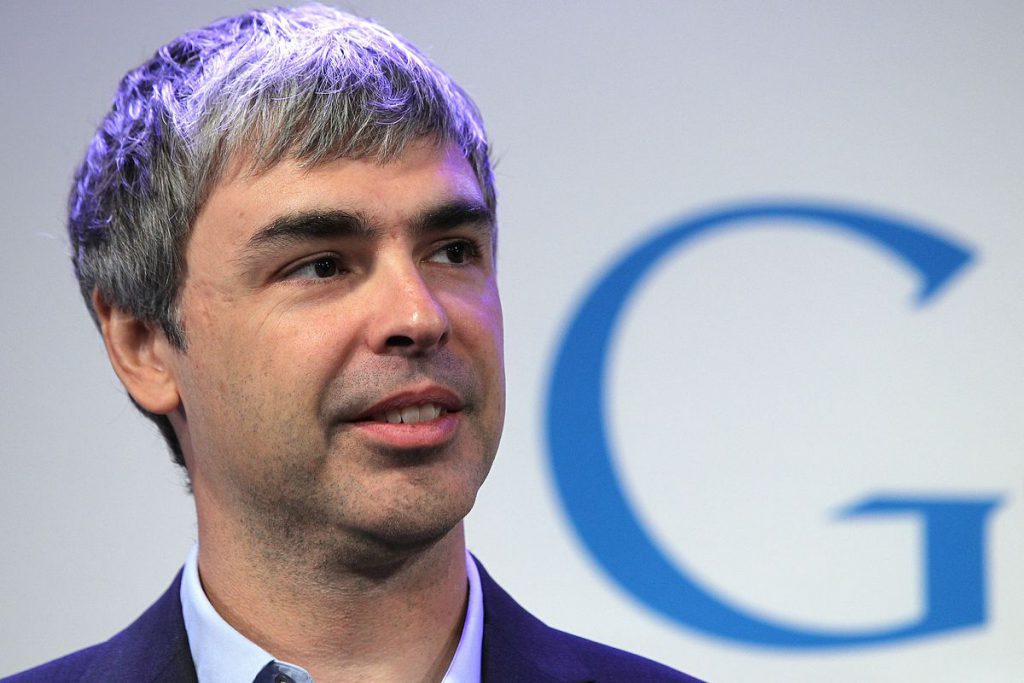


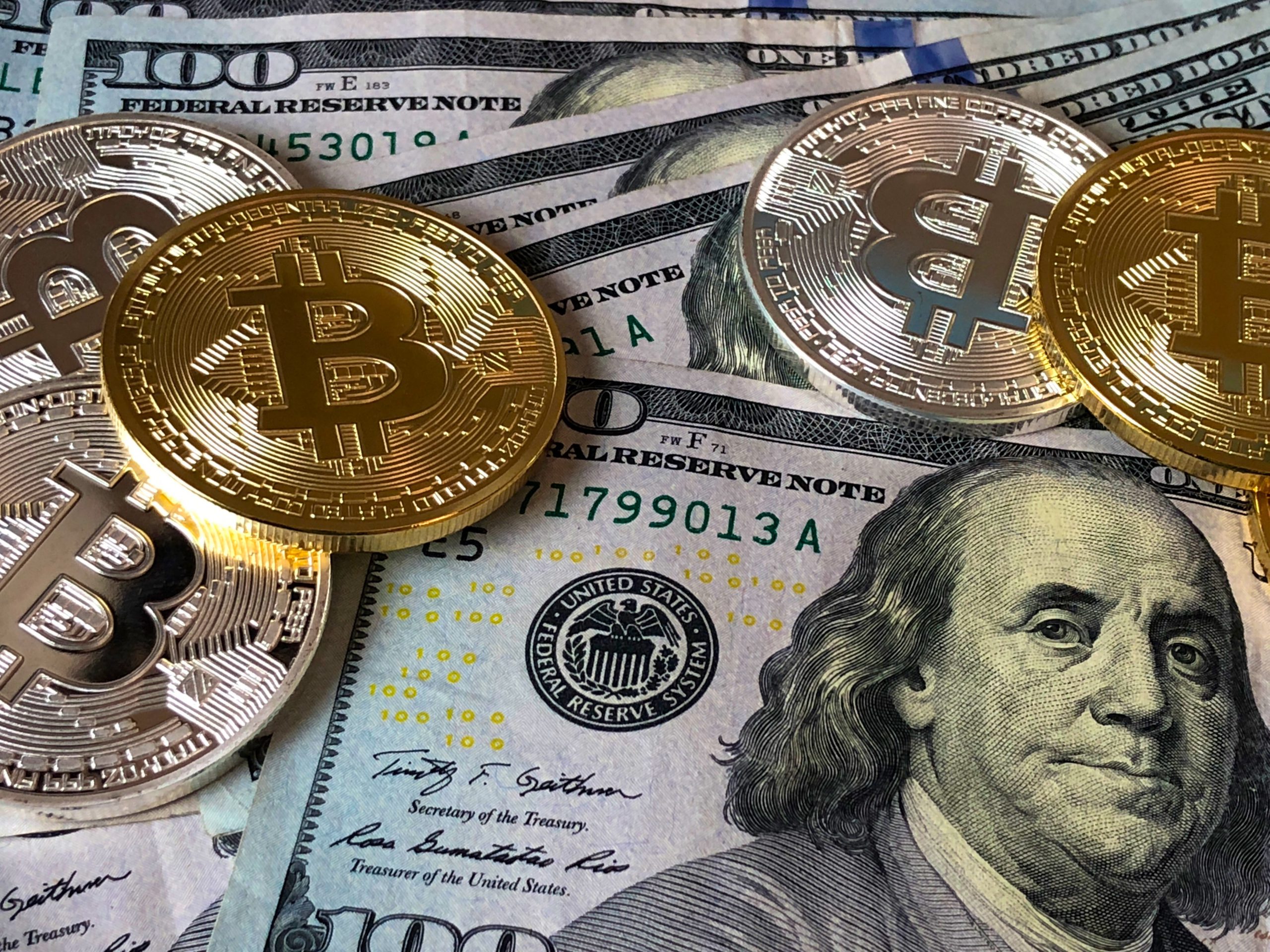
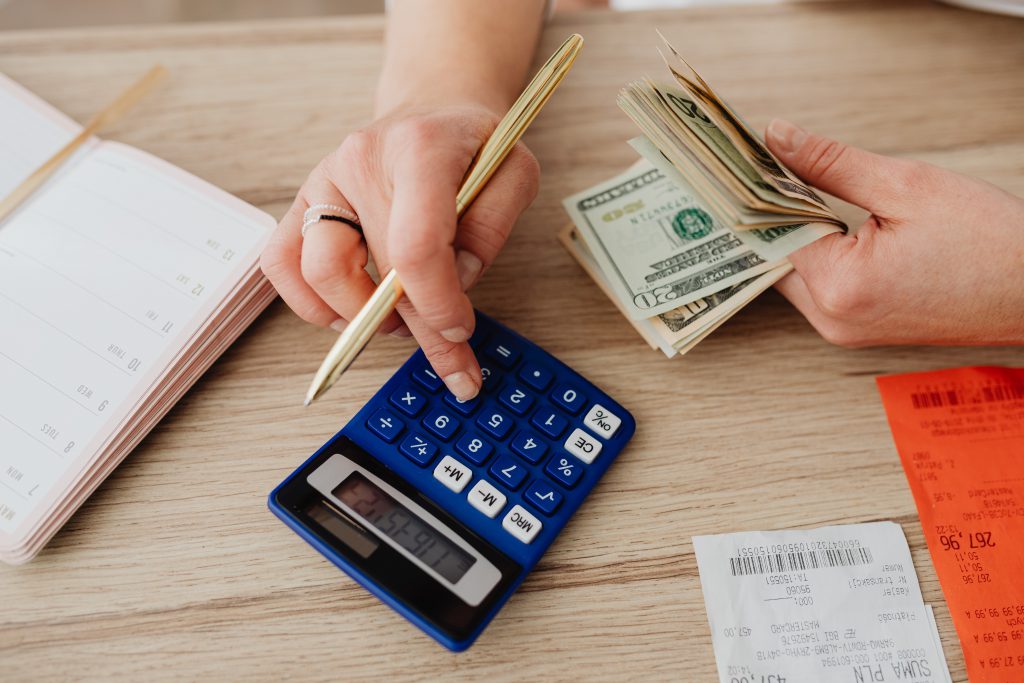






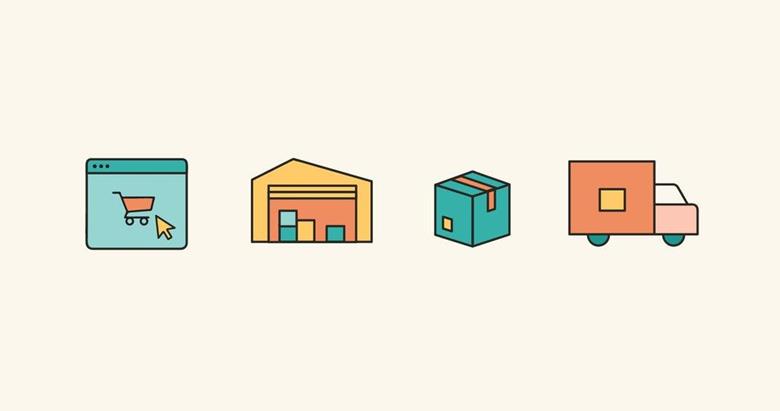



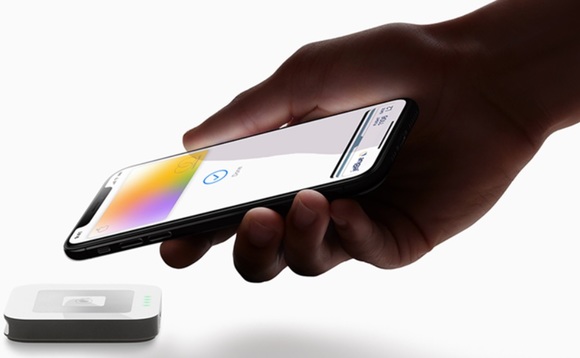








You must be logged in to post a comment.