Tag: Google

  • Google Glass takes test flights with Virgin Altantic

    Google Glass takes test flights with Virgin Altantic

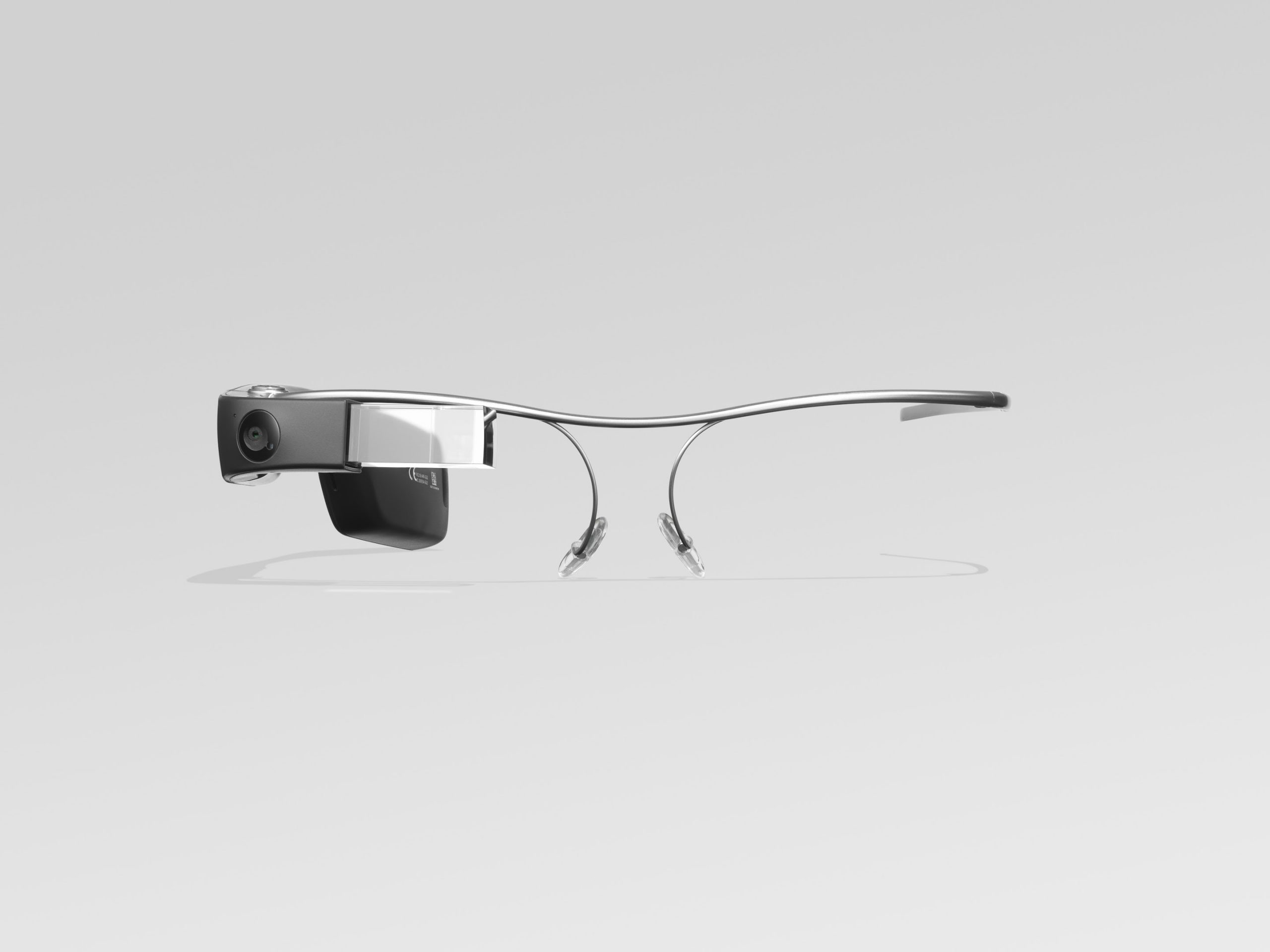
    IDG NEWS SERVICE – Virgin Atlantic revealed last week that it is testing the use of Google Glass devices among its staff to see how the technology could be used to improve the experience of the airline’s highest-paying passengers.

    The Google Glass spectacles include a small screen that can be used to deliver apps, directions, social media streams, and webpages just above the right eye. The wearable computer also allows wearers to take a picture, record a video, and read messages.

    Over the next six weeks, concierge staff working in Virgin Atlantic’s Upper Class Wing at London Heathrow’s Terminal 3 will aim to use Google Glass to check-in customers and provide them with flight information, weather and local events at their destination and translate any foreign language information.

    In order to make this possible, Virgin Atlantic has integrated Google Glass with a purpose-built dispatch app built by SITA and the Virgin Atlantic passenger service system.

    Sony’s SmartWatch

    The dispatch app manages all task allocation and concierge availability. It also pushes individual passenger information directly to the assigned concierge’s smart glasses just as the passenger arrives at the Upper Class Wing.

    Virgin Atlantic said Google Glass also has the potential to tell staff their passengers’ dietary and refreshment preferences.

    The airline is also testing the use of Sony’s SmartWatch 2 over the same six-week time period.

    “The fact that air travel has become so accessible has led to some of the sheen being lost for many passengers,” said Dave Bulmad, Virgin Atlantic IT director. “By being the first in the industry to test how Google Glass and other wearable technology can improve customer experience we are…putting innovation at the heart of the flying experience.

    Google Glass and other wearables are being tested by an increasing number of businesses, including the New York Police Department, which said last week that it was investigating whether the technology could be used to help enforce the law.

  • Here is What Google is Doing with all those Robots!

    Here is What Google is Doing with all those Robots!

    Starting from December last year, Google has acquired at least six robots companies or companies creating technologies used in the development of robotics. The acquisition of Boston Dynamic (the creators of Big Dog) on December last year and the recent acquisition of DeepMind Technologies has made a few people to wonder about Google’s actual intentions for buying all those robots.  

    Former Google Android lead and current Google Robot Guru Andy Rubin‘s list of acquired companies reads a bit like a baseline robot kit:

    While we are well aware of Google’s interest in self-driving cars, the robot end-game is unclear. Sure, you can build an army of C-3POs, but for what?

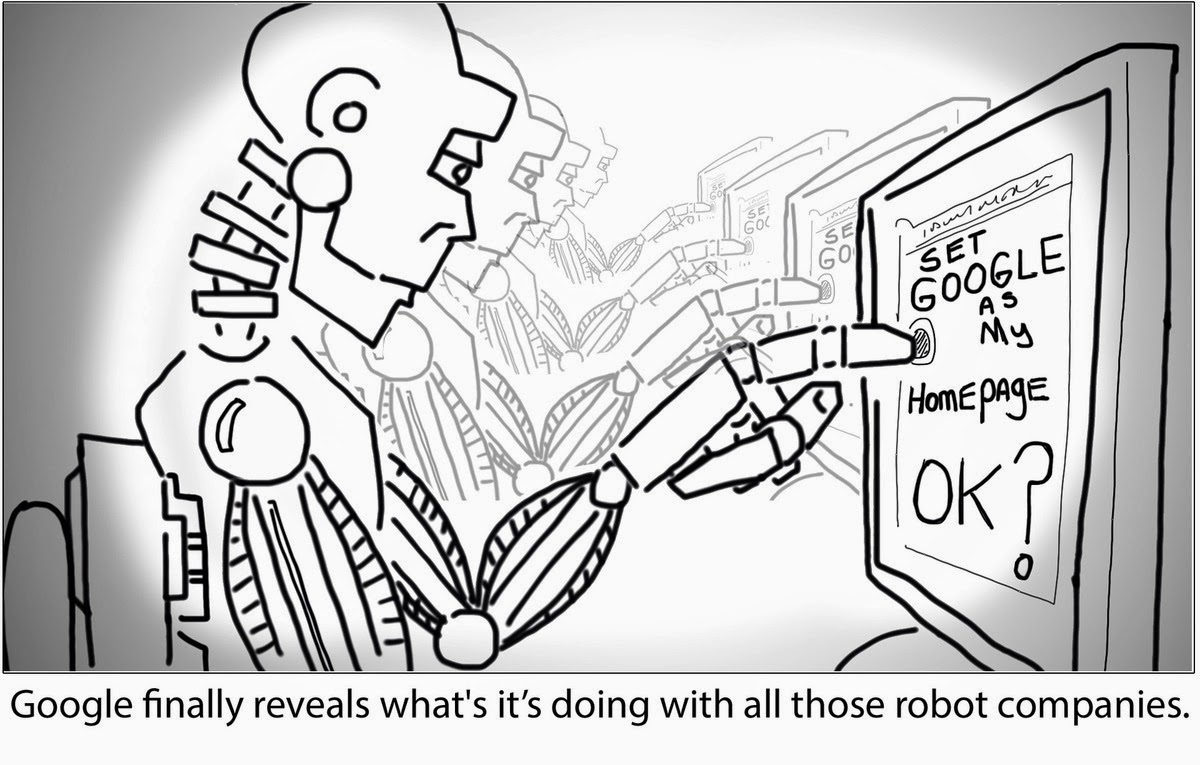
    Well, robots are excellent at repetitive tasks, like changing the settings on millions of computers so that they have Google.com as their home page and Google as their default search engine. Would these Google Robots invade homes to make the change or would Google offer it as a service? Send us your computer and our robots will “fix” them.

    No one knows. Until then, I offer you the comic guesswork above.

  • Google Keeps ‘Vast Majority’ Of Motorola Mobility Patents In Sale To Lenovo

    Google Keeps ‘Vast Majority’ Of Motorola Mobility Patents In Sale To Lenovo

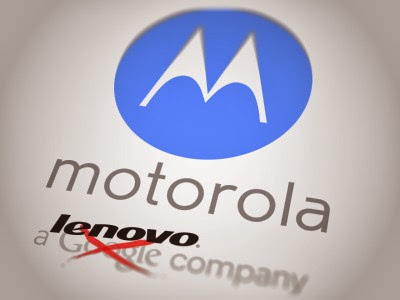
    Motorola Mobility is being sold to Lenovo, in a deal worth $2.91B. Google is divesting itself of the handset division it purchased for $12.5B in 2011, but it will keep some of the assets — including patents.

    “Google will maintain ownership of the vast majority of the Motorola Mobility patent portfolio, including current patent applications and invention disclosures,” says Motorola Mobility CEO Dennis Woodside. “As part of its ongoing relationship with Google, Lenovo will receive a license to this rich portfolio of patents and other intellectual property. Additionally Lenovo will receive over 2,000 patent assets, as well as the Motorola Mobility brand and trademark portfolio.”

    When Google purchased Motorola Mobility, much of the discussion swirled around whether it was buying it simply to own a hardware pipeline on which to deliver its Android juice — or whether it wanted patents for protection. The answer, as is typical, lay somewhere in the middle. Though the Motorola patents never turned out to by incredibly effective winning solo battles against Google’s patent enemies, they did work as a part of a larger tactic which has seen Google aligning itself via cross-licensing with OEMs like Samsung.

    One segment of the statement today by Woodside was interesting:

    Since being acquired by Google in 2012, Motorola has transformed itself, focusing on solving real consumer problems and providing amazing experiences built on a foundation of pure Android. The result has been Moto X, Moto G, and a reinvigorated Droid line. Together, these devices have won over consumers and critics alike and helped re-establish the Motorola brand around the world.

    Indeed, Google’s purchase and investments in Motorola did raise the flagging manufacturer’s profile significantly over the intervening years. They have several well-received smartphones on the market and have made a lot of noise about technology innovations in wearable computing and DARPA-think-tank-director hires.

    Image Credit: Hades2k | Source: Techcrunch

  • Lenovo To Buy Motorola Mobility From Google For $2.91 Billion

    Lenovo To Buy Motorola Mobility From Google For $2.91 Billion

    Techcrunch – TechCrunch has confirmed reports that Lenovo is buying Motorola Mobility from Google. This is the division within Google that the company purchased in 2011 for $12.5 billion. Motorola Mobility will go to Lenovo for $2.91 billion.

    Of that $2.91 billion, $1.41 billion will be paid at the close of the deal. $660 million will be comprised of US cash and $750 million in Lenovo ordinary shares. The remaining $1.5 billion will be paid in the form of a three-year promissory note.

    Google will maintain ownership of the vast majority of the Motorola Mobility patent portfolio. Lenovo will still receive 2,000 patent assets and the Motorola Mobility brand and trademark.

    According to a separate report published by Reuters, Lenovo is being advised by Credit Suisse Group while Lazard Ltd advised Google on the transaction.

    “As part of Lenovo, Motorola Mobility will have a rapid path to achieving our goal of reaching the next 100 million people with the mobile Internet. With the recent launches of Moto X and Moto G, we have tremendous momentum right now and Lenovo’s hardware expertise and global reach will only help to accelerate this,” said Dennis Woodside, CEO, Motorola Mobility, in a released statement.

    According to our source, Google wanted to dump the asset for some time. The company had to hold off selling the division for tax reasons.

    Motorola Mobility’s performance has yet to live up to its purchase price. Since Motorola split and its consumer division went to Google, it has been a constant source of red ink. Motorola lost quite a lot of money: $248 million in the last quarter alone. Google sums this well, noting that the loss was “-21% of Motorola Mobile segment revenues.” Motorola lost $192 million in the year-ago quarter, so the trend here isn’t positive.

    Google previously sold off the cable box division of Motorola Mobility for $2.4 billion.

    This comes just weeks after Google purchased the hot hardware startup Nest. Since then, Nest’s role in the budding conglomerate that Google is turning into has been widely speculated about. With Motorola gone, Nest’s superstar team that includes many former Apple engineers seemingly has an empty playground.

    It seems this complete’s Lenovo’s quest for an established cell phone business. It was rumored back in October that the company submitted a bid for BlackBerry. That deal clearly didn’t pan out.

    Simply buying its way to the top worked for Lenovo in the past. In 2005 Lenovo purchased IBM’s personal computer division for $1.25 billion. That purchase alone caused Lenovo to be the world’s third-largest computer maker. But, using the established brand, Lenovo scaled the PC division to become the largest shipper of PCs in the world. In the last months of 2013 Lenovo overtook HP.

    Just last week, Lenovo announced a plan to buy IBM’s x86 server business for $2.3 billion.

    As the dust settles on this deal, it’s clear that Google took a large loss on its venture with Motorola Mobility. Google acquired an established brand with a vast portfolio of patents, a mature distribution system and a knowledgeable manufacturing arm. Even after pouring money and resources into the historic American brand, Google couldn’t make lemonade with Motorola. Maybe Lenovo, the now-leader in personal computers, will have better luck.

  • Google Acquires Artificial Intelligence Startup DeepMind For More Than $400M

    Google Acquires Artificial Intelligence Startup DeepMind For More Than $400M

    TechCrunch – Google will buy London-based artificial intelligence company DeepMind. The deal wasconfirmed to Re/code by Google. Re/code reports that the acquisition price was $400 million, but we’ve heard from a source that it was more. We’ve emailed Google and DeepMind for comment.

    DeepMind was founded by neuroscientist Demis Hassabis, a former child prodigy in chess, Skype and Kazaa developer Jaan Tallin, and researcher Shane Legg.

    This is the latest move by Google to fill out its roster of artificial intelligence experts, and the acquisition was reportedly led by Google CEO Larry Page. In December 2012, Google hired inventor, entrepreneur, author, and futurist Ray Kurzweil as a director of engineering focused on machine learning and language processing. Kurzweil has said that he wants to build a search engine so advanced that it could act like a “cybernetic friend.”

    Google’s hiring of Deepmind will help it compete against other major tech companies as they all try to gain business advantages by focusing on deep learning. For example, Facebook recently hired NYU professor Yann LeCunn to lead its new artificial intelligence lab, IBM’s Watson supercomputer is now working on deep learning, and Yahoo recently acquired photo analysis startup LookFlow to lead its new deep learning group.

    DeepMind’s site currently only has a landing page, which says that it is “a cutting edge artificial intelligence company” to build general-purpose learning algorithms for simulations, e-commerce, and games.

    In 2012, Carnegie Mellon professor Larry Wasserman wrote that the “startup is trying to build a system that thinks. This was the original dream of AI. As Shane [Legg] explained to me, there has been huge progress in both neuroscience and ML and their goal is to bring these things together. I thought it sounded crazy until he told me the list of famous billionaires who have invested in the company.”

    Deepmind was started about three years ago, according to LinkedIn profiles. Re/code reports that Founders Fund and Horizons Ventures are both major investors in the startup.

    This arrticle was originally posted on Techcrunch

  • Google Enhance Individual Search Result with Knowledge Graph

    Google Enhance Individual Search Result with Knowledge Graph

    Google’s Knowledge graph is gradually developing into a very handy tool for Google search results.  The company has announced that the tool, henceforth, will form an integral part of its search results. In a blog post on its official Search Blog, Google gave a brief explanation on how you’re now able to learn more about the topics you’re searching for by clicking names that appear next to a given link in your search results.

    These additional, informational widgets are only appearing in desktop searches at present.

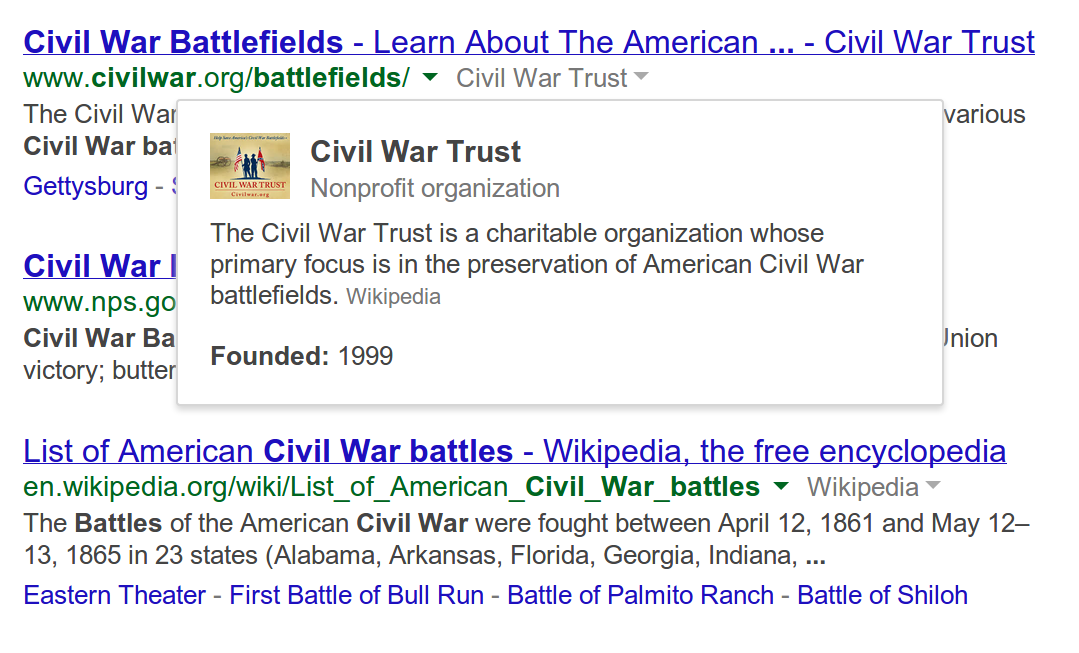
    In the provided example, a search for “Civil War battles” may be tagged with another small link, which, when clicked reveals a drop-down box summarizing that page’s topic. In the picture shown (see above), an extra link titled “Civil War Trust” pops up a box that offers a one-sentence explanation about the nonprofit being referenced, including the date of its founding.

    These new links are small and gray, so as not to impact the search experience. They appear beneath the larger blue link, and next to the actual site URL (green link).

    The extra information will only be provided for sites that are “widely recognized as notable online,” says Google, which means that it’s not likely that you’ll see some random person’s blog on page 10 of Google’s search results getting the same treatment.

    The additional information is powered by Google’s Knowledge Graph, a semantic search effort the company first introduced back in 2012 as a way to make Google Search smarter by infusing it with an understanding of the people, places, and things in its search index.

    Since that time, the Knowledge Graph has gone on to touch nearly every aspect of Google’s search, including Google Trends, its mobile card-style interface, searches involving statistics, and much more, in addition to also providing at-a-glance information to the right and sometimes top of Google’s Search results.

    Like some of the Knowledge Graph enhancements that have come before it, the new informational pop-ups could impact click-throughs on the pages returned in the search results. For instance, if the searcher was only looking for a brief explanation or fact-check, the pop-up could suffice. But Google purports this extra info is instead designed as a way to help you choose the right result from its list of blue links, not avoid them.

    These article was curled from Techcrunch.

  • What Happens When Google Wants To Buy A Google Ventures Portfolio Company?

    What Happens When Google Wants To Buy A Google Ventures Portfolio Company?

    Techcrunch – Yesterday’s Nest acquisition was unique in the respect that out of its four board members, one of them, Bill Maris, was a partner at the corporate VC arm of the acquirer’s parent company, Google Ventures.

    The other, Randy Komisar, was a partner at a Silicon Valley venture firm helmed by John Doerr, who was on the board of the acquirer, Google. The last two board spots were filled by the Nest co-founders, Tony Fadell and Matt Rogers.

    Holy conflict of interest Batman! What a completely awkward situation for both Maris and Doerr. As an investor you want to maximize returns, but as a part of Google, would you want to keep the price down for your parent company?

    Google has been the acquirer of a Google Ventures funded company four times since the VC firm launched in 2009: Makani Power, Milk and Bufferbox. Nest will be the fourth if you count Bufferbox, which was so small that Google Ventures didn’t even know it was in M&A talks because it was grandfathered in as a personal Kevin Rose investment. Nest is one of its biggest, if not the biggest, Google Ventures Google exit to date. https://www.youtube.com/embed/gZYEjaJDpKM?feature=player_embeddedIn every case above, Google Ventures partners have recused themselves from M&A discussions, due to obvious conflicts of interest, and that was especially acute in the Nest because of the size of the deal (A whole Snapchat!). Maris took himself out of the game and left Kleiner Perkins’ Randy Komisar to negotiate for the investor’s side when talks got serious over a month ago. KPCB held the majority share in Nest, and saw an over 20x return in this deal. Back at Kleiner, head John Doerr also excused himself from talking to Komisar about the talks, because of his board conflict (note: Kleiner owns no Google shares). Komisar was a lonely puppy for a while.

    According to Fadell, Google had been interested in nabbing Nest as far back as Google Venture’s investment in 2011, but the discussions were never serious until this winter. We at TechCrunch had heard Apple was also trying to feather its nest with Nest around a month ago, whether “serious” or not.

    For what it’s worth, Fadell told Fortune’s Dan Primack yesterday that he couldn’t discuss whether or not he had discussed an Apple buy, which likely means that he had, even if informally. I mean, he’s the father of the iPod. He’s not going to chat up his former colleagues?

    But when it came time to sign away the company, Google was simply a better fit from a data standpoint. “Excitement from Sergey and Larry delivered a little extra confidence,” said one person familiar with the matter, citing that the deal was of the eBay “Buy It Now” sort instead of an all-out bidding war.

    Google Ventures is now completing two to three new investments per week and will have a brand-spanking-new $300 million fund as of this month, so Google acquisitions of portfolio companies are just going to keep on happening. And the partners are trying their best to keep the mindset of a Sand Hill Road firm instead of one that resembles traditional corporate VCs like Intel Capital. “We get paid when we maximize returns,” one person said.

    But there’s the question of how much revenue Google sees from a large Google Ventures return. Let’s say hypothetically that this deal returned a few hundred million for Google Ventures (if Google got 12.5% that would mean a ~$400M return minus carry). One could argue if Google as the parent company gets meaningful profit from Google Ventures, then Google bought Nest for less because it also sees returns on the deal, ~$3 billion instead of $3.2 billion, again hypothetically.

    And unlike a Sand Hill VC, Google Ventures does advertise “Google access” as a portfolio company perk. According to a well-informed source, a Google Ventures investment will not make or break a potential acquisition, but yeah it might help – like making the original intro that eventually led to the Nest buy: “Google is a part of our DNA, I think that’s attractive.”

    Sourced from Techcrunch | Image via Frank Gruber.

  • Nest Gives Google A Head Start On The Future Of Hardware

    Nest Gives Google A Head Start On The Future Of Hardware

    CES may be finished for another year, but one of the biggest themes of the show — that anything (cars, watches, mirrors, tables, whatever) can be ‘hardware’ — is just taking off. And today’s news of Google buying Nest for $3.2 billion underscores how Google wants to be the player at the front and center of hardware.

    Google’s Nest buy may not be giving the search giant access to all the data that zooms across Nest’s apps, thermostats and smoke detectors (for now at least), but it will give Google something else: top-shelf design expertise for that next frontier of hardware, by way of a team of people brought together by two senior hardware veterans from Apple, one of whom is known as the father of the iPod.

    This is a significant turn of events for Google.

    Up to now, the search giant has cornered business — on desktop internet, mobile devices — through software, and then monetized those markets with data — specifically advertising data.

    It’s been a fundamentally different approach from Apple, the quintessentially vertically integrated company that controls not just a platform and the services that run on it, but the devices they run on, too. (And with that, the lucrative margins that come from successful, premium hardware sales.)

    Nest will give Google an opportunity to diversify its revenues by tackling a whole new market — connected home devices — with that vertical approach.

    “This is the new hardware movement,” as one person described it. “Devices + services, product-market fit and research done through crowdfunding platforms, mix of retail partnerships and direct online sales.”

    For Google, Nest is a particularly attractive example. Not only does it make an integrated piece of connected hardware for the home, but it’s designed with interoperability at its heart — in the initial case, by way of apps that you control on your iOS or Android smartphone, along with a well-developed, direct and online retail channel and loyal following.

    It’s an area, in any case, that Google appears to have already been eyeing up for some time. In December, for example, The Information uncovered a test Google was running called EnergySense, which appeared to be a smart thermostat program that helped people lower energy consumption. This reportedly was being trialled on third party devices from Nest competitor Ecobee, but could now potentially find their way to Nest’s thermostats instead.

    “Will Nest and Google products work with each other?” co-founder Matt Rogers asked in a hypothetical Q&A post earlier today. “Nest’s product line obviously caught the attention of Google and I’m betting that there’s a lot of cool stuff we could do together, but nothing to share today,” he answered.

    Yet, to say that the acquisition is a boost for Google alone is not the whole story.

    For months now, Nest has been facing a growing cacophony of criticism from customers that the software on its products was buggy. Leaning on Google’s software expertise could come in handy here (although the overlap between Google haters and Nest lovers could pose a problem in this regard).

    And there is also the issue of Nest’s intellectual property and patent fights. Nest is facing patent infringement lawsuits from Honeywell and First Alert maker BRK. To help fight those and also to protect itself from copycats, it’s been aggressive on the patent front, with 100 patents granted, another 200 filed and a further 200 ready to file; and an ongoing licensing agreement with Intellectual Ventures. Bringing Google into the mix will be another major boost for safeguarding the company in these battles, too.

    The Nest acquisition also raises questions of how Google’s other hardware interests may come into play going forward.

    Motorola, which Google acquired for $12.5 billion in 2012, at one time looked like it could be a way for Google to take a new, vertical approach to smartphones and tablets. Ultimately, Motorola remained a partner among equals with other Android OEMs, and patents became one of the most crucial parts of the deal. Could the Nest acquisition, bringing a new focus on hardware creation, see Google bring in some of the IP and talent that Google picked up in that Motorola deal?

    Sourced from Techcrunch

  • Google will Pay $3.2B in Cash for Connected Device Company Nest

    Google will Pay $3.2B in Cash for Connected Device Company Nest

    Google is acquiring connected device company Nest for $3.2 billion just after it has acquired Boston Dynamics, creator of Big Dog recently. Google sent out an email to employees noting the acquisition today and later issued a press release.

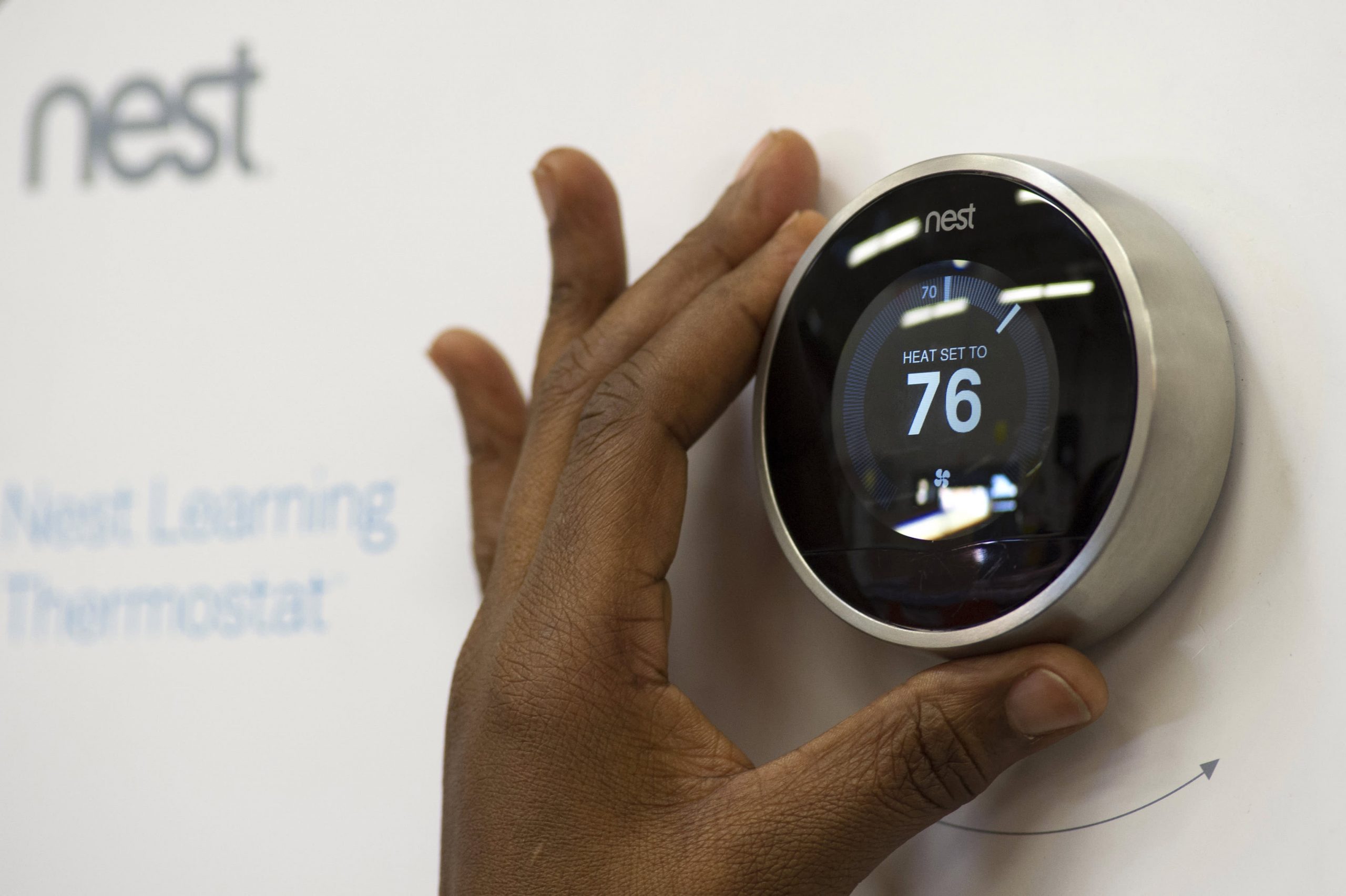
    In the release, Google noted that Nest has been offering its best-selling thermostat since 2011 and recently began offering the Protect smoke alarm, which networks with its other devices.

    Nest Founders Tony Fadell and Matt Rogers will both join Google. Rogers was one of the first engineers on the iPhone team at Apple.

    “They’re already delivering amazing products you can buy right now–thermostats that save energy and smoke/CO alarms that can help keep your family safe,” said Google CEO Larry Page in a statement. “We are excited to bring great experiences to more homes in more countries and fulfill their dreams!”

    Fadell, who is known as the ‘father of the iPod’, said that they’re ‘thrilled to join Google.’ “With their support, Nest will be even better placed to build simple, thoughtful devices that make life easier at home, and that have a positive impact on the world.”

    Nest will continue on as its ‘own brand identity’ and continue to be led by Fadell. The deal hasn’t closed yet as it has to meet regulatory approval.

    Nest founders Fadell and Rogers also sent an emailed statement to TechCrunch about why Nest chose to go ahead with the acquisition.

    “Google will help us fully realize our vision of the conscious home and allow us to change the world faster than we ever could if we continued to go it alone. We’ve had great momentum, but this is a rocket ship,” Fadell says. “Google has the business resources, global scale and platform reach to accelerate Nest growth across hardware, software and services for the home globally. And our company visions are well aligned – we both believe in letting technology do the hard work behind the scenes so people can get on with the things that matter in life. Google is committed to helping Nest make a difference and together, we can help save more energy and keep people safe in their homes.”

    Fadell says that this decision was not made hastily. He says that at the 2011 TED conference — even before Nest had launched — he and Nest VP of business Erik Charlton had ‘huddled’ together in a corner with Google’s Brin to show him a video and early model of the Nest thermostat.

    He instantly got what we were doing and so did the rest of the Google team when we showed them. In May 2011, Google Ventures led our Series B round of financing, and in 2012, Series C. Time and time again, Googlers have shown themselves to be incredibly like-minded, supportive and as big of dreamers as we are. I know that joining Google will be an easy transition because we’re partnering with a company that gets what we do and who we are at Nest – and wants us to stay that way.

    We’ve been hearing rumors about Nest getting courted with large billion-dollar acquisition offers for months now, but a Google buy is a definite statement. The company has been fairly serious about its connected-device efforts for a while but hasn’t quite been able to get anything to gel. For instance, there have been some abortive attempts at connected devices like Android at Home in the past. But Nest already has a nice start in producing well-designed and connected home devices — something that Google should be able to build off of in the future.

    Peter Nieh, a partner at Nest investor Lightspeed Venture Partners, has a post up about his early days working with Fadell at startup General Magic and what Nest has done since. He also shared a photo of the pair from 1992:

    Nieh says that though he was excited to work with Fadell again when it came time to invest in Nest, “…our excitement went off the charts when we met Matt Rogers, Tony’s co-founder, who was responsible at Apple for iPod software development and one of the first engineers on the original iPhone team. We would have invested had they been looking to start a food truck.”

    We reached out to Nieh for more thoughts, and he told TechCrunch that “Nest is a very special company — it’s a combination of an incredible team led by Tony and Matt, world-changing vision, and world-class execution.

    “The acquisition by Google is just a milestone along the way as they continue their quest to change the world,” he added. “I can’t wait to see how they will continue to bring magic to all those unloved things in our homes.”

    Google has previously been rumored to be investigating ramping up its own smart thermostat efforts, but this would likely supplant that — or the Nest team would take those projects over. Google also has an interesting project called PowerMeter, which monitors power consumption over time which could have some cool applications here.

    The acquisition could also provide a patent boost of some sort for Google. In December,Nest said that it had 100 patents granted, with 200 more on file with the U.S. Patent Office and another 200 ready to file. Nest has been the target of some fairly high-profile patent suits and threats from legacy manufacturers like Honeywell over its thermostat and BRK over its Protect smoke detector. Google will likely offer shelter from further suits with its wide range of patents across a variety of technology arenas.

    As far as how much autonomy Fadell will have to execute on his vision of what Nest can be, it doesn’t make a lot of sense for Google to derail a business that — by most counts — was fairly successful already and had been garnering praise from consumers over design. It could help with infrastructure problems that have caused failed firmware upgrades, which recently prompted complaints.

    There’s also bound to be an immediate and visceral reaction to the access that Google will now have to information about when you’re home, which rooms you’re in and more. Which is why Nest also issued a Q&A about what will happen to users now that Google owns their thermostats and smoke detectors:

    Will Nest continue to support iOS so I can have the Nest app on my iPhone or iPad?

    Yes, absolutely. We’ll continue supporting iOS, Android and modern web browsers so you can check in on your home and control the temperature from wherever you are.

    Will Nest and Google products work with each other?

    Nest’s product line obviously caught the attention of Google and I’m betting that there’s a lot of cool stuff we could do together, but nothing to share today.

    What will happen to the Nest warranties on products?

    No change there – we stand behind our products like we always have.

    Will I still be able to find Nest products at my local retailer?

    You bet. We intend to continue selling through the same partners in the US, Canada and the UK.

    Will Nest customer data be shared with Google?

    Our privacy policy clearly limits the use of customer information to providing and improving Nest’s products and services. We’ve always taken privacy seriously and this will not change.

    That answer is a bit vague, but the concerns over the recent revelations of enormous datagathering efforts on the part of the NSA should definitely cause some to worry. Whether Google chooses to share information voluntarily, it’s still a big target for those looking to hoover up vast swaths of data about its users, and that will only be more likely as time goes on, not less.

    The deal is also set to make the startup’s early investors — Kleiner Perkins Caufield Byers and Shasta Ventures — a lot of money.

    Sourced from Techcrunch

  • Google+ Image Enhancement Tool: How to Edit your Photos on Google+

    Google+ Image Enhancement Tool: How to Edit your Photos on Google+

    Some of us here have been enjoying the photo editing feature on Google+ since its introduction in November, 2013 but I believe a great number of you are yet to know about this feature and how to use it.

    As one of it’s techniques to land you on Google+, Google has integrated an amazing photo editing tool into Google+. Though a number of you has sworn enmity with Google+ but in this case, hatred doesn’t matter: This tool will make you use Google+.

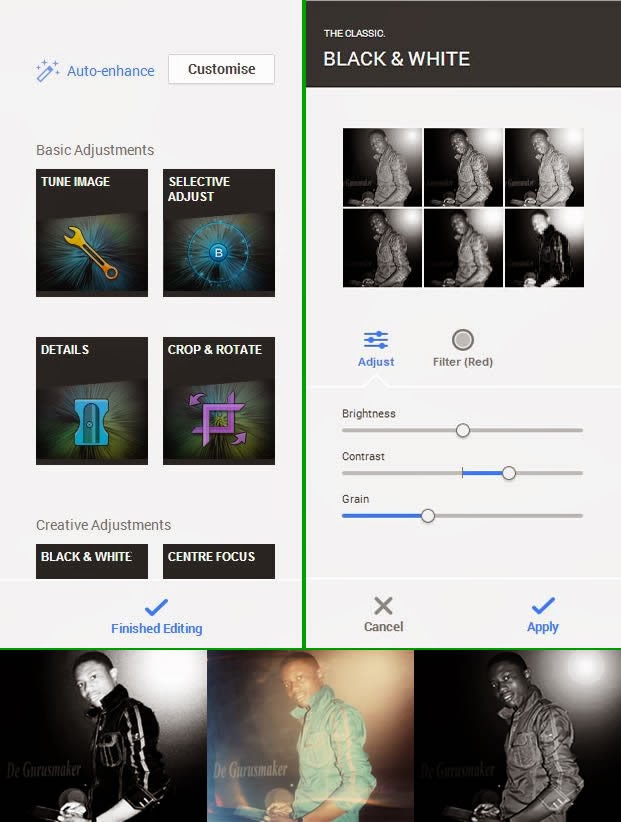
    Google+ photo editing tool allows its users to crop, enhance or customize photos they have uploaded through their Google+ account, Blogger platform, Android OS or any of Google’s services that involves photos. Google+ creates an automatic album for all the photos you shared on various Google platforms. Any changes you apply on a photo will reflect on it regardless of where it’s being used or was uploaded.

    To edit a photo

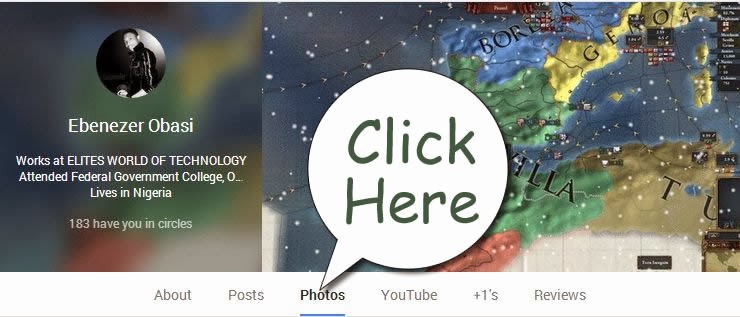
    • Login to your Google+ account.
    • Goto your photos page.
    • Click on the photo you want to edit
    • This will open a light-box, click on edit inside the light-box.
    • Clicking edit will bring photo editing tools to the right hand-side of the screen. For the first timers, I would advice you play around with the tool until you are able to master it’s functions.
    • When you are done editing, hit the finished editing link to apply your changes.
  • Google is Hiring: Become a Technical Account Manager, Publisher and Distributor in Nigeria

    Google is Hiring: Become a Technical Account Manager, Publisher and Distributor in Nigeria

      If you have  a good knowledge on web technologies such as  XML, HTML and HTML5, JavaScript, Flash and exceptional skills on scripting language knowledge such as Bash, Python and  PHP here is your opportunity to work with Google in Nigeria.  

      The internet search engine giants are currently looking to fill the vacant position of Technical Account Manager, Publisher and Distributor in Nigeria. View the full job extract below.

    Job Description

    Our relationships with partners should run like well-oiled machines, and Google’s Publisher & Distribution Solutions ensures partners are empowered to grow their businesses by making the most of Google’s expanding suite of products. Technical Account Managers are advertising and technology consultants who serve as liaisons between our top partners and Google’s Engineering and Sales teams. You are a Google product expert who can nurture and deepen the partner relationship through successful multi-product integrations, providing day-to-day support with your extensive expertise in AdSense, AdMob, DoubleClick, Chrome and other Google products. 

    You flawlessly lead implementations and integrations for a variety of our product lines during the pre-sales and post-sales process. You provide end-to-end support to our publisher partners, from deployment to ongoing support of daily business. As the technical expert, you work closely with the partner sales teams to monitor our products’ performance for top clients, develop tools that address their technological and business needs and identify opportunities to grow Google’s partner business.

    Responsibilities

    Help partners resolve day-to-day challenges by delivering innovative and scalable solutions. Ensure the prompt and proper resolution of any technical challenges.
    Evangelize new product features and assist clients in the adoption of new products via upgrades and migrations to help them build long-term success. Provide documentation and technical guidance to ensure the technical success of clients’ integrations.
    Improve product offerings by providing client feedback on features to Google product managers and engineers.
    Perform implementation reviews, and analyze and optimize clients’ product mix to ensure their success.

    Minimum Qualifications

    BA/BS degree in software engineering or related field or equivalent practical experience.

    Preferred Qualifications

    Strong troubleshooting skills in common web technologies, such as XML, HTML and HTML5, JavaScript, Flash.
    Good scripting language knowledge such as Bash, Python, PHP.
    Collaboration skills for working across geographically dispersed functions.
    Fluency in French and English and at least one another African language.

    Area

    The Google Technical Services (gTech) team serves as the primary point of contact for our global Sales, Business Development, and Partnerships teams to support our sales organization across all products. We provide tools so that our sales teams can focus on what they do best. Our team collaborates with many of Google’s engineering groups to create technical solutions that enable our sales organization to help grow our customers’ businesses.Apply Now or Read More About Google

  • Google Announces Open Automotive Alliance To Drive Android Into Connected Cars

    Google Announces Open Automotive Alliance To Drive Android Into Connected Cars

    Just pulled this one from Techcrunch – Google is hoping to do it again with Android — and cars. The 2007 Open Handset Alliance helped drive Google’s mobile OS from new-kid-on-the-block to dominant force in smartphones. Today, the company has announced the Open Automotive Alliance (OAA) to attempt the same trick but for cars — persuading a small coterie of car makers and others to join it as founder members of the OAA.

    As well as Mountain View itself, Audi, GM, Honda, Hyundai and NVIDIA have put their names to the OAA, which is described as “a global alliance of technology and auto industry leaders committed to bringing the Android platform to cars starting in 2014″. The OAA will be focused on establishing a common platform for Android integration with connected cars.

    Google notes:


    We’re working with our partners to enable better integration between cars and Android devices in order to create a safer, car optimized experience. We’re also developing new Android platform features that will enable the car itself to become a connected Android device. Stay tuned for more details coming soon.


    As with Android, Google is a little late to the party here: back in June Apple confirmed it is working with car makers on an initiative called ‘iOS in The Car’ to enable iDevice owners to use their gadgets to do stuff like play music, display maps, dictate messages in their cars, starting in 2014.

    Car makers signed up to Apple’s earlier automotive initiative are a little more plentiful and include Honda, Mercedes Benz, Nissan, Ferrari, Chevy, Infiniti, Kia, Hyundai, Volvo, Jaguar, and Acura. (So Honda and Hyundai are playing in both camps.)

    The first cars with “Android integration” are expected by the end of this year, according to the OAA’s inaugural release (it does not say which car maker is expected to be first).

  • Google Partners with Airtel to give Nigerians Free Internet Service.

    Google Partners with Airtel to give Nigerians Free Internet Service.

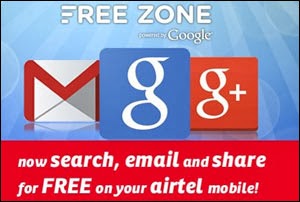
    The internet search engine giant (Google) has combined powers with Airtel Nigeria to provide a unique Internet service tagged Free Zone powered by Google.

    This service allows customers within Nigeria to access mobile web search and other feature-phone-friendly versions of Gmail and Google+ without getting billed. The first page of any website linked from the search results is also provided at no charges.

    Free Zone aims to put the web in the hands of more people. First time Internet users who haven’t purchased data bundles often find basic services like email, mobile web browsing and social applications to be very expensive. With Free Zone, phone users can take advantage of the web to grow their businesses or keep in touch with friends and family without the fear of unknown data costs and also make more informed choices about their next data device.

    To enjoy the array of free Internet mobile services on Free Zone, customers are to text “Free Zone” to 881 or go to http://g.co/freezone from their phone browser.
    Juliet Ehimuan, Country Manager, Google Nigeria, said: “We are excited to be working with Airtel to introduce Free Zone powered by Google to Nigeria. We believe in the power of the Internet to create better opportunities, and working with Airtel on this makes it possible for anyone with a phone to get Internet services at little or no cost.

    Just like our other access projects, this gives people easier access to information in a way that benefits not just themselves, but their businesses, and by extension Nigeria’s economy.”
    Deepak Srivastava, Chief Operating Officer and Executive Director, Airtel Nigeria, stated: “Breaking down the barriers to Internet adoption is critical for Nigeria to keep up with the rest of world in terms of social and economic development. It is through key initiatives like these that these barriers can be reduced.
    “We are, therefore, really proud to bring this spectacular innovation to Nigerians especially our customers who will now have seamless access to Google Search, Gmail and Google+ by simply using Airtel SIM card on any data enabled handset free of charge. This is indeed another good reason to remain an Airtel customer or to joint Airtel if you are not yet a customer.”

    Airtel customers who access Free Zone will enjoy unlimited access to Gmail; share photos and messages with circles of family, friends and associates as well as follow updates on the things they are passionate about – from football to photography, music to news and follow people they’re interested in via Google+.
    Also, customers will be able to search the entire Internet and access the first page of websites from the results for free using Google Search.

    When Airtel customers leave the Free Zone to navigate deeper into a website or download an attachment they are informed about the data charges and given the option to purchase an appropriate data package.
    The service is available immediately to all new and existing Airtel customers from their mobile phones. Customers without a Google account can sign up for free.

  • How to Filter your Gmail Sent Messages with ‘No Response’

    How to Filter your Gmail Sent Messages with ‘No Response’

    Alas! We are at the the brink of 2013. In the spirit of the holiday season, some messages you sent to your business associates, co-workers, family or friends might have gone unnoticed. Don’t you think it’s time you give your employer a nudge and remind him of the new contract deal this new year? This Gmail script makes it easy to find the emails you’ve sent to someone who could use a little nudging or reminder.

      The Gmail -No Response script, written by Jonathan Kim, combs through your emails that are between 5 and 14 days old where you were the last person to respond. It labels those emails “No Response” so you can easily check if any of those require a polite followup email. E.g., “Hi Joe, Just checking in to see what you think about this. Let me know if you have any questions.” (Note to PR folk: Not “Did you get my email??” times ten.)   To use the script, paste Kim’s code into a new Google Script and set it to run on a daily schedule. (I love these cron job-like scripts for Gmail.) You can add the “No Response” label to your inbox section for top-of-mind prompting.   One of the few reasons you might want to use this instead of, say, a service like Boomerang, is the labels are applied to email threads you’ve already sent. It pretty much just works automatically. Yes, you have to still check the No Response label, but short of getting a personal assistant to handle your email for you and follow up on all the loose threads, this is as good as it gets for now.

  • Google Acquires Boston Dynamics, Creator Of Big Dog

    Google Acquires Boston Dynamics, Creator Of Big Dog

    Google yesterday, announced that they’ve acquired Boston Dynamics. Now, if you remember Boston Dynamics: they are the creators of quad- and bi-pedal robots like Big Dog and PETMAN. This is Google’s eighth robotics acquisition.

    The company, however did not disclose the details of the sale.

    The announcement appeared in the New York Times where Boston Dynamics CEO Marc Raibert said they would honor their DARPA military contracts although Google will not officially be a military contractor.

    The company, founded in 1992, has been working on standalone, gas-powered robots for the past decade. The robots are self-righting and very resilient. Robots like Big Dog can throw cinder blocks, handle rocky terrain, and run at 16 mph.

    The man behind the acquisition, Andy Rubin, stepped down as head of Googe’s Android business in march after turning a little-known mobile OS into a juggernaut. “His last big bet, Android, started off as a crazy idea that ended up putting a supercomputer in hundreds of millions of pockets,” wrote Larry Page on his Google+ page. “It is still very early days for this, but I can’t wait to see the progress.”

  • Discover Google’s Ridiculous Plan to Force you into Joining Google+

    Discover Google’s Ridiculous Plan to Force you into Joining Google+

    For those of you who felt you can run forever from Google+, well, I have got some bad news for you: Google is going to blackmail you.  

    After investing so much in Google+, Google thinks it’s the right time for you to get rid of Facebook, delete your Tumblr page and stop complaining. I’m sorry, if you think you really have an option: This hilarious video has revealed Google’s new strategy to force you into joining Google+.
    http://www.collegehumor.com/e/6942530
    It’s incredible and equally awkward to imagine the impact this could have on your life. How well do you enjoy people keeping tracks on your searches – Like your employer knowing that you looked up “How to implicate my boss?” twice, before reporting to duty 1 hour earlier than usual?

    Like a popular adage goes “You can’t beat them? Join them”, you really don’t have an option. To remain on the safer side, you need to bite the bullet, and sign up. 

  • Google Quietly Updates Gmail for Android to Suite your Holiday Travels

    Google Quietly Updates Gmail for Android to Suite your Holiday Travels

    It’s always kind of a drag when your mobile email client doesn’t do all the things that your desktop client can. Google seems to be catching on to this, since the company rolled out a new update to Gmail for Android today with a few new features that have been previously reserved for its web users.

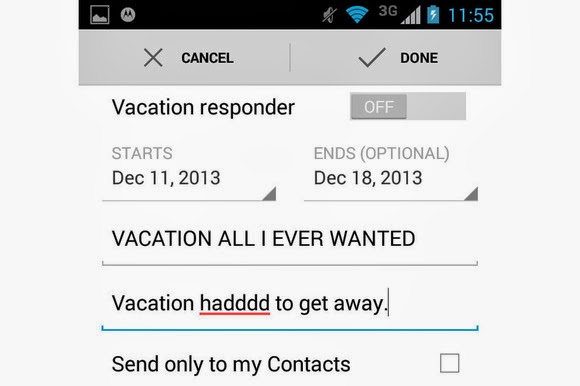
    Gmail 4.7 now lets you set up an away message with the Vacation Responder. Just as in the web client, you can set a start and end date for when the service should send out an automatic message that you’re out enjoying yourself. When you’re done having fun, you can easily toggle the messages on and off from within the app.

    Google also added the ability to send attachments from the mobile client, such as documents, PDFs, and .zip files.

    For those of you with Android 4.4. KitKat, the new Gmail includes native support for cloud printing. Devices with low memory will also notice a performance improvement within the app, which Google notes is a change made on behalf of Project Svelte.

    The Gmail update should be rolling out to an Android device near you, or you can try to grab it from the Google Play store.

  • Google’s Santa Tracker Returns with Chromecast-ready Android App

    Google’s Santa Tracker Returns with Chromecast-ready Android App

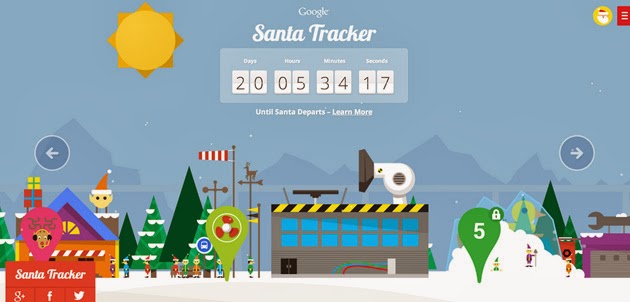
    After spending the last 11+ months maxin’ and relaxin’, Santa and his elves are back in full swing. Yes! Santa Tracker is here again and better than ever!


    Following Microsoft’s NORAD touch-friendly Santa Claus web tracker, Google is set to shower it’s Christmas blessings: The search giant’s latest Santa Tracker centers on an updated Android app (launching mid-December) with Chromecast TV streaming support — you’ll soon get to follow St. Nick from the comfort of your living room.
    If you’d prefer to keep tabs on him from the web, the company is promising both daily game and scene updates as well as a refreshed Chromecast-ready web extension to help you see how things are progressing. Just like last year, you can head to the Christmas Village website to keep an eye on how things are going up north.

    “To join in the flurry of preparations for Christmas Eve, visit the Village every day through December 24. You’ll have the chance to join the elves as they catapult presents and race with reindeer—and you’ll be able to send holiday wishes to friends and family from Santa himself. The elves make a little more progress each day, so be sure to stop by the Village to see the latest.” https://www.youtube.com/embed/0qrFL0mn3Uk

    There are tons of fun things to do to pass the time; an Android app is expected to roll out any day now.

  • New: Save your Message Attachments on Google Drive via your Gmail Interface

    New: Save your Message Attachments on Google Drive via your Gmail Interface

    Today, Google officially announced the release of a new update for Gmail users. The new update is set to allow users to view and save attachments to Google Drive directly from their mailbox.

    For those of you who are yet to use  Google Drive: It is a product that grants Google account owners free cloud service, that allows you to store upto 5GB data(s) in your free Google account and unlimited data for premium Google accounts.

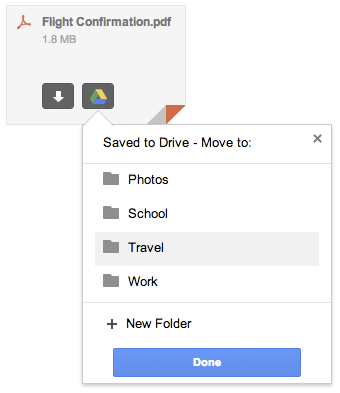
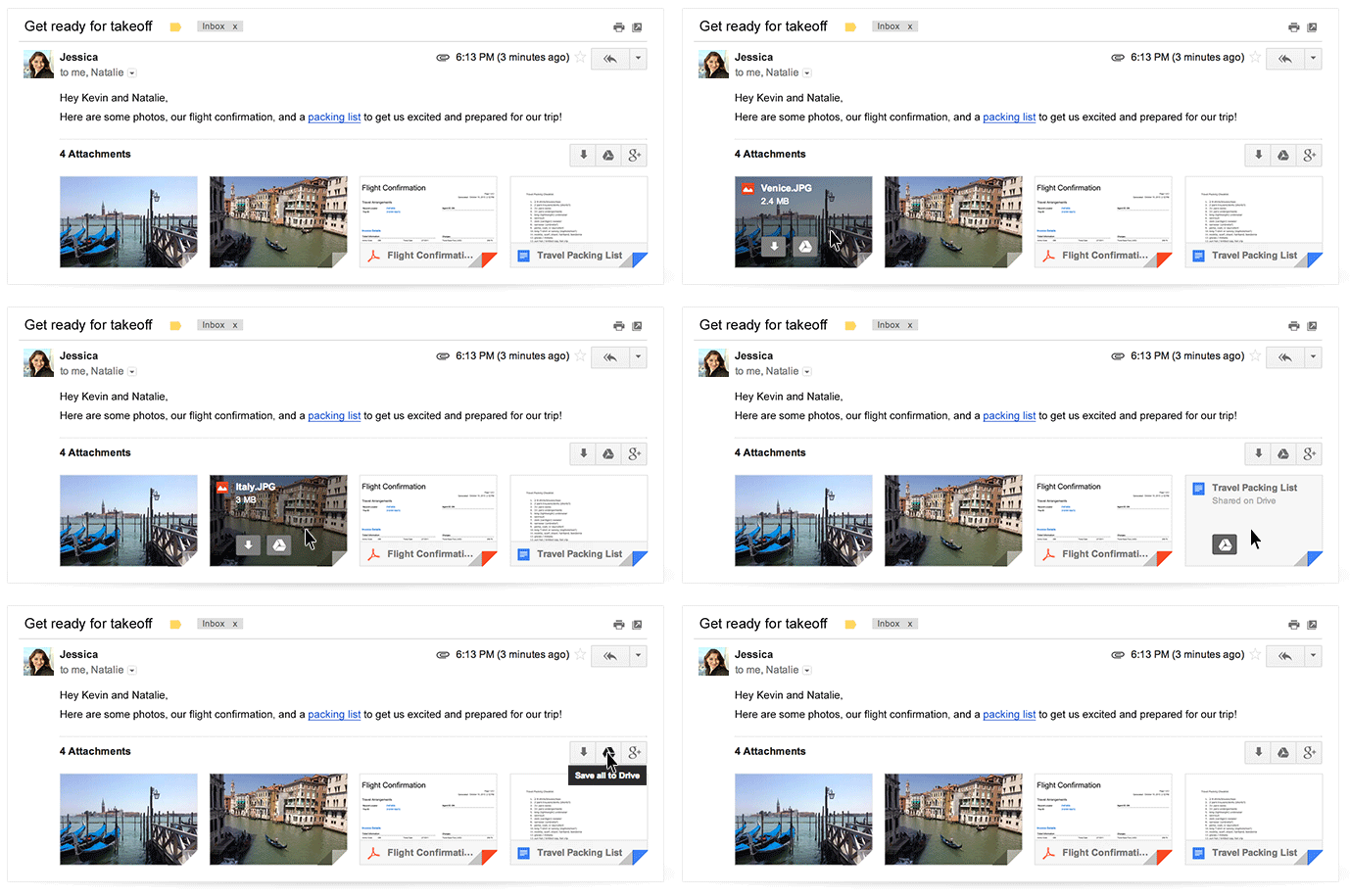
    According to a statement by Scott Johnston in the Google official blog ” The next time you open an email with attachments, you’ll see new previews of the files at the bottom of the email, from photos and videos to spreadsheets and PDFs.”
    image
    With the new Gmail interface, you can now access your email attachments from any device such as your mobile phone and tablets and save them in your Google Drive, hence, making them accessible via any other device, anywhere, anytime.

    The new Gmail also let you navigate through multiple attachments right through your inbox and of-course read and even search for a particular phrase.

    How to Save your Attachments to Google Drive

    To save your attachments:

    • Hover on the attachment preview
    • Click on the Google Drive icon that appears when you hover on the attachment.
    • Choose or create a folder for your attachment and click done
    image

    If you wish to save the attachment directly to your device, simply click the arrow icon (See image above).

    “This new attachment experience is available on desktop and will be rolling out over the next week. If you’re one of the more than 120 million active Drive users, you know that saving your files to Drive lets you get to them from any computer, phone or tablet. And if you aren’t taking advantage of Drive just yet, give it a try with your next Gmail attachment.” Scott added.

  • Say Hello to Google Helpouts

    Say Hello to Google Helpouts

    It’s been a long time coming, we have always known that somewhere at the middle, Google is just going to introduce a freelancing site. And yes! Google, yesterday officially announced their latest product called “Helpouts” .


    Helpout according to Emily Wood, is the new way people can get help from anywhere at anytime from real people at their own convenience.

    He wrote on Google official blog: “Help might be a quick answer to a problem you’re having right now, like how to fix your garage door, or how to remove a computer virus; or it might be guidance completing a project, like building a deck. It might be learning a new skill, like how to speak conversational French or how to draw cartoons; or it might be general advice on how to improve your fitness or your writing (I could use this right now).”
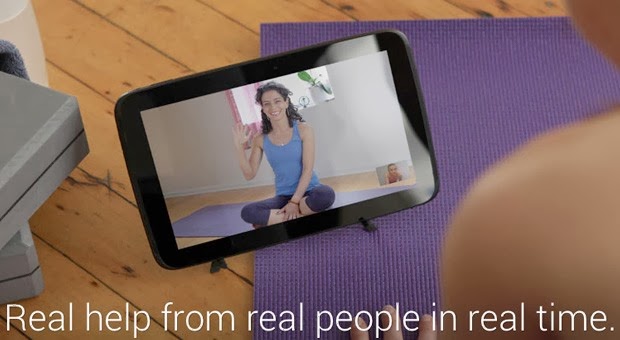
    Google Helpouts, is believed to be another freelancing site to find professionals with adequate qualifications to help you out with any problem you are having at the moment. “With Helpouts, you can choose who you get help from based on their qualifications, their availability, their price, their ratings and reviews. You can connect instantly or book in advance. You can get help from individuals or from brands you already know and trust, like Sephora, One Medical, Weight Watchers, Redbeacon (a Home Depot company), and Rosetta Stone. Once you’re in a Helpout, you can do more than just talk—you can share your computer screen, collaboratively edit a presentation, or record your Helpout. And if the experience doesn’t meet your expectations, we offer a full money back guarantee.” Emily Wood added.

    You can watch the video above, to see how Google Helpouts works.
    It’s been a long time coming, we have always known that somewhere at the middle, Google is just going to introduce a freelancing site. And yes! Google, yesterday officially announced their latest product called “Helpouts” .


    Helpout according to Emily Wood, is the new way people can get help from anywhere at anytime from real people at their own convenience.

    He wrote on Google official blog: “Help might be a quick answer to a problem you’re having right now, like how to fix your garage door, or how to remove a computer virus; or it might be guidance completing a project, like building a deck. It might be learning a new skill, like how to speak conversational French or how to draw cartoons; or it might be general advice on how to improve your fitness or your writing (I could use this right now).”

    Google Helpouts, is believed to be another freelancing site to find professionals with adequate qualifications to help you out with any problem you are having at the moment. “With Helpouts, you can choose who you get help from based on their qualifications, their availability, their price, their ratings and reviews. You can connect instantly or book in advance. You can get help from individuals or from brands you already know and trust, like Sephora, One Medical, Weight Watchers, Redbeacon (a Home Depot company), and Rosetta Stone. Once you’re in a Helpout, you can do more than just talk—you can share your computer screen, collaboratively edit a presentation, or record your Helpout. And if the experience doesn’t meet your expectations, we offer a full money back guarantee.” Emily Wood added.

    You can watch the video above, to see how Google Helpouts works.

    It’s been a long time coming, we have always known that somewhere at the middle, Google is just going to introduce a freelancing site. And yes! Google, yesterday officially announced their latest product called “Helpouts” .


    Helpout according to Emily Wood, is the new way people can get help from anywhere at anytime from real people at their own convenience.

    He wrote on Google official blog: “Help might be a quick answer to a problem you’re having right now, like how to fix your garage door, or how to remove a computer virus; or it might be guidance completing a project, like building a deck. It might be learning a new skill, like how to speak conversational French or how to draw cartoons; or it might be general advice on how to improve your fitness or your writing (I could use this right now).”

    Google Helpouts, is believed to be another freelancing site to find professionals with adequate qualifications to help you out with any problem you are having at the moment. “With Helpouts, you can choose who you get help from based on their qualifications, their availability, their price, their ratings and reviews. You can connect instantly or book in advance. You can get help from individuals or from brands you already know and trust, like Sephora, One Medical, Weight Watchers, Redbeacon (a Home Depot company), and Rosetta Stone. Once you’re in a Helpout, you can do more than just talk—you can share your computer screen, collaboratively edit a presentation, or record your Helpout. And if the experience doesn’t meet your expectations, we offer a full money back guarantee.” Emily Wood added.

    You can watch the video above, to see how Google Helpouts works.

    It’s been a long time coming, we have always known that somewhere at the middle, Google is just going to introduce a freelancing site. And yes! Google, yesterday officially announced their latest product called “Helpouts” .


    Helpout according to Emily Wood, is the new way people can get help from anywhere at anytime from real people at their own convenience.

    He wrote on Google official blog: “Help might be a quick answer to a problem you’re having right now, like how to fix your garage door, or how to remove a computer virus; or it might be guidance completing a project, like building a deck. It might be learning a new skill, like how to speak conversational French or how to draw cartoons; or it might be general advice on how to improve your fitness or your writing (I could use this right now).”

    Google Helpouts, is believed to be another freelancing site to find professionals with adequate qualifications to help you out with any problem you are having at the moment. “With Helpouts, you can choose who you get help from based on their qualifications, their availability, their price, their ratings and reviews. You can connect instantly or book in advance. You can get help from individuals or from brands you already know and trust, like Sephora, One Medical, Weight Watchers, Redbeacon (a Home Depot company), and Rosetta Stone. Once you’re in a Helpout, you can do more than just talk—you can share your computer screen, collaboratively edit a presentation, or record your Helpout. And if the experience doesn’t meet your expectations, we offer a full money back guarantee.” Emily Wood added.

    You can watch the video above, to see how Google Helpouts works.
    It’s been a long time coming, we have always known that somewhere at the middle, Google is just going to introduce a freelancing site. And yes! Google, yesterday officially announced their latest product called “Helpouts” .


    Helpout according to Emily Wood, is the new way people can get help from anywhere at anytime from real people at their own convenience.

    He wrote on Google official blog: “Help might be a quick answer to a problem you’re having right now, like how to fix your garage door, or how to remove a computer virus; or it might be guidance completing a project, like building a deck. It might be learning a new skill, like how to speak conversational French or how to draw cartoons; or it might be general advice on how to improve your fitness or your writing (I could use this right now).”

    Google Helpouts, is believed to be another freelancing site to find professionals with adequate qualifications to help you out with any problem you are having at the moment. “With Helpouts, you can choose who you get help from based on their qualifications, their availability, their price, their ratings and reviews. You can connect instantly or book in advance. You can get help from individuals or from brands you already know and trust, like Sephora, One Medical, Weight Watchers, Redbeacon (a Home Depot company), and Rosetta Stone. Once you’re in a Helpout, you can do more than just talk—you can share your computer screen, collaboratively edit a presentation, or record your Helpout. And if the experience doesn’t meet your expectations, we offer a full money back guarantee.” Emily Wood added.

    You can watch the video above, to see how Google Helpouts works.
    It’s been a long time coming, we have always known that somewhere at the middle, Google is just going to introduce a freelancing site. And yes! Google, yesterday officially announced their latest product called “Helpouts” .


    Helpout according to Emily Wood, is the new way people can get help from anywhere at anytime from real people at their own convenience.

    He wrote on Google official blog: “Help might be a quick answer to a problem you’re having right now, like how to fix your garage door, or how to remove a computer virus; or it might be guidance completing a project, like building a deck. It might be learning a new skill, like how to speak conversational French or how to draw cartoons; or it might be general advice on how to improve your fitness or your writing (I could use this right now).”

    Google Helpouts, is believed to be another freelancing site to find professionals with adequate qualifications to help you out with any problem you are having at the moment. “With Helpouts, you can choose who you get help from based on their qualifications, their availability, their price, their ratings and reviews. You can connect instantly or book in advance. You can get help from individuals or from brands you already know and trust, like Sephora, One Medical, Weight Watchers, Redbeacon (a Home Depot company), and Rosetta Stone. Once you’re in a Helpout, you can do more than just talk—you can share your computer screen, collaboratively edit a presentation, or record your Helpout. And if the experience doesn’t meet your expectations, we offer a full money back guarantee.” Emily Wood added.

    You can watch the video above, to see how Google Helpouts works.
    It’s been a long time coming, we have always known that somewhere at the middle, Google is just going to introduce a freelancing site. And yes! Google, yesterday officially announced their latest product called “Helpouts” .


    Helpout according to Emily Wood, is the new way people can get help from anywhere at anytime from real people at their own convenience.

    He wrote on Google official blog: “Help might be a quick answer to a problem you’re having right now, like how to fix your garage door, or how to remove a computer virus; or it might be guidance completing a project, like building a deck. It might be learning a new skill, like how to speak conversational French or how to draw cartoons; or it might be general advice on how to improve your fitness or your writing (I could use this right now).”

    Google Helpouts, is believed to be another freelancing site to find professionals with adequate qualifications to help you out with any problem you are having at the moment. “With Helpouts, you can choose who you get help from based on their qualifications, their availability, their price, their ratings and reviews. You can connect instantly or book in advance. You can get help from individuals or from brands you already know and trust, like Sephora, One Medical, Weight Watchers, Redbeacon (a Home Depot company), and Rosetta Stone. Once you’re in a Helpout, you can do more than just talk—you can share your computer screen, collaboratively edit a presentation, or record your Helpout. And if the experience doesn’t meet your expectations, we offer a full money back guarantee.” Emily Wood added.

    You can watch the video above, to see how Google Helpouts works.
    It’s been a long time coming, we have always known that somewhere at the middle, Google is just going to introduce a freelancing site. And yes! Google, yesterday officially announced their latest product called “Helpouts” .


    Helpout according to Emily Wood, is the new way people can get help from anywhere at anytime from real people at their own convenience.

    He wrote on Google official blog: “Help might be a quick answer to a problem you’re having right now, like how to fix your garage door, or how to remove a computer virus; or it might be guidance completing a project, like building a deck. It might be learning a new skill, like how to speak conversational French or how to draw cartoons; or it might be general advice on how to improve your fitness or your writing (I could use this right now).”

    Google Helpouts, is believed to be another freelancing site to find professionals with adequate qualifications to help you out with any problem you are having at the moment. “With Helpouts, you can choose who you get help from based on their qualifications, their availability, their price, their ratings and reviews. You can connect instantly or book in advance. You can get help from individuals or from brands you already know and trust, like Sephora, One Medical, Weight Watchers, Redbeacon (a Home Depot company), and Rosetta Stone. Once you’re in a Helpout, you can do more than just talk—you can share your computer screen, collaboratively edit a presentation, or record your Helpout. And if the experience doesn’t meet your expectations, we offer a full money back guarantee.” Emily Wood added.

    You can watch the video above, to see how Google Helpouts works.
    It’s been a long time coming, we have always known that somewhere at the middle, Google is just going to introduce a freelancing site. And yes! Google, yesterday officially announced their latest product called “Helpouts” .


    Helpout according to Emily Wood, is the new way people can get help from anywhere at anytime from real people at their own convenience.

    He wrote on Google official blog: “Help might be a quick answer to a problem you’re having right now, like how to fix your garage door, or how to remove a computer virus; or it might be guidance completing a project, like building a deck. It might be learning a new skill, like how to speak conversational French or how to draw cartoons; or it might be general advice on how to improve your fitness or your writing (I could use this right now).”

    Google Helpouts, is believed to be another freelancing site to find professionals with adequate qualifications to help you out with any problem you are having at the moment. “With Helpouts, you can choose who you get help from based on their qualifications, their availability, their price, their ratings and reviews. You can connect instantly or book in advance. You can get help from individuals or from brands you already know and trust, like Sephora, One Medical, Weight Watchers, Redbeacon (a Home Depot company), and Rosetta Stone. Once you’re in a Helpout, you can do more than just talk—you can share your computer screen, collaboratively edit a presentation, or record your Helpout. And if the experience doesn’t meet your expectations, we offer a full money back guarantee.” Emily Wood added.
    You can watch the video above, to see how Google Helpouts works.