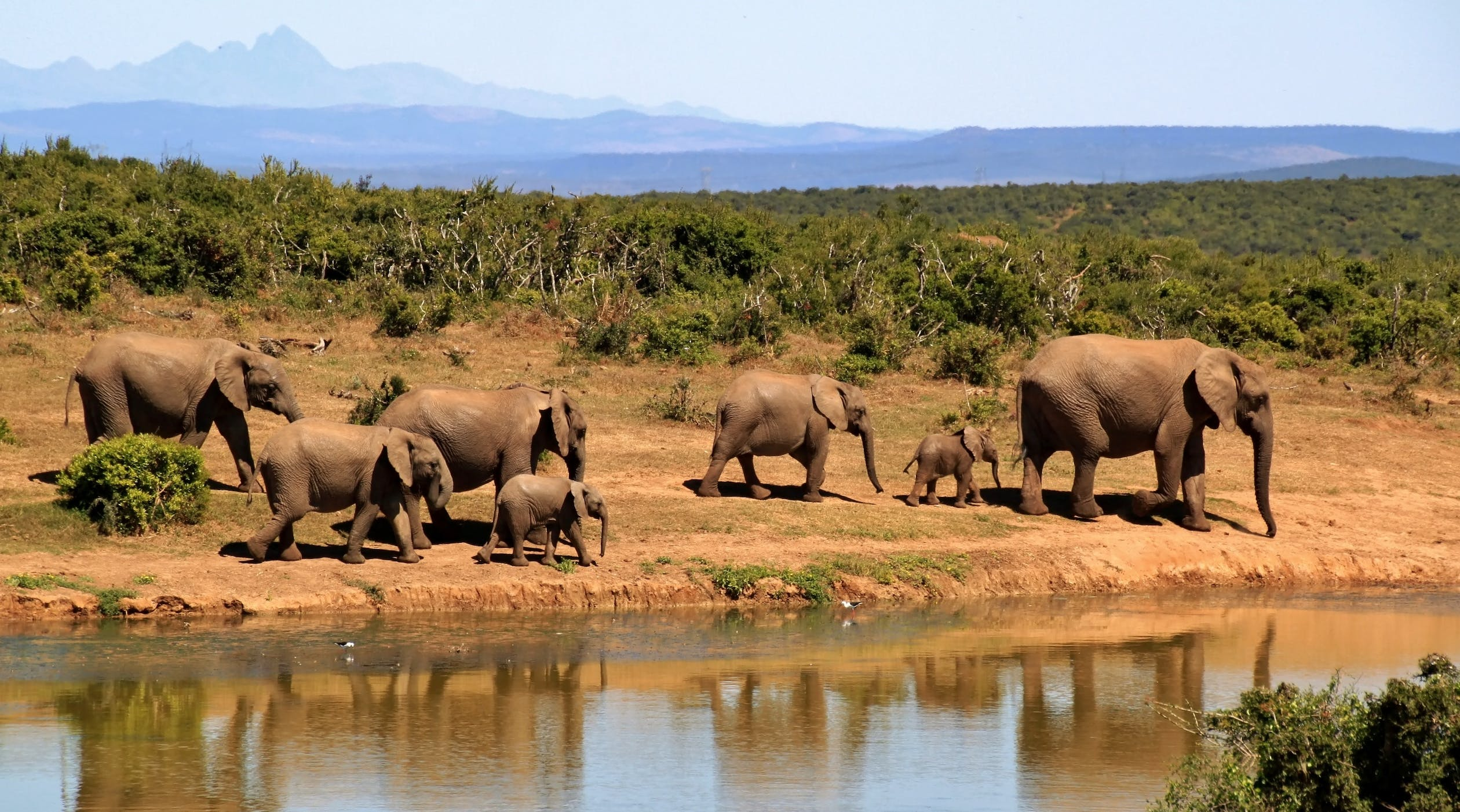
Ask anyone, and they will tell you: Africa’s prominent tourist attractions are expansive landscapes, abundant cultural heritage, and wildlife. These have become the major revenue drivers dominating Africa’s economic sector. Almost as if the inclusion of other areas of tourism like blue tourism is an afterthought.
Maritime tourism, one area of tourism that constitute to make the tourist sights in the world’s second-largest continent is crushing under the weight of terrestrial ecosystems, sports, and historical landmarks. The reason is largely due to Africa’s sole focus on a set of firmly established green tourism sights and attractions. This is killing the potential of nature tourism in Africa; and robbing the world of its beautiful, unexplored, and underrated parts. We’ll explore the often overlooked marine tourism, some of the challenges facing it, and ways to improve sustainable tourism in Africa.
What is Blue Tourism?
Put simply, blue tourism refers to coastal or maritime-based tourism. This includes surfing, fishing, snorkeling, whale watching, scuba diving, sailing, boat cruises, and water sports or activities related to beaches or coasts. Some countries in Africa with the best tourist spots for marine recreational activities include but are not limited to:
Best African Beaches/Coastal Areas
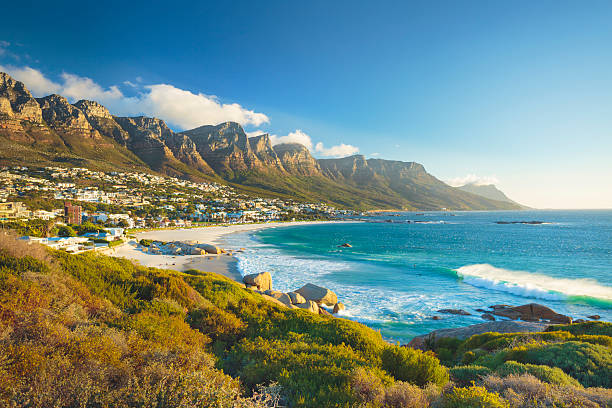
- Mozambique with its vast coastline and long stretches of white, sandy, sparsely populated beaches is breathtaking.
- South Africa’s coastal reserves, the large expanse of sand, beautiful seascape, rare aquatic plant species, and whale sightings.
- Zanzibar’s exotic beach destination is teeming with marine animals and wildlife.
- Tanzania’s gorgeous, secluded beach destinations are perfect romantic getaways and a chance to swim with whale sharks and watch green turtle hatchlings.
- Nigeria’s alluring public and private beaches like Ibeno Beach, Tarkwa Bay, Elegushi, and La Campagne Tropicana Beach offer the best water sports, local cuisines, and souvenirs.
- Other serene and fascinating blue tourism spots are São Tomé and Príncipe’s majestic waterfalls. Madagascar’s diving spots. Kenya’s perfect snorkeling and cruising spots.
- And Seychelles’ pristine palm-grown beaches, coral reefs, and nature reserves.
Sustainable Tourism Is A Total Game Changer For The Blue Economy
Blue tourism is a powerful economic sector for continents with dramatic coastlines. People travel the world on vacation, business, pleasure, etc, just to experience nautical thrills and recreational activities. Blue tourism drives social and economic development globally by generating income, employment, and investment opportunities.
Statistics reveal that international tourism, particularly coastal tourism took a nosedive when the pandemic struck in 2020. But impressively, international tourism is rebounding strongly in 2023. With double the number of travelers in the first quarter compared to 2022 or pre-pandemic and even a 65% upsurge in International Tourist Travels(ITA) by 2030.
Economically, blue tourism contributes to government revenues through direct income taxes from tourism and employment. As well as contributions from taxes on local goods and services provided to tourists. It equally generates foreign exchange revenues, acting as a great source of income for many countries.
The growth and development of the blue tourism industry have created numerous job opportunities; transportation services, hotel workers, tour agencies, restaurants, and, supply of goods and services. Supporting these coastal developments circulates money back into the community. Conservation efforts are also supported through revenue from taxes and entry fees, to protect and properly manage susceptible marine areas.
Challenges Of Sustainable Tourism in Africa
The activities associated with blue tourism, like yacht or boat cruises, luxury resorts, and marine conservation, have a lot of negative effects on both natural resources and rural communities in Africa. When hordes of tourists flock to quaint coastal destinations, the consequences are far from beneficial.
One very important challenge facing blue tourism is sustainability. It’s evident that the quest to boost blue tourism, if not handled responsibly, can have detrimental impacts and undermine the sustainability of coastal and marine ecosystems.
Altering The Balance Of Marine Ecosystems
The influx of tourists all year round to these coastal areas no doubt generates millions in tourism spending, but in the same vein, it depletes its limited resources. Visitors unwittingly contribute to the mounting pollution by generating excessive waste, carbon emissions, and changes in biodiversity. Additionally, the construction of resorts and marinas directly on or close to the marine environment puts a strain on the already stretched-thin essential resources such as water and aquatic animals needed by the locals.
Blue tourism thrives on the charm of clean, natural marine ecosystems to lure visitors, but it is paradoxically contributing to the depletion of these very ecosystems. In most areas, productive and valuable wetlands are cleared out to create immaculate public beaches that attract tourists daily. It is depressing to witness the destruction of entire natural habitats in the pursuit of appealing coastal landscapes.
This has also led to the disruption of nesting sites for endangered aquatic animals like turtles. And if that wasn’t enough, overconsumption of marine life is compromising the delicate balance of marine ecosystems. It’s a devastating blow to Africa’s magnificent aquatic animals and plants that have taken centuries to develop and the various habitats that support millions of marine life.
In developing African countries, the cultural and economic challenges are far-reaching and can significantly affect local businesses, and the blue tourism industry. One notable impact is the economic leakage in tourism. While striving to meet the desires of tourists, importation of goods, erection of infrastructures, ownership of local businesses, and employment of foreigners disrupts the local production chain.
To solve these issues, it is important to promote sustainable tourism practices that respect local traditions, foster cultural diversity, and ensure fair economic distribution within African communities.



















 Tips on Becoming a Successful Blogger: The internet has been one of the widest sources of knowledge and income, and blogging is one of the ways to make some good cash. There are over 10 million blogs and this number increases every day. Blogging is very good and interesting, especially when you are not going into it because of the money you could make. It allows you to share your opinion with the world at large and also reach out to people in need of help and advice. Some people will just rush into blogging without knowing what it involves. You must read this article and know why you shouldn’t start blogging. Here are some facts about blogging you should know and have in mind Tips on becoming a successful blogger










 Name: Shoo!File type: Gif ImageSize: 344.04 KB (352,294 bytes)Dimension: 320px × 184px (scaled to 320px × 183px)
























 You can observe that there a total of four columns by default and you can add as many widgets as you want to each column. If you wish to increase or decrease the number of vertical columns then follow the steps below.





)
)
)
)
)





You must be logged in to post a comment.