Microsoft has confirmed it will be shutting down Skype, the once-dominant internet-based phone and video service, in May.
In an announcement on X, the company assured users they would soon be able to access Microsoft Teams’ free tier using their Skype login credentials.
Skype’s closure comes 14 years after Microsoft acquired the platform for $8.5 billion in cash—its largest-ever purchase at the time. Since then, the tech giant has integrated Skype into various products, including Office and the now-defunct Windows Phone.
“Skype shaped modern communications and created countless meaningful moments, and we honor being part of its journey,” said Jeff Teper, Microsoft’s president of collaborative apps and platforms, in a blog post.
He added, “We’re excited about the new opportunities that Teams brings and remain committed to helping you stay connected in new and meaningful ways.”
A Changing Communications Landscape
Once the go-to platform for online calls, Skype’s influence has waned in recent years, despite a brief resurgence during the pandemic. The rise of competing services—including Zoom, Google Meet, and Cisco Webex—has further pushed Skype into the background. Meanwhile, Apple’s FaceTime and Meta’s WhatsApp have cemented their places as key players in the video calling space.
At the same time, Microsoft has been shifting its focus to Teams, which offers many of Skype’s features along with additional business-oriented tools.
A Legacy of Innovation
Skype launched in 2003 in Estonia and quickly attracted users as a free alternative to costly international phone calls. The service’s rapid growth led eBay to acquire it for $2.6 billion in 2005. However, the partnership was short-lived, and eBay sold a majority stake in Skype to an investor group for $1.9 billion in 2009.
Microsoft’s 2011 acquisition marked a significant investment in the future of digital communication. However, the company has struggled to maintain Skype’s relevance in an increasingly crowded market. With Microsoft now prioritizing Teams, Skype’s shutdown marks the end of an era for a platform that once revolutionized the way people connected across the globe.
A catastrophic wildfire erupted in Los Angeles on Tuesday evening, tearing through the inland foothills northeast of the city and leaving widespread destruction in its path. Casualties have been reported as the fast-moving flames engulfed homes, vehicles, and vegetation, forcing over 30,000 residents to evacuate in a desperate rush to safety.
The Los Angeles Fire Department Chief, Kristin Crowley, confirmed the devastating toll while hundreds of firefighters battled the blaze from both air and ground. Crews worked tirelessly in steep terrain to carve firebreaks and slow the fire’s relentless advance.
Families Recount Their Journey to Safety in the Los Angeles Wildfire
Witnesses described terrifying moments as embers rained down, turning neighborhoods into fiery infernos. “It looked far away—then suddenly, it was upon us,” Gary, a resident of Sea Ridge, told KTLA. Roads turned into gridlocks with flames on both sides, leaving some evacuees to flee on foot.
Despite the chaos, stories of resilience have emerged. Families helped each other escape, and communities are rallying together to support those displaced. “In times like this, we see the best of humanity,” said Pacific Palisades resident Andrew Hires, who helped neighbors pack their belongings before fleeing the flames.
For those who have made it to safety, what comes next? This is a time to lean on community resources and support systems. Local shelters are offering temporary housing, while aid groups are mobilizing to provide food, water, and clothing.
Have you checked in with loved ones or reached out to friends who may be affected? Even a small act of kindness can make a significant difference in moments like these. Survivors are encouraged to access counseling services to process the trauma and take small, hopeful steps toward rebuilding.
Steps to Protect Yourself Against Wildfires
Wildfires are a harsh reminder of the importance of preparedness and proactive measures. Here’s a step-by-step guide to help communities and individuals protect themselves and minimize risks:
1. Create Fire-Safe Zones Around Your Home
Clear Vegetation: Remove dry leaves, branches, and dead plants near your home to reduce fire fuel.
Plant Fire-Resistant Vegetation: Opt for plants with high moisture content and low resin.
Maintain Defensible Space: Keep at least 30 feet of clear space around your home to act as a buffer.
Store Combustible Materials Safely: Keep firewood and flammable items far from your house.
2. Prepare Your Home for Wildfire Resistance
Install Ember-Resistant Vents: Prevent embers from entering your home through openings.
Install Smart Smoke Alarms: The best smart smoke alarms for modern homes offer real-time notifications and alerts directly to your phone, allowing you to take immediate action no matter where you are. These alarms can detect smoke, fire, and carbon monoxide, giving you an early warning to evacuate or take safety measures.
Upgrade Windows: Use tempered glass windows that are more resistant to heat.
Seal Gaps: Ensure roofs, gutters, and eaves are sealed to avoid ember penetration.
Use Fire-Resistant Materials: Consider metal roofs or fiber-cement siding for extra protection.
3. Develop an Emergency Plan
Identify Safe Exits: Know multiple evacuation routes in case of emergencies.
Pack Emergency Kits: Include essentials like water, non-perishable food, medications, important documents, and flashlights.
Establish a Communication Plan: Ensure all family members know how to stay in touch during emergencies.
Practice Evacuations: Regularly rehearse evacuation plans with your household.
Monitor Weather Conditions: Stay aware of red flag warnings and high-wind advisories.
Listen to Authorities: Follow instructions from emergency services promptly during a wildfire.
5. Collaborate as a Community
Participate in Fire Safety Programs: Join or organize local fire-prevention initiatives.
Support Local Firefighters: Advocate for funding and resources for fire departments.
Create Firebreaks Together: Work with neighbors to clear vegetation and create communal safety zones.
6. Advocate for Government Action
Strengthen Emergency Systems: Push for improved wildfire alert systems and response mechanisms.
Promote Policy Changes: Support legislation that prioritizes wildfire prevention and management.
Invest in Research: Encourage investments in technology and strategies to predict and control wildfires effectively.
By taking these steps, we can collectively reduce the risk of wildfires and ensure that future disasters cause less destruction and loss. Let’s commit to learning from this tragedy and building a safer tomorrow.
We stand with the survivors and all affected by this tragedy, offering our deepest empathy and support as they navigate the road to recovery.
Security Information and Event Management, popularly known as SIEM system, is critical to any cybersecurity strategy. It helps protect against threats and provides visibility into your entire IT environment.
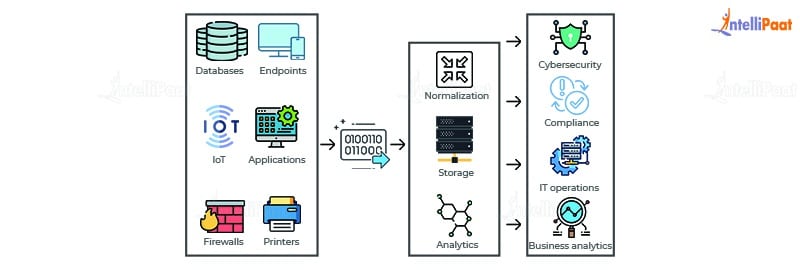
SIEM is a security control system that integrates the two components of security event management (SEM) and security information management (SIM). This technology gathers event logs from a range of sources. By identifying activity that deviates from the norm with real-time analysis, and takes appropriate action.
How Does SIEM work?
SIEM software is used to gather and examine massive volumes of data from users, servers, and devices within an organization in real-time. Enabling security teams to promptly detect and stop threats. SIEM tools operate according to already established procedures to facilitate the way security teams define threats and send out alerts.
What are the Benefit of SIEM?
SIEM can be a complex solution that requires experienced staff to implement and fine-tune. Before investing, it’s essential to understand its key benefits.
Improved Detection
By the way, what is SIEM? A SIEM is a powerful tool that can alert you to potential environmental threats. It can also help you meet various compliance requirements, including PCI, NERC, PII, and HIPAA. The best way to get the most out of an SIEM is to properly tune it to your network and environment.
Tuning your SIEM involves establishing the appropriate rules and thresholds to differentiate normal and abnormal network activity. This can be accomplished through simple rules that correlate one event with another or more complex correlations of different events, such as a compromised login, a large file transfer, and a location change.
These models can significantly improve visibility into your network and detect various threats, even ones outside of the perimeter, like remote user access to SaaS applications and devices or attacks carried out from the cloud. This lets your security team focus on the most dangerous incidents and prioritize the threats threatening your business. This helps you get the most value out of your SIEM and reduces the time you spend dealing with unnecessary alarms.
Reduced False Positives
SIEM can churn out too many false positive alerts unless it is configured correctly and tuned to the security needs of your organization. This can bog down analysts, creating a productivity drain that reduces their ability to detect real threats and mitigate them quickly.
This is especially true if the system has to use configuration management data to solve the problem. You can first try to understand the typical activity in your environment and then identify deviations from that baseline. UEBA or user and entity behavior analytics can help remove these annoying false positives.
This is possible if you configure the rules correctly, which takes time to set up properly (so the solution knows what is typical for your environment). If you configure these rules right, it will be possible for the software to distinguish between legitimate security events and false positives so that it will trigger too many alerts. It’s also essential to enable only the rules necessary in your environment, as leaving every default rule allowed can cause alert fatigue. This is a common mistake.
Better Compliance
With a SIEM program, you can monitor all devices and applications—including those of remote employees—from one central location. This active monitoring can help you identify and correct cyberattacks in far less time than if you were manually monitoring each device.
SIEM also enables you to create custom rules, alerts, and dashboards tailored to your security needs. This helps your analysts get the needed information without being overwhelmed by too many false positives.
A good SIEM program uses models rather than correlation rules, making it more likely to recognize real threats. Which can prevent attackers from taking advantage of the system. Models require multiple events to occur, like a user logging in from a different location or carrying out a large file transfer, to trigger an alert.
The benefits of SIEM solutions are numerous, but implementing and maintaining one requires more work. It also requires the talent of experienced IT environments and security teams. Managed SIEM services eliminate the stress of deploying, managing, and monitoring an SIEM platform—and they can also save your organization money by eliminating the need for you to invest in software and hardware.
SIEM system
Enhanced Visibility
With the SIEM system, security teams can get a real-time bird’s-eye view of what is happening on their network. This visibility eliminates blind spots, making detecting and responding to attacks much easier.
With the rise of remote workforces, organizations need to be able to mitigate risks wherever digital assets are accessed. A SIEM solution can help to do this by providing visibility into all network activity – regardless of the device, application, or service the activity is associated with.
The other benefit of SIEM visibility is reducing the time it takes to identify threats and take action. This is crucial as the longer an attack goes unnoticed, the more damage it can cause.
Alongside correlation rules, some next-gen SIEM solutions include user and entity behavior analytics (UEBA) that automatically detect suspicious behavior patterns and alert the security team. This can be extremely useful for detecting DDoS attacks and file integrity breaches that could indicate an attacker at work.
Increased Security
When correctly configured and tuned to fit your environment, an SIEM solution can surface indicators of a threat that could lead to a breach. This is made possible through correlation and analysis, allowing security staff to identify malicious activity promptly.
The History of Security Information and Event Management?
SIEM solutions have been around for decades, with varying degrees of functionality based on which product or vendor you choose.
Gartner analysts Mark Nicolett and Amrit Williams coined the term SIEM in 2005. First-generation SIEM focused mainly on traditional log collection. The next generation of SIEM platforms focused on security events based on triggers from tools such as antivirus, firewalls, and intrusion detection systems (IDS).
Many SIEM systems now incorporate the capabilities of user and entity behavior analytics and security orchestration, automation, and response. Which makes them full-fledged tools to help protect your organization against cyberattacks. Combined with powerful event correlation and advanced analytics, these solutions can significantly improve the mean time to detect and the mean time to respond for IT security teams. By offloading manual workflows, they free up the time and resources needed to address the most severe threats.
Yoo-hoo! it’s Cyber Monday tech geeks! Time to indulge in last-minute shopping sprees for some swanky gizmos!. In this post, we’ll be looking at ridiculously cool Christmas gifts for tech lovers, men, women and children inclusive.
Everyone knows that during the holiday shopping season, the chances of getting massive discounts after clearance sales are slim to none. What with online and offline stores throwing open their doors on Black Friday for shoppers to splurge on every single end-of-season sale device, toy and gifts.
While Black Friday is a long-standing shopping tradition, it’s equally a prelude to Cyber Monday, another exceedingly huge shopping day. Yet most people forestall purchasing discounted items on Black Friday, until Monday when the cyberspace is hit with unbelievably cheap deals. Which is more than enough to make any holiday shopper break into a happy dance.
The Shopping Season Impact On How People Shop Christmas Gift For Tech Lovers
Both Black Friday and Cyber Monday simultaneously denote blowout sales and binge shopping. Although lately, the Black Friday and Cyber Monday deals have started to blur together. But one of the disparities between the two largest shopping days is that Cyber Monday is solely online. The day after Thanksgiving which is Friday is Black Friday while three days after Thanksgiving which is Monday is Cyber Monday.
Shoppers who were unable to score some great deals on Black Friday, can avail themselves of the opportunity to purchase high-end gadgets and other seasonal frills on Monday. Black Friday was initially for retailing top-of-the-line merchandise, but the dawn of Cyber Monday has presented tech-savvy consumers the opportunity to also shop smart devices at closeouts. As well as other quality home electronics and accessories.
This brings us to the crux of the matter—Christmas gifts for tech lovers. While dispelling the -all-technology-geeks-are-introverts- myths, let’s also hash out those theories about techies hibernating during festive seasons to finesse their way out of receiving gifts. It’s absolutely untrue. Tech people love gifts and acts of benefaction, as well as spending time together with loved ones and families.
So, what do you buy for a tech savvy person this Christmas season that isn’t too generic?. What gifts do you get a kid who not only loves technology but aspires to be a techie?. How about someone also looking to gift themselves tech gifts, what are the best gift ideas?. If these questions fall anywhere near the category of questions you’ve been seeking answers to, then let’s dive.
Christmas Gifts For Tech Guys
Tech bros earn pretty good money working high-paying tech jobs. And with how successful most of them are, it sometimes gets tricky purchasing gifts for them. Altruistic gestures may be met with disappointed glares and while they cannot be entirely faulted for their sometimes unvoiced disapproval, understanding the kind of gift items they’ll love to receive aids gifters in their choice of benefaction.
Hence, it is only wise to purchase futuristic, high tech devices or accessories for them. From sprucing up their workspace with office essentials, to purchasing really trendy devices that makes life easier for them. The ideal thing is to gift them items they’re well-acquainted with —tech stuff.
1. Smart Touch Leather Gloves
This touchscreen enabled leather gloves is among the comfort products designed for cold weather that the iconic Totes Isotoner brand produces. It provides the wearer comfort against harsh elements while equally facilitating access to touchscreen devices. it is truly a very thoughtful gift item for tech geeks.
2. Nomad Organiser for iPad Pro 12.9″ & MacBook Pro 13″
Tech bros are inordinately organised individuals, fastidious about every odds and ends they own. This Christmas season, ensure to take your gift game to a different level, more un-conventional than the usual. A tech bro will reward you with a satisfied smile.
3. Voice + Motion Rectangular Sensor Can
Credit: simplehuman.com
A trash can that listens when someone talks? yes please!. This motion sensitive trash can from Simple Human is the best gift item for any and every tech savvy guy. Complete with voice control, that activates upon the user’s command to “open can,” “stay open” or “close can.”
4. Roomba i3+ EVO Robot Vacuum
iRobot vacuum is a Wifi-enabled, high-tech device that replaces the traditional vacuum cleaners, disburdening users of the slow and arduous task of regular vacuuming.
5. Dyson Pure Hot+Cool HP01 Purifying Heater & Fan
During the winter season when the weather is extremely cold or the air is dry from low-humidity, the tissues that line the nose (sinuses and mucous membranes) tend to dry out as well. This causes nosebleeds in most persons, tech bros inclusive. To avert this situation, purchase them a humidifier ahead of time to increase the moisture in the air, reduce spread of bacteria, as well as relieve dry skin.
As the name implies, it’s a smartphone sterilizer with charging capabilities. It achieves this by using UV-C light to kill 99% of germs on the phone’s exterior while also charging the phone with its dual USB.
7. Bang & Olufsen Noise Cancelling Wireless Earphones
Bang & Olufsen
Sometimes, the whole Christmas affair can get monotonous to the point tech geeks make a beeline for their safe haven of solitude. They tune out the world with powerful noise-cancelling headphones and earbuds. This Beoplay EQ Adaptive noise-cancelling wireless earphones from Bang & Olufsen is definitely an important item to include in the list of cool stuff to gift tech guys. Also, if they have flying phobia, consider getting noise-cancelling headphones to help calm them.
8. DiamondClean Smart 9500 Rechargeable Electric Toothbrush
Personal hygiene, but make it advanced. This smart toothbrush from Philips Sonicare is a high-tech device that syncs with a smartphone to ensure proper oral hygiene.
9. iPhone 14 Pro
Credit: IG @cellcompanycat
iPhone 14 and iPhone 14 Plus is another next generation smartdevice to gift a tech guy. It comes with the A15 Bionic chipset, emergency satellite SOS, crash detection, all integrated within an iOS 16. The 6.1″ inch screen and a 6.7” inch larger screen display allows for HDR content. Apple’s iPhone 14 and 14 Plus are available in midnight, blue, starlight, purple and red. Also in 128GB, 256GB, and 512GB storage capacities.
10. Ember Temperature Control Smart Mug²
Credit: Ember
This season, gift that tech person you know an Ember temperature control mug to maintain the warm temperature of hot beverages. This smart mug is capable of conserving the temperature of hot drinks after users set set an exact drinking temperature.
Christmas Gifts For Tech Sis
The technology world has been a men dominated industry for years, but we’re witnessing women break that bias in recent times. More women have and are still transitioning into tech. While the idea of fresh-cut flowers in all their gaudy splendor may seem endearing, most times it’s not. Take a break from the conventional gift ideas for women and embrace newfangled ways of gift-giving.
Admittedly, finding the perfect gift for women can be a herculean task sometimes, considering women spend several hours just wandering aisles in search of personal items.
The above mentioned items for tech guys can also be included in the list of items to gift a tech sis. Aside that, women equally love fancy items and luxury fashion brands have some kind of therapeutic effect on them. From a 360-wardrobe overhaul to a collection of designer shoes, bags, jewelries, perfumes, skincare essentials, to all-expense paid vacations, women love the finest things of life.
1. Canon IVY Wireless Mini Photo Printer
Canon
Happy times come and go, but the memories we make stay forever, hence the need to document each moment as we enjoy them. The Canon IVY Wireless Mini Photo Printer allows users to customize and print 2-by-3-inch photos directly from a smartphone.
2. Hidrate Spark 3 Smart Water Bottle
Hidrate
This water bottle from Hidrate tracks water intake and glows to remind users that it’s time to drink more water, at specific intervals.
On September 15, 2022, news of the Figma Acquisition By Adobe broke the internet. Dylan Field, the Co-founder and CEO of Figma, publicly announced on Twitter its procurement by Computer software company Adobe Inc.
Figma is a collaborative web application/tool for UI and UX designers, including designers of all ages, geographies, and levels of experience, for interface design.
Figma Logo Credit: Geeky Nigeria
It was launched on 27 September 2016 with unarguably one of the most excellent design, prototyping, and code-generation tools.
The Figma design tool is web-centric, but there are desktop versions for both Windows and Mac OS. What makes this design tool spectacular is that it allows for live, real-time collaboration. Meaning, team members can all log into a design at the same time and simultaneously make changes to it.
Figma collaborative interface allows designers work on a project at the same time credit: pexels.com
According to Dylan Field, Figma’s acquisition by Adobe was an opportunity to make design and developer tools more collaborative and accessible.
Dylan also stated that the acquisition was to accelerate the growth and innovation of the Figma platform with access to Adobe’s technology, expertise and resources in the creative space.
Dylan Field, CEO Figma
The newly acquired Figma web application will experience expert incorporation of imaging, photography, illustration, video, 3D and font technology. As well as a re-imagination of the best creative tools within the Figma technology stack.
The merger and acquisition which cost approximately $20 billion in cash and stock will keep Figma operating autonomously. Dylan will continue serving as CEO, reporting to David Wadhwani. David is the executive vice president and chief business officer of Digital Media at Adobe. While the entire Figma team will report to the former Figma CEO.
David Wadhwani Adobe
Adobe Inc., in a press release also made emphasis on how the merger would re-imagine the future of creativity, advance product design and empower the designer and developer community.
With the continual erosion of internet privacy and the rising level of security threats, more people are now turning to virtual private networks. VPNs encrypt your internet traffic, making it invisible to third parties like surveillance agencies, your internet provider, and the network admin. Plus, they protect your devices from hackers and the risks associated with public WiFi networks. Keep reading because https://privacyspark.com/ is going to give you key details on how to stay anonymous online.
How VPNs Work
A VPN (Virtual Private Network) is a channel that allows you
to browse the internet with enhanced security and privacy. It also gives you
the ability to get around content as well as censorship restrictions.
Typically, a VPN works by establishing an encrypted connection between your device or
computer and a VPN server. This encrypted connection is often considered as a
protected ‘tunnel’ through which users can access everything on the internet
while appearing to be in the same location as the server they’re connected to.
This technology gives you a high level of online anonymity, allows you to access everything online without restrictions, and provides you with enhanced security. VPNs will encrypt and secure your online traffic, whilst also unblocking content from various parts of the world.
Without a good VPN, everything you do on the internet is
traceable to your physical location as well as the device you’re using. Every
device which connects to the internet comes with a unique IP address that can
be altered by the VPN server you’re utilizing.
Since most VPN providers have servers located all over the world, you’ll
have access to numerous connection possibilities.
The Benefits
There are many reasons why you may want to consider utilizing
a VPN and these include:
Surfing the internet without exposing your real IP address as
well as your geo-location.
Adding an extra level of privacy and security by encrypting
your online activity.
Preventing your ISP (Internet Service Provider), governments,
third parties, and network administrators from spying on your internet
activities.
Unblocking websites and accessing content that’s restricted
to specific geographic locations.
Bypassing censorship by getting around regional restrictions.
Browsing the internet
with peace of mind.
Protecting yourself from
hackers whenever you’re connected to public WiFI connections in airports,
cafes, and hotels.
Their Legality
VPNs are absolutely legal. They’re designed to help users
protect their online privacy and security. Most businesses are now utilizing
VPNs – and that won’t change any time soon.
Nonetheless, there are few exceptions in places such as the
United Arab Emirates, where the use of virtual private networks is currently
restricted. But still, the laws in these countries don’t outlaw the VPN itself.
Rather, it restricts the use of VPNs to bypass the state censorship efforts.
China and Russia have also attempted to ban certain VPNs- but
these measures typically fail, because of the fact that VPN traffic can be
hidden to appear like regular HTTPS traffic.
Conclusion
VPNs are routinely utilized by businesses across the globe
for network security. Thus, you’ll never witness an outright ban on all VPNs
since they’re absolutely necessary for both businesses as well as individual
security. All you need is to shop around for reputable providers such as NordVPN, VyprVPN, CyberGhost, and
ExpressVPN, who offer reliable products.
With the advancement of the digital world, our data has been digitized too. Now, we have our important data in our phones, laptops, and tablets, etc. Sometimes, we need to convert one format to another and this task can be challenging, time-consuming, and troublesome in the absence of file converters.
If you think that you have to buy numerous file converters for different formats then trust me it’s not like that.
The Top 5 Online Free Converters
There are countless online free file converters are available for every format which you can use without spending money. By being free if you feel, these online converters are not reliable then you are not right. These are not only trust-worthy but also don’t compromise on quality.
Prism Video Converter
It is one of the top online converters which convert video into other formats in an easy way. It is straightforward to use because it has a simple interface. It can convert the videos into many formats within no time.
This online converter converts many files at a time. In the conversion of video files through prism video converter, you can adjust settings such as; compression, resolution, and encoder rates, etc.
It allows the user to change the size of your video and add watermark as well. Text overlay and rotation of the videos are also possible.
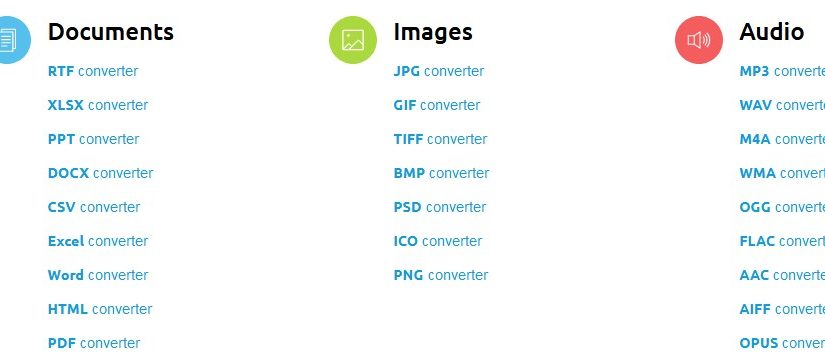
This is an easy-to-use online converter which is the right choice for any type of file format. It enables you to convert various formats like
Video
Audio
Images
Documents
PDF
Archive
eBooks, etc.
It is suitable to use in home as well as in office. If you have a lot of data to be converted then you have to purchase its monthly or yearly packages.
Freemake Video Converter
Freemake video converter is also included in the list of the best video converters. It supports many languages to provide convenience to users. It is compatible with Windows operating system.
You can download the videos for conversion for different websites like Facebook, YouTube as well as from your computer. Its process of conversion is not complicated so anyone can use it.
It also offers you some features like editing, resizing, compressing the video, etc. Unprotected DVDs are also ripped by using this free converter.
7-PDF Maker
It is an online converter through which you can convert many formats into PDF like;
Documents
Images
Math
AutoCAD
This file converter is straightforward to use so you can transform your files into PDF without any difficulty. It doesn’t provide you many features but it is an ideal free converter for a compact PDF conversion.
Go4Convert
It is the online converter through which you can convert various formats into EPUB. For example;
Word to EPUB
PDF to EPUB
HTML to EPUB
MOBI to EPUB
Text to EPUB
It gives you the convenience to convert more than one file simultaneously without compromising the quality. In the conversion procedure, all the data, images, graphics, tables, columns, and hyperlinks, etc. are saved.
To the uninformed, ethical hacking is a criminal practice criminal minds use to tap the data of innocent people. Though it may have some truth in it, Ethical hacking has played a huge role in the world of cybersecurity today. It has helped firms fortify their security and also helped government official gain access to fortified criminal data. In this article, we explore a list of best tools for ethical hacking. These tools are listed below:
1. NMAP
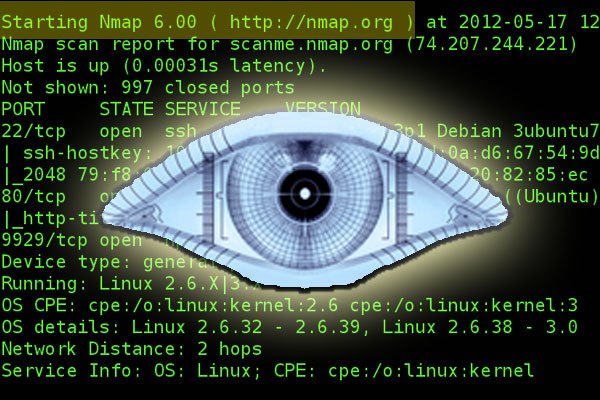
Popular amongst infosec professionals, Nmap (Network Mapper) is an open source security tool that is used by infosec professionals to manage and audit network and operating system security for both local and remote hosts. Despite being more than twenty years, NMAP has constantly been updated. These updates have made NAMP remain relevant in the ethical hack business.
NMAP helps professionals Audit device security, helps detect open ports on remote hosts, helps network mapping and enumeration. NMAP helps find vulnerabilities inside any network, it helps professionals launch massive DNS queries against domains and subdomains. NMAP is supported on MAC OS X, Linux OpenBSD, and Solaris and Microsoft Windows
2. Metasploit
Metasploit is an open source cyber-security tool, that is used as a penetration testing tool to discover remote software vulnerabilities. It is also used as an exploit module development platform.
Metasploit features a framework developed using Ruby. This framework can be used to develop, test and execute exploits easily. The Metasploit framework features a set of security tools that can be used to evade detection system, run security vulnerability scans, execute remote attacks, enumerate networks and hosts. Metasploit is available on Windows, Mac OS X, and Linux
3. Burp Suit
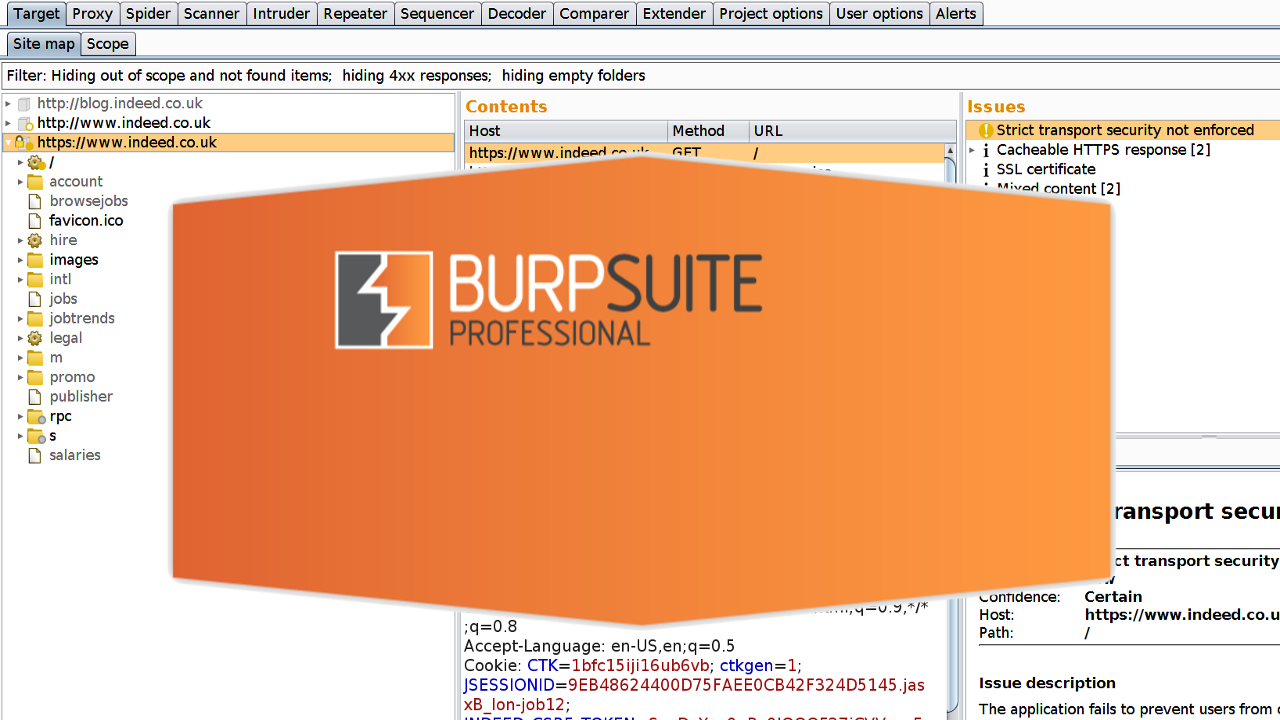
Burp Suite is a tool used in performing security testing of web applications. It houses tools, that work in collaboration to support the entire testing process, om initial mapping and analysis of an application’s attack surface, through to finding and exploiting security vulnerabilities.
Burp suit offers an easy to use interface, giving the administrator full control to combine advanced manual techniques with automation for efficient testing. Burp settings allow for easy configuration. It houses features designed to help users with their work, assistance that aids both the beginner and the professional.
4. Wire Shark
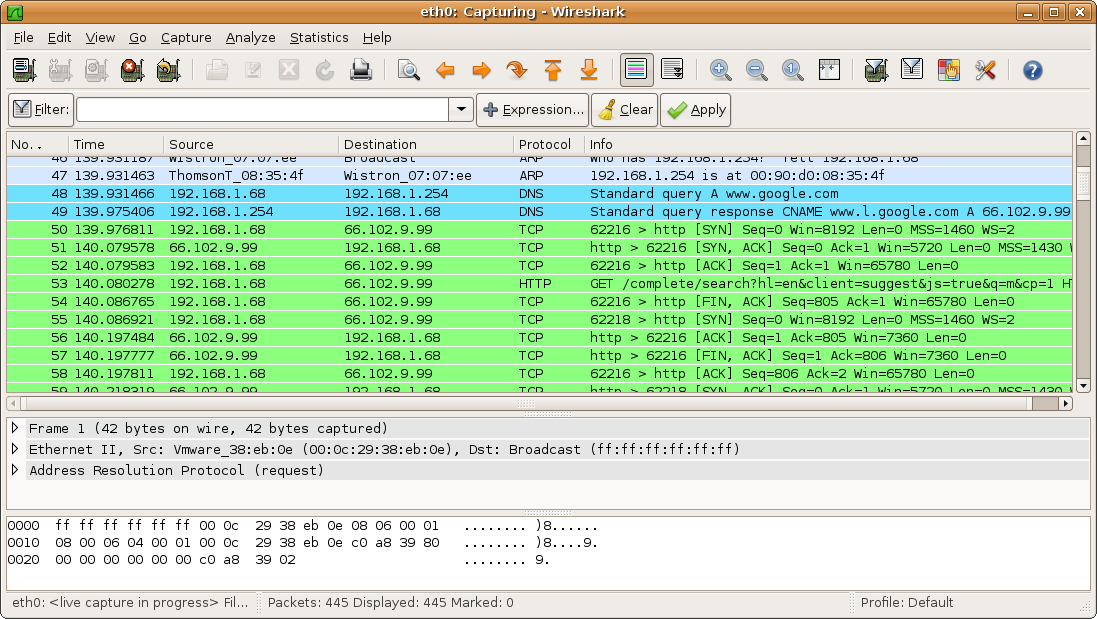
Wire shark is yet another open-source software that can be used to analyze network traffic seamlessly. Wire Shark is popular for its ability to detect security problems in any network, as well as its effectiveness in solving general networking problems.
Wire Shark allows users to intercept and read results in human-readable format while sniffing the network. This makes it easy to identify potential problems, threats, and vulnerabilities.
Wire Shark saves analysis for offline inspection, it features a packet browser, powerful GUI, Rich VoIP analysis. Wireshark Inspects and decompresses gzip files, exports results to XML, PostScript, CSV, or plain text and lots more.
5. Open AVS
Popularly referred to as Nessus, OpenVAS is an open source network scanner that is used by professionals to detect remote vulnerabilities in any host. OpenVAS is famous for its ability to scan network vulnerability.
OpenVAS features a powerful web-based interface, over 50,000 network vulnerability tests, simultaneous multiple host scanning. OpenVAS has the ability to stop, pause and resume scan tasks. OpenVAS features a very powerful CLI available. OpenVAS is fully integrated with Nagios monitoring software.
6. IronWASP
Still, on the topic of best tools for ethical hacking, IronWASP is yet another awesome hacking tool, designed for professionals. IronWASP is a free and multi-platform tool, that makes ethical hacking fun.
IronWASP offers a very intuitive GUI, designed for both the expert and the beginner. It lets users perform full scans from a few clicks. IronWASP features web scan sequence recording, exports results into HTML and RTL format. IronWASL features false positive and negative management. It has full Python and Ruby support for its scripting engine. It is supported on Windows, Linux with Wine, and MacOS using CrossOver
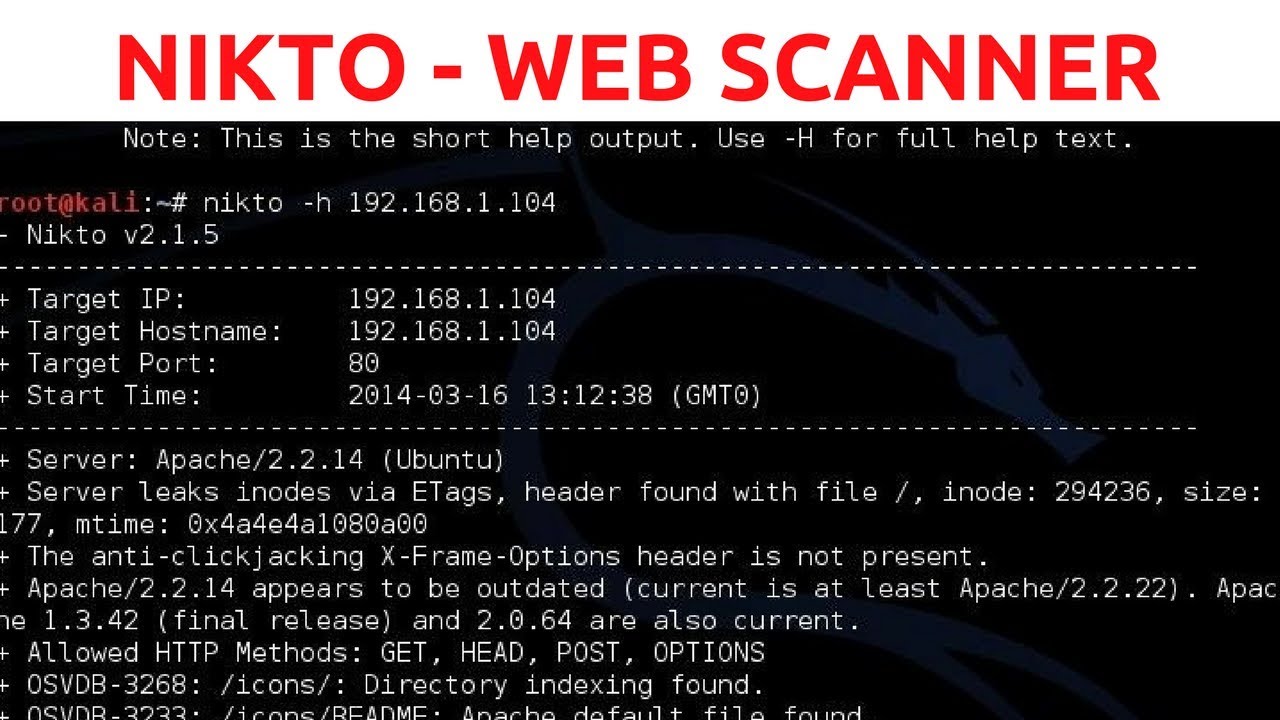
7. Nikto
Niko is yet another ethical hacking tool, that is used to scan web serves. It lets users perform a different type of test against the specified remote host. It features a clean and simple command line interfaces, that makes it easy to launch any vulnerability test against your target.
Nikto detects default installation files on any OS, it also detects outdated software applications. Nikto can be used to run XSS vulnerability tests. Nikto can be used to launch dictionary-based brute force attacks. Nikto can be integrated with the Metasploit framework.
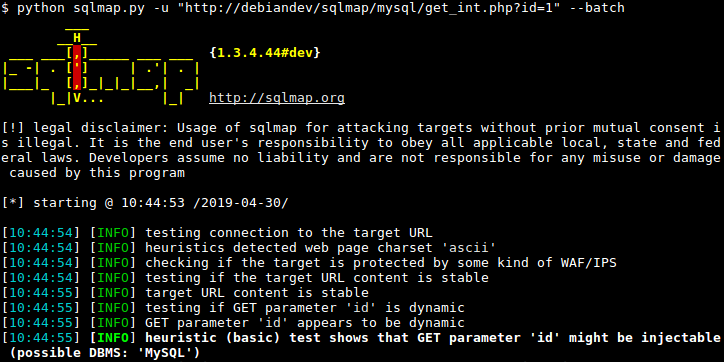
8. SQLMap
Written in python, SQLMAP is a cybersecurity tool, that helps security researchers launch SQL code injection test against remote hosts. SQLMAP can be used to test different types of SQL based vulnerabilities, helping professionals harden the security of apps and servers.
SQLMAP features a Multiple database server support: Oracle, PostgreSQL, MySQL and MSSQL, MS Access, DB2 or Informix. It has automatic code injection capabilities, password hash recognition, dictionary-based password cracking, user enumeration and lots more.
9. SQL Ninja
SQL Ninja is a vulnerability scanner, that is bundled with Kali Linux distribution. SQL Ninja is a tool used to target and exploit web apps that use MS SQL server as the backend database server.
SQL Ninja can be run in different modes. Examples of such modes include: Test mode, verbose mode, fingerprint remote database mode, brute force attack with a word list, direct shell & reverse shell, canner for outbound ports, reverse ICMP Shell and NS tunnelled shell
10. Wapiti
Last but not least, Wapiti is yet another ethical tool designed for professionals. It open-source command line based vulnerability scanner written in python. It is famous for its ability to find security flaws in many web applications.
Wapiti can be used to detect security holes like XSS attacks, SQL injections, XPath injections, XXE injections, CRLF injections, Server-Side request forgery. Wapiti has the ability to pause and resume scans, it highlights vulnerabilities found inside the terminal, generates reports and export into HTML, XML, JSON, and TXT activates and deactivates multiple attack modules, Removes parameters from certain URLs. Wapiti can be used to bypass SSL certificate verification, URL extractor from javascript, timeout configuration for large scans and lots more.
There you have it – A comprehensive list of the best tools for ethical hacking. If you have other recommendations, feel free to drop them in the comment section below. we would love to hear from you.
It might interest you to know that you can now configure your java phones using the latest opera mini 5.2 free. examples of java phones are: Nokia C1. Nokia C2, Nokia C3, Nokia 200, Nokia 210 Nokia 2730 Nokia 5300 etc.
* From your phone click on the menu * Click on setting * Select default configuration setting * Chse the Airtel, Etisalat, Mtn, Glo provide file * click on option * Select default that all Open the cast opera mini 5.2 and use these setting on any java phone.
After waiting for a little over a decade, PayPal arrived Nigeria in 2014 – arrived Nigeria with a half-baked service. A service that does little than market foreign products to Nigerians and prevent Nigerians from marketing theirs.
From the first day they stepped into the Nigerian Market, the intent was quite clear. To make maximum profit from the Africa’s second largest economy and deliver nothing in return. Yes, I said that, the service PayPal provides to Nigerians is completely one dimensional and only profit foreign companies and businesses abroad.
PayPal would fully accept Nigerians only when their US allies has found a more reliable means to do business. Nigeria has always been the dumping ground of failed US investments. It will come of no surprise if PayPal turn to Nigerians – desperate to do business with them – only after their popularity among US companies has declined. See why we think so.
Do Nigerians Really Need PayPal?
In case you are new to the current system, Nigerians can only pay money with their PayPal account but cannot receive money with their accounts. Some Nigerians has led various campaigns, asking that they should be able to receive money through their accounts like in many other countries where PayPal exist. But this campaign don’t usually make it past as many social media platforms.
Nigerians need PayPal both on the individual scale and the corporate scale. There are so many companies looking to integrate a reliable, convenient and globally accepted payment gateway to their online store. PayPal is one of the few payment gateways meeting such criteria. Some individuals, especially freelancers has found themselves in a position where having a PayPal account is the only thing standing between them and a life-transforming job.
Just recently, one Kofi Rukky called out PayPal on change.org. She asked that they should allow Nigerians receive money through their PayPal accounts. The petition like every other campaign, fell on deaf ears even after gaining the attention of over 1200 Nigerians.
Like so many other Nigerians, we have often pondered on the reason why PayPal isn’t fully functional in Nigeria. Reasons why Nigerians cannot receive money through their accounts? In our twitter handle, Geek NG and 3rd Planet Techies responded to our question on why PayPal doesn’t send money to Nigerians. They suggested that “Nigeria is still considered a high risk country, the possibility of getting a full PayPal service is pretty slim”.
Is Nigeria Really that Bad?
Nigeria as a country has long being associated with fraud. How can we ever forget the “Nigerian Prince”? The advance fee fraud has also earned popularity across the globe.
How far away is the 1960s from today?
Does time really change yesterday? PayPal doesn’t think so.
Miss Kofi Rukky is just one example of a Nigerian who is relying on the internet to earn legitimate income for themselves. As at March 31, 2017 there are 93,591,174 people accessing the internet from Nigeria. 8th position in the world’s overall ranking of internet users. According to Internet World Stats, this population amounts to 2.5% of the overall internet internet users in the world (3,731,973,423). It is likely to grow at the rate 46,695.6% in the coming year.
This population of internet users are composed of Bloggers, Programmers, Internet Marketer, Developers, Designers and various other professionals. Professionals who has come to the ‘free web space’ seeking a legitimate way to earn income. It is also important to note that this population has its fair share of cyber criminals and 419 internet frauds.
But is it fair to punish an entire population seeking to make clean income because of a crime committed by a few individuals? I’m sure Byron Howard and Rich Moore of Zootopia will disagree.
Sift Science Disagrees Too
Out of curiosity, I was forced to conduct a research on economic cyber-crime. And it was alarming to know that even the USA has more e-commerce fraud than Nigeria. Really, Nigeria is not even in the top 10. Sift Science has developed a comprehensive analysis on e-commerce fraud activity from practically everywhere in the world. Nigeria, contrary to the general assumption, lies 7 places away from the top 10 countries involved in e-commerce fraud.
The research showed that people in the smaller countries (in terms of population) like Latvia, Egypt, Mexico, Ukraine, etc are found to participate more in e-commerce fraud than Nigerians. Even bigger economic countries like Russia and the USA has earned its place in e-commerce crime above Nigeria.
Most US Companies are Losing Trust in PayPal
Knowledge has increased. US companies are becoming more aware of the loopholes associated with PayPal. Really, if their system is as secure as they claim, why the need to alienate a certain individuals? That is a debate for another day.
Minimizing cost and maximizing profit is the basic objective of every business. Over the years, PayPal hasn’t helped most businesses in the US towards achieving this basic business objective. Customers who do not have a PayPal account and wishes to buy products has to go through the rigorous process of creating a PayPal account. This in return makes companies/businesses lose potential revenues and clients.
It has also being argued that PayPal puts customers at a risk of identity theft as they demands too much personal information, makes misleading claims, tricks people into signing up and creating an account they don’t want and extorts more personal data from those who signed up. With too much privacy questions raised recently, it wouldn’t be surprising to see people considering a life after PayPal. And with Bitcoin gaining more international recognition, it is only a matter of time before more serious businesses start jumping ship.
Why PayPal needs Nigeria?
Nigeria’s economy is the second largest in Africa ( after South Africa) and her banking system is one of the best in Africa. Nigeria is the most populous nation in Africa and the 7th most populous in the world. PayPal would get to realize that there are lot of business people in the country. People who are willing to use their accounts for legitimate businesses in Nigeria.
Also, operating in Nigeria opens a unique opportunity for them in Africa. As the arguable giant of Africa, the success of most businesses in Africa depends on how successful it is in Nigeria. Several companies has denied services to Nigeria on the basis that there is no payment gateway for Nigerians.
PayPal full arrival to Nigeria will mean more companies extending their services to Nigeria. More revenues generated for both parties and more happy Nigerians. Everybody wins! But PayPal won’t see this until their US allies turn their back on them.
A compilation of Vodafone Qatar recharge codes for daily, weekly and monthly internet data plans
Just moved into Qatar? Here is a list of Vodafone Qatar internet pack activation and deactivation codes. We have selected all the offers in place and grouped them into daily, weekly and monthly plans.
With this page, you will be able to get started with Vodafone QA internet. We will show you how to configure your device for internet access, list of internet plans available and how to check your data balance. Note that when you use all your data allowance or do not have a data plan, you’ll be charged on a standard rate of 55Dhs/MB
Vodafone Internet Settings
If you need internet settings for you phone send the word “Internet” to 802. In less than 2 minutes you will receive the settings to your device
Vodafone Online Recharge
First, you need to know that Vodafone QA has setup a nice platform online for Qatar users to directly recharge their data packs and purchase call credits online. The website accepts payments via Visa & MasterCard.
The Vodafone QA online payment platform is pretty easy to use and free to access. However, if you prefer to recharge your internet plans directly from your dialing pad, keep scrolling.
Vodafone QA Daily Plans
The daily 24 hours internet plans are suitable for those with small internet demands.
Internet Plan
Data Allowance
Price
Activation Code
Validity Period
Description
Daily Pack 1
10 MB
QR1
Dial *100# or *200*302#
Same Day till Midnight
Auto-renewed when internet is used.
Daily Pack 5
250 MB
QR5
For Prepaid Dial *200*500# and Postpaid Dial *110*120#
24hours (1 day)
Data plan is not auto-renewed
Vodafone QA Weekly Internet Plans
Spending a week vacation in Qatar? The weekly internet pack is probably what you need. It offers data allowance ranging from 75 MB to unlimited bandwidth.
You can also use the weekly plan to download unlimited amount of movies and musics to watch during the weeks. If you are a heavy internet user, I suggest you use the weekly internet plan.
Internet Plan
Data Allowance
Price
Activation Code
Validity Period
Description
Weekly Pack 6
75 MB
QR6
Dial *100# or *200*306#
7 days
Can be auto-renewed on days when internet is used.
Weekly Pack 10
150 MB
QR10
Dial *100# or *200*710#
7 days
Can be auto-renewed.
Weekly Pack 20
1 GB (1,000 MB)
QR20
Dial *100# or *200*720#
7 days
Can be auto-renewed.
Weekly Pack 100
Unlimited
QR100
Dial *100# or *200*600#
7 days
Can be auto-renewed.
Vodafone QA Monthly Internet Plans
If you are an average internet user, here is a list of monthly internet plans you can choose from.
My vodafone app is a mobile application that lets you manage your Vodafone account straight from your smartphone. My Vodafone app gives you ability the view all the details about your mobile line as well as recharge your voice credit and data plan.
The app is available for Android and iOs devices and it’s completely free to download and install.
Smart Data Rate
Vodafone Smart Data Rate is a fall-back alternative when your data plan is depicted.
With Smart Data Rate, once you finish the data in your monthly Postpaid plan or the data in your Prepaid Internet Pack, you’ll be charged a discounted rate up to 95% for the additional data you use rather than the standard data rate of 99Dhs/MB (effective 22 April, 2016).
How it works:
Once a customer is subscribed to Smart Data Rate, the additional data is added in steps after they have finished all the data in their plan or internet pack as shown below:
Postpaid Smart Data Rate Steps
Additional Data
Charges
Validity
Step 1
0 – 200MB
QR 20
End of bill period
Step 2
200 – 400MB
QR 20
End of bill period
Step 3
400 – 600MB
QR 20
End of bill period
Step 4
600 – 800MB
QR 20
End of bill period
Step 5
800 MB+
10 Dhs/MB (100QR/GB)
End of bill period
Prepaid Smart Data Rate Steps
Additional Data
Charges
Validity
Step 1
0 – 150MB
QR 3
Until Midnight on the same day
Step 2
150 – 300MB
QR 3
Until Midnight on the same day
Step 3
300 – 450MB
QR 3
Until Midnight on the same day
Step 4
450 – 600MB
QR 3
Until Midnight on the same day
Step 5
600 – 750MB
QR 3
Until Midnight on the same day
Step 6
750 MB+
2Dhs/MB
Until Midnight on the same day
Smart Data Rate Activation/Deactivation:
Smart Data Rate is free of charge for both Postpaid and Prepaid customers!
Postpaid: Dial110111# to activate for FREE and Dial *100# and follow the menu to deactivate
Prepaid:Dial200111# to activate for FREE and Dial 250111# to deactivate
Like 2016, 2015 started with a lot of promises and big time resolution for technology companies, but unfortunately, not all those technologies made it through the year.
A large number of services/technologies either died, discontinued or gradually faded away in 2015. For every success recorded in 2015, there was a complementing failure. There is no shame in it, after all, the market is a battlefield. Some technology will fall to a better competition, others will simply fail to replicate the first spark there product generated or just not good enough in the modern trend. However, before we welcome what 2016 have in stock for us, let’s pause to remember five notable products and services whose death in 2015 will forever remain in our memory.
Replaceable batteries (c. 1954-2015)
Replaceable batteries (c. 1954-2015)
The 61 long years of replaceable batteries finally came to an unexpected end in 2015 – well, in a way. If you used Samsung smartphone in 2013 then you are no stranger to short battery life, but then, you can at least carry 3 backup batteries in your pack… Not anymore!
The movement was first started when Apple decided that it could reduce the weight of devices by sealing non-removable batteries in their systems. Introducing the non-removable battery technology with the original iPhone and the first MacBook Air, and it has since stuck with this plan.
Today, no Apple products feature replaceable batteries, and neither does much of anything else. This year even the Samsung Galaxy Note line, long known for replaceable batteries, ditched them too. Today, the LG G4 is the only mainstream smartphone left that has one. We’re calling it dead except in niche or corporate products as of this year.
Windows RT (2012-2015)
Windows RT (2012-2015)
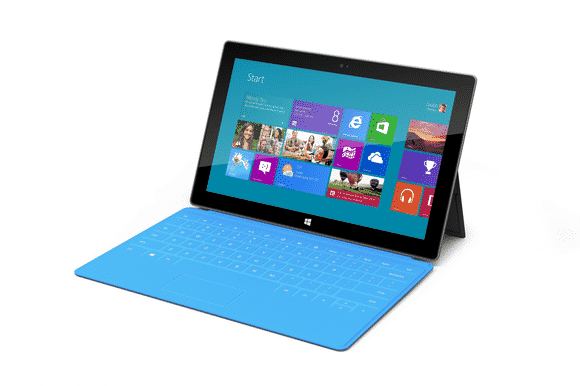
Microsoft had only 3 years to surrender their failed attempt to create a cheap lite version of disastrous Windows 8. This “lite” version of Windows 8 was created for lower-power, cheaper tablets that couldn’t run the full-fledged OS.
RT-powered Windows tablets met with immediate disdain due to performance problems, a lack of software, and compatibility issues. Development on the OS ended in 2013, and when the Surface 2 was discontinued in February, Windows RT breathed its last. All Windows RT support formally ends in January 2018.
Mozilla Firefox OS for Smartphone (2013 – 2015)
Mozilla Firefox OS for Smartphone (2013 – 2015)
In February 2013, Mozilla founded an initiative that let you have an open, web-based framework that anyone could work with, instead of closed platforms and apps – Firefox OS.
Firefox OS proved the flexibility of the Web, scaling from low-end smartphones all the way up to HD TVs. However, the OS couldn’t stand the competition from other tech giants or “weren’t able to offer the best user experience possible” as the owners claimed and hence the death of this initiative.
Even if Mozilla has maintained that they are still willing to “experiment” with the software on smart devices — they just won’t be the kind of devices that make phone calls.
Amazon Fire Phone (2014-2015)
Amazon Fire Phone (2014-2015)
After upending publishing, retail, and cloud services, Amazon took on the cell phone industry in 2014 with its first-ever smartphone.
It will probably be its last.
The idea wasn’t particularly bad in concept: The Fire Phone was ambitious, designed to integrate with the retailer’s various offerings and make it easier to take advantage of the many services available to Amazon Prime members, along with more standard Android features. But for a phone focused on media consumption, the Fire Phone was undercooked and complicated, and its unique features just didn’t work well enough. Massive discounts began within months, and Amazon pulled the plug barely a year after launch.
Internet Explorer (1995-2015)
Internet Explorer (1995-2015)
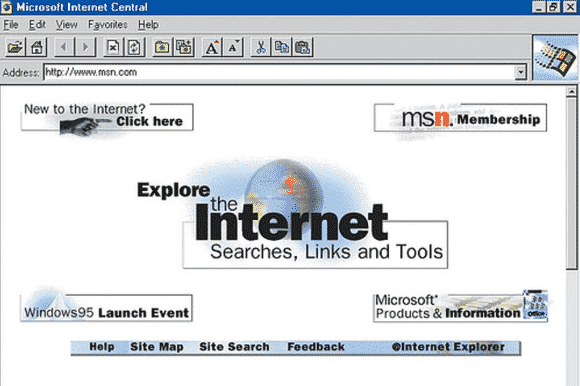
The death of Microsoft Internet Explorer will probably be celebrated as the death of a tyrant by some PC users. Can it be that we’ve suffered for a full 20 years with good ol’ “Internet Exploder?” Designed as a competitor to Netscape—Netscape!—back in 1995, IE once boasted market share of over 90 percent, and as recently as 2009 still had a share of over 60 percent.
The dramatic rise of Chrome and, to a lesser extent, Safari killed IE, but the death blow has been delivered by Microsoft itself. While some of its code is still buried inside the guts of Windows 10, IE is effectively no more, replaced by Microsoft Edge—which was developed entirely separately from IE—as the default Windows browser. Microsoft has already announced restricted support plans for IE and will sunset it along with older versions of Windows.
A group of cyber activist has claimed that it downed Donald Trump’s website after the later said the United States government should ban muslims from entering the US. The statement has since triggered missed reaction around the globe including a threat YouTube video by Anonymous – a group of online activist allegedly fighting ISIS the cyber way – citing that Trump’s comments would help the Islamic State group recruit terrorists.
The site was unavailable during the early afternoon of Friday, and according to a media report had been down for about an hour earlier in the day. Around 9 a.m. Friday there, the Anonymous Twitter account @YourAnonNews posted tweets saying the group had taken down the site.
Trump Towers NY site taken down as statement against racism and hatred. https://t.co/n5ftLrOs1P (what you see is cloudflare offline backup)
In a video the group posted on YouTube, the cyber activist warned that “Donald Trump, think twice before you speak anything,”. The YouTube video was heavily modified to avoid voice detection.
Anonymous frequently hacks websites in the name of political causes and says it is engaged in a cyberwar against the Islamic State. It claims to have taken down thousands of Twitter accounts that support the group.
Earlier this week, Trump said the U.S. should bar all Muslims from entering the U.S. as a measure to prevent terror attacks, “until our country’s representatives can figure out what’s going on.” The statements drew widespread condemnation in the U.S. and elsewhere but support from some right-leaning commentators. An NBC/Wall Street Journal poll found 57 percent of Americans opposed the idea.
This isn’t the first time Anonymous has targeted Trump. In August, the group broke into Trump.com in order to leave a message to Jon Stewart as he was about to leave The Daily Show. As we await the group’s next move, they’ve already announced that Friday will be a day to troll ISIS.
Trump is the leading Republican candidate in the 2016 presidential election.
The buzz is real! Mozilla is putting an end to the development of Firefox OS for smartphone.
Following rumours and tweets in the social media, Techcrunch has published a post that confirms that Firefox OS will no longer be developed for smartphones. This unwillingness of Mozilla to continue their quest for mobile phone democracy which let you have an open, web-based framework that anyone could work with, instead of closed platforms and apps was triggered due to the team’s inability to deliver “best user experience possible”, the statement reads.
“We are proud of the benefits Firefox OS added to the Web platform and will continue to experiment with the user experience across connected devices. We will build everything we do as a genuine open source project, focused on user experience first and build tools to enable the ecosystem to grow.
Firefox OS proved the flexibility of the Web, scaling from low-end smartphones all the way up to HD TVs. However, we weren’t able to offer the best user experience possible and so we will stop offering Firefox OS smartphones through carrier channels.
We’ll share more on our work and new experiments across connected devices soon.”
Although the mobile OS was massively use in some part of Africa and South America, mostly because of its price, the brand was unable to maintain their stand in the smartphone market with other cheaper alternatives emerging from every corners of the world.
However, Mozilla has maintained that they are still willing to “experiment” with the software on smart devices — they just won’t be the kind of devices that make phone calls.
Normally, the images you looked up on Google’s image search page usually disappears the moment you close your browser/tab. However, Google has introduced a new feature that will let you bookmark an item and add it to a collection for easy future access when next you visit the page or better still, search it directly from your mobile browser.
Let’s say you’re searching for “bob hairstyles” on Google and an image catches your eye. Simply select it and tap the star. Next time you’re at the stylist, you can easily access the picture without having to dig around or do another search.
To star an image simply search for whatever phrase you want, pick the images you like and tap the star icon to save them. You can also organize these saved images into folders, thereby eliminating the need to run the search again later. The new feature is already available to mobile users in the US running both Android and iOS.
After one month of intense debate, a Swedish court has ruled that it cannot force ISPs to block their customers’ access to file-sharing site The Pirate Bay. Reports reaching us says that TheLocal.se and safeguards citizens’ access to the site, despite it being used to distribute copyrighted material.
Pirate Bay for the past 10 years has been home for countless pirated copies of music, videos, games and softwares. Hence, triggering Universal Music, Sony Music, Warner Music, Nordisk Film and the Swedish Film Industry to try and force ISP Bredbandsbolaget into blocking the service, as it has been in many other European countries. In the UK, for example, none of the major national ISPs allow access to the page following court orders.
However, the action was unsuccessful, at least at District Court level.
The court found that Bredbandsbolaget couldn’t be held responsible for the copyright infringement of its customers’ actions while using the service as it doesn’t constitute a crime under Swedish law, according to the report. As such, it’s also not liable for any of the fines.
While it could still be overturned by a higher authority appeals court, the group representing the copyright holders will have to pay the ISPs legal costs thus far, which is more than $150,000 according to TorrentFreak.
As a UK citizen – and therefore subject to the court-ordered bans in place here – it’s nice to see an ISP’s resistance to copyright holder demands be upheld by the court, whether or not it holds in the longer term, or other countries follow suit, remains to be seen.
Google’s services are not available in China, but that isn’t stopping it from making a significant investment in a company based on Chinese soil. The U.S. search giant is backing Mobvoi, a three-year-old company specializing in mobile voice technology.
The duo already have business ties. Mobvoi is the company that Google picked to bring Android Wear, its operating system for wearables, to China, so this deal takes things up to the next level.
The size of the investment, which is a Series C round for Mobvoi, has not been disclosed, but Mobvoi co-founder Yuanyuan Li confirmed that Google has become a minority shareholder. The deal, she said, takes the company to $75 million in investment to date. Since Mobvoi previously raised $10 million Series B and $1.6 million Series A rounds, Google’s investment is just shy of $65 million.
Update: Mobvoi has clarified to TechCrunch that it raised previously unannounced funding rounds so the amount invested by Google is lower than the $60-65 million that we originally reported. The company declined to disclose the value of those unannounced rounds or Google’s investment when we asked directly.
Beyond the Android Wear deal, the two companies have plenty in common. Beijing-based Mobvoi was started by ex-Googlers — CEO Zhifei Li and CTO Mike Lei are both former research scientists with Google U.S. — and Li said the company’s DNA is heavily influenced by the tech giant.
“We used the Google model from day one,” she told TechCrunch in an interview. “We wanted to have same culture and team values. The co-operation [on bringing Android Wear to China] went really well… and [Google] showed interest and decided to make an investment.”
On the business and product side, Mobvoi is very Googley, too.
The company is probably best known for Chumenwenwen, a mobile voice search service very much in the style of Siri or Google Now. The service is akin to a virtual butler, allowing users to perform a range of tasks — including search, checking weather, buying items, and more — just using their voice. Li said the company has struck deals with over 100 content partners to give users access to various services via Chumenwenwen.
Mobvoi used its natural language technology to build out its own smartwatch software, too. Ticwear is a ROM that pairs with Android Wear to make the Google-run operating system — which is kneecapped in China thanks to the government’s blockage of Google services — work in mainland China.
Beyond developing smartwatch software, which works on selected watches like the Moto 360, Mobvoi went a step further and developed its own hardware: the Ticwatch. Li said the company has sold 30,000 units of the smartwatch, which is priced between $160-$190 in China, but it remains focused on software development.
“Our goal isn’t to be a watch manufacturer, [but] we’re happy to see early adopters buying our product,” she said.
Mobvoi said it will use its new financing to hire talent from across the world and continue refine its software services — Ticwear is updated every two weeks, much like Xiaomi’s approach to its MIUI Android software — while it is plans to dip its toes into robotics and it is also working on its own in-car software. That latter product is, again, much like a Chinafied version of Apple’s CarPlay or Android Auto from Google.
Given the many business/tech similarities between both companies and reports that the U.S. firm is looking to open up its services in China — and in particular the Google Play Store — is today’s investment a sign that Google has found the company in China to rebuild its business there?
Perhaps there’s even the possibility of a full Google buyout in the future?
Not so, according to Li.
“We value this partnership a lot, and respect Google as an investor, [but it is] still a minority investor and we will focus on what we believe in and in our products,” she told TechCrunch. “We’re not changing what we’ve planned, but there are definitely more opportunities [that will open up].”
Google, for its part, said it has “nothing to announce at this time” when we asked about potential plans to expand the scope of its partnership with Mobvoi and reopen the Google Play Store in China.
The company may be coy on its China plans, but today’s news is undoubted evidence that those plans do exist in some form. Google Inc and its Google Capital VC arm have made investments in China in the past — including a $5 million stake in music and video site Xuneli way back in 2007 — but this deal with Mobvoi is certainly its most strategic to date, and it sets off thoughts about what the search giant has up its sleeve.
Note: This post has been updated to correct the name of the Mobvoi spokesperson. Apologies for any confusion.
It’s often said that content is king, but in a typical marketing department you have a hodgepodge of content. That could include carefully-crafted web copy, blog entries and FAQs along with user-generated ratings and reviews. For many companies, at least some of this content is spread out across the site without any real connection between the product pages and the content that supports it.
SAP has a theory that spreading all of this content asunder makes it rather difficult for consumers to make informed decisions about their purchases — and this goes for any type of sale, whether a consumer device like a camera or something more complex like an enterprise technology purchase.
That’s why the company came out with a new product today at the Hyybris customer conference, called SAP Jam Communities, Edition for SAP Hybris Commerce. The lack of poetry in the name notwithstanding, this product is designed to help companies create a more coherent link between all of the content related to the product and the product itself.
Just to parse that title for you for those who aren’t familiar with SAP, Jam is the company’s community product, created several years ago to facilitate employee communication. Hybris is an ecommerce product SAP bought in 2013. Bringing the two technologies together, SAP is hoping to create sites and apps that help consumers when they need it most with an appropriate level of content, whether from the company or community.
To achieve that, the company says the tool was built with what it called “an API-first” approach. In practice this means, that every component of the service is containerized, delivered as a micro-service and pluggable into any web page or app. This should allow customers to build a customized ecommerce experience that can adjust the appropriate amount of content, depending on the product’s complexity.
For example, if the product involves a fairly easy buying decision like a $10 external battery for your cell phone, then simple ratings and reviews will probably suffice, but as the buying decision gets more complex, it requires a more detailed content from various sources to walk the buyer through the purchase process — like say a car or a wind turbine
The eventual goal of any ecommerce tool is to get the visitor to buy something without leaving, and to that end, each page includes whatever content the system designers might deem necessary for a particular product, and a Buy button. In the case of a more complex product, buyers might see a button for contacting a sales person, distributor or dealer, who can provide more information and begin to push the sale further along.
SAP is hoping that this approach has advantages over traditional content marketing and ecommerce strategies where it has been difficult to measure the ROI of the content part of the process. That’s because the content has sometimes lacked a coherent connection to the buying experience itself, often left on a disconnected landing page.
By including more of the content within the sales process instead of in a separate place, the company believes it should make it easier to measure the effectiveness of your content against actual sales, giving companies easier access to data that had previously been much more difficult to tease out.
SAP officials hinted that this could be the first of a series of enterprise-community products. eCommerce was a natural fit, especially since the company owns Hybris, but building the product using micro services was an intentional strategy to make the product transfer more easily to other scenarios in the future.
DEVELOPING – Just days after the U.S. government accused North Korea of hacking Sony Corp’s computers, outages have occurred to North Korea’s internet, eventually going completely offline. The country has four official networks that connect them to the internet, all of which are ran through China. The connections began experiencing problems yesterday, and as of today it officially went black, according to Doug Madory, director of Internet Analysis at Dyn Research in Hanover, New Hampshire.
U.S. President Barack Obama said last week that Sony Pictures Entertainment had suffered significant damage and vowed to respond. North Korea warned yesterday that any U.S. punishment over the hacking attack on would lead to a retaliation “thousands of times greater.” North Korea has said it doesn’t know the identity of the hackers — who call themselves “‘Guardians of Peace’’ — claiming responsibility for breaking into Sony’s computer network and divulging internal e-mail messages.
The situation now is they are totally offline,
Madory said. “I don’t know that someone is launching a cyber-attack against North Korea, but this isn’t normal for them. Usually they are up solid. It is kind of out of the ordinary. This is not like anything I’ve seen before.”
Because of the attack on the Sony computers, Hollywood secrets were released, data was destroyed, and the company had to cancel the release of “The Interview”, a comedy about the fictional assassination of North Korean leader Kim-Jon Un. The hack also caused thousands of Sony computer’s to be inoperable and caused the company to shut down their network.
The outage probably isn’t a cut of a fiber-optic cable, which would be shown in an immediate loss of connectivity, and other possible explanations include a software meltdown on North Korea’s Web routers or denial-of-service hacking attacks, Madory said.
Today, Marie Harf (a spokeswoman for the U.S. State Department) told reporters in Washington that she can’t confirm reports of any cyber-attacks on North Korea and won’t say what steps the U.S. might take in response to the hack on Sony.
“We are considering a range of options in response,” Harf said at a State Department briefing. “Some will be seen. Some may not be seen.”
While North Korea has four networks connected to the Internet, the U.S. has more than 152,000 such networks, according to Dyn Research.
“We have no new information regarding North Korea today,” White House National Security Council spokeswoman Bernadette Meehan wrote in an e-mail today. “If in fact North Korea’s Internet has gone down, we’d refer you to that government for comment.”
China has started an investigation into a possible North Korean role in the Sony hacking following a request from the U.S. government, a person with direct knowledge of the matter has said. The foreign ministry will cooperate with other Chinese agencies including the Cyberspace Administration to conduct a preliminary investigation, said the person, who asked not to be identified because the probe hasn’t been made public.
The internet outage was earlier reported on the North Korean Tech blog.






























































You must be logged in to post a comment.