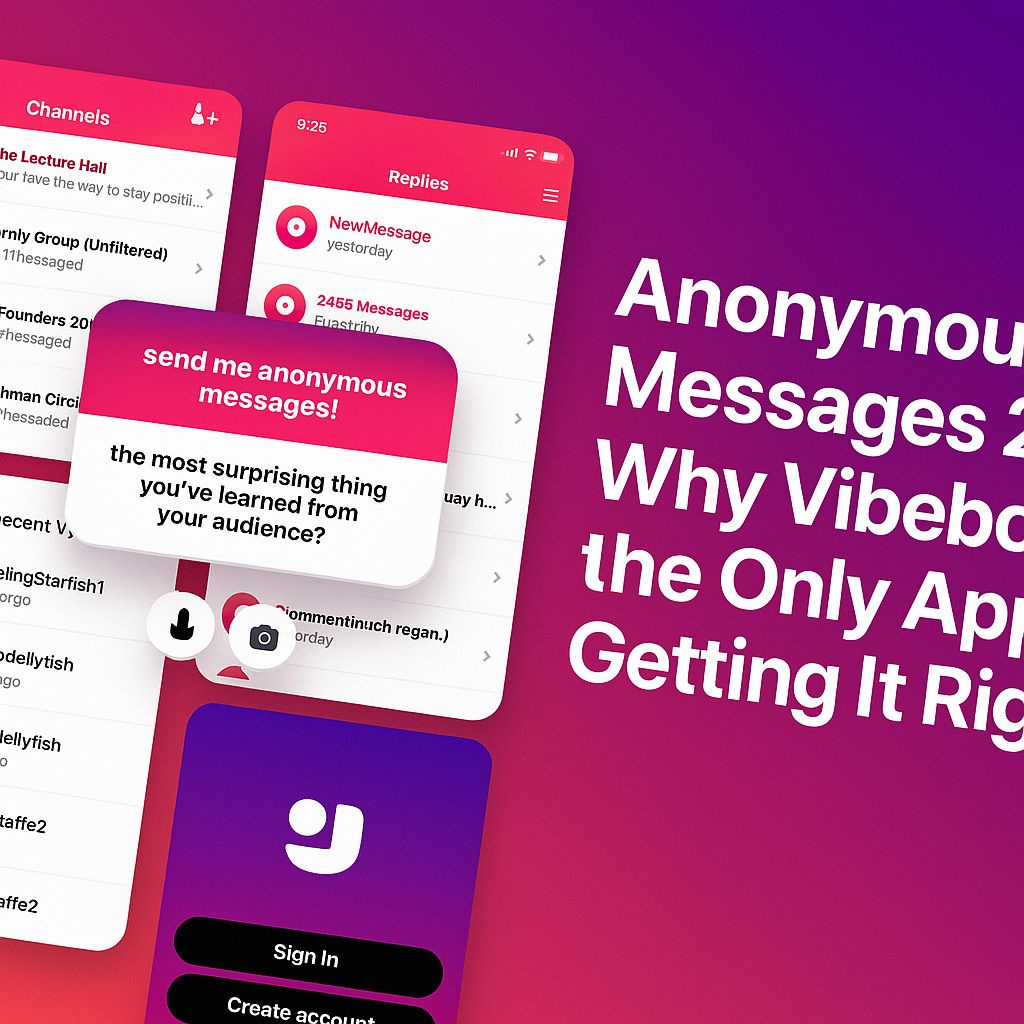
It’s 2025. An era of overwhelming DMs, “seen” zones, and social media pressure. And then there’s Vibebo — the one app that actually understands anonymous messaging, not just as a feature, but as a feeling.
After using it across both Android and iOS, here’s the honest truth: Vibebo just gets it.
It’s Not Just Anonymous — It’s Designed to Feel Safe
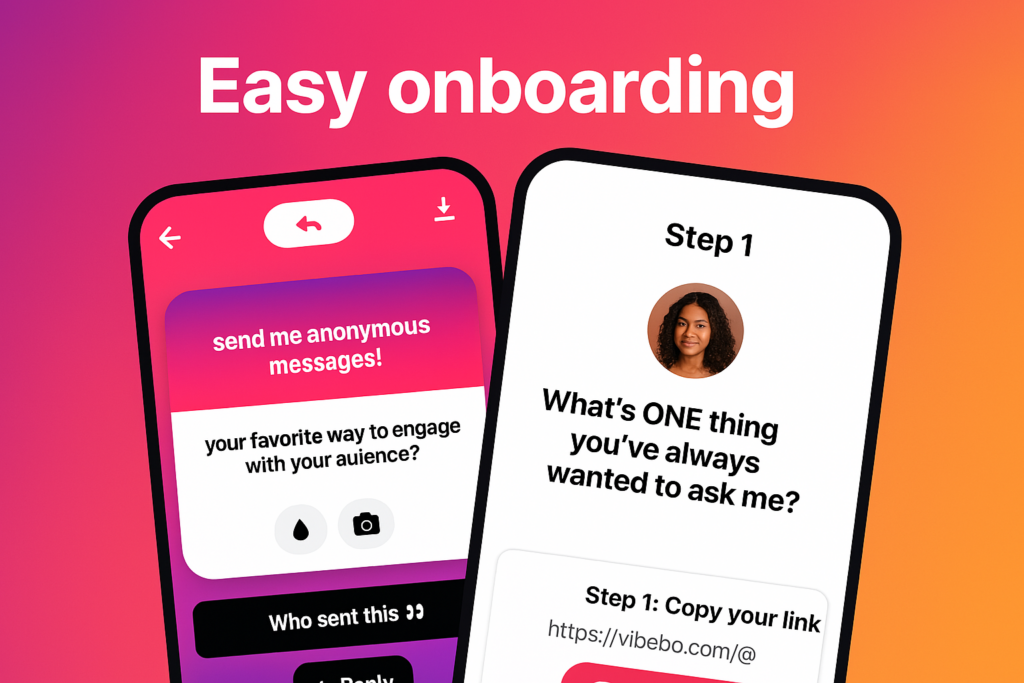
From the moment you log in, Vibebo looks and feels intentional. The onboarding is smooth. No fluff. The interface feels like it was built to reduce social pressure, not add to it.
The “Playground” tab becomes your hub — where you receive anonymous messages and get to reply, publicly or privately. But what really stands out is the level of control it gives you. You can:
Hide specific words
Block specific users (yes, even anonymous ones)
Pause your profile link anytime
And toggle Advanced Message Filtering if you’re not in the mood for chaos.
It’s like having a personal bouncer for your inbox.
Channels Are the Game-Changer
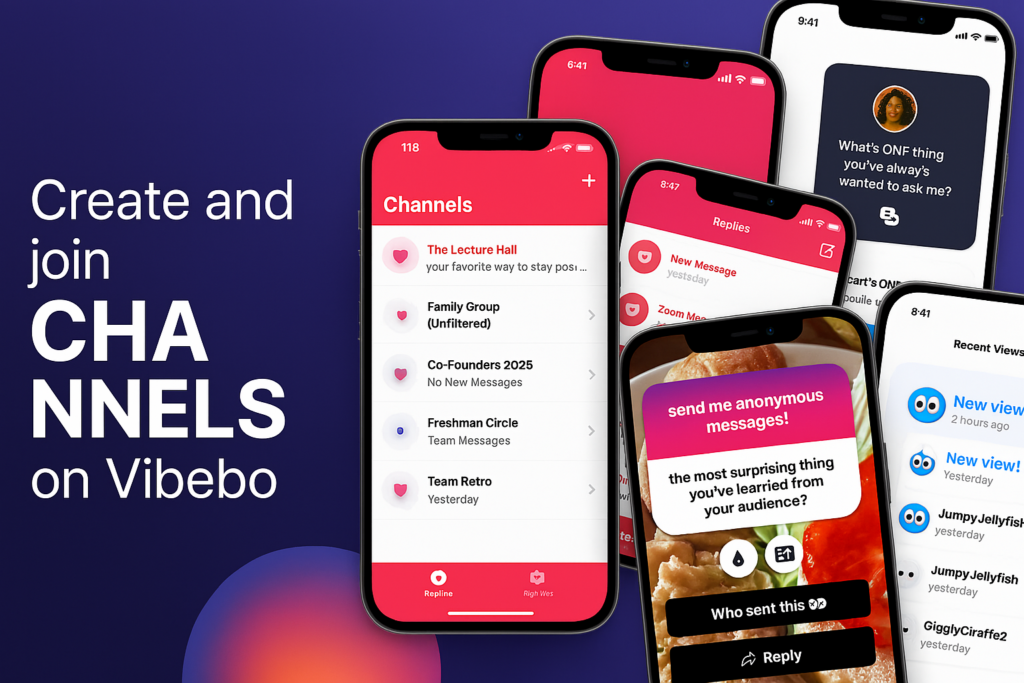
While most anonymous messaging apps are focused on individual clout, Vibebo introduces a completely new social layer: Channels.
Whether you are:
Class Reps collecting feedback
Clubs or Orgs handling suggestions
Work Teams encouraging honest input
Influencers or Creators managing fan messages
Channels let groups receive anonymous messages. That’s big. It opens the door for big or small teams to collect messages and feedback anonymously — all in one place.
As a channel owner, you get full control over message moderation. Others in your team can view the responses, but no one can delete what they didn’t start. Pure transparency. Pure vibes.
Smart, But Still Fun
Vibebo is anonymous, but it doesn’t feel cold or impersonal. There’s a touch of play in everything:
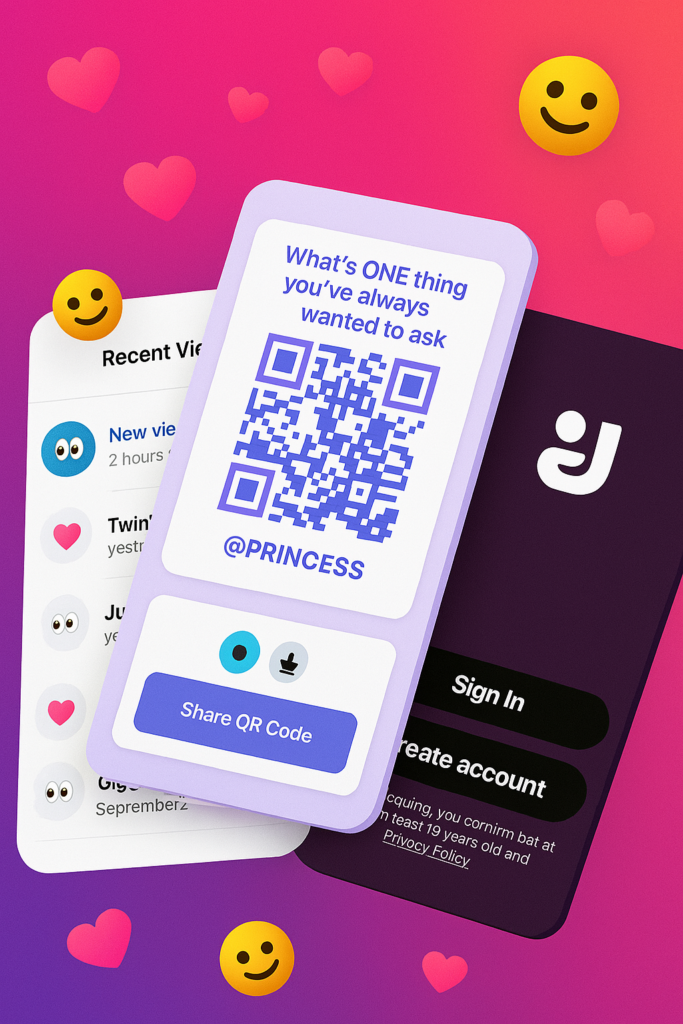
The colourful QR posters with lines like “What’s ONE thing you’ve always wanted to ask me?”
The ability to reply with a tap
The quirky usernames in “Recent Views” like JumpyJellyfish or TwinklingStarfish
It’s a mix of deep honesty and Gen Z energy. You feel seen — even when you’re unseen.
Sharing Is Effortless
Sharing your Vibebo is smoother than ever. Just tap “Share Profile,” copy the link or grab the QR code. It’s designed for real-world use — from classrooms to campus events, team-building sessions, or friend circles.
One post. One link. Endless messages.
Vibebo Feels Like the First App That Cares
Let’s be honest. Most anonymous apps end up becoming chaos. But Vibebo’s layered design — with advanced safety controls, invite-only channels, real-time views, and an actual message review experience — makes you feel safe and curious at the same time.
Are you on the lookout for the best YouTube ad blocker? Then this post is exactly what you need.
YouTube is one of the most popular online video-sharing platforms in the world, with over 2.1 billion monthly active users. Giving creators, artists, and businesses the opportunity to promote and grow their audience. It also presents students with inexhaustible streams of information. The cherry on the cake? It’s completely free to watch and upload content on YouTube.
Yet, YouTube video ads and pop-ups can be ridiculously frustrating. Viewers find it difficult to stream content on YouTube without irksome ads flying all over their screens. It slows traffic, increases data usage, and makes you susceptible to online threats, spear phishing, and other malware.
Below, we compiled a detailed list of some of the best YouTube ad blockers to aid your free streaming on YouTube and protect your device from trackers.
Best Ad Blocker for YouTube on Android, Mac, And iOS
1. AdBlock
AdBlock is an open-source software that gives users control over unwanted YouTube ads and pop-ups. With over 60 million users worldwide, it blocks third-party trackers and enhances privacy.
Key features include:
Custom ad blocking rules with filters, whitelists, and dark mode.
Advanced privacy protection against malicious ads, scams, and phishing sites.
Ad substitution—replace ads with images of animals, objects, or landscapes.
Cross-device compatibility, working on Android, iOS, and 40+ languages.
2. AdGuard
As the name implies, AdGuard blocks incredibly annoying ads and pop-ups on browsers and apps, particularly YouTube. It works by enabling a safe, web-browsing experience for users. AdGuard equally allows users high-level privacy protection from online malware and other threats harmful to their computers, networks, or servers.
Here are some key features of the AdGuard for YouTube ad-free experience:
AdGuard is available on Android and iOS, going as far as offering compatibility with various other platforms such as Chrome Extension, Windows, and Mac.
The YouTube ad blocker protects its users’ data from web trackers, consequently preventing personal information from being disseminated to unwanted sites.
One significant benefit of AdGuard is that it filters adult content via parental control options that limit children’s exposure to unsuitable content.
AdGuard also maintains web page functionality, ensuring pages load faster and limit traffic.
3. Luna
Luna is one of the top-rated mobile ad blockers, designed to block YouTube ads and pop-ups across apps and browsers without compromising user safety.
Key features include:
Broad compatibility, blocks ads on Spotify, Instagram, Reddit, Facebook, TikTok, Snapchat, Chrome, Firefox, and more.
Data-efficient browsing for a smoother experience.
Full support for Android and iOS, with both Wi-Fi and cellular data connections.
4. Adblock Plus
Adblock Plus is a free, open-source ad blocker designed to enhance the web browsing experience by eliminating video ads, pop-ups, and flashing banners.
Key features include:
Faster page loading by blocking intrusive ads.
Protection from online trackers, scams, and malware.
Selective ad blocking allows support for non-intrusive ads that help websites generate revenue.
Compatibility with desktop browsers and Android devices.
5. Ghostery
Ghostery is a powerful YouTube ad blocker designed specifically for Mozilla Firefox. It helps users eliminate unwanted ads, videos, and pop-ups, creating a smoother and distraction-free browsing experience.
Beyond ad blocking, Ghostery enhances web page speed and offers robust protection against spear phishing, spoofing, and other cyber threats.
Key Features:
Customizable ad blocking – Choose which ads to block.
AI-powered filtering for smarter, more efficient protection.
Advanced privacy protection & anti-tracking to safeguard personal data.
6. StopAd
For those searching for the best YouTube ad blocker, StopAd is a powerful solution that does exactly what its name suggests—completely stops ads. Beyond YouTube, it blocks intrusive ads across various streaming platforms, ensuring a seamless viewing experience.
Compatible with iOS, Mac, and Android, StopAd offers:
Full ad blocking – Eliminates all ad URLs, scans CSS, and filters HTML codes.
Robust web protection – Shields against ID theft, bank phishing, and online scams.
7. YouTube AdBlock
YouTube AdBlock is a dedicated ad blocker for Microsoft Edge, designed to eliminate ads, prevent scams, and reduce data usage while browsing. This Edge-exclusive extension not only blocks all types of YouTube ads but also protects users from third-party tracking, spear phishing, and spoofing attempts.
Key features include:
Unlimited YouTube ad-blocking for a seamless viewing experience.
Enhanced privacy protection to prevent tracking activities.
Cross-platform installation authorization for multiple operating systems.
30-day money-back guarantee for subscribers.
8. Total Adblock
Total Adblock is the ultimate YouTube ad blocker, designed to eliminate intrusive ads, pop-ups, alerts, and auto-play ads instantly. Available as a Chrome extension, it provides seamless browsing by blocking unwanted distractions on YouTube and other platforms.
Key features include:
Advanced ad blocking – Removes ads, notifications, and third-party trackers.
Award-winning antivirus – Enhances security against malware and online threats.
Faster browsing – Improves page load speed for a smoother experience.
Customizable filters – Allows users to tailor acceptable ads for better control.
Compatible with multiple browsers and social media platforms like Facebook, Total Adblock ensures a secure and ad-free browsing experience.
9. AdBlocker Ultimate
AdBlocker Ultimate is a top-tier YouTube ad blocker designed to eliminate ads, pop-ups, and notifications for an uninterrupted browsing experience. While it’s highly rated for iOS devices, it also supports Android and Windows, offering robust protection against phishing, malware, hackers, and other online threats.
Key features include:
Cross-platform compatibility – Available for iOS, Android, and Windows.
Browser extension support – Works on Chrome, Firefox, Opera, and more.
Advanced security – Blocks intrusive ads while safeguarding against cyber threats.
Custom whitelisting – Allows users to personalize ad preferences for trusted sites.
With AdBlocker Ultimate, users enjoy safer, faster, and ad-free browsing across devices.
Finding the best YouTube ad blocker depends on your device and browsing preferences. Whether you need a mobile ad blocker for YouTube, a fast YouTube pop-up blocker, or advanced privacy protection, these top-rated options ensure an ad-free, secure, and smooth streaming experience.
Looking back at my experience with Windows 10, the newly introduced Microsoft’s virtual assistant that goes by the name Cortana, was one thing I wished I had on my Macbook. Wishes are not horses, they said – but I have some good news – and some bad news too.
The good news is that Microsoft has just release a beta version of Cortana for IOS. The bad news is that only 2000 user can try it – for now.
According to tech blog Warenotice, Microsoft is currently distributing the Cortana for iOS beta to the first round of beta testers—presumably to those who applied for the beta program earlier this month. Warenotice received an invitation to test the app, and published a few screenshots of Cortana running on an iPhone.
The story behind the story: Microsoft has worked hard to bring many of its apps to other platforms like iOS and Android. It’s all part of the”cloud first, mobile first” ethos the company instituted under CEO Satya Nadella. However, as our Jared Newman pointed out, the iOS version won’t be as full-featured as the Windows and Android versions, largely because of the more closed nature of the iOS universe. The iOS version of Cortana won’t have a hands-free mode, for example, so it isn’t a true replacement for Siri.
Only 2000 testers allowed
Unfortunately, not everyone will be able to try the Cortana for iOS beta. Microsoft is using Apple’s TestFlight beta testing system—the one Apple-sanctioned method for distributing public betas on iOS—and it has some limitations. Most notably, TestFlight allows developers to distribute a beta app to only 2000 testers, and as Warenotice points out, app beta periods can run for up to 60 days. In addition, the beta program is only open to users in the US and China.
So if you aren’t one of the lucky few to get in the beta program, you’ll have to wait until the final release of Cortana for iOS to give it a try.
Do you sometimes get afraid of your iPad device, or you feel like your iPad is in control of how you should use it? Here is a chance to take charge over your device by using the following steps.
these lesson is to teach the user of an iPAD few of the advanced features of the iPad, such as how to organize your iPad, how to launch apps without hunting for the app icon and skipping the keyboard altogether by using voice dictation. If you are still learning the basics, be sure to visit the iPad 101 class before taking on these tips.
iPad Control Center – Quick & Convenient Access to Common Settings on Your iPad
Center gives you quick, convenient access to several settings on your iPad. You’ll find controls for audio, wireless options, do not disturb (DND), rotation lock and brightness, as well as handy buttons for the timer, camera and AirDrop. You’ll also find AirPlay if you have AirPlay capable devices such as Apple TV. You can call up Control Center at any time, even when the iPad is locked.
You activate Control Center by swiping up from beneath the bottom of the screen. Place your finger below the display on the bezel or frame around the screen. Then flick up. The image above shows the entire Control Center. Let’s divide it into three sections, look more closely at each of those sections and address the controls you’re likely to use most often.
In the left section we see playback or transport controls to play and pause content, such as a song or video. Below that you’ll find the title of the item being played or the name of the app that’s generating the sound. This part of the control center gives you a quick way to pause playback or lower volume. This is especially handy when content is “mysteriously” playing and you’re confused about the source of the noise.
In the middle section we find three network (wireless) buttons as well as DND and screen rotation lock. These buttons are toggles. A tap turns each one on or off. When the button is white, the function is active. (Wi-Fi and Bluetooth show as active in the diagram above). Tap Airplane mode to disable all wireless connections: Wi-Fi, Bluetooth, cellular and GPS. You can use this option to comply with directions from flight attendants when aboard an aircraft. You can also use this feature to extend battery life, since each of these “radios” draw power. Just remember to turn Airplane mode off when your aircraft lands or when you need to be connected again. When Airplane mode is active, you’ll see a tiny airplane icon in the upper left corner in the status bar of your iPad.
The crescent moon is DND (Do Not Disturb). DND silences alerts, notifications, phone calls and FaceTime calls. This feature is useful when you’re in a meeting or public performance or if you keep your device on your bed stand at night. Once again, remember to deactivate DND when you no longer need it. When DND is active, you’ll see a tiny crescent moon icon in the upper right corner in the status bar of your iPad. Lock rotation prevents your iPad screen from switching between landscape and portrait modes. So when you want your iPad to keep the same screen orientation, activate lock rotation. AirDrop and Airplay require deeper explanations. I’ll deal with those in a later article.
On the top right right you see a slider to set screen brightness. This brightness control saves you a trip to Settings. Below you get instant access to two apps, the alarm/stopwatch/timer app and the camera app. When you need to set or measure a timed event, you can do it quickly right here. You’ll find a world clock under the timer app too. These are the same four tools found in the Clock app. The Camera button immediately activates the Camera app on your iPad. Need to snap a photo or capture a video in a hurry while your iPad or iPhone is locked? Do it from here. You may miss a great shot if you take time to swipe to unlock, enter your passcode and start the Camera app.
To put the Control Center away without making a selection, tap the handle or touch the screen anywhere but the Control Center.
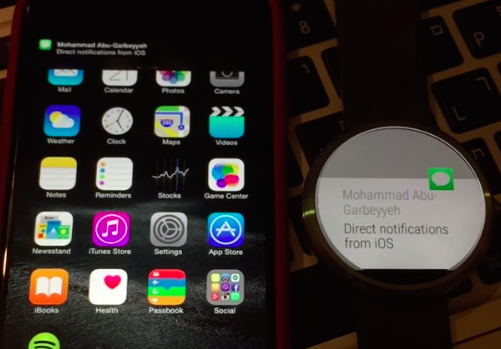
Have an iPhone, but want to use an Android Wear watch? Too bad! Google and Apple are focusing their smartwatch efforts on their own platforms for now, with all signs pointing to them avoiding cross-platform friendliness for as long as possible.
Fortunately, the world has talented modders who can make things right. Here’s a video of the world’s first iPhone-to-Android-Wear connection, no jailbreak required.
The crazy part? Though MohammadAG’s iPhone is jailbroken (note the bouncing message icon on his phone — that’s a jailbreak trick), no jailbreaking is required to make this work.
Instead, MohammadAG says the mod relies on the same ANCS protocol that the Pebble watch uses, which has been built into the iPhone since the release of iOS 7. A custom APK runs on the watch, listening for notifications. This solution limits iOS-to-Android-Wear compatibility to just basic notification support — but it’s a start, right?
Alas, MohammadAG has yet to release the watch app to the public, so this is a one-off thing for now.
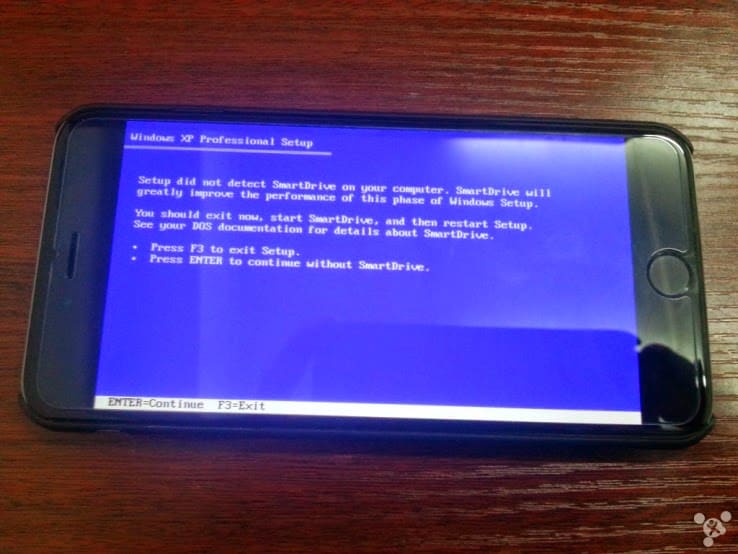
What did you do when you first got your iPhone 6 Plus device? Today in “putting stuff onto things on which they don’t belong,” a certain Chinese developer prefered to try out Windows 95 on his brand new iPhone 6 Plus.
He used a tool called iDos, an open source DOSBox-like app to install the OS. He found that most of it worked fine but he was unable to upgrade to Windows XP. And we can assume he was also able to play Doom.
There’s is very little new about this whole process – people have been putting emulators on things since the original VAX machines – but it’s cool to see resurrected software run so readily on new hardware. While I can’t imagine a real world use case for this (maybe you really need to run a copy of Mavis Beacon?) it’s a great theoretical exercise.
Here is the poorly translated FAQ:
1.Q: Can I install WINDOWS XP? A: The answer is yes you can, but certainly not by idos, because idos simply simulate the DOS environment is not the true sense of the virtual machine, so the system is more difficult to run the DOS and idos simulation environment and do not have XP running basic environmental needs, so later if transplanted XP system, then I will make use of their leisure time with friends ios platform to write a plug-in to run XP virtual machine system.
2.Q: Why are you doing this? Why not use Remote Desktop. A: First, to show that this kind of thing tall Remote Desktop is currently no support on win98 systems, not to use during system installation and tool methods have sent me here.
3.Q: Why is the process I installed the explorer process wrong? A: Because idos simulator only simulates the 16’s dos environment, although win98 16/32 hybrid system but Explorer and exe process large part needed is a 32-bit environment, so when they need 32 program calls some system environment variables and support libraries when an error occurs, LZ modify some of the resource is designed to allow him to run in idos environmental good, However, this modification will change the part of the machine, which has led some device errors when using LZ modify the good image. After LZ according to everyone’s feedback slowly improve!
There are full instructions on his post if you can read Chinese. If not, I leave the installation as an exercise for the reader.
Conventional wisdom suggests that the vast majority of mobile malware cases impact Android devices. Or at least that those who do not jailbreak their iPhones are safe most threats — even Apple CEO Tim Cook has bashed Android for “dominating” the mobile malware market. Yet a new virus found in China by US-based researchers could herald the first serious security threat to Apple devices.
A report from Palo Alto Networks (hat tip The Verge) claims that a new family of malware is getting past Apple’s settings to potentially infect secure (i.e. not jailbroken) iOS devices using infected software for Macs. Dubbed ‘WireLurker’, it was found in the wild in the Maiyadi App Store, a third-party Mac store in China, where it is said to have infected 467 apps. Infected versions of these programs have been downloaded more than 350,000 times and are likely to have affected “hundreds of thousands” of users, according to Palo Alto Networks. Apple tells us that it has blocked infected apps from working — the company’s full statement is at the bottom of this post.
The malware works by repacking legitimate Mac applications. Once downloaded to a Mac, that software will then install malicious and third-party applications on any iOS device that is connected to the infected machine using a USB cable. What’s most interesting — or, indeed, worrying for Apple customers — is that once on an iOS device, WireLurker reportedly uses a range of sophisticated techniques to modify existing apps for malicious purposes.
While the aim of its creators is not clear yet, Palo Alto Networks reports, WireLurker has been found to steal “a variety of information” from inside rewritten apps. Since it surfaced in China, it is targeting Alibaba’s hugely popular Taobao shopping and AliPay payment apps — where a phone owner’s credit card and bank details are retained — but the security firm says the way it operates could usher in a “new era” of malware for Apple devices.
In particular, Palo Alto Networks says it is “the first in-the-wild malware to install third-party applications on non-jailbroken iOS devices through enterprise provisioning.”
The security firm recommends its own product to help prevent WireLurker, but — as ever — the best pieces of advice are to avoid downloading apps from third-party sources, and use officially approved USB cables. The former is more difficult in China, where third-party app store are well established and hugely popular — though that’s more the case for Android than Mac or iOS.
The full report from Palo Alto Networks has additional advice for Apple customers in the enterprise space, who could be most at risk given WireLurker’s characteristics.
Apple says it has taken action against the infected apps in China:
We are aware of malicious software available from a download site aimed at users in China, and we’ve blocked the identified apps to prevent them from launching. As always, we recommend that users download and install software from trusted sources.
Today the CEO of Apple Tim Cook wrote a long essay on Bloomberg Business Week magazine in which he proclaim that he considers “being gay among the greatest gifts God has given me.”
Below is an extract from Bloomberg Business Week published on the 30 October, 2014.
Throughout my professional life, I’ve tried to maintain a basic level of privacy. I come from humble roots, and I don’t seek to draw attention to myself. Apple is already one of the most closely watched companies in the world, and I like keeping the focus on our products and the incredible things our customers achieve with them.
At the same time, I believe deeply in the words of Dr. Martin Luther King, who said: “Life’s most persistent and urgent question is, ‘What are you doing for others?’ ” I often challenge myself with that question, and I’ve come to realize that my desire for personal privacy has been holding me back from doing something more important. That’s what has led me to today.
For years, I’ve been open with many people about my sexual orientation. Plenty of colleagues at Apple know I’m gay, and it doesn’t seem to make a difference in the way they treat me. Of course, I’ve had the good fortune to work at a company that loves creativity and innovation and knows it can only flourish when you embrace people’s differences. Not everyone is so lucky.
While I have never denied my sexuality, I haven’t publicly acknowledged it either, until now. So let me be clear: I’m proud to be gay, and I consider being gay among the greatest gifts God has given me.
Being gay has given me a deeper understanding of what it means to be in the minority and provided a window into the challenges that people in other minority groups deal with every day. It’s made me more empathetic, which has led to a richer life. It’s been tough and uncomfortable at times, but it has given me the confidence to be myself, to follow my own path, and to rise above adversity and bigotry. It’s also given me the skin of a rhinoceros, which comes in handy when you’re the CEO of Apple.
The world has changed so much since I was a kid. America is moving toward marriage equality, and the public figures who have bravely come out have helped change perceptions and made our culture more tolerant. Still, there are laws on the books in a majority of states that allow employers to fire people based solely on their sexual orientation. There are many places where landlords can evict tenants for being gay, or where we can be barred from visiting sick partners and sharing in their legacies. Countless people, particularly kids, face fear and abuse every day because of their sexual orientation.
I don’t consider myself an activist, but I realize how much I’ve benefited from the sacrifice of others. So if hearing that the CEO of Apple is gay can help someone struggling to come to terms with who he or she is, or bring comfort to anyone who feels alone, or inspire people to insist on their equality, then it’s worth the trade-off with my own privacy.
I’ll admit that this wasn’t an easy choice. Privacy remains important to me, and I’d like to hold on to a small amount of it. I’ve made Apple my life’s work, and I will continue to spend virtually all of my waking time focused on being the best CEO I can be. That’s what our employees deserve—and our customers, developers, shareholders, and supplier partners deserve it, too. Part of social progress is understanding that a person is not defined only by one’s sexuality, race, or gender. I’m an engineer, an uncle, a nature lover, a fitness nut, a son of the South, a sports fanatic, and many other things. I hope that people will respect my desire to focus on the things I’m best suited for and the work that brings me joy.
The company I am so fortunate to lead has long advocated for human rights and equality for all. We’ve taken a strong stand in support of a workplace equality bill before Congress, just as we stood for marriage equality in our home state of California. And we spoke up in Arizona when that state’s legislature passed a discriminatory bill targeting the gay community. We’ll continue to fight for our values, and I believe that any CEO of this incredible company, regardless of race, gender, or sexual orientation, would do the same. And I will personally continue to advocate for equality for all people until my toes point up.
When I arrive in my office each morning, I’m greeted by framed photos of Dr. King and Robert F. Kennedy. I don’t pretend that writing this puts me in their league. All it does is allow me to look at those pictures and know that I’m doing my part, however small, to help others. We pave the sunlit path toward justice together, brick by brick. This is my brick.
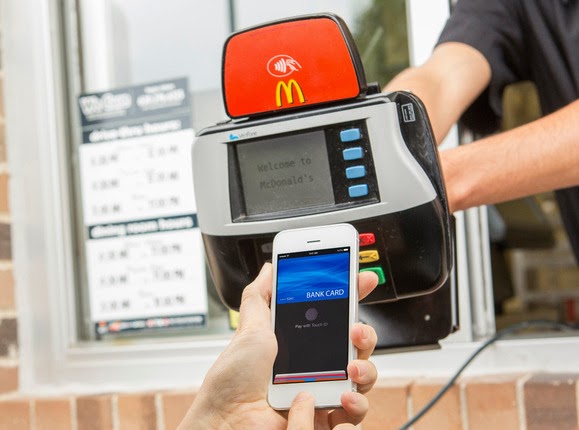
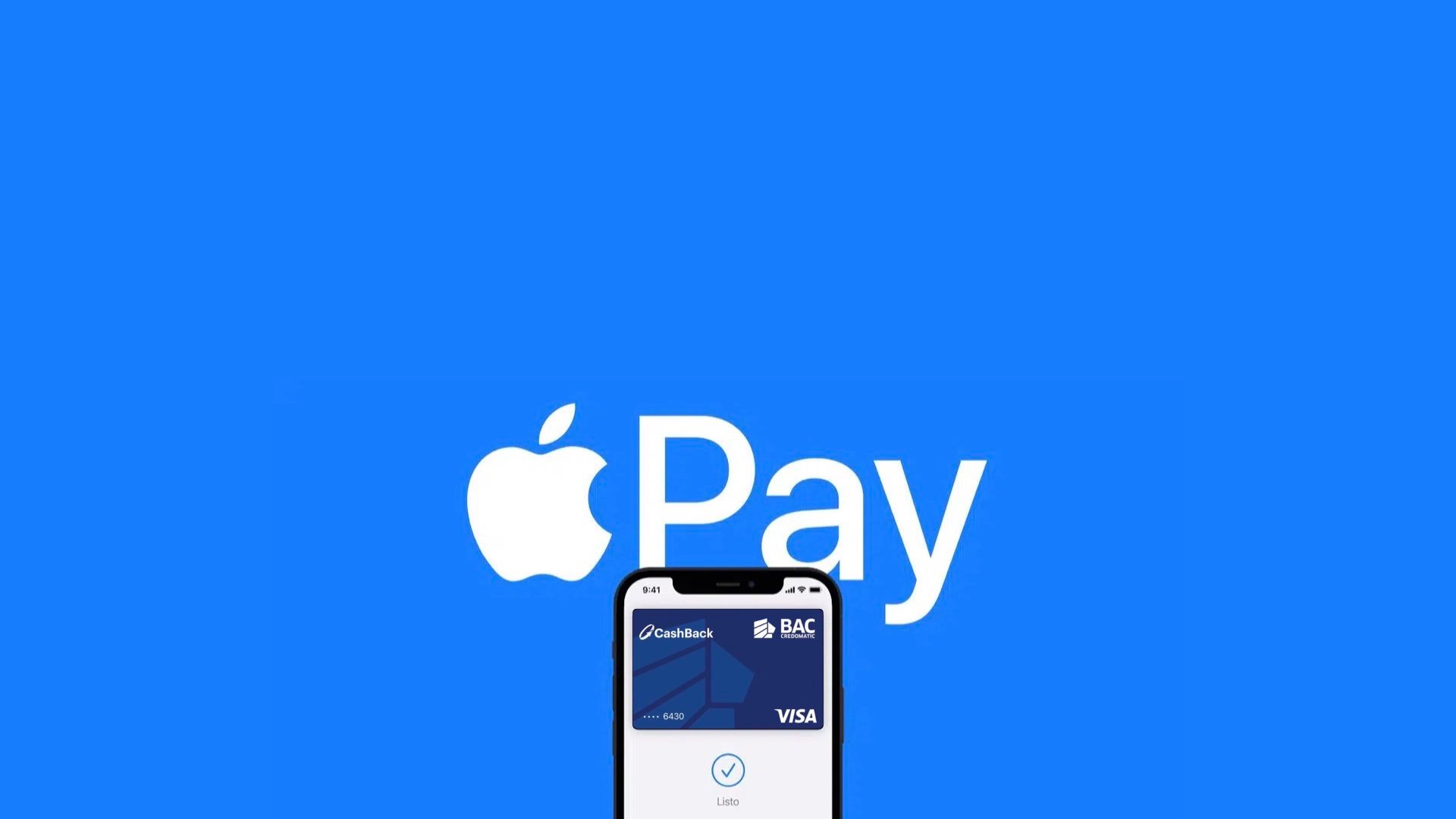
The launch of Apple Pay this week is giving many people their first taste of NFC payment technology, which allows them to buy things in a store by bringing an iPhone 6 close to a compatible terminal.
But the NFC standard also allows payments to be made directly between smartphones. Apple and its competitors, such as Google Wallet, don’t offer support for that part of the standard, but the technology already exists inside many of today’s NFC-equipped phones and could one day allow retailers to accept NFC payment using smartphones. It would also be technically possible for individuals to exchange money with their friends through the same system.
The first, and most simple, is for reading small snippets of information such as phone numbers or Web addresses from wireless tags. The second, used by Apple Pay and Google Wallet, involves the phone emulating an NFC payment card. The third allows the NFC chip to function as a card reader.
It’s this third mode, if enabled by Apple or Google, that would allow a smartphone to accept payments.
Smartphone payment systems are already common in some countries. Perhaps the most famous and recognizable is the Square system, which uses a small magnetic stripe reader that plugs into a phone’s headphone jack. In Europe, some companies offer card readers for more secure chip-based payment cards, but nothing exists yet for NFC.
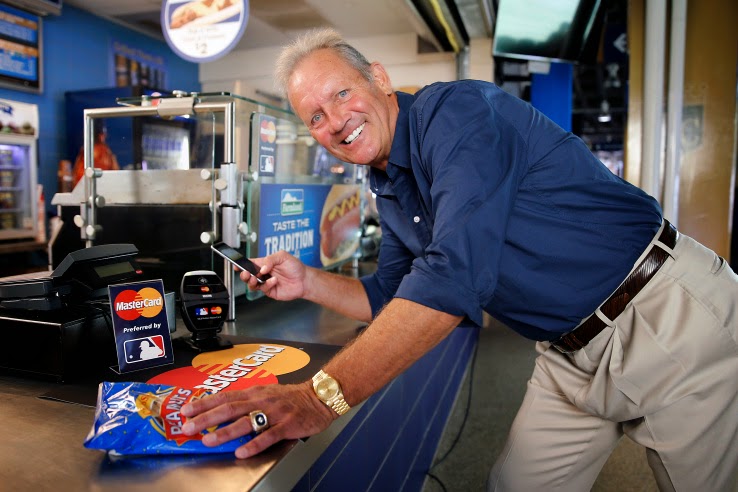
“We’ve been working on it at Mastercard for a little while,” said James Anderson, the company’s senior vice president of emerging payments. “We’re interested in turning every phone into a payment acceptance device.”
But while many of the NFC chips used in smartphones support it, not every phone could necessarily be used to accept payments.
There are a number of requirements for NFC payments, such as the minimum and maximum distance over which the NFC transaction can take place and the speed with which it happens. Terminal manufacturers design for these requirements, but not all smartphones have necessarily been built with these in mind.
“There may be situations in which the two devices may technically be capable of exchanging data for payment, but may not be able to achieve the read ranges and/or response times required for them to be certified as contactless payment capable,” said Sam Shrauger, senior vice president of digital solutions at Visa.
For now, the industry is watching closely to see consumer reaction to Apple Pay. If it takes off, competitors such as Google would probably step up their offerings and the NFC payments field would become a lot more competitive. That might bring new features such as phone-to-phone payments into play.
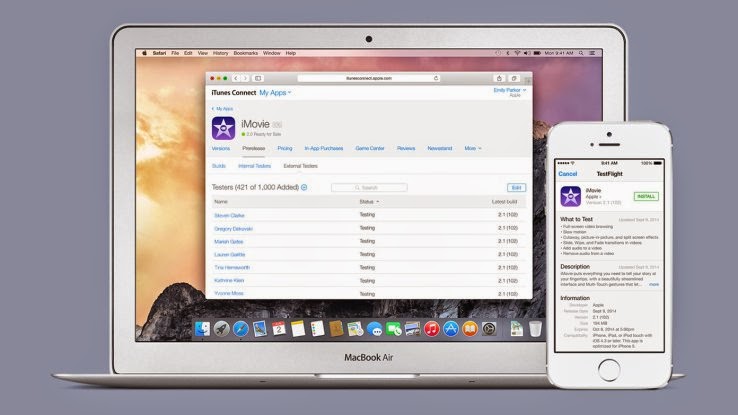
Apple has pushed its TestFlight Beta testing service live for everyone, the company revealed on its developer news portal today. Registered developers can now invite up to 1,000 beta testers to try out their iOS apps, using emailed invitations sent via the iTunes Connect portal. TestFlight, the beta testing service Apple acquired sometime within the last year, allows developers to build teams to try out software before it launches, and report back bugs in order to prepare apps for a public launch.
TestFlight had still been usable by devs between Apple’s acquisition of the service and now, but this marks the completion of Apple’s transition of the service to a built-in part of its developer tools. Now, TestFlight invites are distributed via iTunes Connect, as mentioned, and a dedicated TestFlight app provides the central resource for testers in terms of providing feedback and getting new builds as they’re released by developers, instead of the web portal TestFlight used pre-acquisition. Once external testers are invited to TestFlight, they’ll receive a link to download the official app from the App Store. There’s no longer any need to install provisioning profiles on tester devices with this shift, and there’s no need to for users to manually find and send their device’s UDID to participate. The official app will also send notifications when new builds of an app they’re testing is available, which is much more convenient than getting an email, as was the case before.
To make an app available for the 1,000 external testers that this launch enables, an app has to pass a Beta App Review, which means it’s subject to the same App Store Review Guidelines that apply to final releases. New versions with big changes require a new review before being pushed to testers, and developers can test up to 10 apps at a time, both internally (which requires no review approval, and which is available to 25 admin or tech level team members in iTunes Connect) and externally.
The new TestFlight offers a lot of convenience features that should make it easier for developers to gather feedback from actual users, instead of just tech-savvy early adopters, but that review requirement might add some time to how fast builds can go out. At any rate, it’s nice to see wider beta testing options finally built directly into the platform.
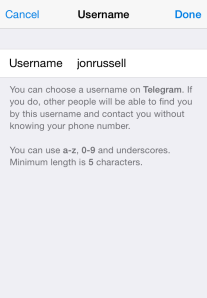
The Telegram Messaging App, the security-focused messaging app, now lets you add friends without necessarily knowing their phone number (see the step-by-step guide on how to add a username in Telegram). An update to the iOS and Android apps today has introduced the option to register a a username, although all users must still bind their account to a phone number.
The advantage of a username is that you can share your contact details for Telegram without revealing your phone number, thus safeguarding some level of privacy.
Usernames must be a minimum of five characters — so you can’t make up for losing out on a one-letter Twitter handle here — and can contain letters, numbers and underscores.
You are also free to change your alias, so long as the new one is not already taken.
That’s not quite all from this Telegram update. The company has also taken a leaf out of Snapchat’s book with a new feature that lets users ‘Tap and Hold to View’ photos, video and voice messages that are sent with a self-destructing timer. Prior to this update, Telegram users had to tap on media to load it.
Importantly, Telegram has now amended said self-destructing timer for media so that it only begins once the content has been opened. That means that photos, videos, etc do not self-destruct before being read.
Founded by the brothers behind Russian social network VK, Telegram launched in October 2013 with a promise to make mobile messaging more secure. The service gained some serious momentum after Facebook agree to buy WhatsApp, when it clocked 8 million downloads in a matter of days, primarily from users concerned with Facebook’s approach to user data.
Earlier this year, Telegram revealed that it has 35 million monthly active users, 15 million of whom use it daily. Co-founder Pavel Durov confirmed to TechCrunch that, as of March 2014, more than 18 billion messages were received by users of the service per month.
Those stats are far smaller than WhatsApp — which has over half a billion monthly users — and others, but they are impressive for such a new entrant in the messaging space.
Roughly 1000 transactions were made with Apple. Some Bank of America customers have been double-charged for purchases made with Apple Pay, the payment system Apple launched on Monday.
Roughly 1,000 transactions made with Apple Pay were logged twice in customer accounts, said Tara Burke, a spokeswoman with Bank of America, which is one of the largest U.S. banks and was an Apple Pay launch partner.
“We apologize for the inconvenience and are correcting the problem,” said Burke.
The duplicate transactions should be removed by the end of Wednesday.
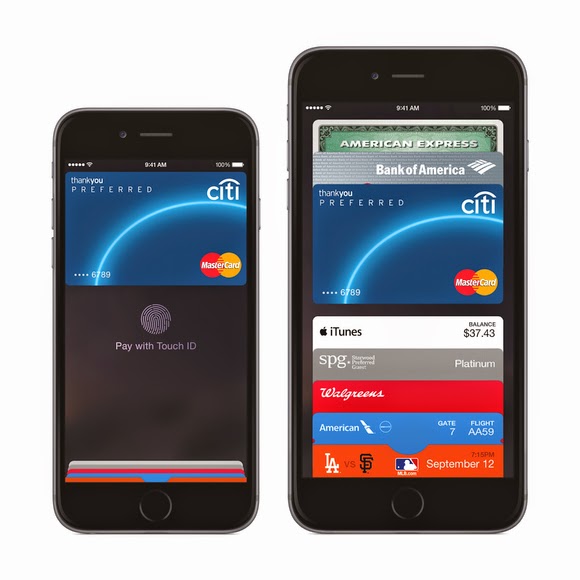
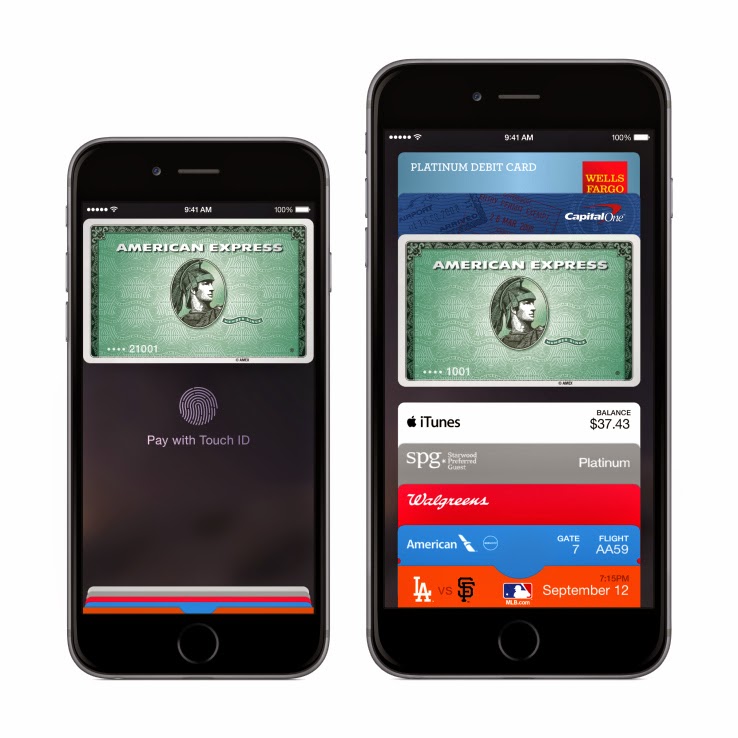
Apple Pay utilizes a secure chip inside Apple’s new iPhone 6 that enables the phone to emulate an NFC (near field communications) payment card. When the Apple Pay app is loaded with a customer’s credit or debit card, payments can be made at NFC terminals by bringing the phone close to the terminal.
Roughly 1000 Transactions. The system is being positioned as easier and more secure than current payment cards because the card number is not passed to the retailer’s terminal. Instead, a substitute number called a token is offered to the merchant, which sends it on to the card issuer for approval.
The token can only be used once, so if it’s stolen it should prove useless to cyberattackers. It’s tied to the actual card number deeper in the financial services network, further away from the retailer terminals that have been the target of so much hacking recently.
Apple Pay is compatible with existing NFC payment terminals, which can be found in around 200,000 shops and taxis across the U.S.
Apple Pay is now available for anyone to use, provided they’ve got all the prerequisites, both for physical stores and for online transactions.
But you can’t just walk up to your local brick-and-mortar store and wave your iPhone and walk out with whatever you want – that would be theft. Instead, you’ll need the following to be in place to have a happy Apple Pay experience.
Hardware: iPhone 6 or 6 Plus for retail; iPad Air 2 or mini 3, or iPhone 6 or 6 Plus for in-app transactions
Touch ID set up on your device with at least one stored fingerprint
A credit or debit card from one of Apple’s launch payment partners
An iCloud account
After you’ve got all that in place, you can opt to either use the cards you’ve already got on file in iTunes to pay, or add a new one. Adding a new one is as easy as snapping a pic of your plastic, and then manually entering the security code around back. You can also manually enter all the information, if you’d rather not use the camera. If the card is compatible, it will verify and make it available for purchases. If it isn’t, call your bank and ask them to get with the program.
If you’re using a card already on file, you’ll just need to enter the security code found on the back to authorize its use, and then agree to the Apple Pay terms of service. Once that’s complete, you’re ready to roll.
Apple Pay in stores should be available at participating launch retailers, which include Aéropostale, American Eagle Outfitters, Babies”R”Us, BJ’s Wholesale Club, Bloomingdale’s, Champs Sports, Chevron and Texaco retail stores including ExtraMile, Disney Store, Duane Reade, Footaction, Foot Locker, House of Hoops by Foot Locker, Kids Foot Locker, Lady Foot Locker, Macy’s, McDonald’s, Nike, Office Depot, Panera Bread, Petco, RadioShack, RUN by Foot Locker, SIX:02, Sports Authority, SUBWAY, Toys”R”Us, Unleashed by Petco, Walgreens, Wegmans and Whole Foods Market.
Online, apps are already rolling out that also support Apple Pay, so check your updates column, or stay tuned to the “Featured” page, where Apple will be surfacing many of them. You can authenticate the purchases using your fingerprint, so long as you’ve registered it with Touch ID, or using your passcode if that doesn’t work for some reason. Apple Pay is secure thanks to the system it uses to store and transmit payment information, which doesn’t actually share any credit card details over NFC with the merchant, and it works with your existing cards, including rewards programs, etc.
We’ll have a first-hand account of how Apple Pay works in the real world shortly, but early reports from Twitter seem to indicate things are working smoothly with the newly launched
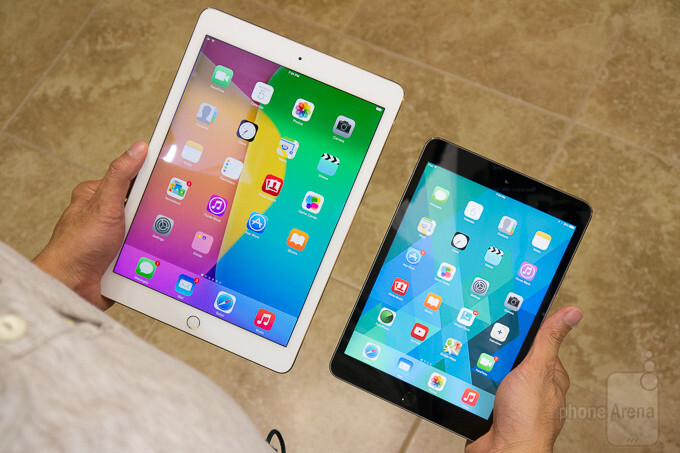
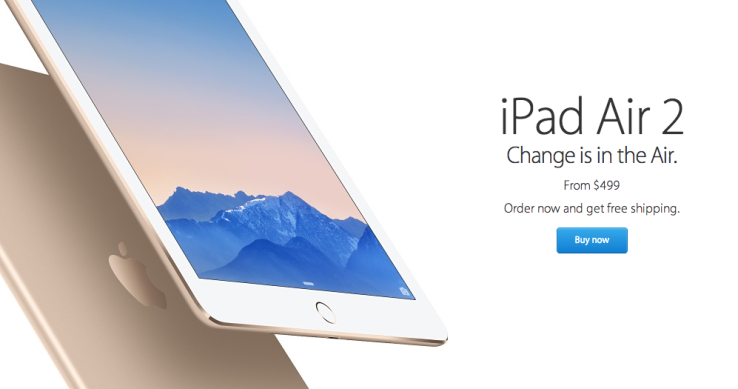
Apple revealed new iPad models on Thursday, and they all go on sale starting today via Apple’s online store. Today is just the beginning of pre-sales, with iPads officially shipping to pre-order customers and arriving in stores sometime “late next week,” according to Apple.
Pricing for the new iPad mini, which is essentially the same as the existing model with Touch ID added and a new gold color option, starts at $399, while the iPad Air 2, with its full external and internal overhaul, begins at $499. Configuration options include 16, 64 and 128GB options, with both Wi-Fi only and LTE-capable models of each.
Delivery time for the new iPads is listed as October 23, which partly helps explain why the date wasn’t set in stone on stage. Apple seems to want to get these out the door as soon as possible, instead of staging a defined, singular street date, so they could be shipping them in batches as soon as they come off the line.
Our own initial impressions of the new iPads found that the iPad Air 2 is a marked upgrade even from last year’s version, but as for the iPad mini 3, unless you have a burning desire for Touch ID or you’re upgrading from a first-gen Mini, it might be worth holding off on a purchase.
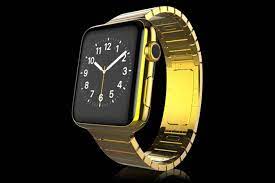
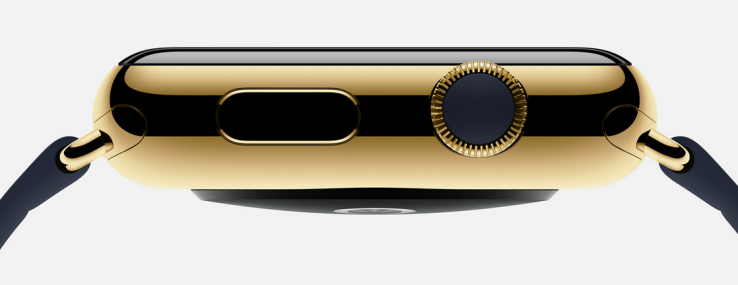
A jewelry contact familiar with the matter told TechCrunch that the gold, 18-karat version of the Apple Watch could cost around $1,200 retail when it launches in January. This has been corroborated, based on size and weight, by jewelers familiar with the material Apple is using to make its Apple Watch Edition pieces. It should be noted that this is an estimate and the piece could come in well below that price.
Although there is still some confusion as to whether the watch will be gold plated or actually made of gold, the jeweler suggested that it would be sub-optimal not to make the watch out of solid gold alloy, a decision that will drive up the price. The estimate is based on the leaked design images of the iWatch that appeared this weak.
Chad Rickicki, a watch expert in Pittsburgh, Pennsylvania said that a case the size and shape of the Apple Watch in 18 carat gold would cost about $600 to make. The rest – the electronics and markup could double that price.
That doesn’t mean that all of the Apple Watches will rest in the rarified air of haute horlogerie. The lower end sport versions will start at $349 and presumably the standard versions, simply called Apple Watch, will receive a premium over that. The Edition watches, however, are expensive because gold is expensive, even at 18K and intermixed with Apple’s alloys.
What does this mean? It suggests an interesting move by the company to turn Apple Stores into luxury destinations. While I’m sure Prada and Louis Vuitton are clamoring to be given access to Apple’s unique band connectors, the upside for a more fashionable, luxury-leaning Apple Watch display in stores means the company will control quality and, more important, control profits on band upgrades.
Apple is entering a fascinating new world of potential partnerships as is, to some degree, the makers of Android Wear devices. Now consumers are going to have to get used to armed guards standing over cases of (tastefully) blinged-out Apple Watches.
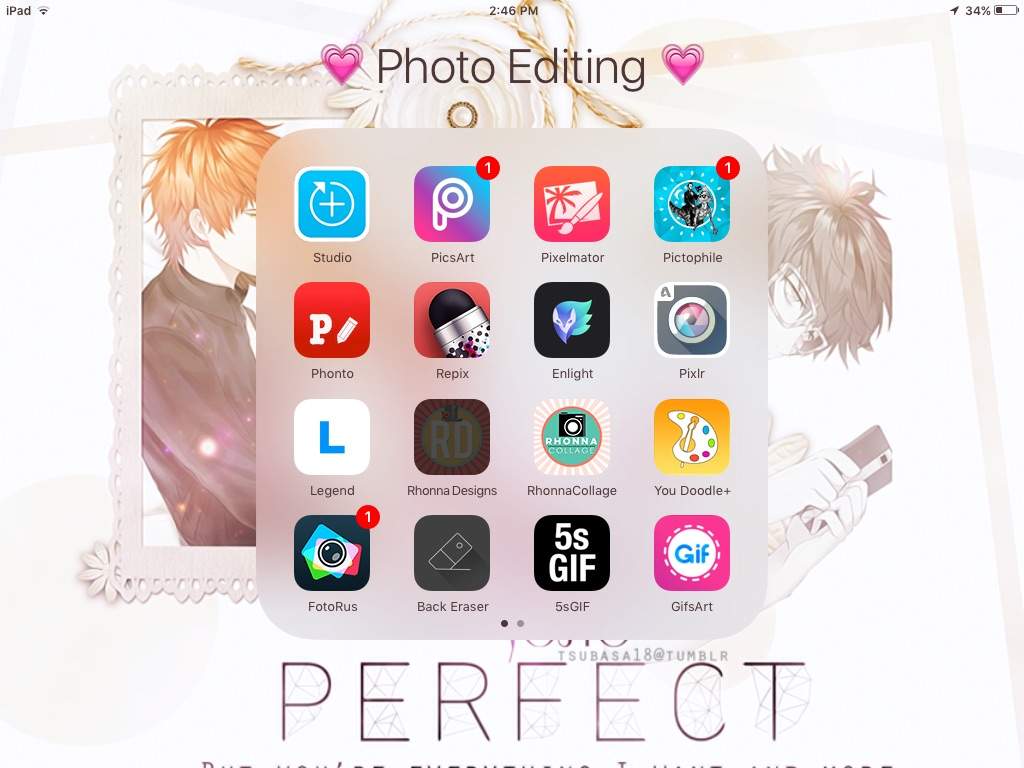
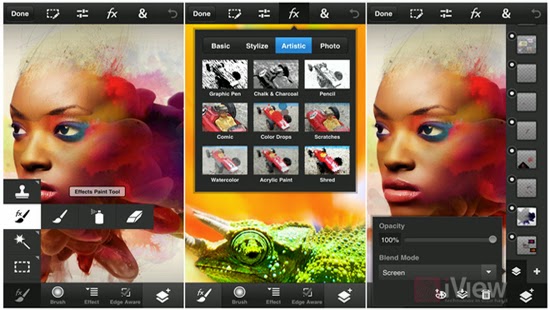
The best photo editing app for iPhone is determined by the purpose for which the app is used. Instagram has become an established brand though there is stiff competition in the market. Although these apps are not perfect Graphic software, they make user experiences much easier and create more independence with regards to quick editing and can be used on iOS and Android operated phones. There is a wide variety of photo editing apps to choose from but here are the 7 best photo editing app for iPhone on the market at the moment.
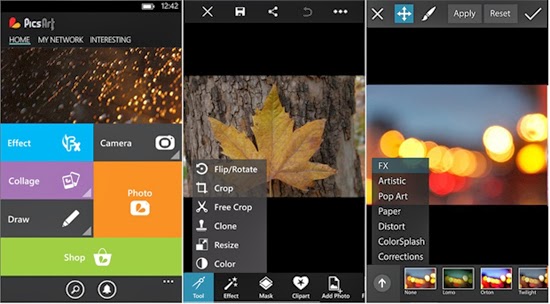
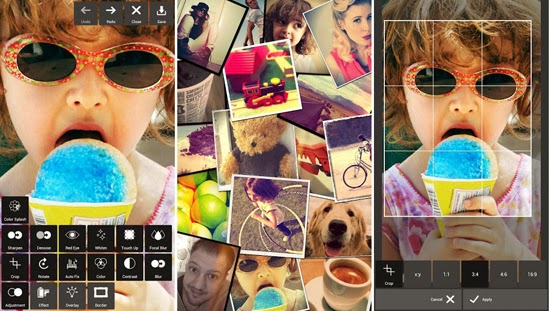
Apart from being a photo editing app PicsArt serves the purpose of being a social network for sharing photos. Editing tasks like color adjustments, re sizing and cropping can be undertaken by using the Photo button. Other salient features include Effects that issue specialized tools like red-eye removal, watercolor, pastel and cartoonizer that you can brush on to the image. Conversely, you can snap pictures with a camera tool and paint or draw on an image using a layer-based interface with the Draw tool. It has one of the widest collections of image manipulation tools.
Pixlr Express is an all-round photo editor & one of the best photo editing app for iPhone. It has facilities that ensure resizing, cropping and basic cleanup. Other specialized tools providing additional enhancements to your photos include one-touch cleanups, Autofix, teeth whitening and red-eye removal. Striking improvements are ensured by lighting effects and overlays in addition to colour adjustment and other tools that are done with fine-grained control.
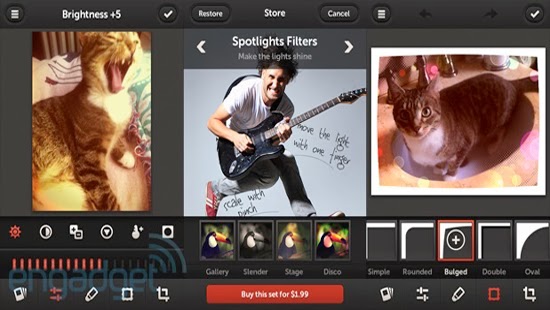
If you are looking for artistic and classical images, this is the right photo editor app for your iPhone. Salient features include adjustment tools and frames including fast and rough image filters. Custom effect brushes are at your fingertips to selectively paint on special effects. Repix is compatible with Samsung’s S-Pen that provides brushes, frames, filters in addition to other tools that are available as in-app purchases.
This photo editing app incorporates some desktop functions that are employed with the larger app. These include filters, adjustments, selection tools and layers. During editing, there is no loss of detail because there is no downscaling while editing up to 12 megapixels when working on high-resolution photos. Despite being slightly advanced for the novice, this is a powerful editor that makes an exceptional choice.
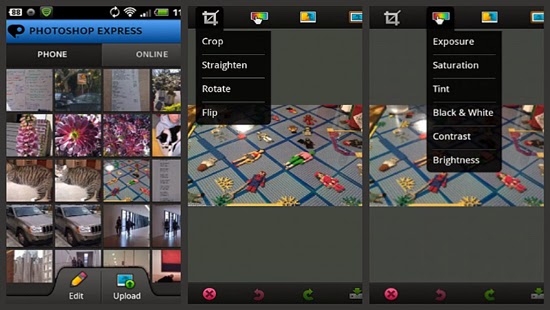
For those in need of a basic photo editing app, Adobe Photoshop Express is the right tool. Its properties include one-touch filters and Auto-fix for quick edits including slider controls for image enhancements such as shadows, exposure and contrast. In-app purchases allow for the incorporation of additional features like image utilities, special features and advanced filters. The basic package is mostly sufficient for simple editing manoeuvres that include cropping, resizing and red-eye correction.
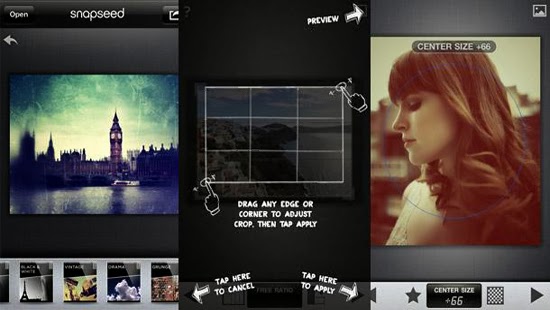
Snapseed mobile provides more selective tools with one-touch enhancement through exceptional usability and power. Essential attributes allow you to fine-tune the image using a simple slider as well as quick boosts to colour and contrast including photo clean ups with Auto Correct. Other features provided are ‘Selective Adjust’ mode enabling you to tune concentrated portions of the image using saturation edits, colour and brightness in addition to the Tune Image tool that allows you to alter a variety of image effects like warmth, shadows and brightness. Tilt-shift provides a wide selection of tools and filters as well.
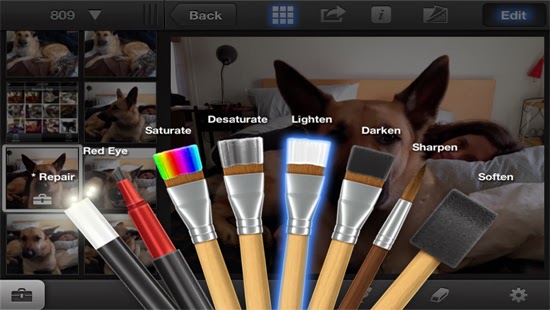
iPhoto is a high-end photo editing app for iOS featuring smart organizational tools that enable you to tag and sort out your photos as well as touch-based tools for adding special effects and cleaning up photos. Brush-based editing tools give you the leeway to use your fingertip in sharpening, darkening or lightening images. You can selectively edit pictures by employing gesture-based and multi-touch tools. Users can order custom photo prints or photo books while you can share photos online as slideshows or web journals.
We believe the list above features best photo editing app for iPhone, we hope this article can help you choose the right app , as always we’d love to hear your comments, suggestions…
Apple has been busy in the IT department. Today, it released a slew of improvements and alterations to its large-scale deployment tools for education and enterprise customers.
Some of the tweaks get way out in the weeds of deployment strategies, so they’ll only be really exciting for the actual pros who deal with this stuff. But the big picture is that Apple is looking to make deployments at enormous scales more appealing for the people in charge of purchasing and maintaining iPhones and iPads. This, hopefully, will result in more major purchases by organizations and fewer negative stories about failed management scenarios. The changes are outlined in a series of documents Apple posted on its IT deployment page today. These include changes to its Device Enrollment Program, Volume Purchase Program and the Apple ID for Students service. A new iOS deployment technical reference guide and Device Enrollment Program guide have been issued, updating its older versions with new options for device management. A new overview document provides a quick cheat sheet for enterprise folks looking to utilize the tools Apple provides to mass purchase apps and roll out huge numbers of iOS devices at a time. And a new iOS Security Document has been posted that provides in-depth details on how Touch ID and the A7’s Secure Enclave work.
I’ve had conversations with IT pros and people who roll out large iPad installs in the past and they’ve mentioned that one of the things that has continued to cause Windows devices to hold some appeal is their better remote installation and configuration support. To that end, Apple has made some updates to improve that situation.
Both the enterprise and education programs now have support for Mobile Device Management hands-free configuration. This ‘zero touch’ setup has been a long-requested feature for many pros, as it eliminates the need to cable up every deployed device and install a profile via Apple’s Configurator utility.
The zero touch configuration allows an organization to sign up for a profile and order devices directly from Apple that come pre-configured with all of their security and configuration choices. They can then manage them directly without ever having to touch them physically. Additionally, the ability to lock these profiles to the devices means that the end user won’t be able to remove them and do what they want to the devices willy nilly.
This way, the load is taken off of IT departments in the rollout phase and the user is able to customize and play with the devices without mucking up security profiles. It will also allow IT departments to easily and wirelessly conform users’ own devices to their company security policies with a simple opt-in.
“The other bit that’s interesting is that DEP-enrollment now allows admins to require and force MDM enrollment on devices they own,” Fraser Speirs, Head of Computing and IT at Cedars School of Excellence in Scotland, pointed out to TechCrunch. “This is huge for schools. The lack of enforceability of MDM enrollment was — by my guess — the central problem in the now-infamous Los Angeles Unified School District ‘hacking’ scandal.”
Schools in LA had deployed a large amount of iPads, but had to recall them after students were found deleting the enrollment profiles on their devices. This allowed the students to use them to *gasp* browse the web as they pleased and install unapproved apps on their personal units. The anarchy would not stand and the district began reconsidering its rollout — which has since resumed. These kinds of high-profile flubs likely didn’t do anything to help the momentum of Apple’s organizational rollouts. This enforcement should allow customization, while preventing circumvention of IT rules.
In short, it should make iPads even more attractive to these markets.
The Volume Purchase Program has also gotten a nice overhaul. It’s now available in all 10 VPP countries for both enterprise and education partners, allowing these organizations to bulk buy applications for installation on bunches of devices at once. These purchases are generally offered with hefty discounts, which makes them more appealing to schools with tight budgets.
In addition, VPP purchases are now able to be made via purchase orders by enterprise customers, something that was only available to IT pros in the past. Offering PO support to IT departments is going to open up VPP purchases to a huge segment that previously had no way to requisition software from Apple.
In the educational market specifically, Apple has opened up the ability for students under the age of 13 to obtain their own Apple ID. After a school is enrolled, they can request IDs from Apple, who will then send a communication to the parent, who will then be guided through the registration process. The school is then notified that the student has been given consent.
Though under-13 IDs were opened up late last year, the new changes open the way for students, specifically, to sign up — in a way that is COPPA-compliant. They require parental consent to sign up, for one. And these Apple IDs are limited in a specific set of ways.
For instance, a student Apple ID account features limited ad tracking, doesn’t allow them to opt-in to marketing and there is no iCloud email support by default. They also do not require a credit card to sign up and can notify a parent or guardian of any change in the terms of the account. These accounts convert over to a full account with all normal rights and privileges once the student reaches age 13. Apple has provided a new parent guide that details the exact process and allowances of these special Apple IDs and a guide for institutions who will utilize them.
“I think the overarching story here is that these changes are all about making deployments scale up to genuinely massive numbers,” says Speirs. “School districts are topping out at around 50k units right now — to my knowledge — but there are obviously bigger deployments in other areas of education – and enterprise.”
For now, we’ve confirmed that the Device Enrollment Program will only affect devices purchased by organizations directly from Apple. This means that schools like Speirs’, who work through retailers, won’t be able to use the program to pre-configure devices — yet. But that will likely be on the way.
“I do think these are major steps forward for IT organizations,” Carl Howe, Vice President, Research and Data Sciences at Yankee Group, told TechCrunch. “In many organizations, IT spends much of its time being ‘the department of no,’ where they tell employees that they can’t do things for reasons of manageability or security. By making Apple devices more manageable and being transparent with its security, Apple is helping those IT organizations go from being the department of no to ‘the department of yes.’ And given that ease of use boosts security compliance, the fact that this can be done in ways that don’t require the end-user to do anything special (i.e., their device gets provisioned to them fully linked up to their organization, secured, etc.), it should make Apple devices even more popular in businesses than they already are.”
iOS devices have gained a large amount of popularity in organizations by leveraging the bring your own device trend. If the boss gets a new iPad and loves it, the IT department will have no choice but to support it somehow. But in order to spur growth, and to keep the vaunted ease of use of iPads and iPhones intact, Apple has to continue to refine its offerings for device deployment.
These changes are an attempt to keep the way that people use an institutional iOS device and a consumer iOS device as close to parity as possible. If you’ve ever jumped through hoops to configure a company-issued laptop or phone, then you know how much of a pain that can be. If you imagine doing that 50,000 times, you can see why these improvements could spur a nice surge of adoption by purchasing departments.
The best way to start a new week is starting with fun. Not to worry, we do not intend to scare you with Android horror games—but it’s okay if horror is fun to you—what we are interested in are three most relaxing games you must rock this week on your Android or iOS devices.
If you happen to find your favourite game in this list, you are in luck. If not, it’s time to try other games and see what you have been missing. The games in our list here today is available for both iOS and Android devices and adaptable to any screen size.
When London-based Tribesports — a social network for people doing rather than watching various sports — rebooted its business model last year, kickstarting what it calls the world’s first “community-powered” sportswear brand, you’d be forgiven for thinking the young company had become less tech and more clothes-maker.
But, actually, Tribesports very much still sees itself as a creator of social web and mobile applications, which underpin its 200,000+ user base, and in turn enable those users to become co-creators and co-marketers of its new sportswear range. It’s a model that, perhaps, defies conventional corporate thinking whereby “we need an app” is often little more than a marketing afterthought.
Today Tribesports is launching a new iOS app dedicated to training. The app, which is completely free, shunning paid-for add-ons or other premium pricing, lets you track, analyse and review your training, and, unlike something like Runkeeper, has been designed to work across multiple sports — something the company thinks reflects how many of its users actually train.
Naturally, the app ties into the existing Tribesports community, allowing you to follow the training sessions/workouts of other users, as well as browse thousands of community uploaded workouts or share you own.
In some ways, the Tribesports Training app offers a subset of features found in the main Tribesports app but redesigned to focus on mobile training, including, of course, a heavy use of GPS. It’s also no doubt designed to appeal to users who may not want to join and participate in a dedicated sports social network.
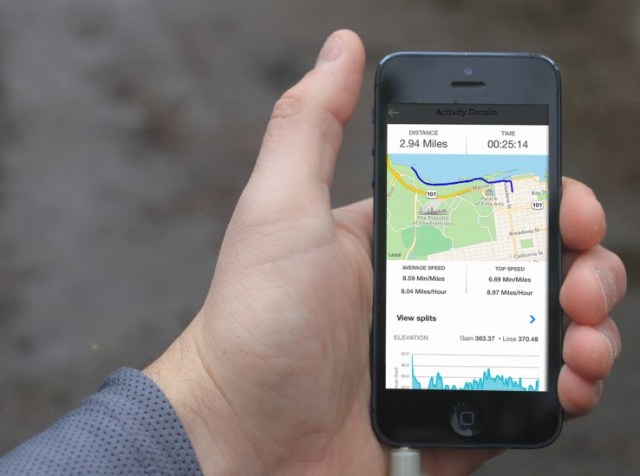
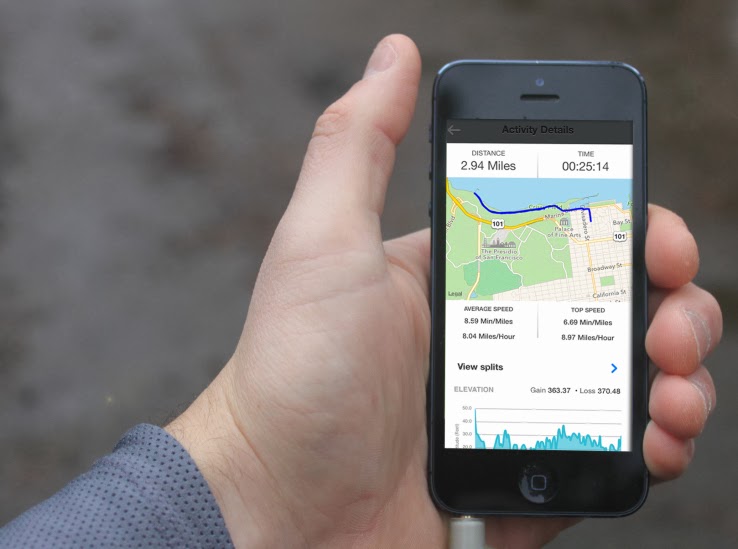
The GPS tracking features enable you to track and analyse your running, cycling, walking and more, underpinned by weekly, monthly and all-time-best graphs. You can also take in-app photos, which are then uploaded as part of logging your training session. All in all, over 900 different sports and exercises are available to log in workouts and training sessions out of the box, and there’s the option to customise your own and share these templates.
Of course, if Tribesports can get a greater number of people engaging with its technology wares, it can also introduce those same users to its own big brand-busting sportswear.
The ‘wonder’ Apple technology has ensured that it’s thief will not go uncaught. Last week saw the house of Mr. Tunde Makhinde, a Lagos based Nigerian visited by some robbers who took his iPad among other things. Little did they know that the iPad will eventually turn out to be the nail to their coffin: The tech whiz had activated the tracking device on his iPad, and within a matter of days, had gone with law enforcement agents to catch the thieves red handed.
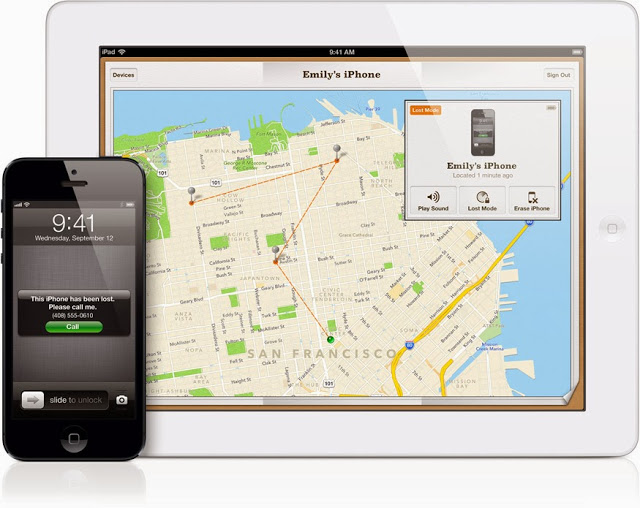
Recently, an amazing app, Find my iphone, was used to track down a stolen iPad and the man who allegedly took it from underneath a family’s Christmas tree in the US. The victim on the ‘Find my iPhone’ app that sends out a signal to the device.Using his computer, the victim was then able to locate the iPad on a map, and alerted police to its whereabouts – just a few houses away.
Even the burglar who broke into Steve Jobs’ house was caught last year two weeks after the crime thanks to the technology in one of the late Apple founder’s own inventions. He might never have been caught if he hadn’t logged onto iTunes on one of Jobs’ personal iPads. Investigators say they were tipped off about the perpetrator when one of the stolen devices connected to Apple servers.
What if…?
‘But I am no tech whiz!” you might say. That doesn’t matter. How smart would smart technology be if it can’t holler at its owner when it gets stolen? There are simple ways to be two steps ahead of the thief. The ‘Find My iPhone’ application can be used if an Apple device is stolen or misplaced. It does not come installed but can be downloaded for free.
The user then signs in with their unique Apple ID.a device goes missing, the owner can activate the app on a computer. Signals ‘ping’ the device and its whereabouts can be seen on a map online.can then choose to display a message on its screen, play a sound for two minutes at full volume, lock the device or erase all of its data.can be used on iPhones, iPads, Apple computers and iPods.
iOS 7 includes a new feature called Activation Lock, which makes it more difficult for anyone to use or sell your iPhone, iPad, or iPod touch once it’s gone missing or has been stolen. And it starts working the moment you turn on Find My iPhone in iOS 7. Turning off Find My iPhone or erasing your device requires your Apple ID and password. And your Apple ID and password are required before anyone can reactivate it.
But what happens if you find your device on a location you can’t reach? Go for second best-initiate a remote wipe to delete your personal data and restore your iPhone, iPad, iPod touch, or Mac to its factory settings. With iOS 7, Find My iPhone can continue to display your custom message, even after your device has been erased. And if you do retrieve your device, you can restore it from your iCloud backup. iCloud is not just for backup, it can help you find your apple device on the map. If one of your Apple devices goes missing, iCloud can help you figure out where it is. Just sign in at iCloud.com or use the Find My iPhone app to see your missing iPhone, iPad, iPod touch, or Mac on a map.







You must be logged in to post a comment.