Tag: Marketing

  • How Social Commerce is Changing Business in Nigeria

    How Social Commerce is Changing Business in Nigeria

    Social media has come a long way, leaving its impact even in the tiniest hole you’d find on the ground. Almost every aspect of modern life, including commerce, can’t deny this fact.

    This innovation has led to the dawn of social commerce, seamlessly blending social media engagement with e-commerce transactions.

    Forbes says online retail will account for 23% of all purchases by 2027 and before then, Statista reveals that by 2025, revenue in Nigeria’s e-commerce market is expected to reach $7.04 billion, with an annual growth rate of 7.81% (2025-2029). This will ultimately hit $9.51 billion by 2029.

    Stressing how much individuals will rely on digital platforms for e-commerce, particularly social commerce, Statista also disclosed that the number of online shoppers is projected to grow to 28.6 million users by 2029. User penetration will increase from 13.3% in 2025 to 15.0% by 2029.

    Even e-commerce giant Jumia agrees to this, noting the necessity of integrating social commerce for business growth. Revealing the top e-commerce trends for 2025,  the company wrote:

    In 2025, e-commerce companies must leverage social commerce to engage with younger, tech-savvy audiences in authentic ways.

    “Businesses that incorporate storytelling, user-generated content, and interactive shopping experiences will benefit from increased brand affinity and higher sales. Importantly, small and medium enterprises (SMEs) can capitalize on social commerce to reach niche markets without substantial investments in traditional e-commerce infrastructure.”

    The number of internet users and a mobile-first population has increased commendably in Nigeria, enabling the digital economy to transition into a more efficient and enjoyable space for shopping on platforms like Instagram, Facebook, and TikTok.

    Social Commerce

    What is Social Media Commerce?

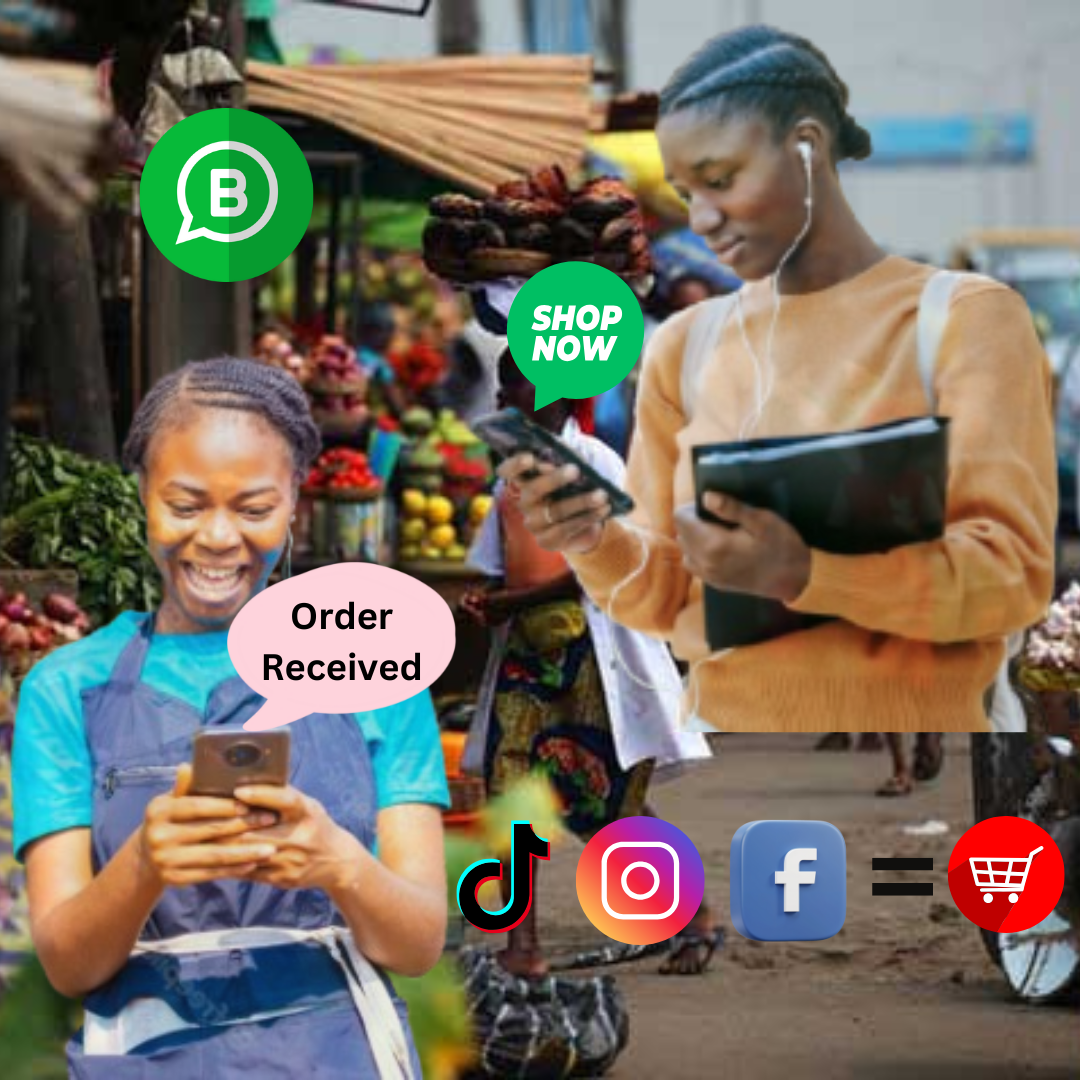
    It is the direct buying and selling of goods and services through social media platforms like Facebook, Instagram, WhatsApp, and TikTok. 

    This blend of social media and online shopping makes impulse purchases easier than ever before.

    Compared to traditional e-commerce, which requires users to utilize a separate website, social commerce brings shopping right into your social networking space. 

    All you need is a few taps to see a product in a video, click a link, and complete purchases, without leaving the app.

    For businesses, particularly small and medium-sized enterprises (SMEs), this is a huge innovation. They don’t need a full-scale online store to sell; their social media page becomes their storefront.

    Why Social Commerce Works

    Social media thrives on engagement, and engagement drives sales. Compared to traditional e-commerce, where buyers rely on descriptions and reviews, social commerce builds trust through direct interaction.

    • Instant connections: Businesses respond to queries in real time via comments or direct messages.
    • User-generated content: People trust other customers more than brands. Seeing a real person using a product in a TikTok video or Instagram story is more convincing than an ad.
    • Seamless experience: No need to open multiple tabs or remember discount codes—everything is simplified.

    Data backs this up. Conversion rates from social media are climbing, thanks to features like in-app checkouts and AI-driven recommendations. 

    In Nigeria, where mobile-first internet usage is scaling, platforms like WhatsApp Business, Instagram Live Shopping, and TikTok product links have made it easy for sellers to reach buyers quickly and make instant purchases.
    Most Leveraged Social Media Commerce Platforms in Nigeria

    Facebook shops allow merchants to create digital storefronts on Facebook and Instagram, while users or potential buyers browse and purchase without leaving the app. 

    In order to make things even better for sellers, you’d find features like customizable catalogs, messenger integration for customer service, and targeted ads for boosting visibility.

    Instagram, which used to be just a photo-sharing platform, is now a marketplace with features like product tagging, checkout integration, and influencer promotions that make it a must-use tool for brands.

    With short-form videos being the most preferred when it comes to content consumption, TikTok Shop enables sellers to showcase products through engaging clips. Live shopping events and hashtag challenges amplify visibility.

    Nigeria’s SMEs swear by WhatsApp Business. It allows brands to list products in a catalog, interact with customers, and even process payments, all through a simple chat interface.

    Social Commerce

    The Power of E-Commerce Social Media Advertising

    Social commerce doesn’t just rely on organic reach. Paid advertising supercharges visibility. Platforms like Facebook, Instagram, and TikTok provide highly targeted ad solutions, ensuring products reach the right audience.

    Best Practices for Social Commerce Advertising:

    1. Influencer partnerships: Collaborating with content creators builds credibility and extends reach.
    2. Short-form video marketing: Engaging, digestable content drives conversions, especially on TikTok and Instagram Reels.
    3. Mobile-first optimization: Most purchases happen on smartphones. Ensuring a seamless mobile experience is highly important.
    4. Community engagement: Replying to comments and messages shouldn’t be left to just customer service, it’s part of the sales funnel.

    So, if you are a business owner looking to become a social commerce giant:

    • You can host Live Product Showcases; this can boost engagement and trust;
    • Again, Encouraging User-Generated Content will go a long way; reviews and testimonials from real customers can also build authenticity;
    • Lastly Integrating Local Payment Solutions through the use of platforms like Paystack and Flutterwave. This ensures smooth checkout for customers.
    The Future of Social Commerce in Nigeria

    Social commerce is only getting started. AI-powered recommendations, augmented reality (AR) shopping, and deeper influencer-brand integrations will drive the next phase. By 2027, online retail is expected to account for 23% of all purchases—businesses that embrace social commerce now will be ahead of the curve:

    • AI-driven product recommendations will thrive: Personalised suggestions based on browsing history.
    • AR will make shopping experiences better: Virtual try-ons for beauty, fashion, and accessories.
    • Influencer-led commerce will be king: More brands will rely on content creators to drive sales.

    Social commerce is the future of online shopping, and moving from static e-commerce sites to dynamic, interactive storefronts on social media has changed how consumers buy. Businesses that adapt to this growth will stay relevant, while those that ignore it face the risk of falling behind.

    For entrepreneurs and SMEs, the opportunity is huge. Contributing factors like high mobile penetration, deep social media engagement, and digital payment must be leveraged. 

    Social commerce might take over the e-commerce sector faster than anticipated, and now is the time to build, experiment, and sell on social media where people spend most of their time.
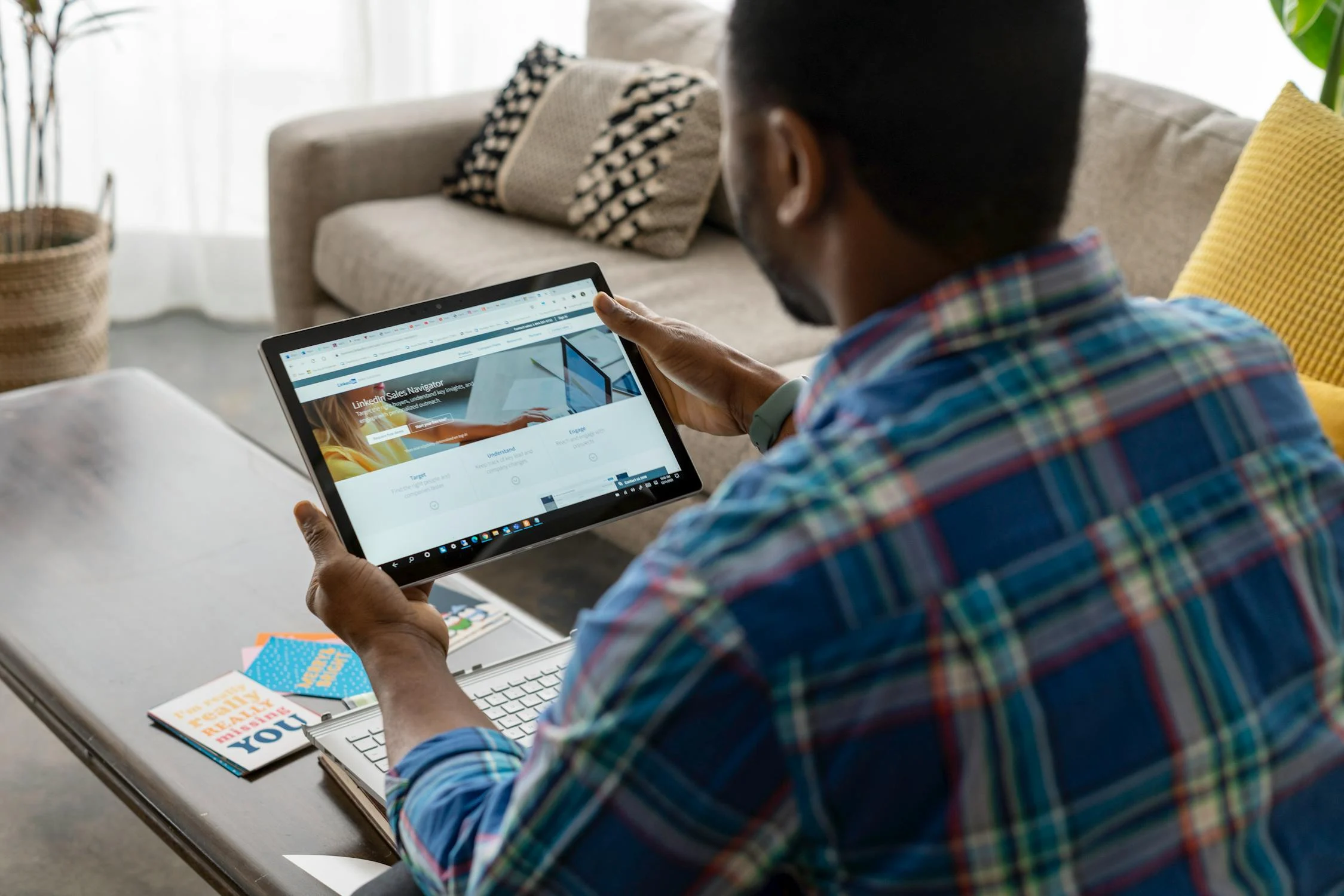

  • How to Use LinkedIn for Networking and Marketing

    How to Use LinkedIn for Networking and Marketing

    Everybody wants to be on Facebook, Instagram, and Twitter, the platforms companies and businesses use for trendy advertising and marketing. However, investing so much time and effort in platforms that don’t benefit your career is unnecessary. A lot of people overlooked LinkedIn in the past. Ignorant of the many opportunities abundant on this site. There are life-changing opportunities for those looking for jobs, entrepreneurs, startups, investors, or fresh graduates. Here are some pointers on how to use LinkedIn for networking and marketing.

    Marketing/Networking on LinkedIn

    Just as a strong first impression counts in in-person encounters, so too does having an impressive LinkedIn profile for successful online networking. Before engaging in any LinkedIn networking activity, make sure your profile is complete and optimized.

    Build an Impressive LinkedIn Profile

    Start by including a professional-looking profile photo, as this has a big influence on profile visibility and interaction. The next detail to add is your headline. Creating an attention-grabbing headline for your LinkedIn page is similar to creating a CV. This title should communicate your areas of expertise and must be professional.

    Next is a profile description that will help you build your brand by, outlining your strengths and how you can bring value to potential clients or employers. It’s best to keep the summary brief and simple to read. Include relevant keywords to improve visibility in your area of interest. Avoid copying and pasting information from your CV while summarizing your work history on LinkedIn. Rather, concentrate on experiences that are relevant to your business or your desired career path.

    Add reputable recommendations and endorsements to your profile to increase its credibility. You can ask for referrals from people you’ve had good working connections with, such as clients, supervisors, and coworkers. These recommendations build your authority and trustworthiness and even serve as employment references. Getting more recommendations also makes you appear more credible to other users on LinkedIn.

    Make Connections

    It’s time to interact with other users on LinkedIn after building your professional presence. Refrain from adding connections randomly. Make connections with individuals in the field that you might want to collaborate with in the future or who might offer useful information on your business or career.

    When sending a connection request, make sure to add a customized statement and stay away from sending an automatic LinkedIn invitation. You can build connections with your new contact by sending a brief message introducing yourself or outlining your reasons for wanting to connect. By doing this, you’ll avoid giving the impression that you’re just adding things at random to increase your numbers. Remember, potential recruiters on LinkedIn are watching.

    As soon as your requests get accepted, you have to start forming personal or professional connections. You can engage their posts, celebrate a milestone, or simply reach out to them. Make an effort to reply to every communication you get on LinkedIn, and don’t ignore people trying to connect. To strengthen and build relationships, ask contacts to meet you offline at an event that’s open to the public.

    Create Posts/Join Groups

    Posting on LinkedIn is an important part of growing your career. Whatever your niche or industry, always make posts that engage and inform. You can start by writing your thoughts linking to your websites, and reposting pieces from others. As you grow, you can run ads on LinkedIn posts. To help people learn more about you and your business, think about providing a link to your blog to contacts. Provide a link to your subscription pages in your posts to your connections and followers.

    Become a member of industry-related LinkedIn groups to get visibility and establish valuable relationships. You may be able to connect with experts in your field if you join many active groups and share your profile. For any LinkedIn group you join to be effective, you will need to participate in them. Engage in and, provide helpful responses to queries. Instead of trying to promote yourself, concentrate on becoming an important group member.

    Benefits of LinkedIn for Employees/Businesses/Students/Job Seekers

    LinkedIn is a widely used platform for professional networking, offering numerous advantages for those seeking to expand their connections. Firstly, its ubiquity among professionals across the globe provides a direct channel to engage with crucial business contacts who may otherwise remain undiscovered.

    Many recruiters and hiring professionals use LinkedIn to find and connect with potential candidates. Users can often see job postings and recruitment-related content on the platform. Like many social media platforms, LinkedIn also allows users to run ads. Members come across sponsored content, job ads, or other promotional material while browsing their feeds. Companies and individuals can use LinkedIn’s advertising services to create targeted campaigns, promoting their products, services, or job opportunities to a specific audience.

    Most of LinkedIn members use it for business, not for informal engagements like Twitter. Networking on LinkedIn increases the chances of finding and getting opportunities. A well-constructed profile that includes relevant experiences, accomplishments, endorsements, recommendations, and information improves your professional image. Writing articles, sharing educational links, and participating in thought-provoking conversations in LinkedIn groups are other advantages of using the platform.

    LinkedIn serves as a valuable information repository, essentially presenting each user’s profile as a comprehensive resume. This helps you see the backgrounds, abilities, experiences, skills, motivations, and beliefs of potential customers, partners, investors, and other stakeholders. The search tools help to identify prospects and streamline your job search according to your interests.

    LinkedIn is not only free but also unrestricted, a feature that allows users to engage with their contacts regardless of work hours or geographical time zones. The potential opportunities that can be found on LinkedIn and from connections are far too many. Everyone looking to secure their business or career should create a LinkedIn account and use it.

  • YouTube’s demonetization finally recognized; popular creators mad

    YouTube’s demonetization finally recognized; popular creators mad

    YouTube (the behemoth video website and subsidiary of Google [GOOG]) has been the home for many of the world’s at-home entertainment for years. At its inception, YouTube was a simple video sharing website where people can host their video content on the web. The idea caught on eventually when the first ever viral videos made their way to the young website, and content creators like Smosh began to make creative videos on the website.

    Going from 2005, YouTube became a major hub of videos of all types and it saw a very large audience flocking to its service everyday to enjoy an array of content from an even larger array of uploaders/channels. And it is only natural for a new leader of a market to attract the attention of large companies like Google, who bought the company in 2006 for $1.65 billion in stock. And much like anything Google touches (well, almost everything), YouTube became great. It is great, and has been great since its inception.

    With the what seems somewhat successful YouTube Red, and the plethora of advertisers and high-quality content creators, YouTube has had many successful quips under its name (even though it still doesn’t make any money for Google), but it has just an equal amount of not-so popular choices. Choices like these include: the forced Google+ integration, introduction of the buggy content-ID system, and now: the demonetization mechanic.

    Now, the demonetization feature isn’t new to YouTube: it has been a part of the website since 2012. It is essentially a system that takes the tags and information of uploaded videos applied for monetization, and will remove their monetization (or deliver less of it) if the video results in being “not advertiser friendly.” However, it wasn’t until about last week that popular YouTuber content creators began to take notice of the system: and that was because YouTube finally began to inform creator’s that the system has edited their video’s advertising state.

    You could say the fire of this month’s YouTube drama began with creator Philip DeFranco’s video discussing the demonetization of his videos. From there on, multiple other popular YouTubers made videos regarding the concerns, and many others made videos announcing how this was a form of “censorship.” While the publicity of the system has definitely made many content creator’s upset (and has essentially “screwed” over others in some cases), the question about others stating this as “censorship” is quite a hot topic among the community. What many do not know, however, is this is in fact not a form of censorship, and is just the system applying the guidelines for monetization to videos.

    The outcry from creators and their arguments of “censorship” have triggered a factory line of similar videos discussing how someone needs to make a new site like YouTube where “free speech” still reigns supreme. These concerns were acknowledged by video site Vid.me in a humorous trailer playing off of the entire trend. However, what many have not taken into account is the difficulty of managing a service like YouTube, and the fact that the demonetization stands and is not censorship.

    As aforementioned, this system simply reduces the targeted ads (or removes them altogether) on videos who include tags that are rather brash, racial, harmful, offensive, etc. Tags such as “sex,” or “death” would be ones that fall subject to the demonetization system. And many popular content creators have published several videos that used tags within these categories once or twice. This isn’t a form of censorship, as the videos will remain online but rather it protects ads from being presented to the wrong audience and ensures quality for those engaged in Google’s Adwords system.

    Putting to rest the worries isn’t enough however, as the software for this system is still messed up and many videos that are clean for advertisers will still fall victim: reminiscent of the YouTube Content-ID system. And the fact that it took this long for the company to address the demonetization of a creator’s video truly has no justification on YouTube’s part. At the end of the day, this revelation is much like many in YouTube’s career: where the creators and community discover a flaw, creators are effected, the community is enraged, and then the facts are laid out on the table.

    This essentially points YouTube out as a still young and somewhat broken service. It lacks in properly educating its creators on the finer points of its legal terms, and it fails to correctly communicate with the creators that care for the platform. YouTube should strive to improve how it handles its community, and to improve its automated systems.

    To learn more about YouTube’s demonetization, check out this write by the Internet Creators Guild.


    An original article by Jake Brunton

  • Why growing businesses MUST embrace SMS Text Marketing – Especially in 2015

    Why growing businesses MUST embrace SMS Text Marketing – Especially in 2015

    The shift from PC to Mobile is now in full swing. With “65% of all mobile phones sold being smartphones”, according to the June 2014 Ericsson Mobility Report, no longer is Mobile the future of communications, but rather the ‘present’, and the means by which information is consumed is now becoming more and more mobile.

    This change in consumer behavior is attributed to smartphone penetration, which is around 30% now worldwide and continues to widen as mobile broadband connectivity continues to gain strength. In “Q1 of 2014 alone, there were 120 million subscriptions (mobile broadband) added and by 2019 we expect that 80% of the mobile subscriptions will actually be mobile broadband,” according to Rima Qureshi, Chief Strategy Officer of Ericsson.

    This development results in an unprecedented use of mobile instant messaging (MIM), with actual number of messages expected this year to reach “50 billion messages per day on the MIM services and about 20 billion messages a day via text messaging (SMS)” according to Paul Lee, Deloitte TMT Head of Research. Tools like Webcilo Phone Number Generator are now flooding the internet, making it possible for SMS marketers to reach more mobile audience through text messaging.

    However, despite the burgeoning volumes of messages carried over instant messaging on mobile phones (MIM) “we expect globally SMS to generate more than $100 billion in 2014, equivalent to approximately 50 times the total revenues from all MIM services, according to the 2014 Deloitte TMT Predictions.”

    This disparity in revenue levels is largely due to the higher cost of sending SMS as opposed to the almost ‘free-to-use’ instant messaging apps that sprouted in the market in recent years. But, what does this information tell us?

    The decline of SMS usage among consumers is attributed to the availability of instant messaging, which is relatively free to use. And it is replacing two-way conversations, i.e. email and voice calls, only because of this cost implication.

    Despite this decline in number of outbound SMS text messages, people still continue to use it for more important, time-sensitive messaging because of its high open-rate. As the messaging platform, standard among all phones across the globe (whether basic or smartphone), SMS messaging gets through on any type of phone device, regardless of country, time zone, carrier connection, and does not require exclusive subscription as in the case of MIMs where one cannot send an instant message to another unless both of them use the same service, i.e. WeChat to WeChat, iMessage to iMessage, etc.

    This makes the mobile phone a perfect spot for marketers to reach their existing and potential customers. As casual conversations take the MIM, people will have more room for consuming push notifications and promotional information on their SMS inbox. And with ethical implementation, the email’s loss could be SMS text marketing’s gain.

  • Why Apple CEO Tim Cook’s open ‘gay’ confession matters to the world

    Why Apple CEO Tim Cook’s open ‘gay’ confession matters to the world

    Last week the CEO of Apple Tim Cook wrote a public essay for Bloomberg Businessweek, in which he proudly proclaim that he considers “being gay among the greatest gifts God has given me.” The essay has attracted mix reaction from media, customers & fans alike. Hence, EwtNet has taken to the tab once more to analyze how Cook’s real sexuallity will fare among different cultures.

    “The world has advanced to the point that (sexuality) is a total nonissue,” said Gerald Storch, a former CEO of Toys R Us. “Ten years ago, CEOs might have kept it closer to the vest because of consumer backlash.”

    As much as I would like to sit back here, agree with Gerald Storch and write ‘who cares?’ I know everyone cares. Even those who ‘don’t care’ care so little about it that they take time out to tell us how little they care! It seems that they care a great deal about making sure we understand how little they care.

    This could be such a noissue in California and few other states in the US but Apple is a globally recognized company in the world. Remember, for all the personal attachment we have to the company’s products, Apple is still a publicly traded company that must answer to shareholders. Sales and profits rule on Wall Street, not a leader’s sexual orientation. And lets face it, in some countries Cook could be facing a 15 years jail term for his public declaration or worst still a death sentence.

    “Apple is a business, not a social group,” said Billie Blair, a management consultant who advises several boards of directors. The only way a board would care about a CEO’s sexual orientation if it somehow drove away customers and sales and profits fell, she said.

    “Then the board would be forced to look at the issue,” Blair said. “It’s not about the sexuality of the CEO but rather what the CEO’s sexuality does to the business.”

    In Cook’s case, absolutely nothing. Apple’s products may continue to fly off the shelf for the foreseeable future in the US. Consumers don’t care about Cook’s sexuality as much as they care about the battery life and design aesthetics of the iPhone 6 and fancy Apple Watch. But doubts still hovers on how far Apple products will fly in other part of the world in light of this event.

    Do you really believe people in over 79 countries of world where homosexuality is outlawed doesn’t care about Cook’s sexuality? I don’t think so. I wouldn’t be surprised to see laws against buying apple products in Nigeria and most African countries.

    In the United States where Apple products are more dominant, anti-sodomy laws were ruled unconstitutional by the U.S. Supreme Court in 2003, but they are still on the books in 13 states: Alabama, Florida, Idaho, Kansas, Louisiana, Michigan, Mississippi, North Carolina, Oklahoma, South Carolina,  Texas, Utah and Virginia. Conservative state legislators refuse to repeal the laws and, in some cases, police still enforce them.  Reportedly, in the past few years more than a dozen LGBT people were arrested for violating those laws, but the arrestees were freed because prosecutors won’t seek convictions based on defunct laws.

    Acceptance of the LGBT community has come a long way since 2007. Thirty-two states offer legal same-sex marriage; courts have overturned gay marriage bans in another five states. The U.S. Supreme Court also gutted a key provision of the federal Defense of Marriage Act, which denied federal benefits to same-sex couples.

    “We are already moving in the right direction,” said Selisse Berry, founder and CEO of the advocacy group Out & Equal. “Hopefully, (Cook’s announcement) will be a tipping point” for corporate America.

    Even so, whether today’s executives and employees choose to come out will still largely depend on a person’s individual circumstances and a company’s particular culture.

    Cook was brave enough to come clean and as hopes, his decision could make the road a little less treacherous for gays and lesbians in the workplace.

    “If hearing that the CEO of Apple is gay can help someone struggling to come to terms with who he or she is, or bring comfort to anyone who feels alone, or inspire people to insist on their equality, then it’s worth the trade-off with my own privacy,” Cook wrote.

  • Amazon Takes $170 Million Hit on Fire Phone

    Amazon Takes $170 Million Hit on Fire Phone

    In case you didn’t know, here’s the crazy thing about Amazon: it isn’t really known for turning a profit. Just think about that for a second. The company that wants to sell you everything, get it to you by any means necessary and serves as the backbone for a considerable chunk of the internet doesn’t usually make money at the end of the day. And even with that financial truth entered into the record, people — from Wall Street types to armchair prognosticators — cheer whenever Amazon avoids losing as much money in a quarter as they expect it to. Today is not one of those days.

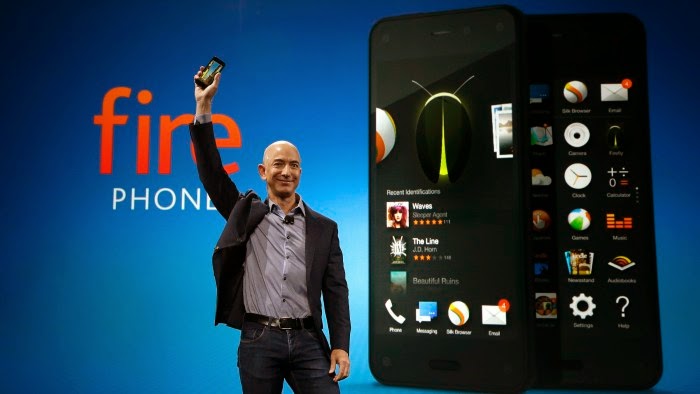
    Amazon’s Q3 results dropped not too long ago, and it packs some big numbers. While the Everything Store raked in $20.58 billion in revenue (which is more than what most small countries make in a year) it just wasn’t enough to please those pesky shareholders — the company’s stock price is down over 10 percent in after-hours trading. Amazon’s business model is the epitome of spending money to make money, except what operating profits they do post are pretty meager and big losses like today’s (think $437 million) aren’t rare. In fairness, this quarter has been a really busy one for the folks in Seattle. After all, Amazon snapped up Twitch for a billion dollars, expanded its same-day delivery service in six cities across the United States, and launched a phone that no one actually seems to want (if you’re reading, Bezos, we’d still like hard sales numbers for that thing). The question is, how much longer can Amazon afford to spend and spend and acquire and expand and develop before shareholders — the people who back the company with their own money — decide that Amazon’s not going where they want it to?

    Update: So our wishes for firm Fire Phone sales numbers haven’t been answered, but we’ve now got a better idea of how it’s doing thanks to the company’s CFO. During the company’s earnings conference call, Amazon’s Tom Szkutak said it took a $170 million hit “primarily related to Fire phone inventory valuation and supplier commitment costs.” Yikes.

    Via Engadgets

  • Roughly 1000 Transactions Made with Apple Pay Were Logged Twice in Customer Accounts

    Roughly 1000 Transactions Made with Apple Pay Were Logged Twice in Customer Accounts

    Roughly 1000 transactions were made with Apple. Some Bank of America customers have been double-charged for purchases made with Apple Pay, the payment system Apple launched on Monday.

    Roughly 1,000 transactions made with Apple Pay were logged twice in customer accounts, said Tara Burke, a spokeswoman with Bank of America, which is one of the largest U.S. banks and was an Apple Pay launch partner.

    “We apologize for the inconvenience and are correcting the problem,” said Burke.

    The duplicate transactions should be removed by the end of Wednesday.

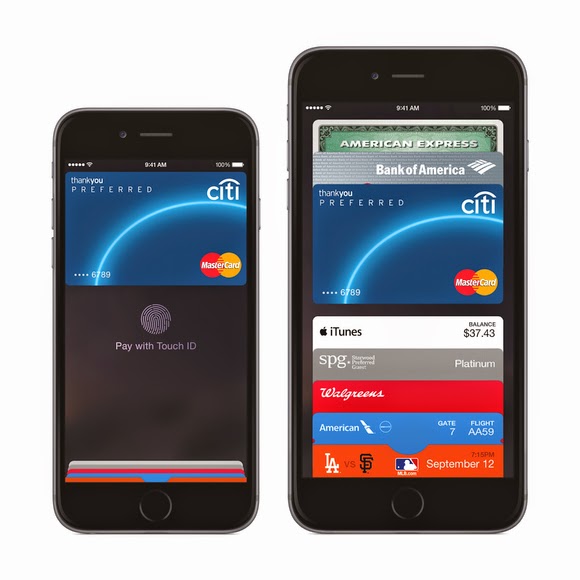
    Apple Pay utilizes a secure chip inside Apple’s new iPhone 6 that enables the phone to emulate an NFC (near field communications) payment card. When the Apple Pay app is loaded with a customer’s credit or debit card, payments can be made at NFC terminals by bringing the phone close to the terminal.

    Roughly 1000 Transactions. The system is being positioned as easier and more secure than current payment cards because the card number is not passed to the retailer’s terminal. Instead, a substitute number called a token is offered to the merchant, which sends it on to the card issuer for approval.

    The token can only be used once, so if it’s stolen it should prove useless to cyberattackers. It’s tied to the actual card number deeper in the financial services network, further away from the retailer terminals that have been the target of so much hacking recently.

    Apple Pay is compatible with existing NFC payment terminals, which can be found in around 200,000 shops and taxis across the U.S.

    Originally posted on PC World

  • Vint Launches A Monthly Subscription Service Offering Unlimited On-Demand Fitness Training

    Vint Launches A Monthly Subscription Service Offering Unlimited On-Demand Fitness Training

    Two months after bringing its fitness marketplace to San Francisco, Vint is introducing a new way for users to set up 1-on-1 or group workout sessions with trainers in the form of a $120 monthly subscription that lets you arrange as many meetups as you’d like.

    The subscription service, known as Vint Unlimited, encompasses all of the workouts available on Vint today. That means you could go meet a trainer who specializes in pumping iron on Monday at a location that lets you hit all your major muscle groups and meet a CrossFit instructor in the park on Tuesday or Wednesday. Vint Unlimited won’t come online until November 1 (and that will only be in, though users who sign up now can get a week free to try it out.

    On a phone call, Vint CEO Louise Eriksson told TechCrunch that the idea behind the new subscription is to eliminate the friction involved in fitness — committing to a contract at the gym, making time to go, and sticking with a routine. While I certainly believe that workout schedules and gym membership are daunting and a turn-off to many who would like to get in better shape, I’d say the biggest “friction” when it comes to fitness is shear human laziness. Vint isn’t going to convince many people who aren’t willing to get up and go for a walk or jog and maybe do some bodyweight exercises to commit to spending $120 per month to get training that still involves meeting someone and putting themselves through intense exercise.

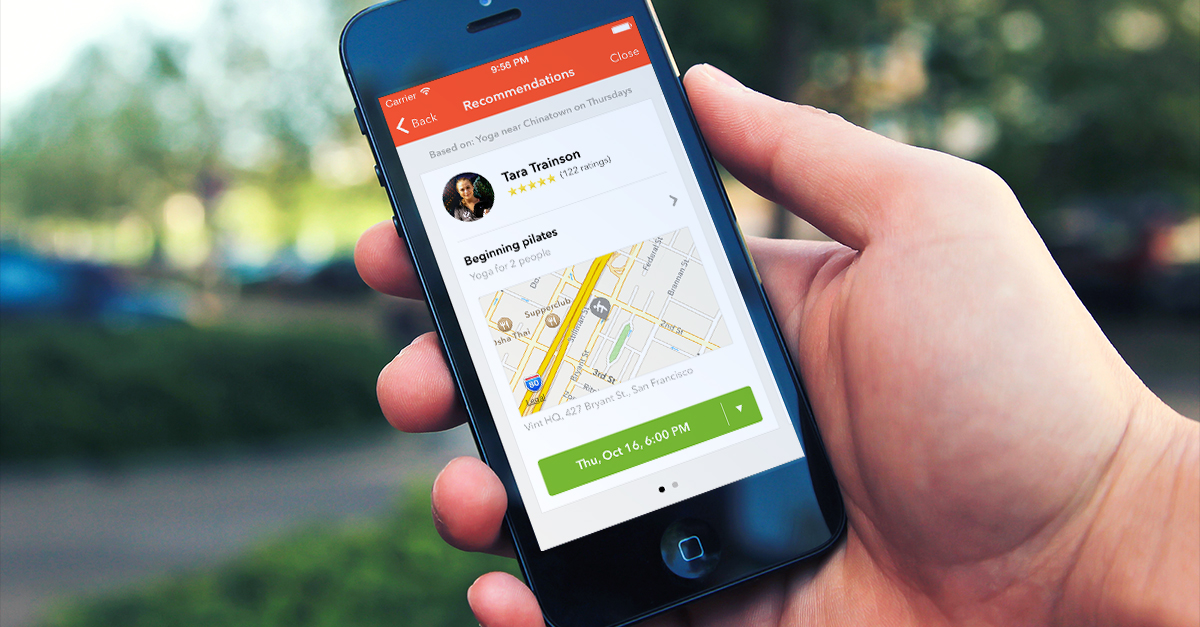
    But for those who already pay a monthly fee, Vint Unlimited seems like a pretty great deal. Doing the same routine every week kind of stinks—tthat’s why I tend to give up on my fitness plans every few months, at least. Being able to switch between tennis, boxing, and ballroom dancing (I am not brave enough to pick up pole dancing just yet) keeps things fresh. And with the new Recommendations feature, Vint lets you say what times are best for your workout on a given week and the kinds of routines you’d be willing to try and then suggests a couple of trainers you might like — or, you can use the new Social Feed to take up the same routines as your friends using the app. There’s bound to be some overlap anyway, given the fact that there are only 60 or so trainers in San Francisco at the moment, so you might as well work out with friends when you find someone you all like.

  • Getting Started With Apple Pay? See How it Works

    Getting Started With Apple Pay? See How it Works

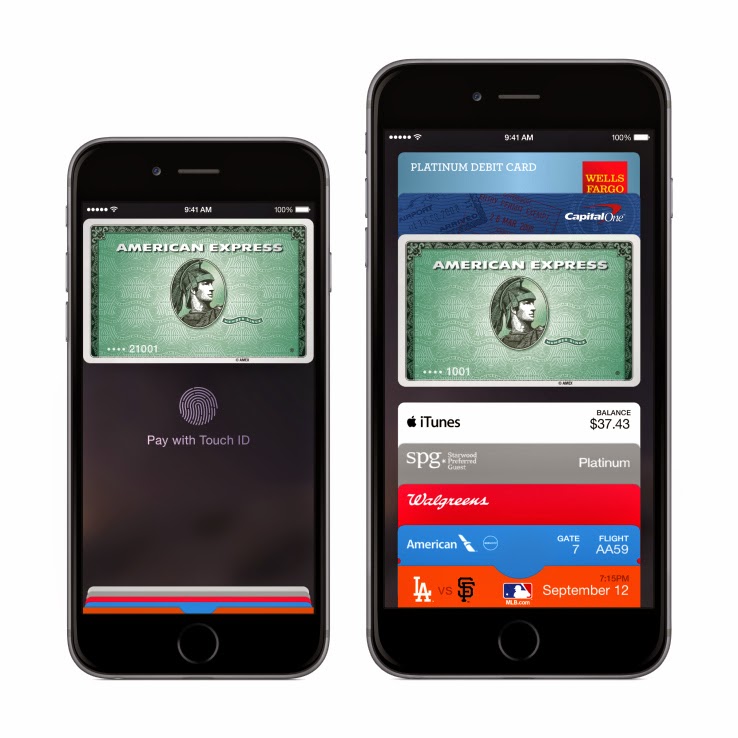
    Apple Pay is now available for anyone to use, provided they’ve got all the prerequisites, both for physical stores and for online transactions.

    But you can’t just walk up to your local brick-and-mortar store and wave your iPhone and walk out with whatever you want – that would be theft. Instead, you’ll need the following to be in place to have a happy Apple Pay experience.

    1. Hardware: iPhone 6 or 6 Plus for retail; iPad Air 2 or mini 3, or iPhone 6 or 6 Plus for in-app transactions
    2. Software: iOS 8.1 (which just because available earlier today)
    3. Touch ID set up on your device with at least one stored fingerprint
    4. A credit or debit card from one of Apple’s launch payment partners
    5. An iCloud account

    After you’ve got all that in place, you can opt to either use the cards you’ve already got on file in iTunes to pay, or add a new one. Adding a new one is as easy as snapping a pic of your plastic, and then manually entering the security code around back. You can also manually enter all the information, if you’d rather not use the camera. If the card is compatible, it will verify and make it available for purchases. If it isn’t, call your bank and ask them to get with the program.

    If you’re using a card already on file, you’ll just need to enter the security code found on the back to authorize its use, and then agree to the Apple Pay terms of service. Once that’s complete, you’re ready to roll.

    Apple Pay in stores should be available at participating launch retailers, which include Aéropostale, American Eagle Outfitters, Babies”R”Us, BJ’s Wholesale Club, Bloomingdale’s, Champs Sports, Chevron and Texaco retail stores including ExtraMile, Disney Store, Duane Reade, Footaction, Foot Locker, House of Hoops by Foot Locker, Kids Foot Locker, Lady Foot Locker, Macy’s, McDonald’s, Nike, Office Depot, Panera Bread, Petco, RadioShack, RUN by Foot Locker, SIX:02, Sports Authority, SUBWAY, Toys”R”Us, Unleashed by Petco, Walgreens, Wegmans and Whole Foods Market.

    Online, apps are already rolling out that also support Apple Pay, so check your updates column, or stay tuned to the “Featured” page, where Apple will be surfacing many of them. You can authenticate the purchases using your fingerprint, so long as you’ve registered it with Touch ID, or using your passcode if that doesn’t work for some reason. Apple Pay is secure thanks to the system it uses to store and transmit payment information, which doesn’t actually share any credit card details over NFC with the merchant, and it works with your existing cards, including rewards programs, etc.

    We’ll have a first-hand account of how Apple Pay works in the real world shortly, but early reports from Twitter seem to indicate things are working smoothly with the newly launched

    Originally posted on TechCrunch

  • Spotify Launches New Subscription Plan, Starting At $14.99 Per Month For Two Members

    Spotify Launches New Subscription Plan, Starting At $14.99 Per Month For Two Members

    A much requested feature — and playing catch-up with competitors, such as Rdio — Spotify is introducing a family plan to reduce the cost of several family members subscribing to the music streaming service.

    The ‘Spotify Family’ plan lets users buy premium subscriptions for up to four additional family members at 50 per cent off, or $4.99 for each additional account. So, for example, a family of five would pay $29.99 through the new family plan rather than the $50.

    Like stand-alone Spotify Premium accounts, under the family plan each member can create and manage their own descrete playlists/music library and get personalized song recommendations. In addition, all of the other Premium features apply, such as the ability to cache playlists for offline listening, multi-device/mobile support, and ad-free listening.

    “This is one of the most asked for features from our audience,” says Ken Parks, Chief Content Officer at Spotify, in a statement. “With today’s announcement we’re making it easier than ever for the whole family to experience Spotify Premium on their phones, at home and on the go.”

    However, while the move and reduced pricing will be welcomed by families who are already hooked on Spotify or want to add additional household accounts, it also speaks to one of the challenges facing the company. As Josh Constine notes, the big problem for Spotify is that its on-demand streaming competitors aren’t in the music business. Apple uses music software to sell iPhones and MacBooks. Google Music is designed to lock people into its ad-filled ecosystem. Amazon bundles music in for “free” with a $99 a year Prime subscription that gets you to buy more physical goods.

    In other words, all three of Spotify’s deep-pocketed competitors could drive down the price of music streaming further because they make money elsewhere. If music streaming services weren’t already a commodity, it’s not inconceivable to imagine on-demand streaming becoming something we eventually expect to come for free with a phone or mobile OS, regardless of any attempts to differentiate via a better user experience or broader music catalogue.

    Posted via TechCrunch

  • Hacked Screenshots Reveals how you can Send Money to a Friend Via Facebook Messenger

    Hacked Screenshots Reveals how you can Send Money to a Friend Via Facebook Messenger

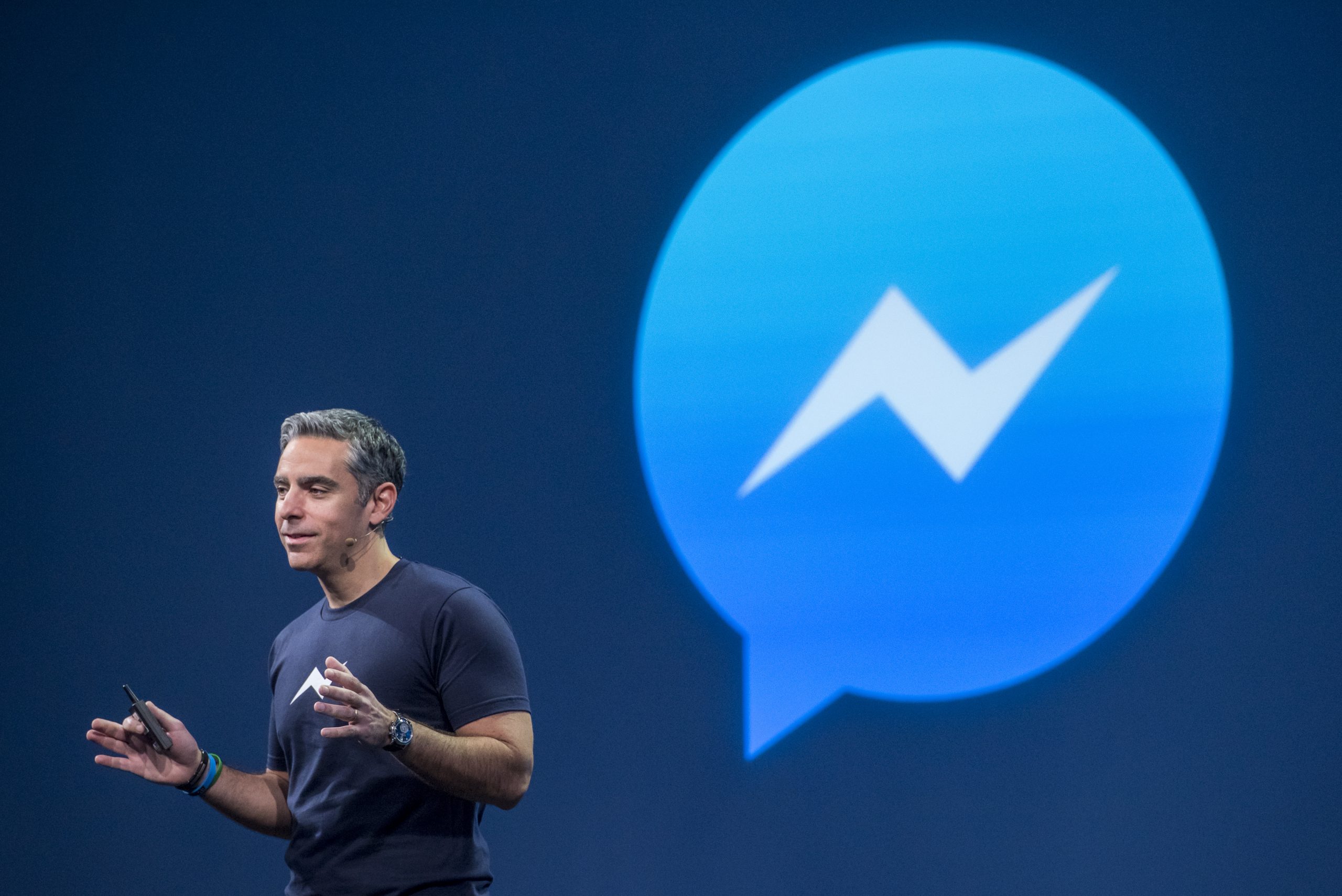
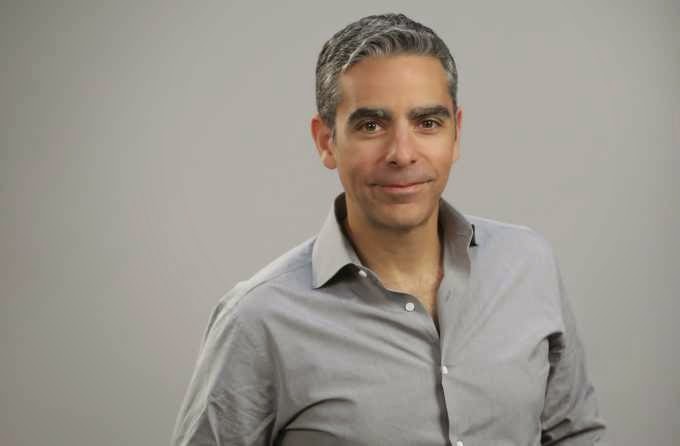
    When Mark Zuckerberg recruited Ex-PayPal president David Marcus to head the affairs of Facebook Messenger three years ago, few understood the motive behind this move, but now it is crystal clear for everyone to see: Facebook is set to allow its users to send and receive money via its standalone Messenger.

    Mark recently hinted on the integration of a payments service into Facebook standalone messenger. Stressing that “The payments piece will be a part of what will help drive the overall success and help people share with each other and interact with businesses.”  However, he urged Wall Street not to get too foamy at the mouth because it may be awhile since “there’s so much groundwork for us to do.”

    He urged analysts and investors to revise their estimates of Facebook’s revenue if they expected this to come quickly. “To the extent that your models or anything reflect that we might be doing that, I strongly encourage you to adjust that, because we’re not going to. We’re going to take the time to do this in the way that is going to be right over multiple years” Zuckerberg concluded.

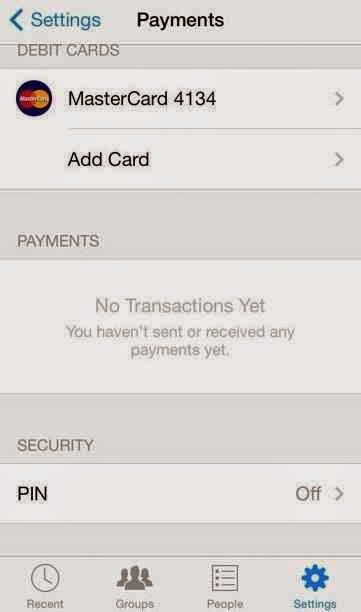
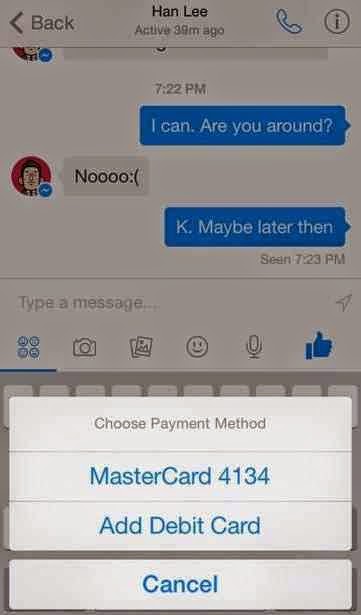
    According to screenshots and video taken using iOS app exploration developer tool Cycript by Stanford computer science student Andrew Aude, all Facebook has to do is simply turn on the feature and users will be able to send money in a message similar to how they can send a photo. Users can add a debit card in Messenger, or use one they already have on file with Facebook. An in-app pincode also exists for added security around payments.

    The presence of payments code in Messenger was first discovered by security researcherJonathan Zdziarski last month. Earlier today, Techcrunch writer Josh Constine reveals his conversation with a young computer scientist [Andrew Aude].

    Aude tells me he used Cycrypt to dig into the Messenger for iOS code on his jailbroken iPhone and turn on the payments feature to nab the screenshots and video. I contacted the company to inquire about Messenger payments. Facebook declined to comment.

    Aude played around the with feature and its code. He tells me you simply hit a button to initiate a payment, enter the amount you want to send, and send it. Facebook keeps the transaction private and doesn’t publish anything about it to the News Feed.


    EwtNet believes that Facebook has the potential to dominate both messaging and payments service globally if the Messenger Payments becomes a success.

    Images by Stanford computer science student Andrew Aude via Techrunch

  • Facebook Calls on Ex-PayPal’s President David Marcus to Run it’s Messenger

    Facebook Calls on Ex-PayPal’s President David Marcus to Run it’s Messenger

    Facebook doesn’t show ads in Messenger or WhatsApp. Instead, payments could be the key to earning money on chat, especially in the developing world where ad rates are low. If that’s the strategy, Facebook just got the perfect executive to lead the charge. It’s poached PayPal’s president David Marcus to run its Messenger unit.

    Facebook hinted that Marcus would be looking outside of ads for how Messenger could bring in revenue, writing in its announcement of the hire that “David is a widely respected leader in the technology industry with a track record of building great products and finding creative ways to turn them into great businesses.” For now, eBay CEO John Donahoe will be the interim PayPal president.

    Marcus joined PayPal three years ago when it acquired his mobile payments company Zong for $240 million in cash. Zong let users buy things online through carrier-billed mobile payments.

    In a Facebook post announcing his move, Marcus wrote: “While I was in the middle of my thought process about what was next for me, Mark Zuckerberg and I got together. Mark shared a compelling vision about Mobile Messaging. At first, I didn’t know whether another big company gig was a good thing for me, but Mark’s enthusiasm, and the unparalleled reach and consumer engagement of the Facebook platform ultimately won me over. So… yes. I’m excited to go to Facebook to lead Messaging Products.”

    Facebook has previously said that it wants its standalone apps to hit at least 100 million users before it starts monetizing them. Messenger now has 200 million users and recent acquisition WhatsApp has 500 million, so they’re both definitely eligible. Both have been focusing on growth and boxing out the competition in the heated messaging space. But since monetization plans can take a while to get mapped out and then revved up, it’s smart for Facebook to start thinking about this now.

    Facebook has already made some forays into the payments space. The Financial Times reported in April that Facebook had applied for an e-money license in Ireland that let it handle peer-to-peer money transfers in Europe.

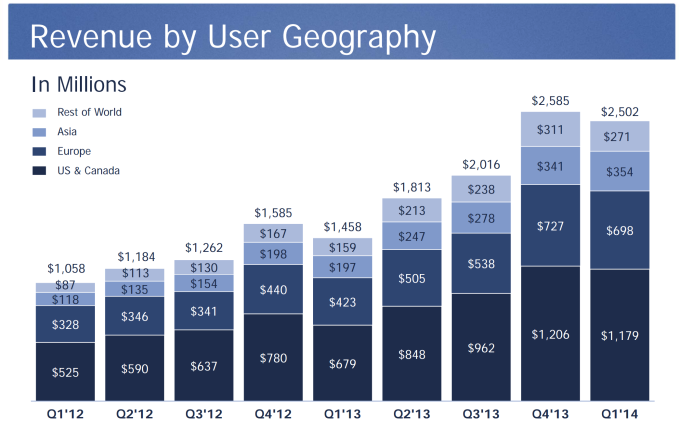
    Using Marcus’ expertise could one day help Facebook earn significant revenue from developing nations and the parts of the world it’s trying to connect to the web through Internet.org. In these markets, buying power is smaller in absolute terms because of lower currency values, cost of living, and more modest incomes of citizens. This makes it tough to earn serious revenue from ads. Facebook makes just 11 percent of its revenue from all countries outside of the U.S., Canada, Europe, and Asia combined.

    But one thing people do spend money on in the developing world is fees for payments and remittance. Mobile payments for digital and physical goods are starting to become popular in developing nations. Meanwhile, many migrants send money they earn back to family members in their home countries, but are forced to endure extortionate fees. Facebook could use the ubiquity of its mobile apps, including Messenger and WhatsApp, to disrupt the current players in mobile payments and remittance, earning those fees for itself.

    Facebook and WhatsApp already know people’s social graphs so they can chat. Layering payments on top could be relatively simple. It could look a little like a combination of Messenger and Venmo, a slick peer-to-peer payments app that PayPal acquired along with its buy of parent company Braintree. The same way you select to send a photo with a message now, you could eventually add a money transfer.

    In the developed world, this might help friends settle up for group dinners or shared taxi rides. But in developing countries, remittance through Facebook could become popular if it costs less and were easier than existing solutions. I’d imagine Zuckerberg’s vision for mobile messaging that he shared with Marcus goes something like “Messaging connects people directly and privately. Along with text and media, another big thing people send one another this way is money. By expanding Messenger to encompass payments, Facebook can bring families, friends, and colleagues closer by eliminating the barriers to sending and receiving cash.”

  • How to Create a U.S and Other Foreign Bank Accounts and Get a Debit Card any

    How to Create a U.S and Other Foreign Bank Accounts and Get a Debit Card any

    If you are residing within Australia, Nigeria, India, Russia or anywhere else around the world, wanting to own a U.S bank account or localized accounts in EURO, CHY, GBP and JPY. The Payoneer service is a secure and convenient service that allows you to send and receive funds globally.

    This is nothing like PayPal or the likes. These are fully functional bank accounts in your name. You can withdraw your funds from an ATM or make payments online with your Payoneer debit card.

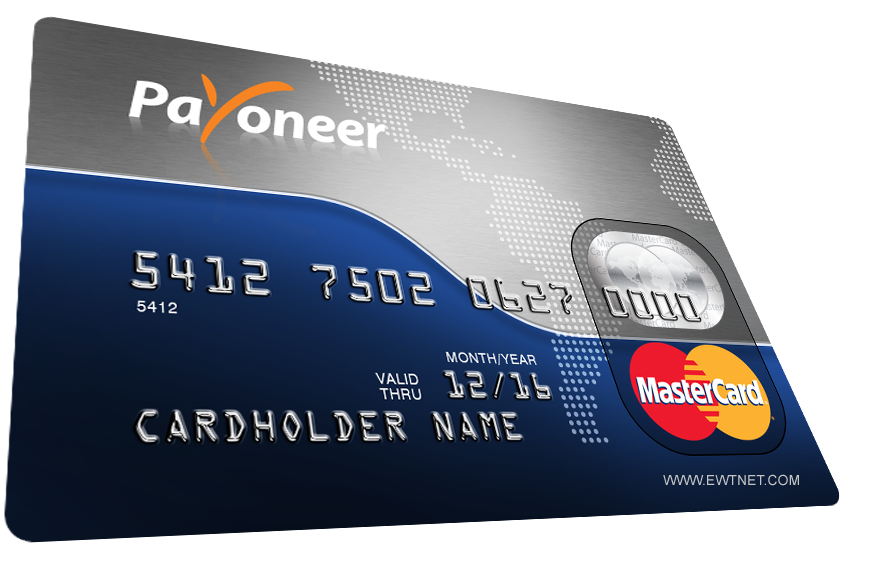
    Payoneer debit card
    Payoneer debit card

    As a resident of Nigeria (or any other country) you can own a U.S Checking Account that provides you with a US collection account that can be used to receive payments from US companies directly to your Payoneer account.

    These payments can be withdrawn using your Payoneer debit card or used to make other payments online.

    Payoneer Global Payment Service

    Furthermore, Payoneer allows account holders to own, receive and make payments in other localised currencies using the Global Payment Service.

    There are two types of receiving accounts:

    Local receiving accounts – let you get paid by local bank transfer from companies in different countries as if you had a local bank account in that country. Receiving local accounts include:

    • USD Receiving Account (United States)
    • EUR Receiving Account (Europe)
    • GBP Receiving Account (United Kingdom)
    • CHY Receiving Account (People’s Republic of China)
    • JPY Receiving Account (Japan)

    Wire (SWIFT) receiving accounts – let you get paid by wire transfer worldwide. You can use wire (SWIFT) receiving accounts to receive payments from companies located in countries where local receiving accounts aren’t supported.

    Payoneer Debit Card

    Payoneer allows you to receive ACH / Direct Deposit transfers from cooperate organizations such as eBay, Fiverr, Amazon, Upwork, etc. The debit card makes it easy and convenient to perform various transactions online such as purchasing or paying for services online and can be used in any ATM globally that accepts MasterCard.

    You can request for a separate debit card for all your currencies. Depending on your location, your debit card is shipped between 2-5 weeks.

    Setting Up your Payoneer Account

    Creating a Payoneer account is easy. You can start by simply creating an account on the Payoneer website. But the easiest method to get your account approved and verified is going through a third party.

    Co-operations such as Amazon, SeoClerks and Fiverr allows you to receive funds through your Payoneer account. Hence, providing you with a unique link to setup of your Payoneer account. In this tutorial, I will be walking you through on how to setup your U.S bank account and get your Payoneer card using Infolinks.

    Requirements

    • A Valid Email Address – Create a Gmail
    • A Website/Blog – Create a Free Blog
    • Infolinks Publisher Account – Create it!
    • A scanned copy of a government-issued ID (any of Driving licence, Passport, National ID or Voter’s Card will be fine)

    Setting Up your Infolinks Publisher’s Account

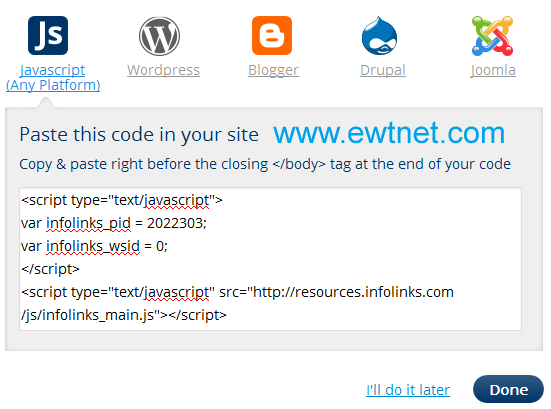
    Infolinks is a media advertisement partner that allows you to share advertisement revenue by implementing the infolinks publisher code on your website or blog.   If you don’t already own one, proceed to Gmail to create a free email account. Then visit Blogger.com to start a free blog powered by Google.

      When all is set, proceed to Infolinks Publisher’s account setup, and enter your website/blog (e.g. website.blogspot.com) address in the specified input box. FIll the remaining info and complete the setup by implementing the Infolinks code on your website/blog (See how to add custom widget on Blogger to add your Infolinks code on the Blogger platform).

    Request your Payoneer Debit Card

    I believe you have already setup your email address and created an Infolinks publisher’s account. Now, proceed to your Infolinks payment setting:

    • Enter your contact details and click next
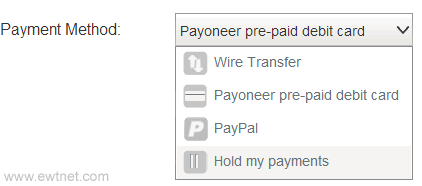
    • Select Payoneer pre-paid debit card as your payment method
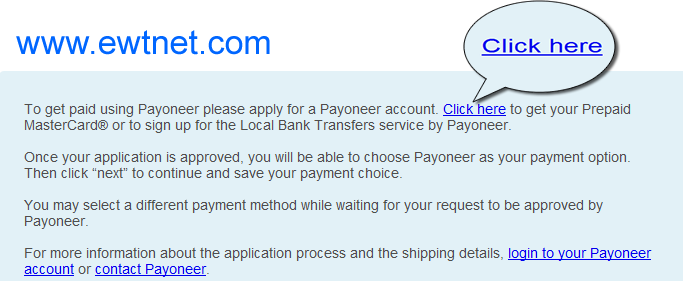
    • Immediately beneath this area, you will find a notification box prompting you that no Payoneer account is associated with your infolinks account. Kindly, follow the Creat account link and fill the form at the Payoneer website. This process will require your email address and a government issued ID. If you do not have any of driving licence, national id or passport you can select National ID and use your voters’s card later.
    Get paid using Payoneer on Infolinks

    Note: Ensure that your billing address is valid and correct. To be on the safer side, visit the nearest post office to get details of your mailing address.

    • At this point a confirmation message will be sent to your email. Sit back and wait for 2-5 business days for your Payoneer account to be reviewed and approved.

    Once your account is approved you will receive a congratulation email!

    Activate Payoneer Debit Card

    Your Payoneer Debit card will arrive your mailing address within 2-5 weeks. Once you receive it, you can proceed to your Payoneer account to view your status and activate your card.

    Setting Up your U.S Bank Account

    A free U.S checking account will be created for you the moment your debit card request is approved. This account is used to receive payments from US companies directly to your Payoneer account.

    Check your email inbox for an email from [email protected] containing the following message:

    Dear FirstName,

    Welcome to the Payoneer US Payment Service.

    This service provides you with a US collection account that can be used to receive payments from US companies directly to your Payoneer account!

    Your US Payment Service information:
    BANK NAME: Bank Of America
    ACCOUNT TYPE: CHECKING
    ACCOUNT #: ***-***-***-***-***-***
    ABA # (Bank Routing Number): ####-#####
    Please Note: Your US Payment Service has not yet been verified. In order to ensure that payments you receive are funded to your account without delay, you’ll need to verify your service by completing the following steps:

    Click here to complete the US Payment Service Questionnaire
    Click here to submit a copy of your government-issued photo ID

    Kindly, follow the links provided in the email to submit your US Payment Questionnaire and a scanned copy of your government-issued photo ID respectively.

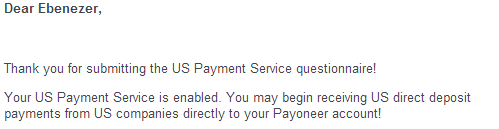
    Wait for a message similar to this one:

    Congratulations! Your U.S Bank Account is ready to be used. You can use this account to receive funds from various U.S co-operation including Paypal and Amazon.

    Need Help?

    If you want us to help you setup your U.S Checking Account or request for a Payoneer debit card. Contact us here.