Yes, you’ve heard right. According to a recent article from an Indonesia news website “Detik.com,” the Windows Indonesian president Andreas Diantoro said, rather confirmed, that Windows 9 will be available for free to users of Windows 8(8.1). According to Andreas, the “update will be automatic” for Windows 8 systems. Whether this update will occur also for Windows 7/Vista users is yet to be announced nor confirmed.
While this can surely be just rumors, we might get the 101% confirmation when Microsoft unveils its new OS at an event at San Francisco tomorrow (September 30th, 2014). This all comes ahead of an announced “preview edition” of Windows 9 which is expected to come round October of this year.
Why would Microsoft make their new OS free? Well, some should take in account of how much negative feedback that was received to Windows 8, their OS that released two years ago; reason of the hate to it happened to be that Windows 8 removed the traditional start menu popup, and gave everyone a “Retro Start Menu” in its place. Not only that, but it is an OS solely aimed at mobile systems, and I think it’s safe to say that the design may have been a wrong choice, given the stop coming to the production/support of Windows 8 and Windows 7.8 phones.
Anyways, with the hate, their blunder of the Xbox One reveal, and more; Microsoft is letting fan and/or user loyalty slip away and they do this even more by not standing for support of free OS support. Apple’s updates to OS X’s are always free to owners of previous versions, however with Microsoft’s “Windows,” the case hasn’t been the same. No one got a free update from Windows 7 right to Windows 8, or from any other versions that preceded it. Some believe that giving Windows 8/8.1 a free update to Windows 9 or “Threshold” (official name still unknown) will be an incentive of Microsoft saying something like “sorry we’ve screwed you over recently.” This could also be them contributing to being more free on OS’; this can definitely gain them some big media points, along with their names eventually hitting all game systems thanks to their acquisition of Mojang: the creators of Minecraft.
So, all-in-all it’s only right to give some incentive back to their users that stayed with them even through the muck of the buggy, unattractive to most; Windows 8. What are your thoughts on the announcement of the free upgrade? Let us know in the comments below.
If you’ve ever wished that the screen on your Android phone or tablet stayed on longer before going to sleep, you’re not alone. Luckily, this can easily be adjusted in the settings with just a few taps. Not only that, you can prevent your Android device from sleeping while it’s charging, too.
The term ‘screen timeout’ refers to the time it takes for your smartphone or tablet to go to sleep (the screen turns off) after you’ve stopped interacting with it. The average screen timeout sits around 30 seconds to one minute, depending on your device. For many users, this is acceptable, but there are times that you might wish that your phone didn’t go to sleep so quickly.
Maybe you’re looking at a recipe on your tablet in the kitchen, your hands are covered in food, and you need to get to the next step. Maybe you’re reading a walkthrough for a video game and just want to glance over to see what to do next without pausing. Here’s how you get your screen to stay on longer.
Depending on your phone, the Display Settings can appear in a tab or window, but will you give the same options.
To get started, go to the Settings > Display. In this menu, you’ll find a Screen timeout or Sleep setting. Tapping this will allow you to change the time it takes your phone to go to sleep.
Certain phones offer more screen timeout options.
Select the timeout option that you’d like, and you’re done. Keep in mind that the display is one of the biggest battery hogs on your phone, and a longer screen timeout setting can, and likely will, lead to faster battery drain. Make your phone a night owl while charging
Daydream not good enough for you? Android gives you the option prevent your phone or tablet from sleeping while it’s charging. First, you need to unlock Developer options.
If you check the Stay Awake box in Developer options, the screen will never turn off while its charging unless you press the power button.
Once you have enabled the Developer options, check the Stay awake box to keep your phone from sleeping while you have it plugged in. Of course, pressing the power button will still turn the screen off, just in case you want to get some shut eye at night.
All rights reserved. Blake Stimac — Staff Writer, Greenbot [Image credit: Greenbot]
With Apple releasing new iPhones next week, the question arises: what will happen to its existing models?
With recent releases, Apple has kept older devices around to serve it at lower price points in certain regions. But which older devices are going, which are staying and what will the prices be?
Just as a thought exercise, let’s talk this out.
What I would conjecture is that the iPhone 5C is going away, a move that that wouldn’t come as too much of a shock to most, though sales of the device have appeared to pick up lately. Though I personally like the look and feel, and think that it’s well built, the perception is that it’s a ‘lower end’ device that packs older innards. Apple could easily drop it from the lineup to make room for a new ‘low end’ unit.
That new low end? Probably the iPhone 4S.
Yes, it’s 3 years old, but the hardware is still decent and runs iOS 7 (and iOS 8) just fine. But it’s also 3 years old — that means that Apple has had time to get the manufacturing costs for the device down, way down.
By dedicating manufacturing facilities to making these older devices, and using parts and processes that have only gotten cheaper over the intervening years, Apple could afford to charge as little as $300-$350 for the 4S, making it a relatively attractive buy in places like India, Southeast Asia and other markets were it needs more penetration outside of the ‘subsidy-rich’ US.
As far as the iPhone 5S, I’d guess that will probably stick around too — as a ‘medium end’ subsidized model. If Apple is able to get it to clock in at around $500 then it could have real success as a prestige buy for the mid-tier Chinese customer. And Apple could probably find a way to subsidize it down to the $50-$100 range in the US.
Because of its status as a premium unit — with premium materials — it wouldn’t fall into the same ‘unapologetically plastic’ perception trap that the 5C did. Too expensive to be considered ‘cheap and cheerful’ but too cheap (perceptively) to be considered a status symbol.
Of course, I could be wrong and the 5C could stick around for another year. We’ll see.
This article was first seen on Techcrunch. Image copyright belongs to Techcrunch
Sony’s smartphones rarely get the credit they deserve in the U.S. market. With the exception of a few, the company’s smartphones are usually limited to unlocked and online sales only, which doesn’t help them gain consumer mindshare. It’s unfortunate, as Sony has crafted some impressive phones, and it’s latest flagship, the Xperia Z2, is no different.
At $700, the AT&T and T-Mobile-only smartphone is going to be a non-starter for some people. Still, the Xperia Z2 is just as good as any other top-tier smartphone today, featuring a solid camera and great design, imbued with Sony’s unique style.
Sony Xperia Z2 key specifications
5.2-inch display with a resolution of 1080 x 1920 pixels
Quad-core 2.3 GHz Krait 400 processor
3GB RAM
16GB of internal storage, expandable up to 128GB via microSD card
20.7 MP rear camera
Shatter proof glass
Android OS, v4.4.2 (KitKat)
Non-removable Li-Ion 3200 mAh battery
2G, 3G, 4G, Wi-Fi, Bluetooth 4.0, Wi-Fi hotspot
Micro SIM support
A solid performer
Just about every aspect of the Z2’s design has been changed for the better.
The Xperia Z2 has “flagship” written all over it. Shipping with a 5.2-inch 1080p HD Triluminos display, 2.3GHz quad-core Qualcomm Snapdragon 801 processor, 3GB of RAM, and a 20.7 megapixel camera, it seems as though the smartphone will still be a viable option well into the next year.
Rounding out the specs, the Z2 comes with the usual suspects: Wi-Fi, aGPS, NFC, Bluetooth 4.0, and a large, 3,200 mAh (embedded) battery to keep you powered up.
The Z2 has slimmed down compared to it’s older brother, the Z1. Sony managed to throw a larger display in a slightly thinner narrower frame by shrinking down the oversized bezels found on its predecessor. The one area that the Z2 has grown in is height: it’s almost 3mm taller than the Z1.
The layout of the Z2 is basically identical to the Z1. Ports remain in the same place (complete with lanyard holes), though the Z2 has a few tweaks that go a long way. First, the speakers have been moved to the front, which will make watching videos on the Z2 that much better. They don’t produce the same stellar sounds as the HTC One (M8), but it’s still miles better than most smartphone speakers today.
Sony introduces digital noise cancellation with the Z2, which requires the included MDR-NC31EM headphones. Also available separately for $60 at the Sony Store, the packaged headphones are just another perk you’ll get with the Z2.
Star of the pool party
Thanks to its water resistance, you can be assured that H20 is no match for the Z2.
Sony was one of the first of the major OEMs to add water and dust protection to its flagship smartphones. The Z2 continues in this tradition with an IP55/58 rating, allowing it to be submerged under 5 feet of water for up to 30 minutes. This is a great trend among manufacturers, and the Z2 is somewhat functional while submerged: you can use the camera underwater, thanks to the dedicated camera button.
A downside to all of the water resistant powers of the Z2 is that most ports have big flaps covering them to protect from water getting in. It’s a necessary evil, I suppose, but it’s not terribly elegant.
A significantly improved display over the Z1
The Z2 ships with Sony’s Triluminos display, but now includes the addition of Live Color LED tech, which vastly improves the vibrancy of colors, viewing angles, and contrast. While not comparable with OLED, the blacks are blacker and colors pop more.
Sony’s X-Reality imagine processing engine returns to enhance your viewing experience for movies. By analyzing almost every aspect of an image, the engine will fill in missing pixels, sharpen edges, and boost the richness of colors, even with low quality video. For the most part, it does a good job at enhancing video, but it can also, at times, be a bit too intense. If you find that it’s not to your liking, you can always disable the optional feature.
Whether you’re seeing red or want to cool it down, you can change the white balance settings on the Z2 easily.
The default white balance of the Z2’s display is spot on in my opinion, but Sony will let you tweak it to your heart’s content in the display settings. So, if you want to give your screen a warmer or cooler look, you can do just that. The display settings also give you the option to enable the Glove Mode and Tap to Wake features, which are self explanatory, and pretty great.
Omnibalance is still a beautiful design aesthetic
The Omnibalance design on the Z2 is ultra minimal.
Despite the larger-than-normal bezels on the Xperia Z and Z1, I’ve always admired Sony’s Omnibalance design approach. The subtle design language may look underwhelming to some, but it strikes a nice harmony between industrial and modern design.
From the two glass panels on the front and back to the one-piece aluminum frame that holds them together, the Z2 not only looks like premium hardware, it feels great in the hand. While the glass on both sides of the phone are certainly fingerprint magnets, the cold smooth feeling of glass will always best any polycarbonate casing.
While the glass panels on the Z2 feel nice, they also give off the feeling that the phone is fragile, because, well, glass breaks. The metal frame surrounding the smartphone certainly won’t protect the glass, so you might want to get a case for the Z2 if you don’t want to treat it like an antique.
Sony managed to shrink the bezels on the Z2, which also allowed them to increase the size of the display without adding too much heft. It’s is still a large phone, though. Just slightly taller and narrower, the Z2 is in line with the size of the LG G3, which comes with a larger, 5.5-inch display.
The best of Sony is found in its software
The software on the Z2 is a nice blend of Sony and Android in an easy to use package
Sony’s custom user interface for Android is one of my favorites because it’s not overwrought with useless customization. It’s a unique take on the Android operating system that uses some of the design values Google suggests, along with a many of it’s own, which makes for an interesting experience.
The Z2 ships with a custom user interface that’s wholly Sony, and has an elegance to it that a majority of the other OEM skins lack. It’s quite apparent that some of the UI elements are influenced by the PlayStation, which I enjoy. The default live wallpaper and touch sounds seem to be ripped right from the PlayStation 3.
Like most OEMs, Sony provides its users with a handful of its own apps, like Albums, Walkman, and Movies. The music and movie apps are tied into Sony’s ‘Unlimited’ services, so you can purchase content right within the apps. Of course, you’ll still have access to everything the Google Play Store has to offer.
An impressive but inconsistent camera
It’s not perfect, but the 20.7 megapixel camera can produce beautiful shots.
The 20.7 megapixel camera on the Z2 is almost identical to the shooter found on the T-Mobile Z1S, with one exception. The camera on the Xperia Z2 can record 4K video.
There are a handful of different modes you can choose from in the camera software. From the useless but fun AR Effect to modes like Timeshift, Vine, and the great Superior Auto mode, you’ll have a good time with all of the Z2’s camera features. However, if you think you can combine these modes with the 20.7 megapixel shooter, you’d be wrong. Unfortunately, most of the nifty modes can only be used when the camera is set to 8 megapixels or lower.
Even with some great optics in the camera, the photos from the Z2 can look pretty soft at the edges and tend to be grainy. Focusing is also an area that the camera struggled with. Taking a picture of a paper cup a foot away from me, the Z2 either never focused and reset or was completely blurry.
Like most modern smartphone camera, the Z2 performs very well in good lighting. Compared to the G3, the color representation was more accurate, with LG’s flagship oversaturating the overall image. It performs well in low-light, too, though the softness at the edges and graininess returns.
Overall, the camera on the Z2 is quite the performer, and can take one of the best shots you’ve seen on a camera one second, then produce an average photo the next.
All day and all night battery
Thanks to the massive 3,200 mAh battery powering the Z2, this is a smartphone that should last longer than the competition. In our HD video test, the Z2 squeeze out just over 10 hours of playback while in airplane mode with the display set at 100 lumens. Not only will this give you ample real-world use time, but you’ll also be able to take advantage of Sony’s low battery and Stamina mode to get you through the tough times when you don’t have a charger on hand.
It’s not too late to love this phone
The glass panels add to the premium design of the Z2.
I really like this phone. In fact, had I not recently purchased the G3, and the Z2 was available on AT&T, it might be in my pocket. I can live with the big port covers and the sometimes finicky camera, as the whole package is still very appealing. Of course, if it were in the market this second, I’d struggle with buying the Z2 and waiting for the next Xperia flagship, coming this fall.
There are a few caveats to purchasing a Z2, and they have little to do with the phone itself. With IFA right around the corner, there’s a very good chance that Sony might unveil the Xperia Z3.
The other elephant in the room is the fact that the Z2 is only available online, unlocked, and unsubsidized, for $700. That’s a hard pill to swallow. Of course, this is how much smartphones actually cost, allowing you to live a real contract-free life, and not some “on-contract” carrier payment plan that locks you in for a couple years.
Overall, if you like Sony’s style and have the money to burn for an unlocked phone on T-Mobile or AT&T, the Z2 should be on your list to check out.
Device Unlock is an application that allows you to request and apply a Mobile Device Unlock directly from the device. For many of you Android users out there, you probably know your way around, but there are many out there with tied-down phones who have no idea where to start. And since unlocked phones are basically a civil liberty for the time being, T-Mobile plans to help them.
Note: Unlocking your smartphone is completely different from rooting your Android device. For walk-through on how to root most Android devices, kindly read: 3 Steps to Root any Android Phone with 1 Click
A Coin of Two Sides
The Device Unlock App offers you two options: one that permanently unlocks a device, for those who want complete freedom from the carrier, and a temporary unlock, which frees the phone for 30 days so you an use it overseas. The permanent unlocking option will check to see if your device is actually eligible for it before it completes the process.
The Downside
While the functionality of this app remains flawless, the limitation of supported devices remains the Achilles heel: So far, the application may install successfully on devices like T-mobile variant of the LG G3 but only works on Samsung Avant devices as clearly stated on the Play Store description. This has earned it a number of criticism among Android users in the Play Store. However, according to TmoNews.com, the US’s fourth biggest carrier is working on an app that lets its users easily unlock their phones with the literal touch of a button. It’s a really smart idea, and it’s probably how the carrier plans to appeal to all the novice smartphone users out there.
When unlocking is unsuccessful an alert pops up with details on why the your unlocking failed (See screenshot above).
The President has signed a bill into law that allows American citizens to legally unlock their phones. That means you can take your mobile device, no matter which carrier subsidized it, and move with it to a competing carrier.
Unlocking phones was made illegal in January of 2013, when an exemption to the DMCA expired. The bi-partisan bill was passed last week by the U.S. House of Representatives, after already being approved by the Senate.
There is bit of a catch: the Unlocking Consumer Choice and Wireless Competition Act, as it’s called, is valid only through 2015. For now, it ensures you have a choice in matters of your mobile device, as long as your phone is compatible with another carrier’s network and you’ve complied with your previous contract. And even if you don’t fancy yourself as technologically savvy, the bill allows you to seek outside help.
It’s been a long journey to get to this point. About a year ago, the National Telecommunications and Information Administration (NTIA) filed a petition urging the FCC to make a ruling that would require carriers to unlock phones and tablets at the customer’s request. While most carriers have been kind about unlocking devices, tools for consumers to unlock those phones and tablets themselves were considered illegal.
So, what are you waiting for? Go forth and be free! At least until the next time this exemption expires.
Password management service LastPass, which stores passwords on a secure online service to automatically log users into websites, has rolled out automatic password entry to Android apps and the smartphone’s Chrome browser.
So for LastPass users on Android, the days of manually entering passwords into apps and websites are over.
“It takes the concept of our desktop functionality — recognizing what page you’re on and looking for a match stored in your vault — but is adapted for the Android accessibility feature,” Amber Gott, a LastPass spokesperson, told Mashable. “Once the option is enabled in the LastPass Android app, LastPass can now ‘see’ when you’re on an app login page, and then can hover and let you know if you have a matching login.”
The news comes just a few weeks after competing password management service PasswordBox enabled a similar automatic entry feature. Previously, LastPass users needed to copy and paste passwords from the LastPass app to log into native apps and sites.
The feature is available for apps on devices with Android 4.1 and later and Chrome on smartphones running 4.3 and later. It also supports Dolphin HD and Firefox mobile browsers, too.
Although the functionality adds a big convenience on Android, it’s unclear if and when the feature will ever come to iOS devices.
“Unfortunately, Apple doesn’t have an equivalent that allows us to hook into the OS and securely deliver users their data,” a LastPass spokesperson told Mashable. “We’re still looking into it and hope that further updates to iOS may allow us to implement something similar.”
Click here to download LastPass password manager to your Android smart phone.
While Apple’s iOS and the Android dominate the mobile phone’s operating systems, Microsoft’s Windows, particularly Windows 8, is growing increasingly popular not only with Nokia but Samsung and HTC have taken interest.
Now the consumers are met with the question, “Which is the best Windows 8 phone“ in the market right now?. While we want to give you an answer, it would be best to let you decide. However, we can give you our best 5 Windows 8 phones to check for yourselves, based on the considerations of the phone’s basic functionality, look, capacity and price.
Nokia Lumia 925/1020
Let us begin with Nokia. It has an array of amazing units. Nokia Lumia 925 is perfect for photography. It is equipped with Nokia’s Pureview and 6 Carl Zeiss lenses to provide 8.7megapixels with Optical Image Stabilization that allows you to capture images even on low light environments. It is somewhat lined up up there with the Iphones and Samsung Galaxy S4 with its touch-screen technology of PureMotion HD + Amoled offering you 1280×768 pixels resolution. Nokia Lumia 1020 is the video and photography professional. With its main feature of 41MP camera, your videos and photos are taken in top-class clarity and detail. It is backed by the Nokia Rich Recording that provides distortion-free and stereo sound on your videos.
HTC 8x/8s
HTC also has its wonders with Windows 8 units. It has windows phone 8X and 8S. Windows phone 8X considered as one of the best Windows 8 phone for its high end quality. It has world class camera, perfect fit design, and wide screen with 1,280×720 pixels resolution. Its dual core 1.5GHz processor is capable enough, but there is no option for expanding its memory just like most Windows 8 phones. There is also the HTC Windows phone 8S.Its boldly colored design makes it classy and attractive. It has a high performing battery. Moreover, it has a superb studio quality sound and entertainment. Great photo qualities and camera options are also featured in this one of the best Windows 8 Phone.
Samsung ATIV S Neo
Next stop is the Samsung ATIV S Neo. It is Samsung’s best Windows 8 phone, because of its affordability and good performance. It has a wide screen display of 720 x 1280 pixels, 4.77 inches for easy touch and visuals. It definitely provides a good windows 8 experience. It has long life battery of up to Up to 15 h and it has good camera features 8 MP, 3264 x 2448 pixels, autofocus that can capture sharp details. However, the phone is a little bulky and heavy. It is not much of a style but still a high end one with reasonable price.
Huawei Ascend W1
If you are looking for a very affordable prepaid Windows 8 phone then Huawei Ascend W1 will be the best choice. It may not be a perfect device for some applications, but it has a strong battery life and expandable memory. However, this device has several drawbacks. It has a low internal storage of only 4 GB and low camera specs 5 MP, 2592*1944 pixels. Still, being affordable and practical, this might be perfect for some people who don’t want to stretch more of their budget.
These are the top choices that we can have varying from different types of needs and lifestyle. Windows 8 had made these phones far better than usual ones. Check them out!
The best photo editing app for iPhone is determined by the purpose for which the app is used. Instagram has become an established brand though there is stiff competition in the market. Although these apps are not perfect Graphic software, they make user experiences much easier and create more independence with regards to quick editing and can be used on iOS and Android operated phones. There is a wide variety of photo editing apps to choose from but here are the 7 best photo editing app for iPhone on the market at the moment.
Apart from being a photo editing app PicsArt serves the purpose of being a social network for sharing photos. Editing tasks like color adjustments, re sizing and cropping can be undertaken by using the Photo button. Other salient features include Effects that issue specialized tools like red-eye removal, watercolor, pastel and cartoonizer that you can brush on to the image. Conversely, you can snap pictures with a camera tool and paint or draw on an image using a layer-based interface with the Draw tool. It has one of the widest collections of image manipulation tools.
Pixlr Express is an all-round photo editor & one of the best photo editing app for iPhone. It has facilities that ensure resizing, cropping and basic cleanup. Other specialized tools providing additional enhancements to your photos include one-touch cleanups, Autofix, teeth whitening and red-eye removal. Striking improvements are ensured by lighting effects and overlays in addition to colour adjustment and other tools that are done with fine-grained control.
If you are looking for artistic and classical images, this is the right photo editor app for your iPhone. Salient features include adjustment tools and frames including fast and rough image filters. Custom effect brushes are at your fingertips to selectively paint on special effects. Repix is compatible with Samsung’s S-Pen that provides brushes, frames, filters in addition to other tools that are available as in-app purchases.
This photo editing app incorporates some desktop functions that are employed with the larger app. These include filters, adjustments, selection tools and layers. During editing, there is no loss of detail because there is no downscaling while editing up to 12 megapixels when working on high-resolution photos. Despite being slightly advanced for the novice, this is a powerful editor that makes an exceptional choice.
For those in need of a basic photo editing app, Adobe Photoshop Express is the right tool. Its properties include one-touch filters and Auto-fix for quick edits including slider controls for image enhancements such as shadows, exposure and contrast. In-app purchases allow for the incorporation of additional features like image utilities, special features and advanced filters. The basic package is mostly sufficient for simple editing manoeuvres that include cropping, resizing and red-eye correction.
Snapseed mobile provides more selective tools with one-touch enhancement through exceptional usability and power. Essential attributes allow you to fine-tune the image using a simple slider as well as quick boosts to colour and contrast including photo clean ups with Auto Correct. Other features provided are ‘Selective Adjust’ mode enabling you to tune concentrated portions of the image using saturation edits, colour and brightness in addition to the Tune Image tool that allows you to alter a variety of image effects like warmth, shadows and brightness. Tilt-shift provides a wide selection of tools and filters as well.
iPhoto is a high-end photo editing app for iOS featuring smart organizational tools that enable you to tag and sort out your photos as well as touch-based tools for adding special effects and cleaning up photos. Brush-based editing tools give you the leeway to use your fingertip in sharpening, darkening or lightening images. You can selectively edit pictures by employing gesture-based and multi-touch tools. Users can order custom photo prints or photo books while you can share photos online as slideshows or web journals.
We believe the list above features best photo editing app for iPhone, we hope this article can help you choose the right app , as always we’d love to hear your comments, suggestions…
Tons of camera apps has been made since the foundation of Android OS. While many blogs and websites has had their say on which app is best, we are going to consider seven Android camera apps that can easily fit in as the best among it’s kind.
In this list we are going to consider features that makes them stand out among the crowd and reasons why they are better than your preferred camera app. From 1 – 7, let’s get the list rolling.
For sometimes now the position of Camera360 Ultimate has been unquestionable in the marquee of best Android camera apps. The free mobile application is arguable the best camera app around this days and could easily replace any smartphone default camera app.
Features
Camera360 Ultimate of course, was only an upgrade on the old Camera360 app, which was mostly known for its HDR shooting mode. The recent version still has it in there, among some other useful features like photo effects, quick sharing, support for phone-mountable Sony lenses, and a very easy-to-use interface.
Easy-to-use Interface
Support for Phone Mountable Sony Lenses
Photo Effects
New Camera Store
Basic editing tools, including crop, rotate, etc
Photos are classified by time in Camera360 album for easy photo search and management.
Safe and smart cloud album for photo storing, managing, editing, sharing and more.
Free photo editor featuring tons of filters, unique shot modes, and extras not found in other apps from the genre
1-tap upload to Facebook, Twitter, Flickr, and more
HDR Shooting Mode
Real-time digital zoom
Hardware tweaking options, including white balance, night shooting modes, ISO, focus metering, exposure, contrast, saturation, and more (as long as your hardware supports it)
The Awesome
The application compared to its competitors is worth over $4 – $5 but has been made totally free by its producers. Camera360 Ultimate makes it easier to choose between normal shot and special effects shooting mode allowing it to function properly on almost every Android device including low end Tecno Android phones.
The latest version of Camera360 Ultimate is loaded with amazing photo tools and features. The good thing about the application is the new camera store where you can manage and add new features to your camera app. You can add features such as Effect Cam, Selfie Cam, Easy Cam, Scene Cam, Funny Cam, Tilt-shift Cam, Color-shift Cam, Audio Cam, etc. Free of charge.
Where It Falls Short
Camera360 Ultimate’s interface is great at guiding you right to the type of shooting mode you may want, but the problem with the app is that it’s gotten progressively bloated and bogged down with features that aren’t too useful and have little or nothing to do with taking good photos—just gimmicky ones. It’s also gotten to be a big of a storage hog, weighing in at 21mb.
6 Worthy Alternative of Camera360 Ultimate
Camera ZOOM FX ($3.00) has been the preferred camera app for many android users but will always face stiff competition against free top crooners like Camera360 Ultimate. The camera app has features such as:
Auto-focus and tap-to-focus modes
Hardware tweaking options, including white balance, night shooting modes, ISO, focus metering, exposure, contrast, saturation, and more (as long as your hardware supports it)
Gesture and multitouch support, including pinch to zoom, tap to focus, and tap to shoot
Burst shooting mode that supports up to 20 shots/second
Customizable grid overlays (so you can make use of the rule of thirds, the golden ratio, or other composition techniques)
Horizon level indicator (never take tilted photos again)
Stable shot meter and shooting mode (with crosshairs that flash red when the camera is moving)
Customize all the hardware buttons on your phone and assign them to camera functions, e.g. zooming with the volume controls
Support for time lapse shots and long exposures
Self Timer
Voice and sound-activated triggers: Clap or speak to take a picture
Silent photo shooting and shutter sound control
Over 40 different photo filters and effects, like tilt-shift, vignette, LOMO, retro, toy camera, and Polaroid
Dozens of photo presets for one-touch personalization
Real-time digital zoom
Geo-tagging of photos using your phone’s GPS
Preserves EXIF and other metadata with your photos
Auto-save of images when you take them
Live previews of photo effects and filters before you apply them
Basic editing tools, including crop, rotate, etc
Non-destructive photo editing features
Collage shooting modes, so you can build an instant collage of photos you’ve just taken
Quick social media share
Works a bit better than the stock app and offers ISO mode control. Unfortunately, all the photos are cropped to 4:3 instead of 16:9, and there doesn’t appear to be any way to fix it. With its amazing features as mentioned above, Camera ZOOM FX can comfortably sit in our second place for best Android camera app.
ProCapture ($3.99, Free ‘Lite’ Version) is a great camera app for niche photo shooting. The application supports multiple advanced camera shooting modes such as: Timer, Burst, Reduced Noise, Wide Shot and Panorama.
Action Snap Pro ($3.85, Free ‘Lite’ Version) is another niche photo shooting app. Allows you to use both front and primary camera of your android device. ActionSnap supports combining 4 or 9 photos. You can choose a time interval from 0.1s to 5s and start capturing photos by one click only, or you can use the custom mode to take photos one by one.
Camera FV-5 ($4.13, Free “Lite” version) has been around for sometime, but only recently did it get good enough to grab our attention—and boy did it get good. Loaded with tons of features, and the developers has added a lot of useful shooting features over filters and effects. You can now control hardware settings like white balance, exposure time, aperture, light metering, and so on, and the viewfinder even has an RGB histogram right there, updating in real-time. You’ll find all of the other useful features from Camera360 ultimate and other apps here too—tilt-shift shooting, auto-focus and tap-to-focus, long exposure support, the works. Its only drawback is that the interface can be a bit overwhelming as a result of all of the features.
Vignette ($3) midst stiff competition is still around and kicking, and is an excellent option if you’re looking for an elegant shooting interface and more filters and post-processing effects than you can shake a stick at. It looks great, is a joy to use, and like Camera FV-5 can do a lot of things the other apps here can do, including tilt-shift photography, cross process, duotone, LOMO, toy camera, and more. Vignette’s only drawback is that in being elegant and useful, it’s also a bit lighter on features and shooting modes. Still, if other camera apps are overkill but you still want a step up from stock, try it out.
Focal Camera (Free), pretty much at the beta stages and good enough to decorate the bottom area of our awesome list. The application is loaded with features like HDR shooting, panorama shooting, photospheres, burst shooting modes, self and auto-timers, and more. It’s a bit buggy on some devices, is definitely still a beta, and doesn’t support anything running less than Jelly Bean 4.2, but if you need HDR or panoramas, it’s more than worth a look.
Apple has been busy in the IT department. Today, it released a slew of improvements and alterations to its large-scale deployment tools for education and enterprise customers.
Some of the tweaks get way out in the weeds of deployment strategies, so they’ll only be really exciting for the actual pros who deal with this stuff. But the big picture is that Apple is looking to make deployments at enormous scales more appealing for the people in charge of purchasing and maintaining iPhones and iPads. This, hopefully, will result in more major purchases by organizations and fewer negative stories about failed management scenarios. The changes are outlined in a series of documents Apple posted on its IT deployment page today. These include changes to its Device Enrollment Program, Volume Purchase Program and the Apple ID for Students service. A new iOS deployment technical reference guide and Device Enrollment Program guide have been issued, updating its older versions with new options for device management. A new overview document provides a quick cheat sheet for enterprise folks looking to utilize the tools Apple provides to mass purchase apps and roll out huge numbers of iOS devices at a time. And a new iOS Security Document has been posted that provides in-depth details on how Touch ID and the A7’s Secure Enclave work.
I’ve had conversations with IT pros and people who roll out large iPad installs in the past and they’ve mentioned that one of the things that has continued to cause Windows devices to hold some appeal is their better remote installation and configuration support. To that end, Apple has made some updates to improve that situation.
Both the enterprise and education programs now have support for Mobile Device Management hands-free configuration. This ‘zero touch’ setup has been a long-requested feature for many pros, as it eliminates the need to cable up every deployed device and install a profile via Apple’s Configurator utility.
The zero touch configuration allows an organization to sign up for a profile and order devices directly from Apple that come pre-configured with all of their security and configuration choices. They can then manage them directly without ever having to touch them physically. Additionally, the ability to lock these profiles to the devices means that the end user won’t be able to remove them and do what they want to the devices willy nilly.
This way, the load is taken off of IT departments in the rollout phase and the user is able to customize and play with the devices without mucking up security profiles. It will also allow IT departments to easily and wirelessly conform users’ own devices to their company security policies with a simple opt-in.
“The other bit that’s interesting is that DEP-enrollment now allows admins to require and force MDM enrollment on devices they own,” Fraser Speirs, Head of Computing and IT at Cedars School of Excellence in Scotland, pointed out to TechCrunch. “This is huge for schools. The lack of enforceability of MDM enrollment was — by my guess — the central problem in the now-infamous Los Angeles Unified School District ‘hacking’ scandal.”
Schools in LA had deployed a large amount of iPads, but had to recall them after students were found deleting the enrollment profiles on their devices. This allowed the students to use them to *gasp* browse the web as they pleased and install unapproved apps on their personal units. The anarchy would not stand and the district began reconsidering its rollout — which has since resumed. These kinds of high-profile flubs likely didn’t do anything to help the momentum of Apple’s organizational rollouts. This enforcement should allow customization, while preventing circumvention of IT rules.
In short, it should make iPads even more attractive to these markets.
The Volume Purchase Program has also gotten a nice overhaul. It’s now available in all 10 VPP countries for both enterprise and education partners, allowing these organizations to bulk buy applications for installation on bunches of devices at once. These purchases are generally offered with hefty discounts, which makes them more appealing to schools with tight budgets.
In addition, VPP purchases are now able to be made via purchase orders by enterprise customers, something that was only available to IT pros in the past. Offering PO support to IT departments is going to open up VPP purchases to a huge segment that previously had no way to requisition software from Apple.
In the educational market specifically, Apple has opened up the ability for students under the age of 13 to obtain their own Apple ID. After a school is enrolled, they can request IDs from Apple, who will then send a communication to the parent, who will then be guided through the registration process. The school is then notified that the student has been given consent.
Though under-13 IDs were opened up late last year, the new changes open the way for students, specifically, to sign up — in a way that is COPPA-compliant. They require parental consent to sign up, for one. And these Apple IDs are limited in a specific set of ways.
For instance, a student Apple ID account features limited ad tracking, doesn’t allow them to opt-in to marketing and there is no iCloud email support by default. They also do not require a credit card to sign up and can notify a parent or guardian of any change in the terms of the account. These accounts convert over to a full account with all normal rights and privileges once the student reaches age 13. Apple has provided a new parent guide that details the exact process and allowances of these special Apple IDs and a guide for institutions who will utilize them.
“I think the overarching story here is that these changes are all about making deployments scale up to genuinely massive numbers,” says Speirs. “School districts are topping out at around 50k units right now — to my knowledge — but there are obviously bigger deployments in other areas of education – and enterprise.”
For now, we’ve confirmed that the Device Enrollment Program will only affect devices purchased by organizations directly from Apple. This means that schools like Speirs’, who work through retailers, won’t be able to use the program to pre-configure devices — yet. But that will likely be on the way.
“I do think these are major steps forward for IT organizations,” Carl Howe, Vice President, Research and Data Sciences at Yankee Group, told TechCrunch. “In many organizations, IT spends much of its time being ‘the department of no,’ where they tell employees that they can’t do things for reasons of manageability or security. By making Apple devices more manageable and being transparent with its security, Apple is helping those IT organizations go from being the department of no to ‘the department of yes.’ And given that ease of use boosts security compliance, the fact that this can be done in ways that don’t require the end-user to do anything special (i.e., their device gets provisioned to them fully linked up to their organization, secured, etc.), it should make Apple devices even more popular in businesses than they already are.”
iOS devices have gained a large amount of popularity in organizations by leveraging the bring your own device trend. If the boss gets a new iPad and loves it, the IT department will have no choice but to support it somehow. But in order to spur growth, and to keep the vaunted ease of use of iPads and iPhones intact, Apple has to continue to refine its offerings for device deployment.
These changes are an attempt to keep the way that people use an institutional iOS device and a consumer iOS device as close to parity as possible. If you’ve ever jumped through hoops to configure a company-issued laptop or phone, then you know how much of a pain that can be. If you imagine doing that 50,000 times, you can see why these improvements could spur a nice surge of adoption by purchasing departments.
PROS Large, vivid screen Excellent battery life and performance Office and videoconferencing apps are built in
CONS No wired display connection Flip cover doubles as a flimsy stand Avoid using it for pictures Exceptionally high price
AT A GLANCE
Spending $750 for an Android tablet seems exorbitant. But the Samsung Galaxy Note Pro offers a larger screen, excellent battery life, and access to the Android and Samsung app stores. When one considers the wealth of inexpensive Android tablets available, the idea of paying $750 for a 12-inch Android tablet seems inconceivable. But if now isn’t the time for consumers to start thinking of large Android tablets as legitimate Windows laptop replacements, that day isn’t far off. That’s right: a Windows laptop replacement. That’s the only way to consider the Samsung Galaxy Note Pro, a massive tablet that, like the Microsoft Surface, works best on a desk. Samsung’s 12.2-inch Galaxy Note Pro (7.95 mm thick, 1.65 pounds) is virtually identical to the Galaxy Tab Pro, save for the addition of an S-Pen stylus.
This is not a competitor to smaller tablets like the Nexus 7. Indeed, if last year’s Galaxy Note 3 smartphone doubles as a reporter’s notebook, then the new Galaxy Note Pro is something akin to an electronic legal pad. And with a surprisingly complete selection of productivity apps in both Google Play and Samsung’s own app store, this massive Android tablet can help you get real work done.
The Galaxy Note Pro lacks an integrated keyboard, and the cover, which does double duty as a stand, is a little flimsy.
The Note Pro is available for either $750 for a 32GB model, or $850 for 64GB of onboard storage. So far, Samsung has yet to announce the price for a model with an integrated LTE WLAN chip. According to Samsung, the Wi-Fi version of the Note Pro houses a 1.9GHz quad-core ARM Cortex A15 chip, powering Android 4.4 (KitKat). Our performance tests produced a Sunspider score of 0.97 seconds (which hits the upper echelons of the tablet market), and a PeaceKeeper score of 815. For the sake of comparison, the iPad 3 managed 516 in PeaceKeeper, and the Dell XPS 10 hit 324 (higher scores are better).
The Samsung ‘Surface’
It’s not much of a stretch to consider the Note Pro as Samsung’s response to Microsoft’s Surface 2 Pro, which starts at $899 for 64GB of onboard storage. Both the Note Pro and the Surface Pro 2 ship with foldable keyboard covers; the Note Pro’s can be configured so that it wakes up and unlocks the tablet when flipped back. But while the Note Pro’s cover actually doubles as a stand, it’s not immediately obvious that it does so.
The Note Pro also lacks an integrated keyboard, such as the Surface’s Type and Touch Covers. In fact, to use it as a laptop replacement, you’ll need to buy a Bluetooth keyboard and possibly a mouse. That completely eliminates its use as a “lap top” computer.
Physically, the Note Pro looks like a Note 3, flipped on its edge. The tablet is designed to be held in landscape mode, with the physical home button mounted between the back and applications buttons. Near the top sits the 2-megapixel front-facing camera, with an 8-megapixel camera at the back. (Unfortunately, the cover lacks a rear camera cutout, so when thumbing the camera button, you’ll have to awkwardly hold up the cover.) Volume and power switches sit on the top, while an all-important microSD card slot sits on the side.
An underrated productivity tool
Like the Note 3, the Note Pro uses the new USB 3.0 connector, collecting juice through a high-output charging plug. Charging the Note Pro takes about three to four hours, but battery life is excellent: You’ll see two, possibly even three days or so of casual use from its integrated 9,500 mAh battery, and our looping video test ran down the battery in 8 hours, 37 minutes. That’s on par with the Dell XPS 10 tablet.
Unfortunately, you won’t be able to use the Note Pro on long flights. The tablet, its stand and a Bluetooth keyboard will take up too much room on a seat-back tray. But you can still use the tablet for mid-flight video playback in your hands. The 12.2-inch display boasts a 2560×1600 resolution and 247 ppi pixel density, and you can even hook up an external monitor care of an optional external HDMI dongle for $39.99.
One of the problems with Samsung’s latest devices, beginning with the Galaxy S4 smartphone, is their overwhelming number of largely extraneous features, such as the “smart pause” feature that supposedly pauses video playback when you look away. You’ll see a number of these still hidden deep within the Note Pro’s settings menus—but thankfully turned off.
Feel free to mix and match entertainment and work apps—the Note Pro can handle both.
The default home screen contains a giant reminder widget for S Note, so that you don’t forget the S Pen. Equally useless New York Times and Twitter widgets can be tossed out. And, fortunately, a collection of news and entertainment apps, such as WatchON and a version of Samsung’s Flipboard-like My Magazine app, are confined on the peripheral screens.
You can use the pen to draw your own windows, as I did, using the S Pen.
As with the Note phones, pulling out the S Pen triggers several options, including an Action Memo; the ability to save content into a Scrapbook; and my favorite, the Pen Window. The Pen Window lets you run a second app inside a window, providing Android with a desktop-like multitasking environment. You simply draw a box, and when it’s done, select the app you want to fill the space.
Samsung, however, now has a better option: Multi Window mode, which Samsung has made available on only the largest Galaxy Tab and Note tablets. To trigger Multi Window mode, you swipe in from the right-hand side, via a list of supported apps. (YouTube is supported, for example, but Angry Birds is not. And, inexplicably, Chrome is not supported by Pen Window mode, but it is under the Multi Window view.) Dragging one app to the main screen fills it. Dragging a second “snaps” the screen into two halves—and so on, up to a total of four screens. On a smaller tablet, this is a gimmick, but on a larger tablet like the Note Pro, it’s surprisingly useful.
Multi Window can show four apps at once, or you can snap two. This is amazingly useful.
A viable office suite
More impressive are the numerous productivity apps that are either available via the Note Pro itself or via Samsung’s own app store. Apps such as Cisco’s WebEx, a Samsung Remote PC app (an alternative to Microsoft’s own Android app, Microsoft Remote Desktop), and the Hancom Viewer are all included. On Google Play, Hancom’s Hanword, a word processor, cost over $17 at press time, but on the Note Pro, it’s free, as are similar apps to view and edit PowerPoint and Excel documents.
The Hancom apps ship in both “viewer” and editable versions, and the Note Pro tends to open files in the “viewer” version first without an option to choose the editing app, which is annoying. Google’s own Quickoffice is also installed. Aside from some possible font compatibility issues, the Hancom apps seemed to work surprisingly well.
Keep in mind one thing: With the Note Pro, these productivity apps are free. If you purchase a Surface Pro 2, you’ll also need to pay for a subscription to Office 365 or a standalone copy of Office 2013. That pushes the long-term cost up.
Hancom’s app suite makes the Note Pro a viable productivity tablet.
Samsung inexplicably omitted the VPN app that it included on the Note 3, meaning that you’ll need to search out an Android version, such as Cisco’s Easy Connect, on the Play Store. In all, though, I found Android versions of virtually every productivity app I wanted from either the Samsung or Google Play, giving me a PC-like experience on an Android tablet.
This is the bottom line. Windows PCs and Macs represent the power-user extremes of the computing experience, owning everything from Adobe Photoshop to the latest first-person shooters. But tablets are for centrist users: Android tablets and iPads dominate casual gaming, and more and more light-productivity apps are being written for those platforms.
The sum of its parts—a large screen, excellent fantastic battery life, multi-app windows, and equivalent PC software—not only make the Note Pro a viable choice for a tablet enthusiast, but a jumping-off point for an adventuresome road warrior to leave the Windows world entirely. If only Samsung could knock another $150 or so off the price.
As a high school boy in 2007, I always use Nimbuzz on my Nokia 8080 Java phone to keep in touch with my classmates. It was quite handy as it was the only reliable way to have a live chat with my friends & contacts on Facebook—yes, back in the days, you have to refresh Facebook mobile for new new messages—and Gtalk, send instant messages to my phonebook contacts and update my twitter status from my mobile phone.
Nimbuzz was an all-round app that does everything.
Nimbuzz was an all-round app that does everything. You can connect your accounts on various Instant messengers (IM) such as Gtalk, Yahoo! Messenger, AOL, Skype, Facebook IM and Twitting live updates. In fact, I made my very first VOIP (voice over internet protocol) call on mobile phone with Nimbuzz in 2012—it was a 3G phone, a Nokia Symbian phone, even.
However, these days, Nimbuzz has been ‘reduced’ to less than a shadow of its former self. At best, it will serve as free mobile application that lets you connect and exchange instant messages with your phonebook contacts within app.
Nimbuzz, WhatsApp & BBM Battle
Even in the days of Nokia Sybiam series, Nimbuzz was at its climax, introducing voice call over 3G, file sharing and other exciting features. For an application that got downloaded by over 10 million users on GetJar app store in 2009, Nimbuzz seems to have depreciated from gloss to gross, prompting us to wonder what really happened to place such a glowing candle under the bushel.
I will tell you what, smartphones happened. Facebook and Twitter now have their own apps for messaging and posting update. BBM and WhatsApp has dominated the mobile IM industry.
Nimbuzz was displayed in favor of WhatsApp and BBM in the smartphone era.
The BBM idea was working quite perfectly in 2010/2011. Despite its single platform limitation at the time, people find it very convenient and easy to exchange instant message through a pre-installed app on their BlackBerry device rather than downloading a third party application.
While Nimbuzz battles with voice call over 3G, Whastsapp will go on to seize an opportunity to explore other platforms that BBM could not cover. With the introduction of file sharing and voice messenger, WhatsApp became the favorite messaging app for Android and iOS users, pulling some users from Blackberry as well. The application has over 9 million downloads on the Android platform alone and almost a double figure across other platforms.
The major reason behind the success of Whatsapp was its cross-platform availability and easy to use interface. This feature was not available on Nimbuzz untill recently. On the other hand BBM was integrated into Blackberry, with over 15 Million phones sold out by RIM in 2011, Nimbuzz unsurprisingly, was crushed under the weight of this IM giants.
What is Nimbuzz doing these days?
With the fall from grace in the IM industry, Nimbuzz seems to be throwing their weight behind their new Nimbuzz Social. In their own words:
Nimbuzz Social is the new content destination for you. With Nimbuzz social get local news and content across world, real time.
Earlier this week one of the leading leading global information and communications technology (ICT) giants Huawei registered a new name, Huawei Ascend G6 4G smart phone to the already populated smartphone industry. The 4G LTE-enabled Android device is set to face tough competitions from the likes of Samsung Galaxy S5 and Tecno P5 in the smartphone market, especially in Africa, Asia & Middle East where the the later has left it’s mark.
The smartphone device will be featuring the latest version of 4G technology – CAT 4 – giving you a super speedy internet connection.
Inside Ascend G6
The new 4G LTE-enabled smartphone brings ease of use back to smartphone ownership and opens up a world of fun and colorful new ways to stay connected without boundaries.
With a 4.5-inch qHD display, 5-megapixel front-facing camera and Emotion UI 2.0 , the product is an ideal companion for those who want to share better.
With the product, there are also endless opportunities to explore surroundings with multi-shot capture, horizontal shooting and panoramic functions, thanks to the five plastic elements (5P) lens of the 8-megapixel AF BSI f/2.0 aperture rear-facing camera.
Alternatively, the voice-activated hands-free ‘selfie’ function shows off camera-ready poses.
Describing the product, , Richard Yu, CEO, Huawei Consumer Business Group, said it is stylish, colorful, and lightning fast smartphone designed to break down barriers.
With its handy 4G LTE connectivity, he said that it is easy-to-use interface and dynamic cameras offering a multitude of photographic opportunities.
Interestingly, filming or photographing in low light is a breeze with Ascend G6 4G’s in-built Sony IMX134 sensor, blue glass infrared filter and integrated camera flash for sharp, clear images.
Featuring the latest version of the intuitive, easy-to-use interface, Emotion UI 2.0, HUAWEI Ascend G6 4G brings smartphone use within reach for everyone
However, the phone brings vibrant color to life with its crystal clear 4.5-inch qHD 960 x 540 LCD display and 245PPI. At 7.85mm slim and weighing 115g, Ascend G6 4G builds upon the stylish ‘double C’ design of the popular Ascend P6 smartphone and is available in a range of colors including black with light gunmetal grey or rose gold highlights, or in white with pink or champagne gold .
Unsurprisingly for a phone which is going to come in at under $330 the Huawei Ascend G6 sports an all plastic construction, although it is solid and the thick, faux-metal band which runs round the circumference keeps everything together nicely.
Available in black, white, pink, gold or blue colors, the product runs on a powerful quad-core 1.2 GHz processor and robust 2000 mAh lithium polymer battery with up to 30 percent power saving, HUAWEI Ascend G6 4G is 4G LTE-enabled to make connectivity faster and more reliable than ever before.
Movies can be downloaded in minutes and work files uploaded in seconds with speeds of up to 150 Mbps. Smart photo album, internet, notification and permission management provides full control over the information shared.
In addition, the ‘one key scan’ function maintains peak performance through ‘phone speed tracking’, ‘power conservation’, ‘storage cleaning’ and ‘harassment filter.’ Ascend G6 4G also supports NFC sharing for mobile payments.
The product offers an enhanced smartphone camera experience with Huawei’s proprietary self-focus tips and preview screen.
The four plastic element (4P) lens featured on the 5-megapixel front-facing camera provides audio controlled spontaneous snapping, auto-scene recognition and auto-facial enhancement. Featuring 88 degree wide-angle shooting, Ascend G6 4G enables you to take all-inclusive photos that will wow family and friends.
Add an extra dimension to photos with the ‘Voice Photo’ function that takes photos accompanied by 10-second audio clips that can be shared via Facebook and WeChat, such as at a wedding when you capture the bride and groom saying “I do.” Price When Rated: $350$330 Our Rating: 3.5 Operating System: OS Android 4.3 Jelly Bean
IDG NEWS SERVICE – HTC didn’t do much to fan the flames of future Windows Phones on Friday, stating that “nothing concrete” is in the works regarding future products.
HTC executives took to the pages of Reddit for an “Ask Me Anything” session that covered the company’s product strategy, with regards to features like its use of the Sense UI versus its Google Play Edition.
Unfortunately, the company was vague when talking about the future of Windows Phone. User “0157h7” asked, point blank, “Is HTC done with Windows Phone?”
Leigh Momii, a product manager for HTC, weighed in.
To say “done with Windows Phone” is a pretty blanket statement. I don’t think a company such as ourselves can ever say that point blank. As strong partners of Microsoft, we’re working with Microsoft on the Blue update on Windows Phone 8X and will continue to take new products into consideration. Nothing concrete right now, but who knows!
Or, as user “jpspiderman” put it: “So far they’ve said that they haven’t written off Windows Phone completely but that’s all they’ve said — no real commitment.”
“What he said,” the HTC team replied.
The future of Windows Phone may be from Nokia, not HTC.
It wouldn’t be unusual if HTC decided to put its Windows Phone plans on hold, or scuttle them completely. When Microsoft announced the $7.17 billion deal last year, IDC had just reported that Nokia made 81.6 percent of all Windows Phones sold. “Clarity helps make the market for all Windows Phones,” Microsoft said, a bit of doublespeak that implied that acquiring Nokia would actually promote diversity among Windows Phone partners. That in turn prompted several analysts to question the deal and its long-term effects on the Windows Phone ecosystem.
If nothing else, it appears that HTC 8X users will at least be receiving the Windows Blue update, another name for Windows Phone 8.1. But if you’re looking for new Windows Phone hardware, it seems like you should stay focused on Nokia and phones like its new Lumia Icon, for now.
Motorola Mobility is being sold to Lenovo, in a deal worth $2.91B. Google is divesting itself of the handset division it purchased for $12.5B in 2011, but it will keep some of the assets — including patents.
“Google will maintain ownership of the vast majority of the Motorola Mobility patent portfolio, including current patent applications and invention disclosures,” says Motorola Mobility CEO Dennis Woodside. “As part of its ongoing relationship with Google, Lenovo will receive a license to this rich portfolio of patents and other intellectual property. Additionally Lenovo will receive over 2,000 patent assets, as well as the Motorola Mobility brand and trademark portfolio.”
When Google purchased Motorola Mobility, much of the discussion swirled around whether it was buying it simply to own a hardware pipeline on which to deliver its Android juice — or whether it wanted patents for protection. The answer, as is typical, lay somewhere in the middle. Though the Motorola patents never turned out to by incredibly effective winning solo battles against Google’s patent enemies, they did work as a part of a larger tactic which has seen Google aligning itself via cross-licensing with OEMs like Samsung.
One segment of the statement today by Woodside was interesting:
Since being acquired by Google in 2012, Motorola has transformed itself, focusing on solving real consumer problems and providing amazing experiences built on a foundation of pure Android. The result has been Moto X, Moto G, and a reinvigorated Droid line. Together, these devices have won over consumers and critics alike and helped re-establish the Motorola brand around the world.
Indeed, Google’s purchase and investments in Motorola did raise the flagging manufacturer’s profile significantly over the intervening years. They have several well-received smartphones on the market and have made a lot of noise about technology innovations in wearable computing and DARPA-think-tank-director hires.
Before now, the Huawei E303 Glo Bolt Internet Modem has been an ugly nightmare for Nigerian geeks. I happened to be a victim of this nightmare, but somehow, I found an escape route. You might have wondered why Glo Bolt Modem cannot be unlocked using code unlockers or the Huawei E303 unclocking I tips posted earlier. The reason is because Glo Bolt modems has been blocked by either its manufactures or Glo themselves. When a user enters a wrong unlock code in a particular modem over ten times, the modem is blocked and can no longer accept SIM cards outside the one it was branded for, this is the exact state of Glo Bolt modems.
At some point, the possibility of unblocking or re-branding the Glo Bolt modem looks hopeless, but thanks to our team’s curiosity, we now have a solution to Unblock Huawei E303 Glo Bolt Internet Modem using firmware updater. It is free and easy to follow steps.
Requirements to Unlock Huawei E303 Glo Bolt Modem
A PC with internet access (preferably not from a modem).
Uninterrupted power supply (Your devices cannot be interrupted throughout the process). If you are using a laptop, it is recommend you charge your battery to the brim.
Unblocking your Huawei E303 Glo Bolt Modem
Run the Universal Master Code Calculator you have downloaded earlier. Put your IMlEI and hit the Calculate button. Copy the Flash code into somewhere save. We will use it as a password at some point in this tutorial.
Universal MasterCode Tool
Next, extract the contents of the HUAWEI E303 Firmware Update into a folder. Make sure the modem is connected and it has been installed with the SIM card inside it. Now exit the dashboard tray if it’s open and run E303SUpdate_21.157.31.00.850.B757.exe, put the Flash code you got earlier from the Universal Master Code Calculator when it prompt for password.
In less than 3 mins, you will have a brand new modem at your disposal 🙂 Just insert any SIM and enjoy permanent freedom. You can also download a new modem dashboard here.
Every one of us are connected through some On-line medium in this ERA Advanced Internet world. The introduction of smartphones, mobile computing, advance internet facilities such as Google Glass, internet browsers, etc., has made it incredibly easy and efficient to communicate with one another when it all boils down to social networking.
With every positive technology comes a negative view of that specific technology: Almost all of us are worried about one particular thing called online privacy when it comes to social networking. As a matter of fact, there has been a lot of negative witnesses on this type of issues, with Facebook being the latest suspect.
Recently, Facebookintroduced trending topics to its website, with Twitter and Google+ pushing more and more sophisticated technologies to keep up with people’s expectation, we still see some loopholes like users profiles being viewed without one’s knowledge and all that!
Imagine, if there is a technology which can pretty much reduce the risk of being revealed online about our conversation overall? Thinking as how possible it is. Yes! It is possible and more specifically, it is going to be welcomed by Many social media giants in the near future. Below, we take a look at some technology that will be integrated with social networking in the nearest future.
Temporary Social Messages
The next step of Social Media is about the technology called temporary social messages. It is obvious that the name of the technology itself will explain the benefit of it. As an Individual, we will be worried about our online conversations over various social media online. The worry about “not completely privatized” will always make us insecure. The benefit of temporarily messages will reduce the insecurity to a minimum level, but then there are hurdles like sexting, response from industry role models like Facebook and Twitter will make a huge difference to welcome such technology completely. As we mentioned above, the hurdles like Sexting is one of major Challenges to overcome for the complete adoption of this technology. As there may not be a proof to show up if and when the sexting cases happen through Social Media through Temporary Social Media. Nonetheless, this innovation will surely open up a wide arm in other Areas which will be welcomed by certain industries and make the use of it to the utmost level. Imagine, Industries like Banks and healthcare make the use of this innovation! The process level of policies, and basic formalities will be taken care in the speedy way.
Consequently, Common will be beneficial with the help of this technology and the Quick processes of the Industries. Not just that, Due to its nature of Temporary/ limited existing, this innovation will keep up the confidential things of Industries “secure and private”.
One such Model has already been used by one of the companies called SkyBees to communicate as it has customers all around the world. They maintain a Temporary Database server to carry this service.
At the end of the day, it is also Significant to check as How well this innovation could guarantee the Temporary nature of the messages/conversations technically.
It may look a simple technology, but then the benefits out of this for an Individual and Industries are Limitless and very much appreciative.
This post was made possible, courtesy to Basheer Ahmed, senior editor, MSys Technologies.
Glass, Google’s head-mounted, Internet-connected device, won’t be available commercially until sometime in 2014. Even so, there are thousands of Glass “Explorers,” or early adopters, already using the high-tech eyewear on the job. Many are discovering that, in addition to being a geeked-out plaything, Glass can in fact solve everyday business problems, help people be more productive, enhance workflows and deliver other real-world benefits.
Here’s a look at some of the practical and innovative ways Explorers are using the $1,500 prototype device in their work – from automotive repair to sports reporting.
1. Live, Remote Sales Training
Josh Cohen is CEO of TownSpot, an online video network startup. The company has no actual offices, Cohen says, with team members scattered around the country. The virtual organization structure makes it challenging to train the sales team—a problem Google Glass is helping to solve, according to Cohen.
For example, on a recent sales call to a new customer in Los Angeles, with the customer’s permission, Cohen streamed video of his view in real-time via Google Glass to an Atlanta co-worker. Cohen’s colleague could see the customer’s reactions and hear how he delivered the sales pitch, he says, adding that this type of easily set up, live and remote training “could never have been done before.”
Often, salespeople are trained by accompanying the sales leader or CEO on customer calls, Cohen notes. This usually requires flying the sales person to another location, among other costs. Glass lets Cohen virtually take multiple people on sales calls with him wherever he goes, thereby reducing travel and other training expenses.
2. Hands-free sports reporting
Andrew Abramson, the Miami Dolphins beat reporter for The Palm Beach Post, uses Glass on the job. He was interested in the device mainly for its video and photo capabilities.
”Video has become a huge part of sports reporting,” Abramson says. “While the traditional TV reporters still enter locker rooms with their bulky cameras, other reporters are often uncomfortably holding up their cell phones and shooting their own clips.”
Meanwhile, Abramson finds it much easier to wear a video camera on his face. “With Google Glass, I can shoot photos and videos simply by pressing a button or using voice commands,” he says. “I can instantly upload photos and videos to the Web without using my hands.”
Abramson has received “an overwhelmingly positive response” from Dolphins fans who follow his reports, and about half of the Dolphins’ players have tried on his pair. Reaction varies, he says, from ridicule to amazement to “Where do I get my pair?”
3. Sharing conference sessions
”Literally every day, there are different start-up related conferences and events,” Cohen says. He can’t make it to them all, but with Google Glass—and the permission of conference organizers—Cohen and his team divide and conquer.
Recording the events in real time “is easier and less obtrusive than using a video camera,” he says, and it gives employees the convenience of watching a conference or event on their own time.
4. Taking notes
Evernote, the popular note-taking Web service and application, is among the few official Google Glass apps currently available—and Shazafar Khaja, integration architect for The Kroger Company, says Evernote is the most useful app thus far for Glass.
”Before I go to meetings, I email myself the minutes from previous meetings and action items. I have all of this accessible to me in the meeting at the flick of a finger, with Glass,” he says. “I’ve also started to record (with everyone’s permission) parts of brainstorming sessions where we have ideas flying around. This enables me to be involved without having to fiddle with a phone or camera.”
Khaja admits he could do all of the above using traditional methods, “but with Glass, I’m less distracted and more focused on what’s going on.”
5. Fixing cars
Glass Explorer Will Elias says Glass has helped him with the complexity of fixing vehicles. “With cars changing so quickly, and everything computerized, I was able to work on a vehicle with the assistance of an ASE-certified mechanic,” Elias says. “He watched what I was doing (through a Glass video chat) and guided me on how to fix the vehicle correctly.”
6. Showcasing your company
Google Glass is an ideal way to show off a company’s customer service experience, notes Hilary Topper, CEO of HJMT Public Relations: “Imagine walking in and videotaping, with a first-person perspective, the way someone would be treated if they entered your restaurant, spa or bank.”
Topper’s firm used Glass to make a reality video to both showcase the firm and show off Glass. The video, Glasslandia, has received more than 50 million social media impressions,” she says.
7. Staying up to date while out and about
Matt McGee is editor-in-chief of Marketing Land and also runs the popular Glass Almanac blog. “With Glass I can get RSS feeds, Tweets, emails and so forth sent right to me while I’m out and about,” he says. “It’s great at conferences, for example, to be able to consume this kind of information while walking the halls or expo floors. It keeps me in the know.”
McGee admits that he could get these updates on his iPhone – but consuming that kind of information at a conference means stopping, find an out-of-the-way spot and reading. With Glass, on the other hand, he can keep walking and see headlines and tweets as they come to him. “I can even speak a reply,” he says. “And it’s all done hands-free with my head up, so I don’t have to worry about walking into someone.”
8. Troubleshooting a website from a distance
Cohen says the capability to share visual information immediately can help solve tech issues. If he encounters a bug or other technical glitch on his company’s website, the Los Angeles-based Cohen can say, “OK, Glass, take a picture,” and share a photo of his computer screen with his two Web developers in Virginia. The real-time sharing lets his Web developers understand the issue better and react immediately, Cohen says. The downsides of Google Glass at work
The built-in battery is notorious among Explorers for its short life, especially when video is involved. “With moderate use, the battery will only have to be charged once or twice a day, allowing you to use GPS, text messaging and occasional photos,” Abramson says. “But if you’re recording or watching video, the battery will die in less than an hour.”
Cohen bemoans the inability to bulk delete multiple cards. (Glass displays information, such as text messages, as individual cards.) Cohen can receive as many as 600 business emails per day, and not being able to tell Glass, “wipe all email cards from today,” means that Cohen can’t access any other information on his Glass without scrolling all those emails.
But the biggest limitation is the lack of Google Glass apps, most of which are limited in their features, McGee notes. Twitter won’t take a Tweet received on Glass and send it via email, he says, nor can headlines received over RSS get sent in an email. Meanwhile, the new, unofficial WordPress app seems to be geared toward photoblogging. “I’d like a WordPress app that would let me speak a headline, speak some text and then send that to my WordPress install,” MeGee says. The future of Google Glass on the job
Though Glass already helps workers in a variety of occupations, the technology could be of particular importance to specialized fields.
For example, Glass could be used to improve an airline’s baggage handling process, says Stephen Fluin, chief strategy and innovation officer for MentorMate. Most bag lines have one person scanning bags, to verify their destination and other information, and another physically moving bags. Smaller lines use one person to both tasks, picking up and putting down a scanner repeatedly. Using technology such as Glass, Fluin says, a single baggage handler could scan bags with both hands free to move the bags.
Glass Explorer Chuck Webster says third-party apps from developers in industries such as healthcare, education, security and system repair will really make Glass valuable to workers. He points to the advantage of surgeons using Glass to confer with experts during surgery, adding that early responders could also wear Glass to receive “just-in-time clinical decision support.”
Webster says Glass will likely shine when integrated with current workflow management, business process management and adaptive case management technologies. “We’re going to see some very interesting mashups between Glass and business process management software,” he says. That’s why Webster refers to Glass not as a smartphone on your face but, rather, “workflow on your face.”
IDG News Service – One of the nicer features of Motorola’s Moto X (shown above) and recent Droid phones is the ability to have text messages read aloud while driving, but responding to those messages has been tricky until now.
A new update to Motorola’s Assist app makes those responses much easier. Users can now reply directly to incoming text messages by voice, instead of having to initiate a completely new voice command by saying “Okay Google Now.”
Assist is a major feature of Motorola’s newer phones that automatically does things based on your situation. For example, it switches to hands-free communications while driving, silences calls while you’re in meetings, and only allows important calls at night.
Motorola says it has improved driving detection over Bluetooth in the latest update, and also added a way to launch your favorite music app once you’re on the road. (The app could already start playing your most recent track when connected to car audio through the headphone jack or Bluetooth.)
Although the Moto X received critical acclaim for its clever software and customizable finish, Motorola has reportedly been disappointed by weak sales, and has slashed prices on both unlocked and carrier models. Starting next month, Motorola will start selling its flagship phone in Europe, but without the Moto Maker customizations available to U.S. customers.
Even if the Moto X remains a sales dud, it makes sense for Motorola to keep investing in the software. CEO Dennis Woodside has spoken of the “long-term mindset” at parent company Google, so Motorola will likely build upon Assist and other software features for future handsets.
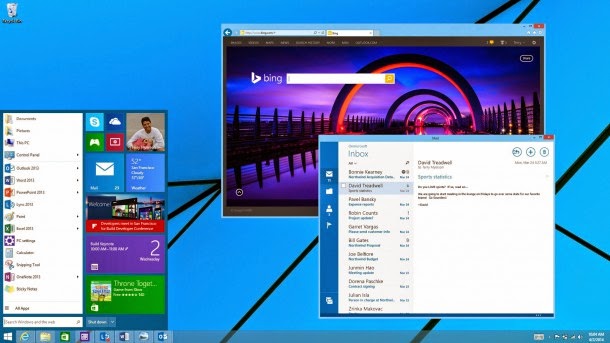
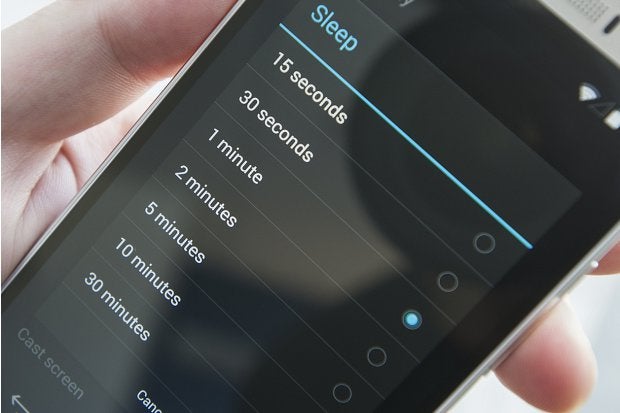
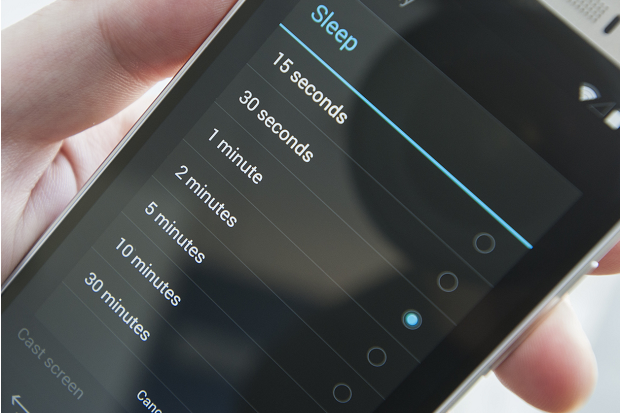
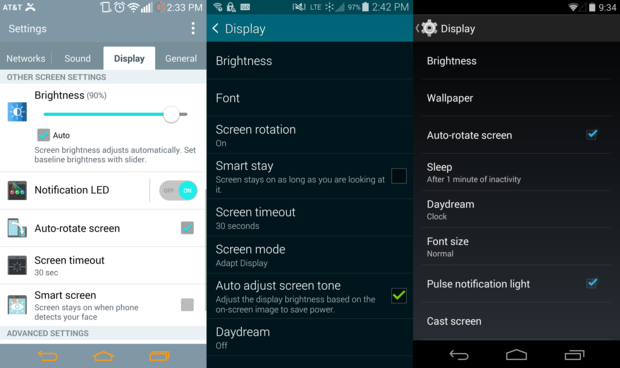
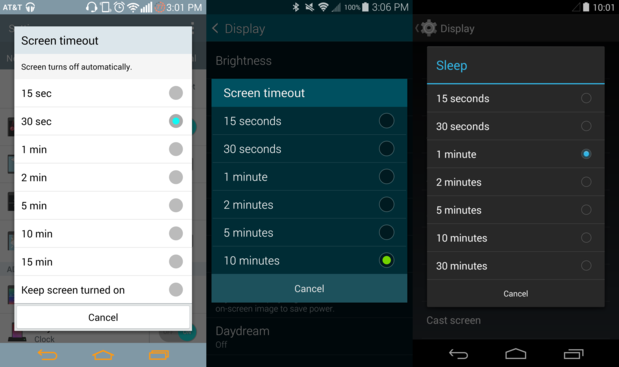
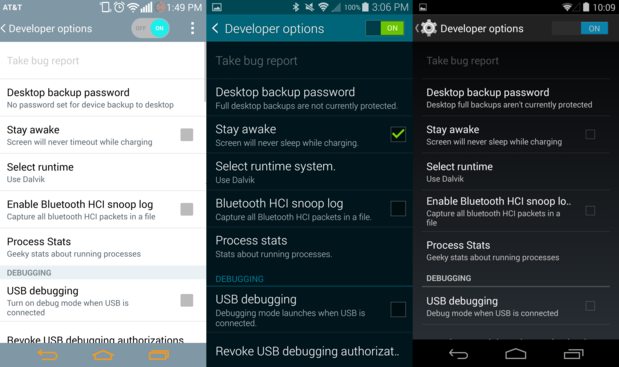
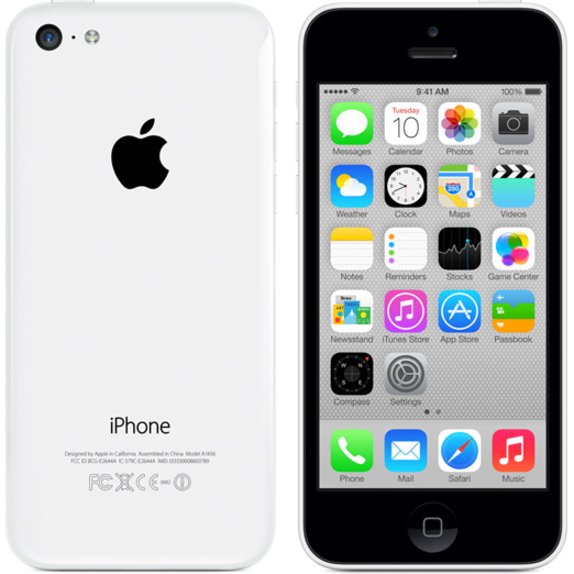
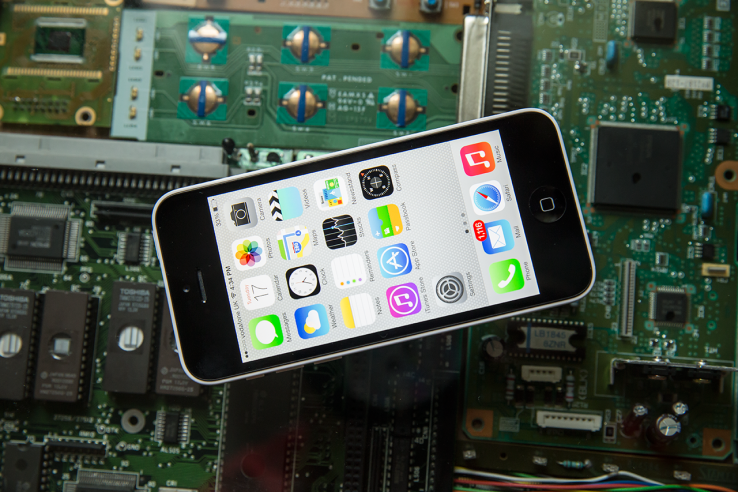
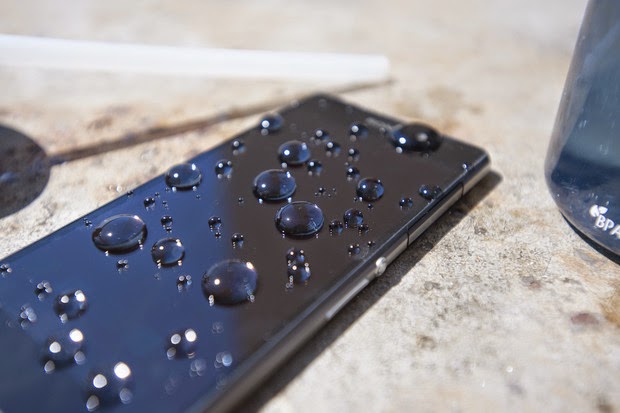
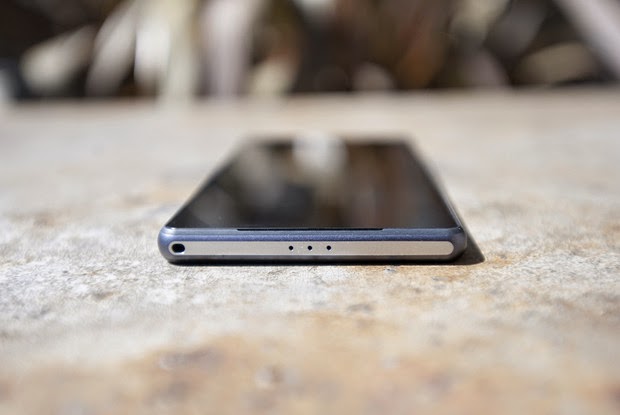
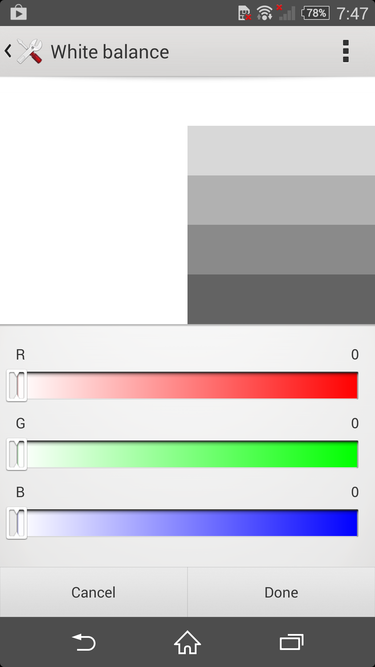
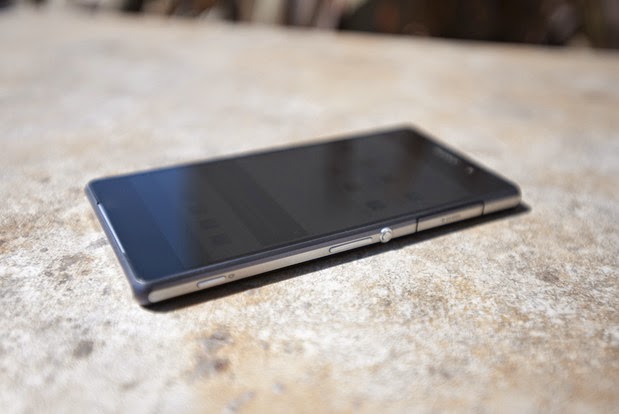
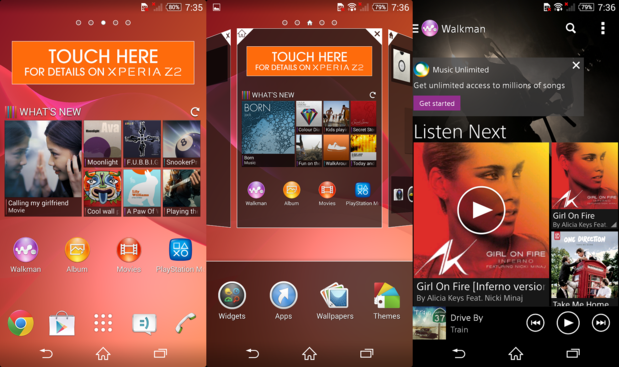
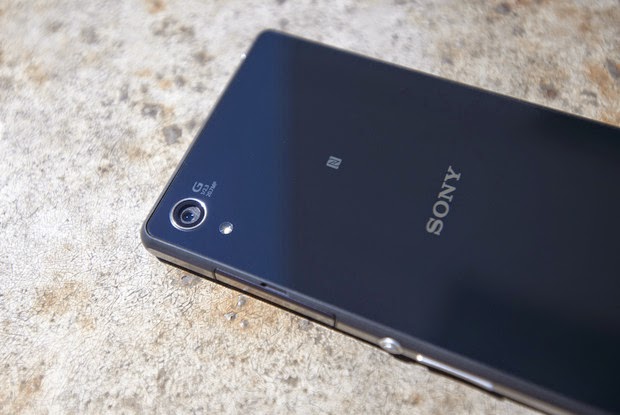
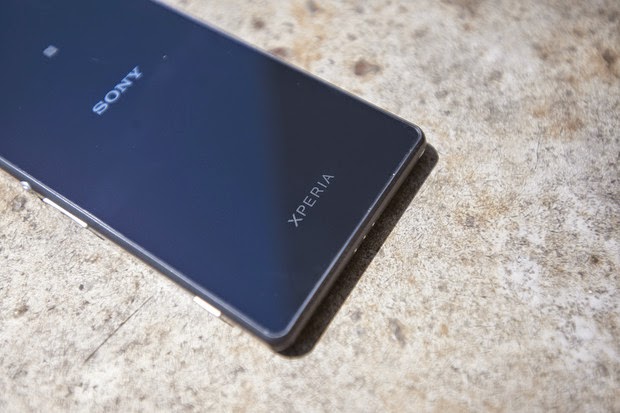
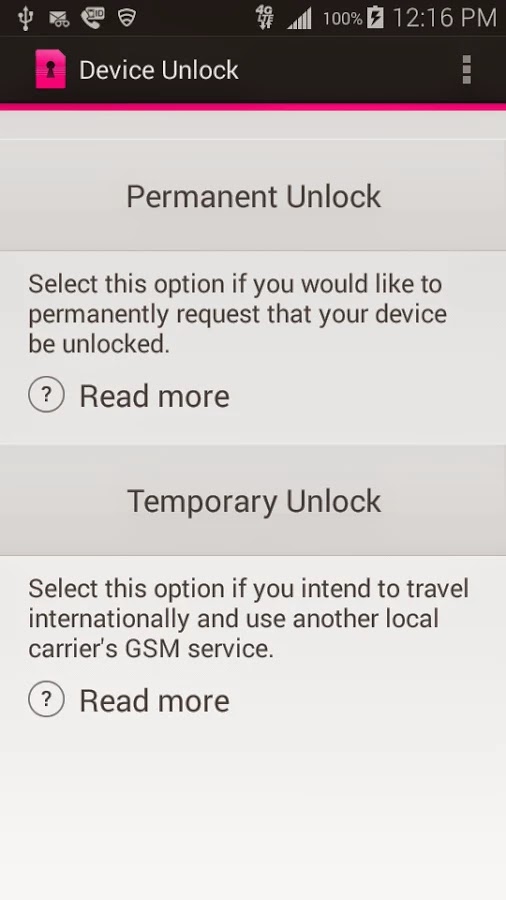
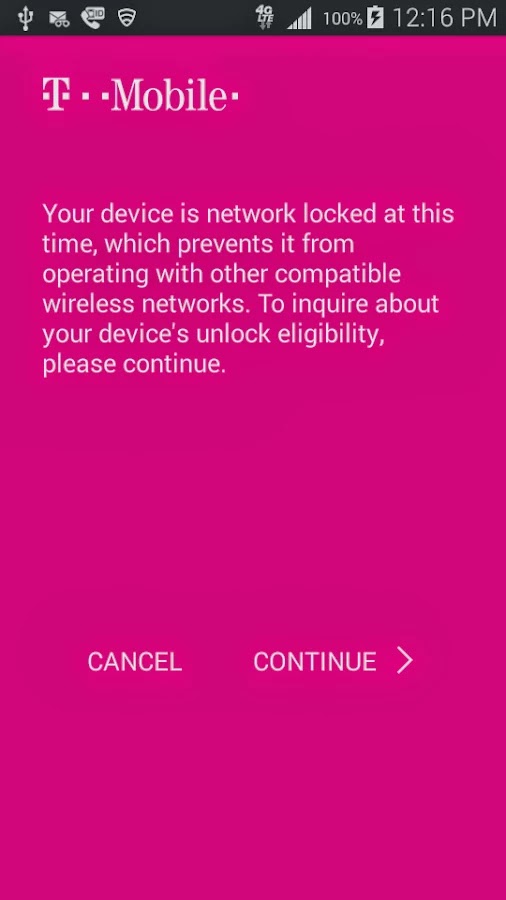
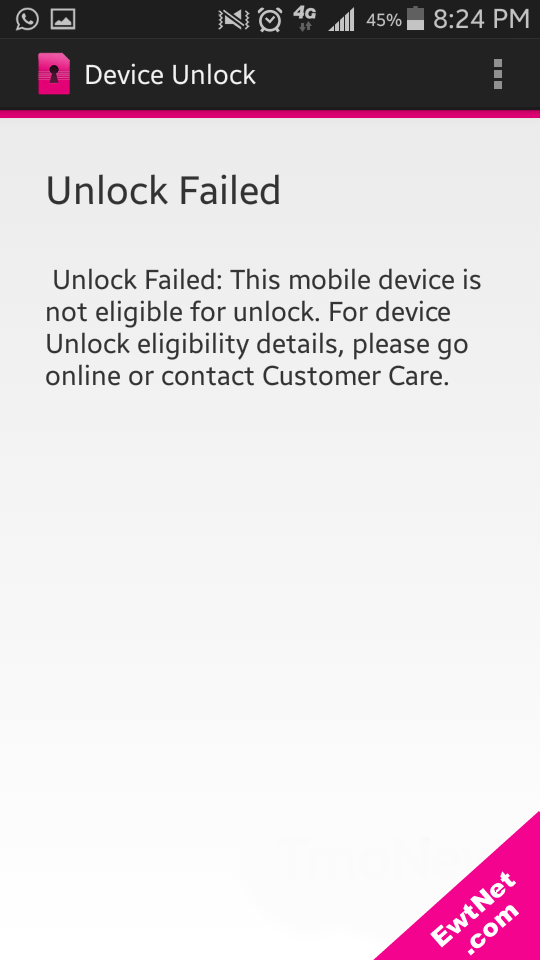


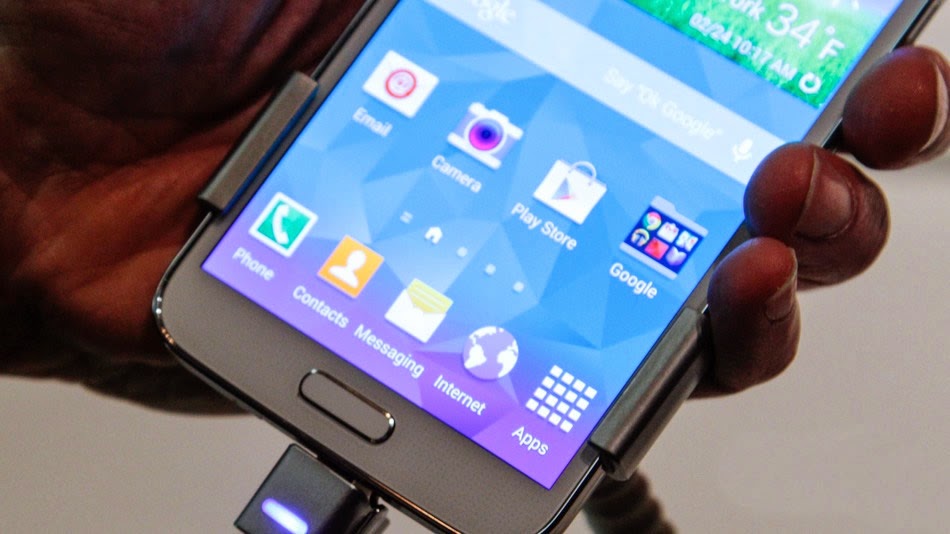
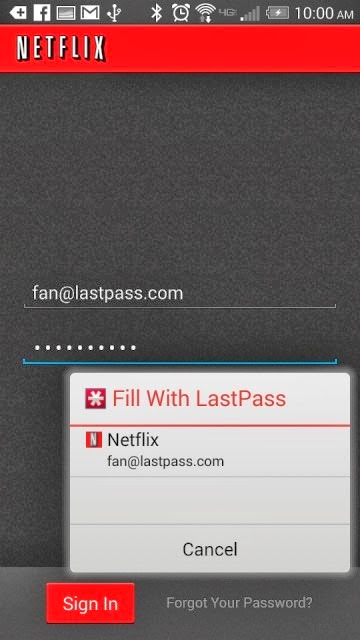
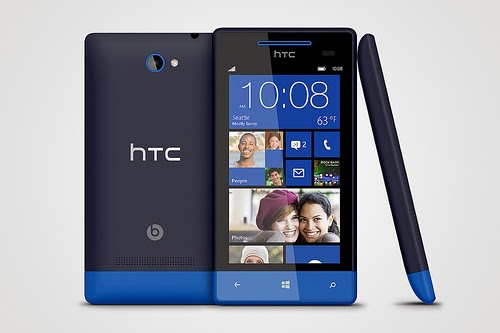
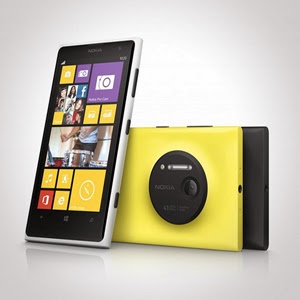
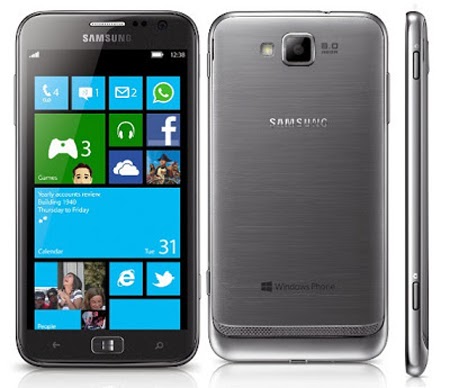
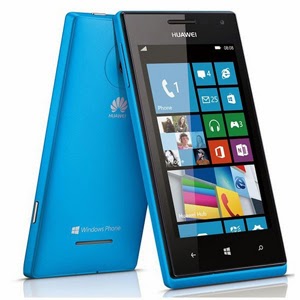
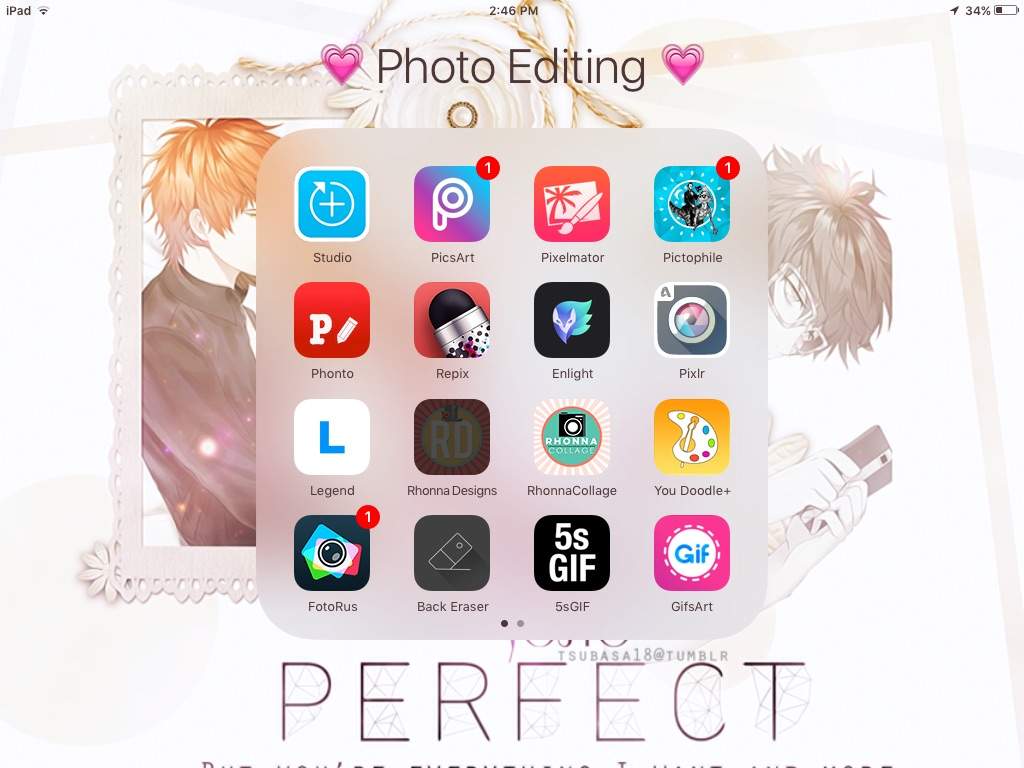
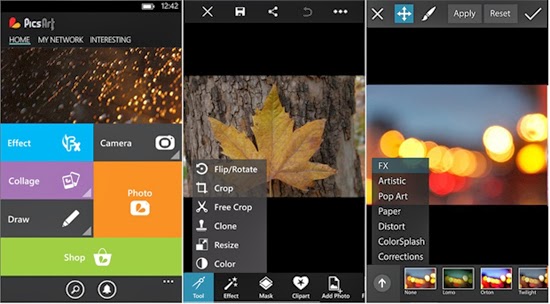
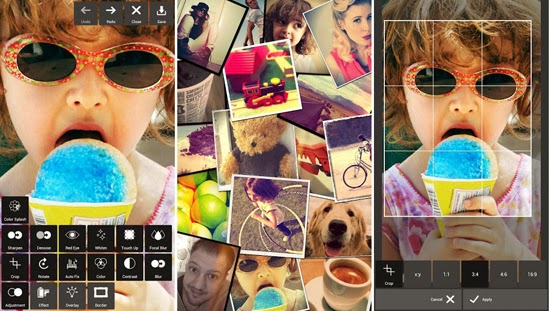
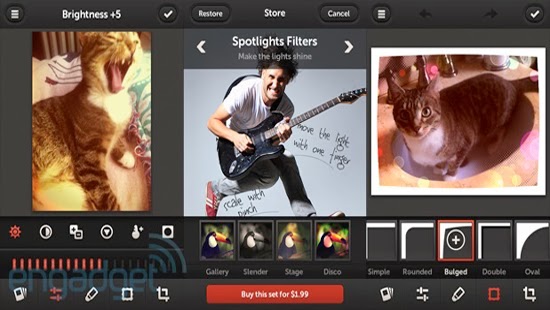
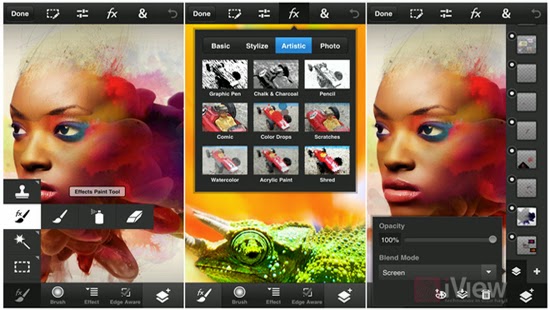
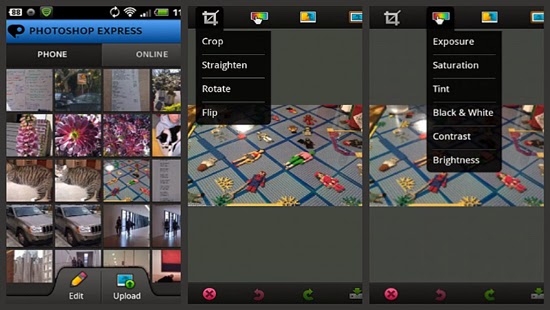
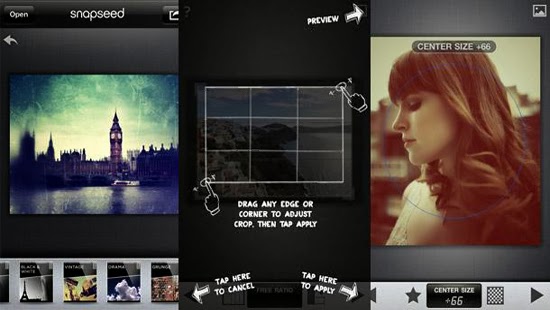
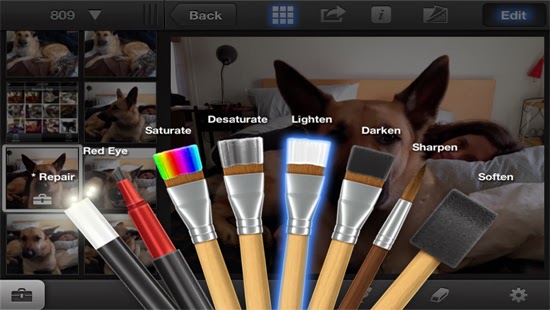
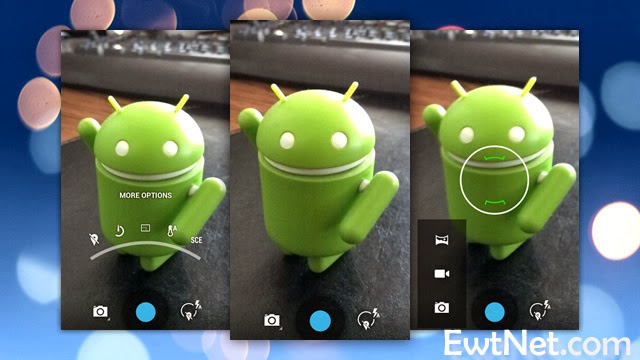
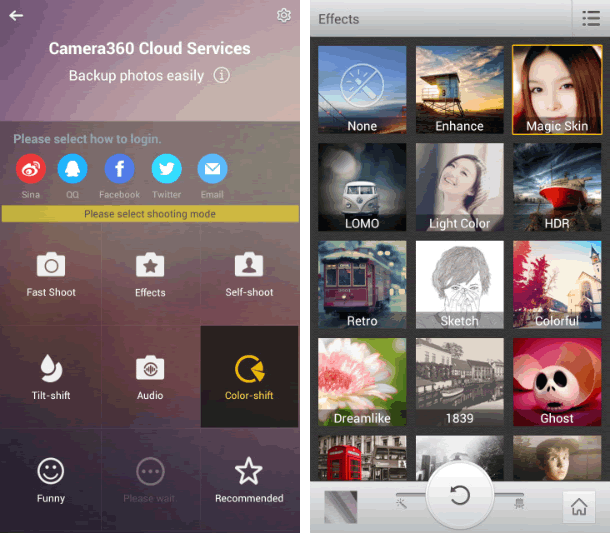
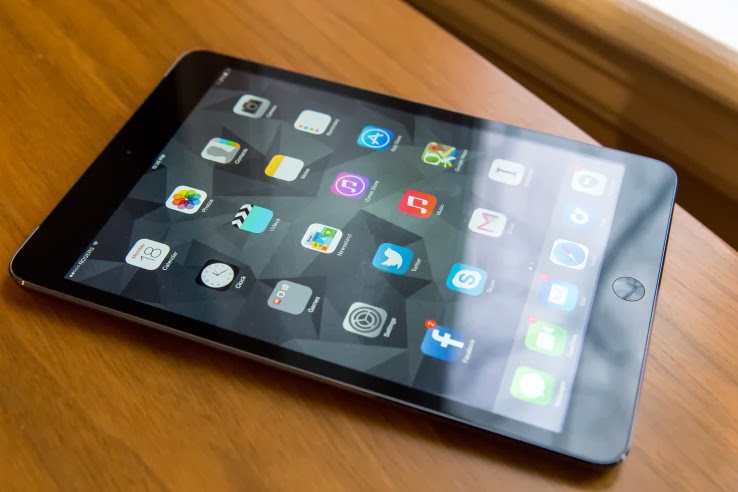
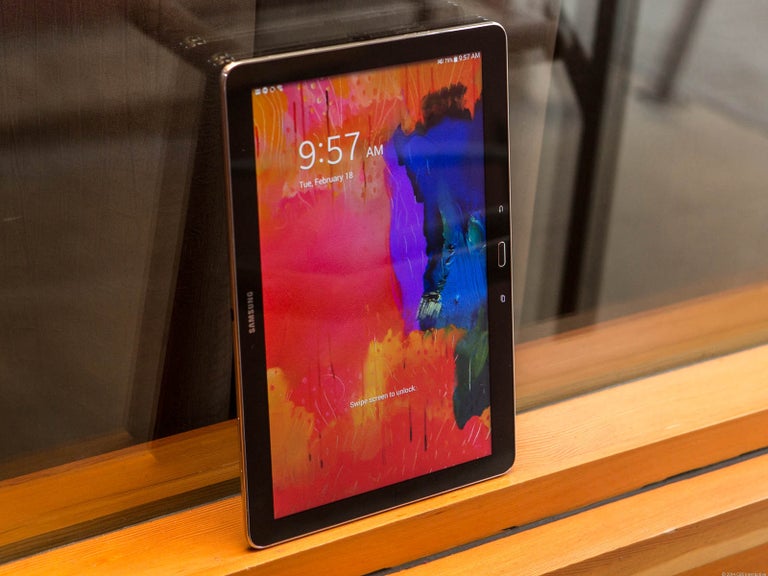
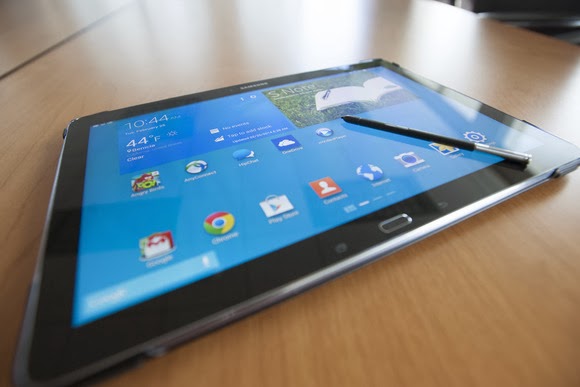
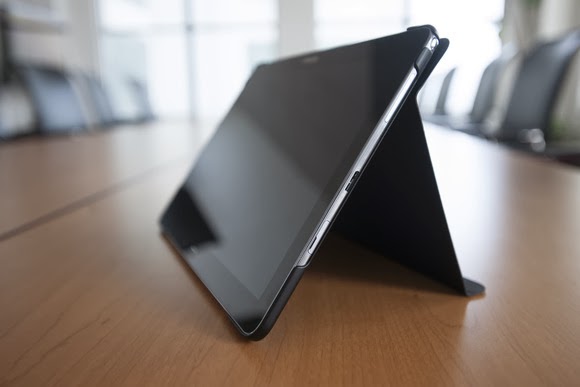
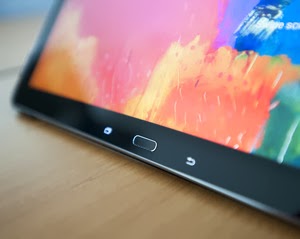 The Note Pro also lacks an integrated keyboard, such as the Surface’s Type and Touch Covers. In fact, to use it as a laptop replacement, you’ll need to buy a Bluetooth keyboard and possibly a mouse. That completely eliminates its use as a “lap top” computer.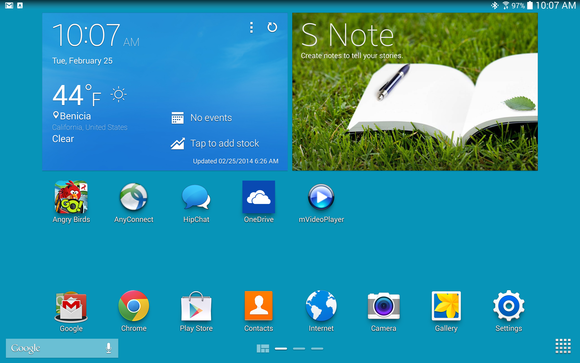
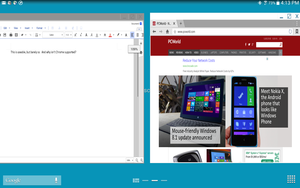
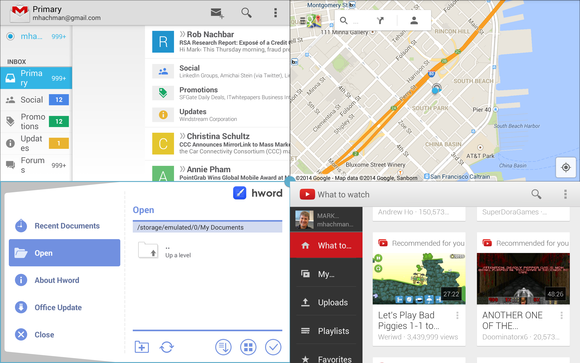
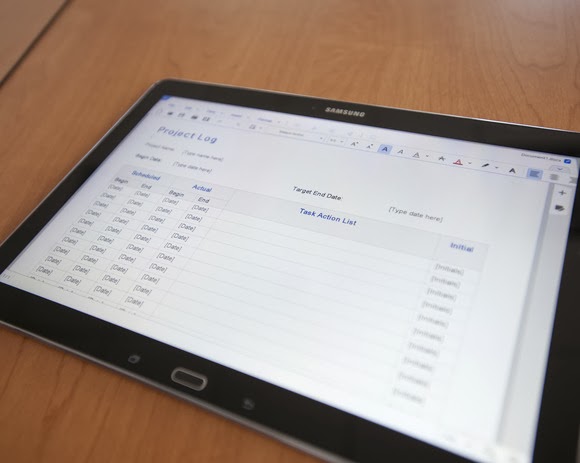
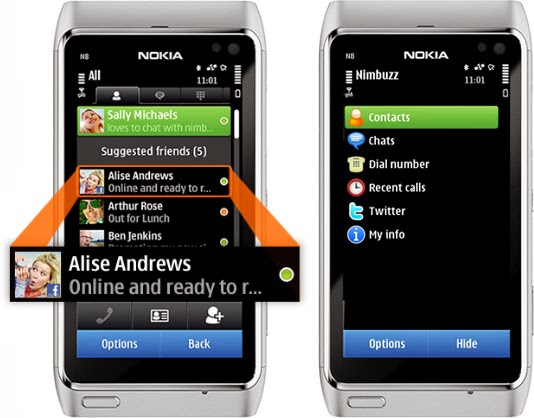
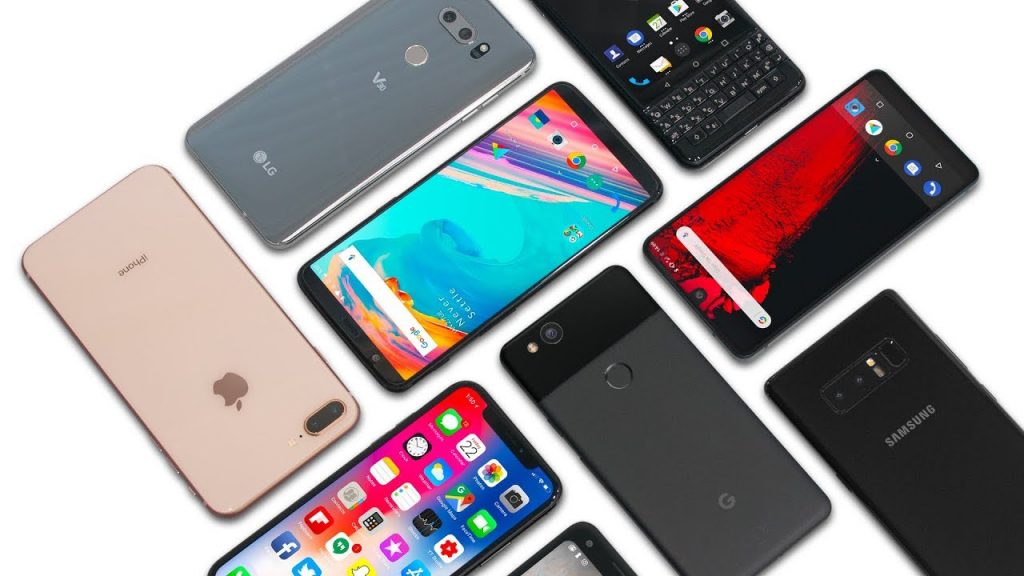
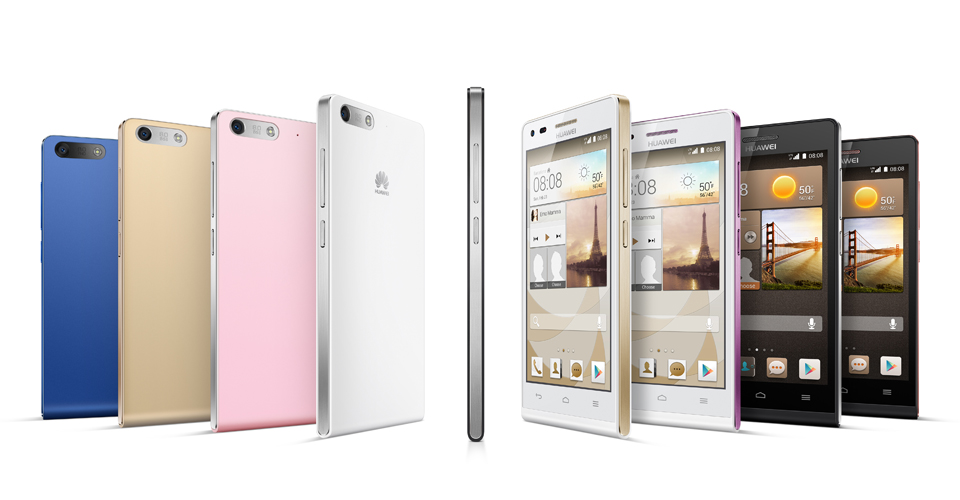
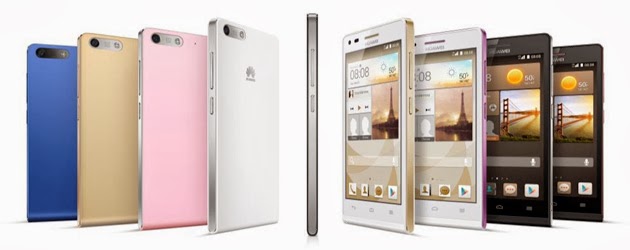
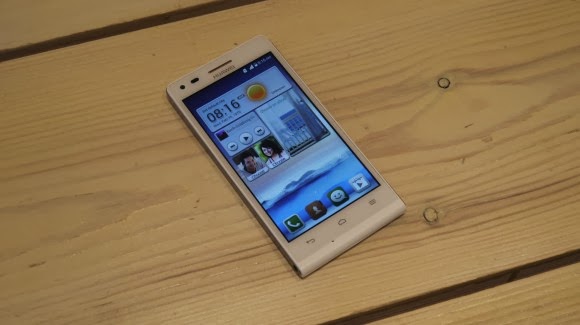
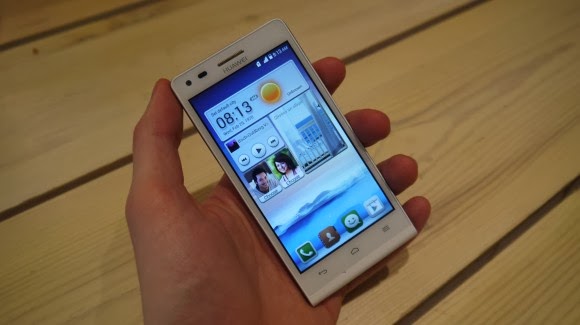
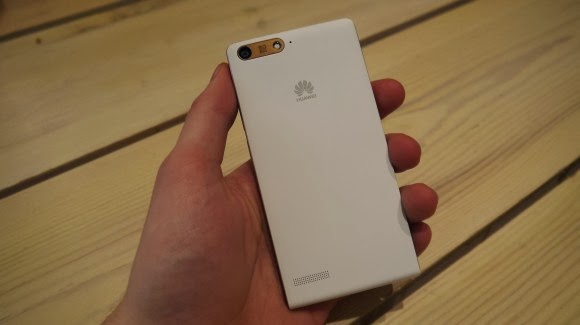
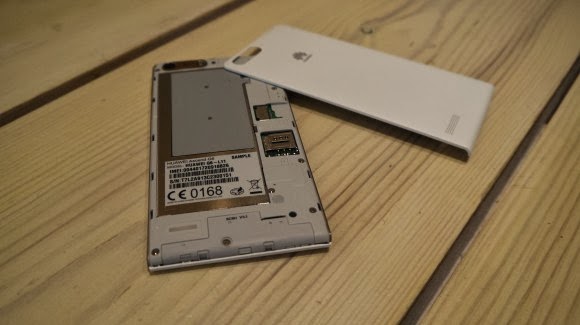
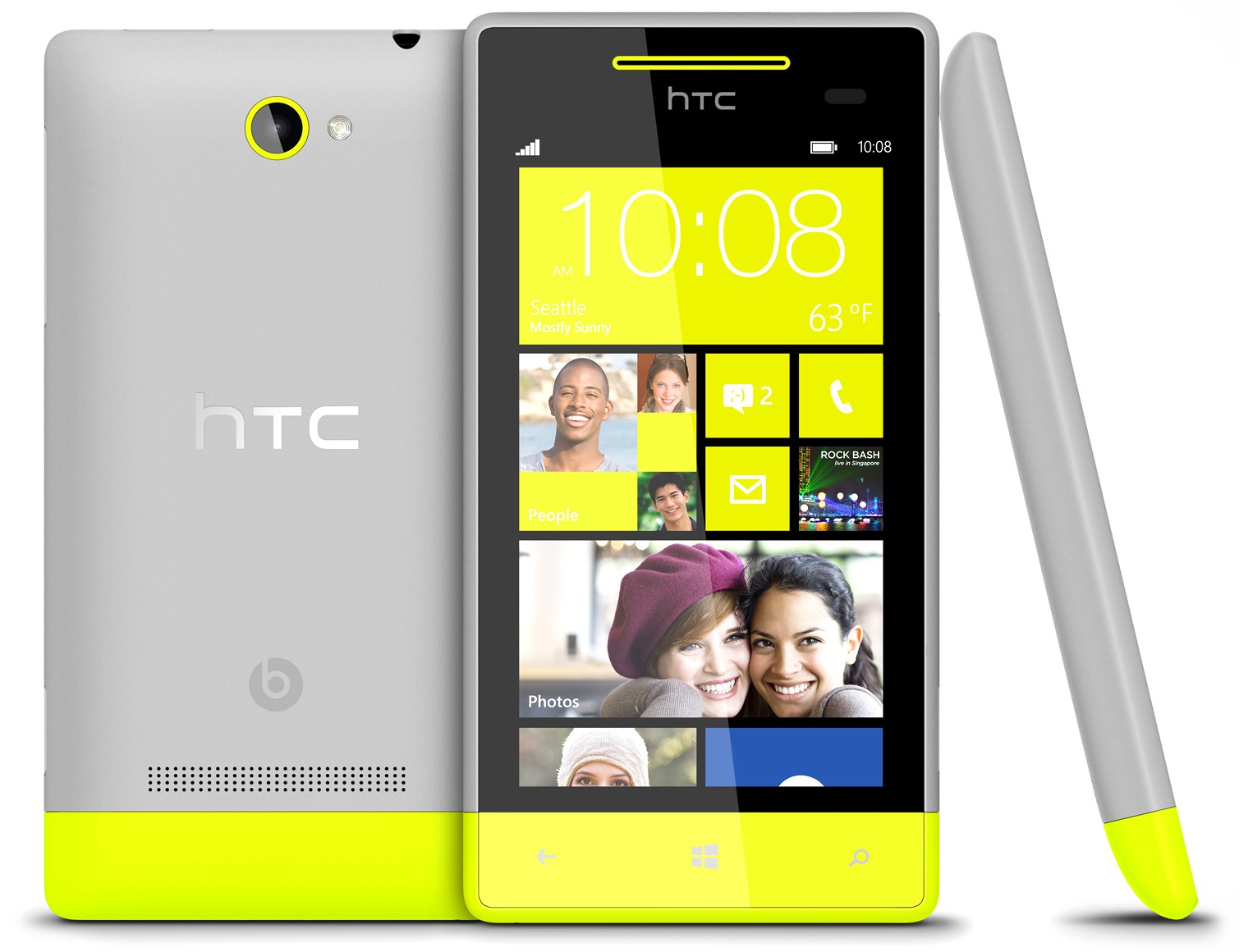
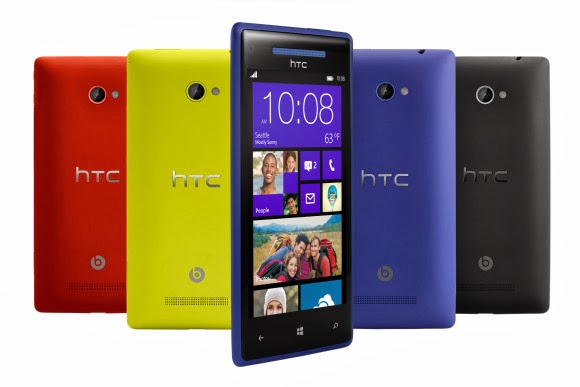
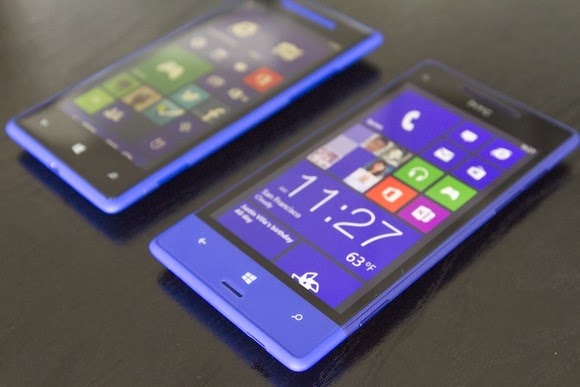
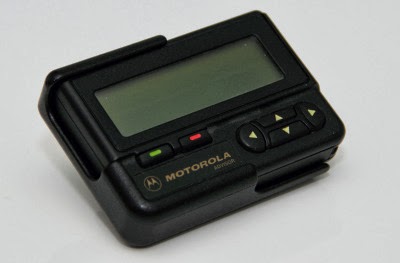
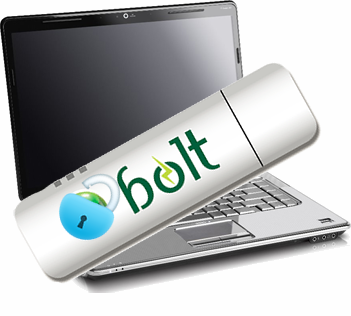
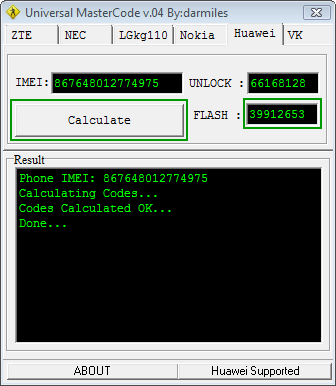



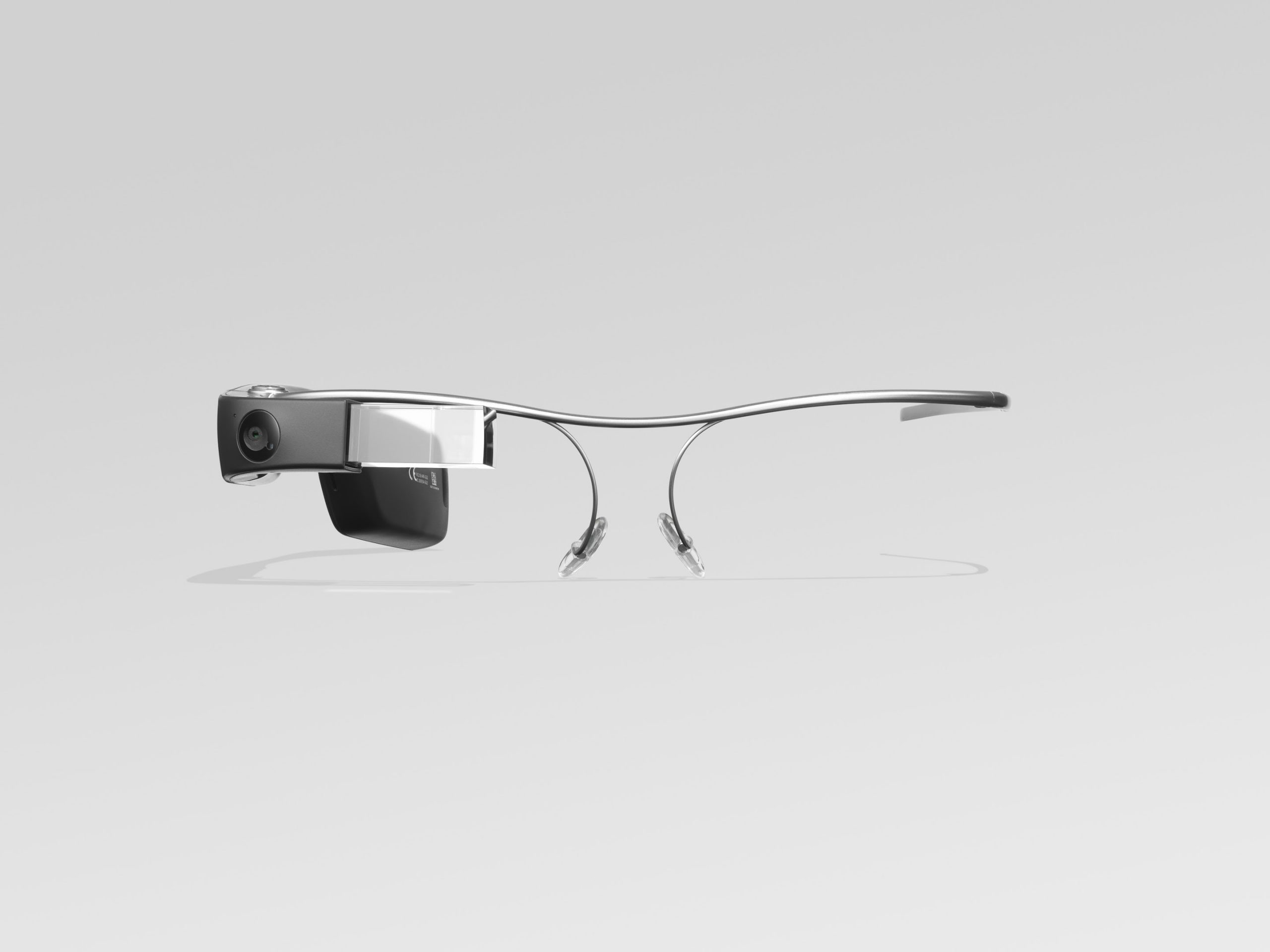
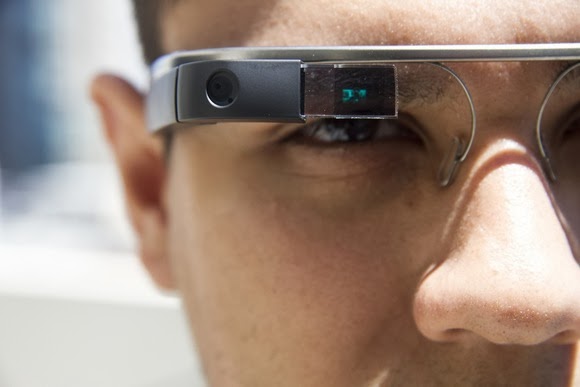
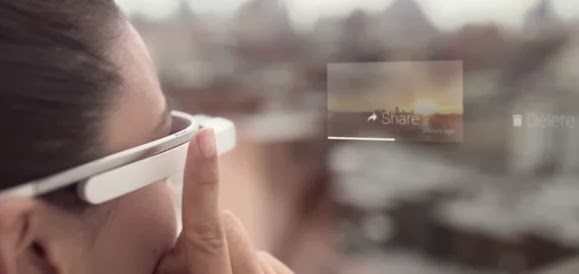
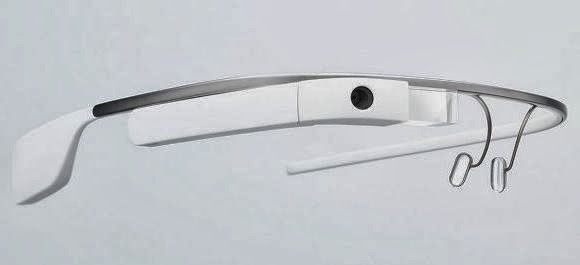
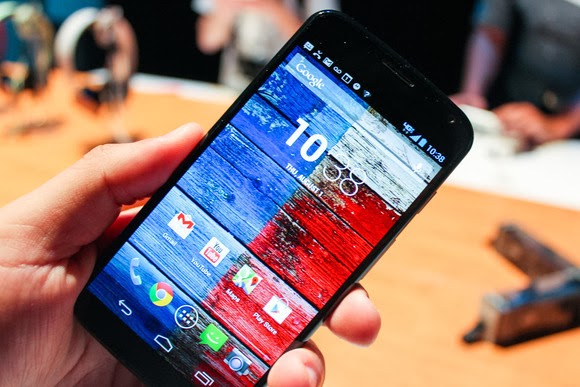
You must be logged in to post a comment.