Category: Health & Fitness

  • Impact of Flavor Bans on Tobacco Habits & Public Health Outcomes

    Impact of Flavor Bans on Tobacco Habits & Public Health Outcomes

    Flavor bans, especially those targeting flavored tobacco products, have been effectively used in many countries around the world as a public health measure to address addiction to tobacco products. While these flavor bans may reduce the consumption of certain tobacco products, they could potentially cause people to switch to non-flavored or alternative products.

    Impact on Smoking Cessation Programs

    These bans in a way mitigate the intended impact of smoking cessation programs. Certain programs for cancer patients have learned to modify their strategies. They eliminate tobacco alternatives that could substitute the banned products for people trying to stop. These programs’ comprehensive strategies often combine medication and behavioral assistance to address the psychological as well as the physical aspects of tobacco addiction.

    As more smoking cessation programs develop, the effectiveness of these flavor bans can be directly analyzed through the number of enrollment and success rates. These programs have to focus on personalized support that corresponds to each participant’s needs to deal with the complex issues of addiction and deliver the best results possible for those who are seeking help.

    Monitoring and Evaluation

    Flavor bans have to be continuously monitored and evaluated to be deemed effective. Through extensive data collection and analysis, interested parties can assess the practical implications of these policies. Monitoring tobacco consumption rates, consumer preferences, enrollment in cessation programs, and long-term health outcomes following adoption are all part of this.

    Policymakers may improve their strategies and ensure that tobacco control measures, such as CA Tobacco, are flexible policies that can be modified in response to new data as well as growing trends by establishing strong evaluation frameworks. The basis of developing responsive public health policies is an endless cycle of monitoring, evaluation, and adjustments.

    Broader Public Health Strategies

    Bans on certain flavors are merely a part of public health initiatives targeted at reducing tobacco consumption. These strategies include a broad spectrum of approaches, from public health campaigns that try to change the public’s views of smoking to legislative measures like increased taxes and prohibitions on smoking in public places.

    For these strategies to be effective, they must work in concert. While flavor bans limit the appeal of tobacco products, educational initiatives and accessible cessation support help people take control of their health. It is possible to fully reap the rewards of public health initiatives by using this multifaceted approach.

    International Cooperation in Tobacco Control

    Since the tobacco epidemic affects the entire world, global collaboration is indispensable in the fight against tobacco use. By sharing effective policies, research, and practices, countries could help both personal and societal responses to tobacco use. Flavor bans often get acknowledged following positive outcomes in certain regions or countries.

    Organizations like the World Health Organization facilitate such cross-border collaboration through initiatives like the MPOWER measures, designed to assist in the country-level implementation of effective interventions to reduce the demand for tobacco as countries share their success stories and challenges.

    Navigating Consumer Rights and Public Health

    The implementation of flavor bans often causes conflict between the objectives of public health and consumer rights. While advocates of public health stress the benefits of lower tobacco consumption, those in support of consumer choice contend that consumers should have access to the full variety of products. It’s a delicate balance requiring policies that uphold people’s rights while prioritizing the welfare of the community.

    Striking this balance demands dialogue and an understanding of the nuanced trade-offs involved. It also requires clear communication about the reasons behind flavor bans and the public health evidence supporting them. A middle ground can be sought through policy-making and open conversation where public health and consumer rights are considered.

    Tobacco Industry Marketing Tactics

    The tobacco industry often adapts its marketing tactics in response to flavor bans and other regulatory measures. These can range from introducing new branding strategies to finding ways to circumvent legislation. Understanding these tactics is essential for public health advocates, as it allows them to anticipate industry behavior and prepare countermeasures to ensure effective regulations.

    Studying marketing tactics also provides insight into how the industry targets different demographics, particularly vulnerable groups such as youth or low-income populations. Awareness and vigilance against such tactics help to protect these groups and maintain the integrity and aims of public health policies like flavor bans.

    Focus on Nicotine Addiction

    At the heart of the debate around tobacco use is the highly addictive nature of nicotine. Flavor bans seek to address this by making tobacco less attractive to potential new users, who might become addicted to nicotine through flavored products. However, addressing nicotine addiction itself is a broader and more significant challenge within tobacco control efforts.

    As efforts to combat smoking continue, the focus on understanding and treating nicotine addiction must be sharpened. Research into how addiction works, its effects on the brain, and the behavioral patterns it creates will be integral to developing more effective cessation programs and policies. It is here, in the science of addiction, that progress in the war against tobacco use will ultimately be won or lost.

    Toward a Tobacco-Free Future

    Achieving a tobacco-free future is a universal goal of public health efforts. Flavor bans represent a clear commitment to this goal, reflecting a dedication to removing the appeal of a harmful product. Working towards such a future requires a synergy of policies, educational efforts, and community support, all anchored by a commitment to the health and well-being of populations.

    As society advances towards this vision, the importance of continued innovation in policy-making and health promotion becomes ever more apparent. A tobacco-free future is not simply an optimistic goal but an attainable one, built on the principles of dedication, knowledge, and concerted public health action.

  • Biodegradable Garbage Bags/Compostable Bin Liners

    Biodegradable Garbage Bags/Compostable Bin Liners

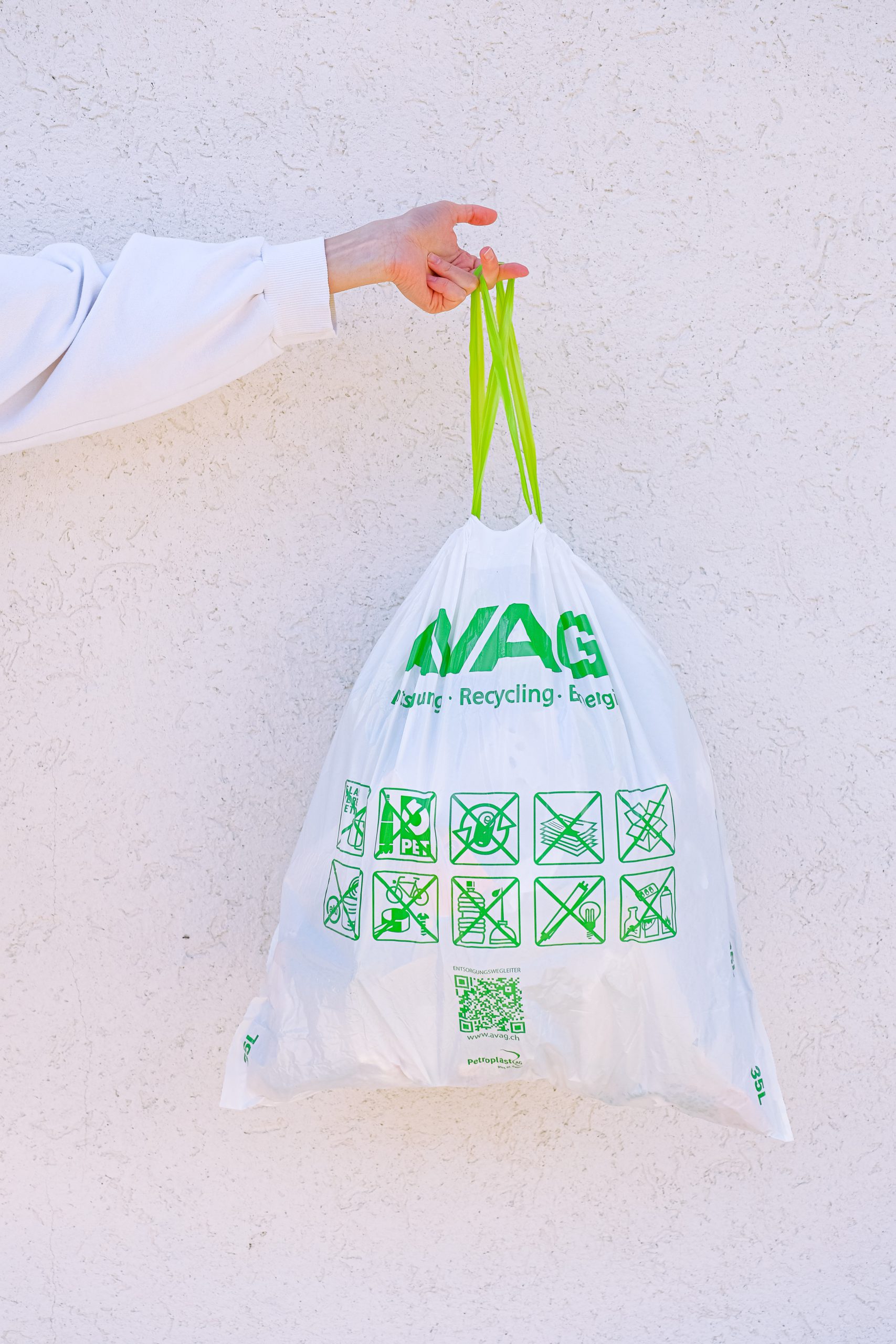
    Are biodegradable garbage bags as freakishly cool as people make them out to be?. Between them and compostable trash bags, which is better?. Let’s find out in this post.

    Ever heard of the popular computer science expression ‘garbage in, garbage out?.’ If you haven’t, it means that the poor input of data determines the poor output you receive from a computer. Now, apply this concept to the environment—you get the memo?.

    So, what are biodegradable or compostable garbage bags, and why are they suddenly the buzzwords?.

    Biodegradable garbage bags are plastic trash can liners that bacteria or other living organisms can decompose to prevent pollution. While compostable trash bags are bioplastic trash can liners produced from plant-based resources that easily convert into compost.

    Today, the quests for sustainable and reliable methods of waste disposal is gradually making headway. Eco-activists all around the world are actively championing the sustainability course. And as scientists discover more environmentally safe means of disposing of waste, so do eco-lovers. Two major household waste disposal bags that these users recommend are compostable and biodegradable garbage bags. We’ll delve into their differences and determine which of these trash bag liners is more eco-friendly. First, a brief look at the importance of biodegradable and compostable garbage bags.

    Importance Of Biodegradable Or Compostable Trash Bags

    • Biodegradable or compostable bags are the preferred waste disposal options because they reduce environmental pollution. Unlike most traditional plastic bags, which usually take long periods of time to degrade and will most likely cause environmental hazards.
    • These garbage bags are eco-friendly due to the renewable resources they’re made from. Bioplastic(plant-based) materials like corn starch or cellulose are among the major products used to manufacture eco-friendly bags. Unlike regular plastic trash bags that utilize non-renewable fossil fuels.
    • When biodegradable or compostable trash bags are put in composting facilities, they’re converted to compost by microbial activities. Which is a very useful resource for enriching the soil.
    • Most eco-friendly bags do not emit greenhouse gases like methane which regular plastic trash bags give when they degrade.
    eco-friendly Biodegradable Garbage Bags

    Differences Between Biodegradable Garbage Bags And Compostable Trash Bags

    Biodegradable Garbage BagsCompostable Trash Bags
    Decomposes slowly and naturally over time with the help of microorganisms.Decomposes faster under specific conditions eg compost facility, oxygen, and microorganisms.
    Does not necessarily decompose completely in oceans and landfills, hence causing environmental pollution.Breaks down completely and converts to compost which enriches the soil and plants.
    Less expensiveMore expensive
    Produced from traditional petroleum-based plastics which are easily recycledProduced strictly from specific plant-based materials which turn into compost.
    Mightt break down into microplastics which are hazardous to health and pollutes the environment.It’s not harmful to the environment, but instead, adds nutrients to it(soil).

    Now that we’ve cleared up the contrasting attributes of compostable and biodegradable garbage bags, let’s look at their benefits.

    Trash liners or garbage bags are bags that we use to line trash cans or waste containers. Overall, they act as a barrier between the cans to stop the spillage of waste and prevent bad odors. Trash liners also ensure the easy disposal of waste and keep the containers fresh and clean, but these trash liners are harmful. Especially the ones made from plastic. When plastic trash can liners are disposed of in landfills, they take hundreds of years to break down, posing negative environmental impacts. Reason biodegradable and compostable trash bags are the better alternatives.

    10 Eco-friendly Garbage Bags

    kitchen waste disposal

    There are numerous brands of garbage bag available in the market. Here are some of the top-rated trash bags that meets environmental friendly standards.

    1. BioBag Compostable 3 Gallon Food Waste Bags

    BioBag is a certified Norwegian brand that produces compostable trash bags, caddy liners, bin liners and food storage products. The BioBag 3 Gallon trash liner is one of those products. It is produced from a blend of bioplastic resin called Mater-Bi®, which uses plant-based, non-organic materials like corn starch and a variety of biodegradable or compostable polymers. BioBag contains 100 compostable food scrap bags.

    2. UNNI 100% Compostable Trash Bags

    UNNI 100% compostable trash bags are manufactured by UNNI LLC, an American biodegradable products company. The garbage bags are biodegradable, eco-friendly and easy to use. There are 50 pieces of biodegradable garbage bags inside each pack.

    3. BIOOK 100% Compostable & Biodegradable Trash Bags

    One thing is to purchase a trash bag liner labelled ‘compostable,’ another thing is for it to convert into compost at home. There are compostable bags designed to break down only in compost facilities, while some can breakdown in the home, provided the necessary conditions like moisture, air, etc are present.

    BIOOK is a certified producer of biodegradable garbage bags. And the BIOOK100% trash bags are easy to use home compost bin liners. It’s a 5.3 gallon trash bags that contains roughly 90 pieces of biodegradable garbage bags.

    4. Seventh Generation Trash Bags

    The Seventh Generation trash liners are recyclable biodegradable garbage bags designed for convenient waste disposal. It is a 13 gallon trash can liner that comes with drawstring closures to prevent bad odors.

    5. Reli. Compostable Trash Bags

    Reli. is a company that manufactures trash bags, food containers, masking films and carry-out bags for homes and businesses. Their 13 gallon compostable garbage bags contains 150 tear resistant bags. These bags are environmentally friendly and compostable in compost facilities.

    6. ProGreen 100% Compostable Bags

    This 2.6 gallon compostable trash bags from ProGreen is made purely from biodegradable plants and vegetables. There are a total of 100 bags inside each pack of ProGreen 100% Compostable bag.

    7. Duro Brown Printed Paper Retail Grocery Shopping Bags with Handles

    Duro brown printed trash bags are recyclable paper fiber trash bags from Duro brand. It contains 25 pieces of compostable, printed paper trash bags with handles and they’re entirely reusable.

    8. FULL CIRCLE Fresh Air Biodegradable Compost Bag

    This biodegradable garbage bags from Full Circle are certified by the BPI (biodegradable products institute) for the proper disposal of food waste. Full Circle Fresh Air are 2.5 trash bags containing about 25 bags in each pack.

    9. Green Earth Compostable garbage bags

    A 13 gallon compostable trash bag capable of breaking down in compost facilities and at home. Although, they’re mainly broken down at commercial compost facilities. The Green Earth compostable garbage bags contains 50 bags per roll.

    10. STOUT by Envision EcoSafe-6400 Compostable Bags

    Another biodegradable trash bag with high recommendation is STOUT by Envision’s Ecosafe-6400 trash bags. The 13 gallon capacity trasg bags are compostable and takes about 10 to 45 days to degrade. It comes in a pack of 45 trash bags.

  • Health Tech Companies Restructuring Nigeria’s Healthcare System

    Health Tech Companies Restructuring Nigeria’s Healthcare System

    Technology is contributing significantly to Africa’s growth, strengthening the health, economic, agricultural and educational sectors. Nigeria is not excluded from the list of countries striving to set foot on the global scene. Health tech is a quantum leap in the area of medicine, but the Nigerian healthcare system is ridiculously inadequate to meet medical needs. Which has caused several -privately owned- health tech companies to swoop in and continuously save the day. Yet, a stark technological divide still exists in the country’s healthcare system.

    In no particular order, these are the top health tech companies bridging the gap between health and technology in Nigeria.

    Nigerian Health Tech Companies

    LifeBank

    According to reports, commercialization and personal aversions towards voluntary blood donation truncate blood supply to meet clinical demands. Death tolls rise every year from bleeding complications during childbirth, accidents, anemia and other chronic ailments. The recipients of blood transfusion end up paying heavily to some commercial donors due to the ill-equipped nature of blood banks in most Nigerian government hospitals.

    Temie Giwa-Tubosun Founder and Group CEO of LifeBank
    Temie Giwa-Tubosun Founder and Group CEO of LifeBank Credit: CNN

    LifeBank is a digitized platform based in Lagos that specializes in the distribution of blood, oxygen, and medical consumables. The startup sources and safely transports blood and blood products from authorized blood banks, using a WHO-endorsed cold chain system to hospitals and healthcare facilities. LifeBank marshals the defective framework of federal hospitals by supplying plant-sourced medical oxygen, accessories, supplies, etc, from a host of partners and distributors.

    It was founded in 2016 by Temie Giwa-Tubosun after the complicated delivery of her son. The health tech company has witnessed notable expansion into other countries like Kenya and Ethiopia within five years.

    Healthtracka

    CEOs of top health tech companies in Nigeria
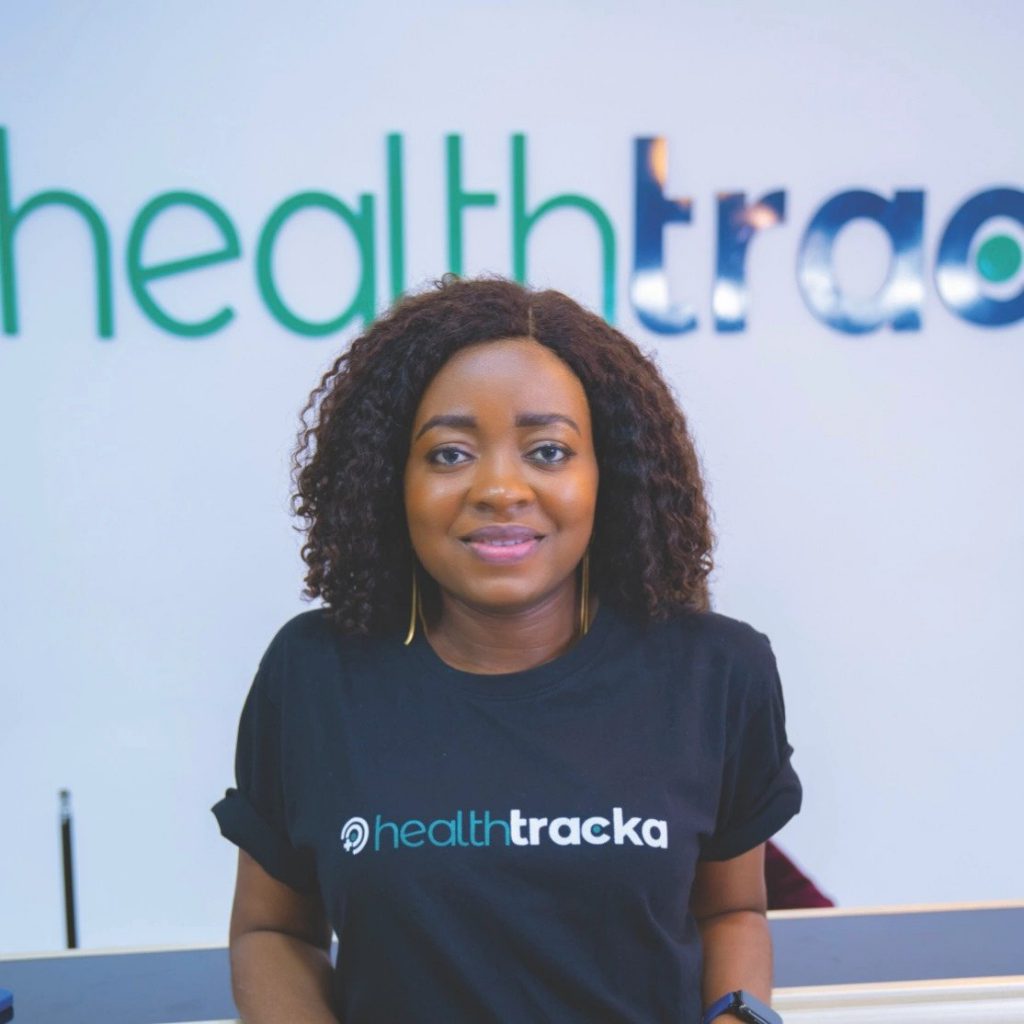
    Ifeoluwa Dare-Johnson Credit: Healthtracka

    Healthtracka is a Nigeria-based health startup that offers at-home diagnostic tests and wellness checkups. The digital platform addresses the feasibility that most healthcare organisations in Nigeria severely lack. Due to the cumbersome processes involved in patient screenings, the need for technological applications in the area of medicine is imperative. Health tech companies such as Healthtracka intervene to simplify a myriad of things and save millions of lives.

    The platform works by allowing its users to purchase their preferred screening packages using the mobile app. Users are then expected to visit any Healthtracka-affiliated laboratory proximal to them or select the home sample collection option. After which users/patients receive digital results within 24 – 48 hours.

    Ifeoluwa Dare-Johnson together with Victor Amusan took the initiative in May 2021 to establish the platform after Ife’s father passed away from stroke resulting from a late diagnosis of diabetes and hypertension. The startup received $1.5 million in seed funding shortly after participating in the Techstars Toronto accelerator program. Healthtracka’s primary focus is to ensure that Nigerians who go about their lives oblivious to pre-existing medical conditions receive appropriate medical attention.

    Ifeoluwa Dare-Johnson CEO of Healthtracka

    Remedial Health

    CEO of top health tech companies in Nigeria
    Samuel Okwuada and Victor Benjamin Credit: Remedial Health

    Remedial Health is a rapidly growing pharmaceutical procurement company which started as a private-label brand before branching out into tech. All attempts by the government to foil the smuggling of falsified and illicit medicines in different parts of the country have been thwarted steadily. As a result, the startup is one of the leading health tech companies in Nigeria offering solutions to counterfeit drug distribution.

    The mass mortality of millions of Nigerians, and cost and treatment failures from the consumption of substandard pharmaceutical products necessitated the establishment of Remedial Health. Samuel Okwuada, a self-taught software developer and qualified pharmacist along with Victor Benjamin, a pharmaceutical sales agent with considerable expertise, founded Remedial Health jointly in 2021.

    Since its inception, the business has expanded to become a national pharmaceutical supply chain. Licensed pharmaceutical products have been obtained by healthcare providers, pharmacies, chemists and other registered drug retail outlets. Remedial Health’s digitized supply of pharmaceutical products also enables the procurement of authentic and affordable medicines via reliable logistics network.

    Health Tech Companies Restructuring Nigeria's Healthcare System
    Photo Credit: Remedial Health

    In September 2022, it secured $4.4 million in seed funding to broaden its reach across Nigeria. As well as for bankrolling businesses, provision of loans to SMEs unfairly prejudiced by financial institutions for creditworthiness and rendering services to their increasing client base of neighborhood pharmacies, Proprietary Patent Medicine Vendors (PPMVs) and hospitals.

    54gene

    top health tech companies in Nigeria
    The 54gene executive leadership team on the company’s 3rd anniversary (L-R) Jude Uzonwanne, Teresia Bost, Delali Attipoe, and Dr. Abasi Ene-Obong

    The African genomics company was founded by Dr. Abasi Ene-Obong who recently relinquished his role as chief executive officer to become a senior adviser. Following a 30% layoff of their workforce in August 2022 until his resignation, Ene-Obong was the co-founder and CEO of 54gene. In 2019, Abasi Ene-Obong, Damilola Oni, Gatumi Aliyu, and Ogochukwu Francis Osifo allied to build a biotechnology industry that will change Africa’s healthcare system.

    The startup seeks to represent the underrepresented population in genomics studies so that precision medicine is equalized. The majority of the genetic materials used in most pharmaceutical research are Caucasians, with only a sprinkling of Africans. Irrespective of the solid genetic diversity inherent in African ancestry. 54gene tackles this imbalance through advanced research infrastructure, highly curated data and genomic medicine for minoritized countries.

    Lifestores Healthcare

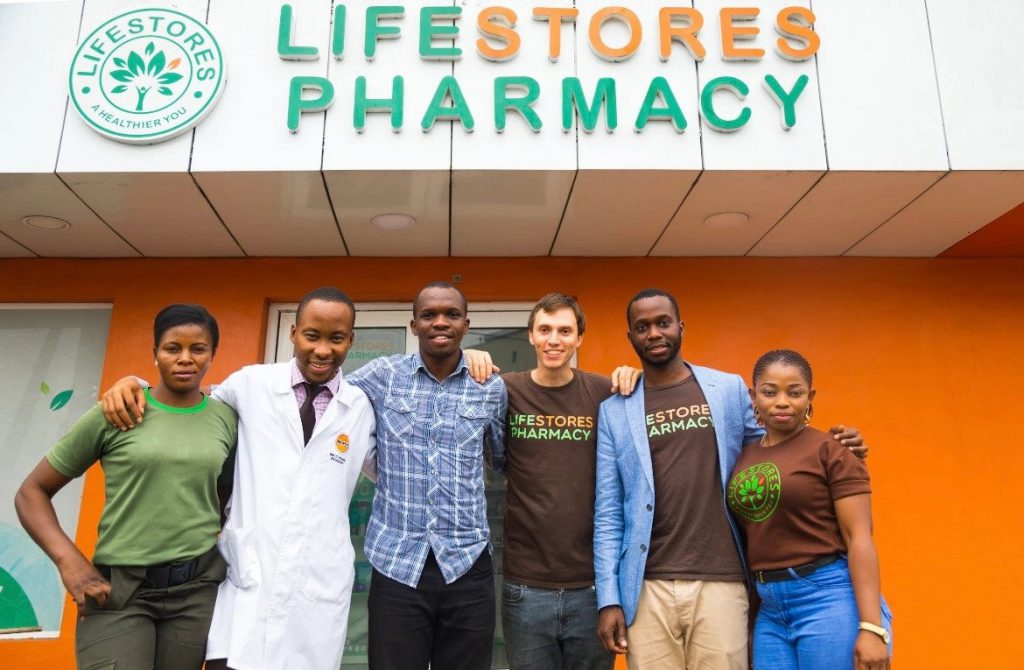
    Credit: Lifestores

    Nigeria operates three main levels of the healthcare system, unlike some advanced countries that boast four concrete tiers. The levels are primary, secondary and tertiary healthcare systems. The weak structures of the Nigerian healthcare system and the inability to access quality healthcare from the least tier galvanized Bryan Mezue into action. He joined forces with his co-founder Andrew Garza to commence a health tech platform that’ll offer equal access to essential primary healthcare despite social bias.

    Lifestores Healthcare runs a tech-enabled marketplace named OGApharmacy, as well as an ERP system. OGApharmacy is a digital procurement platform that enables pharmacies and hospitals to merge their choice requirements. The pharmaceutical marketplace then bargains for the lowest possible prices on certified medications, allowing for collective savings. Meanwhile, enterprise resource planning (ERP) allows for Lifestore customers to execute operations effectively.

    Ever since its launch, the startup has served over 100,000 patients monthly, including 700 plus pharmacies and dispensaries. With more than $1 million saved for healthcare providers, 7,000 products sourced from verified suppliers and 10% of pharmacies in Nigeria served.

    Reliance Health

    Nigerians are no strangers to telehealth thanks to the advent of Covid-19 which shook the world’s economy. The aftermath of the pandemic greatly expedited telemedicine, prompting the world to veer towards the inclusion of virtual healthcare technologies in healthcare systems.

    Reliance Health is among the health tech companies in Nigeria restructuring the face of medical care. Founded in 2016 by Femi KutiOpeyemi Olumekun and Matthew Mayaki, the startup operates by cooperating with hospitals and exclusive healthcare facilities to provide healthcare. Through a blend of integrated approach, which consists of telemedicine, affordable health insurance and innovative solutions.

    Reliance Health Image Credit: People of Color in Tech

    The telemedicine programme provided by Reliance Health allows customers to make online consultations and drug deliveries. Mitigating unnecessary consultations that often overcrowd Nigerian health centers. An array of health plans for families and businesses also exists on the Reliance Health insurance platform. The health tech startup is YC-backed along with a league of other investors, hospitals and laboratories.

  • Ketogenic Diet To Fight Cardiovascular Diseases

    Ketogenic Diet To Fight Cardiovascular Diseases

    ketogenic diet plan
    Photo Credit : Pexels

    Thinking of starting a ketogenic diet to manage a health problem, but you’re not sure where to begin?. Or you probably worry about online nutritional experts that promise a world of effective diet plans and end up delivering a bowl of dirt?.

    In this post, we’ll consider ketogenic diet benefits, meal plans/ ideas. If it curbs diseases and factors to take into account before starting a keto diet.

    Ketogenic Diet

    The ketogenic diet commonly referred to as “keto diet”, is essentially an eating plan that expends the body of carbohydrates and forces it to burn fat for energy, by using a process called ketosis.

    Naturally, the human body uses glucose from carbohydrate foods as its main source of fuel. However, when the body is deficient in glucose, the liver has no choice but to break down stored fat to produce energy.

    A quick look at the types of ketogenic diets will help you understand better what kind of plan you need.

    Standard Ketogenic Diet

    A typical keto diet is rich in 70 – 75% fat, with moderate proteins of about 20% and zero carbs. The aim is to get more calories from fats than carbohydrates. Although this may be a mainstream ratio, following a keto diet depends on your body’s needs, genetic makeup and composition. Since this low carbohydrate regimen is very restrictive, it means you have to incorporate unlimited grams of fat in your meals. This can be very difficult to maintain. Over time, you may tempted to go back to your old carbohydrate cravings and habits.

    Cyclical Ketogenic Diet

    This is a modification of the standard keto diet and involves higher carbohydrate consumption to replace your body’s expended glucose supply. During keto cycling, your body switches from one energy source (ketones which is the by product of ketosis) to another (glucose).

    The cyclical ketogenic diet comprises 70% fat, 20% protein and 10% carbohydrates. To achieve this, a standard keto diet of 5 – 6 days is maintained, followed by 1 -2 days alternative cyclical diet. Again, this ratio is not a standard approved dietary ratio. It improves athletic performance and digestion as more fibre is added to your diet.

    Foods to eat

    ketogenic diet foods
    Photo Credit : Pexels

    The list of foods that most keto diet plans allow include

    Meats – chicken, fatty steak, pork, veal, lamb, beef, buffalo, bacon and bison.

    Fish – salmon, tilapia, mackerel, trout, tuna, sardines, flounder, bass and anchovies.

    Fats – butter, olive oil, macadamia oil, coconut oil, avocado oil, ghee, avocado, eggs, bacon fat, duck fat, nut oils, salmon, palm oil and MCT oil.

    Nuts & Seeds – almonds, cashew, hazelnuts, peanuts, pecans, sunflower seeds, macadamia, pumpkin seeds, pistachios, sesame seeds. chia seed and flax seed

    Dairy – cottage cheese, butter, brie cheese, cream cheese, eggs, ricotta, mozzarella, sour cream, almond milk and cashew milk.

    Vegetables – Zucchini, arugula, spinach, celery, cauliflower, asparagus, artichokes, collard green, cucumber, peppers, broccoli, spaghetti squash and leafy greens.

    Drinks – water, tea, coffee and herbal tea.

    What Are The Benefits?

    Although it may seem that the side effects of ketogenic diet outweigh the benefits, there are still key advantages of the diet. Some of the benefits includes but are not limited to;

    Promotes Weight Loss

    ketogenic diet for weight loss
    Photo Credit: Pexels

    Since the goal is to obtain more calories from fats than carbs, keto diet reduces appetite and promotes weight loss. The mainstream media picked it up and marketed it as an effective weight loss regimen.

    Reduces Cancer & Lowers Blood Sugar

    keto diet helps lower cholesterol
    Photo Credit: Pexels

    According to nutritional experts, ketogenic diet causes more oxidative stress in cancer cells than in normal cells, causing them to die. Keto diet also reduces blood sugar and lowers the risk of insulin complications. When you eat healthy fats, it helps to reduce cholesterol.

    Neuro-protective Benefits

    benefits for cardiovascular diseases
    Photo Credit: Pexels

    Again ketogenic diet is reported by nutritional experts to have neuro-protective benefits. Switching to the diet can protect and strengthen nerve and brain cells. Originally introduced to treat epilepsy in children, keto diet reduces the frequency of seizures. Especially in people who have not responded to other treatment methods.

    PCOS – Polycystic Ovary Syndrome

    The diet helps PCOS
    Photo Credit: Pexels

    Ketogenic diet improves PCOS (Polycystic Ovary Syndrome). A hormonal disorder causing enlarged ovaries with small cysts on the outer edges which results in menstrual irregularity, excess hair growth, acne and obesity. N/B We don’t know the scientific proof backing this.

    Who Should Have Nothing To Do With Keto?

    Ketogenic diet can have adverse long term side effects on health. Hence, the factors to take into consideration before starting it includes underlying health conditions that may be detrimental, genetic makeup and body composition. Also worthy of note is that bodies differ. Whatever seem effective for one person might be very dangerous for another.

    It is very crucial though to discuss any potential diet plan with a doctor, dietician or trusted healthcare provider to avert the risk severe health complications.

    The following are categories of patients / persons that should steer clear off ketogenic diet;

    1. Thyroid patients as it may suppress free thyroid hormones, thyroid medication inertness and other hormonal imbalances.
    2. Those at risk of developing cardiovascular diseases because heavy reliance on saturated fat can raise cholesterol levels.
    3. Kidney damage due to elevated ketones in the body.
    4. Insulin-dependent diabetes patients.
    5. In pregnant and breastfeeding women it can cause neural tube defect.
    6. Patients prone keto diet flu (constipation, diarrhoea, fatigue, nausea).
    7. Ketoacidosis which is excess protein in the blood that increases acidity.
    8. Keto diet is contraindicated in patients with liver failure.
    9. Disorders of fat metabolism.
    10. Mineral and vitamin deficiency.
    11. Hypoglycemia is a condition in which your blood sugar (glucose) level is lower than standard.
    12. Hepatic steatosis or fatty liver
  • IBS (Irritable Bowel Syndrome) Symptoms, Causes, Do’s and Don’ts

    IBS (Irritable Bowel Syndrome) Symptoms, Causes, Do’s and Don’ts

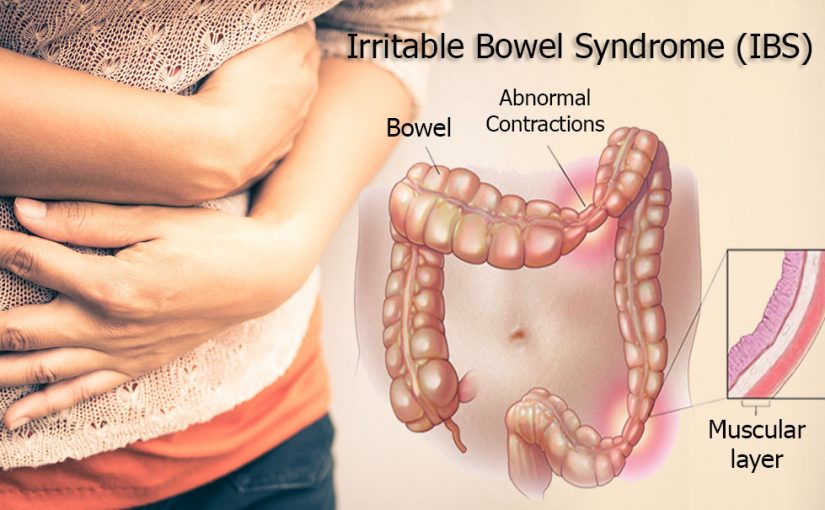
    Irritable bowel syndrome (IBS) is a disorder in which abdominal pain is associated with a range of symptoms. Typically, these include intermittent abdominal pain accompanied by diarrhea, constipation, or alternating episodes of both.

    IBS is also known as spastic colon, irritable colon, mucous colitis, and spastic colitis. It is a separate condition from inflammatory bowel disease and is not related to other bowel conditions. IBS is a group of intestinal symptoms that typically occur together. The symptoms vary in severity and duration from person to person

    IBS Symptoms

    The symptoms of IBS typically include:

    Abdominal pain and Cramping

    The key symptom of irritable bowel syndrome (IBS) is abdominal pain. The IBS pain can be felt anywhere in the abdomen. It may change over time. IBS pain or discomfort is related to the way the bowels move

    Bloating and gas

    Bloating is one of the symptoms often associated with irritable bowel syndrome (IBS). Bloating is when your belly feels swollen after eating. It is usually caused by excess gas production or disturbances in the movement of the muscles of the digestive system. It is a common symptom in irritable bowel syndrome (IBS)

      Constipation

    The key symptom of irritable bowel syndrome (IBS) is constipation. This has to do with the following:

    • Feeling of being unable to completely empty during a bowel movement, or the sensation of wanting to go but not being able to
    • Difficulty or straining at stools

     Diarrhea

    Diarrhea is one of the symptoms often associated with irritable bowel syndrome (IBS). Diarrhea is characterized by loose, watery stools or a frequent need to have a bowel movement

    • Bloating in the abdomen is also common
    • Abdominal pain or discomfort
    • Sudden urges to have bowel movements

    Causes of IBS

    For people with IBS, some situations may trigger it

    • Certain medications and food (examples, alcohol, chocolate, coffee, dairy products, fructose, carbohydrates)
    • Emotional stress
    • Eating
    • Excessive gas

    Things that will help an IBS patient

    • Cook homemade meals using fresh ingredients
    •  keep a diary of what you eat and any symptoms you get try to avoid things that trigger your IBS
    • Get plenty of exercise

    Things to avoid:

    • Avoid lots of fatty, spicy or processed foods
    • Avoid lots of alcohol or fizzy drinks
    • Do not delay or skip meals
    • Do not eat too quickly

  • Healthful Diet that can Sustain your Lifespan

    Healthful Diet that can Sustain your Lifespan

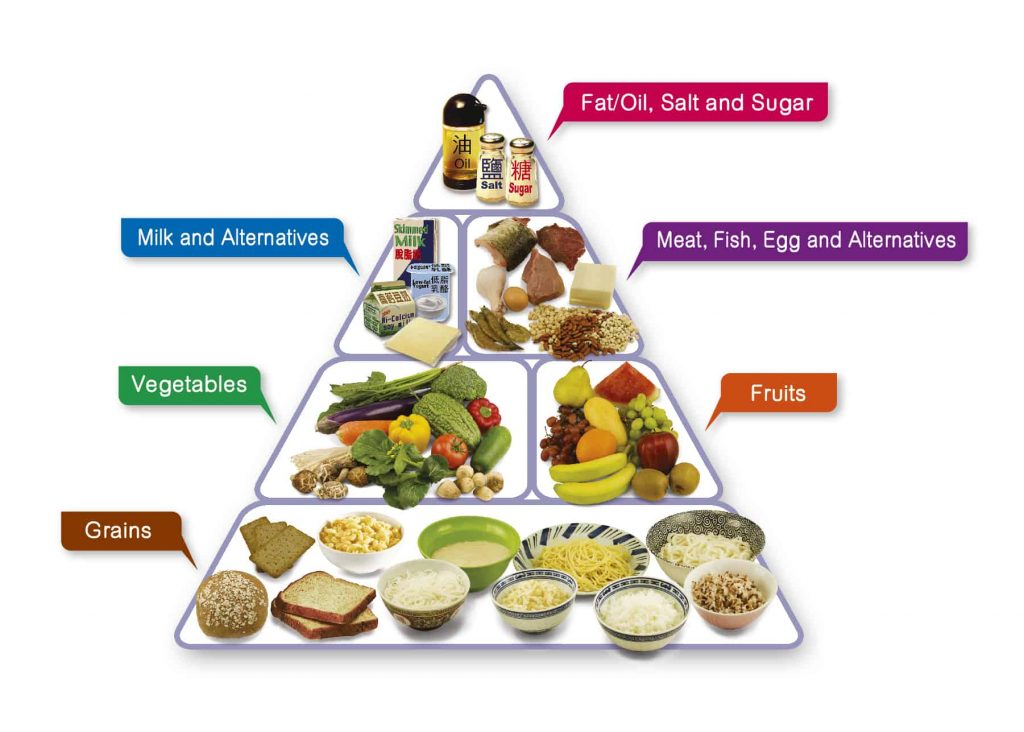
    A healthful diet is the cornerstone of good health and well-being. It includes a colorful variety of fruits and vegetables, which provide essential vitamins, minerals, and antioxidants. Incorporating whole grains and starches, like brown rice, quinoa, and oats, ensures a steady source of energy and fiber for digestive health. Good fats, such as those found in avocados, nuts, seeds, and olive oil, play a crucial role in supporting heart health and reducing inflammation. Proteins, whether plant-based like beans and lentils or animal-based like lean meats and fish, are vital for muscle repair and overall body function.

    Eating healthfully also involves being mindful of what to avoid. Reducing or eliminating foods high in added salt and sugar is essential for maintaining optimal health. Excess salt can lead to high blood pressure and other cardiovascular issues, while too much sugar is linked to weight gain, diabetes, and other chronic conditions. Here’s how adopting a healthful diet can transform your overall health and well-being.

    1. Reduced cancer risk

    An unhealthful diet can lead to obesity which may increase a person’s risk of developing cancer. Weighing within a healthful range may reduce this risk.

    However, diets rich in fruits and vegetables may help to protect against cancer and lowered the risk of colorectal cancer.

     Fruits, vegetables, nuts, and legumes act as antioxidants, which protect cells from damage that can cause cancer

    2. Diabetes control

    Eating a healthful diet can help a person with diabetes to keep blood pressure and cholesterol within target ranges.

    Prevent or delay complications of diabetes. People with diabetes need to limit their intake of foods with added sugar and salt. It is also best to avoid fried foods high in saturated fats.

    3. Healthy Heart

    Consumptions of healthy nuts such as almonds or walnuts, avocados, berries, whole grains and leafy green vegetables, Prevent blood clots which can lead to heart attacks.

    Intake of the above can help lower the risk of heart disease and stroke. You also eat less food with added sugar, calories and unhealthy fats.

    4. Strong bones and teeth

    A diet with adequate calcium and magnesium is necessary for strong bones and teeth.

    Good source of calcium includes:

    • Milk,
      cheese and other dairy foods
    • Tofu
    • Soya beans

    Good source of Magnesium includes:

    • leafy
      green vegetables
    • nuts
    •  and whole grains

    5. Better mood

    While a healthful diet may improve overall mood, it is essential for people with depression to take foods rich in omega-3 fatty acids, green vegetables, oily fish, dark chocolate, whole grains and water.

    6. Boost Brains and Memory

    A healthful diet helps to boost brains and memory and help to prevent cognitive decline.

    The foods can help to boost the brains and memory:

    • Fatty
      fish
    • Blueberries
    • Turmeric
    • Nuts
      and so many others.
  • Top 5 Nutrition Apps that will Guarantee a Healthy 2014

    Top 5 Nutrition Apps that will Guarantee a Healthy 2014

    It’s 2014, and you know what that means—time to get off the couch that you’ve been glued to for the past week and start eating food with an expiration date.

    I’m certainly sure that one of your new year’s resolutions as always is to lose weight, avoid junks and live a healthy life. Statistics has shown that only less than 27% of US residents manage to keep up to this resolutions past six months. According to a Bodybuilding.com survey, two-thirds of adults in the U.S. have made a resolution to get fit, and a whopping 73 percent of those people gave up before they reached their goal. Though the odds may be against you, but you can succeed—with the help of your smartphone.

    In a bid to help you stay healthy in 2014 we have shortlisted five smartphone nutrition apps that will help you track progress, even when it seems like nothing is happening; and they motivate you to keep going with incentives such as achievements and friendly social competition. Whether you want to eat healthier, lose weight, or just learn about nutrition, these five apps will help you stay on track.

    Fooducate—Android, iOS


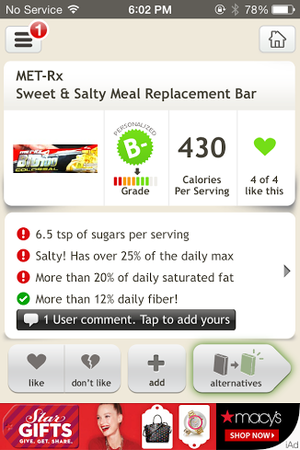
    Food nutrition labels can be difficult to decipher, but it’s important to know what you’re putting in your body. That’s where Fooducate, a free app for Android and iOS, comes in. Fooducate—yes, that’s a mash-up of “food” and “educate”—is a food look-up service that helps you find and understand nutrition information in real life.

    You can look up foods on Fooducate by product name or barcode number (the app has a convenient, built-in barcode scanner) and find the food’s nutrition info and Fooducate “grade.” The grade is based on a variety of factors, including the sugar, salt, and saturated fat content; whether it’s a good source of vitamins, minerals, or other essential nutrients; and whether it contains preservatives or artificial ingredients. Although it’s a bit simplistic, the grade is an easy way for busy people to quickly assess the nutritional value of the food.

    Fooducate also has a health tracker for logging food, water, exercise, notes, and weight; daily health and nutrition tips; and the ability to set weight goals. If you want more functionality, such as carb-control, nutrient-tracking, and information about which foods are genetically modified, Fooducate also has a Pro version for $15 per year.

    Nutrition Quiz by Runtastic—iOS

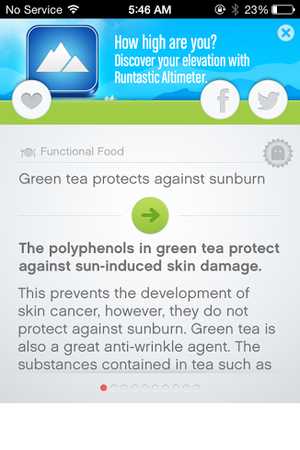
    Test your knowledge and learn some new facts with Nutrition Quiz, a free iOS app by fitness app developer Runtastic.   Nutrition Quiz offers short quizzes about health, fitness, and nutrition. Each quiz consists of 10 general questions (Fact or myth: Women’s noses can smell better?) chosen randomly from a database of over 600. The questions fall into eight categories, ranging from Functional Foods to Sugar & Spices. Quizzes are scored on timing and accuracy, and if you sign into your Runtastic account you can compare your score against friends and other users.   After each question, the app offers an explanation of the correct answer. You can favorite any facts that you find interesting, and share them on Facebook or Twitter. The app’s browse feature lets you look through the question/fact bank at your leisure. The first 64 questions across three categories are free, but you’ll need to unlock the $2 Pro version of the app to access the rest of the database.

    My Diet Coach—Android, iOS

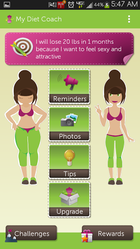
    Starting a diet is easy; staying on a diet is another story. Free for Android and iOS, My Diet Coach can help you stay motivated and on track with its personal cheerleader approach to dieting.   My Diet Coach is more about keeping you motivated than worrying about the nitty-gritty details of your actual diet and exercise plan. The app lets you set up automated text reminders to help keep you on track, such as “take my healthy snacks with me before I leave for work,” or “don’t eat five chocolate bars before bed.” The app also has a section for adding motivational photos (of yourself or of anything that inspires you to lose weight), a tips section for combating emotional eating and diet slip-ups, and daily challenges (such as drinking eight glasses of water) to help you stay healthy.   This app is a little cheesy, but don’t knock the power of little nudges throughout the day. My Diet Coach’s reminders will make you think twice about eating that extra cookie, and will help you remember to stop at the health food store on the way home from work. The free version of My Diet Coach has all the motivational tools, but if you want more functionality—such as the ability to log and track food and exercise—you can upgrade to the Pro version of the app for $4.  
    ShopWell—iOS

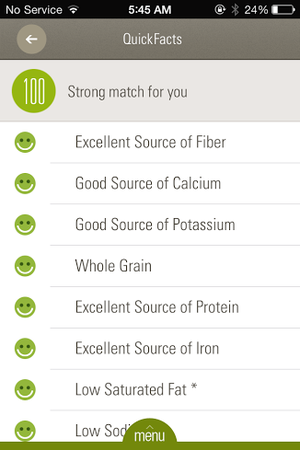
    Fooducate is a useful app if you need a quick snapshot of a food’s general nutritional value, but ShopWell takes food look-up one step further. ShopWell is a free app that rates foods based on your personal profile, taking into account lifestyle choices, dietary needs, and allergies.   ShopWell asks you to first fill out a comprehensive nutrition profile, including which nutrients, minerals, and vitamins are important in your diet, as well as which nutritional pitfalls (such as artificial sweeteners or refined grains) you want to avoid. The app also asks which foods you’re allergic to or cannot otherwise tolerate. Then, the app takes this information and rates foods based on your information.   ShopWell gives each food a score from 1 to 100 (100 is the highest), and tells you whether the food is a strong match, a medium match, or a weak match for your profile. You can click on the score to find out why the food is a strong/medium/weak match—for example, Bridgford Beef Jerky is a weak match for me because it has lots of added sugar. ShopWell also shows nutrition information and ingredients for each food, as well as suggestions that are similar but “better” for you based on your ShopWell profile.   ShopWell is an excellent app for tracking specific aspects of your diet, such as nutrients or sugar intake, which is great for diabetics. The app lacks a built-in calorie-counter, but it does have some nifty extra features such as lists (add favorite foods to lists for future reference), popular foods (find foods that are popular with people who have similar profiles to yours), and missions and achievements to keep you motivated.  
    Nutrino—iOS

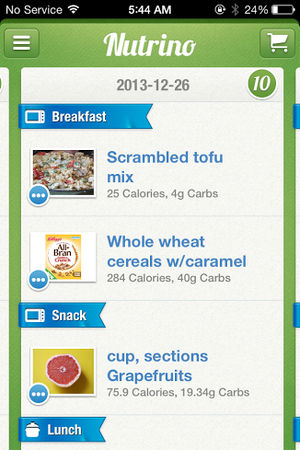
    If you’re not sure where to start with your diet plan, Nutrino is the app for you. This free iOS app is like a personal nutritionist in your pocket. Nutrino is a food recommendation app that creates a custom, personalized daily menu for you based on your profile, preferences, and goals.   Like ShopWell, Nutrino needs some personal information to create your custom meal plan. The initial profile setup includes answering basic questions (gender, age, height, weight, general activity level) and setting goals such as target weight and diet intensity. Nutrino also asks how large you like each meal to be, how you like to prepare each meal, and whether you have any special restrictions, such as gluten-free or vegetarian.   Taking into account your profile, preferences, and nutritional goals, Nutrino creates a daily meal plan for you. The meal plans includes nutritional information, recipes, and a grocery list with all the necessary ingredients. If you don’t like a dish Nutrino has picked for you, just tap it and tap Change Dish to find a similarly healthy replacement . Swipe up to scroll through your meal plan, and swipe down to see a summary of your day, including protein, carb, fiber, and fat intake, as well as daily calories. Swipe to the left to see future days’ plans.   In one sense, Nutrino is more difficult to use than other diet apps, since its success banks on your ability to follow its meal plan to a T. On the other hand, if you’re willing to put in the legwork and you want an app that will do everything for you (including counting calories), Nutrino is worth a look.  
  • iPhone App Cardiio Can Tell Your Heart Rate With Nothing But A Video

    iPhone App Cardiio Can Tell Your Heart Rate With Nothing But A Video

    [Credit: Cardiio]

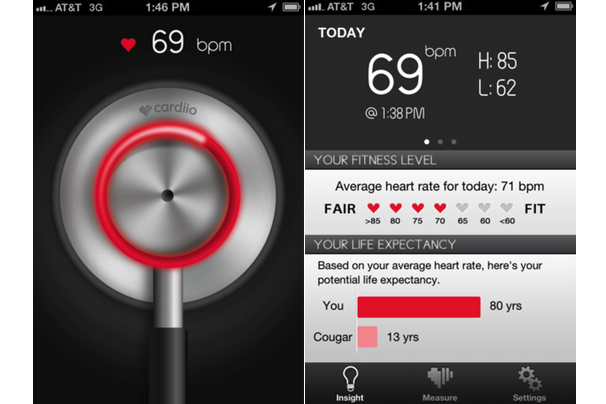
     Ming-Zher Poh, a PhD Student at MIT’s Media Lab, is the creator of what may be the most interesting thing on the iOS App Store today: An app called Cardiio that makes use of the iPhone’s camera and nothing else to produce a estimate of your heart rate.
    The science behind the Cardiio is almost as fascinating as the concept itself. Poh’s algorithm captures a video of the user’s face with the help of a tracking software before distilling it into RGB channels which are, in turn, analyzed to determine a rough BPM based on reflectivity.
    And it’s surprisingly accurate. At least one study has shown that the technology behind Cardiio is accurate to within three beats per minute. You
    might not see it at your doctor’s office, but it could be useful for tracking your heart rate when you exercise.
    Cardiio isn’t Poh’s first attempt at using light to measure heart rate, but it’s probably the most popular. According to Co.Design, even though it’s only been around for a few days, Cardiio is already one of the most highly rated health and fitness apps on iTunes. Arguably, it’s also one of the creepiest–Cardiio will, among other things, attempt to provide you with your estimated life expectancy. Eek.
    [Cardiio via Co.Design]