
5G home internet is no longer a luxury—it’s rapidly becoming the backbone of modern living. Whether it’s remote work, online education, or staying connected with family and friends, 5G technology is redefining how we interact with the digital world.
Why 5G Home Internet?
Traditional broadband providers often bundle outdated services like cable TV and struggle to keep up with increasing demands for faster, more reliable internet. Issues like frequent outages, slow speeds, and restrictive contracts frustrate users. Enter 5G home internet, a game-changing solution for seamless connectivity.
What Is 5G Home Internet?
5G home internet uses the latest wireless technology to deliver high-speed internet directly to your home. Pioneering providers like Verizon, T-Mobile, and Starry are making this service more accessible globally, offering speeds comparable to fiber-optic connections.
Top 5G Providers and Their Offers
- Verizon: Speeds of 85–1,000 Mbps, starting at $50/month, with unlimited data and free equipment for mobile subscribers.
- T-Mobile: Speeds of 72–245 Mbps at $60/month, plus a $200 gift card for switching.
- Starry: Speeds of 50–1,000 Mbps, priced at $30–$80/month, with no contracts and free installation.
How Does 5G Home Internet Work?
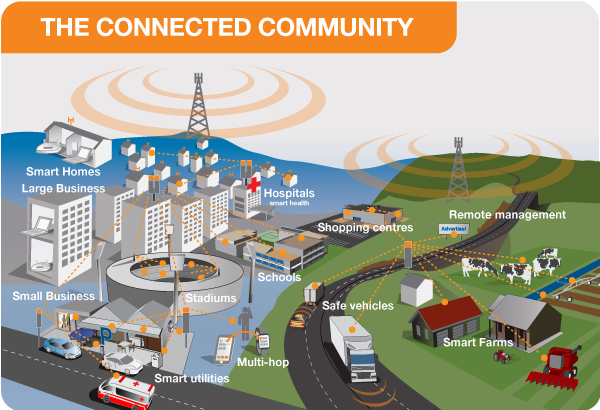
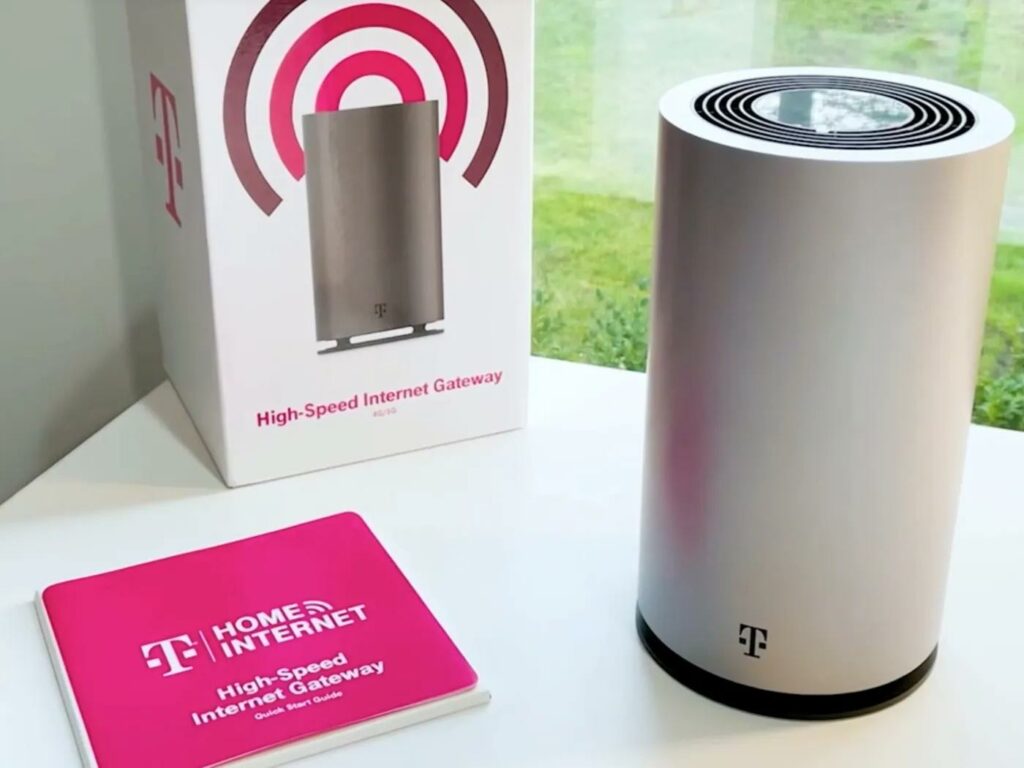
Setup is simple: a router and SIM card connect to nearby cell towers, eliminating the need for cumbersome wired connections. This makes it a flexible, plug-and-play solution for households.
Benefits of 5G Home Internet
- Lightning-Fast Speeds: Experience speeds that rival or exceed traditional broadband.
- Easy Setup: No complex wiring; get online with minimal effort.
- Affordable Plans: Competitive pricing with unlimited data.
- Flexible Contracts: Many providers offer no-contract options.
However, challenges like limited availability and potential signal interference remain. Health concerns about 5G lack scientific backing, but they’ve stirred public debate.
5G vs. Traditional Broadband
While 5G offers advantages like lower latency and greater capacity, its reliability depends on location. Fiber-optic broadband still leads in stability for areas where 5G coverage is limited.
Is 5G Home Internet Right for You?
Evaluate your needs, location, and budget. For urban areas with robust 5G coverage, it’s a compelling alternative to traditional broadband.
Top 5G Providers Worldwide
In the US:
- AT&T Internet Air
- T-Mobile 5G Home Internet
- Verizon
- US Cellular Home Internet
- Starry Home Internet
In the UK:
- EE 4G/5G Mobile Broadband
- Three 5G Home Broadband
- Vodafone 5G Broadband
- National Broadband 5G
The Future of 5G Home Internet
From smart homes and IoT innovations to enhanced online gaming and telemedicine, 5G is set to transform everyday life. Stay ahead of the curve by exploring 5G options tailored to your connectivity needs.
You must be logged in to post a comment.