Tag: blackberry

  • BlackBerry Priv sales out

    BlackBerry Priv sales out

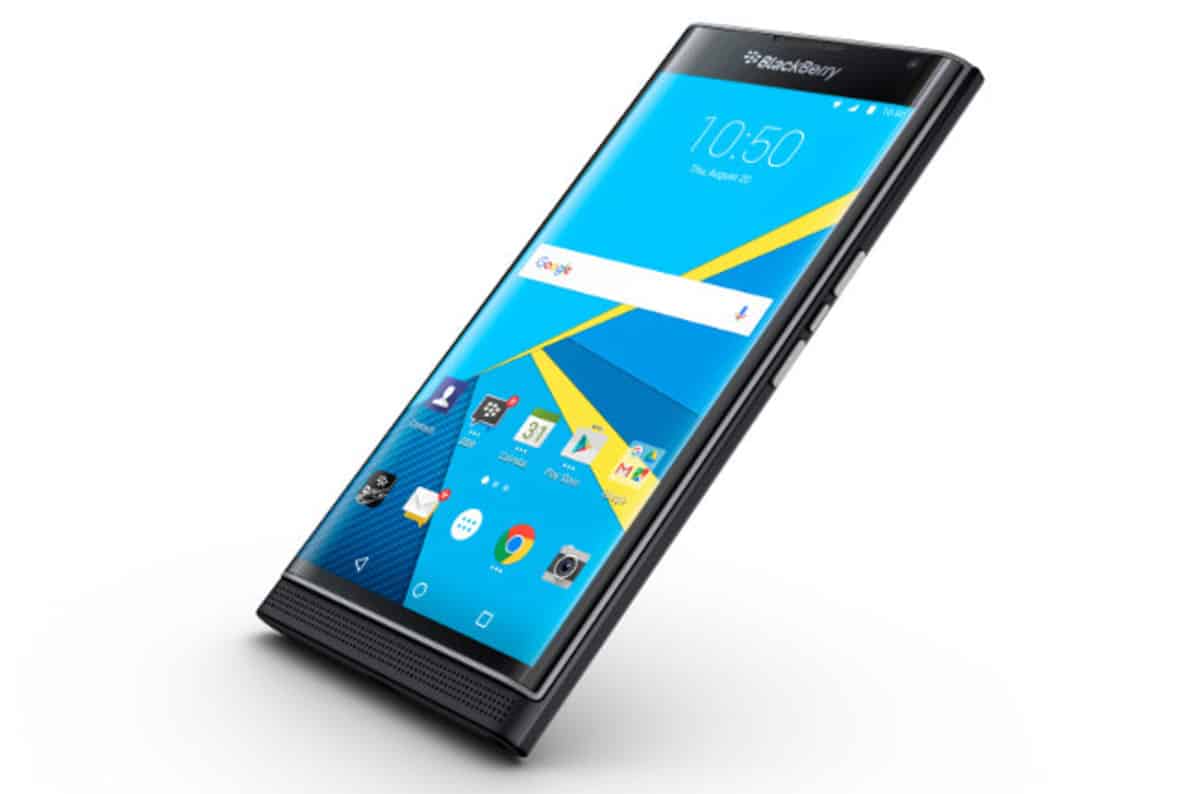
    BlackBerry (BBRY) is a mobile company that has been failing miserably to keep up with relevance with competitors like Android and iPhone. Several months back, however, BlackBerry took the oath of “if you can’t be em’: join em’” and released the BlackBerry Priv: their first Android powered smartphone with classic BBM apps, and Android 5.0 Lollipop; all while boasting touchscreen and the classic keyboard.

    blackberry priv

    While some folks have had their doubts about the phone, or BlackBerry’s chance to become relevant again in the market have been quite slim, news today from Walmart and Best Buy retailers show that the Android-powered device is garnishing a reputation. The two stores (while not immediately sharing sale figures/comments) have restocked the device onto the shelves on Friday – all this while the stock priced jumped up 7% alonside the news.

    The Priv has become the surprising hit from a company who has had many failures in their lineup; and this could be partly due to its unique design (touchscreen + keyboard) and/or Android 5.0 Operating System. With the stock jump and stock shipment, BlackBerry might be in for a very good future of possibly becoming known in the mobile market again; and hopefully bringing challenge to fellow Android product developers, such as Samsung and LG. However, it could take just one major mistake in the Priv device or a quick lack of interest to cause the company to consider leaving mobile hardware all together.

    Anyone who has been watching closely at what I’ve been trying to do at BlackBerry has surely heard me say that we would not stay in the device business if we were not profitable,” CEO John Chen wrote in a blog post earlier this year. “That said, we are doing everything possible to make our devices profitable.”

    What are your thoughts on the sales of the rather new BlackBerry Priv? Leave your thoughts below.
  • BlackBerry launches their Classic smartphone with a traditional keyboard

    BlackBerry launches their Classic smartphone with a traditional keyboard

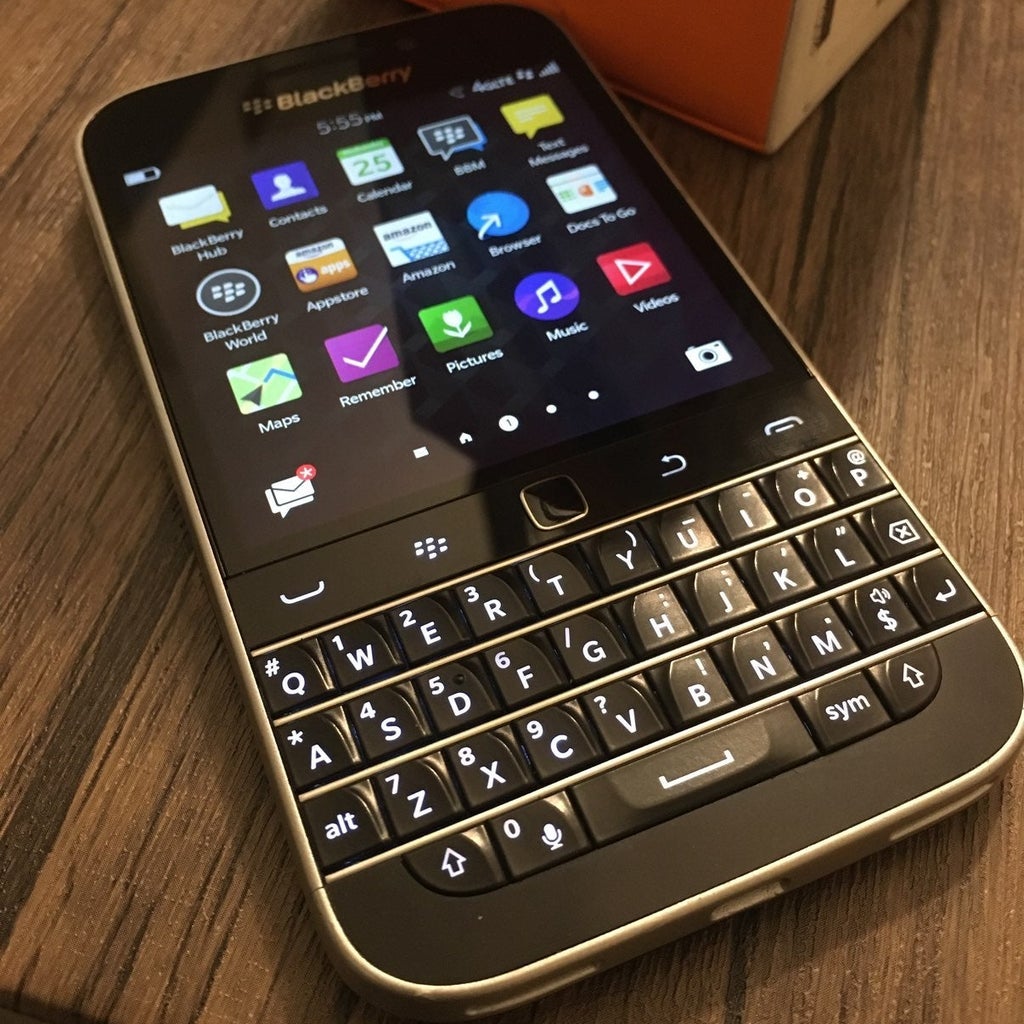
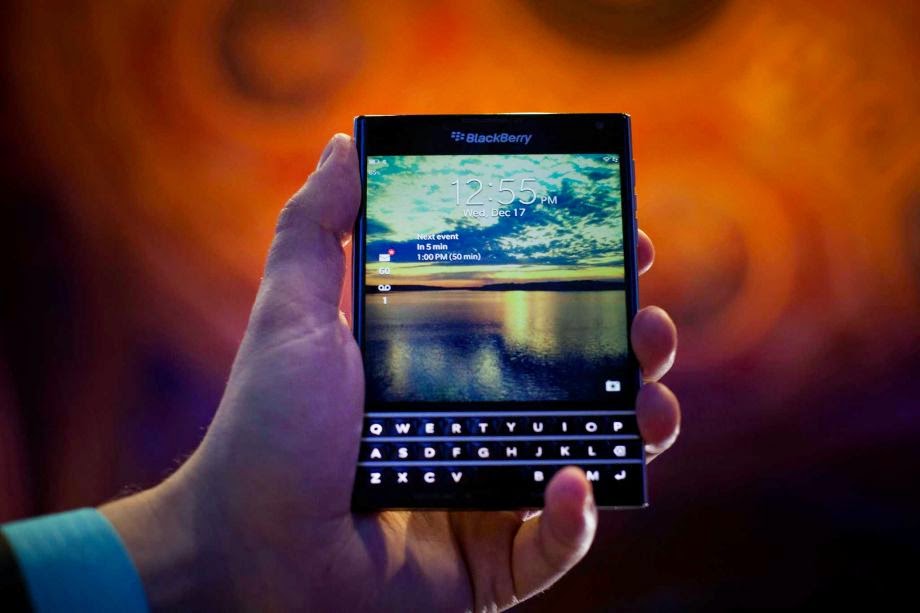
    BlackBerry is hitting the market by returning to their roots; releasing a new “Classic” smartphone with a traditional keyboard which seems like an un-logical choice in the time when rival Apple and Android devices – and most smartphone customers – have come to accept and use their screen for almost all functionality.
    BlackBerry is calling out to it’s core customer with the Classic – business folk. The physical keyboard is a traditional asset that BlackBerry users have found to be more easier and comfortable to use than to type using a touch-screen keypad. The company is also putting their emphasis on security and long battery life, however there is little released facts to prove the ladder.
     “A lot of people say the Classic is aiming for loyal customers. And that is true,” CEO John Chen said at the gadget’s launch event, tellingly held in New York City’s Financial District. But he also invited people who haven’t used a BlackBerry “especially people who are young,” to try the BlackBerry Classic.
    1999 was the year BlackBerry came up with the RIM 950, and allowed on-the-go business people to access their email wirelessly. Soon however more and more competitors came around, and BlackBerry seemed to have turned ancient. Apple showed that phones could definitely perform to a greater extent past the use of email and phone calls, and all while BlackBerry was too late to overhaul its operating system.
    A obvious sign to BlackBerry’s decline is their hold on the smartphone market – they only hold a small fraction compared to the nearly 50% that they continuously had going up until as late as 2009. The company is trying to stay relevant on making hardware even as it tries to transform into an enterprise security and consumer software company. Whether the Classic will sell enough to keep it in the hardware business is unclear.
    It’s going to be a niche product based around enterprise, based around security and pockets of the world where there is still strengths. The future of this company is not the hardware,” BGC analyst Colin Gillis said. The BlackBerry classic is on sale as of Wednesday (12/17/2014) for $449 in the U.S through Amazon.com and BlackBerry.com. The phone will soon be available at AT&T and Verizon shops and their respective websites.
    What are your thoughts on the BlackBerry Classic? What do you love/hate about it? Let us know in the comments.
    source:
  • BlackBerry will try to tempt you back with BackBerry Classic

    BlackBerry will try to tempt you back with BackBerry Classic

    What do you like most about your old BlackBerry device? What if BlackBerry has improved those features for you?

    A top row of navigation keys! A trackpad! The BlackBerry is back, baby, with the BlackBerry Classic!

    Well, that’s how BlackBerry hopes you’ll react, anyway, with the announcement of the BlackBerry Classic on the company’s website on Tuesday. Chief executive John Chen promised the “things you remember about BlackBerry that made you better are better than ever with BlackBerry Classic”.

    “Innovation is a word that gets used too often and carelessly. Innovation is not about blowing up what works to make something new – it’s about taking what works and making it better,” Chen wrote in a blog post. “In that sense, BlackBerry Classic represents the kind of innovation BlackBerry – and you – strive toward every day.”

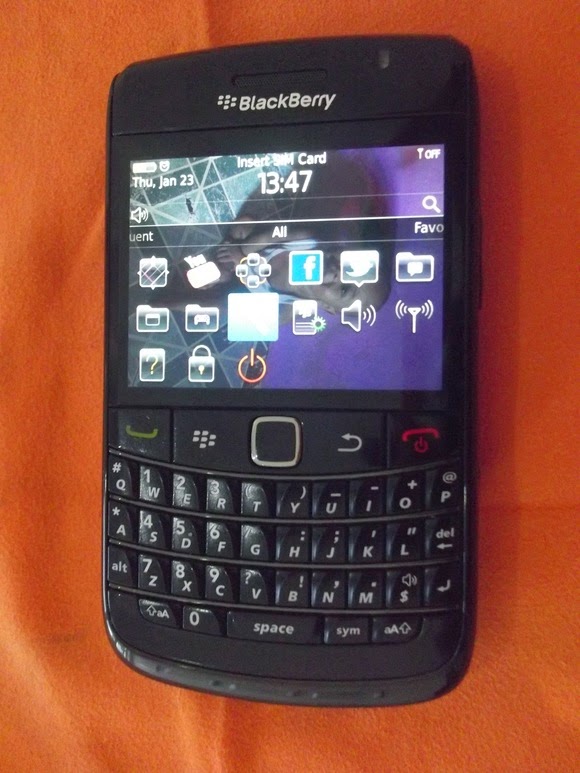
    The BlackBerry Bold 9780. [AKIDJOH]

    And while Chen didn’t reveal what those features would be, exactly, he gave some hints: the trackpad, the navigation screen, a larger, sharper screen, and “all the best productivity and collaboration features on any mobile device, including the BlackBerry Hub and our all-new BlackBerry Blend.”

    Users can sign up to hear more about the new Classic on a dedicated site, which also promises “Navigation buttons that do more than ‘go home’,” a physical keyboard “with no rival,” and a central repository for all of your messages. The site also has a partial image of the new phone.

    The Bold, of course, arguably marked the beginning of the gradual decline of the BlackBerry—not so much because of any great deficiencies of the phone, but because of the rise of the iPhone and its associated app strore. Google’s Android soon followed, and developers latched on to the new, lucrative opportunities. As of July 2014, BlackBerry had only 2.4 percent of the U.S. smartphone market, in fourth place behind Android, iOS, and Windows Phone.

    With nothing to lose, Chen and BlackBerry have rolled out a new release of the BlackBerry OS, as well as a partnership to bring many popular Android applications to the BlackBerry platform. BlackBerry recently launched the Passport, a square phone that the company is pitching at professionals.

    Could you see yourself buying a BlackBerry again? Would a touchpad be the answer to those who prefer a large phone but prefer to use it with one hand? Let us know in the comments.

    Why this matters: Having failed to attract new converts, BlackBerry is hoping to reinvigorate whatever fan base BlackBerry still has. At one time, it owned the smartphone market. So a combination of nostalgia and innovation is an obvious next step.

  • The Future of ‘Dying’ BlackBerrry will Focus on Physical Keyboard

    The Future of ‘Dying’ BlackBerrry will Focus on Physical Keyboard

    PC World – BlackBerry will rededicate itself to physical keyboards as the company tries to regain its footing.

    Speaking to Bloomberg , BlackBerry CEO John Chen said the company’s future phones will “predominantly” have physical keyboards, rather than full touchscreens. “I personally love the keyboards,” Chen said.

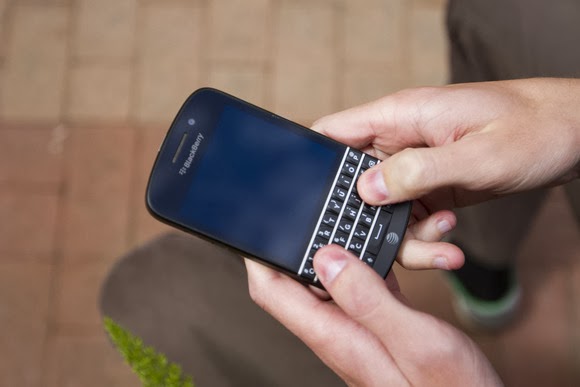
    Out of the four existing BlackBerry 10 smartphones, only the Q10 (shown above) and Q5 have physical keyboards, and only the former is available through U.S. carriers. The BlackBerry Z10 and Z30 use touchscreens, with the quality of the software keyboard being a major focus in BlackBerry 10.

    BlackBerry’s recent emphasis on touchscreens over physical keyboards was reportedly a major source of friction within the company as it tried to bring BlackBerry 10 to market. In a story last September , The Globe and Mail recounted a 2012 board meeting, where co-founder and former CEO Mike Lazaridis expressed frustration over the touchscreen Z10. “I don’t get this,” Lazaridis said while pointing to the phone.

    Lazaridis eventually left the board, and last November, BlackBerry ousted CEO Thorsten Heins, who oversaw the launch of BlackBerry 10. The company also abandoned plans to sell itself, as it focuses on enterprise services and BlackBerry Messaging (BBM) across multiple platforms.

    Status of BlackBerry 10?

    Since then, BlackBerry’s commitment to BlackBerry 10 has been murky. A partnership with manufacturer Foxconn will bring at least one BlackBerry 10 handset to emerging markets, but a recent open letter from Chen didn’t even mention BlackBerry 10 by name. The company’s enterprise business is still largely using the older BlackBerry 7 operating system, but companies are increasingly turning to iPhones and Android phones instead.

    It’s unclear whether BlackBerry’s physical keyboard push implies more new BlackBerry 7 handsets or more BlackBerry 10 devices without full touchscreens. Either way, BlackBerry is reaching for the past as it tries to stay alive.

  • Report! BlackBerry Files Lawsuit Against Seacrest’s Typo Keyboard Startup For Infringement

    Report! BlackBerry Files Lawsuit Against Seacrest’s Typo Keyboard Startup For Infringement

    BlackBerry has today filed a lawsuit against startup Typo Keyboards, which is backed by Ryan Seacrest. The company alleges that Typo copied BlackBerry’s patented and “iconic” keyboard design.

    “We are flattered by the desire to graft our keyboard onto other smartphones, but we will not tolerate such activity without fair compensation for using our intellectual property and our technological innovations,” Steve Zipperstein, BlackBerry’s General Counsel and Chief Legal Officer, said in a statement today.


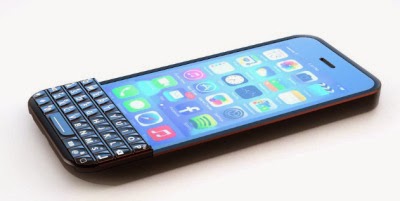
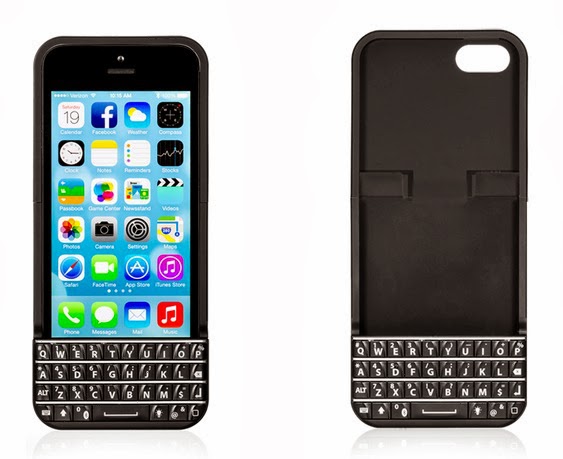
    Seacrest invested $1M in the accessory, which encloses an iPhone in a case with a keyboard attached to the bottom half. The keyboard covers the iPhone’s home button but offers an alternate home button on the bottom right corner.

    BlackBerry says that the Typo Keyboard violates its intellectual property rights, and that it will protect those rights from “blatant copying and infringement.”

    “BlackBerry’s iconic physical keyboard designs have been recognized by the press and the public as a significant market differentiator for its mobile handheld devices,” the statement concludes.

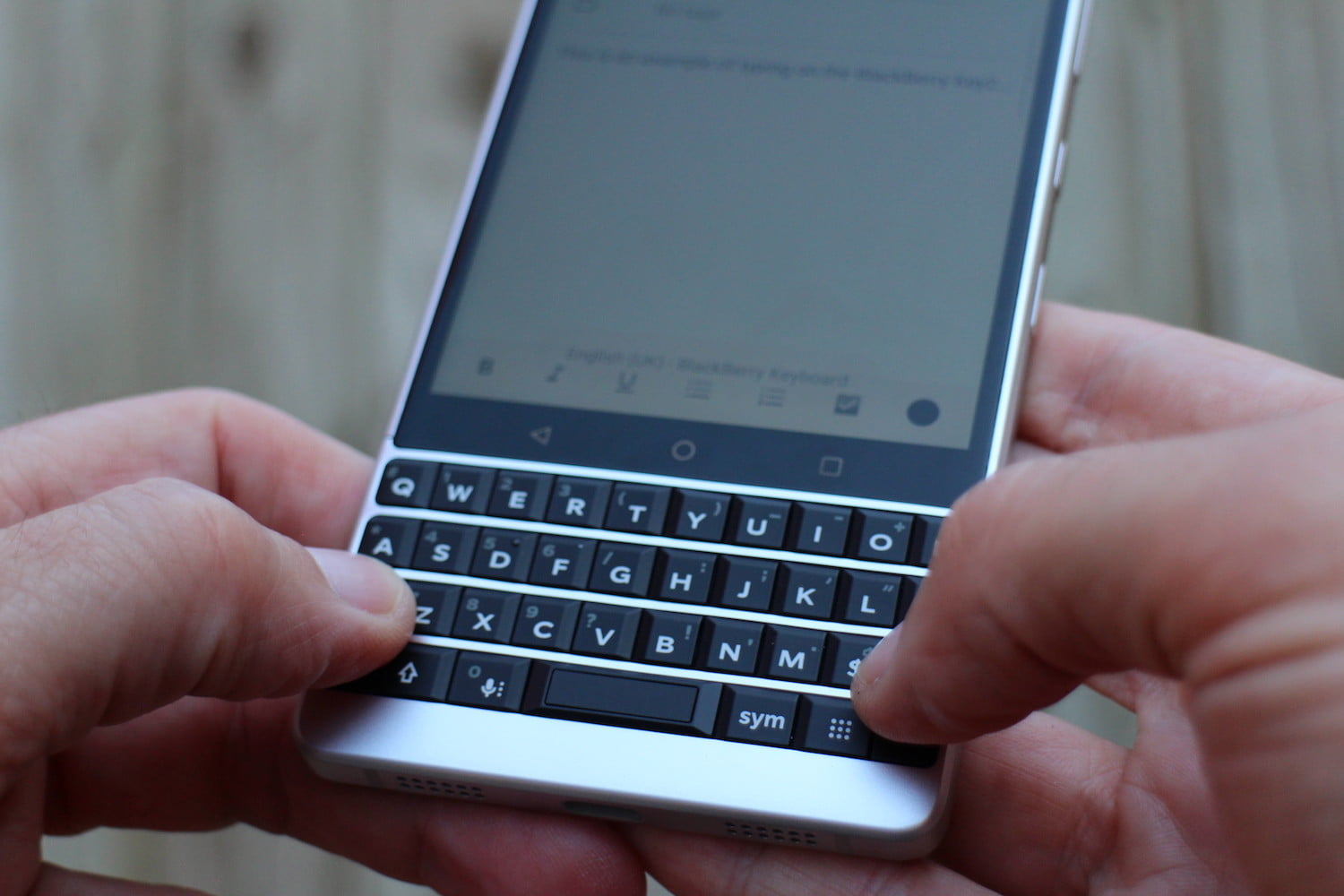
    The design certainly bears some resemblance a strong resemblance to BlackBerry’s signature rounded-corner keys and sloped corner design — right down to the placement of the back and return buttons. But one does have to wonder how many ways you can arrange keys on a keyboard.

    Here’s the BlackBerry Q10 keyboard:

    And here’s the Typo keyboard accessory:

    Either way, BlackBerry’s death rattle is unlikely to be slowed by its new strategy of ‘get money from Seacrest‘.

    Our report source is TechCrunch

  • Blackberry Re-awaken with New Enterprise Service 10

    Blackberry Re-awaken with New Enterprise Service 10

    A report on Vanguardngr says that BlackBerry has announced enhancements to its award-winning multi-OS enterprise mobility management (EMM) solution with the release of BlackBerry  Enterprise Service 10 (BES10) version 10.2 globally.

    This is even as its  customers including Morgan Stanley, Boeing, Aneurin Bevan University Health Board and Secusmartare currently participating in the BES10 version 10.2 Early Adopter and Beta programs, and are running the new version in a test environment.

    Currently,  customers have installed nearly 30,000 BES10 commercial and test servers around the world. Organizationscontinue to choose BlackBerry because it is the most proven and trustedenterprise mobility management (EMM)solution, supporting iOS, Android™ and BlackBerry smartphones.

    That is why Secusmart, a leading expert in the field of highly secure mobile voice and data communication,uses BES10, and chose to be an early adopter of version 10.2.

    “Secusmart’s needs an EMM solution that can enable our workforce to be more productive and connected, while maintaining our strict security standards and not compromising on our end user experience,”  Dr. Hans-ChristophQuelle, CEO of Secusmart, said, adding that , “BES10 provides the necessary functionality and security for our employees and has truly exceeded our expectations.

    We’ve benefitted tremendously from BlackBerry’s single, secure multi-platform connectivity model to mobilize our business and empower our employees to be more productive and better equipped to serve our customers.”

    Recently named the Best Mobile Device Management Software for 2013 by UK enterprise IT publication V3, BES10 is the only enterprise mobility management solutioncapable of delivering comprehensive management and security for devices, apps and content across iOS, Android and BlackBerry devices, all easily managed through a single console. Backed by industry leading global support services, BES10 offers a seamless, scalable and cost-effective way to truly mobilize businesses, enabling organizations to balance enduser and corporate needs without compromising security.

  • RIM Unveils Its New 4G BlackBerry PlayBook Tablet

    RIM Unveils Its New 4G BlackBerry PlayBook Tablet

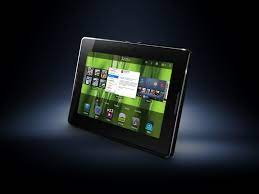
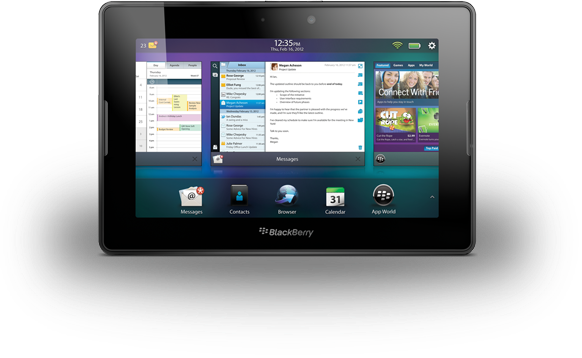
    Is this new PlayBook RIM’s last hurrah in the tablet competition? A new 4G BlackBerry PlayBook will go on sale next week, a year after Research In Motion introduced its first tablet. The updated 7-inch PlayBook will include 4G connectivity and 32GB of storage, but RIM has yet to name a price or a U.S. availability date.
    The first in line to get their hands on the new PlayBook will be Canadians from August 9, via carriers Bell, Rogers, and Telus. “In the coming months” RIM also expects cellular-data enabled versions of the PlayBook to reach the U.S., Europe, and other countries. But even with the Canadian availability date coming up so quickly, RIM still hasn’t said how much the new PlayBook would cost.
    If there’s no 4G LTE connectivity available in your area or carrier, RIM says the 4G LTE BlackBerry PlayBook tablet can automatically adjust to connect on a HSPA+ network.
    Otherwise, there’s very little changed hardware-wise between the original PlayBook and the 4G model. The tablet still has a 7-inch 1024-pixel by 600-pixel resolution display, dual HD video cameras, HDMI capability, and stereo speakers. The processor is bumped up to 1.5GHz from 1GHz in the Wi-Fi-only model, there’s still 1GB of RAM on board, and you only get one storage option: 32GB.

    One Last Chance?

    RIM’s 4G BlackBerry PlayBook TabletThe 4G LTE BlackBerry PlayBook tablet could be the make or break device for RIM. Due to key software omissions at launch, such as the lack of a native email client, the PlayBook suffered from lackluster sales. In fact, RIM had to take a $485 million hit last year because it was sitting on a huge inventory of unsold tablets.
    The arrival of much cheaper 7-inch tablets from the likes of Amazon did not help either, as they undercut the PlayBook by up to $300 (Amazon’s Kindle Fire is $199 while the PlayBook launched at $500, and then began to be heavily discounted).
    There’s still hope for Research In Motion though. After several delays, the anticipated BlackBerry PlayBook OS 2.0 will ship with the new tablet. All the features you would expect are now there, including email, calendar, contacts, and video chat. But given the lack of any substantial improvements to the tablet (for example the $200 Google Nexus 7 has a higher-resolution display), adding 4G connectivity to the PlayBook might still be too little, too late for RIM.