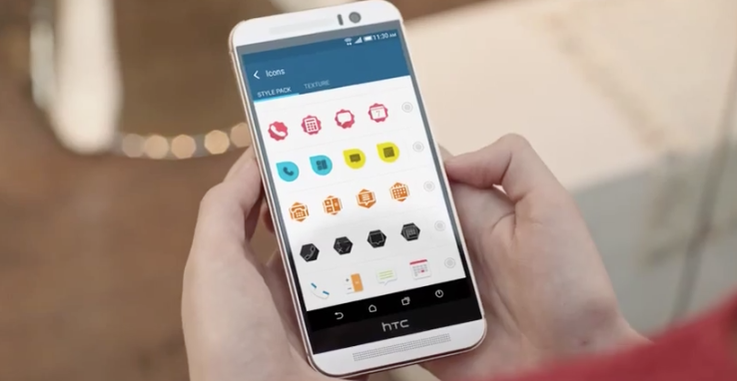
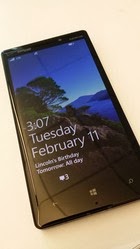
HTC is just a few days away from revealing its new HTC One M9, but the surprise has been spoiled by a trio of leaked videos. Originally shown off by frequent Android leaker account@Upleaks, the videos below show the M9 in detail, including its design, as well as software features contained in the next version of HTC’s Sense UI.
The first video reveals a thorough overview of the M9, curiously presented in profile view. The phone looks a lot like its predecessor, but has a two-tone metal body. There’s a personalization option that lets you use a source image for theme, and a contextual home screen widget that changes apps based on your location. A new front camera uses UltraPixel tech for optimal low-light shooting, and a rear-facing 20 megapixel delivers more detail and resolution.
The second video shows off a better look at how the HTC One M9’s software features might fit into a user’s actual day, including a photo capture and theming example with a picture from a store window. HTC clearly wants to highlight personalization options, as well as the new meal recommendations built into BlinkFeed.
Finally, a more in-depth look at the camera reveals some of the improved capture abilities, in a variety of lighting conditions, as well as new effects and options build into the camera app for after-capture processing and edits. The videos above might get taken down, but we have a gallery of captures from each that should provide a look everything regardless of whether the YouTube clips stay active.
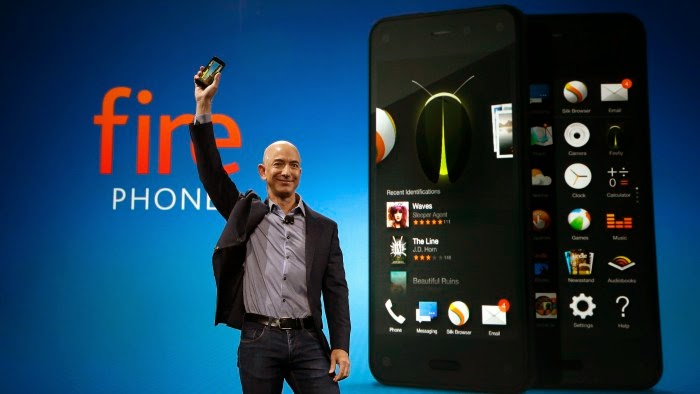
In June of 2014, Amazon tried to launch their newest product – the Fire phone. It was essentially a modified Android phone with a “unique” 3D display and a ton of references to different Amazon shops. It turned out that “Fire” was pretty cold, being a complete failure. The phone hit Amazon with a $170 million loss in its most recent financial quarter to account for “inventory valuation and supplier commitment cost.” The major commerce company is finding it hard to even give these things away; if you wander into a Amazon warehouse, you may just find a big pile of these lonely little buggers hoping; waiting for someone to come and make them theirs.
However, Bezos & CO aren’t giving up without a few punches here, truly living up to the phrase “if at first you don’t succeed, try again.” On Friday, Amazon released a software update for their Fire phone that adds new features and sources close to the giant company says they have plans of releasing a second Fire phone, just not anytime soon.
Among the new features in the Friday update is text translation for the Fire Phone’s Firefly app, where you can scan text and have it converted to or from English, French, German, Italian, and Spanish.
Firefly has also been trained to identify 2,000 famous paintings, for those of you who like to walk around art museums with your mobile in your hand.
The update introduces a new camera feature named Best Shot, a (camera) app that takes three quick photos and lets the user choose the best ones. Amazon said this would be great for group photos or pictures of children or pets. There are also some minor UI changes, such as adjustable SMS settings and blocking phone calls by the number. Added to their “flop” phone was a office-document editing app, VPN support, and even more which you can find in the full list of changes here.
On the topic of making another phone that customers will actually like, VentureBeat reports that several sources agree that the online megastore will take another shot at it, but it’s not in a hurry. It has “gone back to the drawing board,” one source claimed, and is currently pondering which features to put into the new device that would make it appealing, with an eye to ship it sometime in 2016.
And we may be able to expect more phones to come from Amazon after that. The company CEO Jeff Bezos gives the Fire Phone line full support and believes it’s a young product that the company will need to “iterate” over time.
What do you think of a new Fire phone coming out, or about the changes in the new update? Leave a comment below.
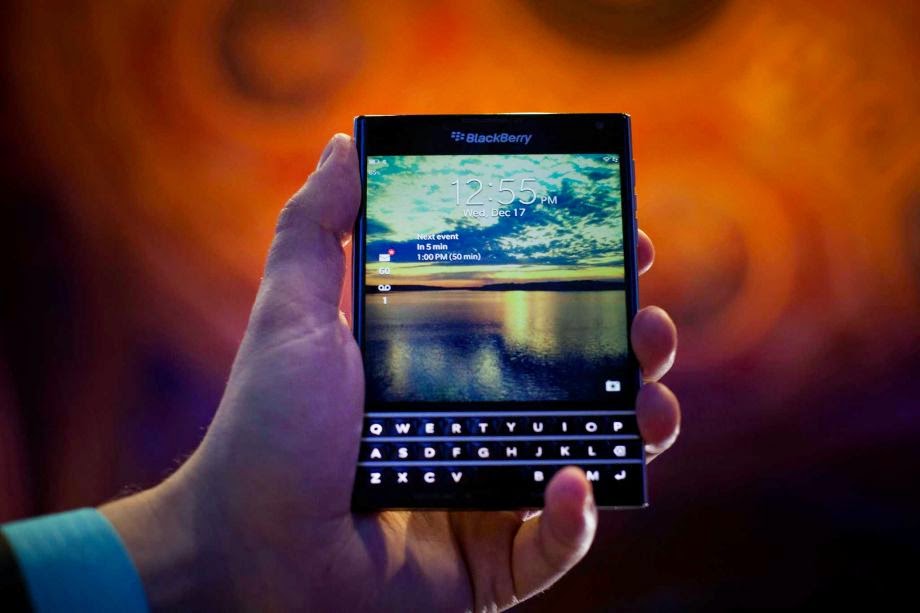
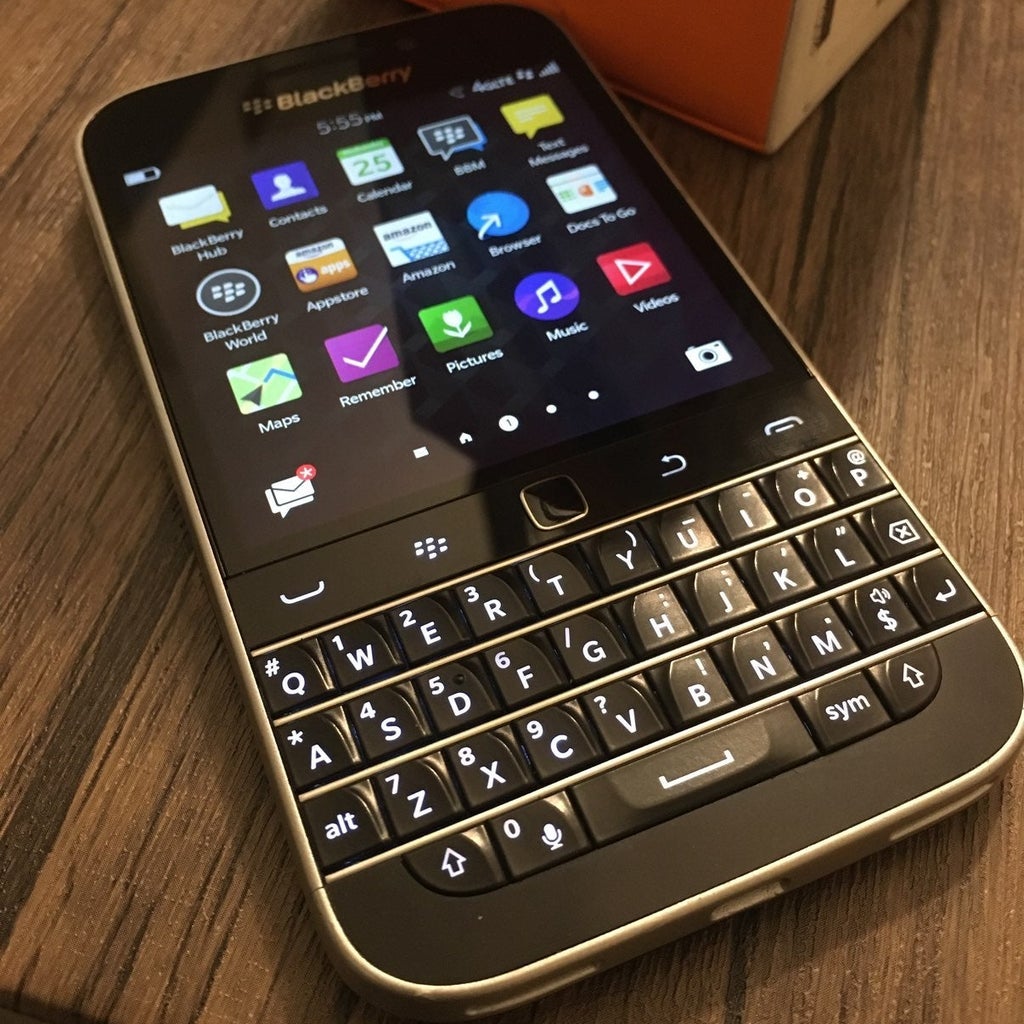
BlackBerry is hitting the market by returning to their roots; releasing a new “Classic” smartphone with a traditional keyboard which seems like an un-logical choice in the time when rival Apple and Android devices – and most smartphone customers – have come to accept and use their screen for almost all functionality.
BlackBerry is calling out to it’s core customer with the Classic – business folk. The physical keyboard is a traditional asset that BlackBerry users have found to be more easier and comfortable to use than to type using a touch-screen keypad. The company is also putting their emphasis on security and long battery life, however there is little released facts to prove the ladder.
“A lot of people say the Classic is aiming for loyal customers. And that is true,” CEO John Chen said at the gadget’s launch event, tellingly held in New York City’s Financial District. But he also invited people who haven’t used a BlackBerry “especially people who are young,” to try the BlackBerry Classic.
1999 was the year BlackBerry came up with the RIM 950, and allowed on-the-go business people to access their email wirelessly. Soon however more and more competitors came around, and BlackBerry seemed to have turned ancient. Apple showed that phones could definitely perform to a greater extent past the use of email and phone calls, and all while BlackBerry was too late to overhaul its operating system.
A obvious sign to BlackBerry’s decline is their hold on the smartphone market – they only hold a small fraction compared to the nearly 50% that they continuously had going up until as late as 2009. The company is trying to stay relevant on making hardware even as it tries to transform into an enterprise security and consumer software company. Whether the Classic will sell enough to keep it in the hardware business is unclear.
“It’s going to be a niche product based around enterprise, based around security and pockets of the world where there is still strengths. The future of this company is not the hardware,” BGC analyst Colin Gillis said. The BlackBerry classic is on sale as of Wednesday (12/17/2014) for $449 in the U.S through Amazon.com and BlackBerry.com. The phone will soon be available at AT&T and Verizon shops and their respective websites.
What are your thoughts on the BlackBerry Classic? What do you love/hate about it? Let us know in the comments.
Here’s some good news for owners of LG’s G3 smartphone: Your phone will be among the first to get an update to Android 5.0 Lollipop. Assuming you live in Poland, anyway.
According to the company, it will roll out an update to Lollipop to G3 users in Poland this week, and release the update “[in] other key markets in the near future.” LG didn’t specify what it means by “near future,” however, so it could conceivably take anywhere from a few days to a few months for it to make it onto LG phones here in the US. The story behind the story: Fragmentation may not be the fatal flaw that some expected it to be with Android—it’s a non-issue for many people most of the time, and it’s arguably one of Android’s strengths in that it’s resulted in a wide variety of hardware and software options. But updates are one area where fragmentation still becomes an issue. Ironically, enthusiasts who bought Google Nexus devices because of the promise of speedy Android updates are watching third-party phones land Lollipop first.
The Lollipop waiting game continues
And so we wait. Despite the limited release of LG’s upcoming Lollipop update, though, there are some signs that we’ll start to see some updates soon. On Friday, Motorola published–then pulled —release notes for its Android Lollipop update for the second-generation Moto X. This seems to suggest that Motorola is close to having an update, but you’ll have to wait at least a little longer.
But if you’re feeling daring—and have a compatible Nexus device, the Sony Experia Z, or the Samsung Galaxy S3—the folks at XDA Developers have cobbled together a jury-rigged build of Lollipop for you to try. It’s a potentially buggy build, though, and installing unofficial builds can be a challenge, so it isn’t for the faint of heart.
What do you like most about your old BlackBerry device? What if BlackBerry has improved those features for you?
A top row of navigation keys! A trackpad! The BlackBerry is back, baby, with the BlackBerry Classic!
Well, that’s how BlackBerry hopes you’ll react, anyway, with the announcement of the BlackBerry Classic on the company’s website on Tuesday. Chief executive John Chen promised the “things you remember about BlackBerry that made you better are better than ever with BlackBerry Classic”.
“Innovation is a word that gets used too often and carelessly. Innovation is not about blowing up what works to make something new – it’s about taking what works and making it better,” Chen wrote in a blog post. “In that sense, BlackBerry Classic represents the kind of innovation BlackBerry – and you – strive toward every day.”
And while Chen didn’t reveal what those features would be, exactly, he gave some hints: the trackpad, the navigation screen, a larger, sharper screen, and “all the best productivity and collaboration features on any mobile device, including the BlackBerry Hub and our all-new BlackBerry Blend.” Users can sign up to hear more about the new Classic on a dedicated site, which also promises “Navigation buttons that do more than ‘go home’,” a physical keyboard “with no rival,” and a central repository for all of your messages. The site also has a partial image of the new phone.
The Bold, of course, arguably marked the beginning of the gradual decline of the BlackBerry—not so much because of any great deficiencies of the phone, but because of the rise of the iPhone and its associated app strore. Google’s Android soon followed, and developers latched on to the new, lucrative opportunities. As of July 2014, BlackBerry had only 2.4 percent of the U.S. smartphone market, in fourth place behind Android, iOS, and Windows Phone.
With nothing to lose, Chen and BlackBerry have rolled out a new release of the BlackBerry OS, as well as a partnership to bring many popular Android applications to the BlackBerry platform. BlackBerry recently launched the Passport, a square phone that the company is pitching at professionals.
Could you see yourself buying a BlackBerry again? Would a touchpad be the answer to those who prefer a large phone but prefer to use it with one hand? Let us know in the comments.
Why this matters: Having failed to attract new converts, BlackBerry is hoping to reinvigorate whatever fan base BlackBerry still has. At one time, it owned the smartphone market. So a combination of nostalgia and innovation is an obvious next step.
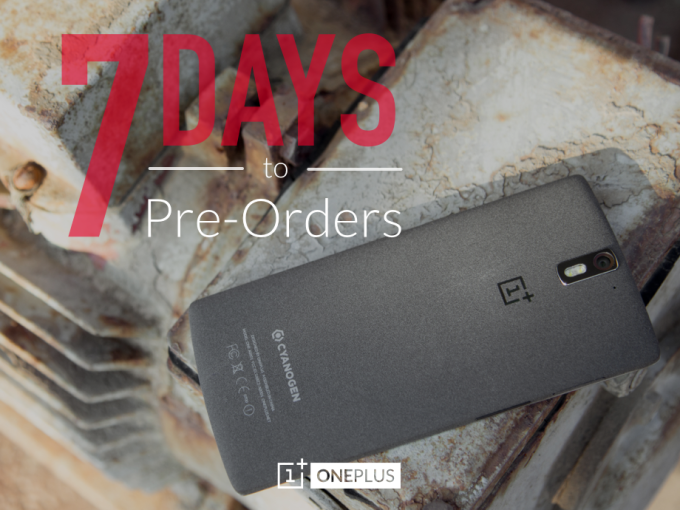
If you’ve been in the market for OnePlus One, the hugely impressive $299 Android smartphone that is available by invite only — thus far — then your luck is in. The startup has announced that it will make its first smartphone available to all members of the public, but for a one hour window only.
The impressive device will be available to buy for an hour on October 27, starting from 15:00 GMT — that’s 08:00 PST, or 11:00 EST. The company is allowing would-be customers to pre-order their phone from today, so there’s no need to stand still until then. Those who pre-order now but manage to grab an invite before October 27 can skip the queue and order their device right away, so there’s no danger of being stuck waiting. OnePlus says the new public sale window will not replace its invitation system altogether, but — having suffered delays in the past — this step is evidence of greater confidence in its ability to reach larger numbers of people with its devices.
The company has been preparing itself for its sale hour, and it revealed that it sent out 50,000 invites during the first half of this month. “This was our way of testing our servers to make sure we are well-prepared for dealing with a large volume of orders,” OnePlus said.
That’s a hugely important point given the issues that other smartphone upstarts have run into from selling large numbers of devices over a short space of time online. Demand for Xiaomi’s devices crashed Flipkart’s website in India back in July, although the Chinese company has generally experienced few issues with its web-only sales model.
Either way, OnePlus’s one hour window is a far better move than its last major strategy, in which it caused controversy for a sexist contest to sell The One.
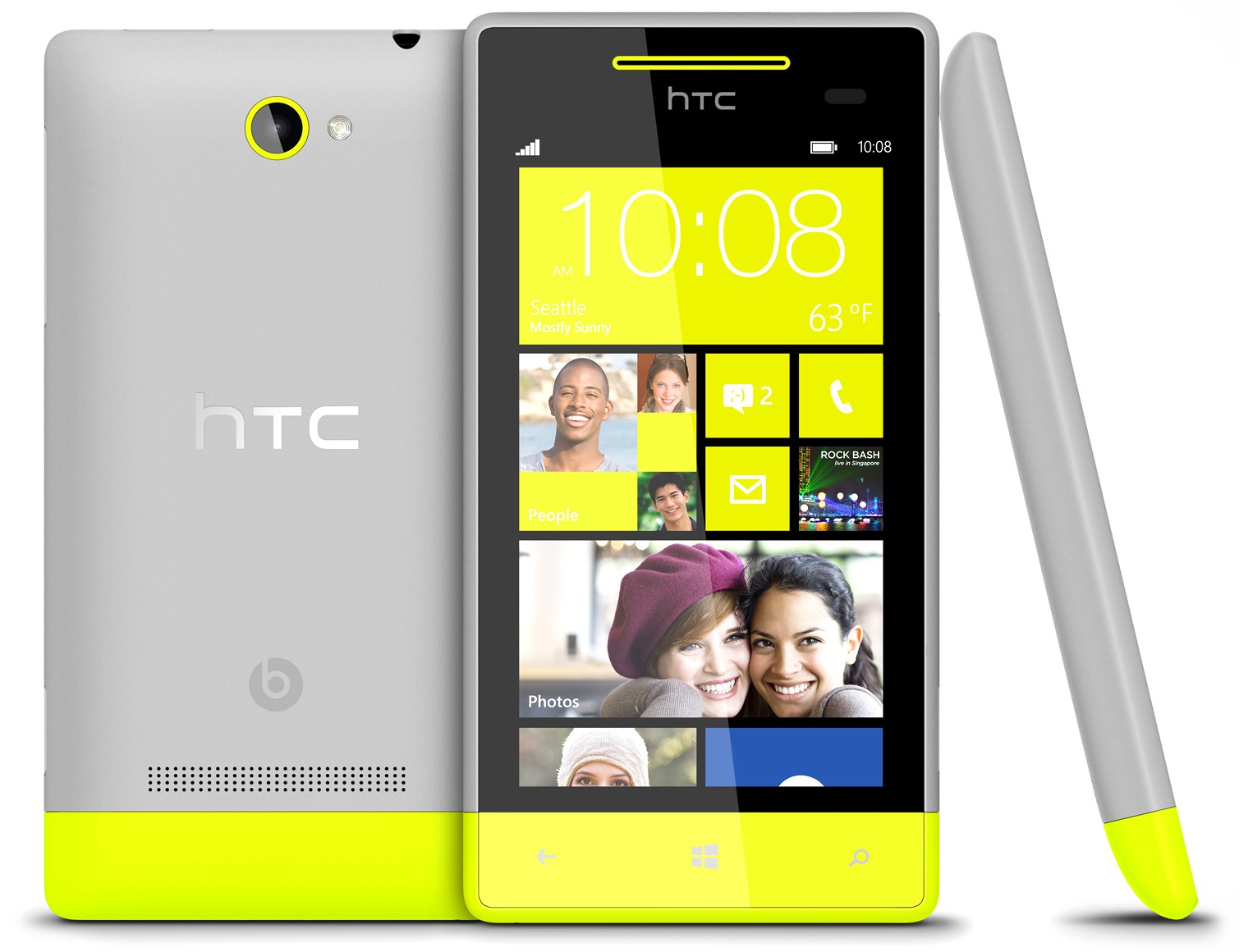
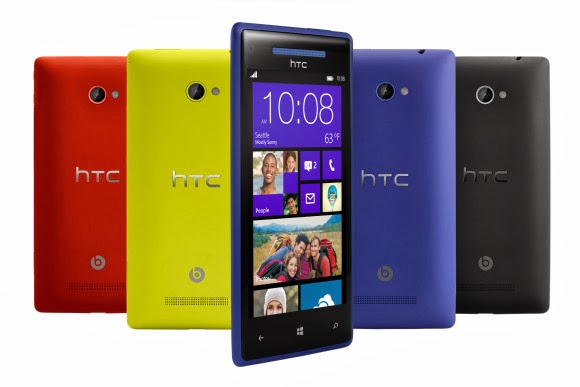
IDG NEWS SERVICE – HTC didn’t do much to fan the flames of future Windows Phones on Friday, stating that “nothing concrete” is in the works regarding future products.
HTC executives took to the pages of Reddit for an “Ask Me Anything” session that covered the company’s product strategy, with regards to features like its use of the Sense UI versus its Google Play Edition.
Unfortunately, the company was vague when talking about the future of Windows Phone. User “0157h7” asked, point blank, “Is HTC done with Windows Phone?”
Leigh Momii, a product manager for HTC, weighed in.
To say “done with Windows Phone” is a pretty blanket statement. I don’t think a company such as ourselves can ever say that point blank. As strong partners of Microsoft, we’re working with Microsoft on the Blue update on Windows Phone 8X and will continue to take new products into consideration. Nothing concrete right now, but who knows!
Or, as user “jpspiderman” put it: “So far they’ve said that they haven’t written off Windows Phone completely but that’s all they’ve said — no real commitment.”
“What he said,” the HTC team replied.
The future of Windows Phone may be from Nokia, not HTC.
It wouldn’t be unusual if HTC decided to put its Windows Phone plans on hold, or scuttle them completely. When Microsoft announced the $7.17 billion deal last year, IDC had just reported that Nokia made 81.6 percent of all Windows Phones sold. “Clarity helps make the market for all Windows Phones,” Microsoft said, a bit of doublespeak that implied that acquiring Nokia would actually promote diversity among Windows Phone partners. That in turn prompted several analysts to question the deal and its long-term effects on the Windows Phone ecosystem.
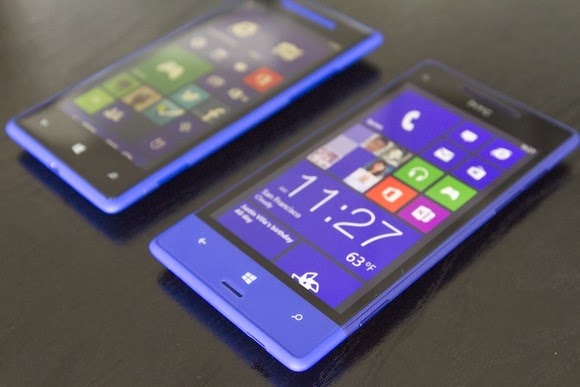
If nothing else, it appears that HTC 8X users will at least be receiving the Windows Blue update, another name for Windows Phone 8.1. But if you’re looking for new Windows Phone hardware, it seems like you should stay focused on Nokia and phones like its new Lumia Icon, for now.
This weekend AdDuplex, an advertising platform for Windows applications, announced that according to its tracked data, Windows Phone Update 3 is now installed on 15 percent of Windows Phone 8 handsets.
Microsoft tore the wrapping off of Update 3 — also known as GDR3 — in October, detailing to the media what it would include, and providing notes on its delivery schedule. Developers could get their hands on the code sooner, but the average user, as TechCrunch wrote at the time, would “get the updates between the Fall, and the early parts of 2014. Carrier considerations, testing, and the like will determine when precisely your handset gets the bump.”
To see a mere 15 percent of the Windows Phone 8 pool of handsets have the update as January comes to a close is slightly disappointing. We could, perhaps, see a surge of firmware updates come in the next few months, but it’s safe to say now that the pace of upgrade from firmware announcement to installation on a plurality of devices is a long cycle in the Windows Phone world.
I had no benchmark in mind of how far along Update 3 should have been at any given moment, but I do think that it is reasonable to say that 15 percent after a quarter is a slower uptake pace than we might have hoped for given that the software is free for consumers.
Carriers, presumably, are the sticking point. If Microsoft wants to more quickly move its new code to extant Windows Phone consumers, it will need new strategy. Unless, like with Android, Microsoft is content with fragmentation that will see its user base stratified across versions, hampering developers and not maximizing the strength of its own user experience.
Kicked to the above is the fact that Windows Phone 8.1 is on the way — likely in April. If carriers don’t get out-of-the-way, some users may end up moving to 8.1 before Update 3 trickles down to their handsets.
Top Image Credit: Flickr | Article was originally posted on TechCrunch
In an effort to prove that it hasn’t forgotten about Dre—er, about its loyal user base, Nokia announced that it’s officially rolling out the anticipated Lumia Black update for its line of Windows Phones. The update will begin with the Lumia 1020 and Lumia 925, and then roll out to other Lumia models later on.
Black comes chock full of features like app folders, compatibility for Bluetooth LE, and Nokia’s Glance screen 2.0, which constantly displays low-energy notifications on screen so you can check to see what’s happening without even having to unlock your phone.
Nokia has also bundled up its new suite of camera apps, including Nokia Refocus, Nokia Storyteller, and the revamped Nokia Camera that combines the Nokia Pro Camera and Smart Camera in one. Lumia 1020 users will also have raw DNG support, which should prove extremely helpful for serious camera phone photographers and Instagram fanatics (especially now that it exists!).
The software update will begin deployment in China first, with the US and all others soon to follow. You can check out the status of the roll out for your phone with this handy update page from Nokia.
Abuja – The fast growing computer technology company Lenovo is currently in need of a sales manager for it’s smartphone branch in Nigeria.
Though the China based company announced the vacant position eight days ago on LinkedIn, information reaching EWT has confirmed that no official appointment has been made, hence, the position is still up for grabs for people residing within Nigeria. See below for requirements and job responsibilities.
Key Objectives of Position:
Responsible for channel management and managing the distribution landscape across Nigeria
Manage key relationships in both direct and indirect Large Format Retail partners
Drive sell thru and sell out through the effective execution of various schemes and promotions and assessment of the ROI of these programs
Manage the field promoter program and Point Of Sale with retailers
Key Performance Indicators (Metrics)
Sales Targets
Increase in Retail Share of Wallet month on month
Successful Schemes and Retail Visibility in the region
Evaluate ROI for partners
Position Requirements
Success Factors
Channel Management
Retail Management
Problem Solving capabilities
Good Communications Skills
High Energy
Result Oriented
Team Work
Decision Making in Ambiguity
Influencing & Negotiation skills
Essential Experience & Key Skills
7-10 years of experience in direct sales roles out of which at least 3 years should be in the feature phone / smart phone category
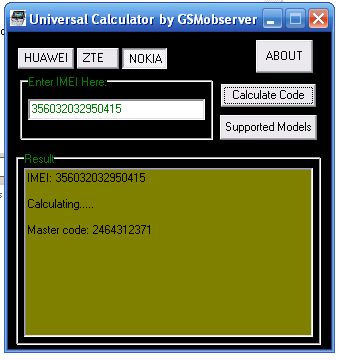
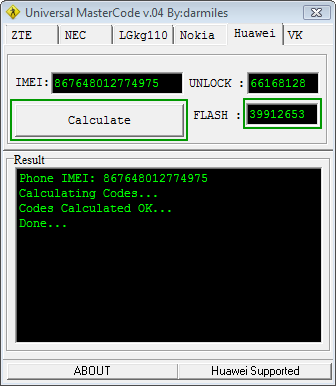
Universal MasterCode Tool is a free software that can be used to calculate unlock codes for ZTE, NEC, LGk110, Nokia, Huawei and VK phones and USB modems. It’s one the tools required to unlock stubborn E303 Glo Bolt modems. Needless to say, the software can be used to unlock other USB modems including MTN, Etisalat, Airtel and Glo Modems. It has a very light, portable and user friendly interface. Even the biggest computer novice can use it.
Universal Master Code Calculator to Unlock my Phone and Modems
The try-to-success rate of the Universal Master Code Calculator app used for Unlocking several models of Phone and Modems is amazing for an app of this size.
It answered the question of how to unlock my phone for us back in the days and so, should be a reliable tool for unlocking a wide range of modem and mobile internet devices.
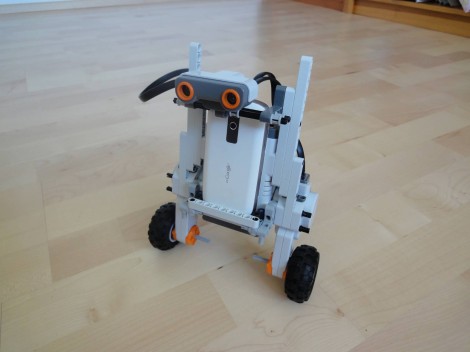
Aww, how cute. [Credit: Wolfgang Beer]Do you have an old Android phone stored away that you keep only for emergencies–or just aren’t sure what to do with it? You could breathe new life into the semi-retired handset by strapping it up to a Lego Mindstorms NXT set and turn it into a household security robot. Wolfgang Beer developed the telepresence robot as a way of monitoring his home while he was away. The robot cruises around the house and gathers images, and uses an HTC Magic phone connected to the NXT robot kit. The Android phone works as a controller for the robot, which can receive signals over the Internet and transmit the commands via Bluetooth to the NXT microcontroller. The actual robot part of the build is pretty straightforward–it’s made up of a few bricks that holds the phone and and battery in place. The robot picks up the commands through a small nanohttpd server, which also serves a HTML5 controls page. The controller page displays the on-board camera, and simple up, down, left, and right buttons for driving the robot. http://www.youtube.com/embed/-z-3-gJjvxE?feature=player_embedded Of course, while this is a good project to try out for yourself if you have an Android phone handy, it does require a fair bit of coding. Fortunately, Wolfgang has most of the code you will need available on his blog, or useful links to help. Still, this is one pretty cool way of seeing what the cat is up to while you’re gone, or, if the worst does happen, at least startle a burglar into leaving your property.