Tag: php

  • Which Programming Language will you Learn First?

    Which Programming Language will you Learn First?

    Last month the US president; President Obama stressed that coding is important for the future of America. Hence this question: “If you are to master programming, what programming language will you learn first?”.
    This wrangle has been a real bone of contention in the past few years and will continue to rage inasmuch as newer generations are born and newer technologies are being introduced. However, while battling with this puzzle, EWT staff has listed some basic factors to aid you make a viable decision when choosing your first programming course.

    Before we dismantle our enumeration it is exigent and imperative to note some of the common programming languages you are likely to choose from.

    Some Common Programming Languages

    •   Perl
    • Java
    • C++
    • C#
    • Python
    • Ruby
    • Eiffel
    • PHP
    • JavaScript
    • ABAP
    • Objective-C
    • Ajax
    • Clipper
    • Harbour
    • Gambas
    • ABL
    • OZ
    • Delphi

    Now lets take a look at those crucial factors that will affect your decision while choosing your first programming language.

    Career

    Of course, this is the very first thing that should come into your mind. You need to consider which language will be the most valuable throughout a career or rather, which programming language will be feasible over a long-term career.

    You need to consider your main field of specialization, which of the programming languages will aid you in that field and finally how much time do you have at your disposal.

    Conceptual Foundation and Easy Transition

    As a beginner the syntax of programming may appear a bit strange; some of the concepts may seem a hard nut to crack but a fastidious observation and implementation of that concept may lead to better understanding of similar concepts.

    One of the easiest method of mastering various programming languages is by starting from the ones that allows you to transit gradually to another language. Languages such as Java, C# and C++ are the basics of programming. Mastering any of this three will enlighten your brain and lay a fundamental foundation for learning other programming skills. Starting with more advance languages such as Object-C, Ruby or Python which has a more crooked and complicated syntax structure will be a hectic experience when reverting to the basic ones.

    Monetization and Marketability

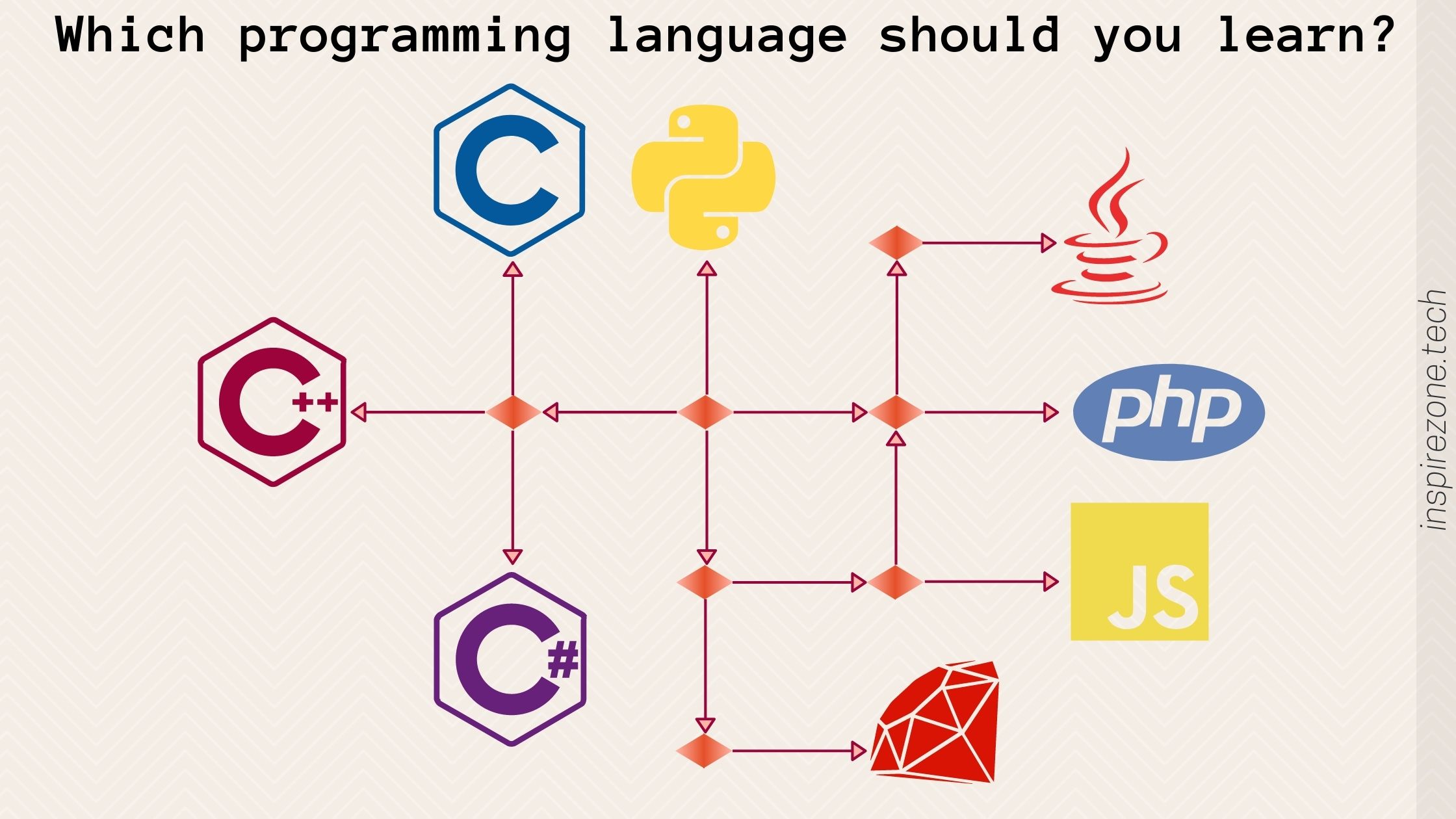
    Of course, after completing your programming course you might want to take a vacation in a luxurious environment, dry your toes and flaunt some cash. That is probably the easiest part of learning programming if you made the right choice. Ask me what I think: You want to work at Google? Best go Python. You want to work in the enterprise space, learn Java or C#. You want to build websites? Probably go PHP or Ruby. Pledged your soul to Apple? Just dive into Objective-C. Anything other this; you are out of employment.

    For those Americans who are seriously considering going into coding I recommend you start with Java, gradually progress to C# then anything can follow. Intending web programmers can start with JavaScript, PHP and Ajax. W3schools offers free web base course on the major web programming languages including JavaScript and PHP. Moreover, several programming eBooks can as well be downloaded free or paid online: A little Google search will change everything.
  • Beginner’s Guide While Learning PHP

    Beginner’s Guide While Learning PHP

    Is back to the classroom, as we take a look at the five ‘most’ basic tips that will help you in your PHP lessons.

    Hypertext Preprocessor or PHP is one of the most commonly used programming languages on the web, PHP is a valuable skill for any young developers to posses. Most popular content management systems such as Oxwall, WordPress and Drupal use PHP as their framework, which means that developers who are skilled in the language can customize code through these programs.

    Of-course, it is very essential that you keep your head down, while attending to your PHP lessons. Other than that, here are five tips that will prepare you for your PHP class.

    1. Prepare in Advance

    Before you get started, make sure that you have a basic understanding of programming. Prior experience and knowledge in programming will help you with basic procedures such as building, testing and troubleshooting. Additionally, many developers find it helpful to work with two or more monitors. With dual monitors in front of you, it’s easy to keep your code on one screen and a tutorial readily available on the other.

    2. Use Your Own Code

    Though some developers recommend working with code templates, you’ll have an easier time learning with your own code. It might take you more time at first to piece the code together, but you’ll ultimately learn PHP more thoroughly by creating all of your own coding. This will save you time when you move on to more advanced projects.

    3. Practice Makes Perfect

    For many new developers, PHP is fairly simple to learn because it is similar to other server-side scripting languages. It’s important to allow yourself enough time for practice, as even small errors in your code can throw off your entire project. If you find yourself confusing PHP syntax with codes from other programming languages, rest assured that you’ll make fewer mistakes with more practice.

    4. Ask for Help

    The official PHP website offers a free online manual with answers to many questions you might have along the way. I don’t know what you think about Stack Overflow? Seem pretty much to me like a place where you can ask lots of PHP questions and get answers and ideas from other PHP users. The PHP Group also has several mailing lists that allow you to ask questions of other users. Additionally, check out online forums where you can ask experienced developers for advice about PHP. Many developers are willing to assist new programmers, particularly if you can clearly explain what type of problem you’re having.

    5. Employ Error Reporting Codes

    As you develop in PHP, it’s always a great idea to use error reporting codes to speed up the process. An error reporting code will help you determine where your errors are if you make a mistake, saving you time and the headache of going through the code line by line. An error reporting code can be the PHP student’s best friend.

    If you haven’t found a school yet, w3schools sounds like a place you might want to visit: A whole loads of PHP step to step guides, live demo and practicals for both beginners and masters.