Tag: verizon

  • What is 5G Home Internet? Everything You Need to Know

    What is 5G Home Internet? Everything You Need to Know

    5G home internet is no longer a luxury—it’s rapidly becoming the backbone of modern living. Whether it’s remote work, online education, or staying connected with family and friends, 5G technology is redefining how we interact with the digital world.

    Why 5G Home Internet?

    Traditional broadband providers often bundle outdated services like cable TV and struggle to keep up with increasing demands for faster, more reliable internet. Issues like frequent outages, slow speeds, and restrictive contracts frustrate users. Enter 5G home internet, a game-changing solution for seamless connectivity.

    What Is 5G Home Internet?

    5G home internet uses the latest wireless technology to deliver high-speed internet directly to your home. Pioneering providers like Verizon, T-Mobile, and Starry are making this service more accessible globally, offering speeds comparable to fiber-optic connections.

    Top 5G Providers and Their Offers

    • Verizon: Speeds of 85–1,000 Mbps, starting at $50/month, with unlimited data and free equipment for mobile subscribers.
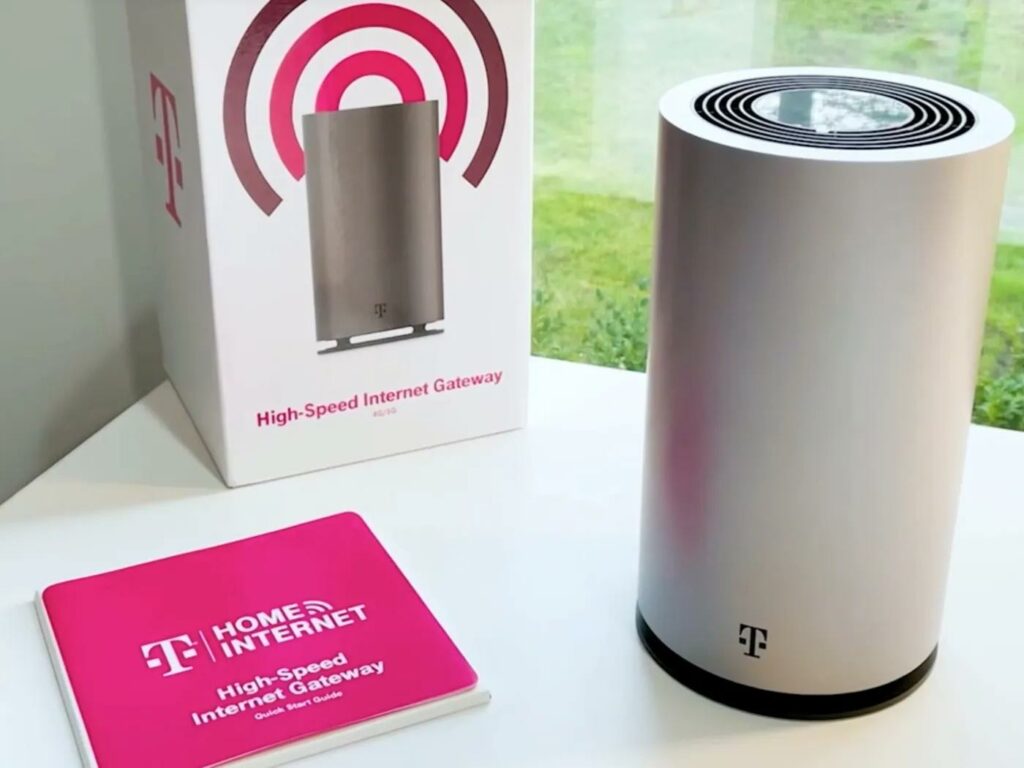
    • T-Mobile: Speeds of 72–245 Mbps at $60/month, plus a $200 gift card for switching.
    • Starry: Speeds of 50–1,000 Mbps, priced at $30–$80/month, with no contracts and free installation.
    How Does 5G Home Internet Work?

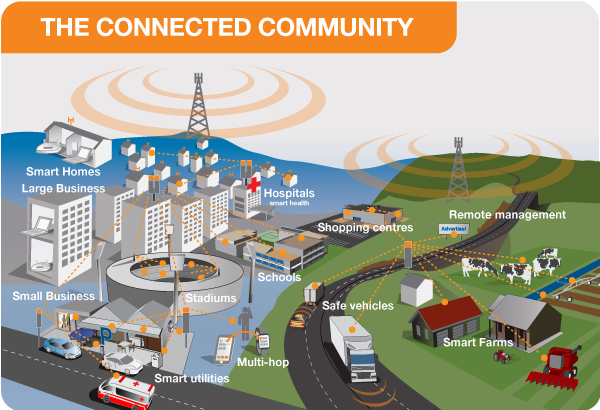
    Setup is simple: a router and SIM card connect to nearby cell towers, eliminating the need for cumbersome wired connections. This makes it a flexible, plug-and-play solution for households.

    Benefits of 5G Home Internet

    1. Lightning-Fast Speeds: Experience speeds that rival or exceed traditional broadband.
    2. Easy Setup: No complex wiring; get online with minimal effort.
    3. Affordable Plans: Competitive pricing with unlimited data.
    4. Flexible Contracts: Many providers offer no-contract options.
    However, challenges like limited availability and potential signal interference remain. Health concerns about 5G lack scientific backing, but they’ve stirred public debate.

    5G vs. Traditional Broadband

    While 5G offers advantages like lower latency and greater capacity, its reliability depends on location. Fiber-optic broadband still leads in stability for areas where 5G coverage is limited.

    Is 5G Home Internet Right for You?

    Evaluate your needs, location, and budget. For urban areas with robust 5G coverage, it’s a compelling alternative to traditional broadband.

    Top 5G Providers Worldwide

    In the US:

    • AT&T Internet Air
    • T-Mobile 5G Home Internet
    • Verizon
    • US Cellular Home Internet
    • Starry Home Internet

    In the UK:

    • EE 4G/5G Mobile Broadband
    • Three 5G Home Broadband
    • Vodafone 5G Broadband
    • National Broadband 5G

    The Future of 5G Home Internet

    From smart homes and IoT innovations to enhanced online gaming and telemedicine, 5G is set to transform everyday life. Stay ahead of the curve by exploring 5G options tailored to your connectivity needs.

  • Verizon Makes a Working Video Calling Phone in Minecraft [VIDEO]

    Verizon Makes a Working Video Calling Phone in Minecraft [VIDEO]

    CaptainSparklez, popular YouTube gamer and “Minecrafter,” uploaded a video to his channel yesterday titled Minecraft: Working Cell Phone w/ Web Browser and Video Calling. In the video, he discusses how Verizon had asked him to showcase a project they’ve been working on in the game ‘Minecraft.’ It was way cooler than anyone had expected.

    The project adds a cell phone, and “service towers” into the game which the user can build and use. The phone can make calls, browse web pages (all rendered with in-game blocks), and the crux of the project: video calling. The phone can actually video call to a device in the real world, and a video exchange can be made between the Minecraft character and the receiver.

    The project by Verizon can be found on its Github page.

  • Verizon to Sell BlackBerry Curve 9310 for $50 After Rebate

    Verizon to Sell BlackBerry Curve 9310 for $50 After Rebate


    Verizon Wireless announced the BlackBerry Curve 9310 smartphone will go on sale for $49.99 after rebate, with a two-year service plan, starting with online sales Thursday and in stores in the “coming weeks.”
    The BlackBerry Curve 9310 smartphone.
    The announcement came just minutes before BlackBerry maker Research in Motion was set to begin its annual shareholders meeting. About two weeks ago, the company reported $500 million in reduced first-quarter profits and a 40% decline in sales.

    RIM also announced then that it would ship BlackBerry 10 smartphones in early 2013, a further delay that helped send RIM’s stock price plunging 19% in one day.
    The Curve 9310 and runs the current BlackBerry 7.1 operating system and comes with a physical keyboard, the preference among some of RIM’s most solid customers. The 9310’s styling looks like many previous Curve models, with its smaller 2.44-in. screen, below which sits a central touch navigation keypad and physical keys in a Qwerty keyboard.
    Many analysts and even some at RIM have admitted the BlackBerry has not kept up with successful touchscreen smartphones with large screens like the 3.5-in. iPhone and Android phone models that range from 4-in. to 5.3-in. in screen size.
    The 9310’s display is 320 x 420 pixels, putting its resolution well below more expensive smartphones.
    Verizon and RIM noted in a statement that the 9310 is intended to “help customers make the move from a basic phone to a smartphone,” which is partly indicated by its low price.
    There is also a dedicated key for access to BlackBerry Messenger, RIM’s social network that is most popular outside of the U.S.
    Facebook and Twitter apps are easily accessible for real-time updates with RIM’s Social Feeds 2.0 app. A 3.2-megapixel camera is included, as well as a microSD card slot for up to 32GB of storage. It runs a 1,450 mAh battery and overall is 4.29 in x 2.36 in. x 0.5 in. in size and weighs 3.66 ounces.
    Verizon requires buyers to sign up for a Share Everything plan starting at $80 a month for unlimited text, talk and 300 MB of data service that can be shared with up to nine other devices.
    About The Author
    This article was originally published By Matt Hamblen, Computerworld
    Matt Hamblen covers mobile and wireless, smartphones and other handhelds, and wireless networking for Computerworld. Follow Matt on Twitter at @matthamblen or subscribe to Matt’s RSS feed. His email address is [email protected].
    See more by Matt Hamblen on Computerworld.com.