
Tag: ai copywriting

  • How to Create a Podcast Script With AI From Real Audience Feedback

    How to Create a Podcast Script With AI From Real Audience Feedback

    If you want to create a podcast script with AI, the obvious starting point seems simple. Give the tool a topic.

    That sounds convenient until you hit the harder question.

    What should the topic actually be?

    For many creators, writing is not the real bottleneck. Deciding which idea deserves an episode is harder.

    A blank AI prompt can produce a tidy script about almost anything. However, it cannot automatically know which question your audience already wants answered.

    That is where audience feedback changes the workflow.

    Instead of asking AI to invent your next topic, start with questions, reactions and messages your audience has already sent. Then use AI to organise the useful material, sharpen the angle and build a podcast script you can edit in your own voice.

    The blank prompt is often the wrong starting point

    A generic prompt usually creates generic material.

    Ask an AI tool for ten podcast ideas about fitness, marketing or relationships. It will probably return ten sensible topics.

    The problem is that sensible is not the same as relevant.

    If you want to create a podcast script with AI that feels relevant, your audience has better clues.

    • A repeated question shows where people need more clarity.
    • A disagreement shows where there is tension.
    • A story shows where a subject becomes personal.
    • A request tells you what somebody wants next.

    Those clues give an episode a reason to exist.

    That matters because podcasting is no longer a small corner of online media. Edison Research reported record podcast consumption in 2026. It found that 58 per cent of Americans aged 12 and over had consumed a podcast during the previous month.

    More people listening also means more creators asking for their attention.

    A useful episode therefore needs more than a broad topic. It needs a clear reason for this audience to care.

    Your audience can become part of your podcast planning

    Good podcast planning starts with the listener.

    Spotify for Creators recommends defining the audience before building a show. It also encourages hosts to use comments, polls and questions to understand what listeners want to discuss.

    The engagement research is even more interesting.

    Spotify reported that 73 per cent of listeners wanted more opportunities to interact with their favourite podcast hosts. It also found that customised questions received far more responses than generic prompts.

    That creates a useful creative loop.

    You ask something worth answering.

    Your audience responds.

    Their responses reveal questions, stories and recurring interests.

    Those ideas can then shape future episodes.

    This does not mean your audience takes control of your editorial direction. You still decide what belongs in your show.

    However, you make that decision with better input.

    What an AI podcast script generator should actually do

    An AI podcast script generator should remove friction without removing judgement.

    It can help turn a rough idea into a usable structure. It can suggest an opening, organise talking points, create transitions and draft a close.

    It can also help explore another angle when the first one feels flat.

    However, the AI should not become the host.

    Spotify describes podcast scripts as flexible guardrails rather than rigid film scripts. The amount of detail can change with the show, the host and the format.

    That distinction matters.

    The best script gives you direction while leaving room for personality, timing and spontaneous thought.

    Vibebo AI Podcast takes that same practical approach.

    You can work from useful feedback and develop it into an editable podcast draft rather than asking AI to invent the whole creative premise from nothing. Vibebo’s current AI workflow lets creators select feedback, choose an intent, add direction and continue editing the generated draft.

    If you want to explore that workflow directly, use the AI podcast script generator from audience feedback.

    The draft remains working material.

    It is not the finished episode.

    How to create a podcast script with AI from feedback

    A strong workflow should be simple enough to repeat.

    1. Start with a focused audience question

    Ask something specific enough to produce useful responses.

    A broad question such as what should I talk about next can work. However, a focused prompt usually gives you richer material.

    Ask what people still find confusing about a subject. Ask what they disagree with. Ask what they wish somebody would explain properly.

    Better questions tend to create better starting material.

    1. Choose the message that has energy

    Look for a question, opinion or story that makes you want to respond.

    One strong message can support a whole episode when the underlying idea is clear.

    You do not need a hundred responses before something becomes worth discussing.

    1. Bring related messages together when the pattern matters

    Sometimes several messages point towards the same underlying subject.

    Choose the relevant feedback and ask AI to help identify what connects it.

    However, do not force unrelated comments into one theme simply because they arrived around the same time.

    1. Decide the episode angle before drafting

    A theme is still broad.

    Turn it into one clear promise for the listener.

    Decide what they should understand, feel or be able to do by the end.

    1. Choose the right script style

    A solo explanation may benefit from a detailed script.

    An interview usually needs strong questions and flexible notes.

    A conversational show may only need a structured outline.

    Choose the level of scripting that helps you speak naturally.

    1. Generate the working draft

    Give the AI useful context.

    Explain the audience, tone, format and episode angle. Add any points you need to cover.

    Then create a script or outline with a clear beginning, middle and end.

    1. Edit it out loud

    Read the draft as though the microphone is already on.

    Cut anything you would never actually say.

    Add your own stories, evidence, opinions and examples.

    Keep editing until the script sounds spoken rather than written.

    More script does not always mean a better podcast

    There is no single correct level of scripting.

    A full script gives you control. It works especially well for narrative episodes, explainers and subjects where wording needs precision.

    A detailed outline gives you structure without locking every sentence. This can work well for solo creators who want to sound prepared without sounding rehearsed.

    A lighter outline gives you more freedom. Interviews and experienced hosts often benefit from that flexibility.

    Current podcast scripting guidance consistently treats scripting as a spectrum rather than one fixed format. Spotify, Descript and other current resources all distinguish between detailed scripts, structured outlines and looser talking points.

    For many creators, a mixed approach works well.

    Write the opening carefully.

    Prepare important facts.

    Know your transitions.

    Have a clear closing.

    Then leave enough room in the middle for an actual human being to speak.

    AI can support any of those formats.

    The important question is not how much the tool can write.

    It is how much structure you need.

    Write your podcast for the ear instead of the screen

    A podcast script has to survive being spoken.

    Sentences that look polished on a screen can become exhausting in audio.

    Long clauses make listeners work harder. Formal wording can make a relaxed creator suddenly sound like a company report.

    So keep the writing conversational.

    Use shorter sentences.

    Put one main thought in each sentence.

    Read difficult names aloud before recording.

    Mark places where you want to pause.

    Give important thoughts enough room to land.

    Most importantly, remove words that only exist to make the writing sound impressive.

    A listener cannot simply glance back at the previous sentence.

    Clarity has to arrive the first time.

    One strong message can become an entire episode

    Not every episode needs a trend.

    One message can carry an episode when it contains a sharp question.

    Imagine a creator receives this message.

    Why do you keep telling people to post consistently when posting every day is making me hate creating?

    That question already contains tension.

    It can open a useful discussion about consistency, creative burnout and what sustainable publishing actually looks like.

    You do not need ten similar messages to justify it.

    The message gives you the doorway.

    Your experience gives the episode substance.

    Several messages can reveal the bigger question

    Sometimes the value only appears when you step back.

    One person asks about pricing.

    Another says they feel awkward charging friends.

    Someone else asks how to explain a price increase.

    Those messages are different.

    However, they may point towards one bigger episode.

    How do you become more confident about what your work costs?

    AI can help you notice that connection after you choose the relevant feedback.

    You should still review the result yourself.

    Similar words do not always mean the same concern. Context still matters.

    Most importantly, do not combine messages merely because you want a bigger story.

    Let the pattern earn the episode.

    A topic is not the same thing as an episode angle

    A topic tells you the area.

    An angle tells you why this particular episode should exist.

    Audience feedback might give you a topic such as creator burnout.

    A stronger episode angle could be why a content schedule can make good creators less creative.

    The second version creates tension.

    It also gives the episode somewhere to go.

    Before you generate a podcast script with AI, complete this sentence.

    By the end of this episode, my listener should understand

    Finish it in plain language.

    That sentence becomes your filter.

    If a section does not support that promise, it probably does not belong in the episode.

    A useful AI podcast script should make recording easier

    A useful draft should make recording easier.

    It should not simply make the document longer.

    The opening should tell listeners why the subject matters.

    The introduction should set expectations without spending two minutes warming up.

    Each main section should move the argument forward.

    Transitions should help listeners follow changes in direction.

    Examples should turn abstract ideas into something concrete.

    Finally, the close should leave the listener with a clear thought or action.

    Spotify recommends planning familiar podcast elements such as introductions, transitions, recaps, outros and calls to action. These elements create structure without requiring every sentence to be fixed.

    If your AI podcast script generator gives you twenty paragraphs of uninterrupted speech, do not assume that means the job is finished.

    It probably means the next edit needs to begin.

    AI should get you past the blank page without taking your voice

    The fastest way to weaken a useful AI draft is to treat it as finished.

    Your audience follows you for something specific.

    It may be your judgement.

    It may be your humour.

    Perhaps it is your experience, taste or unusual way of explaining complicated things.

    An AI draft does not replace any of that.

    Use the first version to remove the blank page.

    Then challenge it.

    Is the opening actually interesting?

    Does the script make a claim you would defend?

    Is there a story only you can tell?

    Does one section sound like every other business podcast on the internet?

    Add specificity wherever the draft becomes generic.

    Spotify makes a similar point in its guidance on AI for podcasting. AI can help creators build episode outlines, but creators still decide what fits their style and what should stay out.

    Once you create a podcast script with AI, the first draft saves time.

    Your edit creates the episode.

    Anonymous feedback needs care before it becomes public content

    Anonymous feedback deserves careful handling when it moves into public content.

    A message can be anonymous and still contain clues about the person who wrote it.

    Someone might mention their workplace.

    They might describe a relationship.

    They could mention a location, event or private situation.

    Before using that feedback in a podcast, ask whether those details are actually necessary.

    Often, the underlying question is enough.

    You can discuss an idea without repeating the full message.

    You can paraphrase a situation.

    You can remove details that narrow the contributor down to one person.

    You do not need to know who sent a message for that message to inspire useful content.

    The point is to understand what was said.

    It is not to work backwards towards who said it.

    Where Vibebo AI Podcast fits

    Vibebo AI Podcast starts somewhere different from a generic blank prompt.

    It starts with feedback.

    A creator can choose useful audience input and bring it into the wider AI Studio workflow. From there, the creator can add intent and direction, generate a working draft and continue refining it through the Studio conversation.

    That changes the creative starting point.

    Instead of asking what should I make, you can begin with what are people already asking me.

    Instead of treating audience interaction as something that happens after publishing, it becomes part of planning what comes next.

    The audience starts the spark.

    You still decide what becomes an episode.

    Explore Vibebo AI Podcast to see how the feedback to podcast workflow fits into Vibebo AI.

    Your next podcast idea may already be sitting in your inbox

    The best podcast idea is not always hiding in a content calendar.

    Sometimes it is sitting inside a question you nearly scrolled past.

    Spotify has found strong appetite for interaction between listeners and creators. Its own creator guidance encourages hosts to ask focused questions and use audience responses to deepen future conversations.

    That creates a better creative loop.

    Ask.

    Listen.

    Notice what deserves more attention.

    Then create.

    An AI podcast script generator can speed up the middle of that process.

    However, the real advantage comes from starting with something meaningful.

    When the first input comes from a genuine audience question, the script already has a reason to exist.

    When you keep your judgement, experience and voice in the final edit, AI becomes what it should be.

    A useful starting point.

    Not the person behind the microphone.

    Common questions about creating podcast scripts with AI

    Can AI write a full podcast script

    Yes. AI can generate a full draft.

    However, a complete script is not always the best format. Some shows work better from an outline or a mixture of scripted and flexible sections.

    What should I give an AI podcast script generator

    Give it your episode angle, intended listener, tone, format and important talking points.

    When you work from audience feedback, choose messages that genuinely support the subject rather than adding everything you received.

    Can I create a podcast script with AI from one audience message

    Yes.

    One strong question can support a focused episode when it raises a subject that deserves a fuller answer.

    You only need several messages when the wider pattern adds something important.

    Should I use anonymous feedback in a podcast

    You can use the idea behind anonymous feedback while protecting the person who contributed it.

    Remove private details and avoid repeating information that could identify someone unnecessarily.

    How does Vibebo AI Podcast use feedback

    You choose the feedback you want to develop.

    Vibebo AI helps turn that starting material into a working podcast direction and editable draft. You remain responsible for the final script and anything you choose to publish.

    Will an AI podcast script make my show sound generic

    It can if you publish the first draft unchanged.

    Use AI for structure and momentum.

    Then add your own stories, opinions, evidence and natural speaking style.

    The aim is not to sound like AI wrote your podcast.

    The aim is to spend less time staring at a blank page and more time developing an episode worth hearing.
  • Grammarly To Launch Generative AI Tool For Writing

    Grammarly To Launch Generative AI Tool For Writing

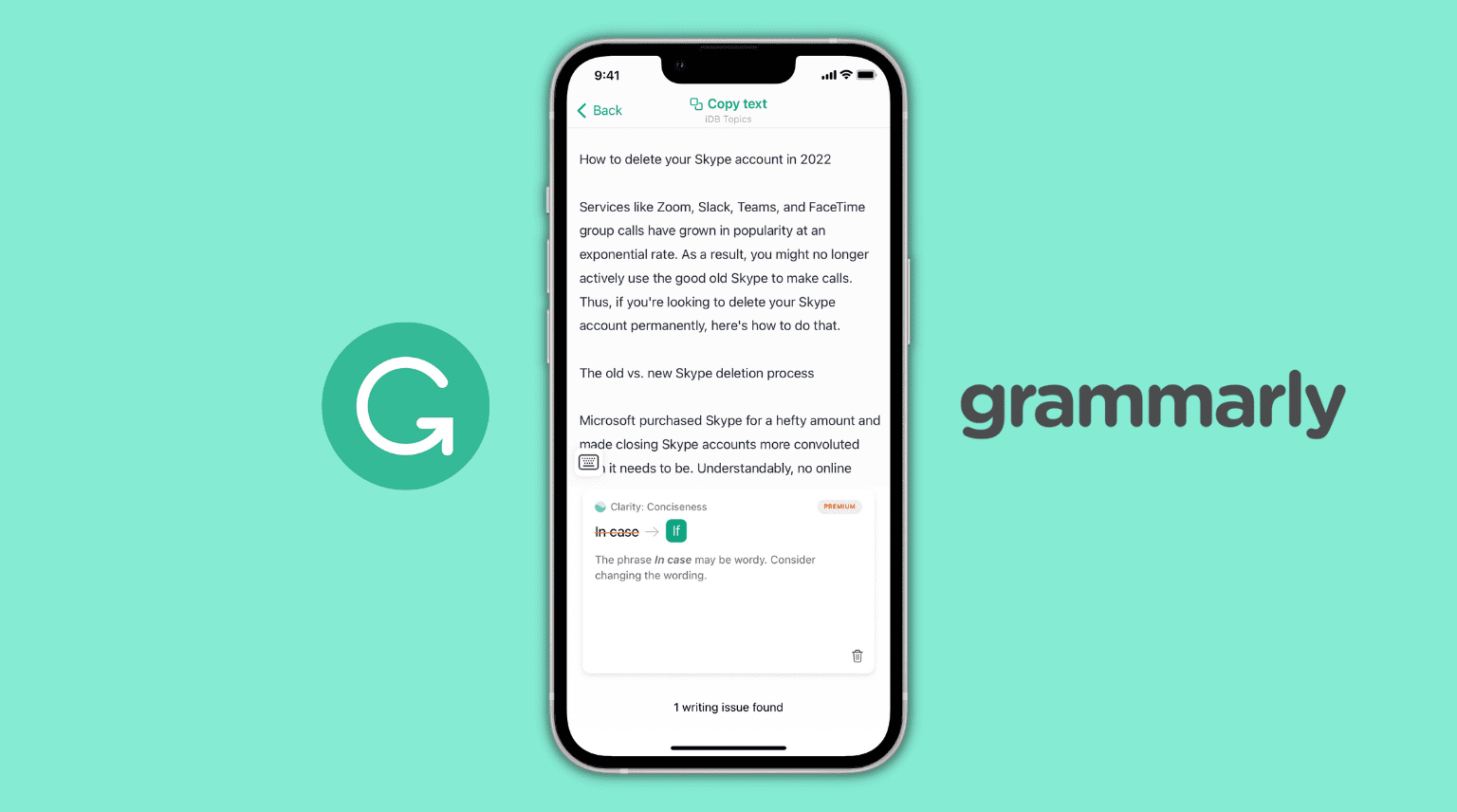
    Grammarly announces the launch of its first-ever generative artificial intelligence feature to streamline writing.

    In 2009, Ukrainian billionaires Max Lytvyn and Alex Shevchenko saw the need to facilitate written communication for people, businesses, and companies. To do this, they collaborated with Dmytro Lider, a programmer and a joint founder of Grammarly Inc.. The three of them proceeded to establish the Grammarly writing assistant. Which has helped millions of people maximize their writing potential since its inception till date.

    Grammarly is a writing assistant that has been revolutionizing written communication for over a decade. By implementing a blend of cutting-edge technologies, to provide helpful suggestions to writers. Leveraging the expertise of Grammarly’s competent team of software engineers, scientists, analysts, and linguists, Grammarly’s algorithm is fine-tuned with input from millions of grammatically correct sentences and user experiences. The tool works on well over 500,000 applications, websites, software, emails, and even word processors.

    To take the powerful and extensively used Grammarly writing assistant to the next level, Grammarly Inc. is incorporating Open AI’s remarkable technologies into their own existing technologies. A consolidation that seeks to improve writing by a mile. Back in 2021, Grammarly Inc. raised $200 million in funding from their new investors which was to be used for investments in AI technology. This new and innovative GrammarlyGo feature was born from that investment.

    What We Know So Far About GrammarlyGo Tool From Grammarly

    Grammarly to launch AI tool GrammarlyGo
    Credit: Grammarly

    GrammarlyGO is a novel functionality that leverages the power of AI technology to deliver real-time writing assistance capabilities. Among its numerous functionalities, the AI writing assistant promises to effectively enhance written content’s tone, transparency, and conciseness. Based on pre-defined prompts, GrammarlyGo can facilitate the ideation process of writing for individuals and organizations alike.

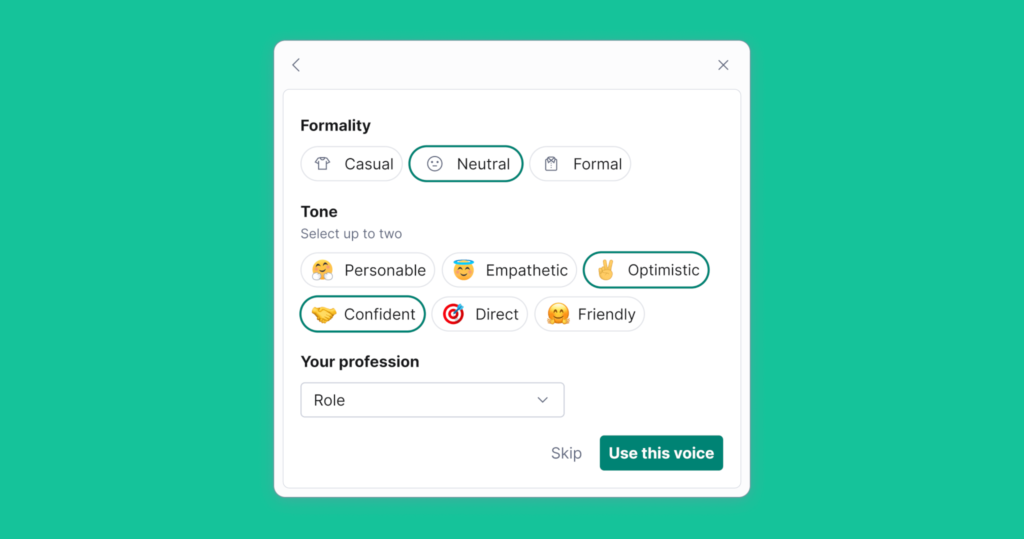
    The innovative software application also employs context-sensitive writing recommendations, which help to reflect the distinctive writing voice and style of each GrammarlyGo user. It equally vows to deliver lightning-fast written communication across several platforms. And generates thoughtful email replies that accurately reflect the content of the email.

    Additionally, the tool works beyond helping people with various writing tasks. It harnesses generative AI technology to brainstorm with users; generating ideas and solutions when there’s writer’s block. Overall, the tool seems pretty impressive, although Grammarly is yet to launch it.

    GrammarlyGo is set to launch in beta mode in April 2023 and will be exclusively available to customers. Grammarly is also extending an invitation to Software Developers who have an interest in utilizing the GrammarlyGO tool.

    The Developers can apply for beta access through the Grammarly Text Editor SDK. Which is a software development kit built for Developers to incorporate into web or desktop applications. This further sets GrammarlyGO apart, positioning it as a special tool.

  • Best AI Copywriting Tools For 2023

    Best AI Copywriting Tools For 2023

    In terms of generative AI, tons of artificial intelligence tools for copywriting, programming, visual arts, etc, are becoming more mainstream. Most notably, copywriting tools. Writing can be arduous; it takes a lot of effort and time to develop high-quality written content. And creating persuasive copy, especially for marketing or advertising is even more challenging. This prompts most copywriters to switch to more labor-saving alternatives—utilizing some of the best AI copywriting tools to generate and optimize copy.

    Several disruptive AI tools and frameworks for business, entertainment, or educational purposes have come to light in recent years. In 2022 alone, plenty of startups pushed into the market remarkable AI tools for art generation that made waves, numerical computation, voice generation, and content development. Ever since the emergence of these artificial intelligence tools in the public eye, it’s been a rollercoaster of thoughts and opinions.

    At first, these tools were met with high demands, and positive reviews, but at some point came skepticism. One of the major concerns that stirred controversies was AI taking over jobs. Of course, there were fears of estrangement, which social media is doing a fantastic job at—alienating folks from people around them. There were also predictions of inconsistency as these were, after all, just machines. And machines have limitations.

    Nevertheless, these uncertainties do not deter individuals, companies, investors, and marketers from plugging into some of these groundbreaking technology tools. Such as artificial intelligence copywriting software. In fact, because of how time efficient most of these AI copywriting tools are, their utilization is rather high. Especially among young creators. It saves them time and energy by delivering content faster. Before progressing to the best AI copywriting tools, we’ll examine how AI copywriting tools work.

    What Is AI Copywriting and How Does It Work?

    AI copywriting is the generation of written content using artificial intelligence tools. Machines designed to think like humans and copy human actions use natural language processing and machine learning to develop promotional content. Such as blog posts, articles, ads, social media posts, emails, web pages, etc, that are optimized to reach a target audience. AI copywriting essentially eliminates the hassles Copywriters face while crafting and optimizing content. As such, streamlining the entire process of increasing brand recognition and driving sales.

    How to use AI for copywriting?. Like any other machine out there, if you input a set of precise data into AI copywriting tools, these tools generate the desired content you need. Depending on the tool, the amount of specific background information you provide determines the kind of direct copy you receive.

    Can AI Replace Human Copywriters?

    Best AI Copywriting Tools For 2023

    First, what does a Copywriter do? Brainstorm, develop, analyze and write marketing and advertising copies targeted at convincing specific audiences to take action. Either to increase engagement with the target audience or to boost sales and visibility. It can be difficult to research and develop content that is optimized to rank on search engines regularly. Most human Copywriters aren’t versatile enough to write copious texts consistently for different brands, and this is where AI copywriting comes to play.

    AI copywriting tools are lightning-fast and have been designed to generate extensive content on diverse topics. In a split second, an AI copywriter can produce a full article that ordinarily would have taken days for a human Copywriter to craft. And because these AI copywriting tools are developed with machine learning algorithms, they learn and perform better by using these algorithms to detect patterns. They analyze the data and draw insights from them to make meaningful predictions.

    While AI copywriting cannot entirely replace human Copywriters, it is an efficient tool for crafting clear-cut copy in a short time frame. Copywriting is mostly targeted at compelling people and will always require human Copywriters to deeply understand various subject areas. We cannot equally neglect the fine distinction between human Copywriters and AI copywriting tools based on emotionally connecting with the target audience. To also prevent repetitious content, human Copywriters are still needed to edit and proofread.

    10 Best AI Copywriting Tools

    Let’s check out some of the best AI copywriting tools that have not only become popular but have penetrated the content creation market.

    Rytr

    An easy-to-use, all-in-one writing platform with great SEO content for blogs, emails, ads, landing pages, product descriptions, testimonials, reviews, etc. It employs the two most popular copywriting formulas; AIDA and PAS. The PAS acronym stands for Problem, Agitation, and Solution, while AIDA stands for Attention, Interest, and Desire.

    There are over 40 writing templates available to Copywriters in 30 different languages. What’s more, Rytr is equipped with an interface that offers a rich text editor; that enriches text and allows users to reword or shorten sentences. And possesses an in-built plagiarism checker to nuance your copy. can develop a 1,000-word count in 15 mins tops.

    Also, Rytr AI is available as a browser extension with excellent features to manage SEO, grammar, collaborative projects, etc. The Copywriting AI tool offers 3 plans—Free, Saver, and Unlimited plan. With the free plan, users can generate as many as 10,000 characters a month, in 30 languages, using 20 writing tones. As well as access to Rytr’s built-in plagiarism checker and 40 writing templates. Users can equally create up to 5 images per month with Rytr AI. Accessing more features requires upgrading to the other plans.

    For the Rytr saver plan, users get to develop 100,000 characters every month, in 30 different languages, using 40 writing templates. There’s also a plagiarism checker, 20 writing tones, access to generate 20 images, and free rein to create custom use cases. All for $9 per month with 2 months of free access to the saver plan when users subscribe for a full year.

    The unlimited plan allows Copywriters to generate unlimited content, in 30 different unique languages. It also grants automatic access to 40 writing templates, 20 tones, a plagiarism checker, up to 100 images, and an account manager. Aside from these, Copywriters have access to the premium community, priority emails, support, and free will to make custom use cases. It costs about $29 per month and users get 2 months free when they subscribe to a yearly plan.

    CopyAI

    This powerful copywriting software is considered the best AI writing tool that caters to creators across several niches. Including bloggers, social media managers, and marketers. Copywriters can utilize well over 100 writing templates and 25 languages in CopyAI, to create blog posts, product descriptions, social media content, or ad copy. Along with some excellent features and regular learning resources to aid the navigation of the platform by its users.

    CopyAI offers both freemium and premium plans. The free plan is a 7-day free trial with an auto-renewable monthly limit of 2,000 words. Users can enjoy unlimited word count along with extensive features once they upgrade to the premium plan which costs about $49 per month.

    Neuraltext

    Copywriters who have difficulty optimizing their copy will find Neuraltext AI very handy. It’s a keyword research tool, an SEO content tool, and an AI copywriter that enables users to create effective copy for marketing and advertising. It has over 50 writing templates for Facebook ads, taglines, newsletter emails, landing pages, blog writing, etc.

    This SEO software saves the stress of researching keywords, and competitors and also optimizes content for search engines. As well as an outline builder to organize and analyze SERP(search engine results page). Neuraltext is capable of doing this by using the data from pages ranking on Google. When users input a keyword, the tool automatically displays the top 20 results on the Google Search result page. Going as far as suggesting relevant keywords and topics, questions to answer, and other statistics.

    Although it comes at a price. Neuraltext Starter Plan costs $19 monthly and only 1 user can access it. You can also write and develop 5 articles with a 20,000-word limit per month. Including 2,000 keyword suggestions to optimize your content.

    Jasper

    Another great AI tool to create unique content that ranks on SERPs, write blog articles, craft stories, ramp up ad conversions, and generate copy for marketing products, etc is Jasper AI. social media posts, website copy, 

    Widely recognized as the best copywriting tool, Jasper integrates with Surfer SEO, Grammarly, and Copyscape to detect plagiarism and optimize content for search engines. it comes with a host of impressive features for a free five-day trial that requires credit card information before users can access the free trial.

    Jasper can generate a 1,500-word piece in less than 15 minutes in over 26 languages. Some of Jasper AI’s cool features include 11,000 free fonts, 50 writing templates, 2,500 writing styles, etc.

    The Jasper AI copywriting tool offers a starter plan for beginner Copywriters, boss mode, and business plans. With the starter plan, over 10 users can create a maximum of 320,000 words of short-form content like product descriptions. With $40 every month, users also have access to about 50 writing templates and 20 languages. While the boss mode plan enables users to generate a maximum of 10,000,000 words every month for just $82. Including access to Google docs style editor, support chat, and other customized features

    Wordtune

    Wordtune is an AI copywriting tool designed mostly for editing long-form and short-form content. It’s aimed at assisting content marketers in crafting, rewriting, and shortening their copy. It’s available as a Chrome extension and works well with Google Docs, Gmail, Slack, Facebook, Twitter, Web Outlook, Facebook, Twitter, LinkedIn, Whatsapp Web, etc. The tool also comes with lots of other features such as offline functionality; all you need to do is subscribe to the premium plan.

    ClosersCopy

    What differentiates this AI copywriting tool from the rest is that instead of using a third-generation Generative Pre-trained Transformer(GPT-3), it uses a custom-made machine-learning model. ClosersCopy has glowing reviews all over the internet from assisting Copywriters in generating clear-cut sales copy, promotional content, ads, cold emails, blog posts, etc.

    The AI tool has over 700 use case frameworks, 120+ languages, and a built-in text editor that is ideal for extensive collaborative work. Users can also increase organic traffic from search engines to your websites with CloserCopy SEO audits and an SEO planner. It’s not free as users need to pay for any of the 3 plans the tool offers, ranging from $49.99 per month.

    Copysmith

    As far as AI content creation is concerned, Copysmith is one of the best tools available for marketing copy, and eCommerce product descriptions, and to assist organizations in scaling their businesses. It helps to generate, optimize, and organize campaigns, bulk content, blog posts, articles, etc, in over 65 languages.

    The best part is that it comes equipped with an in-built plagiarism checker and translator. It’s easy and quick to translate written content from one language to another and can receive feedback from team members on the copy generated. Copysmith offers about 30 writing templates, that lets users create content around the product-centric topic. Alongside integration with various marketing tools such as HootSuite, Zapier, etc. There’s also a 7-day free trial with a pricing plan that starts at $19 per month.

    Anyword

    Another very popular AI copywriting tool among Copywriters is Anyword. It is targeted at generating short-form promotional content that drives engagement and sales. The Anyword tool offers several advanced functionalities like SMS content writing and predictive copy performance. It also delivers data analytics options for content writers and marketers which is only available for paid users. However, the hiccup in this tool is the inability to generate long-form content.

    Writesonic

    Linkedin folks will take to this powerful AI writing software that offers a host of amazing features for writers, eCommerce stores, marketing teams, and entrepreneurs. Available in 24 languages with over 50 templates to generate content such as emails, Google ads, and landing page copy. Writesonic is one of the popular AI article generators.

    Copywriters can create a minimum of 2,500 compelling copies every month, free of errors. With the aid of Writesonic’s built-in grammar and plagiarism checker. The Writesonic AI equally offers new users a maximum of 6,250 free words monthly, but other features can be accessed with the paid plans. Which starts at $10 per month.

    AI-Writer

    AI-Writer is an efficient writing software for content writers and marketers to boost their content marketing strategy more cost-effectively. From article drafts, rewording, search engine optimization(SEO), and editing, to trending topic suggestions. AI-Writer is one of the best AI content writing tools in the market in 2023. It’s equipped with intelligent algorithms that focus on generating content for specific audiences. To streamline content generation, copywriting, etc.

    Wordsmith

    Those who need a tool that analyzes data to make meaningful predictions and well-informed decisions should consider Wordsmith. Which is the best AI copywriting tool for data experts?.

    Automated Insights is a business intelligence company and the brains behind Wordsmith AI. It works by utilizing AI to process and analyze data input, then returns easy-to-use narratives such as summaries, headlines, and articles for various companies.

    Although it’s not clear if Wordsmith operates a freemium or Premium plan, users need to request a free demo to find out.

    Other copywriting alternatives include Writecream, Frase, Simplified, Article Forge, etc.